

Launching an Import-Export Business in Nigeria
Get started
Call-to-action
Tel: (+234) 802 320 0801, (+234) 807 576 5799)
E-Mail: enquiry@mocaccountants.com
Office Address: 5, Ishola Bello Close, Off Iyalla Street, Alausa, Ikeja, Lagos, Nigeria.
Introduction
Nigerians are brave in starting an import-export chain of business in their country or outside the country as they are motivated by profits and economic resources. Nigeria is known for its space and being the strongest economy in Africa. If you want to import something that is crucial such as a machinery cutting tools, electronics devices and export important goods such as agricultural raw materials, and solid minerals the possibility are far and wide.
Recently, the Nigerian government has taken a few steps to smartly expand trade and investments throughout the economy. Especially in other areas except oil. There are more than just oil and it’s not the main focus. Organizations such as NEPC are encouraging more people to explore out in to the export world and with plenty of reasons, now would be the most ideal time for expansion into the import-export industry.
This guide contains steps and procedures that help people start their own business. This guide will help you understand the diversity of businesses and how to handle all the necessary documentation and permits. And best of all, by the end of it, you will be able to manage your business in a very practical way according to the needs of the business and present it on the international stage.
Nigeria has market potential with a strong economy, it should be a no brainier to expand the import and export of goods there. Trade has been a core aspect of Nigeria’s import export business for as long as we can remember but what is fascinating is that how people are finding opportunities in Nigeria.
Oil and gas export has historically dominated Nigeria’s trade for a long time, however of late there has been a direction shift to oil free economy targeting agricultural as well as manufacturing and solid minerals. This has brought in greater challenges and opportunities for businesses as they look to expand both purchase and sales markets import and export respectively.
Overview of the Nigeria’s Trade Policies in Nigeria
Thus, Nigeria’s trade policy has been dynamic and has undergone changes over years due to various macroeconomic factors, domestic policies, international policies and trade deals. For instance, the Economic Recovery and Growth Plan (ERGP), and the African Continental Free Trade Agreement (AfCFTA) have contributed significance in changing the trade relations of the country. The policy efforts are focused towards making Nigeria more competitive in the international and regional markets, enhancing exportation and reducing import dependence”.
Nigeria’s Capacity for International Trade
Nigeria has more than 200 million people which makes the country one of Africa’s biggest markets. It is situated in the West Africa coast which makes it ideal for maritime activities.
The large number of natural resources, favorable climate, and the expanding manufacturing sector would also make it more advantageous for acting as a trading center.
Factors Promoting Trade Expansion
Rising Consumption on the Nigerian Market:
There is a noticeable increase in demand for Nigerian agricultural products especially cocoa, sesame seeds, and cashew. Also, there is increasing demand on solid minerals such as limestone and lead coming from Nigeria.
Development of the Infrastructure:
Efforts aimed at improving the ports, network of roads and transportation facilities have advanced the trade logistics and reduced the level of barriers for the importers and exporters.
Encouragement of Non-Oil Exports by Government:
This has been made possible by providing the Nigerian businessmen engaged in exports with such incentives as grants for exports, duty free and zero-rated taxation on their exports.
Influence of Technology and E Commerce: Availability of various platforms and tools that are digital has made it much easier to transact on international trade and this allows for easier access of businesses to markets across the globe.
Difficulties of Nigeria’s Trade Sphere
There are target markets which have potential, but the trade has some issues. For instance, some barriers experienced by both importers and exporters are bureaucratic red tape, unstable exchange rates, and erratic political risk. However, these problems can, quite simply, be overcome with appropriate strategy and understanding.
The historical background, developing opportunities and the incentives offered by the government are enough justification why one can consider Nigeria to be a fertile ground for any business that is import and export based.
In order to excel within the field, one must comprehend this background.
Forms of Import-Export Businesses
Within the Nigerian economy, entrepreneurs are able to exploit the import-export industry in numerous ways. The type of import-export business you are interested in, has to be dependent on your expertise, market demand and target audience. Below are the primary ones:
Import Businesses
This type of a business operates in a way that it complements the local demand in Nigeria by bringing in goods and services from other countries. The common types of imports do include:
- Consumer goods
Electronics such as cell phones, computers, and other household equipment.
Articles of clothing and fashion.
Food and drink products.
Industrial goods
Equipment and machines used for production purposes.
Materials to be used in construction such as steel and cement.
Components of vehicles and actual automobiles.
Luxury goods
Designer or high fashion brands.
Watches and jewelry.
High end electronics and other devices.
Target Audience: Import business mainly includes retailers, wholesalers or in some circumstances, direct consumers in Nigeria.
Export Businesses
An export business concentrates on marketing Nigerian goods and resources to overseas countries. An economy can be boosted and foreign exchange increased by the increase in exports. The common types of export include:
Agricultural Products
Cocoa beans, sesame and cashew nuts.
Yams, ginger and palm oil.
Shea butter and hibiscus.
- Solid minerals
Limestone, coal, and zinc are available
Now this is where it gets interesting – precious stones, metals…
Harvard University: Department of Sociology and Anthropology, Sociocultural Systems, The Philippines: Now this is where it gets interesting – fabricated goods Start selling leather products to the Russians.
Start selling leather products to the Russians.
Gari, spices, and other processed foods are my go-to.
Local craft and paintings done by artist
Target Group: Export Business is more about targeting international clientele such as foreign buyers, importers, and trade communities.
Double sided Import-Export Businesses
Some of the business has import and export activities, thus benefitting from trade both ways as follows Importing industrial machinery, exporting agricultural processed items.
Luxury goods import and export of articles made up of local industry and textiles.
This model also has diversity potential by minimizing risks associated with too much reliance on one source of income.
Businesses that Uniquely Trade Apart These are import export businesses that cut across various industries as follows:
Focusing on Specific Segments of The Market Organic farming goods. Eco-friendly products. Handmade crafts and other similar items.
Technology Enhanced Trade Software and IT services. Parts of renewable energy such as solar panels and batteries
Exports of Services Outsourcing of Nigerian skills in places like IT, call centers or creative content. Drop shipping and E commerce Import export Business This consists of selling and buying products without keeping them in stock. Basically, the entrepreneurs locate the required products from various suppliers via the internet and ship them directly to consumers or businesses.
Commodity Trading This type is concerned with the bulk sale of commodities, which include crude oil, gas, and even farm produce. This type of business is highly capitalized, and therefore it has high returns. Factors to Consider When Choosing Your Business Type Market Analysis: Owed to internationalization, it’s crucial to grasp market expectations, both domestically and abroad.
Capital Requirements: Centralized investment is needed for some types, such as commodity trading, while others require minimal efforts.
Regulatory Policies: Certain goods are more strictly controlled concerning their import and export.
Your Knowledge/Experience: Target a vertical that you’re well acquainted with. Relevance Of the Import- Export Business in Nigeria the import and export business have a very important role in the development of Nigeria as a whole.
It’s about more than just crossing goods from one border to the other for this sector, it deals with industries, creates employment opportunities and also determines the trade relationships of the country with the rest of the world. The import-export business is important in Nigeria because the import-export business deals with the global economy, which allows for economic growth
For a very long time, oil exports have been the backbone of Nigeria foreign earning, but with the assistance from the government, a chance to trade on not oil related has come up. the Import-export business is an instrument through which almost everything can be done to realize these ends.
Nigerian solid minerals, manufactured goods and agricultural exports have opened up new earning opportunities for the country, lessening the over dependence on oil revenues.

Benefits of Import-Export Business in Nigeria
Economic Growth of the nation
The import-export sector is one of the drivers of growth of Economy within the GDP for Nigeria. The sector enables trade activities, which in turn, bring forth industrialization, wealth creation and economic growth of a nation.
By boosting exports of goods made in the country, the case has improved the reserves of foreign exchange in Nigeria’s country position internationally.
Creation of Employment Opportunities
Import-export wholesaling offers a variety of direct and indirect job prospects.
There are Logistics, warehousing, shipping, customs brokerage in the category of direct employment created.
Farming, industries, and goods that have been packed particularly for exports are all indirect employment created.
Opportunities to internationalize the brand.
The goods produced and manufactured in Nigeria can be promoted to the rest of the world via the export business, hence providing a market for them at different prices worldwide. Doing this would also help them make more sales. Through import, Nigerians are able to acquire advanced technologies, machinery and goods that are not produced in the country, and this would in turn stimulate industrial development.
Importing goods would also ensure that local producers have the necessary import for enhancing their sales. Increasing the collection of foreign currencies through exports of goods assists the economy in ensuring it is stable and there is availability of essential imports such as medical equipment and technology.
Exporting enables Nigeria to generate foreign exchange which is crucial for ensuring stability in the economy and more so for making certain that imports which are essential such as medical technology are available.
A strong foreign exchange reserve enhances the value of the Nigerian Naira and improves its economy. Contact with the foreign markets compels them to engage in innovation in their businesses so as to come up to the international standards. And this improves the quality of locally produced goods in the sense that they will be competitive in the international market.
The aim is to develop the import-export activity and this will lead to the enhancement of efficient practices and new technologies in the country. The shift in focus to an international perspective enables knowledge transfer, as businesses integrate international practices and technologies. The Nigeria trade relationships with other countries has been able to benefit from the import-export business and expand more.
It helps Nigeria to create professional and economic relations with other countries that can result in bigger trade relations and collaborations by practicing international trade.
This kind of efforts enables Nigeria to play a leading role in African trade and economic development through participation in Trade agreements such as the AfCFTA.
The import-export business expands and requires enhanced facilities that are ports, warehouses, roads, logistics, etc.
The government funding in the trade-related infrastructure development is beneficial to not only the import-export business but the entire economy that relies on effective supply chain.
Small businesses are a key part of Nigeria’s import-export ecosystem. Many such businesses export specialize in niche products for example crafts, textiles, and specialty food.
To be able to grow and compete in the local and global market, SMEs import raw materials and equipment.
A trade balance helps Nigeria lower its trade deficit through an increased export volume relative to volume of imports.
Nigeria would improve both its trade balance as well as the economy by boosting the export of non-oil products.
Due to import-export activities, Nigeria’s engagement within the regional trade in the West African states is improved. Due to being one of the largest economies in the region, Nigeria takes advantage of trading with neighboring economies thus promoting regional economic integration.
Step by step guide for imports into Nigeria
Import Procedure
The import process in Nigeria involves a number of steps. Before any importation is carried out, the following must be done by the importer:
- Register the company name in Nigeria and hence have a Certificate of Incorporation/Registration of the company in Nigeria.
- Register the company with the Federal Inland Revenue Services (FIRS) with an up-to-date proof of Tax Payments, upon which a Tax Identification Number (TIN Number) is allotted, with a valid e-mail address tagged to it.
- Select a Bank of choice in Nigeria to act as the Authorised Dealer Bank (ADB). This is the Bank that will process the Form M / Pre Arrival Assessment Report (PAAR), as well as mediate among the Nigeria Customs Service (NCS), the importer and other bodies.
Once the above is done, the importer is ready to import into Nigeria. The following steps must be taken:
Step 1: The importer gets his Regulatory Certificates, e.g. the Product Certificate (PC), for items that are regulated.
Step 2: The importer activates the PC on the online single window.
Step 3: The importer opens a Form M on the Nigerian Trade Platform (Single Window system) attaching the required documents, e.g. the Insurance Certificate, the Proforma Invoice, the Product Certificate (when the item is regulated by SON), and submit it to the ADB.
Step 4: The ADB reviews/validates the Form M and sends it to the NCS.
Step 5: The NCS either accepts the Form M, or rejects it when not properly completed or lacking some information and/or documents.
Step 6: When the Form M is accepted by the NCS, the importer forwards a copy of the Form M to his exporter, who will in turn contact Cotecna, the International Accreditation Firm, with the Form M, the Final Invoice, the Bill of Lading/Airway Bill and the packing list, for the issuance of the SONCAP Certificate.
Step 7: The importer activates the SONCAP Certificate and applies for PAAR issuance on the Nigeria Single Window for Trade.
Step 8: The PAAR is issued and the importer commences the clearance of his goods.
Step 9: Shipping Company; Submission of import manifest to customs/NPA/Terminal Operator, brings in vessel, pays ship charges, pays NPA charges and Issues bill of lading.
Step 10: Terminal Operator; Terminal Handling/Weighing, Loading of Cargo, Issue bills for handling/ rent and delivers the goods.
Step by step guide for Exports out of Nigeria
Export Procedure
EXPORTER
Nominates agents (Forwarder)
Get importer to open letter of credit
Takes Insurance Policy for Cargo
Pays all logistics services up to Port (if shipped on Free on Board)
FORWARDER
Obtains Regulatory Certificate E.g. Product Certificate
Arranges Transportation to Port
Arranges inspection by NCS, SSS, NDLEA/ other Govt. Agencies
Payment of Duty where applicable
Payment of Shipping Company charges e.g Freight
Books space with Shipping Agent
Payment of Terminal Operators Charges.
SHIPPING COMPANY
Brings in Vessel
Pays Ships Charges
Pays NPA Charges
Issues Bill of Loading
TERMINAL OPERATOR
Terminal Handling
Loading of Cargo
Issues Bills for handling and rent
RECIEVER’S AGENT ABROAD
Armed with B/L does the following:
Arrange inspection
Pays Port and Shipping Charges.
Transports Cargo to Importer
IMPORTER
Receives imported cargo
Regulatory Bodies for Import-Export Business in Nigeria
Establishing and running a profitable import export business in Nigeria requires adherence to certain guidelines set by various government agencies. Such regulatory agencies are put in place to ensure that activities in trade do not contravene the laws of the state, promote development, and do not undermine the welfare of all participants in trade. Below is a brief sketch of major regulatory agencies concerned with the Nigerian import-export business.
Export-Import Bank of Nigeria (Nigeria Customs Service)
Role:
The Nigeria Customs Service supervises all activities related to the importation and exportation of commodities, ensures the payment of customs duties, and implements the laws regulating trade.
Key Functions:
Carrying out of inspection and clearance of cargos at the ports.
Setting tariffs and issuing related duties guidelines.
Controlling of trade restrictions, smuggling, and illegal trade activities.
Relevance:
Importers and exporters are required by the Nigeria Customs Service to declare their commodities and pay customs duties, tariffs, and levies.
Nigerian Export Promotion Council (NEPC)
Role:
The NEPC assists businesses and international buyers focusing on promoting the performance of non-oil exports.
Key Functions:
Dealing with exporters’ registration.
Trade information & Trade advisory services.
Organizing trade fairs and exhibitions soliciting Nigerian products.
Provision of sacrifice in form of the Export Expansion Grant (EEG).
Relevance:
Companies planning to export should register with NEPC in order to receive its additional programs and benefits.
Central Bank of Nigeria (CBN)
Role:
The CBN in its very infrastructure manages all the aspects of international trade which covers the regulation of foreign exchange and the provision of trade financing.
Key Functions:
Control of foreign exchange for import-export transactions.
Implementing appropriate trade policies as planned.
Supervising the Trade Reporting System (TRMS) regarding exports.
Relevance:
In the conduct of foreign exchange transactions, importers and exporters are required to engage with only the CBN approved financial institutions.
Standards Organisation of Nigeria (SON)
Role:
SON certifies the quality of goods brought into the country or exported out of the country.
Key Functions:
Granting the SONCAP certificate to goods imported to Nigeria
Testing of goods produced within the country for export certification.
Relevance:
SONCAP certificates are a prerequisite for the importation of controlled products and exporters of the products must adhere to international standards of quality.
National Agency for Food and Drug Administration and Control (NAFDAC)
Role:
NADAC is the agency that deals with the importation and exportation of food, drugs, cosmetics, chemicals and medical appliances.
Key Functions:
Registration and licensing of controlled substances
Issuing documents that allow the importation and exportation of products
Oversight of safety and quality protocols.
Relevance:
It is fundamental for companies dealing in the NAFDAC regulated products to obtain the relevant licensing before conducting business.
Corporate Affairs Commission (CAC)
Role:
In Nigeria, all businesses begin with the registration at the CAC.
Key Functions:
Issuance of certificates of incorporation.
Control of the activities of the incorporated entities.
Relevance:
For any business, registration with the CAC is necessary for the purposes of import-export.
Nigerian Ports Authority (NPA)
Role:
The authority deals with the management and controls the functions of the ports in Nigeria including activities pertaining to logistics facilitating imports-exports.
Key Functions:
Provision of the port facilities for the purpose of handling cargoes.
Compliance with the port or border rules and regulations.
Trade facilitation through other agencies.
Relevance:
The NPA is dependable by the importers and exporters on the clearance of the goods and the shipment.
Federal Inland Revenue Service (FIRS)
Role:
FIRS takes care of tax aspects of those firms undertaking imports and export business.
Key Functions:
Value Added Tax (VAT) on imports.
Tax rules regarding trade
Relevance:
A tradesman needs to ensure that they observe the tax provisions to prevent the imposition of penalties.
Nigerian Immigration Service (NIS)
Role:
The NIS is in charge of the regulation of the movement of goods and persons to and from Nigeria
Key Functions:
Granting authority for cross-border movement.
Border patrol.
Relevance:
NIS regulation will be adhered to by the importers and exporters sitting close to land boundary.
Nigerian Maritime Administration and Safety Agency (NIMASA)
Role:
This agency controls maritime issues including regulation of shipping and environmental requirements compliance.
Key Functions:
Management of maritime operations in all import-export businesses.
Complying with the safety and environmental regulations in shipping is essential. Compliance with NIMASA guidelines is mandatory for both importers and exporters that use sea freight. The shipping industry’s NIMASA Compliance Monitoring system is meant to achieve compliance with established guidelines in the shipping industry. The council aims at addressing the concerns of importers and exporters in regard to shipping logistics.
The NSC also enhances business by encouraging competition in the shipping industry. Of particular concern in ensuring effective trade facilitation at NSC is the success of enterprises. As NSC revenue generation agencies, remaining neutral in the trade relations while supporting export opportunities and avoiding costly disputes in shipping are their primary objectives. ECOWAS for instance provides a framework for harmonizing and coordinating trade promotion within the sub-region.
Clearing agents goes through the additional processes of recommending engaging qualified professionals to assist with handling the logistics. Complying with the laws as well as understanding the trade-specific requirements are the fundamentals to succeeding in this task. It is equally important to keep abreast of changes that may affect you in this business as well as understand the regulations that may be changed.
Securing an import/export license is one of the critical requirements. This article explains the import/export license, the procedures involved in acquiring it in Nigeria, and the agency responsible for issuing these licenses.
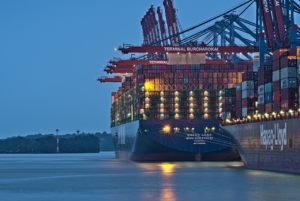
How to obtain Import-Export Business Licence in Nigeria and What it is
Nigeria Import-Export License
The Nigerian import/export license is an official document that allows an individual or company to participate in the importing and exporting of goods within and outside Nigeria. This license guarantees that your business adheres to the trade regulations established by the Nigerian government and international trade laws. Additionally, it aids in upholding the quality and safety standards of products arriving in or departing from the country.
Reason for Nigerian Import-Export License
Regulatory Compliance – Participating in international trade without the necessary license can result in penalties, confiscation of goods, and legal repercussions.
Access to International Markets – A legitimate export license enables businesses to broaden their reach to global markets, increasing growth possibilities.
Customs Clearance – The import/export license is crucial for facilitating the clearance of goods through Nigerian Customs.
Financial Transactions – Numerous banks necessitate a valid import/export license to process payments related to international trade.
Agencies Responsible for Issuing Import/Export Licenses in Nigeria
In Nigeria, acquiring an import/export license entails multiple regulatory bodies, each fulfilling a specific role in the trade process.
Standard Organization of Nigeria (SON)
The key agency tasked with issuing import licenses and overseeing all matters related to importation is the Standard Organization of Nigeria (SON).
The SON operates and grants licenses to importers of various goods through its program known as SONCAP (Standard Organization of Nigeria Conformity Assessment Program). The SON covers nearly all items intended for import into Nigeria except for those specifically assigned to other agencies.
The documentation necessary for importing goods into Nigeria varies based on the nature of the goods to be imported. If the item to be imported is regulated by SON, the importer must obtain a Product Certificate from the country of manufacture, which is issued by an approved inspection agency. The product certificate is required by the importer to open the Form M.
Nigeria Export Promotion Council (NEPC)
The NEPC is the primary government agency responsible for promoting and regulating non-oil exports in Nigeria. Established in 1976, the NEPC fosters the growth and diversification of Nigeria’s export trade. It provides the essential licenses for businesses planning to export goods from Nigeria, particularly in the non-oil sectors. According to the Nigerian Export Promotion Council (NEPC), export documentation is mandatory for official exports of goods and services from Nigeria.
The Importance of Export Documentation and Procedures
Minimize your export risks
Ensure that exported goods meet importing country specifications
Ensure you fulfill buyers’ requirements by providing evidence of origin and delivery
Helps you to formalize your export business
Assists you in qualifying for export incentives
Required Export Documents
For formal exports, the following documents will be necessary at different stages of the export process:
Exporter registration document
The initial step of your export procedure is registration as an exporter with NEPC. This is mandatory to engage in the export business. In summary:
Document issued – exporters certificate
Issued by – NEPC
Relevance – it licenses you as an exporter and renders you eligible for NEPC benefits
To acquire this document, go to the e-registration webpage.
Export contract document
An export contract is a formal agreement between the seller and the buyer regarding the conditions of export trade:
Document generated – a signed export contract
Generated by – you as the exporter and the importer
Importance – it outlines the responsibilities of both buyer and seller
Quality assurance documents
Quality assurance documents assist you in verifying that your exported goods adhere to safety standards (as specified by international conventions and potentially agreed terms of the contract). Utilizing internationally recognized organizations is crucial. Relevant documents consist of:
Phytosanitary certificate for agricultural goods (issued by NAQS)
Health certificate for processed and semi-processed food products (issued by NAFDAC)
International veterinary certificate for animals and their products (issued by DVPCS)
Fumigation certificate for agricultural products (issued by FPIS, part of FMITI)
For more information on Quality Competent Authorities (QCAs) and the related documents, explore detailed information about QCAs.
Commercial documents
The commercial documents reflect product values and quantities. These documents are prepared and provided by the exporter and include:
Proforma Invoice – A proposal from an exporter to sell specified goods at a defined price and under specific terms formally.
Commercial invoice – displaying the value of goods for export in the transaction currency
Packing list – showing the unit packaging and total quantity of goods meant for exports.
Financial documents
The creation of financial documents provides proof of a financial transaction between the buyer and seller. It also demonstrates compliance with financial regulations for exports. It consists of:
Document generated – Nigeria Export Proceed Form (NXP)
Generated by – Commercial bank
Importance – it records the value of the export transaction for economic development purposes. It is also a key requirement for obtaining the Export Expansion Grant (export incentive)
Document generated – commercial invoice
Generated by – you as the exporter
Importance – it reflects the value of the goods for export in the currency used in the transaction. It is also helpful for processing the NXP
Document generated – final invoice
Generated by – you as the exporter
Importance – it represents the actual value of the goods exported in the transaction currency for the importer’s payment purposes
Other Key Agencies
Although the SON and NEPC are primarily responsible for import and export licenses, other agencies are involved in the wider importation and exportation process:
Nigeria Customs Service (NIGERIA CUSTOMS SERVICE):
This agency governs and oversees all import and export activities, including the enforcement of trade legislation and the collection of duties.
National Agency for Food and Drug Administration and Control (NAFDAC):
For companies involved in food, drugs, and related items exempt from registration with SONCAP, NAFDAC’s approval is necessary prior to acquiring an import license.
Central Bank of Nigeria (CBN): The CBN plays a critical role in regulating the financial aspects of international trade, including ensuring that transactions comply with Nigeria’s foreign exchange regulations.
Department of Petroleum Resources (DPR):
For the importation of petroleum resources into Nigeria, the agency responsible for issuance of the import permit is the Department of Petroleum Resources. The application process from the Agency for the DPR import permit can be applied for on the online portal of the DPR official website.
Nigerian Electrification Regulatory Commission (NERC):
The NERC import permit required from all importers participating in the power sector in Nigeria. The NERC is the regulatory agency that oversees the power sector in Nigeria.
Nigeria Agricultural Quarantine Services (NAQS):
This regulatory agency under the Ministry of Agriculture is responsible for issuing importation permits for agricultural seeds and animals into the Nigerian territory. The requirements for obtaining import license with NAQS.
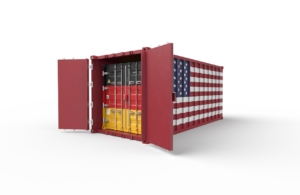
Steps to Obtain an Import/Export License in Nigeria
The process of obtaining an import/export license in Nigeria involves several steps, depending on whether you are importing or exporting goods. Here is a general guide:
Step 1: Register your business with the Corporate Affairs Commission (CAC)
Before you can obtain an import-export license, your business must be legally registered in Nigeria.
Action:
Register your business with the Corporate Affairs Commission (CAC) to obtain a certificate of incorporation.
You will also need to have a memorandum and articles of association, which describe the structure, operations and objectives of your company.
Reason:
This is the basic step that makes your business a legal entity in Nigeria, which allows you to apply for other business-related licenses.
Step 2: Obtain a Tax Identification Number (TIN)
A Tax Identification Number (TIN) is required to pay taxes, customs duties and fulfill other tax obligations.
Action:
Request your TIN with the Federal Inland Revenue Service (FIRS).
Provide your CAC registration documents, proof of address and any other required identification.
Reason:
NIPT is essential for all import-export businesses as it enables you to pay Value Added Tax (VAT) and other taxes, as well as participate in the formal economy.
Step 3: Register with the Nigeria Customs Service (NIGERIA CUSTOMS SERVICE)
Action: Request an importer or exporter code from the Nigeria Customs Service (NIGERIA CUSTOMS SERVICE). Complete the necessary forms and provide the required documents, such as your business registration documents and TIN.
Reason: This registration is required for anyone involved in the import-export sector. NIGERIA CUSTOMS SERVICE will issue you with a unique code to identify your business for all customs procedures, from import duties to customs clearance procedures.
Step 4: Apply for an Exporter’s License from the Nigerian Export Promotion Council (NEPC)
If you are focusing on exporting activities, you will need to obtain an export license from the Nigerian Export Promotion Council (NEPC).
Action: Visit the NEPC website or office to fill out the Exporter’s License Application Form. Submit your CAC certificate, TIN and other required business documents.
Reason: The Exporter License registers you with the NEPC and entitles you to various government incentives, including export subsidies and exemptions. It also gives you access to support programs such as market research and trade missions.
Step 5: Register with the Standards Organization of Nigeria (SON)
For businesses selling specific imported products, such as electronics, food or chemicals, a SONCAP (Standards Organization of Nigeria Conformity Assessment Program) certificate may be required.
Action: Apply to the Standards Organization of Nigeria (SON) for product certification.
Ensure that your imported products meet SON’s quality and safety standards.
Submit your invoice, product samples and all relevant documents for testing.
Reason:
SON certification ensures that your products meet Nigerian safety and quality standards, which are required for the release of goods.
Step 6: Obtain a Pre-Arrival Assessment Report (PAAR)
For importing companies, you will need to apply for a Pre-Arrival Assessment Report (PAAR) from an approved bank.
Action:
After receiving your Form M (the import document), apply for a PAAR from an approved commercial bank. Provide your Form M, pro-forma invoice and other relevant trade documents.
Reason:
PAAR helps streamline the customs clearance process by providing advance approval for the importation of goods.
Step 7: Apply for Importer’s License
Action:
Apply for an importer’s license from the Nigerian Customs Service (for business imports). Submit the required documents, including proof of company registration, your TIN, importer’s code and other required forms.
Reason:
This license gives you the legal right to import goods into Nigeria and to participate in the importation of specific goods subject to import duties.
Step 8: Obtain the required permits and certificates
Some categories of products require additional permits or certificates before they can be imported or exported. This includes goods regulated by bodies such as:
National Agency for Food and Drug Administration and Control (NAFDAC) for pharmaceutical, food and health products.
Federal Ministry of Agriculture and Rural Development (FMARD) for agricultural products.
Nigerian Maritime Administration and Safety Agency (NIMASA) for maritime transport and maritime imports and exports
National Environmental Standards and Regulations Enforcement Agency (NESREA) for environmentally sensitive products.
Reason:
These permits ensure that your products are safe, legal and compliant with industry standards, making them eligible for customs clearance and market entry.
Step 9: Complete bank documentation for payment
For all import and export transactions, it is essential to have a financial arrangement with a licensed Nigerian bank.
Action:
Set up an account with a bank authorized by the Central Bank of Nigeria (CBN) to handle trade and commercial transactions.
Complete the necessary forms for a letter of credit or domestic account, which will be used for payments related to imports and exports.
Reason:
Bank ensures that payments are processed in accordance with Nigerian regulations and helps you manage the exchange aspect of international transactions.
Step 10: Obtain Shipping Documents and Forwarder Information
Once your goods are ready to be exported or imported, the next step is to obtain the necessary shipping documents.
Action:
Ensure to obtain a bill of lading for ocean freight or an air waybill for air freight.
Hire a licensed freight forwarder or customs broker to manage logistics, ensure compliance with customs requirements, and facilitate the delivery of your goods.
Reason:
These documents are required to clear your goods and ensure their safe passage from origin to destination.
Step 11: Submit all documents for final approval
Once you have all relevant documents, submit them to the relevant authorities for final approval.
Action:
Submit your customs declarations, shipping documents, invoices and other necessary forms to the Nigerian Customs Department for customs clearance.
Ensure that all duties, taxes and fees are paid as required.
Reason:
This step is necessary to obtain final customs clearance and approval for the import or export of goods.
To obtain an import/export license, it is necessary to register your business with the Corporate Affairs Commission (CAC) of Nigeria before attempting to obtain one. This includes obtaining a certificate of incorporation and making sure your business name is properly registered.
Register with NEPCF or exporting companies, the next step is to register with the Nigeria Export Promotion Council (NEPC). The registration process includes presentation of the following documents:
Completed NEPC Registration Form
Certificate of Incorporation
Memorandum and Articles of Incorporation
Tax Identification Number (TIN)Bank Reference Letter
Passport Photos of Directors
you will receive a NEPC certificate, after successful registration, serve an export license.
Register with the Nigeria Customs Service (NIGERIA CUSTOMS SERVICE)Importers and exporters must register with the Nigeria Customs Service. which involves obtaining a Taxpayer Identification Number (TIN) and registering on the Nigerian Trade Hub portal. You will also need to provide relevant documents such as:
NEPC Certificate (for exporters). (You can register for your certificate here – NEPC CERTIFICATE
NAFDAC Registration (for food and pharmaceutical products)
SONCAP Certificate (for importers, where applicable) Product Specific Licenses
Depending on the type of goods you are dealing with, you may have – may need additional licenses or approvals from relevant agencies such as NAFDAC or ITS.
Open a House Account
A house account with a Nigerian bank is required to conduct international trade transactions.
Submit Documents and Pay Fees
Once you have all the necessary documents, submit them to the relevant agencies (e.g. NEPC, NIGERIA CUSTOMS SERVICE) with the required fees. Once approval is received, you will obtain your import/export license.
Compliance with Trade Regulations
Finally, ensure that you are in compliance with Nigerian trade regulations at all times. This includes regular renewal of licenses, pursuing customs procedures and staying updated with changes in trade laws.
The importer must also be registered as a client on the Nigeria One-Stop Trade Portal, which is an intergovernmental website that facilitates trade processes between government agencies and parties on the Federal Revenue Service website.
Obtaining an Import/Export License in Nigeria is a structured process that requires compliance with various regulatory requirements. By following the steps outlined and engaging with the respective agencies, businesses can successfully navigate the process and enter international markets. The Nigeria Export Promotion Council (NPC) plays a central role in the process, especially for exporters, while other agencies such as the Nigeria Customs Service and NAFDAC ensure that trade is conducted in a safe and regulated manner.
With the right license and compliance, your business can thrive in Nigeria’s dynamic and growing business environment.

Documentation Procedures and Processes for Import-Export Import in Nigeria
Proper documentation is the foundation of a successful import-export business. It ensures compliance with regulatory requirements, facilitates smooth operations, and minimizes delays or penalties. Below you will find a detailed guide to the main documentation procedures and processes required for import-export businesses in Nigeria.
Business Registration Documents
To operate legally, your business must be registered with the relevant authorities.
Requirements: Register your business with the Corporate Affairs Commission (CAC) and obtain a certificate of incorporation.
Include the company’s memorandum and articles of incorporation, which describe the objectives of your business.
Objective: These documents establish your business as a legal entity and allow you to engage in commercial activities.
Tax Identification Number (TIN)Every company involved in import-export must have a Tax Identification Number (TIN) issued by the Federal Inland Revenue Service (FIRS).
Requirements:
Apply for a TIN through the FIRS portal or in person.
Provide your CAC registration documents and a valid ID.
Purpose: NIF is required for payment of customs duties, Value Added Tax (VAT) and other taxes.
Importer and Exporter Code
Issuing Agency: receives this code from the Nigeria Customs Service (NIGERIA CUSTOMS SERVICE).
Requirements: Completed Forma Application.
Proof of Business Registration and a Tin.
Purpose: This code identifies your business in the customs database, allowing you to participate in international trade.
Form M for Imports
Form M is a mandatory document for all import transactions in Nigeria.
Issuing Organization: Authorized Banks and the Central Bank of Nigeria (CBN).
Requirements:
Proforma invoice from the supplier.
Certificate of Incorporation and NIF.
Certificate of insurance for goods.
Purpose: Form M is used to monitor the importation of goods and ensure compliance with Nigeria’s trade policies.
Pro forma invoice
Details required:
Description of goods.
Quantity, unit price and total cost.
Terms of payment and delivery time.
Purpose: Promissory note is issued by the supplier and forms the basis for customs clearance and banking transactions.
Bill of lading or air waybill
Issuing party: Transport or logistics company.
Required details:
Name of importer/exporter.
Description and quantity of goods.
Port of origin and destination.
Purpose: This document serves as proof of shipment and is required for customs clearance.
SONCAP Certificate for Imports
Issuing Body: Standards Organization of Nigeria (SON).
Requirements: Product testing and certification by an accredited body.
Submission of test report to SON for a SONCAP certificate.
Objective: Ensure that imported products meets Nigerian quality and safety standards.
Export documentation
Specific documents are required for exporting companies:
Certificate of Origin: indicates the origin of the exported goods.
Issued by the Nigerian Customs Service.
Export License: Obtained from the Nigerian Export Promotion Council (NEPC).
Companies must be registered as exporters with NEPC.
Commercial Invoice: Issued by the exporter, detailing the goods, prices and terms of the transaction.
Packing List: Details of the packaging of goods, including dimensions and weight.Pre-Shipment Inspection (PSI)
Issuing Agency:
Accredited inspection agencies such as SGS or Bureau Veritas.
Requirements:
Exporters must arrange for pre-shipment inspection of goods to ensure compliance with importers and regulatory requirements.
Objective:
Pre-shipment inspections prevent the export or import of substandard or prohibited goods.
Payment Documents
Payment procedures for import-export businesses generally involve banks and the following documents are essential: Letter of Credit (LC): Issued by the buyer’s bank to guarantee payment to the exporter.
Residency of Funds: Ensures that export proceeds are remitted through authorized Nigerian banks.
Bank Payment Receipt: Confirms payments made to suppliers or buyers.
Customs Declaration
Issuing Agency:
Nigeria Customs Service (NIGERIA CUSTOMS SERVICE).
Requirements:
Load or Airway Bill.
Form M (for imports).
Packing List and Invoice.
Purpose:
Customs declarations provide detailed information about the goods, ensuring correct classification and payment of duties.
Additional Permits
Depending on the nature of the goods, additional permits may be required:
NAFDAC Approval: for food, drugs, cosmetics and medical devices.
Import or Export Quota Certificates: for restricted goods such as petroleum products.
Documentation for Land Border Trade
For businesses operating near Nigeria’s land borders, specific documents such as the ECOWAS Trade Liberalization System (ETLS) are required for duty-free trade in South Africa.
Documentation Management Process
Arrange documentation in advance: Start the process of receiving documents well in advance to avoid delays.
Hire approved agents: Work with approved customs brokers or freight forwarders to handle complex procedures.
Document Scanning: Use digital tools to store and track documentation for efficiency and compliance.
Stay Up-to-Date: Regulatory requirements can change, so stay informed of updates from relevant agencies.
Benefits of Proper Documentation
Smooth Operations: Ensure faster clearance of goods at ports and borders.
Regulatory Compliance: Protect your business from fines and legal issues.
Credibility: Improve your reputation with suppliers, buyers, and regulators.

Step by Step Guide to start an import-export business in Nigeria
Starting an import-export business in Nigeria is an exciting opportunity, especially considering the country’s strategic position in the global trade network. However, starting such a business requires careful planning, knowledge of regulatory requirements and understanding of market dynamics. Below is a detailed, step-by-step guide to help you get started on the right foot.
Step 1: Do some market research
Before you start in the import-export business, it is essential to do a thorough market study to understand the supply and demand of the products you plan to trade.
Action:
Identify products that are in high demand in international markets or in Nigeria.
Research potential suppliers, manufacturers, and customers.
Analyze the competition and regulatory landscape for these specific products.
Reason: Market research will help you identify profitable opportunities, understand market dynamics, and avoid costly mistakes. Knowing the right products to import or export can increase your chances of success.
Step 2: Develop a business plan
A well-structured business plan is the foundation of your business. This plan should include financial projections, marketing strategies, and operational objectives.
Action:
Create a business plan that outlines your target market, products, marketing strategy, and financial projections.
Include detailed information on logistics, supply chains, and customer acquisition.
Define your business model (e.g., B2B, B2C) and key differentiators.
Reason:
A solid business plan helps you manage your operations and attract investors or lenders. It will also allow you to stay focused on your goals and strategy.
Step 3: Register your business
In order for your business to be legally recognized and able to operate in Nigeria, you must register with the Corporate Affairs Commission (CAC).
Action: Choose a unique name for your business.
Submit the required documents, including memorandum and articles of association, to KAC for registration.
Obtain your certificate of incorporation and Tax Identification Number (TIN).
Reason: Registration is a legal requirement and gives your business a corporate identity. It also allows you to apply for necessary licenses, open a trading account, and enter into contracts.
Step 4: Register with the Nigerian Customs Service (NIGERIA CUSTOMS SERVICE)
You must register with the Nigerian Customs Service (NIGERIA CUSTOMS SERVICE) to engage in import and export activities.
Action:
Request an Importer and Exporter Code Number from NIGERIA CUSTOMS SERVICE.
Submit the required documents, such as TIN, CAC certificate, and proof of business ownership.
Reason:
NIGERIA CUSTOMS SERVICE will issue a unique code to your business, allowing you to legally import and export successfully. This code is required for customs clearance, tax returns, and completion of all trade documentation.
Step 5: Obtain Financing
It is essential to secure adequate financing to cover start-up costs such as inventory, shipping, and licenses.
Action: Look for financing options such as loans from Nigerian banks, government grants or investors.
Consider other options such as trade credit or partnerships with suppliers.
Develop a clear financial plan to manage cash flow and avoid operational disruptions.
Reason: Obtaining financing ensures that you have enough capital to start and run your business smoothly. It helps cover operating costs such as transportation, storage and customs fees.
Step 6: Choose a Product and Supplier
Once you have identified a profitable product and secured financing, the next step is to establish reliable suppliers or manufacturers for your products.
Action: Find reliable suppliers or manufacturers, both locally and internationally.
Negotiate prices, payment terms, and delivery times.
Ensure that the products comply with Nigerian import standards or international export regulations.
Reason:
Having a reliable supply chain is essential to maintaining product availability and meeting customer demands. This ensures you have access to quality products at competitive prices.
Step 7: Apply for the required licenses and permits
Depending on the types of products you are importing or exporting, you may need to obtain additional permits from the relevant authorities.
Action: Apply for an export license from the Nigerian Export Promotion Council (NEPC) if you are exporting goods.
Apply for product certifications from relevant regulatory bodies such as SON (Standards Organization of Nigeria) for food, electronics and other regulated items.
Reason: Licenses and certificates are essential to ensure that your business operates legally and that your products meet industry standards. It also helps avoid delays and fines at customs.
Step 8: Establish logistics and distribution channels
Establishing a strong logistics network is essential to import or export goods efficiently and profitably.
Action: Cooperation with a forwarder or trusted customs agent to manage the movement of goods.
Choose the best shipping routes and methods (sea, air or road shipping).
Creation of warehouses or distribution centers to store goods.
Reason:
Logistics plays a central role in running your business. Efficient transportation, storage, and delivery methods minimize costs and ensure timely delivery of products.
Step 9: Showcase your business
Marketing is essential to attract customers and grow your business.
Action:
Develop a website and use digital marketing strategies such as social media, SEO, and online advertising to reach potential customers.
Attend trade shows and networking events to connect with potential suppliers and buyers.
Create partnerships with local distributors or resellers to improve market penetration.
Reason:
Marketing helps you build brand awareness and attract customers, whether you import or export products. It also allows you to position your business as a trusted player in the commercial market.
Step 10: Manage compliance and maintain records
Import-export businesses are subject to strict regulations. Therefore, it is essential to keep accurate records and maintain compliance.
Action:
Maintain detailed records of all transactions, shipments, payments, and communications.
Ensure that you pay the correct duties, taxes and fees to Nigerian Customs and other regulatory agencies.
Stay informed about changes in trade policies, prices and regulations.
Reason:
Compliance with Nigerian trade laws is essential to avoid penalties and ensure smooth operations. Good record keeping helps you track progress, make data-driven decisions and maintain transparency.
Step 11: Monitor and optimize operations
After launching your business, continuously monitor its performance to identify areas for improvement.
Action: Review your reports regularly financial information, your sales data and customer feedback.
Optimize your supply chain, logistics and customer service to improve efficiency.
Adjust your marketing and sales strategies based on market demand and trends.
Reason:
Monitoring operations allows you to quickly adapt to changes, improve profitability and ensure that your business grows.

Conclusion
Starting an import-export business in Nigeria is a profitable opportunity, given the country’s strategic position as a key player in global trade. However, to succeed in this industry, it is essential to navigate the various steps carefully, from market research and registration to logistics and compliance. By understanding the importance of regulatory requirements, obtaining the necessary permits and building strong supply chains, you will set your business up for sustainable growth.
While the journey can be challenging, it offers tremendous rewards for proactive, informed and adaptable entrepreneurs. with careful planning, effective execution and consistent monitoring, your import-export business can thrive, tapping into the vast potential of the Nigerian market and contributing to the growth of the country’s commercial economy.
Call to Action
Are you ready to dive into the exciting world of import-export in Nigeria? Don’t let the complexity of getting started hold you back. Start your journey today by conducting thorough market research, obtaining your licenses, and building a trusted network.
Whether you need expert advice every step of the way or have questions about regulations and compliance, we are here to help. Contact us today for personalized advice and assistance to start your import-export business and take advantage of the opportunities Nigeria has to offer. We turn your business idea into reality.
📞 Contact us today: (+234) 802 320 0801, (+234) 807 576 5799
📧 Email: enquiry@mocaccountants.com
🌐 Visit Us: 5, Ishola Bello Close, Iyalla Off Street, Alausa, Ikeja, Lagos, Nigeria
Enquiry Contact Form






There are no comments