Office Address: 5, Ishola Bello Close, Off Iyalla Street, Alausa, Ikeja, Lagos, Nigeria.
Introduction
we are glad to avail this detailed structure that would guide those interested in starting a snack food production business in Nigeria. That is why our aim is to provide you with the essential knowledge for mastering possibilities in this constantly developing industry.
Snack food processing is one of the most vibrant subsectors in the food processing market in Nigeria. The market for convenience and affordable snacks is steadily growing primarily due to the largely young and rapidly growing population of over 200 million people. This presents a great prospect for business mankind and anyone who wants to invest in a promising market.
The importance of snack food production cannot be over-emphasized in consumer demand and also in supporting the economy of the nation. It offers employment, supports the agricultural value chain since it adopts local raw materials such as cassava and maize, and provides opportunities for the innovation of products by business firms.
This guide is designed to:
Give a step-by-step guide on how to start a snack food production business in Nigeria.
Emphasize areas that include market analysis, acquiring licenses, planning of plant, and product development.
Support you with practical recommendations on how you can develop and grow a profitable and sustainable company.
At the end of this guide, you would understand the various processes that will help in the establishment of your snack food production business in Nigeria as well as the tools required.
Market Research and Analysis
To begin the process of starting the snack food production business in Nigeria, one must carry out proper market analysis and research on the industry. Here, the core information needed to strategize is revealed.
Consumers’ consumption patterns in Nigeria have shifted towards snack food products because of the young adult population across the country. It is expressed in billions of Naira and increases every year, All flash trends like healthy snacking are evolving in the market. Crisps, biscuits, chin-chin, and popcorn are some of the popular snack choices available for snacking, making this a great business opportunity with lots of available niches.
– Market Size and Growth: There is growth of over 10% annually in the snack food industry this being driven by Urbanization coupled with increased disposable incomes.
– Market Overview: The large consumer population in Nigeria as well as the diverse categories of people within the country will always require products such as these snacks. Local and International brands battle it out in the snack market in a bid to achieve a greater market ROI, traditional snacks and even new-age snack trends are present.
Demand and Supply Analysis
It is important to comprehend the demand and supply perspectives as if making a proper start to the snack food production business in Nigeria.
– Demand: Mobile street foods are widespread among the people, especially in urban centers as well as the rural population. The target customer groups are children, youths, and working persons who are in constant search for easy solutions to their day-to-day needs. Ethical segments also want low-calorie, organic or enriched snacks.
– Supply: Some of the brands may be local and others imported, but challenges such as quality, price, and types of products are not yet sufficiently met. Owners of companies and products that can occupy these so significant gaps have great chances for success.
Market segmentation and targeting.
Segmentation and targeting remain crucial after identifying your target consumers when it comes to starting a snack food production business.
Market Segments:
– Children like vibrant packs with tastes appealing to children.
– Health-Nuts: For health-savvy people, something organic or low fat.
– Busy Professionals: Snack on the go, like by consuming energy bars.
– The traditional snacking enthusiast loves local specialties like plantain chips and chin-chin.
– Target Market: Define one or more target segments according to your resources and strategy. Maybe you want to focus on urban millennials who would be interested more in creative and healthy snack options or rural markets that are more interested in affordability.
Competitive Analysis
It is essential to perform a thorough competitive analysis to learn who the players are in the market and what their strengths are.
– Market Leaders: Investigate what established brands like Rite Foods or Leventis Foods are bringing to the table and how they position themselves strategically.
– Niche Players: Find smaller brands serving a particular niche of the market, such as organic or gluten-free snacks.
– Areas to Differentiate: What can your company offer to provide a competitive edge? Better prices, local tastes, or Green Packaging at higher prices perhaps?
You can analyze all these objectives and make decisions based on them to create a sturdy foundation for your snack food production venture in Nigeria.
Business Plan and Feasibility Study
Writing a comprehensive business plan and conducting a thorough feasibility study is a prerequisite before establishing any snack-making venture in Nigeria. we guide you in firming ground for a sustainable and profitable field.
Development of a Business Plan and Feasibility Study
A business plan is a road map that sets out every detail of your snack food production business. It gives clarity to your goals, strategies, and resources, while it also convinces investors and stakeholders to believe that your business is worth investing in.
-Feasibility Study: It checks if your business idea is feasible in Nigeria given the snack food market; it checks parameters like demand, resources, supply, competition, and financial projection.
Definition of the Business Model and Revenue Streams
Your business model is what will make your snack food production business run and make money. Consider these:
– Revenue Streams:
– Direct sales through retail and wholesale.
– Supply agreements with supermarkets and convenience stores as well as into online platforms.
– Export to fellow African countries.
– Business Model Options:
– Mass Production: Product offerings are high-volume, low-cost snack goods.
– Niche Production: Target market segments by organic, gluten-free, or traditional snacks.
– Private Labeling: Produce snacks for other brands or retail outlets.
Assessment of the Technical and Financial Viability of the Project
Technical and financial assessments of the project prepare the ground for ensuing production complexities and costs.
– Technical Viability:
– Evaluate all the available raw materials including potato, corn, and flour. – Identify the right equipment and technology for efficient production.
– Infrastructure requirements such as power supply, water supply, and storage facilities should be analyzed.
– Financial Viability:
– Initial cost estimation for equipment purchase, staffing, and marketing.
– It includes operational costs by raw materials sources, utilities, and logistics.
– Revenue and profit projections based on the market demand of products and pricing strategies used.
Identification of Possible Risks and their Counter-Measures
There is risk in every business, but proper planning for sound risk management could make it secure for your snack food production business.
– Possible Risks:
– Supply Chain Disruptions: Raw materials are limited or logistics are delayed.
– Regulatory Challenges: Delay in getting the required documents and changed regulations.
– Market Competition: Compete against already-known brands and new entrants.
– Financial Risks: Unforeseen costs or finding it hard to raise funds.
– Mitigating strategies:
– Having several raw material sources and strong supplier ties.
– Staying current on the roll-over of regulations and getting top-expert help for compliance.
– Differentiating your products by quality, price, or branding.
– A contingency fund could be kept for needing costs not initially realized.
Competitor Analysis
It is highly important to analyze the competition when intending to build a snack food manufacturing firm within Nigeria. This is how we can help you with the evaluation of your competition to pinpoint the opportunities available for differentiation and growth in your market. Here is a much deeper perspective on what competition means to you:
Key Competitors in the Nigerian Snack Food Market
The words of the competition are in a lot for snack food in Nigeria local and international brands go up against one another to hold a quarter in a very active market. Here are some examples of serious competitors:
– Established Local Brands: The likes of Chivita, Golden Penny Snacks, and Boys’ Town Biscuits are house names, thanks to their long-standing establishment in the market. They have great distribution networks selling directly to consumers with which they have built strong brand loyalty.
– International Brands: Some well-known multinationals in the snack industry include PepsiCo (Lay’s) and Nestlé (KitKat, Milo).
– New Local Entrants: Several SMEs are now able to break through the market by serving specialized segments; such as organic, healthy, or gluten-free snack items.
Analyzing Competitive Factors:
Variety of Products: Competitors typically appeal to all tastes, from plantain chips for traditionalists to exotic flavors like popcorn and protein bars. A gap in product variety could offer opportunities for new players to come in with unique or niche targets of interest and launch products specific to those tastes.
Brand Equity and Brand Loyalty: Old brands have already created high customer awareness and loyalty. To compete with them, such brands require a clear value proposition, whether by quality of product, price, or unique selling points such as packaging and taste.
Pricing Strategies: There is very stiff competition over prices, as some brands have opted for low-cost mass-market strategies, while others concentrate on highly premium and thus high-priced products. It will therefore be important to understand the current pricing trends and position those products therein.
Distribution: Distribution is an important dimension within the competitive landscape. Leading competitors have reliable broad supply chains covering supermarkets, convenience stores, online platforms, and street vendors. New companies can import these types of cross-analysis information into their business models to understand how to most effectively deliver their products to the consumer.
Marketing and Branding: Big competitors manage to create blasts of commercials on TV and social media channels, together with celebrity endorsers to market their offerings. Smaller ones branch out of their market segment by such methods as special branding, community engagement, and localized marketing.
– Innovation: Products that local brands try to develop as new products including healthy snacks, environment-friendly packaging, or incorporation of local flavors are likely to capture the attention of the Nigerian consumers because they are becoming conscious of trend-setting brands.
Opportunities for Differentiation
Since most snack foods are already well established in the Nigerian food market, any new entrant has to seek a niche market. Here are some strategies to consider:
– Focus on Niche Markets: Choose a segment that is in trend in the current market, this could be a segment consisting of healthy snacks, plant-based snacks, or traditional Nigerian snacks prepared with local products. Introducing products such as gluten-free or low-calorie snacks could also fit the needs of some of the other customers.
– Quality and Taste: Quality of the snack foods therefore stands out as an important competitive weapon in this industry. Emphasize product differentiation with improved taste of your product compared to the rivals and fresh ingredients used in preparation.
– Brand Story and Packaging: Developing a brand image/strategy and packaging your messages in a way that consumers feel their emotions are being touched can create brand affiliation. In addition, sustainable and unique packaging can also define the main niche of your product in this saturated world.
– Regional Preferences: Nigeria is a culturally diverse country and supplying the market needs and local tastes can equally open up a unique market segment. In this case, the use of snacks that are likely to be consumed by the people in the eastern, western, or northern regions of Nigeria would help.
– Customer Experience: Provide a high-quality customer experience and successful purchasing experience through well-designed websites, customer incentives/rewards, and helpful customer support.
As suggested in this paper, evaluating competitors and shifting the emphasis to differentiation approaches will help a snack food production business succeed in Nigeria.
Licensing and Permits
Nigerians will have to undergo endless licensing and permit requirements before they can successfully start a snack food business. Our services offer guidance in ensuring that the business complies entirely with all the requirements that are legal for operating without stress.
Overview of the Licensing and Permitting Requirements for Snack Food Production in Nigeria
The snack industry’s production in Nigeria is under the supervision of certain government agencies to ensure food safety, and quality standards and prevent deviation from environmental aspects. Any form of operation hence becomes necessary- the need for licenses and permits is very germane to avoiding penalties and being on the right side of the law.
One will have to apply for a variety of licenses and permits from the requisite agencies when starting a snack food business in Nigeria. This would prove that the production facility meets health, safety, and operational standards.
Importance of Obtaining Necessary Licenses and Permits
– Legal Compliance: Operating without the required licenses can lead to serious penalties, fines, and sometimes even shutting down the business. Obtaining these permits ensures that the business is legally recognized and meets the Nigerian regulatory standard.
– Consumer Trust: Certification from the known regulatory bodies speaks to consumers that their products are safe, reliable, and of high quality, thus building trust in the brand.
– Access to Markets: Most of the time, compliance with regulatory standards is required before big retail stores, government contracts, or international markets can be accessed.
– Risk Management: They provide safety and quality checks in most cases, thus decreasing the chances of production problems, litigation, or health issues associated with your products.
Analysis of the Various Licenses and Permits Needed
Licenses and permissions could vary depending on the size, the scale, and the location of your snack food production business. However, herein are some designs of such key licenses and permits you should consider:
Food and Drug Administration (NAFDAC) Approval
NAFDAC registration: the National Agency for Food and Drug Administration and Control (NAFDAC) is the regulatory body, with the mandate of ensuring that every other food product in Nigeria meets health and safety standards.
Required Documents: This will involve the application and submission of details about the production method, ingredients, packaging, and labeling. Furthermore, is NAFDAC approval required for all snack food companies because they are legally mandated to make such before marketing their products in Nigeria?
Importance: First, the other snack food products are assured safe and conform to accepted standards through NAFDAC registration.
Certification from Standard Organization of Nigeria
SON standards mark: Every type of product, including all snacks, must meet the Nigeria quality and safety standards because SON enforces its compliance. Getting the SON certification, therefore, guarantees that your products will be able to meet local and international quality specifications.
Required Documents: This involves the production details in your file, including raw materials source, packaging, and other production practices. The certification will demand inspection at the location to check if the quality standard is indeed maintained.
Importance: Products are enhanced by SON certification credibility, and that, in turn, makes it interestingly distinguishable in a competitive market.
Environmental Impact Assessment (EIA)
– EIA Approval: You may need approval from the Nigerian Environmental Standards and Regulations Enforcement Agency (NESREA) based on how large your production facility is.
– Importance: An EIA ensures that your facility complies with environmental standards by reducing pollution, waste, and adverse effects on surrounding communities.
Health and Safety Permits
Occupational Safety: Second, the production facility should adhere to the Occupational Safety and Health (OSH) guidelines in protecting workers from injuries and health hazards.
Fire and Safety Permits: Also, fire safety permits should be obtained, along with efficient fire suppression systems and training of the crew on safety procedures.
Tax Identification Number (TIN)
TIN Registration: A business must register itself with the Federal Inland Revenue Service (FIRS) to get a Tax Identification Number for tax purposes.
Importance: A TIN is necessary for your business to pay corporate tax and return filings so that you remain in favor of the tax authorities.
Local Government Permits
– Besides, State and Local Permits: Depending on the establishment of your business, you need to acquire other permits from these state or local government authorities. These permits usually include zoning approval, waste disposal, and various other local regulations.
Licenses of Import and Export
– You should apply for import/export permits from the Nigeria Customs Service (NCS) if you want to import raw materials or export finished products.
– Value of Importance: They are the licenses that make it legal for a business to operate under the laws of import/export and trade agreements.
Documentation and License Process for Snack Food Production Business in Nigeria
The tedious procedure involved in obtaining the necessary documentation and licenses for one to start up a snack food production business in Nigeria is quite long and would generally comprise a few stages to ensure compliance with national regulations and standards in the industry. The following discusses the major stages in documentation and licensing processes:
Business Registration
The first thing in your documentation is the legal establishment of your snack food business. This entails registering your business with the Corporate Affairs Commission (CAC).
This goes as follows;
– Choose a Business Name: Choose a catchy and suitable name for your snack food production business and check for its availability.
– Business Structure: Choose whether sole proprietorship, partnership or limited liability company suits your business.
– File the Necessary Documents: Append proof of identity, address, and business owners’ information to the CAC.
It will issue you a Certificate of incorporation, without which one could not apply for any other permits and licenses.
Registration with NAFDAC
Since the National Agency for Food and Drug Administration and Control (NAFDAC) possesses the mandate to ensure the safety of food products from Nigeria, obtaining NAFDAC approval is very important when it comes to the production process of snack foods, as this is mandatory before any legal production and sales of products.
– Application Submission: Prepare and submit an application to NAFDAC containing details about your business and the production process, including raw materials, product formulations, and packaging.
– Product Testing: You will also provide samples of your product for testing to comply with health and safety regulatory requirements.
– Facility Inspection: An inspection of the production facility will be conducted by NAFDAC to ensure that the establishment is compliant with all necessary standards regarding food safety and hygiene.
– Get NAFDAC Number: After the approval of your application, NAFDAC will issue you with a registration number, which must be indicated on the product packaging.
Certificaton Prior to SON
This assures you that products are manufactured to quality standards set by the Standards Organization of Nigeria (SON). It will also help in earning the trust of customers and meeting the requirements of the local and international markets.
– Submit Documents to SON: You must submit your products’ raw materials, production methods, and quality control processes to the SON.
– Facility Inspection: An inspection of your production facility will be carried out by SON.
– Obtain SON Certification: Following successful completion of the inspection, the SON Certification will be awarded to your business. This certification indicates that it is validated and assures the safety of consumption.
Environmental Impact Assessment (EIA).
– Prepare EIA Report: EIA report needs to be submitted which enumerates the anticipated environmental impacts resulting from the company’s activities which may include waste disposal, air pollution, and scarce resource consumption.
– NERAS Approval: The report will be circulated through the National Environmental Standards and Regulations Enforcement Agency (NESREA) and subsequently, the inspections of your facilities will be conducted. You will have to comply with all recommended environmental protection measures.
– Obtain EIA Approval: Post-approval you will be given a certificate from NESREA indicating the operations of your organization comply with standards as regards environmental protection.
Local Government and Health Permits
Permits from local authorities or health bodies may be needed depending on where your snack food processing facility is located. These permits may comprise:
– Zoning Approval: The facility may have to be verified by the local authorities as situated in the particular area designated for industrial or commercial use.
– Health and Safety Inspection: You may require a health inspection to ensure that all your production processes meet the requirements of sanitation and safe food processing.
– Fire and Safety Permits: You will need fire safety permissions, which include installing necessary fire suppression systems and ensuring worker safety procedures are in place.
Tax Identification Number (TIN)
Every registered business in Nigeria now equipped with a Tax Identification Number (TIN) granted by the Federal Inland Revenue Service (FIRS). Moreover, it is a must-have for tax filing purposes and ensures the latter of your business from the Nigerian tax laws.
– Register with the FIRS: Send the business particulars to the FIRS of your business registration by the CAC and other documents attached to it.
– Obtain TIN: Upon registration, you enjoy the issuance of TIN, which you will have to pay taxes with and file compliance with.
Import/Export Permits (If Applicable)
You need import/export permits from the Nigeria Customs Service (NCS) if you intend to import raw materials and use them in the production of snack foods or export the finished commodities to other countries.
– Submit Application Import/Export: Give the information about the raw materials that you want to import, as well as the consumers to whom the products will go into.
– Demand/Conformity-Full Compliance with Customs Regulation: Ensure your products meet Nigerian customs regulations as well as standards for international trade.
Other Industry-Specific Permits
Furthermore, depending on the kind of snack food you plan to develop, particular permits or certifications are probably required. These may include, in addition to the relevant ingredient, allergen declarations, or even halal/kosher certifications if special diet requirements are fulfilled by your products.
Process for Obtaining Licenses for Snack Food Production Business in Nigeria
This process of getting licenses for your snack food business in Nigeria is well-structured. This is because such licensing will make you comply with all the local and national laws. The following are steps you are to follow to understand the licensing process better:
Register your business with the Corporate Affairs Commission (CAC)
These are steps to take before applying for any licenses, after registering your snack food business with the Corporate Affairs Commission (CAC).
– Choose Company Name: Choose a unique name that hasn’t been used and check the availability.
– Business Structure: Determine whether you want to register as a sole proprietorship, partnership or limited liability company.
– Submit Documents to CAC: Submit a list of documents which include proof of identity, address, and information about the business owners.
– Obtain Certificate of Incorporation: Once your registration is approved, you will get your Certificate of Incorporation so that you can move to the next level in your licensing processes.
Get NAFDAC Approach your Product
The registration of products with the National Agency for Food and Drug Administration and Control is the gatekeeper of the second institution for regulating food products in Nigeria. NAFDAC is a key agency for your snack food production business.
Here’s how you can get started:
– Prepare Product Information: Submit information about your product, including its ingredients, production method, and packaging design and label.
– Submit Application: You can apply either online or through the office of NAFDAC. The application should include product samples for testing and a full description of the process of production.
– Undergo Facility Inspection: NAFDAC will inspect your facility to find whether it is operating within the recommended hygiene and safety standards.
– Approval and NAFDAC Number: After all of that, you will obtain a registration number from NAFDAC, which you should display on all your product’s packaging.
SON Certification
The Standards Organization of Nigeria (SON) is put in place so that products in the country meet acceptable standards of quality. For snack food businesses, the following are some of the critical steps to obtain SON certification:
– Submission of Documents to SON: You will need to document the product including raw materials, steps of manufacture, and quality assurance measures.
– Inspection of facilities. SON will have to visit your production facility to assess whether the company is following the country’s quality specifications.
– Obtain SON Certification: You will obtain SON certification-important for trust among consumers and acceptance in the market your facility passes the inspection and your products are presumed of good quality.
Environmental Permits and Approval
An Environmental Impact Assessment (EIA) would be needed if your snack food production site is expected to cause any damage to the environment. This makes sure that your business is complying with environmental legislative requirements.
– Preparation of EIA Report: Present a report that contains a description of how waste is managed and shows energy consumption during the operation.
– Subject facility to be inspected per the above by NESREA. The National Environmental Standards and Regulations Enforcement Agency (NESREA) will assess your EIA report and then proceed to an inspection of your facility.
– Environmental Approval: If your report and facility inspection pass the regulations, you will receive approval to operate in a manner that is acceptable to the environment.
Health and Safety Permit
You may also need specific health and safety permits from local government and health authorities to conform to food safety standards and employee welfare in your facility. The permits may include:
– Health Inspection: The local authorities or the health department may inspect your premises to check compliance with the food safety standards and proper hygiene.
– Food Handling Permits Acquire food handling permits for the processing of your production facility on sanitary measures.
– Fire and Safety The safety measures that you have set for fire safety like fire extinguishers, smoke detectors, and evacuation plans in your establishment need to comply with the regulations on fire safety.
Tax Registration
As part of the process of licensing businesses, registration will also include tax registration with the Federal Inland Revenue Service (FIRS). This will make available to him a Tax Identification Number (TIN) that will serve as his identification in tax filing.
– Fill out the Tax Registration Form: Required information such as CAC registration and business structure.
– Obtain TIN: Once your registration is certified, you will be assigned a TIN which will be used to file and pay all the taxes.
Get Local Permits
Depending on your business location, you might require other local government permits. These permits may include the following:
– Zoning Permits: Local government authorities may need zoning permits as established to ensure that your facility is located in an industry or commercial zone.
– Operation Permits: Additional permits may be required for operation depending on state or local criteria.
Importing and Exporting Permits (if Applicable)
If you want to import raw materials or export finished products, you will have to apply for import/export permits to the Nigeria Customs Service (NCS).
– Submitting Application to NCS: Include details about the import or export of raw materials or products and comply with the trade regulations of Nigeria.
– Obtain Import/Export Permit: Once the NCS approves your application, you will be issued that import/export permit, which will facilitate the movement of goods into and out of Nigeria.
Other Specific Permissions:
Depending on the type of snack food you manufacture and your market, you might require other permissions such as:
– Halal or Kosher Certification: If you are planning to provide food for a specific dietary need, you may have to apply for halal or kosher certification by appropriate religious organizations.
– Allergen Declarations: If the product contains allergens-paraphernalia-, nut, dairy, or an allergen that must be marked for import with that allergen information on the product labels. This allergen information is given in compliance with food labeling.
Launching a Snack Food Industry in Nigeria: Industry and Regulation Guidelines
Starting a snack food manufacturing business in Nigeria means complying with some industry standards and regulations that are meant to ensure food safety, quality, and environmental compliance. Below is an exhaustive outline of the industry and regulation guidelines for starting a snack food production establishment in Nigeria.
Overview of the Industry
The snack food industry has witnessed much growth in Nigeria as a result of its growing population, urbanization, and changing lifestyles. In addition, there is an increasing demand for ready-to-eat products, such as potato chips, biscuits, popcorn, and local snacks like chin-chin and puff-puff. The industry is thus broad-based, with much potential for entrepreneurs.
Key Segments in the Nigerian Snack Food Industry Include:
– Packaged Snacks: These types include crisps, crackers, nuts, cookies, granola bars, etc.
– Local Snacks: Products such as chin-chin, puff-puff, and other Nigerian dishes have a very high demand, especially in informal markets.
– Health-Conscious Snacks: There is also an increasing trend of making snacks that are healthier in response to the emerging need for baked and gluten-free products by consumers.
Industry Regulations
The operation of a business within the snack food production industry in Nigeria can legally do so only if the industry business complies with some industry regulations that are put in place by different government agencies. The major area of interest that covers compliance matters relates to food safety aspects, labeling of products, quality standards, and environment-related regulations.
NAFDAC (National Agency for Food and Drug Administration and Control)
NAFDAC is the foremost regulatory authority when it concerns the safety and quality of food products in Nigeria. Therefore, you as a manufacturer of snack food items must comply with the following regulations of NAFDAC:
– Product Registration: It is required that all food products are registered with NAFDAC. This means that relevant information about the product will have to be submitted along with some samples for testing and a description of the manufacturing processes.
– Good Manufacturing Practices (GMP): You should also ensure that your facility fulfills the GMP requirements as determined by NAFDAC concerning hygiene, sanitation and safety, and other health-regulatory practices.
– Labeling Requirements: NAFDAC requires all food products to have clear and correct information, including ingredients, nutritional value, expiry date, and possible allergenic ingredients.
– Recurring Inspections: NAFDAC conducts routine inspections on your plant to ensure health and safety compliance.
SON (Standards Organization of Nigeria)
This agency sets and enforces the quality of standards for any product produced or manufactured in Nigeria, including snacks. Therefore, this is a requirement your business must fulfill:
– Standards Compliance: Your snack products must meet the quality standards from SON in terms of packaging, labeling, and safety.
– SON Certification: You need to have the SON product certification because it shows consumers that your product meets the standards set by the country in which they live. This certification is imperative for consumer trust and to gain access to retail and distribution networks.
NESREA (National Environmental Standards and Regulations Enforcement Agency)
If your snack food production involves processes that may impact the environment, you must comply with NESREA regulations. These include:
– Environmental Impact Assessment (EIA): An EIA must be submitted if there will be sa ignificant impact on the environment from your proposed production plant. These will include details on waste management, emissions, and resource use.
– Waste Disposal Standards: Dispose of by-products and packaging materials following proper waste management protocols and in an environmentally responsible manner.
FIRS (Federal Inland Revenue Service)
Compliance with the payment of taxes is a major regulatory requirement that all businesses must meet in Nigeria. Registrar:
– Register for tax: Ensure your business is registered with the FIRS and get a Tax Identification Number (TIN).
– Pay VAT: As food production, levy your products with Value Added Tax (VAT) charge and remit the same to FIRS.
– Corporate Tax Compliance: Your business should comply with the corporation taxes levied on snack food manufacturers.
Regulations on Packaging and Labeling:
Packaging and labeling are, therefore, the major defining factors of the snack food business tell the consumer about the snack and the regulations that govern it within the country. These are the regulations under which it is packaged and labeled:
– Ingredient Declaration: Ensure that all ingredients are listed in their full names, including any additives, preservatives, or allergens that may be found in the product.
– Nutritional Information: State nutritional facts such as calorie value, fat, carbohydrates, protein, and any other area of dietary importance.
– Expiration Date: Display the dates on which the item was manufactured and expired for easy understanding of the consumer about the shelf life of the item.
– Health Claims: Snack products that are backed by health claims (such as ‘low-fat’ or ‘gluten-free’) have to be substantiated and registered with the relevant authorities like NAFDAC.
– Eco-friendly Packaging: The trend now is towards biodegradable and recyclable products, which the consumers, as well as regulators, find appealing.
Health and Safety Guidelines
Few aspects are as important in the production of food as the health and safety regulations. To meet these standards, you must:
– Food Safety Protocols: Stay clean to avoid cross contaminations during the manufacturing process, when packing and storing the food. This includes measures such as placing food safety management systems that are standard like hazard Analysis and critical control points (HACCP).
– Employee Health and Hygiene: Make sure they wash their hands or have gloves or otherwise covered when preparing food or handling food products during the production process. This minimizes the chances of contamination since the different samples will be gathered and analyzed without coming into contact with each other at any one time.
– Safety Inspections: Take a physical check of production equipment to determine their suitability for use within the production line. Equipment should not be left running or connected to prevent such risks as overheating of the equipment or a short circuit.
Environmental Guidelines
Snack food production can generate waste and pollution, so it is essential to comply with environmental regulations:
– Waste Management: Adopt sound disposal methods in the removal of by-products packaging material and all other wastes that may be produced in the process of producing the products. This might include for example the re-use of products through recycling or the Disposal through composting.
– Water and Energy Use: Be careful with the usage of water and energy so that the scarce resources are only used in the right measure. Sustainable solutions also include using environmentally friendly technologies, for instance, energy-using equipment or solar power.
– Air Quality: In the course of producing your commodities using methods such as frying and others that emit fumes, must conform to NESREA standards on air pollution.
International Standards and Export Regulations
If you intend to export your snack food or even begin the export market, your products will have to meet international standards in food hygiene. Consider:
– ISO Certifications: A) Get accreditation with an ISO Name the specific standards like ISO 22000 which is a food safety management.
– Export Documentation: Export licenses and paperwork, such as health certificates, must be in their rightful possession, and your products must conform with the food safety standards in the country or region where products are to be shipped.
Product Development and Formulation
Overview of Snack Food Product Development and Formulation
The success of any snack food production enterprise in Nigeria basically relies on innovative, high-quality, and attractive snack products. It is the involvement of product development and formulation to create a particular snack that also satisfies the mouth-watering expectation with safety and nutritional preferences.
This process first begins by identifying a gap in the market or a consumer void and then conceptualizing the product, testing, and refinement thereof. Changes in existing recipes, sourcing new ingredients, and introducing flavors or health-oriented attributes such as low-sodium or gluten-free can be included.
Formulation is the stage where the end product has consistency in quality, texture, taste, and nutrient value in addition to statutory obligations. The ideal formulation also considers the process of production and packaging so as to maintain freshness and shelf life.
Analysis of Different Types of Snack Foods
There is a plethora of snack foods that are locally produced in Nigeria. Each uniquely differs in its ingredient compositions and preparation methods. Some of the different snack food categories found in the economy include:
Potato Chips
– Ingredients: Potato, oil, salt, and flavorings.
– Formulation: Potato chips are made from thin slices of potato and then deep-fried or oven-cooked to form crisps and seasoned with a variety of flavors from plain barbecue, candy cheese to spicy.
– Consideration: Consistency of oil temperature and frying time is critical for obtaining the right crispness and taste. The pack should be made airtight to keep the product fresh and not be affected by spoilage.
– Formulation: In the traditional way, popcorn is heated to the degree that the corn kernels burst, after which, any of the various seasonings or flavors coat the puffs.
– Considerations: Popcorn is very light and crispy, whereas there should be flavor-texture balance formation. Sweet, salt, and savory are all types of variations.
Biscuits
– Ingredients: Flour, butter, sugar, eggs, and leavening agents.
– Formulation: Biscuits are made by mixing the ingredients, processing to form a dough, and baking into crisp cookies-like products. Variations may include chocolate chip, fruit-filled, or even savory biscuits.
– Considerations: The shelf life, the texture, and the right balance between sweetness and flavor are defining factors in the formulation. Biscuits are usually eaten either as snacks, breakfast items, or desserts.
Chin-Chin – Local Nigerian Snack
– Ingredients: Flour, sugar, eggs, butter, and milk.
– Preparation: Chin-chin is a crunchy deep-frowned snack. Prepare the ingredients to form a dough, cut it into desired shapes, and fry them.
– Considerations: Local preference in terms of flavor (sweet or spicy) will have to be factored in. The shelf life of the product, oil absorption, and crispness are other considerations in the formulation.
Puff-Puff (Local Nigerian Snack)
– Ingredients: Flour, sugar, yeast, and water.
– Preparation: Puff-puff is a fried dough ball often eaten as sweet. The dough is kept for a while and deep-fried.
– Considerations: The balance in sweetness and texture has to be focused in the formulation because the dough must rise properly to give a soft fluffy center with a crisp outer shell.
Nuts and Seeds (Roasted Snacks)
– Ingredients: Peanuts, cashew nuts, sunflower seeds, salt, other spices
– Composition: Roasted and seasoned nuts and seeds to give a crunchy snack, which is protein-rich.
– Consideration: The roasting process needs to be carefully monitored to prevent overcooking and even seasoning for a satisfying taste.
Crisps and Savory Nibbles (Local and Imported)
– Ingredients: Wheat flour, corn, potatoes, flavorings, cheese, barbeque, spicy, and many more.
– Composition: Savory snacks are ready-made, usually made from grains corn, and/or wheat flour with flavoring ingredients, to give a crisp snack experience.
– Consideration: The crunchiness and flavor of the snack should be enough to appeal to both local and international audiences. The consistency of the product is very important; focus on the formulation in developing distinctly personal, but recognizable, flavors.
Importance of Product Testing and Quality Control
Quality assurance involves product inspection, which plays a major role in the manufacture of snack foods to conform to quality standards of production and risk factors associated with food products. Here’s why they are essential:
Consistency in Taste and Texture:
This way, every batch of snacks that is manufactured to be on the market has to have the same great taste and quality texture as the previous one. This is particularly important for products such as chips & biscuits which the customers expect to get constant results.
Safety and Regulatory Compliance:
Now that we have used Product testing we can confirm that snacks are free from various problems such as contamination, poisonous ingredients, or any risk in terms of safety. I agree that through testing, all ingredients qualify to be safe, and ready for human consumption, free from the common complaints of food poisoning.
Quality control also makes sure that the food products bearing the NAFDAC logo meet its labeling policy where information regarding ingredients, allergens, and shelf life of the food product are well stated.
Shelf Life and Freshness:
It is required that certain products need to be tested so that the specific products remain fresh for the intended life of the product.
For products like chips, biscuits, and crackers, the shelf-life test gives an assessment on how effectively the package has retained the taste of the products and batted any possible spoilt products.
Flavor Profile and Market Acceptance:
Evaluations are essential to the product formulation process since the product is tested to improve its formulation.
Flavor profiles, touch and feel assessment and face-to-face interviews assist the manufacturing firms to identify which of the preferred tastes or feelings best suits the targeted consumers.
Many people like regular feedback that will keep their products online with what their consumers want.
Operational Efficiency and Cost Management:
Quality control is essential in helping evaluate the production line to determine where the strengths and weaknesses reside, where waste is most predominant, and where raw material is best utilized.
Designing and Constructing Plants
Overview of Snack Food Plant Design and Construction
Plant layout and construction become an integral part of any facility that manufactures snacks. It is a vital step in setting up a successful snack food company. The layout and infrastructures must be scrutinized well so that the design can optimize production safety and industry regulations. Some of the things to understand about the plant are the flow of materials, equipment placement, production stages, storage, and packaging areas.
Properly designed plants produce fewer wastes; operational costs are lower and improved productivity gains are achieved.
Materials used for construction are durable; plans abide by the existing building codes and technology contributes towards construction processes that can scale in future expansion without making them cumbersome.
Analysis of the Various Types of Plant Configurations
There are many different plant configurations to choose from according to the scale of production, kinds of snack products, and available space. Commonly, they comprise:
Batch Processing Plant: As a rule, batch processing is applied for products that require production on a small to medium scale. Here, the snacks are produced in batch forms, which undergo several processing stages before they are ready for packaging, e.g. frying, baking, seasoning, etc. Here, flexibility in production runs is possible and is thus ideal for testing various recipes or product variations.
Continuous Processing Plant: Not applicable for low production volumes but can be found with continuous control at several stages of production as the raw materials flow continuously through them. This is because of increased automation and efficiency found in continuous plants that most apply to mass production of a standardized product, for instance, chips or biscuits. Its greatest advantage is throughput since upscaling becomes much less cost-prohibitive for this means operation types.
Modular or Flexible Plant Layout: This configuration is designed for businesses expecting recurring product line changes or expansions. This would accommodate modular units whose integration could be added or changed from one to another as per required unique specifications. This allows flexibility such that easily producers could modify production lines for varied kinds of snacks or adjust the scales to change sizes.
Integrated Plant Design: Mix in this configuration all stages of production raw to semi-finished product; then from processed product to packaging and storage; all in one sleek continuous flow. This cuts down on handling time and therefore increases efficiency. This is best for large companies engaged in high capacities of snack food manufacturing that require seamless operations.
Importance of Safety and Environmental Considerations
The importance of safety and environmental concerns can never be overstated when it comes to designing and constructing snack food plants. It is most important in regulating compliance with the local laws, but it also greatly increases the welfare of the workers as well as the community where they live.
Safety Considerations:
– Employee Safety: This should be incorporated into the design of the plant through the provision of fire exits, safe equipment layouts, safety barriers, etc. Areas with hot equipment or highly risked processes must be fully indicated and separated from the worker areas.
Accident prevention by proper installation and maintenance of machines and equipment is essential. Safety measures such as emergency stops, guards, and automated shutdowns must be installed.
– Dangerous Substances: Any production process with potentially dangerous chemicals or other harmful materials, such as preservatives, cleaning agents, etc. must have strict safety systems such as ventilation and hazardous substances holding and safety systems.
Environmental considerations:
Waste Management: Snack food-producing establishments generate types of waste including none, packaging materials, and food scraps and by-products. Efficient disposal systems should be instituted, either by recycling or composting, to reduce environmental levels.
Energy Efficiency: They should be embedded in energy-performing plants that will minimize the carbon footprint of the plant. The use of renewable energy sources such as solar panels could also foster a reduction in operational and environmental costs.
Water Consumption: Snack food production requires much-needed water, especially during washing, cooking, and cooling. Reduce the use of water and recycle water from these processes to promote sustainability.
Pollution Control: An air quality and noise pollution control approach should be taken into account, especially in bigger plants; the ventilation of properly conditioned dwellings, waste disposal filtration systems, and noise-absorptive material can help.
Equipment and Technology
Equipment and Technology Overview for Snack Food Production
The equipment and technology make the comparison in the production of snack food products in terms of efficiency, scalability, and quality of the production process. Choice of equipment will be made with respect to the type of snack being produced and all considerations including production volume and specific business requirements. Accurate selection of equipment will ensure that the requirement of production is well organized, cost-effective, and of high standard quality.
Equipment in general, related to snack foods includes:
Processing Equipment: These machines are used to complete the operations on raw ingredients such as washing, peeling, cutting, or grinding. For example, fryers for chips or popcorn makers for popping corn kernels.
Cooking Equipment: Fryers, ovens, and roasters that are necessary for cooking or baking the snacks to achieve the desired taste and texture.
Seasoning and Coating Equipment: Machines that evenly apply spices, flavorings, or coatings to the snack products.
Packaging: It consists of all machines that create finished products in bags, boxes, or containers that are ready for the consumer to access. It automatically seals, labels, and date-stamps.
Storage and Handling Equipment: This equipment includes conveyors, hoppers, and storage bins and commonly facilitates the movement and temporary storage of raw materials and finished products throughout the plant.
Quality Control and Inspection Equipment: This consists of applicable technology for inspecting the quality of the snack products, e.g., metal detectors, weight checkers, and automatic sorting systems that make the products consistent and safe.
Analysis of the Different Types of Equipment and Technology Available
The production of snack food will not be complete with the working machinery. It will have specialized machines for every specific function in the production line. So here is a category breakdown of the different types of machines.
Frying Machines: These are essential in frying snacks and chips, crisps, and certain fried snacks. New technology is being invented to incorporate oil filtration systems in fryers to improve efficiency and minimize wastage. Temperature control mechanisms for some fryers will ensure uniform frying.
Baking Equipment: Biscuits, cookies, and crackers are typical examples of baked snacks produced by baking ovens and machines. Machines that can distribute consistent heat throughout the baking time and control the baking time are required to produce products of good quality.
Extrusion Machines: This machine is for producing puff, corn curls, and pellets for snacks. They apply heat, pressure, and mechanical forces to transform the ingredients such as cornmeal into expanded and crunchy snack shapes.
Popcorn Machines: Generically, popping machines are used for producing popcorn. In this case, the popping machine uses hot air or even oil to pop the kernels of corn. Available in small- to large-scale machines, these are determined by the amount of production.
Packaging Machines: The packaging is an important point in protecting snacks from contamination, as well as maintaining their fresh quality. Automated line operations comprise bagging, sealing, and even labeling and printing dates on such machines, all of which improve productivity and consistency for consumer access to the perfect product.
Coating and Seasoning Equipment: These are the machines that are mostly responsible for applying the flavoring uniformly on such snacks as chips or nuts. They come in different types for example tumble and spray coaters with categorical application for different coating types whether powdered spices or liquid flavor coatings.
Automated Control Systems: Nowadays, for any current automated production of snack food, the integration of the entire stage in the production process mixing ingredients to packaging-fall into the domain of an automated control system. Therefore, it measures the temperature, pressure, and processing speed and achieves parity in terms of product quality in addition to reducing manpower errors.
Importance of Choosing the Right Equipment and Technology for the Factory
Choosing the right equipment and technology for a snack food processing plant is extremely important for various reasons:
Efficiency and Cost-Effectiveness: Properly selected machines may be able to optimize the processing, save labor costs, and reduce absolute waste. Also, it ensures the optimum consumption of energy by the right technology, which results in reduced operational costs to a great extent.
Quality of Product: Right from the equipment that is used, it varies at times to that of the finished product. Take, for example, a fryer with precise temperature controls will fry evenly crispy chips, and modern packaging machines will help the snacks last longer, fresh and well sealed.
Scalability. The production and machinery must not only be capable of matching the increasing growth of your business, but they must also perform the same high-quality production as before. Scalable machines and technology ease the transitions from small to larger production runs, avoiding costly downtimes due to upgrades and expansions.
Compliance with Standards. The equipment may be geared towards specific regulatory standards, such as food safety regulations from the National Agency for Food and Drug Administration and Control (NAFDAC) in Nigeria. The right equipment will make it possible for this plant to comply with such standards to avoid legal troubles.
Automation and Innovation: Advanced technology, such as automated production lines, will enhance and maximize efficiency while minimizing human error. Automation also ensures that the end product will be consistent if used by consumers expecting it to always be identical to what was previously received. In addition, modernization might open up new ways to improve product offerings, costs, or capacities.
Maintenance and Longevity: The equipment needs to be selected able to withstand the rigors of continuous use and require very little maintenance. A maintenance program that is appropriately administered helps to minimize downtime and repair and keep the plant running smoothly.
Raw Materials and Supply Chain Management
Overview of Raw Materials Required for Snack Food Production
Some of the major inputs for snack foods manufacturing are potatoes, corn, wheat, and other grains depending on the type of snack. The above raw materials provide the basic platform for products such as chips, popcorn, biscuits, and puffed snacks.
Analysis of the Different Types of Raw Materials and Their Sources
– Potatoes: Chiefly employed in making chips and fries while availing from local producers and producers within the country.
– Corn: Required for popcorn, corn chip as well as extruded snack products; usually purchased from the agricultural suppliers in Nigeria and the neighboring countries.
– Wheat: In biscuits, crackers, and other bakery products incorporated; sometimes imported or locally purchased from grain merchants.
– Other Ingredients: Seasonings, flavorings, oils, and preservatives are also important, and mostly purchased from local and international markets.
importance of Supply Chain Management and Logistics
Effective supply chain management involves supply assurance, delivery of good lot quantities, and quality and competitive costs. Good logistics enable a reduction in time and lead, and a reduction in spoiled products to ensure the best raw materials are used for production.
Effective management of the supply chain to best suited in fulfilling the production needs and quality assurance.
Operations and Maintenance
Overview of Snack Food Plant Operations and Maintenance
Managing operations is a complete production process from incoming raw material receiving to the initial packaging of the physical products. This covers the production lines, quality control, inventory assessment, and efficiency of every machine operation. Maintenance seldom focuses on providing continual equipment in good condition in order to reduce downtime and higher repair costs.
Identification of Different Types of Operational and Maintenance Activities
– Operation Activities: Include making production schedules, labor scheduling, equipment performance monitoring, product consistency, and health/safety compliance. Add appropriate (and continuous) employee training and performance evaluations for an optimal way of operating.
– Maintenance Activities: These include preventive maintenance and routine (checks, cleaning, replacement of parts), corrective maintenance (repairing or replacement of parts that do not function), and predictive maintenance (analyzing data to predict equipment failure). Regular maintenance prevents such crises from applying to the plant.
The Importance of Safe and Efficient Operations
This ensures safety from accident cases injuries and damage to the plant. This efficiency minimizes wastage, minimizes energy use, and keeps the quality of products. Maintenance lengthens the lifespan of equipment and increases the productivity of operations because of reduced downtime. A well-maintained plant not only saves costs but also increases production capacity and a safer working environment.
Quality Control and Assurance
Overview of Quality Control and Assurance in Snack Food Production
Quality control and assurance in snack food production are primarily about keeping the products safe and consistent and satisfying requirements from the industry. It involves all the steps in production starting with the election of raw materials and going through to final packaging to ensure the end products conform to predetermined quality standards.
Analysis of the Different Types of Quality Control Measures
– Raw Material Inspection Future-proof the quality of ingredients right before they enter the production line. Freshness, storage conditions and supplier reliability must be checked.
– In-Process Monitoring: Continuous monitoring during the entire production process allows for checking consistency among sizes, textures, colors, and flavors. Use of methods like sensory evaluation and automated testing systems.
– End Product Testing. Last step review of snack products for taste, appearance, texture, and integrity of the packaging. Such may include physical, chemical and microbiological examination for compliance with food safety laws.
– Calibration: It must be ensured that the production and test equipment eliminate errors in measuring products.
Importance of Assuring That Snack Food Products are Of the Highest Quality
High-quality standards ensure customer satisfaction, build brand reputation, and ensure that the market requirement is met, leading to significant reductions in returns and complaints from customers, while also raising the profile of preferred buyers.
Good consistent quality products impact reduced returns and complaints from customers while increasing their loyalty.
Such effective quality control involves minimizing waste and costs as well as ensuring compliance with health and safety legislation, thus contributing to the business’s success.
Package and Label
Overview of Packaging and Labeling Requirements for Snack Food Products in Nigeria
Packaging and labeling of snack food items are done based on the requirements of the National Agency for Food and Drug Administration and Control (NAFDAC) and other relevant authorities in Nigeria. These requirements guide the products in being safe for consumption, easily identifiable, and meeting the standards of national food products. A label shall contain important information stating the product name, ingredients, nutritional information expiry date, manufacturing details, and allergens.
Analysis of Different Types of Packaging Materials and Labeling Options
– Packaging Materials: The most encompassing and basic materials in snack food packaging are plastic, paper, foil, and flexible films. They just come together depending on the type of product and its respective shelf life. The freshness of a snack is the first feature that should be considered in the case of the chips; these are mostly packaged in airtight and moisture-resistant material; however, biscuits may need to be packed in some boxes or tins.
– Labeling Options: Information pertaining to the product may be printed directly on the packaging or applied as stickers. Good clear legible fonts containing detailed information concerning the product should be used. These include among others pressure-sensitive labels, shrink sleeves, and printed film bags, to mention but a few. The use of colors and designs draws consumers’ attention towards the products.
Importance of Compliance with Regulatory Requirements
Packaging and labeling becoming a major issue for compliance with production-related rules in packaging and labeling regulations prevents legal issues or even removal of the product from the market or sometimes fines. Labeling becomes significant in this case since it brings a consumer into awareness of the ingredients and nutritional content of a product, enhancing the relationship of trust with the consumers, and it will also ensure that marketing of the products is done safely meeting
Marketing and Sales
Overview of Marketing and Sales Strategies for Snack Food in Nigeria
It is imperative to devise the marketing and sales strategies for snack food products in Nigeria for a multi-dimensional target consumer across a variety of regions. Effective marketing is even more important given the growing demand for snacks; otherwise, the product will be buried in the competitive market. Strategies will include product differentiation, competitive pricing, and targeting both local and international consumers. Traditional means of marketing such as TV, radio, and print media still have aces up their sleeves but digital marketing has become the most accessed way of reaching the younger consumers through social media and e-commerce.
Analysis of the Various Marketing Channels
– Traditional Marketing Channels: Advertising on TV, radio, billboard, and print are some of the ways consumers can be reached. These are broad-based and mass-targeted, especially in the urban and rural areas within Nigeria.
– Digital Marketing Channels: Social media platforms have provided the means to approach consumers more closely in terms of advertising. Due to the increased influence of the internet, a few examples would be Facebook, Instagram, and Twitter. Also, influencer marketing and online promotional activities form a critical part of the targeted approach to these consumers.
– Retail and distribution channels: Supermarkets, convenience stores, online platforms, and local markets are channels through which snack food products can be sold. Robust distribution networks heist up products to be widely available to the end consumer, whereas e-commerce platforms could be utilized for direct sales to the consumer.
Importance of Establishing Relationships between Customers and Suppliers
Developing a strong relationship with customers helps brands to retain their loyalty, gain valuable feedback, and create an enthusiastic base of customers to talk favorably about the brand. Customers can be acquired through promotions, discounts, and personalized ways that help strengthen customer trust and satisfaction.
No less important is the relationship with suppliers. If quality raw materials are available all the time, production runs smoothly. Furthermore, longevity in supplier relationships may result in better price deals and pure exclusives from the supplier, leading to better operations for a more sustainable and profitable business.
Importance of Building Relationships with Customers and Suppliers
Strong relationships with customers help keep brand loyalty alive, attracting of valuable feedback, and bringing advocacy among the customers for that product. Companies doing promotions, offering discounts, and personalized engagements are some ways of strengthening customer trust and satisfaction.
Like building relationships with customers, nurturing relationships with suppliers is of equal importance. A reliable supply of quality raw materials will always be necessary for smooth production. A long-term supplier relationship will give you better pricing and exclusive deals and will facilitate smoother operations in much more sustainable and profitable businesses.
Financial Management and Sources of Funding
An Overview of Financial Management and Funding Options for Snack Food Production Enterprises
Good financial management is important in any business line including snack food production. It gives a business the leverage needed to have a well-planned cost management, healthy cash flow through financial operation activities, and maximization of profit. For example, budgeting in raw materials, labor, marketing, and other operational costs while taking into consideration capital expenditures on plant and equipment construction. A well-drawn financial strategy empowers a firm to make the right decisions through ensuring that it remains competitive in the market.
Analysis of the Various Kinds of Funding Options Available
– Equity Financing: It is the way of raising capital by selling ownership shares in the business. Private investors, venture capital, and even crowdfunding platforms are some of the sources of equity financing. Unlike debt financing, equity financing usually provides the business with large sums of money and does not require repayment. In return, however, the business should part with some share of ownership.
– Debt financing, bank loans or microfinance loans, or any other loans offered by financial institutions comprise normal means of financing. These loans are repaid with interest, and therefore the owner remains in total control of his/her business concern.
– Grants and Subsidies: The most attractive option for government grants or subsidized programs involves the food processing space. Most of these grants or subsidies are non-repayable but often come with certain conditions or prerequisites.
– Bootstrapping: The majority of small businesses primarily generate finances from the owners’ savings, friends, and relatives. It may be slightly more risky, but it is more controllable and eliminates the premise of taking on more debt or even losing substantial control through offering stocks.
– Trade Credit and Supplier Financing: Another type of credit extended by certain suppliers for fear of disposal which enables the business to delay payment for the raw materials until after the end product is sold. This may help to increase the cash flow situation and, in particular, when the business is at a development stage.
The Importance of the Principle: Financial Sustainability and Viability
The question of how the business will remain financially healthy in the long run is an important one. Appropriate management of resources leads to adaptation to economic shifts, to expansion, and averts the risks of bankruptcy. This is still a general overview of the evaluation and monitoring of cash flow, and costs, as well as making effective investment decisions necessary for continued operations as well as profitability.
In organizations that have this value, financial management is considered more important and the companies’ chances of surviving, attracting funds from investors, and expanding to other regions are higher.
Consequently, inadequate financial management can thwart the strategic business models notwithstanding the extent of strategic planning and management, so financial viability has become one of the pillars of business operations.
Food Products for Snacking
Snack food products are ready-to-eat or easily made food items usually consumed in between regular meals or while on the go. Such products are extremely popular in Nigeria for their busy lifestyles and increased demand for convenient and affordable foods. The products come in different categories, with various flavors to meet diverse consumer preferences.
Some of the most common snack food products in Nigeria include:
Chips and Crisps
– Potato Chips: Thinly sliced potatoes fried until crispy, with salt or spiced flavors.
– Cassava Chips: Popularly consumed as a substitute to potato chips, they are made from cassava, a principal crop in Nigeria.
Popcorn
– A beautiful and crunchy snack made by heating maize kernels. It is flavored in butter and salt or other variations of seasonings. Popcorn is widely enjoyed in movie theaters, gatherings, or easy snackers.
Biscuits and Cookies
– The most common types include cream-filled biscuits, cookies, and sweet or savory biscuits. Often sold in smaller packs for ease of consumption.
Nuts and Seeds
– Groundnuts (peanuts), cashews, and sunflower seeds are commonly roasted and salted. These snacks are considered to be a healthy and protein-rich snack.
Fruit Snacks
– Dried or preserved sasts of fruit such as mangoes, pineapple, and banana chips; makes the usage more convenient and benefits health.
Meat Snacks
– Dry, smoked, or processed meats such as suya (spicy grilled meat on skewers), beef jerky, or fried meat snacks.
Cheese Snacks
– These include snacks flavored with cheese, such as cheese balls or cheese sticks, which would appeal to both adults and children alike.
Cakes and Pastries
– Which includes little cakes, small doughnuts, and puff-puff (sweet fried balls) found popularly among local street stands.
Vegetable Snacks
– Various snacks made from different vegetables, such as plantain chips, yam chips, and even kale chips.
Snack Bars
– Granola, protein, and cereal bars save time and effort for a busy individual looking for healthy instant nutrition.
Snack food products represent the commonest foods savored in Nigeria, adapting to the various tastes, occasions, and dietary preferences with which individual people may have grown up.
Types of snack foods
Chips and Crisps
– Potato Chips: Thinly sliced potatoes fried with salt or other seasonings to give them a crispy texture; slightly flexible but not crunchy.
– Cassava Chips: – It is made of cassava, the substitute for potato chips in some areas.
– Taro Chips: They are similar to potato chips except that taro root is used and they are fried and seasoned.
– Plantain Chips: They are raw plantains that are fried and salted or spiced, turning them into crunchy chips.
Popcorn
– A light, airy snack made out of heated corn kernels that suddenly expand when they’re heated, it is most often flavored with salt, butter, or other toppings for flavor such as cheese or caramel.
Biscuits and Cookies
– Biscuits: Savory and sweet, some are crunchy while some are not, and some have varying flavors (e.g., butter, chocolate, cheese).
– Cookies: Sweet snacks made from flour, sugar, eggs, and butter, sometimes adding chips of chocolate, nuts, or dried fruit.
Nuts And Seeds
– Roasted Nuts: Peanuts (groundnuts) and dry fruits like cashews, almonds, and pistachios, in general salted or spiced.
– Seeds: Sunflower seeds, pumpkin seeds, and chia seeds. Mostly roasted or salted and crunchily nutritious.
Fresh and Dried Fruits
– Fresh Fruits: Such handy fruits as apples, bananas, grapes, oranges- they fit in your gallery and make for very healthy treats.
– Dried Fruits: Sun-dried fruits such as raisins, apricots, mangoes, and apples are lightweight, yet long-lasting.
– Fruit Chips: Thin slices of dried fruit (e.g. apple chips, banana chips) are often seasoned for extra flavor.
6 – Meat Snacks
– Jerky: Cured, smoke-dried, or air-dried meat such as beef, turkey, or chicken that may be sometimes sweetened with spices and flavorings.
– Suya: A favorite Nigerian meat skewer containing beef, chicken, or goat that has been spiced and grilled.
– Crispy fried skin of pork, Often salted and spiced, pork rinds (chicharrones).
Bars for Munching
– Granola Bar: They are made using dried fruits, seeds, nuts along with honey or syrup as sweeteners, usually promoted as healthy snacks.
– Protein Bars: High value protein snack containing whey protein, oats, nuts, and seeds.
– Cereal Bar: A blended mixture of basic grains, dried fruits, and sugars, giving a quick boost in energy.
Pastries and Cakes
– Mini Cakes: These are small cakes made for individual serving, available in flavors like chocolate, vanilla, or fruit-based, often in the form of cake slices or cupcakes.
– Doughnuts and Muffins: These are fried or baked pastries, both variants being street-conceived-tasty: sweet or savory.
– Puff-Puff: A common snack popular in West Africa that consists of fried dough balls that are often sweetened or spiced up.
Green Snacks
– Vegetable Chips: Chips are made from vegetables such as kale, sweet potato, or zucchini, and are usually fried or baked.
– Pickled Vegetables: Ready-to-eat snack-sized portions of pickled vegetables such as cucumbers or carrots, which have a tart crunchy bite.
– Carrot and Celery Sticks: Fresh vegetable sticks usually served with dip like hummus.
Cheesy Snacks
– Cheese Sticks: Cheese snacks, usually breaded and fried and sometimes in stick form.
– Cheese Puffs: Lightly puffed corn snacks flavored with cheese or cheese powder.
– Cheese Biscuits: Savory biscuits made with cheese, usually as a snack.
Confectionery and Candy
– Hard Sugars: Lollipops, mints, and gummy candy.
– Chocolate Bars: Milk chocolate, dark chocolate, and those containing or having fillings like caramel, nuts, and fruits are just a few of the many varieties available.
Baked Goods
– Pretzel: Dried or moist snack from the dough, unsalted or flavored.
– Bagels and Croissants: Mostly consumed in the morning; they are good breakfast snacks or light meals, usually plain or in combination with cream cheese, butter, or jam.
Frozen Snacks
– Ice cream and popsicles. Sweet cool confectionery could be frozen into any of different forms and maybe varied tastes.
– Frozen Yoghurt is a relatively healthier frozen snack compared to yogurt, served with toppings such as fruits, nuts, or chocolate chips.
Snack food has varied forms that suit almost all culinary tastes, preferences, and diet needs. These could be treated as quick bites by the day, at times served at parties and social gatherings, or provide you an energy boost between the meals.
Role of Financial Advisors and Consultants in Snack Food Production Business
A financial advisor or consultant is needed for effective channelization of financial activities in the process of setting up and running a snack food production business. Their contribution is paramount in making the business successful in all its dimensions. Here are some:
Business planning and strategy:
– Financial Forecasting: They should be able to make the actual financial forecast by offering their inputs on cash flows, cash flow statements, P&L statements, and also on balance sheet projections. This would serve to set realistic targets and tracking performance on the financial plan over the years.
-Budgeting: A financial consultant helps develop a budget that cuts across all areas of the business like production, marketing, staffing, and research and development in some cases, thereby making good use of funds available.
Raising Capital and Funding
– Identifying Sources for Funding: A financial adviser could help acquire and identify funding through loans, investors, or grants, and help get a detailed proposal together.
– Financing Structure: It includes guiding the arrangement of finance, refines the equity-debt structure-financial risk-reduction, and optimizes growth potential.
Cost Management and Profitability Analysis
-Cost Control: They would also help one understand monitor and control costs of raw materials, production, labor, and distribution, thus enabling the business to be profitable by keeping the revenues with the expenses.
– Margin Analysis: Financial advisors will study margins of profit and advise the management on pricing strategies that maximize their profitability, which would not discourage customers. They will also get opportunities to cut costs and implement process improvements.
Tax Planning and Compliance
Tax Strategy: A financial consultant provides strategies for tax liability minimization but is at the same time ensures compliance to tax laws. This will have the way in which the consultant helps the business garner all possible tax credits and deductions related to manufacturing and production.
Regulatory Compliance- Compliance with relevant financial regulations and standards, including VAT, corporate tax, and any industry-specific tax obligation.
Risk Management
Financial risk assessment: Assessment of financial risks in the snack food production business is done by consultants to understand the operation’s probable perils, such as fluctuating adverse raw materials prices, currency risks, and disruption of the supply chain.
Essentially, they have risk mitigation plans, such as developing and diversifying suppliers, hedging strategies for foreign exchange, and ensuring operational risks.
Cash Flow Management
Liquidity Management: The assistance provided by a financial advisor ensures that a business has enough cash flow to meet the costs of operations and avoid hitches that come as a result of liquidity issues. This also means managing the accounts’ payables and accounts receivable effectively.
Cash flow forecasting- They give a look into what the organization might expect in terms of future cash requirements, which can help businesses plan for things like restocking of inventory, purchasing equipment, or expansion initiatives.
Financial Reporting and Analysis
– Performance Analysis: A financial consultant helps business owners simultaneously track key financial metrics and provides them with reports regularly.
– Benchmarking: It compares the financial performance of the business to standards of the industry and identifies areas for improvement and growth.
Exit and Succession Planning
– Business Exit Strategy: Financial consultants prepare businesses for incorporation in an exit approach by giving consultancy in selling or retiring. They would see to it that the business is valued highly and that the entire procedure is sound financially.
– Succession Planning: The experts help determine succession plans to keep the business operational in case the ownership or management is passed on to someone else.
Investment Advice
– Reinvestment Strategies: Consultants recommend reinvesting profits back in the business, whether it is for additional production capacity, new products or for marketing.
– Financial Growth Strategies: They help the business owner in making decisions toward expansion in business, entering new markets, or diversifying into other product lines.
Financial Technology Integration
– Advising on Financial Tools: He or she may also advise and implement financial software tools that straighten out budgeting, accounting, and forecasting processes with efficiency; fewer errors are involved in the organization concerning financial flows for a manager or organization’s financial processes.
Snack Foods Challenges and Opportunities in Snack Food Production business in Nigeria
Challenges:
Raw Material Sourcing: It is inherent that the cost and accessibility of some essential inputs such as potatoes, corn or wheat can affect production cost and supply chain reliability.
Regulatory Compliance: It is thus easy to be lost on the food safety as well as labeling regulations within the Nigerian context.
Competition: They categorized the market into snacks, the market is highly competitive and has many companies both regional and global that offer this product.
Quality Control: Overcoming the problem of consistent quality of the final product, achieving consumer satisfaction and cost efficiency is always a challenge.
Logistics and Distribution: Supply chain management and also getting products to clients across the large expanse of the country Nigeria may not be easy.
Opportunities:
Growing Market Demand: Nigeria’s population is also increasing, and the people are becoming more urbanized, thus increasing demand for snack foods especially healthier and Nigeria-oriented ones.
Innovation in Products: Better and new opportunities with snack products, such as healthier organic, or ethnic snacks which will need a niche market to support them.
Export Potential: New emerging demand for food products globally offers the best market for the exportation of Nigerian snack foods to the international market.
Digital Marketing and E-commerce: Adopting digital technologies and e-business can expand new markets for getting consumers’ attention and selling products.
Local Sourcing: There are good reasons to adopt local purchases of raw materials as some costs may be minimized, supply chain risks may be reduced, and local benefits can be gained.
Frequently Asked Questions (FAQs) for launching a snack food production business in Nigeria:
Is there any licensing for producing snack foods in Nigeria?
Licenses that snack food production businesses must acquire include the National Agency for Food and Drug Administration and Control (NAFDAC), Corporate Affairs Commission (CAC), local government permit and several others. There are rules and regulations which should be followed to the latter to prevent legal problems.
What can I do to finance my snack food production business?
The sources of equity funds include a bank loan, private investors, government grants, and an endowment. The last step is incredibly essential that the business needs to come up with a business plan and a feasibility study to present it before the investors or banks.
What are the components for making snacks or semi-solid foods?
The major ingredients used in preparing snacks are potatoes, corn, wheat, oil, and spices depending on the type of snack to be manufactured. The procurement of these materials is always to occur affordably and as a steady supply for the organization’s functioning.
How can I set the standard for my snack products?
Important is that the companies come up with adequate safeguards to meet the quality control of the product, product testing, and other quality assurance features and compliance with safety standards. Staff training and equipment also play a crucial role in ensuring proper staff conduct and equipment maintenance to prevent the production of low-quality products.
What marketing strategies are effective for promoting snack food products in Nigeria?
The marketing strategies involve the utilization of social media and e-commerce selling, increasing and maintaining close relations with retailers and distributors, and when selling products to customers, there should be some attractive promotions and discounts offered.
The major strategies include determining the customer needs of the specific country you are concentrating your operations in, and ensuring that your products are designed to suit these needs.
Key Takeaways for Launching a Snack Food Production Business in Nigeria
Market Opportunity: The continued growth of Nigeria’s population and urbanization still brings a huge glut of opportunities via demand for diverse and unique snack options within the snack category-based industry.
Regulatory Compliance: Among other compliance issues, obtaining relevant licenses and food safety measures are requisite factors for survival within Nigeria’s complex regulatory environment.
Quality Control: Quality control measures help to ensure product quality, which in its turn builds confidence in the consumers’ mind together with competitive advantage.
Funding and Financial Planning: Raising money preferably via loans, investors, and grants puts it in a very good position, and articulated business plans will attract investors.
Effective Marketing: The power of making a great digital presence penetrated the effective channels of connecting with suppliers, customers, and distributors is invaluable.
Addressing challenges while seizing the opportunities will open the tapping of these innovative and booming snack food markets in Nigeria.
Final Thoughts and Recommendations for Launching a Snack Food Production Business in Nigeria
An immense opportunity exists for a snack food production business in Nigeria because of the size and growing consumer base in the country. It requires careful planning, a study of pertinent regulations, and the development of quality products that run efficiently to be successful in this endeavor.
Recommendations:
Thorough Market Research: Carry out in-depth market research to understand the unique preferences of the consumers in the locality with respect to the other competitors and the trends in demand. This will help tailor products and marketing strategies.
Compliance and Licensing: Ensure strong compliance with Nigerian food safety regulations and obtain relevant licenses from NAFDAC among other agencies. It will save your business from legal ramifications and create trust among the consumers as well.
Investment in Technology: Sure invest in suitable production equipment and technology for enhancing efficiency and quality of products. Automation may reduce your labor while extending the scale of operations.
Focus on Innovation: With increasing competition between a mouthful of snack competitors, the development of unique flavors and snack offerings that keep with healthy options or that contain local ingredients most likely will help differentiate their offerings in the market.
Financial Prudence: Manage your funds carefully and diversify your funding sources such that your business sustains its operations. Utilize both traditional sources of funding and new emerging opportunities afforded by digital financing.
Build Strong Partnerships: Create meaningful partnerships with suppliers and distributors, as well as retailers, to ensure good branches to reach one and to give reliable supply chains.
These will take you successfully across the road of quality, innovation, and customer satisfaction to produce a Nigeria-embarking snack food business.
Conclusion
There is exciting business potential in the snack food production industry in Nigeria, as the country is endowed with a pretty large youthful population that yearns for quick and tasty consumption in the very fast growing segment of convenient snacking. Succeeding in this highly competitive market requires a structured approach that spans from conducting market research and developing products through compliance with regulatory standards to financial management.
With a clear focus on quality and innovation and efficient operations, complemented with robust networks, whether with suppliers or distributors, one can set up a profitable venture in the consumption of a variety of snack food for Nigerian consumers.
Under planning, regulation, and a clear business plan, your manufacture of snack foods can progress in the fast-changing Nigerian market for success and profitability in time.
Call to Action
Ready to establish your snack food processing business in Nigeria? Start today by writing an excellent business plan, obtaining the required licenses, and sourcing quality ingredients.
If you need expert guidance through every phase of your business journey- from market research, through funding and regulatory compliance-
contact us at Matthew Ogagavworia & Co.
We are happy to help you make snack food production a reality for you. Come contact us today for personalized advice and support!





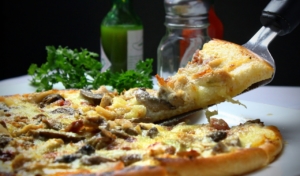


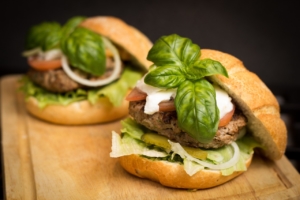









There are no comments