Office Address: 5, Ishola Bello Close, Off Iyalla Street, Alausa, Ikeja, Lagos, Nigeria.
Introduction
The music industry in Nigeria stands as Africa’s most thriving and powerful sector. The unique synthesis of traditional and modern musical sounds in Nigeria created a worldwide recognition leading to global music production leadership thanks to artists such as Burna Boy alongside Wizkid and Davido. The industry produces millions in revenue through music sales streamings, live events, and sponsorships. The existence of a growing music market in Nigeria provides a prosperous entry point for anyone starting their own music production studio business.
The Nigerian music industry depends upon music production for its foundational support. A successful music production studio serves two purposes: producing chart-topping music and supplying valuable services to musicians while working with producers and music industry labels. A new music production studio in Nigeria must recognize how extensively music production helps create emerging musical talent and drive musicianship changes across the nation.
The guide offers a step-by-step procedure to launch a music production studio within Nigeria. This guide serves as your roadmap from market research through studio setup and legal comprehension to developing a sustainable soundscape production enterprise in Nigeria.
Market Research and Analysis
Overview of the Nigerian Music Market
The Nigerian music market understanding is essential for anyone starting a music production studio in Nigeria. Nigeria’s vibrant music market contains two intertwined elements: multiple artistic styles including popular Afrobeats, Highlife, and Gospel music together with varied listener preferences. Studying this music niche helps your studio target the specific market segment of mainstream artists or specific musical styles and genres.
Demand and Supply Analysis
The rapidly growing music industry of Nigeria now requires high-quality production services because independent musicians focus on creating professional audio content. You should recognize market gaps before you open your music production studio in Nigeria. Is your studio equipped to serve unattended musical niches or geographic areas? What strategies can help your business rise above other competitors? The resulting analysis will lead your organizational direction.
Market Segmentation and Targeting
Your ability to break down the Nigerian music market enables you to learn what specific wants and requirements each audience segment demands. Affordable services serve independent artists best yet top-tier artists prioritize premium facilities and cutting-edge studio technology. The proper segmentation enables your studio to provide services that fully satisfy the needs of its chosen audience.
Competitive Analysis
Success in launching a music production studio in Nigeria depends on thorough competitor examination. Study existing studios in your market location to evaluate their cost structure along with service offerings and establish a reputation alongside their target customer base. What sets them apart? How do you deliver superior value while providing a distinct service model? Knowing your competitors helps you find your position in an occupied business sector.
Business Plan and Feasibility Study
Development of a Business Plan and Feasibility Study
A music production studio in Nigeria requires a business plan to serve as its launch blueprint. The written substance must include detailed information about your organizational mission with vision alongside specified targets along with core destination strategies. Your business requires defining the demographic target market and your competitive advantages while also creating pricing plans and operational procedures. The feasibility study verifies that the music studio maintains sound financial health which extends into lasting sustainability.
Definition of the Business Model and Revenue Streams
An essential factor for success requires understanding how your music production studio within Nigeria will make money. How will pricing work for your studio sessions including packages orで instrument quality and certified professional levels? Your company’s revenue streams derive from this model which guides both finance forecasting and studio service organization.
Assessment of Technical and Financial Viability
You must evaluate technical strengths and financial performance when starting a music production studio in Nigeria. What equipment do you possess? Does your studio location offer accessible service to the group of people you aim to reach? Did you create an estimation of all necessary expenses from startup to all ongoing operations? These assessments will help you establish a studio that operates properly and remains profitable.
Identification of Potential Risks and Mitigation Strategies
The proactive evaluation of both financial and operational dangers serves to protect your business operations. The studio faces potential risks that could emerge from cash flow problems together with equipment malfunction and regulation breakdowns. Your ability to face challenges efficiently improves when you create preventative strategies. Your studio should consist of equipment insurance along with extra funds for unexpected costs.
Competition
Overview of the Competition in the Nigerian Music Production Industry
Multiple well-established music studios together with new emerging studio companies vie against each other to gain market share in the Nigerian music production industry. Three essential steps for starting a music production studio in Nigeria require you to research competitive dynamics and evaluate how your competitors perform and how they plan their business operations. Understanding this competitive landscape requires assessing major marketplace participants alongside their products and rates alongside their market recognition level.
Key Competitors
Top-tier Music Studios: Established studios with a strong presence and significant client base. Professional music studios offer their clients premier equipment together with skilled personnel and a trusted production quality.
Independent and Niche Studios: Small independent audio companies offer specialized musical services to emerging artists and distinct musical styles. Companies within this segment differentiate through custom-made musical services combined with distinctive production methods.
Mobile and Home Studios: Affordable technology has created new opportunities for sound engineers and music producers who bring their studio services to customers through both home-based operations and portable setups. Such studios bid against one another based on affordable prices together with flexible approaches.
Competitive Advantage
To compete successfully against other music production studios in Nigeria find your unique selling point (USP) which differentiates your business from competitors. Each studio differentiates service delivery through specialized technological equipment, knowledgeable talent pools, highly specialized areas of focus, unique price models or premium customer relationship services. The outcomes of a thorough competitive analysis will present you with market openings your studio should tend to.
Market Size and Growth
Overview of the Nigerian Music Production Market
The Nigerian music business ranks as Africa’s largest and most energetic industry while local music demand continues to escalate along with global popularity. The music production industry shows strong growth potential because of digital platforms, social media, and enthusiastic global reception for Nigerian music (Afrobeats).
Market Size
– Revenue Growth: Billions of revenue flow through the Nigerian music industry yearly because of concerts alongside streaming platforms together with production activities.
– Digital Platforms: Streaming music platforms together with Spotify and Apple Music and the local service Boomplay continue expanding the music market by generating new income streams for artists and producers.
– Record Label Investments: The music production sector continues to grow rapidly because major recording labels and independent production houses put big capital into seeking new musical talents.
Market Growth Trends
– Technology Adoption: The growing use of home studios by producers and artists creates a sustained market demand for low-cost high-quality production equipment and software.
– International Expansion: The worldwide acceptance of Nigerian artists generates additional business prospects for international music collaborations from local production facilities.
– Increase in Live Performances: Professional sound engineers along with producers along with studios face growing opportunities due to Nigeria’s rising number of musical festivals and concerts.
Future Projections
Analysis predicts that the Nigerian music production industry will expand with a Compound Annual Growth Rate of 10-15% over the ensuing 5-10 years. Global industry interconnection will drive upward growth in superior music production services demand.
Market Overview
Overview of the Nigerian Music Production Market
The aggressively expanding Nigerian music production market represents substantial opportunities since Nigeria remains one of the leading cultural forces in global music. The demand for music production services in Nigeria continues to climb due to its significant number of young creative people. The music production market serves both famous artists alongside new independent performers who need professional services.
Key Characteristics
– Youth-driven Market: Music remains a very popular lifestyle activity for Nigeria’s large younger demographic whose favorite musical styles include Afrobeats hip hop and pop.
– Technological Advancements: Low-cost technology now helps beginners reach professional music production standards which unlocked the doors for home studios to partner with independent artists.
– Global Influence: The worldwide success of Nigerian Afrobeats music creates rising global market demand that requires superior production services both within Nigeria and throughout international markets.
Key Players in the Market
The music market shows growing influence from independent musicians and production groups together with already established recording facilities. Major studios control the luxury segment Of the industry but new and specific studios have started to market unique production solutions at reduced prices.
Market Segmentation and Target Market
Market Segmentation
Different categories within the Nigerian music production market exist through several segmentation variables encompassing genre specifications along with artist classifications and production service requirements. Your service delivery and promotional methods will improve when you conduct a segmentation analysis of your target audience.
By Genre:
– Afrobeats: Nigeria’s music industry revolves around the Afrobeats genre because both major and independent musicians depend on production services.
– Hip-hop/Rap: The genre shows continuous growth leading to increasing recognition of Nigerian musicians worldwide.
– Gospel and Traditional: Specific market groups maintain strong commitment through audience members who desire unique production approaches.
– Pop/Alternative: These musical genres are presently experiencing demand from upcoming artists who seek accessible creative music production solutions.
By Artist Type:
– Established Artists: Due to their high status in the industry established musical artists need modern sophisticated studios stocked with professional equipment coupled with specialized experienced personnel.
– Independent Artists: Music artists who prefer reasonably-priced professional services together with musical flexibility and creative freedom.
– Corporate Clients: Businesses require musical content production for their branding projects including jingles, soundtracks, and music.
By Service Type:
– Recording Services: The service includes both vocal recording sessions alongside instrumental recordings and professional sound engineering.
– Mixing and Mastering: Audio tracks become optimized for market delivery at this post-production stage.
– Live Sound Production: As part of their service the organization delivers noise systems and technical solutions for concerts along with live events.
– Music Licensing and Syncing: The service assists musicians and companies in finding music licensing opportunities for television ads and film projects as well as digital media.
Target Market
Deciding which market segment to approach as customers depends both on your special music production features and what abilities your studio delivers. The primary target segments include:
– Artists: Artists at different levels of their career handpick your studio to manage the professional recording of their songs.
– Record Labels: Music labels need studios to serve as their trusted source for client recording services combined with artist music production needs.
– Advertising and Media Agencies: Commercial enterprises television programs and film manufacturers need music production services from your business.
– Event Organizers: The target end market consists of organizations and independent entities that organize sound projects for live events including concert production and festival setups.
Establishing early knowledge about your target market enables you to tailor your studio services toward specific requirements thus gaining better visibility in the competitive Nigerian market for music production.
The preparation guidelines for starting a music production studio in Nigeria generate a comprehensive understanding of market performance alongside commercial potential while delivering marketing segmentation recommendations.
Competitors in the Nigerian Music Production Industry
Efforts to launch a music production studio in Nigeria must be evaluated directly along with indirect music industry competitors. The music studio faces direct competition from other studios providing equivalent services yet indirect competition comes from companies that supply necessary recording equipment to music producers. The competitive market depends significantly on these equipment providers because they deliver production tools and technologies necessary for high-quality music creation to studios.
Major Music Studios in Nigeria (Direct Competitors)
Well-established players operating in the Nigerian music production industry combine professional recording services with advanced production technology and seasoned expertise and maintain a positive market reputation.
– Mavin Records Studio: The music institution stands as one of Nigeria’s leading multinational labels in the music industry. This music studio features contemporary production equipment followed by skilled world-class producing staff and sound engineers.
– Chocolate City Studio: With its talented team and advanced musical equipment along with a long tradition of producing top Nigerian artists the Chocolate City Studio emerged as an industry-leading production facility.
– Olamide’s YBNL Studio: Olamide develops his drastically successful music empire through a facility that now accommodates numerous talented creatives. Their music facilities use state-of-the-art tools suited for different requirements in music production.
– Dr. Dolor Entertainment Studio: Dr. Dolor Entertainment Studio provides expert music production support for artists who work in Afrobeat R&B and Pop genres.
These music facilities predominantly work with experienced artists but extend their services to both established and new musicians who require complete music production solutions including audio recording together with mixing and mastering processes.
Equipment Suppliers in Nigeria (Indirect Competitors)
The successful development of new music production studio businesses depends entirely on the equipment suppliers operating in the industry. The equipment suppliers supply music studios with a complete range of recording tools and high-end sound gear.
Here are some notable equipment suppliers in Nigeria:
– Soundcity Studio Equipment: Soundcity operates as a main professional music production equipment provider within Nigeria. The company offers both high-end microphones and mixers together with soundproofing materials that allow clients to create superb studio facilities. Nigeria’s music studios source their studio equipment from Soundcity because it provides the most recent audio technology choices.
– Pro Audio Lagos: The audio equipment boutique Pro Audio Lagos presents mixing consoles and studio monitors alongside microphones and fundamental studio instruments to their customers. They provide comprehensive studio installation services to residential and commercial clients as their core business.
– Music Gear: Through its Nigerian operations Music Gear accesses multiple musical instruments and studio equipment types. Their product selection includes major world brands Yamaha and Roland together with AKG popular across both professional and amateur backgrounds.
– The Beat Studios: The Beat Studios functions as a big studio equipment provider in Nigeria by providing exclusive sound equipment in addition to studio monitors and acoustic treatment kits with microphones and synthesizers. They serve studios of all professional grades together with amateurs who operate home studio control rooms.
– Pinnacle Sound & Vision: A well-known supplier of sound systems and audio equipment in Nigeria. Pinnacle Sound & Vision supports audio operations across the music studios market in addition to serving event organizers and entertainment venues.
International Equipment Providers
Local suppliers share dominance of the Nigerian market with international corporations which exercise significant market influence. These companies offer premium audio equipment which they either sell online or distribute to their providers targeting markets that function between standard studios and elite recording spaces.
– Sweetwater: As a worldwide professional music instrumentation giant Sweetwater provides both basic musical instruments and advanced studio monitoring devices alongside sound mixing equipment. Nigerian recording studios routinely purchase their specialized audio gear from the worldwide supplier Sweetwater because the company carries challenging-to-locate local equipment brands.
– Guitar Center: Guitar Center operates as one of the main international music equipment retailers that maintain a large inventory of audio products including instruments as well as sound systems. Ngian music producers together with studio facilities frequently bring their equipment from Guitar Center because it presents both extensive ranges and exceptional product quality.
– Thomann: This Germany-founded company stands among the biggest distributors of professional audio equipment which produces mixers, microphones and studio tools. Nigeria’s local resellers stock most Thomann products for selling throughout the country.
Equipment Rental Companies
The music production studio equipment rental operations are available through competing businesses. Producers gain multiple benefits when they select equipment rental companies because they receive access to high-end gear for their projects rather than carrying the burden of complete purchase costs.
– Studio Gear Rentals Nigeria: The company provides temporary equipment rentals primarily targeting high-quality professional sound products. Relative newcomers to the studio industry can leverage microphones together with mixers and soundproofing tools because these products offer the benefits of premium equipment without burdening startups with full purchase costs.
– Rent Sound Equipment Nigeria: The company provides rental solutions for sound equipment systems together with studio monitors and microphones and additional fundamental audio tools. This option serves event organizers together with studios that need premium instruments for their short-term working requirements.
You Need to Know These Essential Points Before Starting Your Music Production Studio
Equipment Providers: Play a Crucial Role: Soundcity Studio Equipment and Pro Audio Lagos along with Music Gear provide the necessary equipment for music production studios that ranges from fundamental tools to premium professional gear. Your studio’s success relies on partnering with suppliers who deliver top-quality tools for client production needs.
Know Your Competition: Superior equipment providers continue to compete alongside major studios with small studios that provide particular genres and affordable options. Your unique proposition enables you to connect with targeted client segments who will choose your business over the major companies.
Consider Equipment Rental Options: If you are just beginning, renting equipment from places such as Studio Gear Rentals Nigeria can help you keep your initial costs low while providing excellent services.
Be Ready for Market Competition: The competition in music studios is tough, but these days, having the finest equipment and specialized services could offer an edge to your studio over others. Forge strategic partnerships with suppliers both locally and internationally to get the best equipment at the best prices.
In summation, when starting a music production studio in Nigeria, you have to comb through the maps and players in the industry and equipment suppliers in the market. Being well-armed with such knowledge and information will help you put firmly on your feet in establishing a competitive studio, equipping it with the best equipment, and offering yourself a vantage point in Nigeria’s rapidly growing music production industry.
Documentation and Licensing Process for Launching a Music Production Studio in Nigeria
Cellular music company startups in Nigeria need crucial license and registration permissions to safeguard both their business operations and conformity to local regulations. A complete outline of official requirements follows to operate a music production facility within Nigeria’s legal framework.
Overview of Registration and Licensing Requirements
Music production studios operating in Nigeria need to follow multiple legal obligations and regulatory requirements that protect intellectual property and guarantee business legitimacy and the enforcement of national laws. These licenses and registrations serve several purposes:
The licensing and registration system functions to defend the musical works and their creators as well as producers through comprehensive asset protection.
The process of registration allows you to remain protected from legal problems which protect you from industry disputes.
Your organization must abide by copyright regulations and intellectual property guidelines and tax compliance laws.
The essential understanding of license type demands along with corresponding documentation requirements and acquisition procedures must be clarified.
Importance of Obtaining Necessary Licenses and Registrations
The necessary music production studio licenses for Nigeria serve as essential legal components while simultaneously establishing trust with artists and clients along with your studio’s collaborators. These licenses ensure that:
– Your studio adheres to Nigeria’s copyright and intellectual property laws.
Natural law in Nigeria grants you exclusive rights to make music and its release.
Your operation can legally charge clients for studio services and send royalties to copyright owners.
Your access to major music industry bodies’ benefits is one of the advantages that comes from obtaining licenses.
With these licenses, your studio maintains smooth operations while streams are free from legal charges and suits and damage to reputation.
Types of Licenses and Registrations Required
Here’s a detailed breakdown of the key licenses and registrations you will need to obtain when launching a music production studio in Nigeria:
Nigerian Copyright Commission (NCC) License
As the national authority,Nigerian Copyright Commission (NCC) protects intellectual property rights maintained by creators operating in Nigeria. A business working in music production distribution or performance needs to acquire this necessary license.
– Purpose: Through the NCC license you safeguard your studio music from copyright infringement which enables creator payment through royalty distributions.
– Documentation Required:
– Completed application form
– Proof of studio registration
– Identity documents of the studio’s owners and stakeholders
Your studio needs to present proof of operations which includes business registration information along with tax certificates and bank statement documents.
– Process:
Forward your essential application paperwork to the National Copyright Commission during the submission process.
The necessary application fee must be paid alongside completing the required process.
The NCC examines every application before issuing a license when all requirements are properly met.
Nigerian Music Industry Association (NMIA) Membership
As the industry leader of music business regulation and promotion in Nigeria the Nigerian Music Industry Association (NMIA) performs essential functions for the music sector. While NMIA membership does not impose legal obligations, participating allows members access to valuable industry networking and professional insights combined with greater industry recognition.
– Purpose: As a member, one would access both exclusive industry events together with business resources and receive academic support to enhance business promotion.
– Documentation Required:
– Completed NMIA membership form
– Proof of business registration (CAC certificate)
– Studio’s operational history (if any)
– Process:
Businesses can apply for NMIA membership through their official website.
Annual membership fee payments are required to complete the process.
Once accepted by the association members must wait for formal confirmation of their membership status.
Federal Ministry of Information and Culture License
Culture and creative industries come under the supervision of the Federal Ministry of Information and Culture which controls music production in Nigeria. The license serves as a fundamental requirement for music production studios that intend to distribute music or perform broadcasting activities.
– Purpose: Through this license studios acquire the authority to distribute music materials in Nigeria along with marketing rights.
– Documentation Required:
– Proof of studio registration and operational activities.
– Business and tax documents.
– Evidence of compliance with intellectual property and copyright laws.
– Process:
Organizations need to present their application through the Ministry of Information and Culture.
Candidates must submit payment of all planned application processing fees.
After a successful application review, the Ministry will issue a licensing certificate.
Business Registration with the Corporate Affairs Commission (CAC)
A music production studio needs to obtain CAC (Corporate Affairs Commission) registration before starting operations legally in Nigeria.
– Purpose: By registering your business you get the formal authorization to operate legally and establish deals with clients along with vendors.
– Documentation Required:
A business registration form must be fully completed.
– Proof of identity for the business owners.
– Articles of association (if applicable).
– Payment receipt for registration fees.
– Process:
Businesses can register at a CAC office by using their website or visiting physically to finalize their registration.
After paying all necessary registration fees clients must present every mandatory document to the CAC personnel.
Your official business registration certificate will be provided after the completion of the process.
Tax Registration (FIRS)
Music production studios must comply with FIRS registration since it serves as a prerequisite to handling taxes effectively. To operate as a music production studio you need to obtain both your Tax Identification Number (TIN) and many business registrations.
– Purpose: The government needs your studio income taxes for you to uphold their tax regulations.
– Documentation Required:
– Proof of business registration.
The business owners need to provide their identification documents.
The business must submit all sections of the FIRS tax registration form.
– Process:
Start the TIN application by using the FIRS website or by visiting their offices.
Your studio must maintain payment records precisely to prepare appropriate tax submittals.
Additional Licenses and Documentation
The specific requirements for licenses and certifications that studios need depend on both their targeted focus and conducted business functions.
– Broadcasting License: Getting a broadcasting license from the National Broadcasting Commission (NBC) becomes necessary for studios that broadcast music or produce content delivered through TV or radio networks.
– Music Distribution Agreements: Any studio planning to distribute music needs to guarantee full distribution agreements between artists, record labels and online platforms which may include Apple Music and Spotify.
The process of obtaining licenses and registration
Licensing follows a simple process for your music production studio in Nigeria, but it can be tedious. Generally, it requires an overview of what this process entails.
Step 1- Business Registration with the Corporate Affairs Commission (CAC) is Required.
Step 2- Tax Registration with the Federal Inland Revenue Service (FIRS) and obtain your TIN.
Step 3- Get an NCC License to copyright your music and have it protected by law.
Step 4- Obtain NMIA Membership to understand the Nigerian music industry community.
Step 5- Look for a Federal Ministry of Information and Culture License if you will be distributing music.
Step 6- Any other industry-specific requirements, such as broadcast or distribution agreements.
Final considerations on documentation and licensing:
Ensuring the proper licensing and registration of your music production studio in Nigeria is very vital for legal protection, business legitimacy, and credibility in the industry. It is always good to consult professional advice from lawyers, accountants, and regulatory experts to walk you through the registration and licensing process. After obtaining those licenses, you will be able to avoid getting dragged into legal troubles and also see your studio getting credence as a reputable one within the Nigerian music industry.
Music Licensing in Nigeria
Simply put, Music Licensing has become one of the best ways for an artist to get more exposure and more revenue for their music.
Whenever you hear music in a commercial, a movie, playing in Shoprite, or in a training video you had to watch at work, it’s the result of music licensing. You can think of it as one party renting music to another. Instead of selling your songs outright, permission is granted for the other party to play or use your songs in exchange for royalties.
Music is protected by copyright law, which provides exclusive rights to copyright owners to perform or play their songs. If someone plays music without permission, they are infringing on the copyright, and copyright law allows the owner to recover damages if a court decides the infringement was willful.
What is Music Licensing?
Music Licensing is simply the transfer of exclusive or non-exclusive rights, authorization, or permission to another person, permitting them to reproduce, publish, perform, make translations or adaptations, broadcast, or distribute a musical composition or sound recording for commercial purposes, usually for some time. In practical terms, music licensing can be likened to renting one’s song or sound recording to third parties.
Examples of when you need to obtain rights:
Use on radio or performance (including live and recorded versions of a song) in public (i.e. restaurant, nightclub, boutique)
Use in a visual project (i.e. film, TV, commercial, online video, video game, etc.)
Use in a toy that plays music
Use in an app that displays lyrics
Even if your organization doesn’t make money from music use, you still need a music license and permission to play or perform songs publicly, as well as copy or make music available online.
Types of Music Licensing All Businesses Should Understand
Almost all the music you hear, and most likely the music you want to use, is copyrighted.
This means that one or more parties own the rights to it. Using this music without paying the rightsholders can get your company into very expensive legal problems. In most cases, businesses will need multiple licenses for their company’s music usage, and in fact, may need multiple licenses for even just one song.
To start, one must understand that there are two copyrighted works in every recording. The first is the composition, which includes notes and words. The composition is generally owned by the songwriter and her music publisher. The second is sound recording, which is an artist’s recording of a composition. The sound recording is generally owned by the artist or record label.
Now let’s dive into the different licenses that are required for different music uses by businesses.
Music synchronization licenses for businesses.
If your company wants to use music in a video, film, TV show, or game, you will need a synchronization license. This refers to taking the video content and pairing it with copyrighted music to create an audiovisual work. This includes using music for video posts on your company’s social media accounts. Synchronization licenses are required from both the owner of the composition and the owner of the sound recording.
Music reproduction and distribution licenses for businesses.
If a business offers consumers the ability to download music that is not paired or synchronized with visual media, then you will need a license for the reproduction and distribution of the music. For compositions, this means obtaining a “mechanical” license. Mechanical licenses require direct deals with the songwriter or music publisher, or an organization representing them. For sound recordings, the license must be obtained through the artist or record label directly. In addition, a reproduction license is required for server copies that may be made to facilitate a public performance. This applies to both compositions and sound recordings.
Public performance music licenses for businesses.
A public performance license is required for playing music, such as in a store, on an app, on a website, or through a live performance. For compositions, public performance licenses are generally obtained through performance rights organizations (PROs), all of which license and collect performance royalties on behalf of thousands of composers they represent. In Nigeria, the most prominent is the Musical Copyright Society of Nigeria (MCSN).
Who takes care of Music Licensing?
If a business requires MCSN Music Licence but does not obtain one, it is in breach of Nigerian Copyright Law. This is also unfair to those other businesses who have paid for MCSN licenses, not to mention the thousands of performers and record companies who are responsible for the recorded music that the unlicensed business is using.
Musical Copyright Society of Nigeria – MCSN (Limited by Guarantee), a nonprofit-making Organisation, representing the authors, composers, publishers, performers, and producers of practically all copyrighted music and sound recording, Nigerian and foreign, and for a modest charge we’ll grant you a license allowing the performance at your premises of virtually any copyright music and sound recording you choose.
Our Organisation’s charges are negotiated whenever possible with the appropriate trade and professional associations.
Do I need a Music License?
Musical Copyright Society of Nigeria (MCSN) gives you a Music license to entertain your customers, guests, and employees. One of the greatest advantages of the MCSN license is that it gives you the right to perform ANY or ALL of the millions of musical works in our repertory.
Whether your music is live, broadcast, transmitted, or played via CD’s or videos, your MCSN license covers your performances. And with one license fee, MCSN saves you the time, expense, and burden of contacting thousands of copyright owners.
MCSN’s customers include: Airlines, Amusement Parks, Bars, Restaurants & Nightclubs, Colleges & Universities, Concert Presenters, Music Venues & Clubs, Convention & Trade Shows, Fitness Clubs, Hotels, Local Government Entities, Radio & Television Stations and Networks, Mobile Entertainment, Websites, Retail Stores and music users in a wide variety of
other industries.
Even if your organization doesn’t make money from music use, you still need a music license and permission to play or perform songs publicly, as well as copy or make music available online.
If a business requires MCSN Music Licence but does not obtain one, it is in breach of Nigerian Copyright Law. This is also unfair to those other businesses who have paid for MCSN licenses, not to mention the thousands of performers and record companies who are responsible for the recorded music that the unlicensed business is using.
Musical Copyright Society of Nigeria – MCSN (Limited by Guarantee), a nonprofit Organisation, representing the authors, composers, publishers, performers, and producers of practically all copyrighted music and sound recording, Nigerian and foreign, and for a modest charge we’ll grant you a license allowing the performance at your premises of virtually any copyright music and sound recording you choose. Our Organisation’s charges are negotiated whenever possible with the appropriate trade and professional associations.
Why You Must License Music from PROs
Copyright laws for music are strict when it comes to any public performance of a published work.
You may not consider your business to have a public performance when you’re just streaming music through an app or on your computer, but the legal definition of a public performance involves any instance of that song being played for a significant number of people or the
potential for a significant number of people.
If you play from a personal playlist, you may face multiple fines for multiple infractions from more than one PRO. Plus, if you go to court and lose the lawsuit, you will have to pay attorney’s fees and court fees. This huge expenditure could force you to close your business.
Where Can You Obtain a Music License in Nigeria?
Obtaining a music license should be treated in the same manner as obtaining a basic business license. The best time to file the paperwork for applications is before you open up the space in
which you plan to play music for performance purposes.
Musical Copyright Society Nigeria (MCSN) is registered as a collecting society per the Copyright and Related Rights Act 2000. The Act provides that a person may play a sound recording in public providing that they:
Give notice to MCSN that they intend to do so.
Pay the appropriate MCSN tariff.
Comply with any reasonable requests for information from MCSN to enable it to calculate and manage payments.
Types of Music Production Studios in Nigeria
In Nigeria, the music production industry has grown exponentially over the years, fueled by the vibrant and diverse music scene. Music studios in Nigeria can vary widely based on their specialization, size, equipment, and target audience. Whether you’re looking to start your own studio or explore existing options, here’s an overview of the different types of music production studios in Nigeria:
Home Studios
Home studios are typically smaller, more cost-effective music production spaces designed for independent producers, budding musicians, and DIY artists. These studios are often built in a residential setting to provide affordable recording and production services.
Budget-friendly compared to larger commercial studios.
Limited in terms of space for live instruments or full band recordings.
Advantages:
Low overhead costs.
Flexibility in hours and production style.
Ideal for artists with a limited budget.
Challenges:
Limited equipment and acoustics.
Less space for larger projects.
May lack the professional sound quality and branding of larger studios.
Project Studios
Project studios are mid-level production spaces designed for small to medium-sized projects. They cater to both independent artists and more established musicians who require high-quality recording but don’t need the full capabilities of a large commercial studio.
Target Audience: Independent artists, producers, small record labels, musicians with a growing fan base.
Key Features:
Higher-end equipment than home studios, including professional-grade microphones, audio interfaces, and mixing consoles.
Acoustically treated rooms to provide better sound quality.
Often used for recording, mixing, and mastering smaller projects or demos.
Advantages:
More affordable than large commercial studios.
Offers professional equipment and sound quality.
Suitable for producing high-quality demos, albums, and mixtapes.
Challenges:
May not have the space for large bands or orchestras.
Limited in terms of the range of services and scale compared to larger studios.
Commercial Studios
Commercial music production studios are large, fully-equipped spaces that cater to a wide range of music production needs. They are often the go-to choice for major artists, record labels, and producers looking for the highest quality production, mixing, and mastering.
Target Audience: Established artists, record labels, film studios, commercial clients, advertising agencies.
Key Features:
Professional-grade equipment, including high-end recording consoles, soundproof rooms, and advanced mixing and mastering tools.
A dedicated team of engineers, producers, and technical staff.
Spacious rooms for live recordings, full-band setups, and orchestral performances.
Typically offer services for recording, mixing, mastering, post-production, and sound design.
Advantages:
Top-tier equipment and sound quality.
Spacious, soundproofed rooms capable of accommodating large projects.
Highly skilled technical staff with expertise in various aspects of music production.
Challenges:
Higher costs compared to home and project studios.
May require advanced booking and the availability of professional staff.
Mix and Mastering Studios
Mix and mastering studios are specialized facilities focused solely on the final stages of the music production process. These studios don’t necessarily handle the initial recording of music but excel at the post-production phase, where tracks are mixed and mastered for commercial release.
Soundproof and acoustically treated rooms optimized for detailed audio work.
Experienced engineers who specialize in fine-tuning audio and preparing tracks for distribution.
Advantages:
Specialized equipment designed for high-quality mixing and mastering.
Focus on enhancing the final sound of the track to ensure it meets industry standards.
Ideal for artists or producers who already have recorded material but need professional mixing or mastering.
Challenges:
Limited or no recording capabilities for full music production.
Costs can be significant for high-end mixing and mastering services.
Hybrid Studios
Hybrid studios are a blend of both digital and analog systems that combine the best features of both worlds. These studios often cater to high-level productions that require both advanced digital software and the warm sound of analog equipment.
Target Audience: Professional producers, established artists, high-budget projects.
Key Features:
Both analog and digital equipment (e.g., analog tape machines, mixing consoles, digital audio workstations, plugins).
Flexible space that can handle a variety of production tasks, from recording to mixing to mastering.
Often used by producers who want to capture the warmth and depth of analog sounds while still enjoying the precision and flexibility of digital tools.
Advantages:
High-quality sound with the ability to use both analog and digital equipment.
Ideal for professionals seeking versatility and superior sound quality.
Suitable for large and complex projects that require multiple stages of production.
Challenges:
Can be more expensive than standard digital or analog studios.
Requires expertise in managing both analog and digital systems.
Mobile Recording Studios
Mobile recording studios are fully equipped mobile units that provide on-site recording and production services. These studios are typically set up in large vans or trailers and can travel to different locations for recording sessions.
High-quality equipment for recording, mixing, and mastering on the go.
Flexibility to record in various environments, such as concerts, festivals, or outdoor events.
Often staffed with engineers who handle all aspects of production in a mobile setup.
Advantages:
Flexible and convenient for recording at live events, on location, or in remote areas.
Can save costs associated with renting a studio space.
Ideal for recording spontaneous live sessions or outdoor music festivals.
Challenges:
Limited space for large-scale productions.
Requires careful coordination and planning for setup and operation.
Video and Sound Production Studios
Some music production studios in Nigeria double as video production spaces, offering both sound recording and visual content creation services. These studios are essential for artists who want to create high-quality music videos alongside their audio recordings.
Target Audience: Artists, record labels, filmmakers, advertising agencies.
Key Features:
Studios are equipped for both audio and video production, including high-definition cameras, lighting, and green screens.
Facilities for both sound recording and video production, such as editing suites and special effects.
Ideal for artists looking to produce music videos or promotional content in one location.
Advantages:
One-stop shop for both audio and video production.
The convenience of working on both aspects of a project under one roof.
Potential cost savings for artists who need both services.
Challenges:
Requires specialized equipment and skilled staff for both audio and visual content production.
Can be expensive due to the wide range of services provided.
Registration and Licensing
Overview of the Registration and Licensing Requirements
Before commencing actual operations, the launching of a music production studio in Nigeria would require registration with the relevant authorities. This consequently ensures legal compliance and protects your business. Licensing saves you from fines or shutdowns whilst availing you countless benefits, including copyright protection.
Importance of Obtaining Necessary Licenses
Whenever you’re launching a music production studio in Nigeria, obtaining the right licenses gives you credibility and legal footing. The licenses show that you take industry standards seriously and comply with intellectual property laws in your practice, allowing you to legally produce, distribute, and monetize music.
Analysis of the different types of Licenses and Registrations required
You are going to need a number of licenses for the establishment of a music production studio in Nigeria:
Nigerian Copyright Commission (NCC) License: This license allows for the protection of music and proper distribution of royalties.
Nigerian Music Industry Association (NMIA) License: This license guarantees that your studio is recognized in the music community.
Federal Ministry of Information and Culture License: This license is a must to guarantee that your operations are in line with the national laws and regulations.
Studio Setup and Equipment
General Overview of Studio Setup and Equipment
The setting of a music production studio combines creative tendencies with fine technical precision. From working acoustics to recording equipment, the standards of the studio must fit into the expectations of its intended target market. A user-friendly studio can, in reality, offer an undesirable recording experience, therefore giving rise to bad sound quality and killing the studio’s name instead.
Analysis of the Types of Equipment
When launching a music production studio in Nigeria, it is wise to have the right tools:
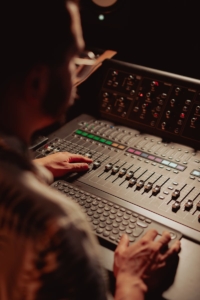
Recording Equipment: Microphones and headphones must be of the best quality, and the same applies to the preamps so that the best sound can be had.
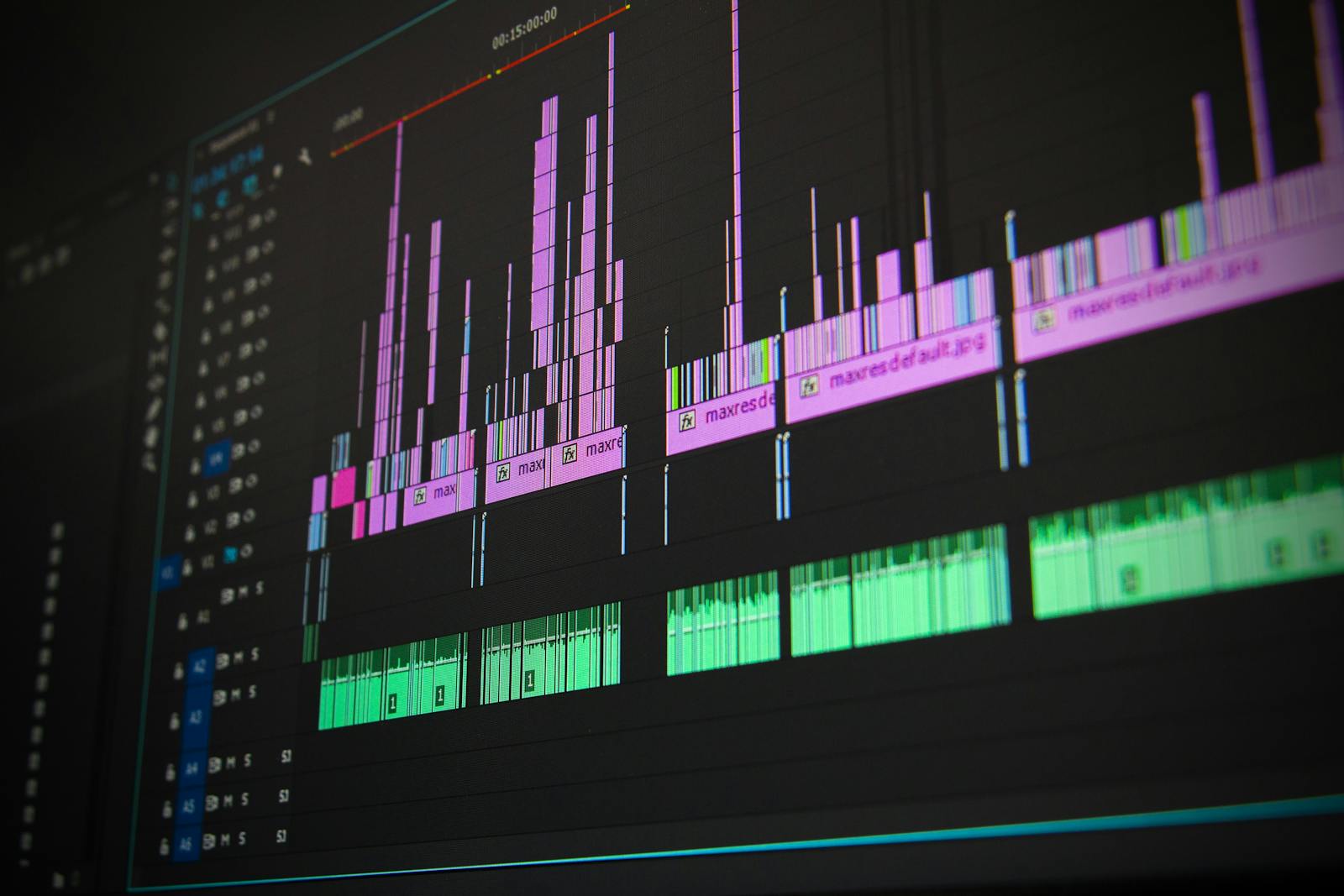
Mixing and Mastering Equipment: DAWs, mixing consoles, and mastering gear help essentially in polishing the recordings.
Instrumentation: Keyboards, guitars, and synthesizers are selected according to your base market demands.
Acoustic Treatment and Soundproofing: Soundproofing ensures to say goodbye to unwanted noise and gives the best audio fidelity to the studio so that it can be used for every genre of music production.
Music Production Process
Overview of the Music Production Process
The music production process consists of different stages, where each stage is very vital in determining the final product. Nigeria provides a seamless music production in studio environment starting from recording raw sounds to preparing a finished track, and it requires one to understand every stage and provide the apparatus and know-how for it.
Stages of Music Production
Songwriting and Composition: This is the first creative recovery stage, during which lyrics, melody, and harmony are developed.
Recording and Tracking: The recording of the actual sounds of the instruments and vocals is done here.
Mixing and Mastering: It is the procedure that allows mixing and refining individual tracks into the final sound.
Post-production Editing: After recordings, the music is edited to ensure smooth transitions, eliminate mistakes, and prepare for release.
Music Production Team
Overview of the Music Production Team Required
An all-around music production team is vital to ensuring your studio’s success. Setting up a music production studio in Nigeria would require the assembly of a talented team for the many aspects of the production process; such a team would be instrumental in delivering quality projects, and each role would contribute to the whole production from start to finish.
Roles and Responsibilities
Producer: It is the producer’s job to oversee the entire music production process from songwriting through mixing. They are to give direction to the artist and musicians in bringing their concepts to life.
Engineer: An engineer deals with anything technical about music production: setting up microphones, running sound, and machine operation.
Musician: Plays instruments for recording purposes; also participates in the composition.
Songwriter: A creative soul who writes lyrics and melodies of songs that appeal to the hearts of many.
Arranger: Works hand in hand with the producer to set the structure for the music, all the steps through which a song will go and be completed.
Marketing and Promotion
Overview of Marketing and Promotion Strategies
It is paramount for Marketing and Promotions of your music production studio to create awareness and attract clients. Your marketing must aim to ensure that the establishment of the music production studio in Nigeria goes skillfully, reaching many and enabling you to differentiate from the competitors.
Various Marketing Channels
Social Media Marketing: Promote the studio’s work, and share testimonials from clients as well as behind-the-scenes footage on Instagram, Facebook, and TikTok.
Print Media Marketing: Informing targeted musicians and industry professionals through magazines, newspapers, and flyers.
Electronic Media Marketing: Great media to reach the masses include radio, television, and online video platforms like YouTube.
Word-of-mouth Marketing: Have satisfied customers recommend your studio to others so that you can build a good reputation.
Live Performances and Events: By sponsoring or hosting events, this avenue will raise awareness and generate leads for your studio.
Financial Management and Accounting
An Overview of Financial Management and Accounting Considerations
Financial management is a core function in the establishment of a music production studio in Nigeria. Reliable accounting principles must be retained to ascertain the business’s profit potential, operational cost management, and handling of revenue and expenses within the studio.
Important Elements of Financial Management
Budgeting and Forecasting: Accounts should be set up with forecasts of revenue contributions using the price list and clientele for the client or studio.
Revenue Management: The studio should be able to track income coming from bookings, production services, and possibly partnerships with record labels or musicians.
Expense Management: Examining all aspects of operational costs for items like equipment, personnel, maintenance, and other overheads would help the business remain profitable.
Financial Reporting: Financial reports should be assessed regularly in evaluating the economic health of the studio and subsequent business decisions to be made.
Human Resource Management
Brief Introduction to Human Resource Management Requirements
The strength of your group will determine the success of your studio. The establishment of a music production studio in Nigeria will involve the setup of an HR strategy to enhance the recruitment, training, and retention of talented staff.
The Key Aspects of Human Resource Management
Staffing and Recruitment: Identify positions to be filled, then source skilled workers such as sound engineers, production assistants, and administrative support.
Training and Development: Ongoing training should be conducted for employees with special emphasis on new techniques, equipment, and trends in the industry.
Performance Management: An evaluation of the team’s performance should be done periodically, with feedback that can enhance productivity and output.
Employee Relations: The work atmosphere should be conducive to supporting creativity and teamwork.
Best Practices for Entrepreneurs in Setting Up Their Music Production Studio in Nigeria
Conducting Market Research: Knowledge of trends, target audience, and competitors within the Nigerian music industry.
Write a Business Plan: Establish objectives, financial projections, and revenue streams along with a feasibility study.
Get Your Licenses: Relevant licenses shall be obtained from the Nigerian Copyright Commission (NCC) and the Nigerian Music Industry Association (NMIA).
Investment in Quality Equipment: Invest in and upgrade recording, mixing, and mastering equipment of excellent quality.
Employ Skillful Personnel: Hire professionals, including producers, engineers, and musicians.
Branding and Marketing: Promote the studio through social media and collaboration to gain clientele.
Give Excellent Customer Service: Ensure a good experience, clear communication, and top-grade results.
Monitor Finances: Record budgets, revenue, and expenses for the overall financial health of the business.
Adapt to Changes in the Market: Stay aware of industry changes and trends and be able to alter services accordingly.
Minimize Risk: Identify risks and create guidelines for protecting your business, including insuring it.
By adhering to these practices, an entrepreneur would have the potency to set up a successful and sustainable music production studio in Nigeria.
Challenges and Opportunities for Entrepreneurs Launching a Music Production Studio in Nigeria
Challenges
High Initial Costs:
– A standard recording studio’s initial expenses are high, covering professional equipment, treatment of studio acoustics, and renting studio premises.
Competition:
– Nigeria’s music production industry is competitive due to already established studios and an increasing number of new entrants.
Regulatory Compliance:
– Nigeria’s licensing and registration demands can be quite arduous and slow to navigate, a lot, especially for a newcomer.
Financing:
– Obtaining financial support can be a headache, as conventional funding may not be readily available and few investors are willing to finance projects in the entertainment industry.
Advances in Technology:
– Rapid changes in music production technology, therefore, constant reinvestment and upgrading and training are needed.
Talent Acquisition:
– Due to the supply-demand nature of the industry, acquiring skilled personnel such as producers, engineers, and musicians can be challenging.
Opportunities
Growth of the Music Industry:
– Indeed, as the music industry grows in Nigeria, the demand for professionals with high caliber in music production, both at home and abroad, is also on the increase.
Increasing Size of Digital Platforms:
– With streaming platforms like Spotify and Apple Music, as well as local platforms, gaining popularity, opportunities arise for studios to cater in music production services to the emerging artists.
Government Support:
– The government is supporting creative industries, thereby opening avenues for grants and partnerships, which will, in turn, offer monetary assistance to uplift the sector.
Collaboration and Partnerships:
– Partnerships with record labels, artists, and media platforms help studios extend their scope and achieve new clientele.
Diversification of Services:
– Studios can diversify into other revenue-generating services such as video productions, live recordings, or music licensing.
Global Reach:
– The increase in worldwide acceptance of Afrobeats and Nigerian sound would provide an opportunity for the local studio to attract clients for authentic production work and sound.
By way of identifying the challenges and taking full advantage of the opportunities, entrepreneurs can establish a strong and sustainable music production studio in Nigeria.
Industry and Regulation Hints for Setting up a Music Production Studio in Nigeria
Industry Guidelines
Standards of Music Production:
– To guarantee that your services comply with international standards, you should practice international standards of sound, methods of production, and studio development on the one hand.
– Update your equipment and software regularly since the music industry is a dynamic one.
Collaborations with Artists and Labels:
-Cultivate solid working relationships with artists, record labels, and other agencies of the industry to dispense with low projects and enhance the standing of your studio.
-Start from the point where the client arrives at the studio and furnish him or her with services through the entire span of recording, mixing, mastering, and sometimes even marketing.
Creative Freedom and Innovation:
-Encourage creativity and the collaborative process in an artist-friendly environment that receives input from the studio on how to facilitate the artist’s expression of the vision.
-Stay open to trying and experimenting with different genres and sounds, to cater to a steady stream of diverse clientele.
Regulation Guidelines
Registration and Licensing:
– First, register your music studio with the NCC to protect the intellectual property of your productions and in compliance with copyright law.
– NMIA membership brings credibility and hence an awareness about developments in the industry and regulations.
– Any other licenses may need to be procured from the Federal Ministry of Information and Culture for the operation of a music-related business in Nigeria.
Compliance with Tax Laws:
– The studio needs to be registered with the Nigerian tax authority to comply with laws and regulations; taxation must be highly considered Professionalism: The studio must operate with professionalism in all aspects of work as far as avoiding tax penalties is concerned.
Health and Safety Regulation:
– Every sound studio must operate under the Nigerian Occupational Health and Safety guidelines to create a conducive work environment for the employees and other visitors.
– Adequate acoustics and soundproofing must, of course, protect the hearing of people working within the studio.
Labor Laws:
– In compliance with Nigerian labor laws, fair remuneration, benefits, and working conditions shall be provided for all personnel, including sound engineers, musicians, and support staff in the industry.
– Guidelines on contracts, hiring practices, and workers’ rights must be adhered to.
Data Protection and Privacy:
– Data protection laws must be adhered to for client confidentiality and protection of any sensitive personal and financial data.
– Secure operations should be introduced for safeguarding intellectual property, including recorded music and contracts.
The establishment of the music production studio as per these guidelines of industry and regulations will ensure that the studio operates legally and upholds professional standards that guarantee a long life of success within Nigeria’s music industry.
Role of Financial Advisors/Consultants in Launching a Music Production Studio in Nigeria
Financial Planning and Strategy:
A financial advisor helps you create a detailed business plan and financial strategy, ensuring that you have a clear roadmap for setting up and operating your music production studio.
They assist in defining revenue streams, setting financial goals, and identifying the funding required for studio setup, equipment, staff salaries, and other operational costs.
Budgeting and Cash Flow Management:
Financial consultants help establish a realistic budget, outlining expected costs and projecting income to ensure financial stability.
They also assist in cash flow management, ensuring that the studio has sufficient liquidity to cover day-to-day operations, pay employees, and invest in necessary equipment and services.
Funding and Investment:
Financial advisors guide you through the process of securing funding, whether through loans, investors, grants, or personal savings.
They help you assess the best funding options available, considering the financial risks and returns, and assist with pitching to potential investors or securing loans.
Risk Management and Mitigation:
A financial consultant helps identify financial risks—such as fluctuating demand, operational costs, and market competition—and develop strategies to mitigate those risks.
They may also help in securing business insurance to protect against financial losses due to unforeseen events, such as equipment damage or accidents.
Tax Planning and Compliance:
Financial advisors ensure that your studio complies with Nigerian tax laws, helping you navigate the complexities of tax filings, deductions, and credits.
They assist in creating a tax-efficient structure for your studio, potentially reducing liabilities while maximizing profits.
Financial Reporting and Monitoring:
Regular financial reports, such as income statements, balance sheets, and cash flow statements, are crucial to track the studio’s financial health.
Financial consultants help you monitor performance, analyze trends, and adjust strategies as necessary to keep the studio profitable and sustainable.
Long-Term Financial Sustainability:
Financial advisors provide long-term strategies for growth, including diversification of income sources, cost-saving measures, and investment in scalable technologies.
They also assist with succession planning, preparing for any future changes in ownership or leadership.
In essence, a financial advisor or consultant plays a vital role in ensuring that your music production studio operates efficiently, is financially stable, and has a clear plan for growth and profitability in Nigeria’s dynamic music industry.
Frequently Asked Questions (FAQs) for Launching a Music Production Studio in Nigeria
What are the legal requirements for setting up a music production studio in Nigeria?
To operate a music production studio in Nigeria, you need to register your business, obtain licenses from the Nigerian Copyright Commission (NCC), the Nigerian Music Industry Association (NMIA), and the Federal Ministry of Information and Culture. Additionally, ensure compliance with tax laws and other local regulations.
How much does it cost to set up a music production studio in Nigeria?
The cost of setting up a music production studio varies depending on factors such as location, equipment quality, and studio size. On average, initial costs may range from ₦5 million to ₦50 million or more, depending on the scale of the setup and services offered.
What equipment is essential for starting a music production studio in Nigeria?
Essential equipment includes high-quality microphones, preamps, audio interfaces, mixing consoles, studio monitors, acoustic treatment materials, soundproofing, and software like Digital Audio Workstations (DAWs) for recording, mixing, and mastering.
How can I attract clients to my music production studio in Nigeria?
Marketing strategies such as leveraging social media, collaborating with local artists and record labels, attending music events, and building a strong online presence can help attract clients. Word-of-mouth marketing and offering top-notch services are also effective.
Is it necessary to have a financial advisor when starting a music production studio?
While not mandatory, having a financial advisor can be extremely beneficial. They assist with budgeting, managing cash flow, securing funding, and ensuring compliance with tax and regulatory requirements, helping to set up a financially sustainable and profitable studio.
Regulatory Capital Requirements for Launching a Music Production Studio in Nigeria
When setting up a music production studio in Nigeria, you need to consider the regulatory capital requirements to ensure you comply with the financial and legal standards. These requirements may vary based on the structure of your business and the nature of the services you intend to offer.
Business Registration Fees
Corporate Affairs Commission (CAC) Registration: To legally operate your studio, you need to register your business with the CAC. The cost for business registration typically ranges from ₦10,000 to ₦50,000 depending on your business structure (e.g., sole proprietorship, partnership, or limited liability company).
Licensing and Regulatory Fees
Nigerian Copyright Commission (NCC): For copyright protection and licensing of musical works, the NCC charges registration fees that may vary based on the type of copyright. Fees can range from ₦5,000 to ₦50,000 per work, depending on the nature of the content.
Federal Ministry of Information and Culture: Obtaining a license to operate within the entertainment and creative industry may incur costs. The fee for registration with the Ministry can range from ₦20,000 to ₦100,000 based on the studio size and business scale.
Nigerian Music Industry Association (NMIA): While membership fees vary, typically the registration fee for joining industry associations like NMIA is around ₦30,000 to ₦100,000.
Tax Registration and Fees
Federal Inland Revenue Service (FIRS) Registration: Registering for tax purposes with the FIRS is mandatory. The cost of tax registration is generally ₦5,000 to ₦15,000.
Value Added Tax (VAT): If your studio’s annual revenue exceeds ₦25 million, you must register for VAT, which involves an additional processing fee.
Capital Adequacy for Operational Readiness
Working Capital: You will need sufficient working capital to cover daily operations, including salaries, utilities, marketing, and other fixed costs. A recommended starting capital would be ₦2 million to ₦10 million depending on the scale of your studio.
Studio Setup and Equipment Fees
While not a regulatory requirement, setting up a music production studio requires a significant capital outlay. For high-quality equipment and acoustic treatments, initial setup costs could range from ₦5 million to ₦50 million.
Insurance
It’s advisable to have business insurance to cover your studio’s assets, employees, and liabilities. Costs typically range from ₦50,000 to ₦200,000 annually depending on the level of coverage.
Risk Management and Mitigation
Overview of Risks Associated with Music Production Studios When launching a music production studio in Nigeria, you must be aware of potential risks that could affect your business operations, financial stability, or reputation.
Types of Risks and Mitigation Strategies
Financial Risks: Unstable cash flow or unexpected costs can put your business at risk. Mitigate this by having a financial cushion and maintaining a solid revenue model.
Operational Risks: Equipment failures or project delays can disrupt production schedules. Mitigate this by having backup equipment and a solid maintenance plan.
Reputation Risks: Poor customer service or subpar work can tarnish your studio’s reputation. Ensuring high-quality production and customer satisfaction is key to mitigating this risk.
Compliance Risks: Not adhering to Nigerian copyright laws or other industry regulations can lead to fines or legal action. Ensure all licenses are up to date and that your studio operates within the law.
Conclusion
Recap of Key Considerations Launching a music production studio in Nigeria requires careful planning and execution. From conducting market research and preparing a solid business plan to navigating the legal landscape and setting up your studio, every step is crucial to your success. The music industry in Nigeria presents immense opportunities, and with the right preparation, your studio can thrive in this vibrant market.
Final Thoughts and Recommendations While launching a music production studio in Nigeria presents challenges, it also offers significant rewards. By focusing on quality, building a talented team, and developing a strong marketing strategy, you can establish a music production studio that serves as a hub for musical innovation and success in Nigeria.
Additional Resources
List of Relevant Government Agencies and Regulatory Bodies
Nigerian Copyright Commission (NCC)
National Broadcasting Commission (NBC)
Nigerian Music Industry Association (NMIA)
List of Industry Associations and Organizations
Performing Musicians Employers’ Association of Nigeria (PMAN)
Music Society of Nigeria (MUSON)
List of Relevant Publications and Research Studies
“The Business of Music” by Richard G. Anderson
“Music Production for Dummies” by Michael S. McDonald
Call to Action
Ready to turn your music production dreams into reality? Dive into our comprehensive guide and start building your studio in Nigeria today



 Competitors in the Nigerian Music Production Industry

 Registration and Licensing


 Conclusion
![Nigeria Beyond Oil: Mapping the Next $100bn Non-Oil Growth Engines Executive Summary Nigeria's economy is undergoing a historic transformation, with non-oil sectors now accounting for over 96% of GDP in 2025. As Africa's most populous nation charts a course toward economic resilience, the non-oil economy has emerged as the primary engine of growth, expanding by 3.91% in Q3 2025. With strategic investments and policy reforms, Nigeria is positioned to unlock $100 billion in value from agriculture, technology, manufacturing, services, and renewable energy sectors over the next decade. Understanding Economic Diversification Economic diversification is a fundamental concept driving Nigeria's transformation strategy. According to the United Nations Framework Convention on Climate Change (UNFCCC), economic diversification refers to "the process of shifting an economy away from a single income source toward multiple sources from a growing range of sectors and markets."[^1] This strategic approach reduces vulnerability to external shocks, creates employment opportunities, and establishes a more resilient economic foundation for sustainable growth. For Nigeria, diversification means moving beyond the volatility of oil-dependent revenues toward a balanced economy where agriculture, technology, manufacturing, and services contribute substantially to national wealth creation. Agriculture and Agribusiness – The $30 Billion Opportunity Introduction to Nigeria's Agricultural Transformation Agriculture remains the backbone of Nigeria's economy, employing nearly 70% of the population and contributing 31.21% to real GDP in Q3 2025. With government initiatives focused on mechanization, agri-tech solutions, and value chain development, the sector is poised to generate over $30 billion in additional value through increased productivity, reduced post-harvest losses, and expanded export markets. Current State and Recent Developments Agriculture expanded by 3.79% year-on-year in Q3 2025, driven mainly by crop production, which accounts for nearly two-thirds of the sector's nominal output. The sector has benefited from several transformative government programs: ● Anchor Borrowers' Programme: Providing credit facilities to smallholder farmers for agricultural inputs ● National Agricultural Technology Innovation Policy: Driving mechanized farming and precision agriculture ● Export Promotion Initiatives: Boosting exports of sesame seeds, cocoa, cashew nuts, and other commodities The Agri-Tech Revolution Between 2023 and 2025, Nigeria's agricultural technology sector attracted over $150 million in investments, with startups deploying innovative solutions including: ● Precision Farming Technologies: Companies like Zenvus use soil sensors, satellite data, and AI to optimize crop yields ● Digital Marketplaces: Platforms such as Farmcrowdy and AgroMall connect farmers directly with buyers, eliminating middlemen ● Fintech for Agriculture: Customized financing, mobile payments, and insurance products bridging the rural credit gap ● Supply Chain Solutions: Blockchain and data analytics improving farm-to-market logistics Growth Projections and Investment Opportunities With continued investment in irrigation, mechanization, cold chain logistics, and agro-processing facilities, the agricultural sector is projected to: ● Reduce post-harvest losses from current levels of 30-40% to below 15% ● Increase non-oil exports by capturing larger shares of global markets for cocoa, cashew, and specialty crops ● Create 5 million new jobs across the value chain by 2030 ● Contribute an additional $30 billion to GDP through productivity gains and value addition Technology and Digital Economy – The $25 Billion Frontier Introduction to Nigeria's Tech Ecosystem Nigeria has emerged as Africa's leading technology hub, often called the "Silicon Valley of Africa." Nigeria leads Africa's ICT market, contributing 82% of the continent's ICT value and 29% of its internet usage. The digital economy accounted for nearly 20% of GDP in Q2 2024, almost four times oil's contribution, positioning technology as a critical growth engine. Fintech Dominance and Expansion Nigeria's fintech sector represents one of the most successful diversification stories: ● Over 430 fintech companies operating as of February 2025, representing 28% of all African fintech companies ● Nigerian startups raised $520 million in 2024, with Moniepoint's $110 million Series C achieving unicorn status ● Digital payment solutions, mobile banking, and blockchain innovations driving financial inclusion ● Regulatory support from the Central Bank of Nigeria encouraging innovation Beyond Fintech: Emerging Tech Sectors While fintech dominates investment flows, other technology subsectors show tremendous potential: Information and Communication Technology (ICT) ● ICT posted 5.78% real growth with contribution rising to 9.10% of GDP ● Over 210 million active mobile subscribers and broadband penetration exceeding 40% ● 5G network expansion by MTN and MAFAB enhancing connectivity ● Government target of 90% broadband penetration by 2025 E-Commerce and Digital Services ● E-commerce market projected to reach $5 billion by 2025 ● Growing internet penetration driving online shopping adoption ● Logistics and last-mile delivery innovations supporting growth Emerging Technology Sectors Requiring Investment ● Agritech: Connecting technology to agricultural productivity ● Healthtech: Telemedicine, digital health records, and diagnostic innovations ● Edtech: Digital learning platforms addressing educational gaps ● Climate Tech: Renewable energy and environmental monitoring solutions Growth Projections Analysts project the digital economy to generate revenues up to $18.3 billion via fintech and AI, with the broader technology sector positioned to contribute $25 billion to economic growth through: ● Increased venture capital investment beyond fintech into deep tech ● Job creation for Nigeria's youthful population ● Export of technology services and products ● Enhanced productivity across all economic sectors Manufacturing and Industrial Development – The $20 Billion Challenge Introduction to Nigeria's Manufacturing Potential Manufacturing remains a critical yet underutilized pillar of economic diversification. Despite accounting for only 7.62% of GDP, the sector holds immense potential for value addition, job creation, and import substitution. Recent infrastructure investments and the operationalization of the Dangote Oil Refinery signal renewed momentum in industrial development. Current Manufacturing Landscape Manufacturing posted real growth of 1.25% in Q3 2025, driven by several factors: ● Dangote Oil Refinery Operations: Beginning in September 2024 with capacity to produce 650,000 barrels of refined petroleum products daily, significantly reducing import dependence ● Dangote Fertilizer Plant: Commissioned in May 2022 with capacity for 3 million tonnes annually, filling global supply gaps ● FX Stability: Improved foreign exchange liquidity supporting raw material imports ● Increased Domestic Refining: Reducing energy costs for manufacturers Key Manufacturing Subsectors Food, Beverage, and Tobacco ● Processing agricultural products for domestic consumption and export ● Value addition to raw materials reducing commodity dependence Chemical and Pharmaceutical Products ● Local production of essential medicines and industrial chemicals ● Import substitution reducing foreign exchange pressure Cement and Construction Materials ● Meeting infrastructure development demand ● Regional export opportunities Infrastructure and Policy Support Special Economic Zones (SEZs) ● Establishment of zones in various regions to facilitate trade and manufacturing ● Tax incentives and streamlined regulatory processes ● Enhanced export capacity and employment generation Infrastructure Investments ● Lagos-Ibadan railway and Second Niger Bridge improving connectivity ● Continuous highway upgrades reducing logistics costs ● Power sector reforms addressing electricity challenges Challenges and Solutions Power Supply Deficit ● Despite Electricity Act amendments decentralizing the market, transmission remains unresolved ● Stable and affordable power essential for manufacturing competitiveness ● Private sector participation and renewable energy integration needed High Production Costs ● Interest rates and borrowing costs limiting access to credit ● Need for targeted industrial financing schemes Growth Projections With sustained infrastructure development, power sector reforms, and targeted industrial policy, manufacturing can contribute $20 billion to GDP growth through: ● Import substitution in consumer goods and industrial products ● Export-oriented manufacturing leveraging AfCFTA market access ● Technology transfer and skills development ● Creation of 3 million manufacturing jobs by 2030 Services Sector – The $15 Billion Backbone Introduction to Nigeria's Services Economy The services sector is Nigeria's largest economic contributor, accounting for over 53% of real GDP. From telecommunications to financial services, real estate to hospitality, services drive employment and economic activity across urban and rural areas. Key Services Subsectors Financial and Insurance Services ● Financial and insurance services posted real growth of 19.63%, though contribution to GDP fell to 2.65% ● Banking sector expansion and insurance penetration growth ● Integration of technology improving service delivery Telecommunications and Information Services ● Telecommunications and information services posted a robust 7.40% expansion, accounting for 10.59% of overall output ● Mobile phone penetration and internet services driving growth ● Platform for broader digital economy development Real Estate ● Real estate nominal output surged 89.34%, with real growth at 3.50% ● Urbanization and middle-class expansion driving demand ● Commercial and residential property development opportunities Trade and Commerce ● Trade posted 1.98% real growth, accounting for 16.42% of GDP ● Retail expansion through malls and e-commerce platforms ● AfCFTA creating regional trade opportunities Tourism and Hospitality ● Expansion in local and international travel ● Cultural tourism and business travel growth potential ● Investment in hospitality infrastructure Growth Drivers Expanding Middle Class ● Urbanization, education, and job creation driving consumer demand ● Increased spending on goods, electronics, housing, and services ● Retail boom catering to growing consumer base Regional Trade Integration ● African Continental Free Trade Area (AfCFTA) access to 1.3 billion consumers ● Non-oil exports gaining access to larger African markets ● Improved border management and customs procedures Growth Projections The services sector is positioned to contribute $15 billion to economic growth through: ● Financial sector deepening and increased penetration ● Tourism development capitalizing on Nigeria's cultural assets ● Professional services export to West African region ● Transportation and logistics optimization ● Healthcare and education services expansion Renewable Energy and Natural Resources – The $10 Billion Green Future Introduction to Nigeria's Energy Transition As global environmental concerns intensify and power supply challenges persist, renewable energy presents both a necessity and an opportunity. With abundant solar resources, Nigeria is positioned to lead West Africa's energy transition while addressing domestic electricity deficits. Current Renewable Energy Landscape Solar Energy Growth ● Surge in solar adoption due to unreliable grid power supply ● Residential, commercial, and industrial solar installations expanding ● Government policies encouraging green energy investments ● Cost competitiveness improving with falling technology prices Renewable Energy Policies ● Government commitment to sustainable energy development ● Incentives for private sector investment in green technologies ● Integration of renewables into national energy mix Solid Minerals Development Nigeria's non-oil sectors, including solid minerals, are experiencing growth, with potential in: ● Lithium and Rare Earth Elements: Critical for global battery and technology manufacturing ● Gold and Other Precious Minerals: Export potential and artisanal mining formalization ● Industrial Minerals: Limestone, gypsum, and other construction materials Environmental Technology ● Climate Tech Innovations: Carbon capture, emissions monitoring, and environmental management ● Sustainable Agriculture: Technologies reducing environmental impact while increasing yields ● Waste-to-Energy: Converting organic and municipal waste into power Growth Projections The renewable energy and natural resources sector can contribute $10 billion through: ● Off-grid and mini-grid solar solutions powering 25 million households ● Large-scale solar and wind farms feeding into national grid ● Solid minerals exports generating foreign exchange ● Green technology manufacturing and assembly ● Environmental services and carbon credit trading Macroeconomic Foundations and Policy Environment Introduction to Economic Reforms Nigeria's non-oil growth potential is underpinned by significant macroeconomic reforms initiated since 2023. These policy changes have improved economic stability, attracted foreign investment, and created conditions for sustainable diversification. Recent Economic Performance GDP Growth Trajectory ● Nigeria's economy expanded by 3.9% year-on-year in the first half of 2025, up from 3.5% in the same period of 2024, driven by strong performance in services and non-oil industries ● The economy expanded by 3.98% in Q3 2025, with the non-oil sector contributing 96.6% to GDP ● Growth projected to accelerate to 4.2% in 2026 according to IMF forecasts External Position Strengthening ● Foreign reserves exceeding $42 billion with current account surplus rising to 6.1% of GDP, supported by higher non-oil exports ● Naira stabilization in the N1,440-N1,500/$ range ● Improved business confidence and foreign direct investment Fiscal Improvements ● Federal deficit projected at 2.6% of GDP in 2025 ● Public debt expected to decline from 42.9% to 39.8% of GDP ● Tax reforms enacted in June 2025 enhancing non-oil revenue generation Inflation and Monetary Policy Inflation Moderation ● Inflation eased to 21.9% in July 2025, supported by foreign exchange stability and targeted CBN interventions ● Projections for 2026 indicate further decline to around 14% by year-end ● Food inflation remains elevated, requiring continued policy attention Monetary Policy Stance ● Central Bank maintaining disciplined approach to price stability ● Interest rates remain elevated to anchor inflation expectations ● Gradual easing expected as inflation sustainably declines Structural Reforms Fuel Subsidy Removal ● Elimination of petrol subsidies freeing fiscal resources ● Redirecting funds to infrastructure and social programs ● Social protection programs mitigating impact on vulnerable populations Foreign Exchange Reforms ● Unified exchange rate system improving transparency ● Elimination of multiple exchange rate windows ● Enhanced FX liquidity and reduced arbitrage opportunities Tax Reforms ● Four landmark tax reforms enacted in June 2025 ● Streamlining tax administration and compliance ● Expanding tax base beyond oil revenues ● Improving ease of doing business Investment Climate Foreign Direct Investment ● Capital importation rose 67.1% to $5.64 billion in Q1 2025 ● Shift toward non-oil sectors including telecommunications, manufacturing, and services ● Opportunities for long-term investors in infrastructure and industry Business Environment Improvements ● Tinubu Administration prioritizing business climate reforms ● Reduction in bureaucratic bottlenecks ● Enhanced protection for investors Challenges and Risk Factors Introduction to Implementation Challenges While Nigeria's diversification potential is substantial, several challenges must be addressed to realize the $100 billion opportunity across non-oil sectors. Security Challenges ● Ongoing issues with banditry, insurgency, and communal conflicts ● Impact on agricultural productivity in key food-producing states ● Need for enhanced security coordination and conflict resolution Infrastructure Deficits Power Supply ● Inadequate and unreliable electricity generation and distribution ● Transmission infrastructure requiring major investment ● Critical bottleneck for manufacturing and industrial growth Transportation ● Road network quality affecting logistics costs ● Port congestion and clearance procedures ● Last-mile connectivity challenges in rural areas Social Challenges Poverty and Inequality ● Many households continue to face hardship, with poverty and food insecurity remaining high ● 109 million citizens below poverty line as of 2023 ● Need for inclusive growth policies and social protection expansion Food Inflation ● Poor households spend up to 70% of income on food, with basic food basket costs rising fivefold between 2019 and 2024 ● Addressing supply chain bottlenecks and trade barriers essential ● Agricultural productivity improvements critical Fiscal and Debt Sustainability ● Rising debt service obligations exceeding N15 trillion in 2026 budget ● Need for improved revenue generation and fiscal discipline ● Balancing growth investments with debt management External Risks ● Oil price volatility affecting government revenues ● Global economic slowdowns impacting export demand ● Exchange rate pressures from external shocks Strategic Recommendations and Action Plan Introduction to Strategic Priorities Unlocking the $100 billion non-oil growth opportunity requires coordinated action across government, private sector, and development partners. The following recommendations provide a roadmap for accelerated diversification. Priority 1: Infrastructure Development Power Sector Transformation ● Accelerate private sector participation in generation and distribution ● Resolve transmission infrastructure bottlenecks through targeted investment ● Integrate renewable energy into national grid ● Develop off-grid solutions for rural areas Transportation and Connectivity ● Complete ongoing railway and road projects ● Modernize port operations and reduce clearance times ● Develop industrial clusters with dedicated infrastructure ● Enhance digital connectivity through broadband expansion Priority 2: Human Capital Development Skills Training and Education ● Align educational curricula with industry needs ● Expand technical and vocational training programs ● Support technology education and digital literacy ● Encourage private sector involvement in skills development Healthcare Investment ● Improve healthcare access and quality ● Address malnutrition and food security ● Reduce maternal and child mortality ● Build resilient public health systems Priority 3: Enabling Business Environment Regulatory Reforms ● Streamline business registration and licensing ● Reduce regulatory compliance costs ● Ensure policy consistency and predictability ● Strengthen intellectual property protection Access to Finance ● Develop targeted financing schemes for SMEs and manufacturers ● Encourage long-term capital formation ● Promote alternative financing through capital markets ● Support fintech innovations in credit delivery Priority 4: Sector-Specific Interventions Agriculture ● Scale up mechanization and irrigation infrastructure ● Strengthen extension services and farmer training ● Develop commodity value chains and agro-processing zones ● Facilitate market access and export promotion Technology ● Create sector-specific sandboxes for innovation ● Establish deep tech fund with long-term investment horizon ● Support startup ecosystem beyond fintech ● Attract global technology companies and talent Manufacturing ● Implement industrial policy favoring strategic sectors ● Ensure Special Economic Zones are fully functional ● Provide infrastructure and utilities at competitive rates ● Facilitate technology transfer and partnerships Services ● Develop tourism infrastructure and marketing ● Enhance financial sector regulation and supervision ● Support professional services export through trade agreements ● Improve healthcare and education service delivery Renewable Energy ● Set ambitious renewable energy targets ● Provide incentives for private investment ● Streamline project approval processes ● Develop local manufacturing capacity for renewable technology Priority 5: Social Protection and Inclusion Safety Nets ● Expand social protection programs targeting vulnerable populations ● Implement conditional cash transfer schemes ● Support food security initiatives ● Ensure reforms benefit all citizens Geographic Inclusion ● Target investments in underserved regions ● Support rural economic development ● Address regional disparities in infrastructure and services ● Promote balanced development across states Priority 6: Governance and Institutions Anti-Corruption Measures ● Strengthen transparency and accountability systems ● Enhance procurement processes and oversight ● Support whistleblower protection ● Prosecute corruption vigorously Data and Monitoring ● Improve economic statistics and data collection ● Establish performance monitoring frameworks ● Use technology for real-time economic tracking ● Support evidence-based policymaking Conclusion: Nigeria's $100 Billion Vision Nigeria stands at a pivotal moment in its economic journey. The non-oil economy has demonstrated resilience and growth potential, expanding consistently even amid challenging global conditions. With agriculture contributing over 31% of GDP, technology sectors driving innovation, manufacturing gradually reviving, and services accounting for more than half of economic output, the foundations for sustainable diversification are firmly established. The $100 billion opportunity across non-oil sectors is not merely aspirational it is achievable through sustained policy commitment, strategic investments, and coordinated implementation. As the World Bank Country Director noted, "The Nigerian government has taken bold steps to stabilize the economy, but macroeconomic stability alone is not enough. The true measure of success will be how these reforms improve the daily lives of Nigerians". Success requires addressing infrastructure deficits, particularly in power and transportation, investing in human capital, maintaining macroeconomic stability, ensuring inclusive growth that reaches all citizens, and sustaining reform momentum despite short-term challenges. The path forward demands patience, persistence, and partnership between government, private sector, and civil society. With a population exceeding 220 million, a youthful demographic profile, abundant natural resources, growing regional integration through AfCFTA, and improving business environment, Nigeria possesses the fundamental ingredients for transformative growth. The next decade will determine whether Africa's most populous nation fully realizes its potential as a diversified, resilient, and prosperous economy capable of delivering shared prosperity to all its citizens. References United Nations Framework Convention on Climate Change (UNFCCC). "Economic Diversification." Available at: https://unfccc.int/topics/resilience/resources/economic-diversification Additional Sources: ● World Bank Nigeria Development Update, October 2025 ● National Bureau of Statistics GDP Reports Q1-Q3 2025 ● International Monetary Fund Nigeria Economic Outlook 2025 ● PwC Nigeria Economic Outlook Reports ● African Development Bank Nigeria Economic Outlook ● Trading Economics Nigeria Data Series ● Various Nigerian financial and economic publications (2024-2025) Call to Action Partner with Matthew Ogagavworia & Co. for Strategic Economic Intelligence At Matthew Ogagavworia & Co., we provide cutting-edge economic analysis, market intelligence, and strategic advisory services to help investors, businesses, and policymakers navigate Nigeria's evolving economic landscape. Our research covers: ● Sector-Specific Investment Analysis: Deep dives into agriculture, technology, manufacturing, and services opportunities ● Market Entry Strategies: Comprehensive guidance for foreign investors exploring Nigerian markets ● Economic Forecasting: Data-driven projections on macroeconomic trends and policy impacts ● Risk Assessment: Thorough evaluation of political, economic, and operational risks ● Custom Research: Tailored studies addressing your specific information needs Contact Us Today](https://mocaccountants.com/wp-content/plugins/contextual-related-posts/default.png "Nigeria Beyond Oil: Mapping the Next $100bn Non-Oil Growth Engines Executive Summary Nigeria's economy is undergoing a historic transformation, with non-oil sectors now accounting for over 96% of GDP in 2025. As Africa's most populous nation charts a course toward economic resilience, the non-oil economy has emerged as the primary engine of growth, expanding by 3.91% in Q3 2025. With strategic investments and policy reforms, Nigeria is positioned to unlock $100 billion in value from agriculture, technology, manufacturing, services, and renewable energy sectors over the next decade. Understanding Economic Diversification Economic diversification is a fundamental concept driving Nigeria's transformation strategy. According to the United Nations Framework Convention on Climate Change (UNFCCC), economic diversification refers to \"the process of shifting an economy away from a single income source toward multiple sources from a growing range of sectors and markets.\"[^1] This strategic approach reduces vulnerability to external shocks, creates employment opportunities, and establishes a more resilient economic foundation for sustainable growth. For Nigeria, diversification means moving beyond the volatility of oil-dependent revenues toward a balanced economy where agriculture, technology, manufacturing, and services contribute substantially to national wealth creation. Agriculture and Agribusiness – The $30 Billion Opportunity Introduction to Nigeria's Agricultural Transformation Agriculture remains the backbone of Nigeria's economy, employing nearly 70% of the population and contributing 31.21% to real GDP in Q3 2025. With government initiatives focused on mechanization, agri-tech solutions, and value chain development, the sector is poised to generate over $30 billion in additional value through increased productivity, reduced post-harvest losses, and expanded export markets. Current State and Recent Developments Agriculture expanded by 3.79% year-on-year in Q3 2025, driven mainly by crop production, which accounts for nearly two-thirds of the sector's nominal output. The sector has benefited from several transformative government programs: ● Anchor Borrowers' Programme: Providing credit facilities to smallholder farmers for agricultural inputs ● National Agricultural Technology Innovation Policy: Driving mechanized farming and precision agriculture ● Export Promotion Initiatives: Boosting exports of sesame seeds, cocoa, cashew nuts, and other commodities The Agri-Tech Revolution Between 2023 and 2025, Nigeria's agricultural technology sector attracted over $150 million in investments, with startups deploying innovative solutions including: ● Precision Farming Technologies: Companies like Zenvus use soil sensors, satellite data, and AI to optimize crop yields ● Digital Marketplaces: Platforms such as Farmcrowdy and AgroMall connect farmers directly with buyers, eliminating middlemen ● Fintech for Agriculture: Customized financing, mobile payments, and insurance products bridging the rural credit gap ● Supply Chain Solutions: Blockchain and data analytics improving farm-to-market logistics Growth Projections and Investment Opportunities With continued investment in irrigation, mechanization, cold chain logistics, and agro-processing facilities, the agricultural sector is projected to: ● Reduce post-harvest losses from current levels of 30-40% to below 15% ● Increase non-oil exports by capturing larger shares of global markets for cocoa, cashew, and specialty crops ● Create 5 million new jobs across the value chain by 2030 ● Contribute an additional $30 billion to GDP through productivity gains and value addition Technology and Digital Economy – The $25 Billion Frontier Introduction to Nigeria's Tech Ecosystem Nigeria has emerged as Africa's leading technology hub, often called the \"Silicon Valley of Africa.\" Nigeria leads Africa's ICT market, contributing 82% of the continent's ICT value and 29% of its internet usage. The digital economy accounted for nearly 20% of GDP in Q2 2024, almost four times oil's contribution, positioning technology as a critical growth engine. Fintech Dominance and Expansion Nigeria's fintech sector represents one of the most successful diversification stories: ● Over 430 fintech companies operating as of February 2025, representing 28% of all African fintech companies ● Nigerian startups raised $520 million in 2024, with Moniepoint's $110 million Series C achieving unicorn status ● Digital payment solutions, mobile banking, and blockchain innovations driving financial inclusion ● Regulatory support from the Central Bank of Nigeria encouraging innovation Beyond Fintech: Emerging Tech Sectors While fintech dominates investment flows, other technology subsectors show tremendous potential: Information and Communication Technology (ICT) ● ICT posted 5.78% real growth with contribution rising to 9.10% of GDP ● Over 210 million active mobile subscribers and broadband penetration exceeding 40% ● 5G network expansion by MTN and MAFAB enhancing connectivity ● Government target of 90% broadband penetration by 2025 E-Commerce and Digital Services ● E-commerce market projected to reach $5 billion by 2025 ● Growing internet penetration driving online shopping adoption ● Logistics and last-mile delivery innovations supporting growth Emerging Technology Sectors Requiring Investment ● Agritech: Connecting technology to agricultural productivity ● Healthtech: Telemedicine, digital health records, and diagnostic innovations ● Edtech: Digital learning platforms addressing educational gaps ● Climate Tech: Renewable energy and environmental monitoring solutions Growth Projections Analysts project the digital economy to generate revenues up to $18.3 billion via fintech and AI, with the broader technology sector positioned to contribute $25 billion to economic growth through: ● Increased venture capital investment beyond fintech into deep tech ● Job creation for Nigeria's youthful population ● Export of technology services and products ● Enhanced productivity across all economic sectors Manufacturing and Industrial Development – The $20 Billion Challenge Introduction to Nigeria's Manufacturing Potential Manufacturing remains a critical yet underutilized pillar of economic diversification. Despite accounting for only 7.62% of GDP, the sector holds immense potential for value addition, job creation, and import substitution. Recent infrastructure investments and the operationalization of the Dangote Oil Refinery signal renewed momentum in industrial development. Current Manufacturing Landscape Manufacturing posted real growth of 1.25% in Q3 2025, driven by several factors: ● Dangote Oil Refinery Operations: Beginning in September 2024 with capacity to produce 650,000 barrels of refined petroleum products daily, significantly reducing import dependence ● Dangote Fertilizer Plant: Commissioned in May 2022 with capacity for 3 million tonnes annually, filling global supply gaps ● FX Stability: Improved foreign exchange liquidity supporting raw material imports ● Increased Domestic Refining: Reducing energy costs for manufacturers Key Manufacturing Subsectors Food, Beverage, and Tobacco ● Processing agricultural products for domestic consumption and export ● Value addition to raw materials reducing commodity dependence Chemical and Pharmaceutical Products ● Local production of essential medicines and industrial chemicals ● Import substitution reducing foreign exchange pressure Cement and Construction Materials ● Meeting infrastructure development demand ● Regional export opportunities Infrastructure and Policy Support Special Economic Zones (SEZs) ● Establishment of zones in various regions to facilitate trade and manufacturing ● Tax incentives and streamlined regulatory processes ● Enhanced export capacity and employment generation Infrastructure Investments ● Lagos-Ibadan railway and Second Niger Bridge improving connectivity ● Continuous highway upgrades reducing logistics costs ● Power sector reforms addressing electricity challenges Challenges and Solutions Power Supply Deficit ● Despite Electricity Act amendments decentralizing the market, transmission remains unresolved ● Stable and affordable power essential for manufacturing competitiveness ● Private sector participation and renewable energy integration needed High Production Costs ● Interest rates and borrowing costs limiting access to credit ● Need for targeted industrial financing schemes Growth Projections With sustained infrastructure development, power sector reforms, and targeted industrial policy, manufacturing can contribute $20 billion to GDP growth through: ● Import substitution in consumer goods and industrial products ● Export-oriented manufacturing leveraging AfCFTA market access ● Technology transfer and skills development ● Creation of 3 million manufacturing jobs by 2030 Services Sector – The $15 Billion Backbone Introduction to Nigeria's Services Economy The services sector is Nigeria's largest economic contributor, accounting for over 53% of real GDP. From telecommunications to financial services, real estate to hospitality, services drive employment and economic activity across urban and rural areas. Key Services Subsectors Financial and Insurance Services ● Financial and insurance services posted real growth of 19.63%, though contribution to GDP fell to 2.65% ● Banking sector expansion and insurance penetration growth ● Integration of technology improving service delivery Telecommunications and Information Services ● Telecommunications and information services posted a robust 7.40% expansion, accounting for 10.59% of overall output ● Mobile phone penetration and internet services driving growth ● Platform for broader digital economy development Real Estate ● Real estate nominal output surged 89.34%, with real growth at 3.50% ● Urbanization and middle-class expansion driving demand ● Commercial and residential property development opportunities Trade and Commerce ● Trade posted 1.98% real growth, accounting for 16.42% of GDP ● Retail expansion through malls and e-commerce platforms ● AfCFTA creating regional trade opportunities Tourism and Hospitality ● Expansion in local and international travel ● Cultural tourism and business travel growth potential ● Investment in hospitality infrastructure Growth Drivers Expanding Middle Class ● Urbanization, education, and job creation driving consumer demand ● Increased spending on goods, electronics, housing, and services ● Retail boom catering to growing consumer base Regional Trade Integration ● African Continental Free Trade Area (AfCFTA) access to 1.3 billion consumers ● Non-oil exports gaining access to larger African markets ● Improved border management and customs procedures Growth Projections The services sector is positioned to contribute $15 billion to economic growth through: ● Financial sector deepening and increased penetration ● Tourism development capitalizing on Nigeria's cultural assets ● Professional services export to West African region ● Transportation and logistics optimization ● Healthcare and education services expansion Renewable Energy and Natural Resources – The $10 Billion Green Future Introduction to Nigeria's Energy Transition As global environmental concerns intensify and power supply challenges persist, renewable energy presents both a necessity and an opportunity. With abundant solar resources, Nigeria is positioned to lead West Africa's energy transition while addressing domestic electricity deficits. Current Renewable Energy Landscape Solar Energy Growth ● Surge in solar adoption due to unreliable grid power supply ● Residential, commercial, and industrial solar installations expanding ● Government policies encouraging green energy investments ● Cost competitiveness improving with falling technology prices Renewable Energy Policies ● Government commitment to sustainable energy development ● Incentives for private sector investment in green technologies ● Integration of renewables into national energy mix Solid Minerals Development Nigeria's non-oil sectors, including solid minerals, are experiencing growth, with potential in: ● Lithium and Rare Earth Elements: Critical for global battery and technology manufacturing ● Gold and Other Precious Minerals: Export potential and artisanal mining formalization ● Industrial Minerals: Limestone, gypsum, and other construction materials Environmental Technology ● Climate Tech Innovations: Carbon capture, emissions monitoring, and environmental management ● Sustainable Agriculture: Technologies reducing environmental impact while increasing yields ● Waste-to-Energy: Converting organic and municipal waste into power Growth Projections The renewable energy and natural resources sector can contribute $10 billion through: ● Off-grid and mini-grid solar solutions powering 25 million households ● Large-scale solar and wind farms feeding into national grid ● Solid minerals exports generating foreign exchange ● Green technology manufacturing and assembly ● Environmental services and carbon credit trading Macroeconomic Foundations and Policy Environment Introduction to Economic Reforms Nigeria's non-oil growth potential is underpinned by significant macroeconomic reforms initiated since 2023. These policy changes have improved economic stability, attracted foreign investment, and created conditions for sustainable diversification. Recent Economic Performance GDP Growth Trajectory ● Nigeria's economy expanded by 3.9% year-on-year in the first half of 2025, up from 3.5% in the same period of 2024, driven by strong performance in services and non-oil industries ● The economy expanded by 3.98% in Q3 2025, with the non-oil sector contributing 96.6% to GDP ● Growth projected to accelerate to 4.2% in 2026 according to IMF forecasts External Position Strengthening ● Foreign reserves exceeding $42 billion with current account surplus rising to 6.1% of GDP, supported by higher non-oil exports ● Naira stabilization in the N1,440-N1,500/$ range ● Improved business confidence and foreign direct investment Fiscal Improvements ● Federal deficit projected at 2.6% of GDP in 2025 ● Public debt expected to decline from 42.9% to 39.8% of GDP ● Tax reforms enacted in June 2025 enhancing non-oil revenue generation Inflation and Monetary Policy Inflation Moderation ● Inflation eased to 21.9% in July 2025, supported by foreign exchange stability and targeted CBN interventions ● Projections for 2026 indicate further decline to around 14% by year-end ● Food inflation remains elevated, requiring continued policy attention Monetary Policy Stance ● Central Bank maintaining disciplined approach to price stability ● Interest rates remain elevated to anchor inflation expectations ● Gradual easing expected as inflation sustainably declines Structural Reforms Fuel Subsidy Removal ● Elimination of petrol subsidies freeing fiscal resources ● Redirecting funds to infrastructure and social programs ● Social protection programs mitigating impact on vulnerable populations Foreign Exchange Reforms ● Unified exchange rate system improving transparency ● Elimination of multiple exchange rate windows ● Enhanced FX liquidity and reduced arbitrage opportunities Tax Reforms ● Four landmark tax reforms enacted in June 2025 ● Streamlining tax administration and compliance ● Expanding tax base beyond oil revenues ● Improving ease of doing business Investment Climate Foreign Direct Investment ● Capital importation rose 67.1% to $5.64 billion in Q1 2025 ● Shift toward non-oil sectors including telecommunications, manufacturing, and services ● Opportunities for long-term investors in infrastructure and industry Business Environment Improvements ● Tinubu Administration prioritizing business climate reforms ● Reduction in bureaucratic bottlenecks ● Enhanced protection for investors Challenges and Risk Factors Introduction to Implementation Challenges While Nigeria's diversification potential is substantial, several challenges must be addressed to realize the $100 billion opportunity across non-oil sectors. Security Challenges ● Ongoing issues with banditry, insurgency, and communal conflicts ● Impact on agricultural productivity in key food-producing states ● Need for enhanced security coordination and conflict resolution Infrastructure Deficits Power Supply ● Inadequate and unreliable electricity generation and distribution ● Transmission infrastructure requiring major investment ● Critical bottleneck for manufacturing and industrial growth Transportation ● Road network quality affecting logistics costs ● Port congestion and clearance procedures ● Last-mile connectivity challenges in rural areas Social Challenges Poverty and Inequality ● Many households continue to face hardship, with poverty and food insecurity remaining high ● 109 million citizens below poverty line as of 2023 ● Need for inclusive growth policies and social protection expansion Food Inflation ● Poor households spend up to 70% of income on food, with basic food basket costs rising fivefold between 2019 and 2024 ● Addressing supply chain bottlenecks and trade barriers essential ● Agricultural productivity improvements critical Fiscal and Debt Sustainability ● Rising debt service obligations exceeding N15 trillion in 2026 budget ● Need for improved revenue generation and fiscal discipline ● Balancing growth investments with debt management External Risks ● Oil price volatility affecting government revenues ● Global economic slowdowns impacting export demand ● Exchange rate pressures from external shocks Strategic Recommendations and Action Plan Introduction to Strategic Priorities Unlocking the $100 billion non-oil growth opportunity requires coordinated action across government, private sector, and development partners. The following recommendations provide a roadmap for accelerated diversification. Priority 1: Infrastructure Development Power Sector Transformation ● Accelerate private sector participation in generation and distribution ● Resolve transmission infrastructure bottlenecks through targeted investment ● Integrate renewable energy into national grid ● Develop off-grid solutions for rural areas Transportation and Connectivity ● Complete ongoing railway and road projects ● Modernize port operations and reduce clearance times ● Develop industrial clusters with dedicated infrastructure ● Enhance digital connectivity through broadband expansion Priority 2: Human Capital Development Skills Training and Education ● Align educational curricula with industry needs ● Expand technical and vocational training programs ● Support technology education and digital literacy ● Encourage private sector involvement in skills development Healthcare Investment ● Improve healthcare access and quality ● Address malnutrition and food security ● Reduce maternal and child mortality ● Build resilient public health systems Priority 3: Enabling Business Environment Regulatory Reforms ● Streamline business registration and licensing ● Reduce regulatory compliance costs ● Ensure policy consistency and predictability ● Strengthen intellectual property protection Access to Finance ● Develop targeted financing schemes for SMEs and manufacturers ● Encourage long-term capital formation ● Promote alternative financing through capital markets ● Support fintech innovations in credit delivery Priority 4: Sector-Specific Interventions Agriculture ● Scale up mechanization and irrigation infrastructure ● Strengthen extension services and farmer training ● Develop commodity value chains and agro-processing zones ● Facilitate market access and export promotion Technology ● Create sector-specific sandboxes for innovation ● Establish deep tech fund with long-term investment horizon ● Support startup ecosystem beyond fintech ● Attract global technology companies and talent Manufacturing ● Implement industrial policy favoring strategic sectors ● Ensure Special Economic Zones are fully functional ● Provide infrastructure and utilities at competitive rates ● Facilitate technology transfer and partnerships Services ● Develop tourism infrastructure and marketing ● Enhance financial sector regulation and supervision ● Support professional services export through trade agreements ● Improve healthcare and education service delivery Renewable Energy ● Set ambitious renewable energy targets ● Provide incentives for private investment ● Streamline project approval processes ● Develop local manufacturing capacity for renewable technology Priority 5: Social Protection and Inclusion Safety Nets ● Expand social protection programs targeting vulnerable populations ● Implement conditional cash transfer schemes ● Support food security initiatives ● Ensure reforms benefit all citizens Geographic Inclusion ● Target investments in underserved regions ● Support rural economic development ● Address regional disparities in infrastructure and services ● Promote balanced development across states Priority 6: Governance and Institutions Anti-Corruption Measures ● Strengthen transparency and accountability systems ● Enhance procurement processes and oversight ● Support whistleblower protection ● Prosecute corruption vigorously Data and Monitoring ● Improve economic statistics and data collection ● Establish performance monitoring frameworks ● Use technology for real-time economic tracking ● Support evidence-based policymaking Conclusion: Nigeria's $100 Billion Vision Nigeria stands at a pivotal moment in its economic journey. The non-oil economy has demonstrated resilience and growth potential, expanding consistently even amid challenging global conditions. With agriculture contributing over 31% of GDP, technology sectors driving innovation, manufacturing gradually reviving, and services accounting for more than half of economic output, the foundations for sustainable diversification are firmly established. The $100 billion opportunity across non-oil sectors is not merely aspirational it is achievable through sustained policy commitment, strategic investments, and coordinated implementation. As the World Bank Country Director noted, \"The Nigerian government has taken bold steps to stabilize the economy, but macroeconomic stability alone is not enough. The true measure of success will be how these reforms improve the daily lives of Nigerians\". Success requires addressing infrastructure deficits, particularly in power and transportation, investing in human capital, maintaining macroeconomic stability, ensuring inclusive growth that reaches all citizens, and sustaining reform momentum despite short-term challenges. The path forward demands patience, persistence, and partnership between government, private sector, and civil society. With a population exceeding 220 million, a youthful demographic profile, abundant natural resources, growing regional integration through AfCFTA, and improving business environment, Nigeria possesses the fundamental ingredients for transformative growth. The next decade will determine whether Africa's most populous nation fully realizes its potential as a diversified, resilient, and prosperous economy capable of delivering shared prosperity to all its citizens. References United Nations Framework Convention on Climate Change (UNFCCC). \"Economic Diversification.\" Available at: https://unfccc.int/topics/resilience/resources/economic-diversification Additional Sources: ● World Bank Nigeria Development Update, October 2025 ● National Bureau of Statistics GDP Reports Q1-Q3 2025 ● International Monetary Fund Nigeria Economic Outlook 2025 ● PwC Nigeria Economic Outlook Reports ● African Development Bank Nigeria Economic Outlook ● Trading Economics Nigeria Data Series ● Various Nigerian financial and economic publications (2024-2025) Call to Action Partner with Matthew Ogagavworia & Co. for Strategic Economic Intelligence At Matthew Ogagavworia & Co., we provide cutting-edge economic analysis, market intelligence, and strategic advisory services to help investors, businesses, and policymakers navigate Nigeria's evolving economic landscape. Our research covers: ● Sector-Specific Investment Analysis: Deep dives into agriculture, technology, manufacturing, and services opportunities ● Market Entry Strategies: Comprehensive guidance for foreign investors exploring Nigerian markets ● Economic Forecasting: Data-driven projections on macroeconomic trends and policy impacts ● Risk Assessment: Thorough evaluation of political, economic, and operational risks ● Custom Research: Tailored studies addressing your specific information needs Contact Us Today")







There are no comments