Office Address: 5, Ishola Bello Close, Off Iyalla Street, Alausa, Ikeja, Lagos, Nigeria.
Introduction
To start with, this is an introduction to the cultural value of art in Nigeria, where various ethnic groups uniquely contribute to what must be called Nigeria’s vibrant, multi-hued art landscape. The Nigerian art industry also possesses solid economic value, as it offers financial leverage to both artists and entrepreneurs within the sector.
Art galleries have become key interlocutors for the encouragement and documentation of Nigerian culture. Thus, this guide on opening an art gallery in Nigeria emphasizes much on the perspective that brings out how these galleries would contribute towards emerging artists, facilitating relationships between artists and collectors, and community engagement.
Before now, this has been approached as a rather high-level guide to setting up an art gallery in Nigeria. Its major premise is that it covers practical steps and things to do when one wants to set up a gallery and highlights good and bad practices or perhaps newer strategies to ensure that success is achieved in that competitive art market.
Market Research and Analysis
Overview of the Nigerian Art Market
It becomes imperative for any gallery owner to understand the dynamics of the Nigerian art market. This general guide to establishing an art gallery in Nigeria discusses common trends, typical forms, and the leading artists who significantly influence the market.
Demand-Supply Analyses
Conducting a thorough demand and supply analysis is crucial. This guide to opening an art gallery in Nigeria suggests using surveys and interviews alongside real local art fairs and exhibitions to collect much market intelligence.
Market Segmentation and Targeting
Identifying your target audience is essential for effective marketing. This guide to opening an art gallery in Nigeria encourages segmentation based on demographics and psychographics, enabling you to tailor your offerings to meet the needs of diverse customer groups.
Competitive Analysis
Your analysis of current galleries will show you their strong points and weaknesses. Start your gallery company in Nigeria by running a SWOT review and identifying your one main thing (USP) to make your business stand out differently from others.
Trends in the Art Market
In modern times you need to know what’s popular today to stay visible. This information guide explains how you can include digital art and NFT in your Nigerian art gallery operations.
Business Plan and Feasibility Study
Development of a Business Plan and Feasibility Study
Developing a dependable business plan is the first step toward your success. This guide explains how to launch an art gallery in Nigeria through complete business plan development and includes market research and future income predictions.
Definition of the Business Model and Revenue Streams
You need to know how your art gallery generates profit. This guide shows how to start an art gallery in Nigeria by selling art while offering workshops and event space to generate multiple income streams.
Assessment of Technical and Financial Viability
Analyzing both your technical and financial situation helps you run your gallery successfully. The guide explains how to set up an art gallery in Nigeria by describing budget planning and showing where to get money plus how to predict your future expenses.
Identification of Potential Risks and Mitigation Strategies
Recognizing possible dangers helps you build better plans. This guide shows you how to start an art gallery in Nigeria by helping you assess and address market risk and operational challenges as you protect your investment.
Financial Projections
You need reliable estimates to plan your business. This guide shows you how to forecast your expected sales revenue along with operating expenses and business profitability during your first gallery years in Nigeria.
Competition Analysis
Overview of Competition
Many established galleries and start-ups in Nigeria compete actively to attract audiences to their spaces. To succeed in the art industry you must research who your competitors are and how they operate.
Types of Competitors
– Established Galleries: Widely recognized galleries maintain success thanks to their widespread popularity and customer trust. They display artwork from famous artists and bring major exhibition events to their space.
– Emerging Galleries: These younger galleries serve independent niches or specialize in particular artistic genres. Galleries of this type welcome young artists and people enjoying new art.
– Online Platforms: The rise of digital art marketplaces now lets artists reach online buyers which puts pressure on traditional gallery operations.
Competitive Strategies
– Unique Offerings: Your gallery stands out when you present special themes or partner with artists together with community events.
– Marketing: By using social media platforms and digital advertising tools you can expand your reach into more potential art customers.
Market Size and Growth
Current Market Size
The number of people collecting and appreciating fine art continues to rise across the Nigerian market. Market data shows this sector earned millions through separate local and international transactions.
Growth Trends
– Increasing Interest: More people now see value in modern African artwork which leads to more opportunities for both sales and display events.
– Investment Opportunities: Art has become more than a hobby to many collectors who want to find valuable artwork to add to their collection.
Future Projections
The industry will keep growing because people have more money to spend while more students are learning about art.
Market Overview
Economic Context
Art helps develop Nigeria’s economy by adding new products to cultural industries. Public programs and business capital support the expanding art business sector.
Cultural Significance
The Nigerian art world suits the nation by showing its cultural past and present challenges. The cultural importance of art strengthens market demand for all things related to art businesses.
Key Players
– Local Artists: Local artists of all levels work to expand Nigeria’s current art scene.
– Art Collectors: Individuals and organizations that buy art create gallery demand.
– Cultural Institutions: Cultural institutions partner with galleries to display artwork with details in public events.
Market Segments
Segment Identification
The art market can be segmented into various categories, including:
– Contemporary Art: They specialize in displaying modern art creations.
– Traditional Art: Our galleries display art by presenting unique cultural elements and classic creations.
– Digital Art: Digital art represents the latest market segment which includes NFTs and online gallery events.
Segment Characteristics
– Demographics: Art galleries draw distinct audience types who want newer styles and classic art respectively.
– Psychographics: Understanding customer groups helps you design better marketing plans.
Target Market
Defining the Target Market
Knowing who buys your products helps you develop strong marketing and sales plans. Potential target markets for an art gallery in Nigeria include:
Art Collectors
People who invest in art along with their particular artistic preferences and collections.
Art Enthusiasts
People who enjoy different types of art want to participate in exhibits and events without buying artworks.
Students and New Artists
– Young individuals who are either studying art or just starting up their careers and would want mentoring and exposure through gallery events.
Corporate Clients
– Corporations looking to acquire fine artworks for the combined office or for the virtue of supporting local artists as part of its corporate social responsibility initiatives.
Marketing the Target Market
Tailoring marketing strategies perfectly to each target market segment is an absolute necessity. This is about:
– Engagement: Hosting events, workshops, and exhibitions highlighting just what your target audience desires.
– Communication: Social media and email marketing to reach those potential buyers more effectively.
Competitors in the Art Gallery Equipment Sector
Art Supply Companies
The companies sell all the tools and materials galleries need to create displays including framing stuff and display supports.
– Dick Blick Art Materials
Customers find a complete selection of art supplies alongside framing frames and display products.
– Jerry’s Artarama
The company offers every essential art item and display tool to artists and galleries.
Display and Exhibition Equipment Suppliers
Organizations that create the best display methods for art galleries.
– DisplayIt
DisplayIt helps galleries by supplying display solutions with exhibition stands and essential display tools.
– Exhibitor’s Handbook
Our company supplies different exhibition displays together with signs that help promote gallery exhibitions.
Framing and Mounting Services
These businesses frame artwork items and make mounting solutions available to galleries.
– Framebridge
Galleries get professional artwork display assistance through Framebridge’s custom framing services.
– American Frame
The company gives galleries many different options for picture frames and professional setup services.
Lighting Solutions
Committed lighting providers serve the needs of art gallery clients.
– Lutron
The company offers innovative lighting technology that helps galleries show their artwork at its best.
– Philips Hue
The company provides smart lighting kits that help galleries show artworks better.
Digital Solutions and Modern Technology Products
Businesses provide technology systems to galleries through product inventory control and online exhibition development.
– Artlogic
Artlogic helps galleries use its software to keep track of their inventory and manage their clients’ details.
– ArtBinder
The company provides digital tools to help galleries take care of their art assets and show them to visitors.
Our business delivers artwork across distances in safe conditions.
Organizations focus on moving artwork securely through transit services.
– Art Moves
The company specializes in shipping art safely from one location to another.
– Arta
Art galleries receive full logistics support from this company that moves artworks between locations and sets them up in display spaces.
Art Gallery Competitors in Nigeria
National Museum
– Location: Lagos
– Address: Onikan, Lagos Island, Lagos, Nigeria
– Overview: A prominent institution showcasing Nigerian art, history, and culture. It displays regular shows of established and modern artists.
Nike Art Gallery
– Location: Lagos
– Address: 2 Elegushi Beach Road at Lekki, Lagos Nigeria
– Overview: This gallery stands among the biggest Nigerian art spaces by displaying African art objects and promoting crafts and fabric artwork. Terra Kulture supports local master artists and displays new exhibitions.
Terra Kulture
– Location: Lagos
– Address: You will find this venue at 1376 Tiamiyu Savage Street on Victoria Island in Lagos Nigeria.
– Overview: The cultural center supports Nigerian arts and culture by displaying visual artwork while hosting both live performances and literary events.
Omenka Gallery
– Location Lagos
– Address: Art Twenty-One operates from 24 Rutam House on Ikorodu Road in Lagos Nigeria
– Overview: The gallery features African modern art while bringing publicity to famous and upcoming talent.
Art Twenty-One
– Location: Lagos
– Address: Our gallery occupies space at 21 Akin Adesola Street in Victoria Island’s Lagos district of Nigeria.
– Overview: Our gallery displays modern art and brings exhibitions with local and international artists to the public.
National Museum of Unity
– Location: Ibadan
– Address: The National Museum of Unity stands on Orita Bashorun in Ibadan, Oyo State Nigeria
– Overview: The museum presents Nigerian cultural objects and visual arts to help preserve Nigerian heritage.
Art House Contemporary
– Location: Lagos
– Address: Professional art center located at 10 Akin Adesola Street Victoria Island in Lagos Nigeria.
– Overview: The gallery presents local and international modern art from Nigeria and all of Africa while hosting events and displays.
– Overview: The central government institution for giving importance to the promotion and conservation of Nigerian art and arranging exhibitions and education activities.
Documentation and License Process
Decide Which License Type You Need
Find out which legal document you must obtain to do your commercial work or professional actions.
You need to collect all necessary paperwork.
– Common documents include:
– Application form
Show your ID through either an official photo ID card or your passport.
You must show a recent bill that proves your address.
The government asks for your business registration files along with other papers.
– Tax identification number
Show your official documentation of professional skills and experience.
Complete the Application Form
Read and proof the entire applicable form according to the instructions.
Give all details accurately in the information.
Submit the Application
Submit your application package to the authority in charge of licenses for review.
People need to deliver their application materials to the authority through their preferred channels which include internet submission, postal services, or office visits.
Pay Applicable Fees
Our consumers must pay all expenses connected to the application steps.
Keep your payment receipt with you.
Await Processing
The licensing authority checks your application materials after accepting your submission.
They will verify your information through required background screenings.
Respond to Any Queries
Get ready to present more information if required by the licensing authority when needed.
Receive the License
After approval, you will get your license.
Review all information on your license before accepting it.
Maintain Compliance
Follow all license conditions that were set in place.
The necessary updates should go through your license renewal process while keeping your records tied to current standards.
Process for Obtaining Licenses
Identify the License Type
Find out which license category fits your needs whether it is business, professional, healthcare, or environmental.
Research Requirements
– Visit the official website of the licensing authority to understand specific requirements, including:
– Eligibility criteria
– Required Documentation
– Fees
Gather Documentation
– Collect necessary documents, which may include:
– Completed application form
Prove who you are with identity cards like passports or driver licenses
Show your address through utility bill records
You must provide business registration paperwork when necessary.
– Tax identification number
You need official certifications and professional licenses to apply.
Complete the Application
Resourcefully enter all data points into the provided form without errors.
Check your work for errors and verify whether important documents are included.
Submit the Application
Send your application and completed documents to proceed. This can typically be done:
Submit your documents by accessing the licensing authority website.
– By mail
Drop off your papers at the stated locations in person.
Pay Fees
Pay all necessary application costs according to the license regulations.
Hold your payment receipt for future reference.
Await Processing
The licensing authority performs necessary actions on your submitted documents.
The review by the authority may take different amounts of processing time because of license categories and workload levels.
You must expect checks on your background and possible extra data needs.
Respond to Queries
Reply to the licensing authority right away when they contact you to maintain application progress.
Receive Your License
You will receive your license when the authority approves your application through regular mail or online.
Make sure the license contains all accurate information.
Maintain Compliance
Follow the terms and rules set by your license when you get it.
Watch for when your license needs renewal and follow official requirements to stay compliant.
Types of Art Galleries in Nigeria
Contemporary Art Galleries
These galleries showcase today’s art and new artists.
These galleries display artwork from local and international
– Examples: Art Twenty-One displays modern artwork atthe National Museum Lagos.
Traditional Art Galleries
Display traditional Nigerian art styles using sculptures textiles and handmade items.
Feature the cultural background and historical importance of our nation.
– Examples: The Nike Art Gallery and Terra Kulture represent traditional art galleries in Nigeria.
Commercial Art Galleries
These galleries display artwork primarily to create sales.
Show multiple artistic styles and types to draw collectors into the space.
– Examples: The Omenka Gallery and the National Gallery of Art host their local showcases.
Non-Profit Art Spaces
Our organization works to expand artistic pursuits without pursuing commercial gains.
These venues present displays to the public while organizing creative workshops and community get-togethers.
– Examples: The Art House Contemporary and Art Twenty One share the same purpose.
Museum Galleries
These galleries sit inside museums that work to maintain and show art to visitors.
They combine academic resources with their historical artifacts displays.
– Examples: The National Museum of Lagos and the National Gallery of Art constitute museum galleries.
Pop-Up Galleries
Visitors can find short-lived showings of art in many different specific spots during a given time.
These special events let experts present particular topics in visual arts.
– Examples: Different exhibition events fill empty spaces in city blocks.
Online Art Galleries
Digital platforms enable artists to display and trade their artwork to customers anywhere online.
The digital environment lets artists show their work to worldwide customers.
– Examples: Art Nigeria, Artyrama.
Institutional University Galleries and Schools
These galleries stand in schools to teach art while showing student artwork.
These facilities organize educational programs through talks and hands-on training seminars.
– Examples: The University of Lagos runs an exhibition space to display art.
Registration and Licensing
Overview of Registration and Licensing Requirements
No gallery owner can succeed without following legal rules. This guide shows how to open an art gallery in Nigeria by listing all needed permits and authorizations according to the country’s legal system.
Your legal operations depend on getting these licenses on time.
Getting the necessary licenses helps both shield your business and boost its reputation. This guide shows how meeting legal requirements builds trust between you and both your artists and customers when you start an art gallery in Nigeria.
licenses and registration businesses need to follow the law.
You will need different licenses to run an art gallery successfully. Your guide explains exactly which permits and official documents you must secure to start an art gallery in Nigeria including registering your business and obtaining tax numbers.
Understanding Tax Obligations
Customers and artists rely on clear tax understanding for proper business practice. This guide explains how Nigerian art gallery owners need to handle their tax requirements when they start their business.
Gallery Concept and Design
Our Design Approach Explains the Gallery Building Process
The way your gallery looks and feels affects how visitors experience your space. Your art gallery business in Nigeria needs a consistent theme that matches your artistic direction and meets your customer preferences.
Aspects of Gallery Design
Great gallery design happens when you arrange space well and use lighting and mood to achieve it. This art gallery startup guide shows Nigeria how to make a space that better shows off artistic pieces and brings people together as customers.
Choosing a Location
Where your gallery stands matters most for helping customers find it. This guide explains how to find the best place to establish an art gallery business in Nigeria by analyzing traffic flow campus demographics and nearby cultural centers.
Interior Design Tips
The design style of a space has a substantial effect in shaping how people experience a gallery. This guide helps you start an art gallery in Nigeria by showing you how to pick the right colors and furniture while designing an inviting space.
Art Collection and Acquisition
The Art Collection Process Functions in this Way
Creating an artistic collection from many different sources will draw more people into your space. This guide explains how to build your art gallery collection in Nigeria based on your vision and market preferences.
Aspects of the Art Collection
To acquire great artwork you need to create partnerships with artists. This guide explains the need to network and collaborate as you create your art collection for Nigeria.
Evaluating Artworks
Learning how to judge artworks matters most. This article helps you start an art gallery in Nigeria by showing how to judge artwork quality and identify its realness and worth.
Legal Considerations in Art Acquisition
Owners need to understand the legal boundaries when purchasing art. This guide explains copyright handling, artist demand documentation, and artist service contracts when establishing an art gallery in Nigeria.
Marketing and Promotion
Our Marketing Strategy Review
Marketing plans need to bring customers into the space and make sales happen. Our guide shows how important it is to create a well-known brand identity while building connections with local art communities in Nigeria.
Types of Marketing Channels
Combining digital platforms with traditional marketing methods will increase how many people see your gallery. This guide shows how to market an art gallery in Nigeria through social media platforms alongside email promotions and print materials.
Building an Online Presence
In the digital world of today building an online presence is fundamental to success. This guide tells you how to create your website and social media presence in Nigeria while joining online art groups to promote your art gallery.
Collaborations and Partnerships
Working alongside local businesses and artists helps you reach more customers easily. This guide explains how you should build connected relationships between your new art gallery and other businesses.
Exhibition and Event Planning
Planning Exhibitions
A gallery must plan exhibitions to succeed in its business model. This guide details how to start an art gallery in Nigeria by showing you how to develop exhibition themes that bring in visitors and spark interest.
Community Engagement Events
By running community events the gallery can create stronger bonds with guests who will become repeat customers. Our art gallery guide in Nigeria covers why workshops, artist talks and joint events boost your establishment.
Curating an Exhibition
To create an exhibition you need to pick artwork pieces and design their display. This manual shows Nigerian art gallery owners how to develop a clear exhibition plan by choosing and arranging artworks well.
Marketing Your Exhibitions
To achieve exhibition success you need powerful marketing strategies. This guide tells you how to promote your art gallery events in Nigeria with different marketing options.
Operations and Management
Staffing and Human Resources
Selecting and teaching experienced specialists helps operations run without problems. Our guide stresses the need to select employees who share a deep love for both art and customer care.
Daily Operations
To keep our galleries at highest quality standards requires us to operate efficiently every day. This guide helps you build an art gallery in Nigeria by explaining how to manage your merchandise, serve customers, and operate properly.
Financial Management
Financial management needs to be strong for a business to survive in the long run. This guide shows how Nigerians should use accounting systems to monitor their art gallery’s financial records.
Business tools improve how galleries work
Using technical tools will help run the gallery more effectively. This business guide shows how to use tools to manage art gallery stock levels, record customer purchases and build stronger customer relationships.
Top Five Tips from Art Industry Experts
New York City gallerist experts Stefania Bortolami James Fuentes and Richard Taittinger reveal strong gallery space success factors in this highly competitive industry. Watch the full video and here are five takeaways from our Speakers Series panel:
Set Up Shop
All three professionals insist you need a physical location where artists can show their works. Ms. According to Bortolami who studied at Sotheby’s Institute art gallery serves to nurture culture not to conduct retail transactions. Digital exhibits within restricted webspaces do not provide art its deserved value. Visitors who examine art in person create a stronger connection than when someone views images of paintings online. You should evaluate rental spaces outside expensive neighborhoods like Chelsea since they offer better rates. Gallery success depends more on business performance than real estate location. According to Mr. Resch you can run a successful gallery anywhere since the gallery’s success relies on other factors besides location. Mr. Fuentes and Mr. Taittinger favor their galleries on the Lower East Side while Ms. Bortolami is excited to open her Tribeca space.
Where a gallery stands does not determine its business success. The gallery business succeeds everywhere even though it may not be located in popular arts areas.
Don’t be Afraid to Lose
The starting phase of operation brings major challenges. According to Mr. Resch the financial performance of 55% galleries falls below $200,000 yet expenses such as artist fees, employee salaries, and rent need to be deducted from that amount. He tells us straight up running an art gallery proves challenging. Top industry figures like Bortolami and Fuentes maintain their businesses through acceptance of fluctuations in the market. They adapt their operations to match the regular ups and downs of today’s markets. They tolerate their financial difficulties and start fresh. After rent costs made Ms. Bortolami’s Chelsea gallery unaffordable she relocated to a downtown venue. She knew of multiple colleagues who left their art studios to relocate to Harlem Flower District and Midtown NYC. To create art and preserve aesthetic value is the essential work of a gallerist. This kind of undertaking is beyond market forces.
Do it Differently
Galleries exist to let artists explore new ideas and unleash their creative thoughts. Gallery operators usually show artistic flair in their own work as well. When your market is filled with mavericks you need to develop a strategy that makes you shine in a crowd of free spirits. To connect her artists with the community Bortolami launched the “Artist/City” initiative as a non-monetary public interaction platform. Taittinger urges people to take paths beyond familiar industry patterns. Every day Taittinger runs his space and during summer which brings low guest numbers Fuentes continually supports new artistic practices and principles. According to our panelists you can strengthen your gallery operation by adopting unique strategies.
Reconsider the Art Fair
Although Art Fairs bring significant revenue to your practice you can skip attending every single one. Fuentes now goes to fewer art fairs because the market generates significant risks and produces uncertain paint sales. Bortolami has reduced the number of times she attends exhibitions. Every exhibition visit the gallery makes depends on decisions between management and staff right now. The Art Dealers Association of America stands out because it offers affordable access and numerous interested buyers visit. They feel the art fair provides high risk as an event but gallery owners need not attend it when operating based in New York City. Just because your gallery may not exhibit does not mean artists and investors will avoid visiting stores in the city during the busiest international fairs.
Empower Your Passion
Art industry success requires deep personal interest in the field says Taittinger. This business space helps people uncover their true selves while placing those findings into the public arena. The art market enables people to learn new things while creating fresh ideas and holds valuable discussions. Passion provides the strongest guidance to succeed inside this specific industry. Passion inspires hard work, and people notice. Bortolami highly values a millennial worker who didn’t use her phone at work and Taittinger recalls his initial role as both the earliest and latest employee. Fuentes can’t explain why he remains dedicated to his chosen path but reveals that his field keeps driving his questions about new discoveries.
See what art world entrepreneur Magnus Resch reveals about today’s gallery business in a new video from our speaker series and his report ‘The Global Art Gallery Report’.
Legal and Ethical Considerations
Understanding Copyright and Intellectual Property
Gallery owners need to understand copyright rules for their operations. This document shows you the key copyright rules of art while explaining fair use and artist protection for Nigerian art gallery startups.
Running an Art Gallery Requires Proper Ethic Principles
Rules of ethical behavior matter most in the art industry. This guide explains how to start an art gallery in Nigeria by showing dealers how to build trust through open practices and how to charge reasonable prices while buying artwork ethically.
Handling Disputes
Art transactions will create disagreements in business operations. Our guide to starting an art gallery in Nigeria includes methods to solve conflicts and preserve strong bonds with both artists and collectors.
Best Practices for Entrepreneurs
Develop a Clear Business Plan
Present your company’s objectives in your business plan.
Put these points in your business plan: research your market conditions plus predict financial results and explain what you plan to do.
Understand Your Market
Do deep market research to know who your business should target.
Update your knowledge about market trends and buyer actions.
Build a Strong Network
Build relationships with other entrepreneurs plus mentors plus industry leaders in your business world.
Take part in business networking get-togethers and become a member of industry organizations.
Focus on Customer Experience
Put customer opinions and interactions at the top of your list.
Develop your products through customer tastes and demands.
Manage Finances Wisely
Track how money enters and leaves your business plus review its available funds.
Contact professional financial experts for business guidance when needed.
Embrace Technology
Use technology to make tasks run quicker and better.
Follow progress in technologies that matter to your business operations.
Be Agile and Adaptable
Get ready to change your business approach when market trends shift.
Help your team explore new business ideas.
Invest in Marketing
Build a powerful social media and digital marketing profile to reach your audience.
Specific campaigns will help you find and connect with your target audience.
Prioritize Work-Life Balance
Establish personal limits to look after your own health.
Assign jobs to team members to balance your work load more efficiently.
Keep growing and getting better every day
Strive to learn more while responding well to feedback.
Take part in professional learning sessions about your job area
Challenges Entrepreneurs Face
Financial Needs and Budget Control
Getting startup money and keeping enough cash available proves hard for entrepreneurs.
Market Competition
The startup needs to fight existing companies plus any new market participants.
Regulatory Hurdles
Business owners must handle many rules and laws in their industry.
Time Management
An entrepreneur needs to manage several projects and tasks all at once.
Scaling the Business
Building bigger operations causes quality problems that entrepreneurs need to solve.
Opportunities for Entrepreneurs
Emerging Markets
Business owners should look to find new customer groups and areas without competition.
Technological Advancements
Companies need technology to run their operation better and reach more customers.
Sustainable Practices
Building sustainable business methods helps entrepreneurs draw customers who care about protecting the environment.
Remote Work Trends
Our company hires employees from different locations through remote work that lets us reach skilled professionals across multiple areas.
E-commerce Growth
Our company plans to increase sales by using internet marketplaces.
Industry Guidelines
Compliance with Local Laws
Keep up with business rules and official standards of your area.
Your company must follow procedures for registering as a business and pay taxes plus maintain employee work rules.
Health and Safety Standards
Your workplace needs to follow health and safety rules that apply to your sector to keep both staff and clients safe.
Run safety reviews and host training programs at set intervals.
Environmental Regulations
Obey environmental rules that control how you handle waste materials and pollution into the air and soil.
Adopt eco-friendly actions to reduce environmental effects
Data Protection and Privacy
Keep customer information safe under GDPR and CCPA privacy laws.
Set strong security methods to shield important business information.
Intellectual Property Rights
Secure protection of intellectual assets by registering trademarks, copyrights, and patents.
Keep your business activities away from unauthorized use of other people’s intellectual property.
Specifics about Ad and Marketing Law Observement
Follow all rules about honest product promotion in your marketing activities.
Follow all legal rules about using endorsed products in advertisements.
Industry-Specific Regulations
Keep track of the industry-specific rules and laws that apply to your business type like food safety standards for restaurants or financial rules for fintech companies.
Use the resources across industry associations for both updates and professional standards.
Regulatory Guidelines
Licensing and Permits
Get your formal operational documents approved before launching your business.
You will have to get permits for health safety, business operation and land use requirements.
Employment Regulations
Follow all regional workplace rules including paying workers their proper wages, giving overtime pay, and treating staff fairly.
Make sure employees feel safe from discrimination at their workplace.
Financial Regulations
A company must follow both accounting standards plus standards set by financial regulators in particular for businesses with public shares.
Keep precise financial records while submitting to audit examinations at regular intervals.
Consumer Protection Laws
Our company follows all laws created to prevent unfair treatment of customers.
Show all prices and worker rights standards clearly to your customers.
Tax Compliance
Follow tax rules from local areas through federal systems.
Make complete tax records to meet legal financial reporting needs.
Reporting Requirements
Make sure you follow all special reporting rules set by your business industry.
Our business needs to provide official documents to government agencies at regular times.
Role of Financial Advisors/Consultants
Financial Planning
– Developing Strategies: Our team constructs financial plans that help clients achieve their life objectives by preparing for retirement while also planning for education and investment choices.
– Budgeting: Help clients design working plans to control both their money coming in and going out.
Investment Advice
– Portfolio Management: Our team helps clients find strategic investments that work well for them and handles their investment portfolio according to their personal risk preferences and financial plans.
– Market Analysis: Use market pattern research and economic data to develop precise investment guidance for clients.
Tax Planning
– Tax Strategies: Our services help clients protect their tax obligations by showing them how to reduce costs through specific investments and tax deductions.
– Compliance: Tax regulations and deadlines must be followed by each client.
Retirement Planning
Recommend the right retirement savings accounts including 401(k) and IRA while showing how to add to them effectively.
– Income Planning: Show clients their total retirement savings needs and advise them on the best ways to access that money when they want to retire.
Risk Management
– Insurance Needs: We identify clients’ protection needs for life, health and property insurance then suggest adequate plans for their situation.
– Emergency Funds: Help clients build savings accounts for sudden financial emergencies.
Estate Planning
– Wealth Transfer: Help clients move their assets to beneficiaries while reducing tax burdens at death.
– Wills and Trusts: Clients need our help to create wills and trusts that allow them to decide how their assets should be handled after they die.
Financial Education
– Client Education: Show clients how different financial tools work and teach them about the market trends to help them make smart financial choices.
– Workshops and Seminars: Provide learning opportunities about many financial areas.
Importance of Financial Advisors/Consultants
– Expertise: Financial consultants possess expert financial skills and investment expertise along with tax knowledge that they apply to help their clients effectively.
– Objective Perspective: Expert financial advisors provide uncolored advice that saves clients from making emotional decisions.
– Time-Saving: Financial advisors help clients save time and effort by taking care of their money and investment needs.
– Long-Term Relationship: Your long-term business success depends on establishing strong connections with clients combined with regular updates to their financial guidance.
– Goal Achievement: Our team helps clients create financial plans that help them reach their money targets for better financial health.
Frequently asked questions (FAQs) opening an art gallery in Nigeria:
What official steps do you need to fulfill before opening an art gallery in Nigeria?
You need to sign up with the Corporate Affairs Commission and get business permits to run your gallery at the correct location.
Where can I locate my art gallery that fits my needs?
Analyze the amount of passing visitors plus how well located your space is near cultural attractions and affordable rent. Research areas attract people interested in art and creative activities.
What pieces should I show in my exhibit?
Showcase artworks that match what your target customer wants to see. Show your audience local creations or display art that matches contemporary styles and select movements.
What methods should I use to promote my art gallery?
Spread news about your gallery through social media while joining forces with local artists and showing their work at events. Making connections with artists in your community forms an important part of building your venture.
What expenses does it take to launch an art gallery?
Running an art gallery requires paying rent plus spending money on modifications plus electricity expenses and protection insurance plus promotion and employee pay. You must build a complete budget plan before starting your art gallery.
Regulatory Requirements for Opening an Art Gallery in Nigeria
Business Registration
To start your venue register it with Corporate Affairs Commission.
You need to apply for your business name or incorporation.
Tax Registration
Get your Tax Identification Number by registering with Federal Inland Revenue Service (FIRS).
You must understand both basic tax rules and Value Added Tax (VAT) requirements.
Permits and Licenses
Depending on where your gallery will operate you may need to apply for certain business approvals from local state or municipal authorities.
Make sure you identify the special permits needed to run an art gallery.
Capital Investment
– While there is no fixed regulatory capital requirement, you should have sufficient capital to cover:
– Rent for the gallery space.
– Renovation and decor costs.
Take stock of the art pieces you carry at the beginning of operations.
Money spent on gallery advertising and sales promotion.
The initial business expenses include power bills and everyday running costs through the opening phase.
Insurance
Buy insurance coverage to protect your gallery from theft assaults and legal actions as well as safeguarding artwork and facility damages.
Make sure your business follows all rules made by local officials
Obey all state rules that control how businesses operate, where they can be located, and how to keep people safe.
Financial Management
Run accurate bookkeeping and accounting to handle your money well.
The Cost for Setting Up a Nigerian Art Gallery
Business Registration
– Cost: You need to pay between 20,000 and 50,000 Naira for these procedures.
You must sign up as a business through the Corporate Affairs Commission (CAC).
Tax Registration
– Cost: The cost of such procedures stays minimal and consists mainly of administrative charges when available.
Getting your Tax Identification Number serves as your tax registration.
Permits and Licenses
– Cost: Depending on your location you must pay anywhere from ₦10,000 to ₦30,000 for permits.
The local council requires you to hold both their permissions.
Rent for Gallery Space
– Cost: A rental space for your gallery costs from ₦200,000 up to ₦1,000,000 annually depending on your chosen location
Your location should provide plenty of walk-in customers.
Renovation and Decor
– Cost: ₦100,000 – ₦500,000
Designing the interior space requires financial investment.
Initial Inventory of Artworks
– Cost: Gallery investors need to budget between ₦500,000 and ₦2,000,000 plus additional amounts depending on their art collection.
Your gallery should purchase artworks created by regional artists through local exhibition spaces.
Marketing and Promotion
– Cost: ₦50,000 – ₦300,000
We advertise on social media channels plus print materials and host events.
Running the store and keeping lights on requires funds.
– Cost: ₦30,000 – ₦100,000 per month
The gallery needs power, running water, and internet service.
Insurance
– Cost: ₦20,000 – ₦100,000 per year
Our company provides protection against theft, loss, and legal responsibility for your assets under this policy.
Total Estimated Startup Costs
– Low-End Estimate: Approximately ₦1,000,000
– High-End Estimate: The company costs about ₦4 million and above
Final thoughts and recommendations for opening an art gallery in Nigeria
Final Thoughts
Market Research:
Research the whole art industry to discover who your customers are including your competitors and market movements.
Determine which market spaces your gallery will complete successfully.
2.Location Matters:
Find a business space that sees many customers walk through and discover easily.
Your gallery stands a better chance of bringing in visitors when you select an area that people associate with art and creativity.
Art Selection:
Build an art collection that suits many types of art enthusiasts and audience groups.
Work with local artists to show their pieces while connecting with your local art community.
Engagement and Community:
Organize public events, creative sessions and art display spaces to bring people into our exhibit spaces.
Become a partner with schools of art and university locations along with local cultural organizations.
Online Presence:
Make sure customers find you online with professional social media and website pages.
Display online exhibitions and sell artwork to draw in more customer groups.
Financial Management:
Maintain full records of gallery transactions to watch cash flow changes often.
Wait through startup costs before you make money in your gallery.
Networking:
Connect regularly with other art gallery owners and collectors to learn about their experiences.
Recommendations
Seek Professional Advice:
Talk to experts in both law and finance to follow industry rules and remain legal.
Insurance:
Get full insurance coverage to defend your valuable assets when dealing with artwork investments.
Marketing Strategy:
Build your marketing plan to reach customers through both old and new methods of promotion.
Post pictures of your gallery to social media and connect with possible buying customers.
Feedback Loop:
Get art collector and artist input to make your gallery better each day.
Adaptability:
React to market changes by changing your business methods based on what customers want.
Your gallery can succeed when you stick to these guidelines and remember your artistic purpose. You can ask us for more information or help at any time.
Conclusion
Summary of Key Points
This guide shows you how to launch an art gallery successfully in Nigeria while listing important setup elements. Every chapter within this guide offers practical advice to help someone open their own art gallery.
Starting Your Art Gallery Will Benefit Upcoming Business People
The difficulties of starting an art gallery fade before the many benefits of growing Nigeria’s art community. This art gallery launch guide helps people who want to own galleries follow their inspiration while building a stronger local community.
The Art Industry Continues to Develop Over Time
The art world keeps growing and changing all the time. Our guide helps gallery owners in Nigeria succeed by showing them how to understand market shifts and technology trends.
Additional Resources for opening and operating an art gallery in Nigeria
Official Government Departments and Organizations That Set Business Rules
– Corporate Affairs Commission (CAC): The business CAC helps companies start operations in Nigeria.
– Federal Inland Revenue Service (FIRS): We handle tax authorities for company registration and taxation.
– National Museum and Monuments: This organization oversees maintenance of cultural collections including specific directions for running art shows.
– **Nigerian Copyright Commission**: The Nigerian Copyright Commission guards art copyrights alongside all intellectual assets of artists and gallery owners.
Business industry groups provide important services to art galleries
– Nigerian Art and Culture Association (NACA): The group works to serve the needs and objectives of artists and other cultural professionals.
– Art Twenty-One: This modern art facility helps artists and gallery owners succeed by running programs and exhibitions.
– The Society of Nigerian Artists (SNA): The trade association for artists works to defend the arts industry in Nigeria while serving its professional members.
– African Artists’ Foundation (AAF): This organization helps to share and build popularity for what is happening now in contemporary African art and its creators.
The research materials significant to our topic are included.
– Art and Culture in Nigeria: Multiple research papers study Nigeria’s modern art industry and cultural habits as one resource package.
– Nigerian Art Market Reports: Special publications from official art organizations show how Nigerian art markets perform over time.
– Books on Nigerian Art: Seek publications written by Nigerian experts and organizations which study local art history and market trends.
– Online Platforms: Various platforms release reports on the African art market especially Nigeria through Artsy and Artnet.
Call to Action
Our team will accompany you throughout the opening process of your art gallery in Nigeria. Our team supports your artistic project through market surveys, business creation strategies and regulatory assistance to help you achieve your goals.
Ready to take the first step? Reach out to us now and let our team assist you in building your Nigeria-based art gallery.


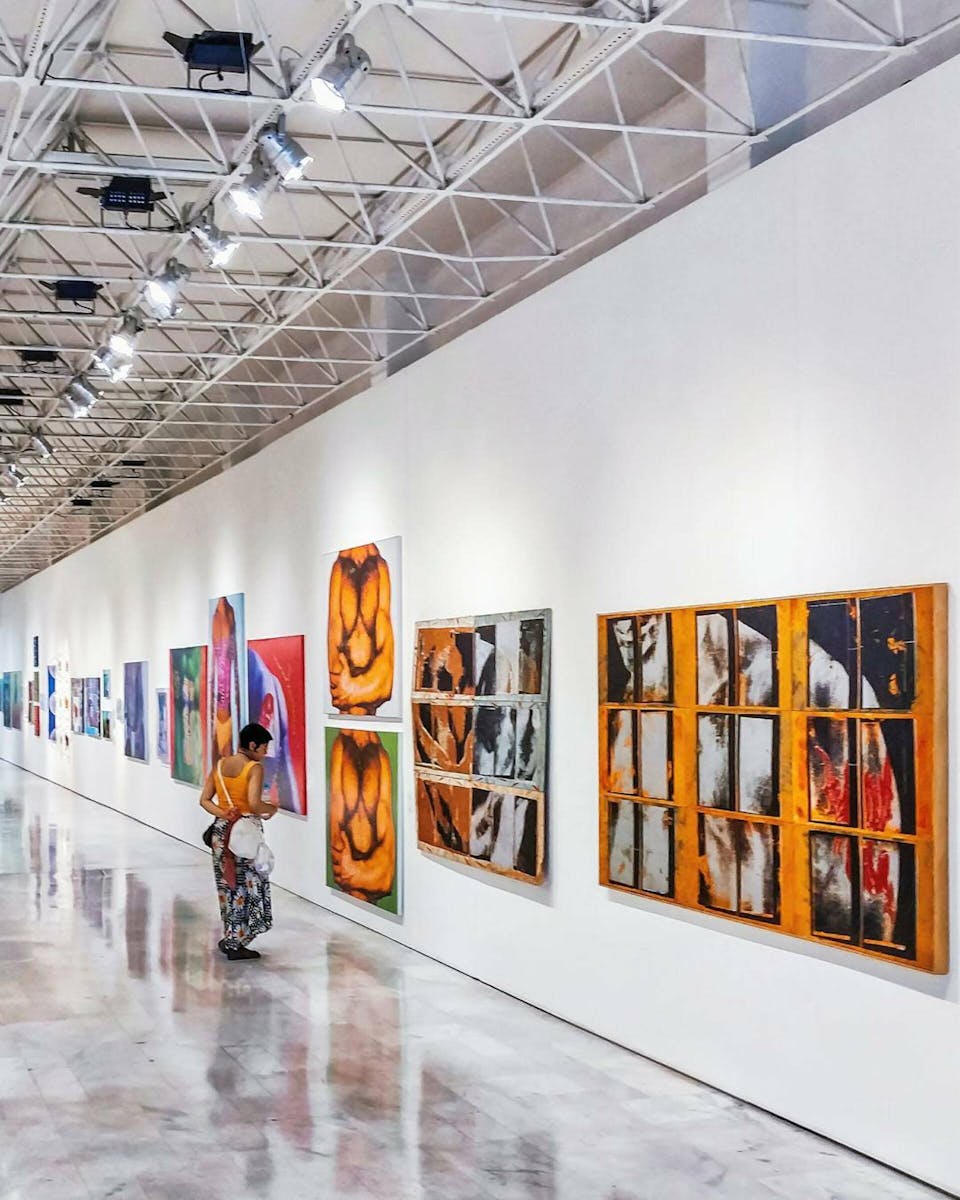




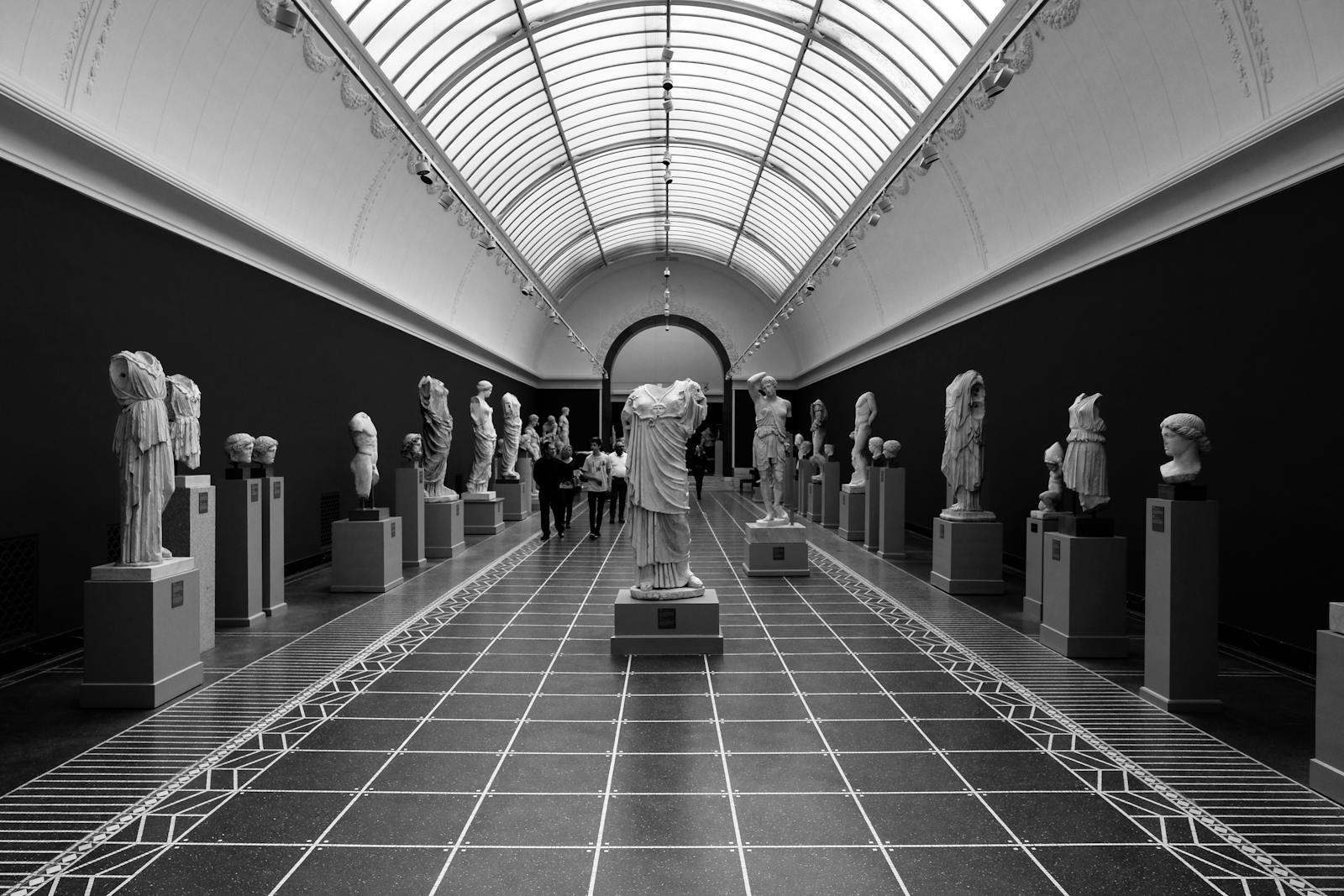


![Nigeria Beyond Oil: Mapping the Next $100bn Non-Oil Growth Engines Executive Summary Nigeria's economy is undergoing a historic transformation, with non-oil sectors now accounting for over 96% of GDP in 2025. As Africa's most populous nation charts a course toward economic resilience, the non-oil economy has emerged as the primary engine of growth, expanding by 3.91% in Q3 2025. With strategic investments and policy reforms, Nigeria is positioned to unlock $100 billion in value from agriculture, technology, manufacturing, services, and renewable energy sectors over the next decade. Understanding Economic Diversification Economic diversification is a fundamental concept driving Nigeria's transformation strategy. According to the United Nations Framework Convention on Climate Change (UNFCCC), economic diversification refers to "the process of shifting an economy away from a single income source toward multiple sources from a growing range of sectors and markets."[^1] This strategic approach reduces vulnerability to external shocks, creates employment opportunities, and establishes a more resilient economic foundation for sustainable growth. For Nigeria, diversification means moving beyond the volatility of oil-dependent revenues toward a balanced economy where agriculture, technology, manufacturing, and services contribute substantially to national wealth creation. Agriculture and Agribusiness – The $30 Billion Opportunity Introduction to Nigeria's Agricultural Transformation Agriculture remains the backbone of Nigeria's economy, employing nearly 70% of the population and contributing 31.21% to real GDP in Q3 2025. With government initiatives focused on mechanization, agri-tech solutions, and value chain development, the sector is poised to generate over $30 billion in additional value through increased productivity, reduced post-harvest losses, and expanded export markets. Current State and Recent Developments Agriculture expanded by 3.79% year-on-year in Q3 2025, driven mainly by crop production, which accounts for nearly two-thirds of the sector's nominal output. The sector has benefited from several transformative government programs: ● Anchor Borrowers' Programme: Providing credit facilities to smallholder farmers for agricultural inputs ● National Agricultural Technology Innovation Policy: Driving mechanized farming and precision agriculture ● Export Promotion Initiatives: Boosting exports of sesame seeds, cocoa, cashew nuts, and other commodities The Agri-Tech Revolution Between 2023 and 2025, Nigeria's agricultural technology sector attracted over $150 million in investments, with startups deploying innovative solutions including: ● Precision Farming Technologies: Companies like Zenvus use soil sensors, satellite data, and AI to optimize crop yields ● Digital Marketplaces: Platforms such as Farmcrowdy and AgroMall connect farmers directly with buyers, eliminating middlemen ● Fintech for Agriculture: Customized financing, mobile payments, and insurance products bridging the rural credit gap ● Supply Chain Solutions: Blockchain and data analytics improving farm-to-market logistics Growth Projections and Investment Opportunities With continued investment in irrigation, mechanization, cold chain logistics, and agro-processing facilities, the agricultural sector is projected to: ● Reduce post-harvest losses from current levels of 30-40% to below 15% ● Increase non-oil exports by capturing larger shares of global markets for cocoa, cashew, and specialty crops ● Create 5 million new jobs across the value chain by 2030 ● Contribute an additional $30 billion to GDP through productivity gains and value addition Technology and Digital Economy – The $25 Billion Frontier Introduction to Nigeria's Tech Ecosystem Nigeria has emerged as Africa's leading technology hub, often called the "Silicon Valley of Africa." Nigeria leads Africa's ICT market, contributing 82% of the continent's ICT value and 29% of its internet usage. The digital economy accounted for nearly 20% of GDP in Q2 2024, almost four times oil's contribution, positioning technology as a critical growth engine. Fintech Dominance and Expansion Nigeria's fintech sector represents one of the most successful diversification stories: ● Over 430 fintech companies operating as of February 2025, representing 28% of all African fintech companies ● Nigerian startups raised $520 million in 2024, with Moniepoint's $110 million Series C achieving unicorn status ● Digital payment solutions, mobile banking, and blockchain innovations driving financial inclusion ● Regulatory support from the Central Bank of Nigeria encouraging innovation Beyond Fintech: Emerging Tech Sectors While fintech dominates investment flows, other technology subsectors show tremendous potential: Information and Communication Technology (ICT) ● ICT posted 5.78% real growth with contribution rising to 9.10% of GDP ● Over 210 million active mobile subscribers and broadband penetration exceeding 40% ● 5G network expansion by MTN and MAFAB enhancing connectivity ● Government target of 90% broadband penetration by 2025 E-Commerce and Digital Services ● E-commerce market projected to reach $5 billion by 2025 ● Growing internet penetration driving online shopping adoption ● Logistics and last-mile delivery innovations supporting growth Emerging Technology Sectors Requiring Investment ● Agritech: Connecting technology to agricultural productivity ● Healthtech: Telemedicine, digital health records, and diagnostic innovations ● Edtech: Digital learning platforms addressing educational gaps ● Climate Tech: Renewable energy and environmental monitoring solutions Growth Projections Analysts project the digital economy to generate revenues up to $18.3 billion via fintech and AI, with the broader technology sector positioned to contribute $25 billion to economic growth through: ● Increased venture capital investment beyond fintech into deep tech ● Job creation for Nigeria's youthful population ● Export of technology services and products ● Enhanced productivity across all economic sectors Manufacturing and Industrial Development – The $20 Billion Challenge Introduction to Nigeria's Manufacturing Potential Manufacturing remains a critical yet underutilized pillar of economic diversification. Despite accounting for only 7.62% of GDP, the sector holds immense potential for value addition, job creation, and import substitution. Recent infrastructure investments and the operationalization of the Dangote Oil Refinery signal renewed momentum in industrial development. Current Manufacturing Landscape Manufacturing posted real growth of 1.25% in Q3 2025, driven by several factors: ● Dangote Oil Refinery Operations: Beginning in September 2024 with capacity to produce 650,000 barrels of refined petroleum products daily, significantly reducing import dependence ● Dangote Fertilizer Plant: Commissioned in May 2022 with capacity for 3 million tonnes annually, filling global supply gaps ● FX Stability: Improved foreign exchange liquidity supporting raw material imports ● Increased Domestic Refining: Reducing energy costs for manufacturers Key Manufacturing Subsectors Food, Beverage, and Tobacco ● Processing agricultural products for domestic consumption and export ● Value addition to raw materials reducing commodity dependence Chemical and Pharmaceutical Products ● Local production of essential medicines and industrial chemicals ● Import substitution reducing foreign exchange pressure Cement and Construction Materials ● Meeting infrastructure development demand ● Regional export opportunities Infrastructure and Policy Support Special Economic Zones (SEZs) ● Establishment of zones in various regions to facilitate trade and manufacturing ● Tax incentives and streamlined regulatory processes ● Enhanced export capacity and employment generation Infrastructure Investments ● Lagos-Ibadan railway and Second Niger Bridge improving connectivity ● Continuous highway upgrades reducing logistics costs ● Power sector reforms addressing electricity challenges Challenges and Solutions Power Supply Deficit ● Despite Electricity Act amendments decentralizing the market, transmission remains unresolved ● Stable and affordable power essential for manufacturing competitiveness ● Private sector participation and renewable energy integration needed High Production Costs ● Interest rates and borrowing costs limiting access to credit ● Need for targeted industrial financing schemes Growth Projections With sustained infrastructure development, power sector reforms, and targeted industrial policy, manufacturing can contribute $20 billion to GDP growth through: ● Import substitution in consumer goods and industrial products ● Export-oriented manufacturing leveraging AfCFTA market access ● Technology transfer and skills development ● Creation of 3 million manufacturing jobs by 2030 Services Sector – The $15 Billion Backbone Introduction to Nigeria's Services Economy The services sector is Nigeria's largest economic contributor, accounting for over 53% of real GDP. From telecommunications to financial services, real estate to hospitality, services drive employment and economic activity across urban and rural areas. Key Services Subsectors Financial and Insurance Services ● Financial and insurance services posted real growth of 19.63%, though contribution to GDP fell to 2.65% ● Banking sector expansion and insurance penetration growth ● Integration of technology improving service delivery Telecommunications and Information Services ● Telecommunications and information services posted a robust 7.40% expansion, accounting for 10.59% of overall output ● Mobile phone penetration and internet services driving growth ● Platform for broader digital economy development Real Estate ● Real estate nominal output surged 89.34%, with real growth at 3.50% ● Urbanization and middle-class expansion driving demand ● Commercial and residential property development opportunities Trade and Commerce ● Trade posted 1.98% real growth, accounting for 16.42% of GDP ● Retail expansion through malls and e-commerce platforms ● AfCFTA creating regional trade opportunities Tourism and Hospitality ● Expansion in local and international travel ● Cultural tourism and business travel growth potential ● Investment in hospitality infrastructure Growth Drivers Expanding Middle Class ● Urbanization, education, and job creation driving consumer demand ● Increased spending on goods, electronics, housing, and services ● Retail boom catering to growing consumer base Regional Trade Integration ● African Continental Free Trade Area (AfCFTA) access to 1.3 billion consumers ● Non-oil exports gaining access to larger African markets ● Improved border management and customs procedures Growth Projections The services sector is positioned to contribute $15 billion to economic growth through: ● Financial sector deepening and increased penetration ● Tourism development capitalizing on Nigeria's cultural assets ● Professional services export to West African region ● Transportation and logistics optimization ● Healthcare and education services expansion Renewable Energy and Natural Resources – The $10 Billion Green Future Introduction to Nigeria's Energy Transition As global environmental concerns intensify and power supply challenges persist, renewable energy presents both a necessity and an opportunity. With abundant solar resources, Nigeria is positioned to lead West Africa's energy transition while addressing domestic electricity deficits. Current Renewable Energy Landscape Solar Energy Growth ● Surge in solar adoption due to unreliable grid power supply ● Residential, commercial, and industrial solar installations expanding ● Government policies encouraging green energy investments ● Cost competitiveness improving with falling technology prices Renewable Energy Policies ● Government commitment to sustainable energy development ● Incentives for private sector investment in green technologies ● Integration of renewables into national energy mix Solid Minerals Development Nigeria's non-oil sectors, including solid minerals, are experiencing growth, with potential in: ● Lithium and Rare Earth Elements: Critical for global battery and technology manufacturing ● Gold and Other Precious Minerals: Export potential and artisanal mining formalization ● Industrial Minerals: Limestone, gypsum, and other construction materials Environmental Technology ● Climate Tech Innovations: Carbon capture, emissions monitoring, and environmental management ● Sustainable Agriculture: Technologies reducing environmental impact while increasing yields ● Waste-to-Energy: Converting organic and municipal waste into power Growth Projections The renewable energy and natural resources sector can contribute $10 billion through: ● Off-grid and mini-grid solar solutions powering 25 million households ● Large-scale solar and wind farms feeding into national grid ● Solid minerals exports generating foreign exchange ● Green technology manufacturing and assembly ● Environmental services and carbon credit trading Macroeconomic Foundations and Policy Environment Introduction to Economic Reforms Nigeria's non-oil growth potential is underpinned by significant macroeconomic reforms initiated since 2023. These policy changes have improved economic stability, attracted foreign investment, and created conditions for sustainable diversification. Recent Economic Performance GDP Growth Trajectory ● Nigeria's economy expanded by 3.9% year-on-year in the first half of 2025, up from 3.5% in the same period of 2024, driven by strong performance in services and non-oil industries ● The economy expanded by 3.98% in Q3 2025, with the non-oil sector contributing 96.6% to GDP ● Growth projected to accelerate to 4.2% in 2026 according to IMF forecasts External Position Strengthening ● Foreign reserves exceeding $42 billion with current account surplus rising to 6.1% of GDP, supported by higher non-oil exports ● Naira stabilization in the N1,440-N1,500/$ range ● Improved business confidence and foreign direct investment Fiscal Improvements ● Federal deficit projected at 2.6% of GDP in 2025 ● Public debt expected to decline from 42.9% to 39.8% of GDP ● Tax reforms enacted in June 2025 enhancing non-oil revenue generation Inflation and Monetary Policy Inflation Moderation ● Inflation eased to 21.9% in July 2025, supported by foreign exchange stability and targeted CBN interventions ● Projections for 2026 indicate further decline to around 14% by year-end ● Food inflation remains elevated, requiring continued policy attention Monetary Policy Stance ● Central Bank maintaining disciplined approach to price stability ● Interest rates remain elevated to anchor inflation expectations ● Gradual easing expected as inflation sustainably declines Structural Reforms Fuel Subsidy Removal ● Elimination of petrol subsidies freeing fiscal resources ● Redirecting funds to infrastructure and social programs ● Social protection programs mitigating impact on vulnerable populations Foreign Exchange Reforms ● Unified exchange rate system improving transparency ● Elimination of multiple exchange rate windows ● Enhanced FX liquidity and reduced arbitrage opportunities Tax Reforms ● Four landmark tax reforms enacted in June 2025 ● Streamlining tax administration and compliance ● Expanding tax base beyond oil revenues ● Improving ease of doing business Investment Climate Foreign Direct Investment ● Capital importation rose 67.1% to $5.64 billion in Q1 2025 ● Shift toward non-oil sectors including telecommunications, manufacturing, and services ● Opportunities for long-term investors in infrastructure and industry Business Environment Improvements ● Tinubu Administration prioritizing business climate reforms ● Reduction in bureaucratic bottlenecks ● Enhanced protection for investors Challenges and Risk Factors Introduction to Implementation Challenges While Nigeria's diversification potential is substantial, several challenges must be addressed to realize the $100 billion opportunity across non-oil sectors. Security Challenges ● Ongoing issues with banditry, insurgency, and communal conflicts ● Impact on agricultural productivity in key food-producing states ● Need for enhanced security coordination and conflict resolution Infrastructure Deficits Power Supply ● Inadequate and unreliable electricity generation and distribution ● Transmission infrastructure requiring major investment ● Critical bottleneck for manufacturing and industrial growth Transportation ● Road network quality affecting logistics costs ● Port congestion and clearance procedures ● Last-mile connectivity challenges in rural areas Social Challenges Poverty and Inequality ● Many households continue to face hardship, with poverty and food insecurity remaining high ● 109 million citizens below poverty line as of 2023 ● Need for inclusive growth policies and social protection expansion Food Inflation ● Poor households spend up to 70% of income on food, with basic food basket costs rising fivefold between 2019 and 2024 ● Addressing supply chain bottlenecks and trade barriers essential ● Agricultural productivity improvements critical Fiscal and Debt Sustainability ● Rising debt service obligations exceeding N15 trillion in 2026 budget ● Need for improved revenue generation and fiscal discipline ● Balancing growth investments with debt management External Risks ● Oil price volatility affecting government revenues ● Global economic slowdowns impacting export demand ● Exchange rate pressures from external shocks Strategic Recommendations and Action Plan Introduction to Strategic Priorities Unlocking the $100 billion non-oil growth opportunity requires coordinated action across government, private sector, and development partners. The following recommendations provide a roadmap for accelerated diversification. Priority 1: Infrastructure Development Power Sector Transformation ● Accelerate private sector participation in generation and distribution ● Resolve transmission infrastructure bottlenecks through targeted investment ● Integrate renewable energy into national grid ● Develop off-grid solutions for rural areas Transportation and Connectivity ● Complete ongoing railway and road projects ● Modernize port operations and reduce clearance times ● Develop industrial clusters with dedicated infrastructure ● Enhance digital connectivity through broadband expansion Priority 2: Human Capital Development Skills Training and Education ● Align educational curricula with industry needs ● Expand technical and vocational training programs ● Support technology education and digital literacy ● Encourage private sector involvement in skills development Healthcare Investment ● Improve healthcare access and quality ● Address malnutrition and food security ● Reduce maternal and child mortality ● Build resilient public health systems Priority 3: Enabling Business Environment Regulatory Reforms ● Streamline business registration and licensing ● Reduce regulatory compliance costs ● Ensure policy consistency and predictability ● Strengthen intellectual property protection Access to Finance ● Develop targeted financing schemes for SMEs and manufacturers ● Encourage long-term capital formation ● Promote alternative financing through capital markets ● Support fintech innovations in credit delivery Priority 4: Sector-Specific Interventions Agriculture ● Scale up mechanization and irrigation infrastructure ● Strengthen extension services and farmer training ● Develop commodity value chains and agro-processing zones ● Facilitate market access and export promotion Technology ● Create sector-specific sandboxes for innovation ● Establish deep tech fund with long-term investment horizon ● Support startup ecosystem beyond fintech ● Attract global technology companies and talent Manufacturing ● Implement industrial policy favoring strategic sectors ● Ensure Special Economic Zones are fully functional ● Provide infrastructure and utilities at competitive rates ● Facilitate technology transfer and partnerships Services ● Develop tourism infrastructure and marketing ● Enhance financial sector regulation and supervision ● Support professional services export through trade agreements ● Improve healthcare and education service delivery Renewable Energy ● Set ambitious renewable energy targets ● Provide incentives for private investment ● Streamline project approval processes ● Develop local manufacturing capacity for renewable technology Priority 5: Social Protection and Inclusion Safety Nets ● Expand social protection programs targeting vulnerable populations ● Implement conditional cash transfer schemes ● Support food security initiatives ● Ensure reforms benefit all citizens Geographic Inclusion ● Target investments in underserved regions ● Support rural economic development ● Address regional disparities in infrastructure and services ● Promote balanced development across states Priority 6: Governance and Institutions Anti-Corruption Measures ● Strengthen transparency and accountability systems ● Enhance procurement processes and oversight ● Support whistleblower protection ● Prosecute corruption vigorously Data and Monitoring ● Improve economic statistics and data collection ● Establish performance monitoring frameworks ● Use technology for real-time economic tracking ● Support evidence-based policymaking Conclusion: Nigeria's $100 Billion Vision Nigeria stands at a pivotal moment in its economic journey. The non-oil economy has demonstrated resilience and growth potential, expanding consistently even amid challenging global conditions. With agriculture contributing over 31% of GDP, technology sectors driving innovation, manufacturing gradually reviving, and services accounting for more than half of economic output, the foundations for sustainable diversification are firmly established. The $100 billion opportunity across non-oil sectors is not merely aspirational it is achievable through sustained policy commitment, strategic investments, and coordinated implementation. As the World Bank Country Director noted, "The Nigerian government has taken bold steps to stabilize the economy, but macroeconomic stability alone is not enough. The true measure of success will be how these reforms improve the daily lives of Nigerians". Success requires addressing infrastructure deficits, particularly in power and transportation, investing in human capital, maintaining macroeconomic stability, ensuring inclusive growth that reaches all citizens, and sustaining reform momentum despite short-term challenges. The path forward demands patience, persistence, and partnership between government, private sector, and civil society. With a population exceeding 220 million, a youthful demographic profile, abundant natural resources, growing regional integration through AfCFTA, and improving business environment, Nigeria possesses the fundamental ingredients for transformative growth. The next decade will determine whether Africa's most populous nation fully realizes its potential as a diversified, resilient, and prosperous economy capable of delivering shared prosperity to all its citizens. References United Nations Framework Convention on Climate Change (UNFCCC). "Economic Diversification." Available at: https://unfccc.int/topics/resilience/resources/economic-diversification Additional Sources: ● World Bank Nigeria Development Update, October 2025 ● National Bureau of Statistics GDP Reports Q1-Q3 2025 ● International Monetary Fund Nigeria Economic Outlook 2025 ● PwC Nigeria Economic Outlook Reports ● African Development Bank Nigeria Economic Outlook ● Trading Economics Nigeria Data Series ● Various Nigerian financial and economic publications (2024-2025) Call to Action Partner with Matthew Ogagavworia & Co. for Strategic Economic Intelligence At Matthew Ogagavworia & Co., we provide cutting-edge economic analysis, market intelligence, and strategic advisory services to help investors, businesses, and policymakers navigate Nigeria's evolving economic landscape. Our research covers: ● Sector-Specific Investment Analysis: Deep dives into agriculture, technology, manufacturing, and services opportunities ● Market Entry Strategies: Comprehensive guidance for foreign investors exploring Nigerian markets ● Economic Forecasting: Data-driven projections on macroeconomic trends and policy impacts ● Risk Assessment: Thorough evaluation of political, economic, and operational risks ● Custom Research: Tailored studies addressing your specific information needs Contact Us Today](https://mocaccountants.com/wp-content/plugins/contextual-related-posts/default.png "Nigeria Beyond Oil: Mapping the Next $100bn Non-Oil Growth Engines Executive Summary Nigeria's economy is undergoing a historic transformation, with non-oil sectors now accounting for over 96% of GDP in 2025. As Africa's most populous nation charts a course toward economic resilience, the non-oil economy has emerged as the primary engine of growth, expanding by 3.91% in Q3 2025. With strategic investments and policy reforms, Nigeria is positioned to unlock $100 billion in value from agriculture, technology, manufacturing, services, and renewable energy sectors over the next decade. Understanding Economic Diversification Economic diversification is a fundamental concept driving Nigeria's transformation strategy. According to the United Nations Framework Convention on Climate Change (UNFCCC), economic diversification refers to \"the process of shifting an economy away from a single income source toward multiple sources from a growing range of sectors and markets.\"[^1] This strategic approach reduces vulnerability to external shocks, creates employment opportunities, and establishes a more resilient economic foundation for sustainable growth. For Nigeria, diversification means moving beyond the volatility of oil-dependent revenues toward a balanced economy where agriculture, technology, manufacturing, and services contribute substantially to national wealth creation. Agriculture and Agribusiness – The $30 Billion Opportunity Introduction to Nigeria's Agricultural Transformation Agriculture remains the backbone of Nigeria's economy, employing nearly 70% of the population and contributing 31.21% to real GDP in Q3 2025. With government initiatives focused on mechanization, agri-tech solutions, and value chain development, the sector is poised to generate over $30 billion in additional value through increased productivity, reduced post-harvest losses, and expanded export markets. Current State and Recent Developments Agriculture expanded by 3.79% year-on-year in Q3 2025, driven mainly by crop production, which accounts for nearly two-thirds of the sector's nominal output. The sector has benefited from several transformative government programs: ● Anchor Borrowers' Programme: Providing credit facilities to smallholder farmers for agricultural inputs ● National Agricultural Technology Innovation Policy: Driving mechanized farming and precision agriculture ● Export Promotion Initiatives: Boosting exports of sesame seeds, cocoa, cashew nuts, and other commodities The Agri-Tech Revolution Between 2023 and 2025, Nigeria's agricultural technology sector attracted over $150 million in investments, with startups deploying innovative solutions including: ● Precision Farming Technologies: Companies like Zenvus use soil sensors, satellite data, and AI to optimize crop yields ● Digital Marketplaces: Platforms such as Farmcrowdy and AgroMall connect farmers directly with buyers, eliminating middlemen ● Fintech for Agriculture: Customized financing, mobile payments, and insurance products bridging the rural credit gap ● Supply Chain Solutions: Blockchain and data analytics improving farm-to-market logistics Growth Projections and Investment Opportunities With continued investment in irrigation, mechanization, cold chain logistics, and agro-processing facilities, the agricultural sector is projected to: ● Reduce post-harvest losses from current levels of 30-40% to below 15% ● Increase non-oil exports by capturing larger shares of global markets for cocoa, cashew, and specialty crops ● Create 5 million new jobs across the value chain by 2030 ● Contribute an additional $30 billion to GDP through productivity gains and value addition Technology and Digital Economy – The $25 Billion Frontier Introduction to Nigeria's Tech Ecosystem Nigeria has emerged as Africa's leading technology hub, often called the \"Silicon Valley of Africa.\" Nigeria leads Africa's ICT market, contributing 82% of the continent's ICT value and 29% of its internet usage. The digital economy accounted for nearly 20% of GDP in Q2 2024, almost four times oil's contribution, positioning technology as a critical growth engine. Fintech Dominance and Expansion Nigeria's fintech sector represents one of the most successful diversification stories: ● Over 430 fintech companies operating as of February 2025, representing 28% of all African fintech companies ● Nigerian startups raised $520 million in 2024, with Moniepoint's $110 million Series C achieving unicorn status ● Digital payment solutions, mobile banking, and blockchain innovations driving financial inclusion ● Regulatory support from the Central Bank of Nigeria encouraging innovation Beyond Fintech: Emerging Tech Sectors While fintech dominates investment flows, other technology subsectors show tremendous potential: Information and Communication Technology (ICT) ● ICT posted 5.78% real growth with contribution rising to 9.10% of GDP ● Over 210 million active mobile subscribers and broadband penetration exceeding 40% ● 5G network expansion by MTN and MAFAB enhancing connectivity ● Government target of 90% broadband penetration by 2025 E-Commerce and Digital Services ● E-commerce market projected to reach $5 billion by 2025 ● Growing internet penetration driving online shopping adoption ● Logistics and last-mile delivery innovations supporting growth Emerging Technology Sectors Requiring Investment ● Agritech: Connecting technology to agricultural productivity ● Healthtech: Telemedicine, digital health records, and diagnostic innovations ● Edtech: Digital learning platforms addressing educational gaps ● Climate Tech: Renewable energy and environmental monitoring solutions Growth Projections Analysts project the digital economy to generate revenues up to $18.3 billion via fintech and AI, with the broader technology sector positioned to contribute $25 billion to economic growth through: ● Increased venture capital investment beyond fintech into deep tech ● Job creation for Nigeria's youthful population ● Export of technology services and products ● Enhanced productivity across all economic sectors Manufacturing and Industrial Development – The $20 Billion Challenge Introduction to Nigeria's Manufacturing Potential Manufacturing remains a critical yet underutilized pillar of economic diversification. Despite accounting for only 7.62% of GDP, the sector holds immense potential for value addition, job creation, and import substitution. Recent infrastructure investments and the operationalization of the Dangote Oil Refinery signal renewed momentum in industrial development. Current Manufacturing Landscape Manufacturing posted real growth of 1.25% in Q3 2025, driven by several factors: ● Dangote Oil Refinery Operations: Beginning in September 2024 with capacity to produce 650,000 barrels of refined petroleum products daily, significantly reducing import dependence ● Dangote Fertilizer Plant: Commissioned in May 2022 with capacity for 3 million tonnes annually, filling global supply gaps ● FX Stability: Improved foreign exchange liquidity supporting raw material imports ● Increased Domestic Refining: Reducing energy costs for manufacturers Key Manufacturing Subsectors Food, Beverage, and Tobacco ● Processing agricultural products for domestic consumption and export ● Value addition to raw materials reducing commodity dependence Chemical and Pharmaceutical Products ● Local production of essential medicines and industrial chemicals ● Import substitution reducing foreign exchange pressure Cement and Construction Materials ● Meeting infrastructure development demand ● Regional export opportunities Infrastructure and Policy Support Special Economic Zones (SEZs) ● Establishment of zones in various regions to facilitate trade and manufacturing ● Tax incentives and streamlined regulatory processes ● Enhanced export capacity and employment generation Infrastructure Investments ● Lagos-Ibadan railway and Second Niger Bridge improving connectivity ● Continuous highway upgrades reducing logistics costs ● Power sector reforms addressing electricity challenges Challenges and Solutions Power Supply Deficit ● Despite Electricity Act amendments decentralizing the market, transmission remains unresolved ● Stable and affordable power essential for manufacturing competitiveness ● Private sector participation and renewable energy integration needed High Production Costs ● Interest rates and borrowing costs limiting access to credit ● Need for targeted industrial financing schemes Growth Projections With sustained infrastructure development, power sector reforms, and targeted industrial policy, manufacturing can contribute $20 billion to GDP growth through: ● Import substitution in consumer goods and industrial products ● Export-oriented manufacturing leveraging AfCFTA market access ● Technology transfer and skills development ● Creation of 3 million manufacturing jobs by 2030 Services Sector – The $15 Billion Backbone Introduction to Nigeria's Services Economy The services sector is Nigeria's largest economic contributor, accounting for over 53% of real GDP. From telecommunications to financial services, real estate to hospitality, services drive employment and economic activity across urban and rural areas. Key Services Subsectors Financial and Insurance Services ● Financial and insurance services posted real growth of 19.63%, though contribution to GDP fell to 2.65% ● Banking sector expansion and insurance penetration growth ● Integration of technology improving service delivery Telecommunications and Information Services ● Telecommunications and information services posted a robust 7.40% expansion, accounting for 10.59% of overall output ● Mobile phone penetration and internet services driving growth ● Platform for broader digital economy development Real Estate ● Real estate nominal output surged 89.34%, with real growth at 3.50% ● Urbanization and middle-class expansion driving demand ● Commercial and residential property development opportunities Trade and Commerce ● Trade posted 1.98% real growth, accounting for 16.42% of GDP ● Retail expansion through malls and e-commerce platforms ● AfCFTA creating regional trade opportunities Tourism and Hospitality ● Expansion in local and international travel ● Cultural tourism and business travel growth potential ● Investment in hospitality infrastructure Growth Drivers Expanding Middle Class ● Urbanization, education, and job creation driving consumer demand ● Increased spending on goods, electronics, housing, and services ● Retail boom catering to growing consumer base Regional Trade Integration ● African Continental Free Trade Area (AfCFTA) access to 1.3 billion consumers ● Non-oil exports gaining access to larger African markets ● Improved border management and customs procedures Growth Projections The services sector is positioned to contribute $15 billion to economic growth through: ● Financial sector deepening and increased penetration ● Tourism development capitalizing on Nigeria's cultural assets ● Professional services export to West African region ● Transportation and logistics optimization ● Healthcare and education services expansion Renewable Energy and Natural Resources – The $10 Billion Green Future Introduction to Nigeria's Energy Transition As global environmental concerns intensify and power supply challenges persist, renewable energy presents both a necessity and an opportunity. With abundant solar resources, Nigeria is positioned to lead West Africa's energy transition while addressing domestic electricity deficits. Current Renewable Energy Landscape Solar Energy Growth ● Surge in solar adoption due to unreliable grid power supply ● Residential, commercial, and industrial solar installations expanding ● Government policies encouraging green energy investments ● Cost competitiveness improving with falling technology prices Renewable Energy Policies ● Government commitment to sustainable energy development ● Incentives for private sector investment in green technologies ● Integration of renewables into national energy mix Solid Minerals Development Nigeria's non-oil sectors, including solid minerals, are experiencing growth, with potential in: ● Lithium and Rare Earth Elements: Critical for global battery and technology manufacturing ● Gold and Other Precious Minerals: Export potential and artisanal mining formalization ● Industrial Minerals: Limestone, gypsum, and other construction materials Environmental Technology ● Climate Tech Innovations: Carbon capture, emissions monitoring, and environmental management ● Sustainable Agriculture: Technologies reducing environmental impact while increasing yields ● Waste-to-Energy: Converting organic and municipal waste into power Growth Projections The renewable energy and natural resources sector can contribute $10 billion through: ● Off-grid and mini-grid solar solutions powering 25 million households ● Large-scale solar and wind farms feeding into national grid ● Solid minerals exports generating foreign exchange ● Green technology manufacturing and assembly ● Environmental services and carbon credit trading Macroeconomic Foundations and Policy Environment Introduction to Economic Reforms Nigeria's non-oil growth potential is underpinned by significant macroeconomic reforms initiated since 2023. These policy changes have improved economic stability, attracted foreign investment, and created conditions for sustainable diversification. Recent Economic Performance GDP Growth Trajectory ● Nigeria's economy expanded by 3.9% year-on-year in the first half of 2025, up from 3.5% in the same period of 2024, driven by strong performance in services and non-oil industries ● The economy expanded by 3.98% in Q3 2025, with the non-oil sector contributing 96.6% to GDP ● Growth projected to accelerate to 4.2% in 2026 according to IMF forecasts External Position Strengthening ● Foreign reserves exceeding $42 billion with current account surplus rising to 6.1% of GDP, supported by higher non-oil exports ● Naira stabilization in the N1,440-N1,500/$ range ● Improved business confidence and foreign direct investment Fiscal Improvements ● Federal deficit projected at 2.6% of GDP in 2025 ● Public debt expected to decline from 42.9% to 39.8% of GDP ● Tax reforms enacted in June 2025 enhancing non-oil revenue generation Inflation and Monetary Policy Inflation Moderation ● Inflation eased to 21.9% in July 2025, supported by foreign exchange stability and targeted CBN interventions ● Projections for 2026 indicate further decline to around 14% by year-end ● Food inflation remains elevated, requiring continued policy attention Monetary Policy Stance ● Central Bank maintaining disciplined approach to price stability ● Interest rates remain elevated to anchor inflation expectations ● Gradual easing expected as inflation sustainably declines Structural Reforms Fuel Subsidy Removal ● Elimination of petrol subsidies freeing fiscal resources ● Redirecting funds to infrastructure and social programs ● Social protection programs mitigating impact on vulnerable populations Foreign Exchange Reforms ● Unified exchange rate system improving transparency ● Elimination of multiple exchange rate windows ● Enhanced FX liquidity and reduced arbitrage opportunities Tax Reforms ● Four landmark tax reforms enacted in June 2025 ● Streamlining tax administration and compliance ● Expanding tax base beyond oil revenues ● Improving ease of doing business Investment Climate Foreign Direct Investment ● Capital importation rose 67.1% to $5.64 billion in Q1 2025 ● Shift toward non-oil sectors including telecommunications, manufacturing, and services ● Opportunities for long-term investors in infrastructure and industry Business Environment Improvements ● Tinubu Administration prioritizing business climate reforms ● Reduction in bureaucratic bottlenecks ● Enhanced protection for investors Challenges and Risk Factors Introduction to Implementation Challenges While Nigeria's diversification potential is substantial, several challenges must be addressed to realize the $100 billion opportunity across non-oil sectors. Security Challenges ● Ongoing issues with banditry, insurgency, and communal conflicts ● Impact on agricultural productivity in key food-producing states ● Need for enhanced security coordination and conflict resolution Infrastructure Deficits Power Supply ● Inadequate and unreliable electricity generation and distribution ● Transmission infrastructure requiring major investment ● Critical bottleneck for manufacturing and industrial growth Transportation ● Road network quality affecting logistics costs ● Port congestion and clearance procedures ● Last-mile connectivity challenges in rural areas Social Challenges Poverty and Inequality ● Many households continue to face hardship, with poverty and food insecurity remaining high ● 109 million citizens below poverty line as of 2023 ● Need for inclusive growth policies and social protection expansion Food Inflation ● Poor households spend up to 70% of income on food, with basic food basket costs rising fivefold between 2019 and 2024 ● Addressing supply chain bottlenecks and trade barriers essential ● Agricultural productivity improvements critical Fiscal and Debt Sustainability ● Rising debt service obligations exceeding N15 trillion in 2026 budget ● Need for improved revenue generation and fiscal discipline ● Balancing growth investments with debt management External Risks ● Oil price volatility affecting government revenues ● Global economic slowdowns impacting export demand ● Exchange rate pressures from external shocks Strategic Recommendations and Action Plan Introduction to Strategic Priorities Unlocking the $100 billion non-oil growth opportunity requires coordinated action across government, private sector, and development partners. The following recommendations provide a roadmap for accelerated diversification. Priority 1: Infrastructure Development Power Sector Transformation ● Accelerate private sector participation in generation and distribution ● Resolve transmission infrastructure bottlenecks through targeted investment ● Integrate renewable energy into national grid ● Develop off-grid solutions for rural areas Transportation and Connectivity ● Complete ongoing railway and road projects ● Modernize port operations and reduce clearance times ● Develop industrial clusters with dedicated infrastructure ● Enhance digital connectivity through broadband expansion Priority 2: Human Capital Development Skills Training and Education ● Align educational curricula with industry needs ● Expand technical and vocational training programs ● Support technology education and digital literacy ● Encourage private sector involvement in skills development Healthcare Investment ● Improve healthcare access and quality ● Address malnutrition and food security ● Reduce maternal and child mortality ● Build resilient public health systems Priority 3: Enabling Business Environment Regulatory Reforms ● Streamline business registration and licensing ● Reduce regulatory compliance costs ● Ensure policy consistency and predictability ● Strengthen intellectual property protection Access to Finance ● Develop targeted financing schemes for SMEs and manufacturers ● Encourage long-term capital formation ● Promote alternative financing through capital markets ● Support fintech innovations in credit delivery Priority 4: Sector-Specific Interventions Agriculture ● Scale up mechanization and irrigation infrastructure ● Strengthen extension services and farmer training ● Develop commodity value chains and agro-processing zones ● Facilitate market access and export promotion Technology ● Create sector-specific sandboxes for innovation ● Establish deep tech fund with long-term investment horizon ● Support startup ecosystem beyond fintech ● Attract global technology companies and talent Manufacturing ● Implement industrial policy favoring strategic sectors ● Ensure Special Economic Zones are fully functional ● Provide infrastructure and utilities at competitive rates ● Facilitate technology transfer and partnerships Services ● Develop tourism infrastructure and marketing ● Enhance financial sector regulation and supervision ● Support professional services export through trade agreements ● Improve healthcare and education service delivery Renewable Energy ● Set ambitious renewable energy targets ● Provide incentives for private investment ● Streamline project approval processes ● Develop local manufacturing capacity for renewable technology Priority 5: Social Protection and Inclusion Safety Nets ● Expand social protection programs targeting vulnerable populations ● Implement conditional cash transfer schemes ● Support food security initiatives ● Ensure reforms benefit all citizens Geographic Inclusion ● Target investments in underserved regions ● Support rural economic development ● Address regional disparities in infrastructure and services ● Promote balanced development across states Priority 6: Governance and Institutions Anti-Corruption Measures ● Strengthen transparency and accountability systems ● Enhance procurement processes and oversight ● Support whistleblower protection ● Prosecute corruption vigorously Data and Monitoring ● Improve economic statistics and data collection ● Establish performance monitoring frameworks ● Use technology for real-time economic tracking ● Support evidence-based policymaking Conclusion: Nigeria's $100 Billion Vision Nigeria stands at a pivotal moment in its economic journey. The non-oil economy has demonstrated resilience and growth potential, expanding consistently even amid challenging global conditions. With agriculture contributing over 31% of GDP, technology sectors driving innovation, manufacturing gradually reviving, and services accounting for more than half of economic output, the foundations for sustainable diversification are firmly established. The $100 billion opportunity across non-oil sectors is not merely aspirational it is achievable through sustained policy commitment, strategic investments, and coordinated implementation. As the World Bank Country Director noted, \"The Nigerian government has taken bold steps to stabilize the economy, but macroeconomic stability alone is not enough. The true measure of success will be how these reforms improve the daily lives of Nigerians\". Success requires addressing infrastructure deficits, particularly in power and transportation, investing in human capital, maintaining macroeconomic stability, ensuring inclusive growth that reaches all citizens, and sustaining reform momentum despite short-term challenges. The path forward demands patience, persistence, and partnership between government, private sector, and civil society. With a population exceeding 220 million, a youthful demographic profile, abundant natural resources, growing regional integration through AfCFTA, and improving business environment, Nigeria possesses the fundamental ingredients for transformative growth. The next decade will determine whether Africa's most populous nation fully realizes its potential as a diversified, resilient, and prosperous economy capable of delivering shared prosperity to all its citizens. References United Nations Framework Convention on Climate Change (UNFCCC). \"Economic Diversification.\" Available at: https://unfccc.int/topics/resilience/resources/economic-diversification Additional Sources: ● World Bank Nigeria Development Update, October 2025 ● National Bureau of Statistics GDP Reports Q1-Q3 2025 ● International Monetary Fund Nigeria Economic Outlook 2025 ● PwC Nigeria Economic Outlook Reports ● African Development Bank Nigeria Economic Outlook ● Trading Economics Nigeria Data Series ● Various Nigerian financial and economic publications (2024-2025) Call to Action Partner with Matthew Ogagavworia & Co. for Strategic Economic Intelligence At Matthew Ogagavworia & Co., we provide cutting-edge economic analysis, market intelligence, and strategic advisory services to help investors, businesses, and policymakers navigate Nigeria's evolving economic landscape. Our research covers: ● Sector-Specific Investment Analysis: Deep dives into agriculture, technology, manufacturing, and services opportunities ● Market Entry Strategies: Comprehensive guidance for foreign investors exploring Nigerian markets ● Economic Forecasting: Data-driven projections on macroeconomic trends and policy impacts ● Risk Assessment: Thorough evaluation of political, economic, and operational risks ● Custom Research: Tailored studies addressing your specific information needs Contact Us Today")







There are no comments