Office Address: 5, Ishola Bello Close, Iyalla Off Street, Alausa, Ikeja, Lagos, Nigeria
Introduction
Licensing and regulation of maritime service providers in Nigeria aims to promote safety, security and efficiency and compliance with national and international standards to facilitate smooth shipping and business.
Maritime companies are essential to international trade because they serve as the solid intermediaries between different countries. Maritime companies own, charter, or operate boats and other vessels to carry passengers or cargo on the sea. Maritime companies are bound by national and international laws and regulations. Some of these laws and regulations are crafted to protect the environment, while others are intended to ensure the safety of passengers and crew members that is why it is important for Maritime companies to comply with these laws and regulations to continue their operations unhindered. Furthermore, they must also obtain licenses and permits from various government agencies to conduct their business to avoid disturbance.
Shipping operations and services consist of three types of activities. These include; International Sea transport; Maritime support services; and port services. These services and activities require some regulation which is regulated by certain institutions and agencies in Nigeria with various laws, rules and regulations, most of which support their obligations under the international regulatory framework. These legislations provide the institutions with the framework and resources they need to carry out their regulatory tasks.
Build a strong online presence and consider attending industry events and trade shows.
Financial Planning: Create a detailed business plan outlining financial projections, start-up costs and revenue streams. If necessary, check the financing options.
Operations and Customer Service:
Establish efficient operational processes to meet the needs of orders and vessels visiting Nigerian ports.
Legal Requirements
Register your business and obtain the necessary permits and licenses from the relevant authorities in Nigeria.
Comply with Nigerian Shipping and Maritime Regulations.
Logistics and supply chain:
Build relationships with the deliveries you plan to ship (e.g. food, beverages, cleaning supplies and spare parts to be delivered).
Establish a reliable supply chain to ensure timely delivery of goods to ships in Nigerian ports Networks:
Build relationships with shipping companies, port authorities and other maritime stakeholders.
Marketing and Advertising:
Develop a marketing strategy to promote your shipping company to potential customers.
In Nigeria, establishing a shipping company requires a few steps.
Here are some broad principles to think about:
Planning and Research
Recognize Nigeria’s need for ship owners.
Determine prospective rivals and their products.
Establish the ship owner’s business’s focus or niche.
Focus on providing excellent customer service to build long-term relationships with customers.
To effectively navigate the regulatory and business environment, it is important to conduct thorough research on the Nigerian market and seek professional advice. Plus, you’ll stay up-to-date on industry trends and best practices to leverage your shipowner’s success.
Inquire about sea commerce has advanced around the arrangement and change of shipping markets, the advancement of shipping firms and dispatch administration, the impact of innovation at ocean transport and on its efficiency and cargo rates, on patterns of the nationality of world armada, and its denationalization or “flagging out,” on marine labor and hazard at sea.
Nigerian Maritime Administration and Safety Agency Act
The Nigerian Maritime Administration and Safety Agency (NIMASA) Act 2007 provides for the promotion of maritime safety and security, protection in the marine environment, shipping registration and commercial shipping, maritime labor, the establishment of the Nigerian Maritime Administration and Safety Agency and related matters. Its objective is to develop indigenous commercial shipping in international and shipping trade. [xviii]
The NIMASA Act applies to all ships, whether small ships or crafts that are registered in Nigeria, and to all other ships flying a foreign flag in the Exclusive Economic Zone, territorial and inland seas, inland waterways and the ports of the country. [xix] The NIMASA is given the right under the Act to make regulations with approval of the Minister with regards to dumping of ship or generated waste into the Nigerian waters. [xx]
Section 22 of the Act provides for the functions and duties of the NIMASA. These functions and duties include: administering the registration and licensing of ships; regulating and administering the certification of seafarers; pursuing the development of shipping and regulatory matters relating to merchant shipping and seafarers; establishing maritime training and safety standards; regulating the safety of shipping as regards to the construction of ships and navigation; providing directions and ensuring compliance with vessel security measures; providing search and rescue services; carrying out air and coastal surveillance; controlling and preventing marine pollution; providing the direction on qualification, certification, employment and welfare of maritime labor; establishing the procedure for the implementation of conventions – the International Maritime Organization, the International Maritime Labor Organization and other international conventions to which Nigeria is a party on maritime safety and security, maritime labor, commercial shipping and for the implementation of codes, resolutions and circulars arising therefrom among others.
Coastal And Inland Shipping (‘Cabotage’) Act
The Cabotage Act 2003 regulates the activities of maritime transportation. The Act is established to: restrict the use of foreign vessels in domestic coastal trade; promote the development of indigenous tonnage; establish a cabotage vessel financing fund; and for related matters.
The main purpose of the Act is to promote Nigerian ship ownership and delimit the honor and use of foreign vessels in the Nigerian marine trade while boosting the nation’s economy through the ownership of ships and in the engagement of the business of carriage of goods and services on the Nigeria inland waterways domain.[xxi] The Act empowers Nigerians involved in maritime activities to invest largely in domestic coastal trade, but it also allows Nigerians to manage vessels in collaboration with foreign partners.[xxii]
Other maritime legislations include: the Territorial Waters Act; the Oil in Navigable Waters Act 2004; the Nigeria Port Authority Act 1999; the Petroleum Act 1969; the Petroleum (Drilling and Production Regulation) Act; the Inland Fisheries Act 1992; and the Sea Fisheries Act 2004.
Enforcement of maritime laws and regulations
Jurisdiction of the Federal High Court
The Constitution confers exclusive civil jurisdiction in admiralty causes or matters on the Federal High Court, as noted. And by the provision of Section 19 of the Admiralty Jurisdiction Act, the Federal High Court shall exercise exclusive jurisdiction in admiralty causes or matters, whether civil or criminal. This provision of the Act is also confirmed by the Supreme Court in the case of TSKJ (Nig) Ltd v Otochem (Nig.) Ltd. [xxiii]
Recently, the Supreme Court was called upon in the case of L.L.S.P.I.A. Ltd v M/T Tuma[xxiv] to determine whether the Federal High Court has jurisdiction to hear matters on a claim for insurance premiums in respect of the ship or goods or cargoes carried by the ship. In that case the Supreme Court held as follows:
‘By virtue of section 2(1) and (3) (q) of the Admiralty Jurisdiction Act, 1991, a reference in the Act to a maritime claim is a reference to a propriety maritime claim or a general maritime claim. A reference in the Act to a general maritime claim is a reference to a claim for an insurance premium, or for a mutual insurance call, in relation to a ship or goods or cargoes carried by a ship. By the provisions, a claim for an insurance premium in relation to a ship or goods or cargoes carried by a ship relates to or falls under the category of general maritime claims. In the instant case, by virtue of section 2(3)(q) of the Admiralty Jurisdiction Act 1991, the appellant’s claim which was for an insurance premium fell within the ambit of a general maritime claim for which jurisdiction is conferred only on the Federal High Court. It did not fall within the scope of simple insurance contract as contended by the appellant. The claim was for an insurance premium arising from an insurance cover made in respect of the respondents’ vessel.’
Jurisdiction On Maritime Labor Claims
The National Industrial Court (NIC) was established as a superior court of record after an amendment to the Constitution of the Federal Republic of Nigeria (Third Alteration) Act. Section 254C (1) of the Constitution confers exclusive jurisdiction on the NIC to the exclusion of any other court in civil causes and matters:
‘a) relating to or connected with any labor, employment, trade unions, industrial relations and matters arising from workplace, the conditions of service, including health, safety, welfare of labor, employee, worker and matters incidental thereto or connected therewith;
k) relating to or connected with disputes arising from payment or non-payment of salaries, wages, pensions, gratuities, allowances, benefits and any other entitlement of any employee, worker, political or public office holder, judicial officer or any civil or public servant in any part of the Federation and matters incidental thereto […]’
The aforementioned development has raised concerns regarding the right court (between the Federal High Court and the NIC) vested with jurisdiction to hear crew wage claims, and has led to conflicting decisions of the Federal High Court in the earlier cases of Moe O O & 26 Ors v MV Phuc Hai Sun[xxv] and Assurance Foreigner Skuld v MT Cloder Pride.[xxvi] The court upheld the exclusive jurisdiction of the Federal High Court in the former case, while the exclusive jurisdiction of the NIC was upheld in the latter.
The Court of Appeal has now settled this jurisdictional issue in the case of The Vessel MT Sam Purpose (Ex Mt Tapti) & Anor V Bains & Ors. [xxvii] While holding that the NIC has the exclusive jurisdiction to determine claims for crew wages, the Court of Appeal held as follows:
‘Section 254C (1) (a) and (k) of the 1999 Constitution (as amended) gave the National Industrial Court exclusive jurisdiction over employee wages and other labor related matters. It is also clear from the said provisions that an action founded on claims for unpaid crew wages falls outside the Federal High Court’s jurisdictional competence. Section 2(3) (r) of the Admiralty Jurisdiction Act gives the Federal High Court jurisdiction over “a claim by a master, or a member of the crew, of a ship for (i) wages, or (ii) an amount that a person, as employer, is under an obligation to pay to a person as employee, whether the obligation arose out of the contract of employment or by operation of law, including by operation of a foreign country.” In this regard, this Section which differed from Section 254C (1) of the Constitution, which conferred the same jurisdiction on the National Industrial Court is void to the extent of its inconsistency. See OLORUNTOBA-OJU VS. DOPAMU & ORS (2008) LPELR 2595. Even though Section 251 of the Constitution provides for the admiralty jurisdiction of the Federal High Court, the express use of the word “notwithstanding” in Section 254C (1) clearly made the said Section 251 subject to the latter. It follows therefore that as used in Section 254C (1) of the 1999 Constitution, no provision of the Constitution itself or any statute or legislation shall be allowed to prevail over the provisions and neither shall it be capable of undermining the said Section 254C (1). The provisions of Section 254C (a) and (k) of the 1999 Constitution (as amended) in my humble view is undoubtedly to oust the jurisdiction of any other Court to adjudicate on matters listed therein.’
The implication of the aforementioned decision by the Court of Appeal is that crew claims for wages or other entitlements arising from their employment will no longer enjoy the benefits and status of a time-honored maritime claim enforceable by an action in rem. An action in rem allows a claimant not only to institute an action against a thing such as a vessel, but also has the right to arrest such vessel (or a sister vessel) subject to provision of adequate security as pre-judgment security for the claim. [xxviii]
Pending the time the issue is raised and settled at the Supreme Court, the decision of the Court of Appeal remains in force, which would appear to leave the flood gates open for jurisdictional challenges on the matter. It is well-settled law that the issue of jurisdiction can be raised at any time, even for the first time on appeal and without leave. [xxix]
Legal regime on international maritime conventions
International Maritime Organization
At the international level, the regulation of shipping and maritime activity is done through a specialized agency of the United Nations called the International Maritime Organization (IMO). [xxx] Its main role is to create a regulatory framework for the shipping industry that is fair and effective, universally adopted and universally implemented. [xxxi]
The IMO was established by means of a convention that was adopted under the auspices of the United Nations in 1948 and entered into force on 17 March 1958. [xxxii] The IMO has 175 Member States and three Associate Members. [xxxiii] Nigeria became a member on 15 March 1962.
Throughout its existence, the IMO has concentrated on technical issues relating to safety at sea and the prevention of pollution from ships.[xxxiv] Its most important treaties cover/apply to more than 98 per cent of world shipping and it has been at the forefront for drafting conventions, treaties, protocols, codes and agreements securing the safety of international shipping and the marine environment through its specialized departments known as the Marine Safety Committee and the Marine Environment Protection Committee, respectively.[xxxv]
The adoption of the international rules by the IMO is to be implemented within the jurisdictional framework of the 1982 United Nations Convention on the Law of the Sea (UNCLOS) as well as in accordance with the two main IMO safety and anti-pollution treaties, respectively: the International Convention for the Safety of Life at Sea (SOLAS 1974) as amended; and International Convention for the Prevention of Pollution from Ships 1973 as modified by the Protocol of 1978 relating thereto and by the Protocol of 1997.
THE UN CONVENTION ON THE LAW OF THE SEA 1982
Nigeria was an active participant in the marathon third UN Conference on the Law of the Sea (UNCLOS III), having joined in the clamor for such a conference, as a result of the desire to be directly involved in the molding of a ‘new’ law of the sea.[xxxvi] For Nigeria, like most other newly independent developing states, this was premised on the belief that the ‘old’ law of the sea was simply a product of an ‘old boy network’ of a few developed maritime states.[xxxvii] After about nine years of intense negotiations, involving a highly complex negotiating process, the United Nations Law of the Sea Convention (LOSC) – ‘the constitution of the seas’ – was adopted on 30 April 1982 at Montego Bay, Jamaica.[xxxviii] Nigeria was one of the states that signed the Convention, which came into force on 16 November 1994, and it became a party to the Convention on 14 August 1986.[xxxix]
The 1982 Convention on the Law of the Sea constitutes a comprehensive codification and development of contemporary international law governing the sea in time of peace. [xl] A careful list of the main substantive provisions of the Convention, focusing on those introduced changes or new concepts in the traditional law of the sea would seem to include the following aspects: [xli]
The maximum width of the territorial sea is fixed at 12 miles and that of the contiguous zone at 24 miles;
A ‘transit passage’ regime for straits used for international navigation is established;
states consisting of archipelagos, provided certain conditions are satisfied, can be considered as ‘archipelagic States’, the outermost islands being connected by ‘archipelagic baselines’ so that the waters inside these lines are archipelagic waters;
a 200-mile exclusive economic zone, including the seabed and the water column, may be established by coastal states in which such states exercise sovereign rights and jurisdiction on all resource-related activities;
Other states enjoy in the Exclusive Economic Zone high seas freedoms of navigation, over flight, laying of cables and pipelines and other internationally lawful uses of the sea connected with these freedoms;
A rule of mutual ‘due regard’ applies to ensure compatibility between the exercise of the rights of the coastal states and of those of other states in the Exclusive Economic Zone;
The concept of the continental shelf has been confirmed, though with newly defined external limits;
The International Seabed Authority is the ‘machinery’ entrusted with the supervision and regulation of exploration and exploitation of the resources;
a series of very detailed provisions dealing with the protection of the marine environment setting out general principles and rules about competence for law-making and enforcement as well as on safeguards;
Detailed provisions concerning marine scientific research, based on the principle of consent of the coastal state, consent that should be the norm for pure research and discretionary for resource-orientated research; and
The ocean bottom beyond national jurisdiction is proclaimed to be the ‘Common Heritage of the Mankind’.
Under both the Geneva Convention on Territorial Sea, 1958 and the UN Convention on the Law of the Sea, 1982 there are the following seven maritime areas over which states can exercise their jurisdiction: [xlii] Base Line; [xliii] Inland Waters; [xliv] Territorial Sea; [xlv] Contiguous Zone; [xlvi] Exclusive Economic Zone; [xlvii] High Seas; [xlviii] and Continental Shelf. [xlix]
After the entry into force of the UN Convention on the Law of the Sea on 16 November 1994, strong efforts were made for the establishment of an International Tribunal for the Law of the Sea (ITLOS). The UNCLOS created ITLOS as part of its compulsory third-party dispute settlement system. [l] the ITLOS, headquartered in Hamburg, Germany, is fully operational. It has already adjudicated cases and reached judgments in them. [li] The Tribunal is open to all state parties to the 1982 UN Convention on the Law of the Sea.[lii]
Functions Of the Nigerian Maritime Administration and Safety Agency (NIMASA)
Pursue the development of shipping and regulatory matters relating to merchant shipping and seafarers.
Administration and regulation of shipping licenses.
Administration, Regulation and Certification of Seafarers.
Establishment of Maritime Training and Safety Standards
Regulation of safety of shipping as regards the construction of ships and navigation.
Provision of Maritime Search and Rescue Services
Provide direction and ensure compliance with vessels security measures
Carry out Air and Coastal Surveillance
Control and prevent Maritime Pollution
Develop and implement policies and programs, which will facilitate the growth of local capacity in ownership, manning and construction of ships and other maritime infrastructure.
Enhance and administer the provision of Cabotage Act. 2003
Perform Port and Flag State duties.
Provide Maritime Security.
Establish the procedure for the implementation of conventions of the International Maritime Organization (IMO) and the International Labour Organization (ILO), and other international conventions to which the Federal Republic of Nigeria is a party on Maritime Safety and Security, Maritime Labour, Commercial Shipping, and for the implementation of Codes, Resolutions and Circulars arising there from.
WHO QUALIFIED TO OWN REGISTERED NIGERIAN SHIPS?
The Merchant Shipping Act 2007 provides that the following are persons eligible to register Nigerian Ships:
Nigerian citizens
Bodies corporate established under and subject to Nigerian laws, having their principal place of business in Nigeria
Such other persons as the Minister of Transport may by regulations prescribe.
HOW TO REGISTER A SHIPPING COMPANY IN NIGERIA
The legal service unit of the Nigerian Maritime Administration and Safety Agency registers shipping companies/Agents provided that they have fulfilled all the requirements provided in the Agency’s guidelines.
For a company intending to carry out shipping activities to qualify for registration and issuance of an operating license, the company must be engaged mainly in the shipping business and submit the following documents:
Completed NIMASA Form 1
Current tax clearance certificate
Certified true copy of Form CAC 7 (Particulars of Directors)
Certified true copy of Certificate of Incorporation
Certified true copy of Certificate of Incorporation
Certified true copy of Memorandum and Article of Association of which the share capital must not be less than N25 Million, and the object of the company must be shipping.
Latest Audited Report
CAC Form 2.1 (Return of Allotment) where applicable
Evidence that the company has filed its annual returns
Evidence of registration as a licensed customs agent
Joint venture Agreement where applicable
Charter party agreement where applicable
A reference from the bank
PROCEDURE FOR REGISTRATION
The shipping company or its authorized agent will submit the application to the General Manager of the Western Port or Eastern Ports
The applicant will receive a debit note and make payment of N200, 000.00.
Upon the confirmation of the payment, the Nigerian Port Authority issues a receipt to the applicant
The Nigerian Port Authority (NPA) issues the original copy of the Certificate of Registration as a shipping company to the Applicant.
The License for registration will be issued within a period of two weeks from the date of registration on the premise that the company has provided all the documents as required.
Furthermore, where Shipping Company is registering under National Carrier status for the benefit of enjoying preferential rights or privileges accorded by the government, it must adhere to these requirements provided by the Agency:
The company must be registered in Nigeria
The company must be a fully owned Nigerian company with Nigerian equity ownership of at least 60%
The head office of the company must be in Nigeria; management and control must be directed from the head office.
The company must own at least one ocean- going vessel of not less than 5000 net registered tonnages.
The vessel must be registered in the Nigerian Vessel of ships
The terms and conditions of employment of seafarers engaged in the company are in conformity with Nigerian laws and accepted international rules and standards
The application to register as National Carrier is to be submitted with the following documents for registration:
Completed NIMASA Form B1
Current tax clearance certificate of the company
Current tax clearance certificate
Certified true copy of Form CAC 7 (Particulars of Directors)
Certified true copy of Certificate of Incorporation
Certified true copy of Memorandum and Article of Association of which the share capital must not be less than N100 Million, and the object of the company must be shipping.
Latest Audited Report
Evidence that the company has filed its annual returns
Evidence of registration as a licensed customs agent
Joint venture Agreement for oil or specialized lifting operations where applicable
Copy of Current list of each owned vessel
A reference from the bank
Registration Fees
The fees to be paid by a company with the intent to operate a shipping business are as follows:
NIMASA Registration Form B1 which costs the sum of N10, 000.00 (Ten Thousand Naira)
A registration fee of N100, 000.00 (One Hundred Thousand Naira)
Upon registration, a physical inspection will be carried out at the Head Office of the Company, where original DOCUMENTS submitted will be sighted and verified during the inspection.
Renewal of Registration
For a company to qualify for renewal of a license as a shipping company, the following documents must be submitted together with the prescribed fees:
The companies tax clearance certificate
Latest audited Account
Evidence that the company has updated and paid its annual returns at the Corporate Affairs Commission
Evidence that the company is not indebted to the Agency and has complied with payment of 2%, 3% statutory fee.
In conclusion, this article has provided a wide range of how to obtain maritime license. Maritime is a good business to venture into with the aid of this well spelt out guide.
License And Permit Requirement for Maritime Service Provider in Nigeria.
Modern business operations must have a proper regulatory framework as the various value propositions of Nigerian maritime are regulated by the Nigerian Ports Authority (NPA). The Nigerian Ports Authority also sets licensing requirements for shipping service providers in Nigeria. These include;
Shipping company license:
A shipping company or agency manages the business of the ship in each port where the ship calls or docks, in addition to handling shipments, cargo and general customer interests on behalf of the ship. owners and managers and charterers.
The requirements for a Nigerian shipping company license are as follows:
a) Letter of request addressed to the Director General of Port Authority of Eastern and Western Ports of Nigeria;
b) Certificate of Incorporation from the Corporate Affairs Commission (CAC) and MEMART (Memorandum/Regulation Book);
c) Bank Reference and Tax-Free Certificate (TCC) valid for 3 years;
and) two hundred-thousand-naira registration fee only.
Equip Chandler License:
Chandler is a merchant that focuses on supplying ship accessories or equipment.
The requirements for a Chandler Marine License are as follows:
(a) Letter of application addressed to the Director General, Eastern and Western Ports, Nigerian Ports Authority;
b) Certificate of incorporation (memorandum/regulation) of the Commission on Corporate Affairs (CAC) and MEMART;
c) Tax Exemption Certificate (TCC) valid for 3 years;
and) completed C1 form showing approval by Nigerian Customs.
A freight forwarder or a freight forwarding company, is an authorized service provider who, on behalf of the client/client, ensures that the freight/commercial cargo is delivered in good condition to the chosen destination.
Clearing and Clearing Agent Licenses: A clearing agent is an authorized service provider who organizes and submits paperwork to relevant regulatory authorities (usually Nigerian Customs), fulfills relevant obligations and ensures that unexpected delays are avoided. to prevent downtime. The agency’s clearing and routing requirements area) Application to the Director General, East and West Gates, Nigerian Ports Authority) Memorandum/Regulation Book from the Corporate Affairs Commission (CAC) and MEMART) Bank Reference and Tax -Free Certificate (TCC), valid for 3 years) Proof of registration with the Freight Regulatory Board of Nigeria; and) Registration Fee of Two Hundred Thousand Naira to the Nigerian Ports Authority.
Licensing of Customs Terminal:
Customs terminal is a building or space intended for temporary storage of imported goods and approved by the relevant authorities. The requirements for exempt terminal licenses are as follows:
a) Letter of request to the General Director (Eastern/Western Ports) and the following supporting documents;
b) Company registration in CAC;
c) three-year tax exemption certificate;
d) taxpayer identification number (TIN);
and) insurance cover.
Licenses are normally processed by the Nigerian Ports Authority in six weeks and are good for a year. Permits for Service Boat Operators: A service boat operator supplies fuel and other necessities for the crew and the vessel, as well as logistical support to docked vessels.
The requirements for this category of license are as follows:
a) Letter of request to the General Director (East/West Ports) and the following documents;
b) Corporate Affairs Commission (CAC) and MEMART Certificate of Incorporation (Memorandum/Book of Regulations;
c) NPA Shipping Company Registration Certificate;
d) three-year tax exemption certificate;
and) registration fee of two hundred thousand naira to the Nigerian Ports Authority.
Nigeria’s maritime industry has grown significantly, but further development is required to attract investment and sustain the economy. The key to this success is the strict regulation of licenses for maritime service providers. Although the Nigerian Ports Authority oversees the initial registration, other regulatory authorities, including the Nigerian Navy and Nigerian Customs, may impose additional requirements. This multi-level regulatory framework ensures compliance with high standards.
Customs Clearing Agent/Customs Broker in Nigeria
If you had to benefit almost 200 million inhabitants as a businessman, in which business would you prefer to invest? Would you just go ahead and invest in your passion, for example, or would you think of it more as an opportunity, an unsatisfied human desire that could be exploited for profit by serving your target audience? It is clear that the goal of every businessman is to earn a profit. Do you know that Nigeria is an import dependent country?
Therefore, there are huge opportunities in the Nigerian space in the import and export markets. Therefore, investing in cargo clearance and forwarding business in Nigeria is not a bad idea. So, what is the point of this current article? Could it empower business people? Or could it be to attract investors? Both reasons can be valid. We give this order because Vagmon e-Group and Logistics believe that if you give for free, you get for free.
Information requirements for customs. What tools are required to work as a customs officer in Nigeria or elsewhere? Three customs application methods are available for easier familiarization: customs declaration forms 135 and 158; Consult the customs officer to verify the modifications to the passport photographs and document number.
Forms 135 and 158, which are Business Certificates, NGN 10,000,000; also, a list of approved dealers and business partners for the business partner list. 4 LEVEL WITH UD.
Devices’ Registration Methods and Reasons in Entry Equipment.
You will receive N110,000.00 (N10,000 is Form B1 while N100,000.00 is registration fee) to the debit of the office clerk
Create Remittance Reference (RRR) http://www.remita.net Use your RRR number, pay at the bank or through the online banking application and print the Remita receipt and payment
visit the agency’s financial services department.
Get your NIMASA receipt. Request form B1 from the Legal Service with receipt on the 7th.
Fill out the form carefully and make sure you sign, seal or stamp and date it.
Write a statement addressed to:
Director General/CEO
Nigerian Maritime and Safety Agency 4 Burma Road Apapa, Lagos.
Attention: Director, Legal Service and Board Secretary
Please clearly indicate the category you wish to apply for. This applies to either the shipper or the agent. After that attach the following documents:
Receipt of payment
Articles of Association and Articles of Association with a share capital of 25-million-naira (The main object clause should relate to delivery – this is very important) Proof of increase in share capital, this is important if your company was after the share capital was increased
showing the allocation of shares (this can be in the CAC or else a document showing the allocation of shares after incorporation (this can be in the CAC for 2A or otherwise)a document containing details of the board members (this can be in form CAC 7 or CAC 7A, if there have been changes since incorporation Evidence that the company has submitted an annual statement (this can be form CAC 10 or confirmation letter Annual Return from Corporate Affairs Commission)Valid tax exemption certificate Original bank reference Verified account or financial statement (if your business is less than 18 months old, you will need a financial statement and an audited statement if your business is less than 18 months). your company is older than 18 months) Your company will be physically checked Send your application with attachments to the DG office and keep your stamped and received copy Make sure all the documents are attached while submitting as a partial fulfillment of the requirement. will cause delays in your application in proceedings.
Applicable Laws and Regulations in The Maritime Industry.
The following laws are necessary to understand the laws and procedures that govern the transportation of goods and passengers, exploitation of minerals, trade and navigation in Nigerian waters.
Coastal and Inland Water Transport (Cabotage Act) 2003The Cabotage Act regulates maritime transport activities. The purpose of the law is to limit the use of foreign ships in domestic coastal trade, to encourage the development of domestic tonnage, to create a financial fund for cabotage ships and for other purposes.
The main purpose of the Act is to promote Nigerian ship ownership and restrict the use of foreign vessels in Nigerian shipping trade, while promoting the national economy through ship ownership and transportation of goods and services on Nigerian inland waterways. The law allows Nigerians involved in shipping to invest primarily in domestic coastal business, but it also allows Nigerians to operate ships in collaboration with foreign partners.
Merchant Shipping Act 2007The Merchant Shipping Act regulates labor-related matters and merchant shipping in general. The Act established the Maritime Safety Authority, which is responsible for maritime management, safety and security.
By law, a certificate of license is required for all vessels engaged in commercial activities in or outside Nigerian waters. A licensed Nigerian vessel or a class of licensed Nigerian vessels operating outside the maritime territories of Nigeria may be generally or individually exempted from registration under this Act by notification to the Minister.
The Merchant Shipping Act also limits marine warranties or claims for loss or damage to a ship or its owners in Nigeria.
Proceedings for such damage or loss must be initiated within one year of the occurrence of the damage, loss or injury or the delivery of the rescue service.
Nigerian Waterways Authority and Safety Agency 2007The Nigerian Maritime Authority and Safety Agency (NIMASA) Act deals with maritime safety and security, protection of the marine environment, ship registration and commercial shipping, maritime manpower, the establishment of the Nigerian. Maritime Authority and the Safety Agency and other related matters. It aims to promote domestic commercial shipping in international trade. That Act applies to all vessels, whether small or registered in Nigeria, and all other foreign-flagged vessels in the country’s exclusive economic zone, territorial and inland seas, inland waterways and ports.
Section 22 of the Act sets out the duties and responsibilities of NIMASA. These duties and responsibilities include: managing vessel licensing and registration; regulation and administration of seafarers’ certificates; Promotion of maritime and legal matters relating to seafarers and merchant shipping; strengthen maritime safety and maritime training standards;
Compilation of instructions and monitoring of compliance with ship safety requirements; Regulation of maritime safety aspects related to shipbuilding and navigation; Provide search and rescue services; Air and Coastal Control, Prevention and Control of Marine Pollution, Advice on Certificates, Employment and Welfare of Maritime Workers; and establishing procedures for the implementation of the Convention are all tasks that must be fulfilled.
Nigerian Ports Authority Act 1999
This Act establishes the Nigerian Ports Authority, defines its functions, powers and responsibilities and regulates its internal structure and financial affairs. The Act also applies to matters relating to port operations, such as pilotage, Section 32 of that Act gives the power, with the consent of the Minister, to make regulations for the following purposes or for all of the following goals
the administration, control and maintenance of good order in any port:
the direction of traffic within or on the approach to the port: the regulation of wharves and stations where ships must be, and the control of the movement of ships between wharves, stations or anchorages. and the deadlines in which these movements must take place;
regulation of ships when loading or unloading ballast or cargo; and the maintenance of such lobbies as may be deemed necessary in any port, and for keeping clear springs, wharfs, wharfs, wharfs, wharfs, wharves, wharves, wharves, wharves, wharves, wharves and other similar works near or near the wharf, or in marking the site adjacent to the wharf. Other laws relating to shipping include: National Waterways Authority Act 2004;
Oil in Navigable Waters Act 2004; Marine Fisheries Act 2004; and the Territorial Water Act 2004.
Freight Forwarding
Freight forwarders organize the transportation of goods from one country to another. Goods may consist of packages, boxes and containers or a mixture of the three. They work for companies and individuals who import and export goods.
Simply put, freight forwarding is the process of moving imports and exports through a supply chain. Shipping companies work with shipping companies, airlines, carriers and customs to deliver goods from their point of origin to their final destination.
The customer decides how much the freight forwarder is involved in the journey of the goods. For example, it can transport a container load from the factory from one country to another (for further assembly), or it can contain finished products that go directly from the manufacturer to the warehouse of the store. A forwarding company can use different modes of transport (not only ships!), but also by sea, planes, trucks and railways.
What is an example of forwarding?
Suppose a Chinese factory produces children’s toys. A shipping company could arrange for the toys to be transported from the factory to an airport in China by truck, the toys flown to London Heathrow, and then transported from the airport to the customer’s warehouse or store in the UK is forwarding the same as 3PL? A 3PL (third-party logistics) service provider can handle any part of your supply chain operations, while a freight forwarder usually only handles the movement of goods.
For example, a 3PL may also provide value-added services such as warehousing (including bonded warehousing), container storage and unloading, furnishing, assembly and return management. This is in addition to “goods in” services such as unpacking, order processing, collection and packaging, courier delivery and delivery.
Forwarding companies are brokers who use their “black book” of trusted contacts to negotiate the best routes and best prices for companies using their services. In addition to moving the cargo, they are also responsible for documentation and customs clearance.
What is the Freight Forwarding Process
Here is the process in simple steps
Step One:
The importer and supplier agree on commercial terms, known in the trade as International Trade Terms (or “Incoterms”). Incoterms is an internationally recognized set of rules that define what each party is responsible for.
Second step:
origin processing and export formalization
Depending on the agreed INCO conditions, the shipper can arrange the delivery of the goods from the supplier’s place of business to the next part of the chain – whether it is a port or airport, If necessary, the company also arranges a satisfactory inspection of the goods at the customs of the country of origin.
Step Three:
Export Customs Separation
The shipper may be responsible for coordinating the appropriate paperwork between the supplier and the recipient to ensure compliance with all laws and carrier requirements. In short, send a passport.
Step Four: Import Customs
Once the shipment has reached the destination country, the paper must be double-checked to ensure that it meets the required customs and quarantine requirements. A good conveyancer will ask and prepare this information in advance to minimize disruptions in the process.
Step 5: Delivery to the final destination: the freight forwarder makes additional transportation arrangements as soon as the goods are turned over for delivery to the destination. This can be completed in a retail location, the customer’s warehouse, or, in the event that a 3PL is required, a forwarder-managed warehouse. Types of Shipping: Shipping businesses may work with one or more carriers to ensure that items are carried from point A to point B in a safe and lawful manner. The driver may use a variety of forms of transportation, including air, sea, and road.
Types of road transport: The shipper decides which mode of transport is most suitable for transporting the goods. Semi-trailer trucks (Arctics) are the most common, but there are also other forms of road transport that are specifically designed to transport non-standard goods.
Example:
container truck A common and most cost-effective way to transport containers by road. Also includes a curtain side transport: as in this picture – a container car, but with a durable soft side, ideal for quick loading and unloading of goods.
Flat, semi-low and light road transport ideal for moving oversized construction machinery.
Car transport Special equipment with built-in ramps to facilitate loading and unloading of vehicles.
Container transport
For the transport of liquids, chemicals and gases.
A commercially known truck crane or loader is used to load and unload trucks. Can also be used with a side loader, which offers a convenient way to load/unload shipping containers.
Conclusion
To effectively navigate the regulatory and business environment, it is important to conduct thorough research on the Nigerian market and seek professional advice. Plus, you’ll stay up-to-date on industry trends and best practices to leverage your shipowner’s success.
A company that intends to engage in shipping business in Nigeria must register according to the guidelines of the Nigerian Waterways Administration and Safety Board and such a company must submit all necessary documents before it can operate in the field.
Call-to-action
Tel: (+234) 802 320 0801, (+234) 807 576 5799
Email: enquiry@mocaccountants.com
Office Address: 5, Ishola Bello Close, Iyalla Off Street, Alausa, Ikeja, Lagos, Nigeria










![Nigeria Beyond Oil: Mapping the Next $100bn Non-Oil Growth Engines Executive Summary Nigeria's economy is undergoing a historic transformation, with non-oil sectors now accounting for over 96% of GDP in 2025. As Africa's most populous nation charts a course toward economic resilience, the non-oil economy has emerged as the primary engine of growth, expanding by 3.91% in Q3 2025. With strategic investments and policy reforms, Nigeria is positioned to unlock $100 billion in value from agriculture, technology, manufacturing, services, and renewable energy sectors over the next decade. Understanding Economic Diversification Economic diversification is a fundamental concept driving Nigeria's transformation strategy. According to the United Nations Framework Convention on Climate Change (UNFCCC), economic diversification refers to "the process of shifting an economy away from a single income source toward multiple sources from a growing range of sectors and markets."[^1] This strategic approach reduces vulnerability to external shocks, creates employment opportunities, and establishes a more resilient economic foundation for sustainable growth. For Nigeria, diversification means moving beyond the volatility of oil-dependent revenues toward a balanced economy where agriculture, technology, manufacturing, and services contribute substantially to national wealth creation. Agriculture and Agribusiness – The $30 Billion Opportunity Introduction to Nigeria's Agricultural Transformation Agriculture remains the backbone of Nigeria's economy, employing nearly 70% of the population and contributing 31.21% to real GDP in Q3 2025. With government initiatives focused on mechanization, agri-tech solutions, and value chain development, the sector is poised to generate over $30 billion in additional value through increased productivity, reduced post-harvest losses, and expanded export markets. Current State and Recent Developments Agriculture expanded by 3.79% year-on-year in Q3 2025, driven mainly by crop production, which accounts for nearly two-thirds of the sector's nominal output. The sector has benefited from several transformative government programs: ● Anchor Borrowers' Programme: Providing credit facilities to smallholder farmers for agricultural inputs ● National Agricultural Technology Innovation Policy: Driving mechanized farming and precision agriculture ● Export Promotion Initiatives: Boosting exports of sesame seeds, cocoa, cashew nuts, and other commodities The Agri-Tech Revolution Between 2023 and 2025, Nigeria's agricultural technology sector attracted over $150 million in investments, with startups deploying innovative solutions including: ● Precision Farming Technologies: Companies like Zenvus use soil sensors, satellite data, and AI to optimize crop yields ● Digital Marketplaces: Platforms such as Farmcrowdy and AgroMall connect farmers directly with buyers, eliminating middlemen ● Fintech for Agriculture: Customized financing, mobile payments, and insurance products bridging the rural credit gap ● Supply Chain Solutions: Blockchain and data analytics improving farm-to-market logistics Growth Projections and Investment Opportunities With continued investment in irrigation, mechanization, cold chain logistics, and agro-processing facilities, the agricultural sector is projected to: ● Reduce post-harvest losses from current levels of 30-40% to below 15% ● Increase non-oil exports by capturing larger shares of global markets for cocoa, cashew, and specialty crops ● Create 5 million new jobs across the value chain by 2030 ● Contribute an additional $30 billion to GDP through productivity gains and value addition Technology and Digital Economy – The $25 Billion Frontier Introduction to Nigeria's Tech Ecosystem Nigeria has emerged as Africa's leading technology hub, often called the "Silicon Valley of Africa." Nigeria leads Africa's ICT market, contributing 82% of the continent's ICT value and 29% of its internet usage. The digital economy accounted for nearly 20% of GDP in Q2 2024, almost four times oil's contribution, positioning technology as a critical growth engine. Fintech Dominance and Expansion Nigeria's fintech sector represents one of the most successful diversification stories: ● Over 430 fintech companies operating as of February 2025, representing 28% of all African fintech companies ● Nigerian startups raised $520 million in 2024, with Moniepoint's $110 million Series C achieving unicorn status ● Digital payment solutions, mobile banking, and blockchain innovations driving financial inclusion ● Regulatory support from the Central Bank of Nigeria encouraging innovation Beyond Fintech: Emerging Tech Sectors While fintech dominates investment flows, other technology subsectors show tremendous potential: Information and Communication Technology (ICT) ● ICT posted 5.78% real growth with contribution rising to 9.10% of GDP ● Over 210 million active mobile subscribers and broadband penetration exceeding 40% ● 5G network expansion by MTN and MAFAB enhancing connectivity ● Government target of 90% broadband penetration by 2025 E-Commerce and Digital Services ● E-commerce market projected to reach $5 billion by 2025 ● Growing internet penetration driving online shopping adoption ● Logistics and last-mile delivery innovations supporting growth Emerging Technology Sectors Requiring Investment ● Agritech: Connecting technology to agricultural productivity ● Healthtech: Telemedicine, digital health records, and diagnostic innovations ● Edtech: Digital learning platforms addressing educational gaps ● Climate Tech: Renewable energy and environmental monitoring solutions Growth Projections Analysts project the digital economy to generate revenues up to $18.3 billion via fintech and AI, with the broader technology sector positioned to contribute $25 billion to economic growth through: ● Increased venture capital investment beyond fintech into deep tech ● Job creation for Nigeria's youthful population ● Export of technology services and products ● Enhanced productivity across all economic sectors Manufacturing and Industrial Development – The $20 Billion Challenge Introduction to Nigeria's Manufacturing Potential Manufacturing remains a critical yet underutilized pillar of economic diversification. Despite accounting for only 7.62% of GDP, the sector holds immense potential for value addition, job creation, and import substitution. Recent infrastructure investments and the operationalization of the Dangote Oil Refinery signal renewed momentum in industrial development. Current Manufacturing Landscape Manufacturing posted real growth of 1.25% in Q3 2025, driven by several factors: ● Dangote Oil Refinery Operations: Beginning in September 2024 with capacity to produce 650,000 barrels of refined petroleum products daily, significantly reducing import dependence ● Dangote Fertilizer Plant: Commissioned in May 2022 with capacity for 3 million tonnes annually, filling global supply gaps ● FX Stability: Improved foreign exchange liquidity supporting raw material imports ● Increased Domestic Refining: Reducing energy costs for manufacturers Key Manufacturing Subsectors Food, Beverage, and Tobacco ● Processing agricultural products for domestic consumption and export ● Value addition to raw materials reducing commodity dependence Chemical and Pharmaceutical Products ● Local production of essential medicines and industrial chemicals ● Import substitution reducing foreign exchange pressure Cement and Construction Materials ● Meeting infrastructure development demand ● Regional export opportunities Infrastructure and Policy Support Special Economic Zones (SEZs) ● Establishment of zones in various regions to facilitate trade and manufacturing ● Tax incentives and streamlined regulatory processes ● Enhanced export capacity and employment generation Infrastructure Investments ● Lagos-Ibadan railway and Second Niger Bridge improving connectivity ● Continuous highway upgrades reducing logistics costs ● Power sector reforms addressing electricity challenges Challenges and Solutions Power Supply Deficit ● Despite Electricity Act amendments decentralizing the market, transmission remains unresolved ● Stable and affordable power essential for manufacturing competitiveness ● Private sector participation and renewable energy integration needed High Production Costs ● Interest rates and borrowing costs limiting access to credit ● Need for targeted industrial financing schemes Growth Projections With sustained infrastructure development, power sector reforms, and targeted industrial policy, manufacturing can contribute $20 billion to GDP growth through: ● Import substitution in consumer goods and industrial products ● Export-oriented manufacturing leveraging AfCFTA market access ● Technology transfer and skills development ● Creation of 3 million manufacturing jobs by 2030 Services Sector – The $15 Billion Backbone Introduction to Nigeria's Services Economy The services sector is Nigeria's largest economic contributor, accounting for over 53% of real GDP. From telecommunications to financial services, real estate to hospitality, services drive employment and economic activity across urban and rural areas. Key Services Subsectors Financial and Insurance Services ● Financial and insurance services posted real growth of 19.63%, though contribution to GDP fell to 2.65% ● Banking sector expansion and insurance penetration growth ● Integration of technology improving service delivery Telecommunications and Information Services ● Telecommunications and information services posted a robust 7.40% expansion, accounting for 10.59% of overall output ● Mobile phone penetration and internet services driving growth ● Platform for broader digital economy development Real Estate ● Real estate nominal output surged 89.34%, with real growth at 3.50% ● Urbanization and middle-class expansion driving demand ● Commercial and residential property development opportunities Trade and Commerce ● Trade posted 1.98% real growth, accounting for 16.42% of GDP ● Retail expansion through malls and e-commerce platforms ● AfCFTA creating regional trade opportunities Tourism and Hospitality ● Expansion in local and international travel ● Cultural tourism and business travel growth potential ● Investment in hospitality infrastructure Growth Drivers Expanding Middle Class ● Urbanization, education, and job creation driving consumer demand ● Increased spending on goods, electronics, housing, and services ● Retail boom catering to growing consumer base Regional Trade Integration ● African Continental Free Trade Area (AfCFTA) access to 1.3 billion consumers ● Non-oil exports gaining access to larger African markets ● Improved border management and customs procedures Growth Projections The services sector is positioned to contribute $15 billion to economic growth through: ● Financial sector deepening and increased penetration ● Tourism development capitalizing on Nigeria's cultural assets ● Professional services export to West African region ● Transportation and logistics optimization ● Healthcare and education services expansion Renewable Energy and Natural Resources – The $10 Billion Green Future Introduction to Nigeria's Energy Transition As global environmental concerns intensify and power supply challenges persist, renewable energy presents both a necessity and an opportunity. With abundant solar resources, Nigeria is positioned to lead West Africa's energy transition while addressing domestic electricity deficits. Current Renewable Energy Landscape Solar Energy Growth ● Surge in solar adoption due to unreliable grid power supply ● Residential, commercial, and industrial solar installations expanding ● Government policies encouraging green energy investments ● Cost competitiveness improving with falling technology prices Renewable Energy Policies ● Government commitment to sustainable energy development ● Incentives for private sector investment in green technologies ● Integration of renewables into national energy mix Solid Minerals Development Nigeria's non-oil sectors, including solid minerals, are experiencing growth, with potential in: ● Lithium and Rare Earth Elements: Critical for global battery and technology manufacturing ● Gold and Other Precious Minerals: Export potential and artisanal mining formalization ● Industrial Minerals: Limestone, gypsum, and other construction materials Environmental Technology ● Climate Tech Innovations: Carbon capture, emissions monitoring, and environmental management ● Sustainable Agriculture: Technologies reducing environmental impact while increasing yields ● Waste-to-Energy: Converting organic and municipal waste into power Growth Projections The renewable energy and natural resources sector can contribute $10 billion through: ● Off-grid and mini-grid solar solutions powering 25 million households ● Large-scale solar and wind farms feeding into national grid ● Solid minerals exports generating foreign exchange ● Green technology manufacturing and assembly ● Environmental services and carbon credit trading Macroeconomic Foundations and Policy Environment Introduction to Economic Reforms Nigeria's non-oil growth potential is underpinned by significant macroeconomic reforms initiated since 2023. These policy changes have improved economic stability, attracted foreign investment, and created conditions for sustainable diversification. Recent Economic Performance GDP Growth Trajectory ● Nigeria's economy expanded by 3.9% year-on-year in the first half of 2025, up from 3.5% in the same period of 2024, driven by strong performance in services and non-oil industries ● The economy expanded by 3.98% in Q3 2025, with the non-oil sector contributing 96.6% to GDP ● Growth projected to accelerate to 4.2% in 2026 according to IMF forecasts External Position Strengthening ● Foreign reserves exceeding $42 billion with current account surplus rising to 6.1% of GDP, supported by higher non-oil exports ● Naira stabilization in the N1,440-N1,500/$ range ● Improved business confidence and foreign direct investment Fiscal Improvements ● Federal deficit projected at 2.6% of GDP in 2025 ● Public debt expected to decline from 42.9% to 39.8% of GDP ● Tax reforms enacted in June 2025 enhancing non-oil revenue generation Inflation and Monetary Policy Inflation Moderation ● Inflation eased to 21.9% in July 2025, supported by foreign exchange stability and targeted CBN interventions ● Projections for 2026 indicate further decline to around 14% by year-end ● Food inflation remains elevated, requiring continued policy attention Monetary Policy Stance ● Central Bank maintaining disciplined approach to price stability ● Interest rates remain elevated to anchor inflation expectations ● Gradual easing expected as inflation sustainably declines Structural Reforms Fuel Subsidy Removal ● Elimination of petrol subsidies freeing fiscal resources ● Redirecting funds to infrastructure and social programs ● Social protection programs mitigating impact on vulnerable populations Foreign Exchange Reforms ● Unified exchange rate system improving transparency ● Elimination of multiple exchange rate windows ● Enhanced FX liquidity and reduced arbitrage opportunities Tax Reforms ● Four landmark tax reforms enacted in June 2025 ● Streamlining tax administration and compliance ● Expanding tax base beyond oil revenues ● Improving ease of doing business Investment Climate Foreign Direct Investment ● Capital importation rose 67.1% to $5.64 billion in Q1 2025 ● Shift toward non-oil sectors including telecommunications, manufacturing, and services ● Opportunities for long-term investors in infrastructure and industry Business Environment Improvements ● Tinubu Administration prioritizing business climate reforms ● Reduction in bureaucratic bottlenecks ● Enhanced protection for investors Challenges and Risk Factors Introduction to Implementation Challenges While Nigeria's diversification potential is substantial, several challenges must be addressed to realize the $100 billion opportunity across non-oil sectors. Security Challenges ● Ongoing issues with banditry, insurgency, and communal conflicts ● Impact on agricultural productivity in key food-producing states ● Need for enhanced security coordination and conflict resolution Infrastructure Deficits Power Supply ● Inadequate and unreliable electricity generation and distribution ● Transmission infrastructure requiring major investment ● Critical bottleneck for manufacturing and industrial growth Transportation ● Road network quality affecting logistics costs ● Port congestion and clearance procedures ● Last-mile connectivity challenges in rural areas Social Challenges Poverty and Inequality ● Many households continue to face hardship, with poverty and food insecurity remaining high ● 109 million citizens below poverty line as of 2023 ● Need for inclusive growth policies and social protection expansion Food Inflation ● Poor households spend up to 70% of income on food, with basic food basket costs rising fivefold between 2019 and 2024 ● Addressing supply chain bottlenecks and trade barriers essential ● Agricultural productivity improvements critical Fiscal and Debt Sustainability ● Rising debt service obligations exceeding N15 trillion in 2026 budget ● Need for improved revenue generation and fiscal discipline ● Balancing growth investments with debt management External Risks ● Oil price volatility affecting government revenues ● Global economic slowdowns impacting export demand ● Exchange rate pressures from external shocks Strategic Recommendations and Action Plan Introduction to Strategic Priorities Unlocking the $100 billion non-oil growth opportunity requires coordinated action across government, private sector, and development partners. The following recommendations provide a roadmap for accelerated diversification. Priority 1: Infrastructure Development Power Sector Transformation ● Accelerate private sector participation in generation and distribution ● Resolve transmission infrastructure bottlenecks through targeted investment ● Integrate renewable energy into national grid ● Develop off-grid solutions for rural areas Transportation and Connectivity ● Complete ongoing railway and road projects ● Modernize port operations and reduce clearance times ● Develop industrial clusters with dedicated infrastructure ● Enhance digital connectivity through broadband expansion Priority 2: Human Capital Development Skills Training and Education ● Align educational curricula with industry needs ● Expand technical and vocational training programs ● Support technology education and digital literacy ● Encourage private sector involvement in skills development Healthcare Investment ● Improve healthcare access and quality ● Address malnutrition and food security ● Reduce maternal and child mortality ● Build resilient public health systems Priority 3: Enabling Business Environment Regulatory Reforms ● Streamline business registration and licensing ● Reduce regulatory compliance costs ● Ensure policy consistency and predictability ● Strengthen intellectual property protection Access to Finance ● Develop targeted financing schemes for SMEs and manufacturers ● Encourage long-term capital formation ● Promote alternative financing through capital markets ● Support fintech innovations in credit delivery Priority 4: Sector-Specific Interventions Agriculture ● Scale up mechanization and irrigation infrastructure ● Strengthen extension services and farmer training ● Develop commodity value chains and agro-processing zones ● Facilitate market access and export promotion Technology ● Create sector-specific sandboxes for innovation ● Establish deep tech fund with long-term investment horizon ● Support startup ecosystem beyond fintech ● Attract global technology companies and talent Manufacturing ● Implement industrial policy favoring strategic sectors ● Ensure Special Economic Zones are fully functional ● Provide infrastructure and utilities at competitive rates ● Facilitate technology transfer and partnerships Services ● Develop tourism infrastructure and marketing ● Enhance financial sector regulation and supervision ● Support professional services export through trade agreements ● Improve healthcare and education service delivery Renewable Energy ● Set ambitious renewable energy targets ● Provide incentives for private investment ● Streamline project approval processes ● Develop local manufacturing capacity for renewable technology Priority 5: Social Protection and Inclusion Safety Nets ● Expand social protection programs targeting vulnerable populations ● Implement conditional cash transfer schemes ● Support food security initiatives ● Ensure reforms benefit all citizens Geographic Inclusion ● Target investments in underserved regions ● Support rural economic development ● Address regional disparities in infrastructure and services ● Promote balanced development across states Priority 6: Governance and Institutions Anti-Corruption Measures ● Strengthen transparency and accountability systems ● Enhance procurement processes and oversight ● Support whistleblower protection ● Prosecute corruption vigorously Data and Monitoring ● Improve economic statistics and data collection ● Establish performance monitoring frameworks ● Use technology for real-time economic tracking ● Support evidence-based policymaking Conclusion: Nigeria's $100 Billion Vision Nigeria stands at a pivotal moment in its economic journey. The non-oil economy has demonstrated resilience and growth potential, expanding consistently even amid challenging global conditions. With agriculture contributing over 31% of GDP, technology sectors driving innovation, manufacturing gradually reviving, and services accounting for more than half of economic output, the foundations for sustainable diversification are firmly established. The $100 billion opportunity across non-oil sectors is not merely aspirational it is achievable through sustained policy commitment, strategic investments, and coordinated implementation. As the World Bank Country Director noted, "The Nigerian government has taken bold steps to stabilize the economy, but macroeconomic stability alone is not enough. The true measure of success will be how these reforms improve the daily lives of Nigerians". Success requires addressing infrastructure deficits, particularly in power and transportation, investing in human capital, maintaining macroeconomic stability, ensuring inclusive growth that reaches all citizens, and sustaining reform momentum despite short-term challenges. The path forward demands patience, persistence, and partnership between government, private sector, and civil society. With a population exceeding 220 million, a youthful demographic profile, abundant natural resources, growing regional integration through AfCFTA, and improving business environment, Nigeria possesses the fundamental ingredients for transformative growth. The next decade will determine whether Africa's most populous nation fully realizes its potential as a diversified, resilient, and prosperous economy capable of delivering shared prosperity to all its citizens. References United Nations Framework Convention on Climate Change (UNFCCC). "Economic Diversification." Available at: https://unfccc.int/topics/resilience/resources/economic-diversification Additional Sources: ● World Bank Nigeria Development Update, October 2025 ● National Bureau of Statistics GDP Reports Q1-Q3 2025 ● International Monetary Fund Nigeria Economic Outlook 2025 ● PwC Nigeria Economic Outlook Reports ● African Development Bank Nigeria Economic Outlook ● Trading Economics Nigeria Data Series ● Various Nigerian financial and economic publications (2024-2025) Call to Action Partner with Matthew Ogagavworia & Co. for Strategic Economic Intelligence At Matthew Ogagavworia & Co., we provide cutting-edge economic analysis, market intelligence, and strategic advisory services to help investors, businesses, and policymakers navigate Nigeria's evolving economic landscape. Our research covers: ● Sector-Specific Investment Analysis: Deep dives into agriculture, technology, manufacturing, and services opportunities ● Market Entry Strategies: Comprehensive guidance for foreign investors exploring Nigerian markets ● Economic Forecasting: Data-driven projections on macroeconomic trends and policy impacts ● Risk Assessment: Thorough evaluation of political, economic, and operational risks ● Custom Research: Tailored studies addressing your specific information needs Contact Us Today](https://mocaccountants.com/wp-content/plugins/contextual-related-posts/default.png "Nigeria Beyond Oil: Mapping the Next $100bn Non-Oil Growth Engines Executive Summary Nigeria's economy is undergoing a historic transformation, with non-oil sectors now accounting for over 96% of GDP in 2025. As Africa's most populous nation charts a course toward economic resilience, the non-oil economy has emerged as the primary engine of growth, expanding by 3.91% in Q3 2025. With strategic investments and policy reforms, Nigeria is positioned to unlock $100 billion in value from agriculture, technology, manufacturing, services, and renewable energy sectors over the next decade. Understanding Economic Diversification Economic diversification is a fundamental concept driving Nigeria's transformation strategy. According to the United Nations Framework Convention on Climate Change (UNFCCC), economic diversification refers to \"the process of shifting an economy away from a single income source toward multiple sources from a growing range of sectors and markets.\"[^1] This strategic approach reduces vulnerability to external shocks, creates employment opportunities, and establishes a more resilient economic foundation for sustainable growth. For Nigeria, diversification means moving beyond the volatility of oil-dependent revenues toward a balanced economy where agriculture, technology, manufacturing, and services contribute substantially to national wealth creation. Agriculture and Agribusiness – The $30 Billion Opportunity Introduction to Nigeria's Agricultural Transformation Agriculture remains the backbone of Nigeria's economy, employing nearly 70% of the population and contributing 31.21% to real GDP in Q3 2025. With government initiatives focused on mechanization, agri-tech solutions, and value chain development, the sector is poised to generate over $30 billion in additional value through increased productivity, reduced post-harvest losses, and expanded export markets. Current State and Recent Developments Agriculture expanded by 3.79% year-on-year in Q3 2025, driven mainly by crop production, which accounts for nearly two-thirds of the sector's nominal output. The sector has benefited from several transformative government programs: ● Anchor Borrowers' Programme: Providing credit facilities to smallholder farmers for agricultural inputs ● National Agricultural Technology Innovation Policy: Driving mechanized farming and precision agriculture ● Export Promotion Initiatives: Boosting exports of sesame seeds, cocoa, cashew nuts, and other commodities The Agri-Tech Revolution Between 2023 and 2025, Nigeria's agricultural technology sector attracted over $150 million in investments, with startups deploying innovative solutions including: ● Precision Farming Technologies: Companies like Zenvus use soil sensors, satellite data, and AI to optimize crop yields ● Digital Marketplaces: Platforms such as Farmcrowdy and AgroMall connect farmers directly with buyers, eliminating middlemen ● Fintech for Agriculture: Customized financing, mobile payments, and insurance products bridging the rural credit gap ● Supply Chain Solutions: Blockchain and data analytics improving farm-to-market logistics Growth Projections and Investment Opportunities With continued investment in irrigation, mechanization, cold chain logistics, and agro-processing facilities, the agricultural sector is projected to: ● Reduce post-harvest losses from current levels of 30-40% to below 15% ● Increase non-oil exports by capturing larger shares of global markets for cocoa, cashew, and specialty crops ● Create 5 million new jobs across the value chain by 2030 ● Contribute an additional $30 billion to GDP through productivity gains and value addition Technology and Digital Economy – The $25 Billion Frontier Introduction to Nigeria's Tech Ecosystem Nigeria has emerged as Africa's leading technology hub, often called the \"Silicon Valley of Africa.\" Nigeria leads Africa's ICT market, contributing 82% of the continent's ICT value and 29% of its internet usage. The digital economy accounted for nearly 20% of GDP in Q2 2024, almost four times oil's contribution, positioning technology as a critical growth engine. Fintech Dominance and Expansion Nigeria's fintech sector represents one of the most successful diversification stories: ● Over 430 fintech companies operating as of February 2025, representing 28% of all African fintech companies ● Nigerian startups raised $520 million in 2024, with Moniepoint's $110 million Series C achieving unicorn status ● Digital payment solutions, mobile banking, and blockchain innovations driving financial inclusion ● Regulatory support from the Central Bank of Nigeria encouraging innovation Beyond Fintech: Emerging Tech Sectors While fintech dominates investment flows, other technology subsectors show tremendous potential: Information and Communication Technology (ICT) ● ICT posted 5.78% real growth with contribution rising to 9.10% of GDP ● Over 210 million active mobile subscribers and broadband penetration exceeding 40% ● 5G network expansion by MTN and MAFAB enhancing connectivity ● Government target of 90% broadband penetration by 2025 E-Commerce and Digital Services ● E-commerce market projected to reach $5 billion by 2025 ● Growing internet penetration driving online shopping adoption ● Logistics and last-mile delivery innovations supporting growth Emerging Technology Sectors Requiring Investment ● Agritech: Connecting technology to agricultural productivity ● Healthtech: Telemedicine, digital health records, and diagnostic innovations ● Edtech: Digital learning platforms addressing educational gaps ● Climate Tech: Renewable energy and environmental monitoring solutions Growth Projections Analysts project the digital economy to generate revenues up to $18.3 billion via fintech and AI, with the broader technology sector positioned to contribute $25 billion to economic growth through: ● Increased venture capital investment beyond fintech into deep tech ● Job creation for Nigeria's youthful population ● Export of technology services and products ● Enhanced productivity across all economic sectors Manufacturing and Industrial Development – The $20 Billion Challenge Introduction to Nigeria's Manufacturing Potential Manufacturing remains a critical yet underutilized pillar of economic diversification. Despite accounting for only 7.62% of GDP, the sector holds immense potential for value addition, job creation, and import substitution. Recent infrastructure investments and the operationalization of the Dangote Oil Refinery signal renewed momentum in industrial development. Current Manufacturing Landscape Manufacturing posted real growth of 1.25% in Q3 2025, driven by several factors: ● Dangote Oil Refinery Operations: Beginning in September 2024 with capacity to produce 650,000 barrels of refined petroleum products daily, significantly reducing import dependence ● Dangote Fertilizer Plant: Commissioned in May 2022 with capacity for 3 million tonnes annually, filling global supply gaps ● FX Stability: Improved foreign exchange liquidity supporting raw material imports ● Increased Domestic Refining: Reducing energy costs for manufacturers Key Manufacturing Subsectors Food, Beverage, and Tobacco ● Processing agricultural products for domestic consumption and export ● Value addition to raw materials reducing commodity dependence Chemical and Pharmaceutical Products ● Local production of essential medicines and industrial chemicals ● Import substitution reducing foreign exchange pressure Cement and Construction Materials ● Meeting infrastructure development demand ● Regional export opportunities Infrastructure and Policy Support Special Economic Zones (SEZs) ● Establishment of zones in various regions to facilitate trade and manufacturing ● Tax incentives and streamlined regulatory processes ● Enhanced export capacity and employment generation Infrastructure Investments ● Lagos-Ibadan railway and Second Niger Bridge improving connectivity ● Continuous highway upgrades reducing logistics costs ● Power sector reforms addressing electricity challenges Challenges and Solutions Power Supply Deficit ● Despite Electricity Act amendments decentralizing the market, transmission remains unresolved ● Stable and affordable power essential for manufacturing competitiveness ● Private sector participation and renewable energy integration needed High Production Costs ● Interest rates and borrowing costs limiting access to credit ● Need for targeted industrial financing schemes Growth Projections With sustained infrastructure development, power sector reforms, and targeted industrial policy, manufacturing can contribute $20 billion to GDP growth through: ● Import substitution in consumer goods and industrial products ● Export-oriented manufacturing leveraging AfCFTA market access ● Technology transfer and skills development ● Creation of 3 million manufacturing jobs by 2030 Services Sector – The $15 Billion Backbone Introduction to Nigeria's Services Economy The services sector is Nigeria's largest economic contributor, accounting for over 53% of real GDP. From telecommunications to financial services, real estate to hospitality, services drive employment and economic activity across urban and rural areas. Key Services Subsectors Financial and Insurance Services ● Financial and insurance services posted real growth of 19.63%, though contribution to GDP fell to 2.65% ● Banking sector expansion and insurance penetration growth ● Integration of technology improving service delivery Telecommunications and Information Services ● Telecommunications and information services posted a robust 7.40% expansion, accounting for 10.59% of overall output ● Mobile phone penetration and internet services driving growth ● Platform for broader digital economy development Real Estate ● Real estate nominal output surged 89.34%, with real growth at 3.50% ● Urbanization and middle-class expansion driving demand ● Commercial and residential property development opportunities Trade and Commerce ● Trade posted 1.98% real growth, accounting for 16.42% of GDP ● Retail expansion through malls and e-commerce platforms ● AfCFTA creating regional trade opportunities Tourism and Hospitality ● Expansion in local and international travel ● Cultural tourism and business travel growth potential ● Investment in hospitality infrastructure Growth Drivers Expanding Middle Class ● Urbanization, education, and job creation driving consumer demand ● Increased spending on goods, electronics, housing, and services ● Retail boom catering to growing consumer base Regional Trade Integration ● African Continental Free Trade Area (AfCFTA) access to 1.3 billion consumers ● Non-oil exports gaining access to larger African markets ● Improved border management and customs procedures Growth Projections The services sector is positioned to contribute $15 billion to economic growth through: ● Financial sector deepening and increased penetration ● Tourism development capitalizing on Nigeria's cultural assets ● Professional services export to West African region ● Transportation and logistics optimization ● Healthcare and education services expansion Renewable Energy and Natural Resources – The $10 Billion Green Future Introduction to Nigeria's Energy Transition As global environmental concerns intensify and power supply challenges persist, renewable energy presents both a necessity and an opportunity. With abundant solar resources, Nigeria is positioned to lead West Africa's energy transition while addressing domestic electricity deficits. Current Renewable Energy Landscape Solar Energy Growth ● Surge in solar adoption due to unreliable grid power supply ● Residential, commercial, and industrial solar installations expanding ● Government policies encouraging green energy investments ● Cost competitiveness improving with falling technology prices Renewable Energy Policies ● Government commitment to sustainable energy development ● Incentives for private sector investment in green technologies ● Integration of renewables into national energy mix Solid Minerals Development Nigeria's non-oil sectors, including solid minerals, are experiencing growth, with potential in: ● Lithium and Rare Earth Elements: Critical for global battery and technology manufacturing ● Gold and Other Precious Minerals: Export potential and artisanal mining formalization ● Industrial Minerals: Limestone, gypsum, and other construction materials Environmental Technology ● Climate Tech Innovations: Carbon capture, emissions monitoring, and environmental management ● Sustainable Agriculture: Technologies reducing environmental impact while increasing yields ● Waste-to-Energy: Converting organic and municipal waste into power Growth Projections The renewable energy and natural resources sector can contribute $10 billion through: ● Off-grid and mini-grid solar solutions powering 25 million households ● Large-scale solar and wind farms feeding into national grid ● Solid minerals exports generating foreign exchange ● Green technology manufacturing and assembly ● Environmental services and carbon credit trading Macroeconomic Foundations and Policy Environment Introduction to Economic Reforms Nigeria's non-oil growth potential is underpinned by significant macroeconomic reforms initiated since 2023. These policy changes have improved economic stability, attracted foreign investment, and created conditions for sustainable diversification. Recent Economic Performance GDP Growth Trajectory ● Nigeria's economy expanded by 3.9% year-on-year in the first half of 2025, up from 3.5% in the same period of 2024, driven by strong performance in services and non-oil industries ● The economy expanded by 3.98% in Q3 2025, with the non-oil sector contributing 96.6% to GDP ● Growth projected to accelerate to 4.2% in 2026 according to IMF forecasts External Position Strengthening ● Foreign reserves exceeding $42 billion with current account surplus rising to 6.1% of GDP, supported by higher non-oil exports ● Naira stabilization in the N1,440-N1,500/$ range ● Improved business confidence and foreign direct investment Fiscal Improvements ● Federal deficit projected at 2.6% of GDP in 2025 ● Public debt expected to decline from 42.9% to 39.8% of GDP ● Tax reforms enacted in June 2025 enhancing non-oil revenue generation Inflation and Monetary Policy Inflation Moderation ● Inflation eased to 21.9% in July 2025, supported by foreign exchange stability and targeted CBN interventions ● Projections for 2026 indicate further decline to around 14% by year-end ● Food inflation remains elevated, requiring continued policy attention Monetary Policy Stance ● Central Bank maintaining disciplined approach to price stability ● Interest rates remain elevated to anchor inflation expectations ● Gradual easing expected as inflation sustainably declines Structural Reforms Fuel Subsidy Removal ● Elimination of petrol subsidies freeing fiscal resources ● Redirecting funds to infrastructure and social programs ● Social protection programs mitigating impact on vulnerable populations Foreign Exchange Reforms ● Unified exchange rate system improving transparency ● Elimination of multiple exchange rate windows ● Enhanced FX liquidity and reduced arbitrage opportunities Tax Reforms ● Four landmark tax reforms enacted in June 2025 ● Streamlining tax administration and compliance ● Expanding tax base beyond oil revenues ● Improving ease of doing business Investment Climate Foreign Direct Investment ● Capital importation rose 67.1% to $5.64 billion in Q1 2025 ● Shift toward non-oil sectors including telecommunications, manufacturing, and services ● Opportunities for long-term investors in infrastructure and industry Business Environment Improvements ● Tinubu Administration prioritizing business climate reforms ● Reduction in bureaucratic bottlenecks ● Enhanced protection for investors Challenges and Risk Factors Introduction to Implementation Challenges While Nigeria's diversification potential is substantial, several challenges must be addressed to realize the $100 billion opportunity across non-oil sectors. Security Challenges ● Ongoing issues with banditry, insurgency, and communal conflicts ● Impact on agricultural productivity in key food-producing states ● Need for enhanced security coordination and conflict resolution Infrastructure Deficits Power Supply ● Inadequate and unreliable electricity generation and distribution ● Transmission infrastructure requiring major investment ● Critical bottleneck for manufacturing and industrial growth Transportation ● Road network quality affecting logistics costs ● Port congestion and clearance procedures ● Last-mile connectivity challenges in rural areas Social Challenges Poverty and Inequality ● Many households continue to face hardship, with poverty and food insecurity remaining high ● 109 million citizens below poverty line as of 2023 ● Need for inclusive growth policies and social protection expansion Food Inflation ● Poor households spend up to 70% of income on food, with basic food basket costs rising fivefold between 2019 and 2024 ● Addressing supply chain bottlenecks and trade barriers essential ● Agricultural productivity improvements critical Fiscal and Debt Sustainability ● Rising debt service obligations exceeding N15 trillion in 2026 budget ● Need for improved revenue generation and fiscal discipline ● Balancing growth investments with debt management External Risks ● Oil price volatility affecting government revenues ● Global economic slowdowns impacting export demand ● Exchange rate pressures from external shocks Strategic Recommendations and Action Plan Introduction to Strategic Priorities Unlocking the $100 billion non-oil growth opportunity requires coordinated action across government, private sector, and development partners. The following recommendations provide a roadmap for accelerated diversification. Priority 1: Infrastructure Development Power Sector Transformation ● Accelerate private sector participation in generation and distribution ● Resolve transmission infrastructure bottlenecks through targeted investment ● Integrate renewable energy into national grid ● Develop off-grid solutions for rural areas Transportation and Connectivity ● Complete ongoing railway and road projects ● Modernize port operations and reduce clearance times ● Develop industrial clusters with dedicated infrastructure ● Enhance digital connectivity through broadband expansion Priority 2: Human Capital Development Skills Training and Education ● Align educational curricula with industry needs ● Expand technical and vocational training programs ● Support technology education and digital literacy ● Encourage private sector involvement in skills development Healthcare Investment ● Improve healthcare access and quality ● Address malnutrition and food security ● Reduce maternal and child mortality ● Build resilient public health systems Priority 3: Enabling Business Environment Regulatory Reforms ● Streamline business registration and licensing ● Reduce regulatory compliance costs ● Ensure policy consistency and predictability ● Strengthen intellectual property protection Access to Finance ● Develop targeted financing schemes for SMEs and manufacturers ● Encourage long-term capital formation ● Promote alternative financing through capital markets ● Support fintech innovations in credit delivery Priority 4: Sector-Specific Interventions Agriculture ● Scale up mechanization and irrigation infrastructure ● Strengthen extension services and farmer training ● Develop commodity value chains and agro-processing zones ● Facilitate market access and export promotion Technology ● Create sector-specific sandboxes for innovation ● Establish deep tech fund with long-term investment horizon ● Support startup ecosystem beyond fintech ● Attract global technology companies and talent Manufacturing ● Implement industrial policy favoring strategic sectors ● Ensure Special Economic Zones are fully functional ● Provide infrastructure and utilities at competitive rates ● Facilitate technology transfer and partnerships Services ● Develop tourism infrastructure and marketing ● Enhance financial sector regulation and supervision ● Support professional services export through trade agreements ● Improve healthcare and education service delivery Renewable Energy ● Set ambitious renewable energy targets ● Provide incentives for private investment ● Streamline project approval processes ● Develop local manufacturing capacity for renewable technology Priority 5: Social Protection and Inclusion Safety Nets ● Expand social protection programs targeting vulnerable populations ● Implement conditional cash transfer schemes ● Support food security initiatives ● Ensure reforms benefit all citizens Geographic Inclusion ● Target investments in underserved regions ● Support rural economic development ● Address regional disparities in infrastructure and services ● Promote balanced development across states Priority 6: Governance and Institutions Anti-Corruption Measures ● Strengthen transparency and accountability systems ● Enhance procurement processes and oversight ● Support whistleblower protection ● Prosecute corruption vigorously Data and Monitoring ● Improve economic statistics and data collection ● Establish performance monitoring frameworks ● Use technology for real-time economic tracking ● Support evidence-based policymaking Conclusion: Nigeria's $100 Billion Vision Nigeria stands at a pivotal moment in its economic journey. The non-oil economy has demonstrated resilience and growth potential, expanding consistently even amid challenging global conditions. With agriculture contributing over 31% of GDP, technology sectors driving innovation, manufacturing gradually reviving, and services accounting for more than half of economic output, the foundations for sustainable diversification are firmly established. The $100 billion opportunity across non-oil sectors is not merely aspirational it is achievable through sustained policy commitment, strategic investments, and coordinated implementation. As the World Bank Country Director noted, \"The Nigerian government has taken bold steps to stabilize the economy, but macroeconomic stability alone is not enough. The true measure of success will be how these reforms improve the daily lives of Nigerians\". Success requires addressing infrastructure deficits, particularly in power and transportation, investing in human capital, maintaining macroeconomic stability, ensuring inclusive growth that reaches all citizens, and sustaining reform momentum despite short-term challenges. The path forward demands patience, persistence, and partnership between government, private sector, and civil society. With a population exceeding 220 million, a youthful demographic profile, abundant natural resources, growing regional integration through AfCFTA, and improving business environment, Nigeria possesses the fundamental ingredients for transformative growth. The next decade will determine whether Africa's most populous nation fully realizes its potential as a diversified, resilient, and prosperous economy capable of delivering shared prosperity to all its citizens. References United Nations Framework Convention on Climate Change (UNFCCC). \"Economic Diversification.\" Available at: https://unfccc.int/topics/resilience/resources/economic-diversification Additional Sources: ● World Bank Nigeria Development Update, October 2025 ● National Bureau of Statistics GDP Reports Q1-Q3 2025 ● International Monetary Fund Nigeria Economic Outlook 2025 ● PwC Nigeria Economic Outlook Reports ● African Development Bank Nigeria Economic Outlook ● Trading Economics Nigeria Data Series ● Various Nigerian financial and economic publications (2024-2025) Call to Action Partner with Matthew Ogagavworia & Co. for Strategic Economic Intelligence At Matthew Ogagavworia & Co., we provide cutting-edge economic analysis, market intelligence, and strategic advisory services to help investors, businesses, and policymakers navigate Nigeria's evolving economic landscape. Our research covers: ● Sector-Specific Investment Analysis: Deep dives into agriculture, technology, manufacturing, and services opportunities ● Market Entry Strategies: Comprehensive guidance for foreign investors exploring Nigerian markets ● Economic Forecasting: Data-driven projections on macroeconomic trends and policy impacts ● Risk Assessment: Thorough evaluation of political, economic, and operational risks ● Custom Research: Tailored studies addressing your specific information needs Contact Us Today")


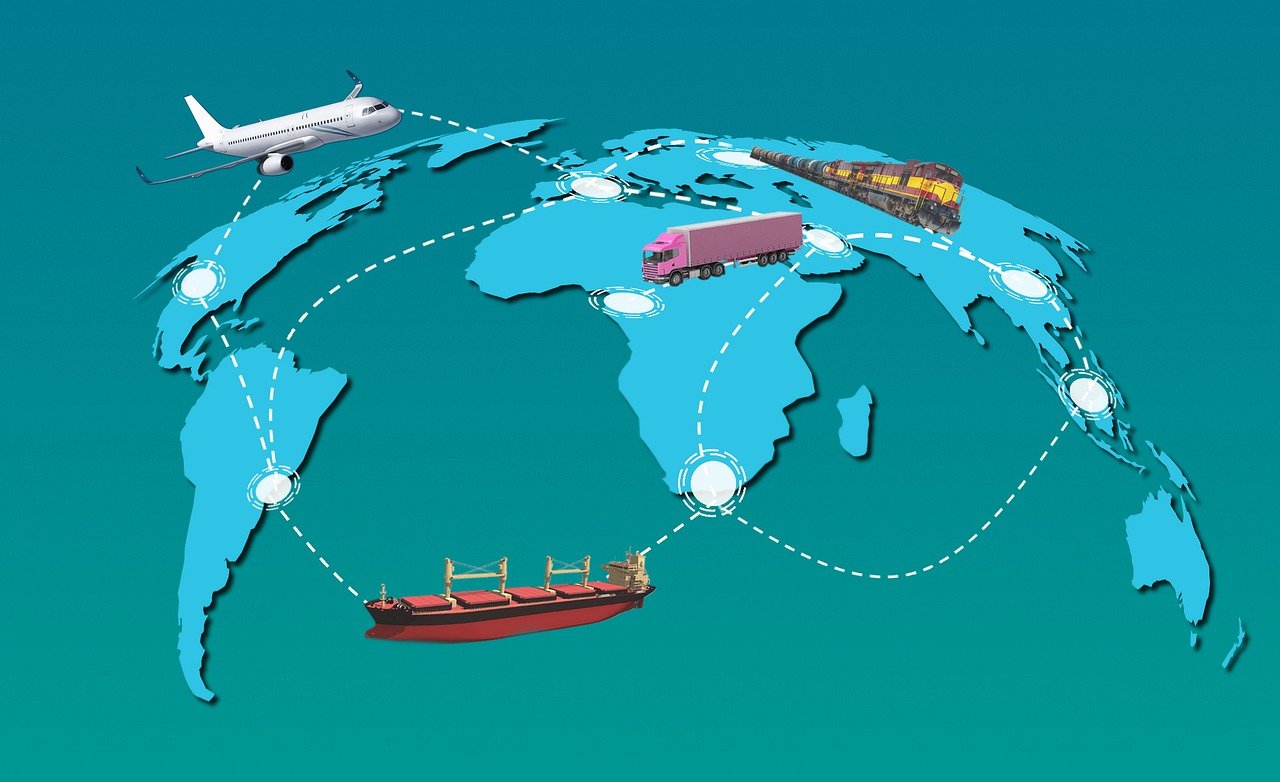




There are no comments