Office Address: 5, Ishola Bello Close, Off Iyalla Street, Alausa, Ikeja, Lagos, Nigeria.
Introduction
The elderly care industry in Nigeria is considered to expand over the recent years because the Nigerian elder population is increasing as well as the demand for professional elderly care services. Since there are few existing structures in the elder care industry, the market offers a perfect chance for any entrepreneur willing to open an elder care organization in Nigeria. Thus, this sector not only solves one of the vital tasks for society but can also significantly expand the business.
Elderly care provides huge support to the aging population of Nigeria, it gives them dignity, comfort, and even the support they require. Given that families look for dependable arrangements for the household’s elderly members, there is new hope for designing and managing correct facilities. The following reasons show the effectiveness of creating an elder care facility in Nigeria; you will be helping to provide a better life for the elderly while at the same time helping families who are struggling with the emotional and even some practical aspects of their loved ones growing older.
This guide is your source of information on how to start an elder care facility in Nigeria and the information you need to carry out market research and a feasibility study. Facilitating licensing, as well as offering consultation on critical matters like facility layout staff provisioning, and operational performance. Present concrete business and financial marketing recommendations as well as tips on how to achieve and maintain a high quality of care. we exist to share our knowledge and experience in assisting You to create capacity as you establish an elder care facility that meets the needs of society and at the same time is profitable.
Market Research and Analysis for Guide on Starting Elder Care Facility in Nigeria
We think that good market research is key to the success of starting an elder care facility in Nigeria. Under this subtopic, it allows learning more on how to understand the market and market opportunities.
Executive Summary of the Nigerian Elderly Care Market
The elderly care business in Nigeria can be classified under a growth market because of the aging population and changes in the family systems.
Preliminary analysis covers major issues such as the increased need for licensed elder care and the scarcity of good places for it.
Demand and Supply Analysis
Analyse the emergence of demand for elderly care services which is due to increased life expectancy as well as urbanization.
Possible gaps should be uncovered where the competition is weak to provide quality facilities, thus opportunities for entry.
Market Segmentation and Targeting
Divide the market by income, region, or character of requirements including type of care like medical, personal, and recreational.
The clarity of the target consumer group to satisfy service requirements as per desires or needs.
Competitive Analysis
Identify and evaluate current rivals in the Nigerian elderly care market by analyzing their portfolios and the proposed niches as their primary competitive advantages.
Compare current and potential pricing strategies for services as well as evaluate customer feedback for service differentiators.
Competition
– Market Overview: It illustrates the current environment comprising key stakeholders and forms of service offerings.
– Market Size and Growth: As a start, assessing the current scale of the elderly care market and the expected rates of its growth will help to estimate its potential for success.
– Market Segments and Target Market: Find out the untapped segments of the market, for instance, middle income or some kind of medical /child care services.
Business Plan and Feasibility Study for Guide on Starting Elder Care Facility in Nigeria
In this case, we stress the need to design a comprehensive business plan as key prerequisite for opening an elder care facility in Nigeria; second, we underline the need to carry out a feasibility study here. This phase lays down the base for the long-term profitability of the business venture.
Development of a Business Plan and Feasibility Study
– Business Plan: Explain the mission, vision, and goals of an elder care facility.
– Specify your offering i.e. what you offer; (residential care, medical care, recreational activities, etc.).
Incorporation of structures such as; Operations strategies, marketing strategy, and the organisational structure.
– Feasibility Study: Take a feasibility check of your project by assessing some parameters like place, market needs, availability of resources, etc.
Definition of the Business Model and Revenue Streams
– Business Model:
Determine whether your facility will provide a residential care service, daycare or both.
There should be possible connections with healthcare providers or insurance companies.
Revenue Streams:
– Monthly care fees depend on the type of services the patient requires, the listed prices follow the tier pricing model as depicted below[table “” not found /]
Other services such as physiotherapy, counseling, or medical services for a specific ailment.
–Government funding which may be available for programs caring for the elderly.
Assessment of the Technical and Financial Viability of the Project
– Technical Viability:
– Define the characteristics of the facility; its size, layout, and equipment.
To achieve efficient operations, one should find out about the best technologies for use such as care management software.
– Financial Viability:
– Identify fixed costs derived from procedures begun at start-up such as construction, licensing, and staff training.
– Create an expected revenue, operating cost, and profit margin of the business.
List of Potential Hazards and methods by which they will be addressed
– Potential Risks:
– Peculiarities of the regulationsӳ fulfillment.
Shortage in the supply of qualified personnel.
Functional losses- Changes in operations: The conditions that are not planned may happen during the execution of a project that may lead to increased costs or delay of work.
– Mitigation Strategies:
– Get legal and industry advice on compliance matters.
– Pay a competitive price for their workforce and take time to train the staff.
– Develop an emergency workplace fund to apply on some unplanned expenditures.
Licensing and Accreditation for Guide on Starting Elder Care Facility in Nigeria
we appreciate the fact that every person starting an elder care facility in Nigeria will need to go through the process of licensing and accreditation. Admittedly, most regulatory requirements aim at ensuring the legitimacy of an organization as well as the credibility of a facility.
Overview of the Licensing and Accreditation Requirements for Elderly Care Facilities in Nigeria
Elderly care In Nigeria is a sector of the health system that is well regulated in a bid to enhance the well-being of the numerous elderly residents as well as to ensure that the standards inherent in this sector do not fade.
Licenses are normally awarded by government health and social welfare departments, though monitored by state or federal departments most of the time.
It is desirable to be accredited by other organizations to increase your facility’s reliability and attract clients.
Importance of Obtaining Necessary Licenses and Accreditations
– Compliance: Compliance with the law eliminates legal penalties, such as fines, shutdowns, or losses of reputation.
– Trust: It is clear from the research that properly acclaimed care facilities stand higher chances of winning the trust of families that they seek to serve.
– Market Advantage: In general, accreditation helps distinguish your facility from competitors and portray it as a facility that delivers quality care.
– Safety and Standards: Regulatory compliance makes sure that the practice and also the safety condition of your facility are evaluated to be efficient.
Analysis of the Different Types of Licenses and Accreditations Required
– Operational License: Where applicable it is granted by the Ministry of Health or any other relevant authorities in the country. It accredits your facility to show that it fully complies with operations and safety requirements.
– Health and Safety Certifications: A list of the applicable regulations that are enjoined to be met includes the fire safety, environmental, and occupational health regulations.
– Professional Accreditations: The care standards are best supported by accreditation from bodies like the Nigerian Medical Association (NMA), or the Association of Elderly Care Providers of Nigeria (AECPN).
– Staff Certifications: Both caregivers and medical staff may need individual certification to render specialized services.
Documentation and License Process for Elderly Care Facilities in Nigeria
we know the need to acquire appropriate licenses and confirm that every elder care facility is legal and meets all the requirements. Here’s a breakdown of the documentation and license process:
step 1: Obtain Necessary Papers
To begin the licensing process, gather the following key documents:
Government Documents – Business Registration
– Certificate of incorporation from the Corporate Affairs Commission CAC.
Memorandum and Articles of Association, of your business activities.
Description of Property
– Copy of the intended location’s land title or a written lease agreement to establish the project’s facility.
Facility Plans and Layout
Such plans and designs as may have been given the necessary stamped by law from various bodies of authority.
Health and Safety Documentation
Fire safety certificate from the state or federal fire service.
Environmental impact assessment (EIA) report.
Operational Policies
That is, medical services, safety products and services, and recreational products and services.
Some of the duties include; Emergency response and disaster preparedness policies.
Staff Credentials
Documents of qualifications or certifications of all persons presently employed and expected to be a part of the caregivers, nurses, as well as administrators.
Financial Documentation
– Feasibility study and the business plan.
Financial statements in terms of either savings or loans taken within the specified period.
Step 2: The company completes the Application to regulatory bodies
Ministry of Health:
Complete the application form with the necessary documents and send them to the state or federal Ministry of Health.
Social Welfare Agency:
Apply for accreditation to confirm that your facility meets the recommended standard for elderly care.
Local Government Authorities:
– Seek permission from the local government to conduct business in your state.
Step 3: Facility Inspection
Regulatory authorities will inspect your facility to verify compliance with:
– Fire exits and accessibility features conform to the safety standards.
-Sanitary concerns for humans and animals;
The following are inadequate staffing and other care resources and services that are of concern:
Step 4: Pay Necessary Fees
It is recommended that the companies pay licensing fees according to the different regulatory authorities.
These fees may differ depending on the state of practice and size of your facility.
Step 5: Now apply for Licenses and Approvals
Once your application is approved and inspections are satisfactory:
Get your operational license from the Ministry of Health:
-Obtain other accreditations for instance professional accreditation for specific services offered.
Competitors in the Elderly Care Industry in Nigeria
Understanding the competitive landscape is crucial when planning to establish an elder care facility in Nigeria. we believe knowing your competitors provides valuable insights into market trends, customer preferences, and areas for differentiation. Below is a detailed analysis of competitors in the industry:
current Elder Care Facilities
Several established elderly care facilities operate in Nigeria, providing varying levels of services, such as:
– Home-Based Care Providers: These businesses are oriented on the market of caregivers who attend to clients, bringing in-person care and health aid to their homes.
– Residential Elderly Care Homes: Establishments that provide residential placement, with care for lodging, feeding, health checkups, and any additional interactive programs they might need.
– Specialized Care Centers: Certain of them target particular issues such as dementia, physical therapy, or end-of-life care.
Key Competitors
– Lagos-based Care Homes: These are exclusive to residents in urban centers with higher propensity to consume, and provide enhanced service and comfort.
– Non-Governmental Organizations (NGOs): These NGOs afford elderly care services below-cost or even free or offer services to underserved client populations.
– Faith-Based Organizations: Elderly care is one of the social services that most religious organizations operate especially through the provision of homes for the elderly.
Strengths of Competitors
– Brand Reputation: The industry players that have already found their niche and have already been recognized by clients in the market, stand to reap big from this move by the new entrants.
– Service Offerings: Industries with a variety of offered services, including health monitoring, recreation, spiritual support services, etc have their stronger position.
– Location: Clients can access facilities because of convenience from their families and other related medical facilities in major cities such as Lagos, Abuja, and Port Harcourt.
Weaknesses of Competitors
– Limited Accessibility: Some markets especially the rural ones are very much uncovered by the number of facilities available.
– Cost Barriers: Most premium services are costly, and this makes it difficult for middle or low-income earners to embrace these services.
– Staffing Challenges: Staff turnover and lack of training are the two principal human factors that contribute to lower quality of care in some of the units.
Opportunities for Differentiation
– Cost-Effective Services: Affordable options for middle-class families can create a vast market gap.
– Technology: Application of technology such as monitoring health, virtual consultation, and the provision of scheduling services can pull in a tech-savvy family.
– Personalized Care: This is so different from the tradition of care because every service is designed to meet an individual’s needs; whether the differences arise from cultural diversity or dietary preferences, they’re sure to set you apart.
– Outreach Program for Community: Trust of the communities can be built with educational seminars and partnerships with local health clinics.
Nigerian Companies Supplying Equipment for Elderly Care Facilities
To run an elderly care facility, it is essential to obtain the right equipment to ensure safety and comfort of patients as well as efficient working. We appreciate the need to work with equipment suppliers. Here’s a list of companies and types of equipment they offer for elderly care facilities in Nigeria:
Medical Equipment Suppliers
These companies provide essential healthcare devices for monitoring and care:
– JNC International Ltd
Offers products used in hospitals like hospital patient beds, wheelchairs, and hospital diagnostic equipment which include blood pressure machines and ECG machines amongst others.
– Vcare Medical Systems
Offers wheelchairs and walking frames, reserved for medical equipment such as oxygen suppliers, and medical equipment appropriate for elderly care facilities; transfer aids and beds with adjustable heights.
Sterile Medical Nigeria Limited
Specifically targets equipment such as walkers, lifts, and therapy equipment used in physical rehabilitation.
PIRs and Home Furnishing Suppliers
The need to design a good and secure environment cannot be overstated especially for homes.
– Boulos Enterprises
Sells products for the elderly such as a comfortable recliner chair, anti-slip flooring, and height adjustable table.
– Mikano International
– Provides longer-lasting and most efficient stand-by power solutions to sustain essential services without failure.
Private and Public Safety and Accessibility Equipment Suppliers
In places where the elderly are kept, nothing can be compromised more than safety measures.
– Safety Consultants and Solutions Provider Limited (SCSP)
It supplies safety alarms, anti-skid mats, bath bars, and railings for baths and stairs.
– Acme Access Solutions
– Normally offers ramps, stair lifts as well as lifts, particularly for disabled people exclusive of a wheelchair.
Suppliers of Recreational and Wellness Equipment
Enhancing life through recreation and wellness.
– Fitness and Sports Solutions Nigeria
– Light gym equipment with massage chairs and therapy pools meant for seniors.
– MediGym Nigeria
– Physiotherapy equipment and balance training tools meant for geriatric care facilities.
Technology providers in elderly monitoring
Innovative tech solutions keep the efficiency of care an edge above the rest.
– Biosec Solutions
– Biometric devices and automated patient monitoring systems.
– Digital Health Nigeria
– Telehealth systems, wearable health monitors, and emergency alert systems.
Facility design and Construction
we understand very well that an elderly care facility has to be designed and built in order to make it safe comfortable and functional. Below are key considerations:
An overview of designs and construction of a facility for the care of elderly persons
The design and construction of an elderly care facility must prioritize:
– Comfort: Having a home-like environment that reduces anxiety and helps provide the patients psychological comfort.
– Functionality: To ascertain that the facility can provide efficient care services.
– Durability: Employing durable leak-proof and easy-to-clean fabric and a variety of similar other qualities.
Comparison of Various Categories of Facility Layout and Design
Hospitals and nursing homes may differ depending on the type of population that they are aimed to serve.
– independent Living: Independent seniors require one that offers as few interactions with employees as possible; houses or apartments more specifically, are provided.
– Assisted Living: Semi ‘group home homes with internet, television, private bedrooms, and bathrooms for residents requiring moderate level of care and interactions.
– Nursing Homes: Outright new care centers that could offer continuous medical attention and watch over residents.
Layouts should include:
Large common usage areas to accommodate people’s social activities.
Apartments that let everybody take a break and be alone.
Ground floor common [living rooms], bathroom, kitchen, dining room and entertaining and play areas.
Relevance of Guarding and Accessibility Issues
This paper will show that safety is a critical consideration when designing elderly care facilities. Key elements include:
– Anti-slip Flooring: Reduces the risk of falls.
– Wide Doorways and Hallways: Accessible to wheelchairs and walking aids.
– Grab Bars and Railings: Offers assistance in areas such, as bathrooms and stairs.
– Emergency Call Systems: Let the residents call for assistance at any one time they feel the need to.
Thus involving our company is the best way to guarantee your facility’s compliance with the necessary safety and accessibility requirements to create trust among the residents and their families.
Staffing and Training
An elderly care facility strongly depends on its team; we help you create and develop a competent staff.
Summary of Staffing Needs for the Elderly Care Homes
A few of the factors include; the size of the facility, the services to be offered together with the care model. Key roles include:
– Caregivers: Give basic care which involves dressing and washing of the patient, among others.
– Nurses: Provide medical treatment, give injections, and check such diseases as diabetes or hypertension.
– Administrators:” Coordinate the various responsibilities of the Agency; supervise and allocate the timelines; and deal with residents.”
A Critique on the Various Categories of Staff Needed
– Support Staff: Chefs, cleaners, and drivers facilitate the optimum functioning of the facility.
– Specialists: Physical therapists, dieticians, and psychologists improve the quality of the lives of the residents.
– Volunteers: Moreover, health, social, and recreational contacts and, personal attributes for enhancing the human touch in care services delivery.
Why Training and Development is crucial for Staff
It is important to mention that staff retraining becomes necessary for the fulfillment of high-quality care. Areas of focus include:
– Empathy and Communication Skills: This is largely required to ensure that the facility gains acceptance among the community residents.
– Elderly Care Techniques: Correct lifting techniques, working with patients who have dementia, and action to be taken in case of an emergency.
– Compliance with Regulations: Educating the staff on legal and ethical considerations of the management of the elderly.
Meaning that, through having, experienced, and caring employees, your health facility shall be known as reputable in serving elderly patients. We are here to help you: Design training and choose professional staff.
Care and Services
we wish to stress here that the most important starting point for the competitive positioning of an elderly care facility is the quality of care and services offered. Here’s a comprehensive breakdown:
Summary of Facts Regarding Elderly Residential Care Homes
Elderly care facilities provide care that adequately meets the well-being or needs of the residents of physical, emotional, and social aspects. Key offerings include:
– Basic Care: Help with meals and feeding, washing, and dressing.
– Health Monitoring: Taking routine physical examinations and taking medications.
– Recreational Programs: Recommendations to aid mind challenge as well as boost social interaction.
Types of Care and Services: A Comparative Examination
Elderly care services can be categorized into:
– Personal Care:
– Grooming assistance
Such foods include; – Meal preparation and feeding
– Mobility support
– Medical Care:
frequent consultations with healthcare personnel
Chronic disease management
Child abuse detection programs and emergency mobile medical services.
– Recreational Activities:
The sing-alongs, painting, music and musicals, gardening sessions
Educational games and exercise for the group
Confirmations and other communions
Offering a range of these services helps to meet residents’ needs, keep them active, and make them feel important.
Consequences of Ensuring High-quality Care and Services
Professional care increases public confidence and credibility in your health facility. Benefits include:
– **Resident Satisfaction:** Comfortable and joyful senior citizen setting.
– Family Confidence: Specialized families have confidence in confiding with you the destiny of their cherished ones.
– Business Growth: Satisfied clients who would have referred their colleagues to try out the services of the agency.
When you choose our services, you can build a care strategy that is compassionate as well as skilled.
Operations and Management
Effective management and operations are very vital to the running of an elder care facility, we help in developing such a system systems that drive excellence.
Overview of Operations and Management for Elderly Care Facilities
Effective management encompasses all aspects of running the facility, including:
Possible Assessment Of Different Types Of Operational And Management Systems
Key systems include:
– Administrative Systems:
Procedures which include admission and discharge
Employment of qualified personnel and the firm complying with regulatory standards
– Care Delivery Systems:
Monitoring individualized patient’s care plans
-Coordinating with other healthcare providers
– Financial Systems:
Its preparation and control of balance include budgeting and expense tracking.
Autonomy within resident fees and funding for the implementation of the revenue management strategy
As a result, it is important that operations and management are efficient and effective.
Streamlined management ensures:
– Resource Optimization: Effacing extravagance and enhancing utilization.
– Consistent Service Quality: To provide equal quality of care to all the residents.
– Crisis Preparedness: Fast subsequent reaction in case of possible emergencies and potential changes:
Marketing and Sales
it is our opinion that proper marketing and sales are critically important for any firm operating in the elderly care business. With demographic changes pushing elderly care as a specialty in Nigeria, the need to ensure that the market is well captured will be of paramount importance in boosting the market for your health facility.
Summary of Market and Distribution Techniques for Geriatric Care Facilities in Nigeria
This is because to market an elderly care facility in Nigeria you need to take a balanced approach that will appeal to the client or family members of the client. Key strategies include:
– Targeted Advertising: Customization to target specific local markets and communities through both print and electronic media.
– Word of Mouth: Establishing a close relationship with the families to receive referrals from the clients.
– Digital Presence: Maintaining a clean and easy-to-use website and active social media accounts where people can see updates, care information, and testimonials.
– Community Outreach: Advertising through awareness campaigns or conducting seminars, psychological support meetings, or an open house to create trust in what you offer.
Types of Marketing Channels and Their Comparison
– Online Channels:
– Website: It goes without saying that to impress the audience you really should have a professional website. It must be precise with flash, important categories with links, services offered, prices, some feedback or testimonials, and contacts.
– Social Media: Success stories should be shared through the Internet where relevant platforms such as Facebook, Instagram, and LinkdIn can be very useful for sharing success stories, providing educational content, and engaging the Community.
– SEO and Google Ads: Make sure that the company website is SEO friendly/usable and that one can pay for the company to appear in local search results.
– Traditional Channels:
– Local Media: Place your investment on newspapers, radio, and TV stations to get broad coverage.
– Flyers and Brochures: In healthcare centers, churches, and other social centers.
– Events and Sponsorships: Advertise your healthcare or senior citizen care facility by sponsoring a healthcare or senior citizen care event.
importance of building ties with prospective clients and their relatives
Trust is the keyword while implementing old-age care. Families entrust the facility with the well-being of loved ones and building such relationships has very long-term effects:
– Loyalty and Retention: Valued and informed families are more inclined to remain in the facility for a long time.
– Positive Reviews and Referrals: Happy clients would recommend services to family, friends, and colleagues.
– Crisis: A good relationship creates better management of actual concerns and challenges that pop up at a goodwill.
Financial management and Funding
Another important factor in the success of an elderly care facility includes issues of finance. It means that through good management your facility stays financially sustainable and you can continue to deliver good quality services for as many years as possible.
An overview of financial management as well as the types of funding elderly care facilities can apply for.
Fraternal-like eldercare facilities have systemized fund management and functional demands for addressing cost, capital, and revenue. Key areas to focus on include:
– Revenue Streams: Most of your facility’s revenue is derived from the fees charged to the
residents but there are other sources of income that the facility may tap such as government grants, insurance, and specialty services.
– Expense Management: payroll, lighting, food, medical supplies, rent, and maintenance costs are the usual expenses of this type. Diffusion of costs takes place if they are not carefully controlled through the budget plans.
– Cash Flow Management: Maintain a healthy cash flow to meet your business operating expenditures while at the same time setting aside for major structure upgrades.
Analysis of the Different Types of Funding Options Available
– Self-Funding: Some of the facility owners invest their cash or profits from other businesses to finance facilities, so they restrict their expansion.
– Bank Loans: Some major sources of funding include traditional loans from banks which are however often characterized by important assessment of the terms of repayment.
– Investor Funding: Some of them seek to get private capital investment or partnership equity financing to expand by selling their stakes or shares.
– Government Grants and Subsidies: Delve into possible sources of sponsorship from the government to healthcare services particularly where relating to supporting healthcare services to unserved or low-income populace.
– Insurance Partnerships: working with insurance providers can also be another way of getting more funding, whereby families can afford long-term care.
Importance of Ensuring Financial Sustainability and Viability
Sustainability that translates into your elderly care facility being
– To ensure that high standards are maintained and consistently old-age care provision in local elderly facilities continues, funding provides maintenance by constant investment in the upgrading of facilities, training of staff, and provision of quality care.
– Flexible: Financial strength allows your facility to be more flexible when the changing market conditions and regulatory requirements demand.
– Also, the improved financial health enhances credibility, simplifying access to additional funding or partnerships.
Quality and Safety
Obviously, quality and safety are out of the question when it comes to providing care services to the elderly. Making it certain that your facility has the best quality services as well as security for the inhabitants is not optional but must be done. Again, in this section, we will discuss the important elements that need to be achieved to ensure that quality and safety for elders in the care facilities are met.
Post introduction of Elderly Care Facilities General view on Quality and Safety.
Both quality care and safety efforts are cornerstones that relate directly to the client’s overall health and self-esteem if the residents are elderly. Such aspects are not tied to meeting the needs of mere mortal health needs but rather to giving the people of the community a sense of comfort and belonging which includes the freedom to be protected, valued, and stigmatized. Key aspects include:
– Health and Medical Care: Keeping residents physically healthy with access to doctor’s visits, caring for any medical crisis, and managing prescriptions.
– Personal Care: Incorporating need of daily living requirements like washing, dressing, feeding, and grooming while supporting the individual’s autonomy.
– Emergency Preparedness: Incorporating measures such as how to cope with medical emergencies, natural calamities, and other disasters to ensure the resident’s and staff members’ safety.
– Staff Training: To ensure that caregivers have the appropriate skills and knowledge for it along with caring knowledge about elder, first aid, and communication.
– Cleanliness and Sanitation: To avoid contact infections and ensure a favorable environment, keep clean and hygienic facilities without cluttering.
– Safety Protocols: Rearranging the physical environment to include anti-skid floors and barriers, and holding regular safety exercises to minimize accidents and cases of injuries.
Comparing Quality and Safety measures; Different Classification of Quality and Safety Measures
Several important measures are required in elderly care facilities to ensure clients receive the best care in a safe environment. These include:
– Care Plans and Personalized Services:
Each client should have a comprehensive and personalized care plan that will be created in cooperation with doctors and, if possible, relatives. This ensures that every resident is afforded his/her right to care that touches on the physical, emotional as well as social aspect of the person.
– Monitoring and Evaluation:
Frequent assessment of operated care routines, staff productivity and effectiveness, as well as resident satisfaction, is crucial. Constant evaluation guarantees that the facility is always being upgraded.
– Safety Measures and Equipment:
– Secure Facilities: Locker or closet should be placed, there should be locks and bars on doors and windows appropriately and the layout of the facility must minimize cases of residents roaming around or getting lost.
– Fire Safety: The facility must function with smoke detectors, fire alarms, emergency exits, fire extinguishers as well as fire drills.
– Medical Equipment: Make certain that the mobility aids and other medical devices including the oxygen tanks, wheelchair, and hospital beds are in order and often checked.
– Health and Hygiene Standards:
– Regular Health Check-ups: Residents should be provided with adequate and regular health checkups concerning general check-ups, eyes and ears, and elder health risks check-ups.
– Infection Control: This includes applying hand washing policies, cleaning of equipment and ensuring that healthcare givers and other members of staff use appropriate protective gear at all times in order not to contribute to the spread of infections.
Why It Is Relevant to Deliver Safe and High-Quality Healthcare
Providing high-quality and safe care has far-reaching benefits for both the residents and the facility itself:
– Enhances Resident Well-being: Enhanced safety and quality endowment guarantee the well-being of the residents in terms of physical and mental well-being, product high-end results, and high resident satisfaction.
– Builds Trust and Reputation: That is why families entrust the facilities with high levels of safety and quality of services offered. This results in good reports, recommendations, and a healthy brand image within the society.
– Reduces Liability Risks: Making sure of patients’ safety minimizes the possibility of accidents and legal cases, thus giving residents and your facility-wide protection.
– Regulatory Compliance: According to the regulations of Nigeria, safety and quality standards are mandatory. Such failings could lead to legal repercussions, fines, or, worse, the withdrawal of licenses concerning the regulations set out below.
– Employee Satisfaction: All employees are content and likely to stay longer in the workplace and it will be right for them to work in an environment with little or no risk and well-organized workplace with adequate equipment and professional development.
Types of Elder Care Facilities in Nigeria
The elderly care industry in Nigeria is relatively new but several kinds of care home organizations are being developed to meet the increasing need for elderly services. These centers offer varying degrees of care depending on the nature of elder population they intend to manage, we offer extensive information on how to start elder care centers, and the types that you may consider pursuing in your business venture. rent levels of care, depending on the needs of the elderly population they serve. we provide comprehensive guidance on establishing elder care facilities, including the types you may consider for your business. Below are the main types of elder care facilities in Nigeria:
Assisted Living Facilities
Assisted living facilities are residential homes where elderly people requiring a moderate degree of assistance in their daily lives are taken and provided with such help. These centers offer a reasonable degree of independence where those living in them require assistance with bathing, dressing, administering medication as well as eating amongst other activities.
– Key Features:
Help in washing, putting on clothes, and combing.
– Medication reminders
– Interaction and recreation
– 24-hour access to staff
– Private or shared rooms
– Target Market: For adults who are healthy but have some kind of disability.
Nursing Homes are also known as Skilled Nursing Facilities.
Nursing homes provide lea vel of care more than that of assisted living. They are intended for elderly people suffering from different diseases, having some disabilities, or requiring constant medical attention. These facilities have registered nurses and medical professionals on parol to attend to skills in medicals round the clock.
– Key Features:
Ambulatory services refer to safe, full-time medical care, and supervision.
– Target Market: The sick especially those with vital ailments or those who need close medical attention.
Memory Care Facilities
Memory care facilities are those nursing homes that are developed to manage residents with Alzheimer’s, dementia, or any form of memory illness. These are amenities that afford optimum protection to the inhabitants specifically, those with cognitive disorders.
– Key Features:
More facilities that cater to Alzheimer’s and dementia patients
– Protective structures to avoid straying
Cognitive exercises and memory stimulation – exercises and therapies
– Qualified employees who understand how to deal with dementia patients
– Target Market: Elderly people suffering from memory loss complications like dementia, Alzheimer’s disease, and such.
Independent Living Communities
Assisted living communities are specially built for seniors who are otherwise more or less self-sufficient, but choose not to live alone. These places provide living and some recreational and administrative services and even living spaces, but people who live there manage most daily tasks on their own.
– Key Features:
Residential (other than hotels & motels): private living accommodation – apartments, cottages, and the like.
– Community social functions and occasions
Public transportation and motel and hotel cleaning.
Help with dressing, bathing etc., – very little.
– Target Market: Stressed seniors who are independent of having many medical care or personal requirement attention.
Respite Care Facilities
Temporary care homes offer short term care for the elderly, normally where the main caregivers have other functions to attend to or are for some time unavailable. Such facilities provide families, who need help in caring for their elderly family members, a temporary respite.
– Key Features:
Accreditation, registration, or licensing of Temporary care services (Short-term stay of days or weeks).
Smiling and grooming, feeding, and playing.
– Medical help if and when required
– Target Market: People who need temporary respite from caregiving responsibilities within their household.
Palliative and Hospice Care Facilities
Palliative and hospice care facilities pursue the mission of offering comfort and treatment to older people with life-threatening diseases or close to end of life. These centers focus on control of pain, mood, and the quality of life at the palliative stage of the life cycle.
– Key Features:
– Comfort and death: Euthanasia and end-of-life care
– love and prayer
Family and friends support
– Concentration on soothing therapies instead of curative ones
– Target Market: End-stage elderly and families of the elderly who are receiving palliative care.
Home Care Services
Although it is not part of a health facility in the broadest sense, home care services represent a viable option for facility-based caregiving. This way elderly people stay in their homes while they receive the personal care they require from a Home care health care service provider. By trainers and caregivers who help with activities of daily living this service can be offered.
– Key Features:
– Servicing that occurs at the home of the resident
The person being referred to requires help with feeding, dressing, washing, and other basic human needs like bathing, etc.
– Health care for continual illnesses
– Flexible care hours
– Target Market: Older persons who want to live independently but can barely manage their daily tasks.
industrial and regulation guidelines for eldercare facilities in Nigeria:
Regulatory Bodies and Agencies
Several government agencies and regulatory bodies oversee the elderly care industry in Nigeria. These organizations ensure that elder care facilities adhere to health, safety, and operational standards.
A couple of departments and authorities are responsible for the elderly care sector in Nigeria. These entities also verify compliance with other health-related/safety and operational standards of elder care facilities.
– National Agency for Food and Drug Administration and Control (NAFDAC):
A major regulatory function of NAFDAC is to confirm that all drugs, food supplements, and other health products used in Old People’s Homes do not pose any health risks to the clients and are rightly packaged.
– Federal Ministry of Health (FMOH):
The Ministry also plays a role in putting the healthcare policy, health, and standards for any healthcare facility in Nigeria including the elder care facilities. The Ministry of Health has a Division dealing with Geriatrics under which policies and regulations regarding the care of aged citizens are made.
– Nigerian Medical Association (NMA):
NMA has some provisions for offering scope and Licensure for elder care medical practitioners and practitioners so that they can practice in different elder care facilities.
– State Health Regulatory Bodies:
A particular type of health services, both medical and non-medical, as well as elder care homes, are controlled by different state-level health departments and organizations. It is also important to note that depending on the location of your facility you have to contend with some health rules and regulations.
Licensing Requirements
Licensing by the proper health and regulatory authorities in Nigeria must be fulfilled for elder care facilities. Different licenses and permits are needed depending on what type of facility you are opening (assisted living, nursing home, memory care, etc.). The following are a few of the general licensing requirements as follows:
– Health Facility Operating License: This license applies to all healthcare establishments, including elderly care facilities, and is issued by the Federal Ministry of Health or State Ministry of Health, which ensures that your facility meets the minimum health and safety standards required for operating legally.
– Business Registration: As in any business, the elderly care facility must be registered with the Corporate Affairs Commission (CAC) in order to obtain a certificate of incorporation. The process of registration entails the submission of articles of incorporation and operating plans.
– Environmental Health and Safety Approvals: You should acquire Environmental Health Approval for the facility to show compliance with safety, hygiene, and environmental health standards. This includes the establishment of proper waste disposal systems, fire safety measures, and sanitation protocols.
– Fire Safety Certificate: Fire safety measures are critical in elderly care facilities due to the vulnerability of the residents. You must obtain a fire safety certificate from the relevant fire department after inspecting to ensure fire safety protocols are in place.
– Insurance Certificate: Liability risk, health emergency, and employee-related issues must all be covered through insurance. To this end, ensure the facility has comprehensive insurance covering both the property and the health of residents.
Facility Design and Accessibility Guidelines
An elderly care facility must have a design that meets essential requirements for the elderly, such as safety, comfort, and easy accessibility. The National Building Codes and the construction codes available at the local level provide very thorough specifications on the design of healthcare and elderly care facilities. Such aspects of the design include:
– Accessibility:
There must be a provision for direct access to all parts of the facility: ramps, elevators, and wider doorways for residents who use mobility aids, with provision being made to accommodate them.
– Safety Standards:
The building must adhere to safety standards, which include items such as fire exits, non-slipping flooring, handrails, appropriate lighting, and emergency alarm systems.
– Room Layouts:
The space dedicated to private use should be suitable for dwelling and relaxation, while the common areas should have spacious private, social, and recreational activities.
Staffing and Training Regulations
The staffing of elderly care facilities must comply with national health and safety guidelines. Those who care for old people in care facilities must meet established qualification and training standards:
– Qualified Medical Personnel:
All caregivers and healthcare professionals (nurses, doctors) must have valid certifications from accredited health institutions. All nurses and medical practitioners must be registered with the Nigerian Nursing and Midwifery Council (NNMC) or the Medical and Dental Council of Nigeria (MDCN).
– Number of Staff to Residents:
There may be any measure of sufficient staffing to give enough attention to the resident’s need of care needs. This ratio can be determined at the state or federal level but most likely concerns the number of nurses, caregivers, and supporting staff available at all times.
– Continuous Training and Staff Development:
Continuous training would include areas of dementia care, emergency management, and patient rights. These facilities will therefore train staff at recognized intervals to adequately provide updates in their elderly care practice.
Health and Safety Standards
Health, safety, and welfare of the elderly residents takes the top priority of any care home or nursing home. Facilities must adhere to guidelines that include:
– Infection Control and Hygiene:
Develop measures to prevent illness so that the likelihood of acquiring a sickness can be reduced. This ranges from cleaning of rooms, medical tools and equipment, and the general area within the compound.
– Medication Management:
There needs to be mechanisms for observing and dosing medications in facilities. The use of drugs requires a doctor’s orders, and the treatment must be given by a nurse or a licensed caregiver.
– Emergency Preparedness:
Eldercare facilities need to be ready for disasters including fire, natural disasters, or even health complications. Staff ought to be taught how such situations should be handled, and these issues are simulated from time to time.
Rights of the Consumer and the Residents
Regulations also govern the rights of elderly residents, ensuring that they are treated with dignity and respect:
– Elderly Rights Protection:
Old people patients also have right to receive quality services, be given privacy as well as be respected. They should not be exposed to any form of abuse, neglect or discrimination. Before admitting a resident, a facility should develop a Residents’ Bill of Rights that will specifically outline the rights of residents.
– Complaint and Grievance Procedures:
The ample must include means through which the residents, or their next of kin, can report complaints. The matter concerning complaints concerning an element of care or service provision should be well described.
Best Practices for Entrepreneurs within the Elderly Care Industry
Starting and running a successful elderly care facility involves more than just satisfying regulatory requirements; it also compels a lot of intent and above all-an intensity commitment toward quality care delivery. Below are the best practices for entrepreneurs in the elderly care industry:
Pay Attention to Quality Care
The primary goal of elderly care is to provide quality care for residents. Here’s how you can achieve it:
– Hiring and Training Skilled Staff:
Employ qualified professionals with experience and passion in elderly care. Provide continuous training on new techniques in caregiving and emergencies, as well as health management to make sure that caregivers are always up to date.
– Individualized Care Plans:
For each resident, create specific care plans regarding their health condition, preferences, and needs, including dietary requirements, medication schedules, and physical or recreational activities.
– Establish Efficient Health Monitoring Systems:
Invest in technology and systems that can track the real-time health status of residents to enable early detection of any medical problems and proactive healthcare.
Make a Safe and Comfortable Sphere
The physical environment of your facility is to meet the needs and well-being of the residents:
– Design with Accessibility in Mind:
Accessible to wheelchair ramp corridors wide non-slip floors and handrails. Rooms should be arranged to allow movement by residents using mobility aids.
– Ensure Safety Measures are in Place:
The installation will include fire alarms, emergency exits, security systems, and medical alert systems. Safety drills are conducted regularly with the staff and in compliance with local safety codes.
– Keep Cleanliness and Hygiene: –
but most importantly hygiene in aged care to minimize places of infection. Regular cleaning schedules will keep rooms, communal areas, and equipment clean and sterile.
Follow All Legal and Regulatory Requirements.
Legal compliance is a safeguard for the residents and also a guarantee of success for your business:
– Licenses and Certifications:
Ensure that all relevant licenses-health facility operating license, environmental safety certificates, and fire safety clearance-have been acquired for your facility.
– Follow Healthcare and Labor Laws:
Be aware of Nigerian rules on health and labor related to the rights of employed workers and the care of residents. Regularly review industry standards, and align your operations with them.
Financial Management
The most determined element to ensure the continued existence of your facility is financial viability:
– Budgeting and Projections:
Detail out the complete expense in terms of care, utilities, equipment, insurance, and maintenance which is necessary for operational expenses under a financial plan. But regular review of, and fine-tuning within your budget will give you a scale on your profits.
– Add Sources to Your Revenue Diversification:
Consider complementary services beyond the primary ones, such as wellness programs, transport for residents, or specialized care (e.g., memory for Alzheimer’s patients). Diversification will make your facility much safer in terms of finances.
– Research Investment and Funding Options:
Bank loans, government grants, or private investors should be factored in during your research along with funding sources available to guarantee that you have sufficient capital for setup and expansion.
Build Effective Relationships between Families and the Community
Trust is the basis for a successful elder care facility, and thus:
– Engagement with Families on a Timely Basis:
In touch with family members about concerns and update them regularly on all scheduled visits or organize family meetings.
Establish a Good Community Networking:
Partner with local healthcare providers, senior organizations and government agencies to provide your residents with extra services, resources, and support. Community outreach is also the best way to promote your facility’s goodwill and reputation.
Technologize and Innovate
Technology modernization helps enhance the efficiency of care and operations:
-The use of Electronic Health Records (EHR): It will facilitate the documentation and retrieval of patient information more quickly, error-free, and smoothly coordinated care.
-Implement Telehealth: This makes medical consultations available to residents while still in the facility, especially applicable to the elderly who are less mobile or have long-term illnesses.
Smart Home Technology: Intelligent devices installed in patients’ rooms will be able to monitor patient health and security with fall detection sensors, medication reminders, and temperature control for rooms. These help improve care delivery and assure family members.
Marketing and Reputation Management
Effective marketing is an important way to grow an elderly care facility and get new clients:
– Build Strong Brand Identity:
Communicate what makes your facility unique. Whether specialized care, lavish amenities, or personalization, consider what’s different from others.
– online Marketing:
A powerful website, an active presence on social media, and sufficient documentation of blogs go a long way to establishing an online presence. Post meaningful content on aging care to amass clients and awareness for yourself and your services by families.
– Try to get Quotes and Reviews:
Positive reviews and testimonials from families can go a long way in building your reputation. Request satisfied clients to share their experiences on social media or review platforms.
Build a Strong Leadership Team
Good leadership is essential in running an elderly care facility:
-Appointment of Experienced Managers:
Spend on skilled managers who would overtake the daily competence of running the facility from staffing, care, finance, and compliance. Strong leadership straightens the path on which the facility runs.
– A Positive Workplace Culture:
Creatives culture around staff members, collaborative professionalism, and compassion. This is what finally gives rise to a healthy working environment aggravating job satisfaction and, as a result, better care from residents.
Emphasis to Sustainable and Environmentally Conscious Tourism
Sustainable practices not only reduce your environmental footprint but also enhance your facility’s image as a responsible business:
– Implement Energy-Efficient Practices:
More to the operational cost, adopt the most efficient energy systems like the lighting, power, heating, or cooling systems being the LED bulbs, solar panels, efficient heaters, or coolers respectively present in the building.
– Reduce Waste:
Some of them are as follows; recycle materials, reduce or avoid use of plastics, conserve water, etc. Furthermore, setting up a procedure for annihilating medical waste to follow environmental policies.
Continuously evaluate and improve the given operation.
Finally, always seek to improve your services:
– Request Feedback:
It has been found that residents’ complaints are often expressed about promises and expectations received from either the staff or their families and friends. Using questionnaires or simply having a word with someone may help with ideas.
– Assess Staff Performance:
See the staff often to make sure that they are meeting care standards on the staff as well as development needs.
– Adapt to Industry Trends:
It means, being aware of these relatively recent changes that are currently in the eldercare niche like available medical treatments, care approaches, and health technologies, among others that may be relevant to practice.
Eldercare Products in Nigeria
Nigerian eldercare products pertain to the enhancement of mobilities, health, and safety as well as functional abilities of the elderly. Key categories include:
Mobility Aids: Prosthetics for the disabled to enable them to move around easily such as wheelchairs, walkers, and mobility scooters.
Medical Equipment: Blood pressure machines, oxygen-generating equipment, and diabetes screening kits.
Personal Care Products:*Disposable bed pads, pads, and pants for use in incontinence, bath aids, and hypo-allergic skin management products.
Safety & Security: SOS buttons, mobile and wearable fall detectors, and bathroom bars.
Nutrition & Dietary Products: Herbal commodities and joint-friendly eating tools.
Comfort & Sleep Products: Mattresses that are custom designed, beds which is specifically moveable, and pillows for orthopedic needs them.
Memory & Cognitive Aids: Interventions related to prescription or OTC medicines, blister packs or other medication packaging, calendars, clocks, and alarms.
Home & Living Aids: Some of the items moved to higher ground included furniture; beds, tables, night lamps, and furniture altered to allow easy living.
Transport Aids: Car assist handles and vehicle lifts for easier transporting.
Assistive Technology: Internet of things, (example: smart home devices and telemedicine platforms)
These products help meet the increasing elderly population of the country and will enable them to make necessary adjustments to lead a noticeably improved lifestyle.
Role of Financial Advisor/Consultants
Since financial advisors and consultants play significant parts in the elderly care industry, especially in Nigeria, they help make financial impacts in the eldercare facilities. Their responsibilities include:
Financial Planning: Supporting business planning, as well as in budgeting and anticipation of future requirements and other aspects of enterprise financial strategy.
Investment Strategies: Speaking on where to direct the firm’s capital, guaranteeing its high return, and minimum risk.
Funding and Capital Sourcing: Advising on the financing that is currently available such as loans, grants, and private investors to finance business expansion.
Cost Management: Pinpointing areas of operational cost that one would want to cut to make the high standards of patient’ care achievable.
Risk Management: Giving information about what insurance and other legal safeguards can be taken to avoid such exposures.
Tax Planning and Compliance: Assist with the understanding of tax legislation and avoid its violation of Nigerian legislation.
Revenue Optimization: Including approaches that assist in enhancing income with a focus on the utilization of right prices, services and resources.
Financial Reporting: To ensure that fraud does not happen in the first place, the following benefits are enjoyed:
In other words, financial advisors and consultants support Nigeria’s eldercare facilities on matters concerning their financial health and growth while ensuring that they meet the required legal requirements.
Challenges and Opportunities
Challenges in the Elder Care Industry in Nigeria:
Limited Access to Funding: It is common for most eldercare businesses to have problems getting the finances they need because the industry is considered high risk and companies in this line of business have few financing opportunities available to them.
Regulatory Compliance: With lots of rules and precautions regulated to be followed both at the national and local level it is really difficult for new businesses to start and then to remain compliant with these rules.
Lack of Skilled Workforce: Lack of well-trained personnel within the health sector and the caregiving sector is another challenge in this area.
Cultural Stigma: Some characteristic cultural traps include a preference of family care, and some might be unwilling to put their elderly members in a formal care facility.
Infrastructure Challenges: General infrastructure deficiencies, which include weak healthcare structures and unstable/limited utility services pose a great risk to the effective running of eldercare facilities.
High Operating Costs:The costs of purchasing medical supplies, employees’ salaries, and ensuring quality of services can be expensive and offsetting the profits.
Awareness and Education: Furthermore, the public remains ignorant of the services that the eldercare centers provide, or the significance of these centers, which have consequently resulted in low demand in specific regions.
Unlocking the Way Forward for Elder Care Opportunities in Nigeria:
Increasing number of older populations: The growing population of the elderly presents an opportunity for large markets from which the demand for elder care services would increase.
Government Support: There are opportunities to collaborate with government initiatives that are aimed at improving the health care delivery services to the elderly.
Awareness Campaigns: Educating people on the benefits of these facilities would
popularize usage and reduce stigma.
Technological Advances: The use of technology such as telemedicine and smart home devices adds benefit to the delivery of care and operational efficiencies.
Healthcare Partnerships: Partnerships with hospitals, insurance companies, and pharmaceutical companies would ensure the opening of revenue opportunities to enhance the services that would be offered.
Niche Services: Specializing in certain areas like memory care or palliative care offers a uniqueness that other companies might not have in this rapidly growing market.
Private Investment: There is an emerging room for a private investor to set up and run an eldercare business, considering the prospect of growth in the sector.
Training and Development Programs: Offer training programs to develop skilled professionals and caregivers that will meet the demand for quality service in the industry.
If sufficiently solving any challenge by taking that opportunity, it could blossom the business viability within elder care in-country, and also, improve the life of most elderly Nigerians who would otherwise have been forgotten.
Frequently Asked Questions (FAQs) for an Eldercare facility in Nigeria:
What kind of services are offered regularly by eldercare facilities?
A breakdown of the eldercare facilities shows that these facilities provide services such as; care services, medical services, recreation services and living services. These may involve; bathing, feeding, administration of medicines, social contacts, and the like.
What should I do when selecting an eldercare facility for a family member?
When selecting an eldercare facility factors to consider include; Care, competence of the caregivers, physical security and access, Caregiver reputation, and the type of services provided. It’s also worth paying the facility a physical visit and talking with the staff members and some of the residents.
Are eldercare facilities in Nigeria legally compliant?
Yes, eldercare facilities in Nigeria have to adhere generally to local and national physical, health, and safety requirements. They have to possess the relevant licenses and certifications to qualify for the various standards of care and safety.
What does it cost to place an elder in a facility in Nigeria?
The fee charged in an eldercare in Nigeria depends on the specific needs that the elderly have, the geographical location of the eldercare facility as well as the services being offered. Prices can be low and vary too high for professional services for some conditions.
Can I go see my loved one in a facility for elders?
Yes, many facilities allow a family member to visit their elderly loved ones to offer any form of support. Hospital structure may also allow visitation in limited hours and, therefore, you need to consult with the particular hospital on the visitation timings to be able to be close to your loved one during his/her times of receiving care.
This set of questions and answers is designed to reply to some of questions that some potential clients might be having to enable them to make the right decision.
Additional Resources
Relevant Government Agencies and Regulatory Bodies:
NAFDAC: This is an important agency that regulates drugs, foods, and all other related health products, hence making sure that safety and standards are enforced in healthcare about them.
National Health Insurance Scheme (NHIS): Currently running the health insurance scheme and thus is an important part of the healthcare sector.
Federal Ministry of Health (FMOH): It formulated and oversees health policies, including those related to elderly care services in Nigeria.
National Human Rights Commission (NHRC): Protect both the rights of the elderly and human rights in general.
State Ministries of Health: State-level agencies that regulate health services in the particular region which also includes eldercare facilities.
Nigerian Medical Association (NMA): Guidelines to medical professionals for ethical practices in healthcare settings.
Industry Associations and Organizations:
– Elderly Care Providers Association of Nigeria (ECPAN): Represents the interests of the elders as well as organizations who provide eldercare services.
– Nigerian Association of Geriatrics and Gerontology (NAGG): Concerned with advocacy, research, and practices for child and youth health, health in conflict(numpy), and health of the aging (dec).
– Alzheimer’s Disease Association of Nigeria: Assists families with dependent elderly afflicted with Alzheimer’s and other related diseases.
– Nigeria Nurses Association (NNA): A body through which nurses who work in elderly care are trained and those who practice nursing are informed about best practices.
– Geriatric Health and Social Care Network (GHSCN): A network aimed at improving the health and quality of life of the elderly through partnership – training.
Relevant Publications and Research Studies:
– National Policy on Aging in Nigeria (2019): A legal document of elders’ care policy in Nigeria.
– The State of Aging in Nigeria (2020): A report by the UNFPA, which gives information on aging dynamics and problems in Nigeria.
– Geriatrics Journal of Nigeria:Medical and healthcare magazine for elder care in Nigeria suitable for scholarly circulation.
– World Health Organization (WHO) Global Ageing Report: This article provides a global outlook to aging and presents statistics as well as policy implications that apply to Nigeria.
– Challenges in Elderly Care in Nigeria” by Nigerian Journal of Public Health: A research study that outlines the general top issues affecting eldercare industry and proposed possible solutions.
– Gerontology and Geriatrics Education Journal: A professional publication concerned with educational matters and studies on geriatric education.
Final thoughts and recommendations
Starting an elder care facility in Nigeria will present you with big opportunities. Through thorough market research, a sound business plan, compliance with regulations, quality care, sound financial management, strong community engagement, staff training, and keeping up with industry trends, this could lead to a successful, sustainable business meeting the increasing needs of the elderly for healthcare while benefitting the healthcare industry as a whole.
Conclusion
Starting a geriatric care facility in Nigeria entails making cognizant decisions on several crucial factors, which are market research, developing a solid business plan, obtaining required licenses and accreditations, designing a safe quality facility, hiring and training qualified personnel, offering high-quality care services, efficient operations, and management, building good marketing strategies, funding, and financial self-sustainability. If all these are addressed, entrepreneurs would have commenced the facility that meets the increasing demand for elderly care services in Nigeria.
Call to Action
Ready to change the world right now positively by being part of the elderly care industry in Nigeria? Then it is time for you to get started. First, you need to research in-depth and then write a very good business plan while ensuring that your facility meets all the regulations. You can run successfully the best elder care establishment within Nigeria with the right approach right from the onset. Contact us today for expert advisory support to turn your vision of elder care facility into reality!



 Operations and Management


![Nigeria Beyond Oil: Mapping the Next $100bn Non-Oil Growth Engines Executive Summary Nigeria's economy is undergoing a historic transformation, with non-oil sectors now accounting for over 96% of GDP in 2025. As Africa's most populous nation charts a course toward economic resilience, the non-oil economy has emerged as the primary engine of growth, expanding by 3.91% in Q3 2025. With strategic investments and policy reforms, Nigeria is positioned to unlock $100 billion in value from agriculture, technology, manufacturing, services, and renewable energy sectors over the next decade. Understanding Economic Diversification Economic diversification is a fundamental concept driving Nigeria's transformation strategy. According to the United Nations Framework Convention on Climate Change (UNFCCC), economic diversification refers to "the process of shifting an economy away from a single income source toward multiple sources from a growing range of sectors and markets."[^1] This strategic approach reduces vulnerability to external shocks, creates employment opportunities, and establishes a more resilient economic foundation for sustainable growth. For Nigeria, diversification means moving beyond the volatility of oil-dependent revenues toward a balanced economy where agriculture, technology, manufacturing, and services contribute substantially to national wealth creation. Agriculture and Agribusiness – The $30 Billion Opportunity Introduction to Nigeria's Agricultural Transformation Agriculture remains the backbone of Nigeria's economy, employing nearly 70% of the population and contributing 31.21% to real GDP in Q3 2025. With government initiatives focused on mechanization, agri-tech solutions, and value chain development, the sector is poised to generate over $30 billion in additional value through increased productivity, reduced post-harvest losses, and expanded export markets. Current State and Recent Developments Agriculture expanded by 3.79% year-on-year in Q3 2025, driven mainly by crop production, which accounts for nearly two-thirds of the sector's nominal output. The sector has benefited from several transformative government programs: ● Anchor Borrowers' Programme: Providing credit facilities to smallholder farmers for agricultural inputs ● National Agricultural Technology Innovation Policy: Driving mechanized farming and precision agriculture ● Export Promotion Initiatives: Boosting exports of sesame seeds, cocoa, cashew nuts, and other commodities The Agri-Tech Revolution Between 2023 and 2025, Nigeria's agricultural technology sector attracted over $150 million in investments, with startups deploying innovative solutions including: ● Precision Farming Technologies: Companies like Zenvus use soil sensors, satellite data, and AI to optimize crop yields ● Digital Marketplaces: Platforms such as Farmcrowdy and AgroMall connect farmers directly with buyers, eliminating middlemen ● Fintech for Agriculture: Customized financing, mobile payments, and insurance products bridging the rural credit gap ● Supply Chain Solutions: Blockchain and data analytics improving farm-to-market logistics Growth Projections and Investment Opportunities With continued investment in irrigation, mechanization, cold chain logistics, and agro-processing facilities, the agricultural sector is projected to: ● Reduce post-harvest losses from current levels of 30-40% to below 15% ● Increase non-oil exports by capturing larger shares of global markets for cocoa, cashew, and specialty crops ● Create 5 million new jobs across the value chain by 2030 ● Contribute an additional $30 billion to GDP through productivity gains and value addition Technology and Digital Economy – The $25 Billion Frontier Introduction to Nigeria's Tech Ecosystem Nigeria has emerged as Africa's leading technology hub, often called the "Silicon Valley of Africa." Nigeria leads Africa's ICT market, contributing 82% of the continent's ICT value and 29% of its internet usage. The digital economy accounted for nearly 20% of GDP in Q2 2024, almost four times oil's contribution, positioning technology as a critical growth engine. Fintech Dominance and Expansion Nigeria's fintech sector represents one of the most successful diversification stories: ● Over 430 fintech companies operating as of February 2025, representing 28% of all African fintech companies ● Nigerian startups raised $520 million in 2024, with Moniepoint's $110 million Series C achieving unicorn status ● Digital payment solutions, mobile banking, and blockchain innovations driving financial inclusion ● Regulatory support from the Central Bank of Nigeria encouraging innovation Beyond Fintech: Emerging Tech Sectors While fintech dominates investment flows, other technology subsectors show tremendous potential: Information and Communication Technology (ICT) ● ICT posted 5.78% real growth with contribution rising to 9.10% of GDP ● Over 210 million active mobile subscribers and broadband penetration exceeding 40% ● 5G network expansion by MTN and MAFAB enhancing connectivity ● Government target of 90% broadband penetration by 2025 E-Commerce and Digital Services ● E-commerce market projected to reach $5 billion by 2025 ● Growing internet penetration driving online shopping adoption ● Logistics and last-mile delivery innovations supporting growth Emerging Technology Sectors Requiring Investment ● Agritech: Connecting technology to agricultural productivity ● Healthtech: Telemedicine, digital health records, and diagnostic innovations ● Edtech: Digital learning platforms addressing educational gaps ● Climate Tech: Renewable energy and environmental monitoring solutions Growth Projections Analysts project the digital economy to generate revenues up to $18.3 billion via fintech and AI, with the broader technology sector positioned to contribute $25 billion to economic growth through: ● Increased venture capital investment beyond fintech into deep tech ● Job creation for Nigeria's youthful population ● Export of technology services and products ● Enhanced productivity across all economic sectors Manufacturing and Industrial Development – The $20 Billion Challenge Introduction to Nigeria's Manufacturing Potential Manufacturing remains a critical yet underutilized pillar of economic diversification. Despite accounting for only 7.62% of GDP, the sector holds immense potential for value addition, job creation, and import substitution. Recent infrastructure investments and the operationalization of the Dangote Oil Refinery signal renewed momentum in industrial development. Current Manufacturing Landscape Manufacturing posted real growth of 1.25% in Q3 2025, driven by several factors: ● Dangote Oil Refinery Operations: Beginning in September 2024 with capacity to produce 650,000 barrels of refined petroleum products daily, significantly reducing import dependence ● Dangote Fertilizer Plant: Commissioned in May 2022 with capacity for 3 million tonnes annually, filling global supply gaps ● FX Stability: Improved foreign exchange liquidity supporting raw material imports ● Increased Domestic Refining: Reducing energy costs for manufacturers Key Manufacturing Subsectors Food, Beverage, and Tobacco ● Processing agricultural products for domestic consumption and export ● Value addition to raw materials reducing commodity dependence Chemical and Pharmaceutical Products ● Local production of essential medicines and industrial chemicals ● Import substitution reducing foreign exchange pressure Cement and Construction Materials ● Meeting infrastructure development demand ● Regional export opportunities Infrastructure and Policy Support Special Economic Zones (SEZs) ● Establishment of zones in various regions to facilitate trade and manufacturing ● Tax incentives and streamlined regulatory processes ● Enhanced export capacity and employment generation Infrastructure Investments ● Lagos-Ibadan railway and Second Niger Bridge improving connectivity ● Continuous highway upgrades reducing logistics costs ● Power sector reforms addressing electricity challenges Challenges and Solutions Power Supply Deficit ● Despite Electricity Act amendments decentralizing the market, transmission remains unresolved ● Stable and affordable power essential for manufacturing competitiveness ● Private sector participation and renewable energy integration needed High Production Costs ● Interest rates and borrowing costs limiting access to credit ● Need for targeted industrial financing schemes Growth Projections With sustained infrastructure development, power sector reforms, and targeted industrial policy, manufacturing can contribute $20 billion to GDP growth through: ● Import substitution in consumer goods and industrial products ● Export-oriented manufacturing leveraging AfCFTA market access ● Technology transfer and skills development ● Creation of 3 million manufacturing jobs by 2030 Services Sector – The $15 Billion Backbone Introduction to Nigeria's Services Economy The services sector is Nigeria's largest economic contributor, accounting for over 53% of real GDP. From telecommunications to financial services, real estate to hospitality, services drive employment and economic activity across urban and rural areas. Key Services Subsectors Financial and Insurance Services ● Financial and insurance services posted real growth of 19.63%, though contribution to GDP fell to 2.65% ● Banking sector expansion and insurance penetration growth ● Integration of technology improving service delivery Telecommunications and Information Services ● Telecommunications and information services posted a robust 7.40% expansion, accounting for 10.59% of overall output ● Mobile phone penetration and internet services driving growth ● Platform for broader digital economy development Real Estate ● Real estate nominal output surged 89.34%, with real growth at 3.50% ● Urbanization and middle-class expansion driving demand ● Commercial and residential property development opportunities Trade and Commerce ● Trade posted 1.98% real growth, accounting for 16.42% of GDP ● Retail expansion through malls and e-commerce platforms ● AfCFTA creating regional trade opportunities Tourism and Hospitality ● Expansion in local and international travel ● Cultural tourism and business travel growth potential ● Investment in hospitality infrastructure Growth Drivers Expanding Middle Class ● Urbanization, education, and job creation driving consumer demand ● Increased spending on goods, electronics, housing, and services ● Retail boom catering to growing consumer base Regional Trade Integration ● African Continental Free Trade Area (AfCFTA) access to 1.3 billion consumers ● Non-oil exports gaining access to larger African markets ● Improved border management and customs procedures Growth Projections The services sector is positioned to contribute $15 billion to economic growth through: ● Financial sector deepening and increased penetration ● Tourism development capitalizing on Nigeria's cultural assets ● Professional services export to West African region ● Transportation and logistics optimization ● Healthcare and education services expansion Renewable Energy and Natural Resources – The $10 Billion Green Future Introduction to Nigeria's Energy Transition As global environmental concerns intensify and power supply challenges persist, renewable energy presents both a necessity and an opportunity. With abundant solar resources, Nigeria is positioned to lead West Africa's energy transition while addressing domestic electricity deficits. Current Renewable Energy Landscape Solar Energy Growth ● Surge in solar adoption due to unreliable grid power supply ● Residential, commercial, and industrial solar installations expanding ● Government policies encouraging green energy investments ● Cost competitiveness improving with falling technology prices Renewable Energy Policies ● Government commitment to sustainable energy development ● Incentives for private sector investment in green technologies ● Integration of renewables into national energy mix Solid Minerals Development Nigeria's non-oil sectors, including solid minerals, are experiencing growth, with potential in: ● Lithium and Rare Earth Elements: Critical for global battery and technology manufacturing ● Gold and Other Precious Minerals: Export potential and artisanal mining formalization ● Industrial Minerals: Limestone, gypsum, and other construction materials Environmental Technology ● Climate Tech Innovations: Carbon capture, emissions monitoring, and environmental management ● Sustainable Agriculture: Technologies reducing environmental impact while increasing yields ● Waste-to-Energy: Converting organic and municipal waste into power Growth Projections The renewable energy and natural resources sector can contribute $10 billion through: ● Off-grid and mini-grid solar solutions powering 25 million households ● Large-scale solar and wind farms feeding into national grid ● Solid minerals exports generating foreign exchange ● Green technology manufacturing and assembly ● Environmental services and carbon credit trading Macroeconomic Foundations and Policy Environment Introduction to Economic Reforms Nigeria's non-oil growth potential is underpinned by significant macroeconomic reforms initiated since 2023. These policy changes have improved economic stability, attracted foreign investment, and created conditions for sustainable diversification. Recent Economic Performance GDP Growth Trajectory ● Nigeria's economy expanded by 3.9% year-on-year in the first half of 2025, up from 3.5% in the same period of 2024, driven by strong performance in services and non-oil industries ● The economy expanded by 3.98% in Q3 2025, with the non-oil sector contributing 96.6% to GDP ● Growth projected to accelerate to 4.2% in 2026 according to IMF forecasts External Position Strengthening ● Foreign reserves exceeding $42 billion with current account surplus rising to 6.1% of GDP, supported by higher non-oil exports ● Naira stabilization in the N1,440-N1,500/$ range ● Improved business confidence and foreign direct investment Fiscal Improvements ● Federal deficit projected at 2.6% of GDP in 2025 ● Public debt expected to decline from 42.9% to 39.8% of GDP ● Tax reforms enacted in June 2025 enhancing non-oil revenue generation Inflation and Monetary Policy Inflation Moderation ● Inflation eased to 21.9% in July 2025, supported by foreign exchange stability and targeted CBN interventions ● Projections for 2026 indicate further decline to around 14% by year-end ● Food inflation remains elevated, requiring continued policy attention Monetary Policy Stance ● Central Bank maintaining disciplined approach to price stability ● Interest rates remain elevated to anchor inflation expectations ● Gradual easing expected as inflation sustainably declines Structural Reforms Fuel Subsidy Removal ● Elimination of petrol subsidies freeing fiscal resources ● Redirecting funds to infrastructure and social programs ● Social protection programs mitigating impact on vulnerable populations Foreign Exchange Reforms ● Unified exchange rate system improving transparency ● Elimination of multiple exchange rate windows ● Enhanced FX liquidity and reduced arbitrage opportunities Tax Reforms ● Four landmark tax reforms enacted in June 2025 ● Streamlining tax administration and compliance ● Expanding tax base beyond oil revenues ● Improving ease of doing business Investment Climate Foreign Direct Investment ● Capital importation rose 67.1% to $5.64 billion in Q1 2025 ● Shift toward non-oil sectors including telecommunications, manufacturing, and services ● Opportunities for long-term investors in infrastructure and industry Business Environment Improvements ● Tinubu Administration prioritizing business climate reforms ● Reduction in bureaucratic bottlenecks ● Enhanced protection for investors Challenges and Risk Factors Introduction to Implementation Challenges While Nigeria's diversification potential is substantial, several challenges must be addressed to realize the $100 billion opportunity across non-oil sectors. Security Challenges ● Ongoing issues with banditry, insurgency, and communal conflicts ● Impact on agricultural productivity in key food-producing states ● Need for enhanced security coordination and conflict resolution Infrastructure Deficits Power Supply ● Inadequate and unreliable electricity generation and distribution ● Transmission infrastructure requiring major investment ● Critical bottleneck for manufacturing and industrial growth Transportation ● Road network quality affecting logistics costs ● Port congestion and clearance procedures ● Last-mile connectivity challenges in rural areas Social Challenges Poverty and Inequality ● Many households continue to face hardship, with poverty and food insecurity remaining high ● 109 million citizens below poverty line as of 2023 ● Need for inclusive growth policies and social protection expansion Food Inflation ● Poor households spend up to 70% of income on food, with basic food basket costs rising fivefold between 2019 and 2024 ● Addressing supply chain bottlenecks and trade barriers essential ● Agricultural productivity improvements critical Fiscal and Debt Sustainability ● Rising debt service obligations exceeding N15 trillion in 2026 budget ● Need for improved revenue generation and fiscal discipline ● Balancing growth investments with debt management External Risks ● Oil price volatility affecting government revenues ● Global economic slowdowns impacting export demand ● Exchange rate pressures from external shocks Strategic Recommendations and Action Plan Introduction to Strategic Priorities Unlocking the $100 billion non-oil growth opportunity requires coordinated action across government, private sector, and development partners. The following recommendations provide a roadmap for accelerated diversification. Priority 1: Infrastructure Development Power Sector Transformation ● Accelerate private sector participation in generation and distribution ● Resolve transmission infrastructure bottlenecks through targeted investment ● Integrate renewable energy into national grid ● Develop off-grid solutions for rural areas Transportation and Connectivity ● Complete ongoing railway and road projects ● Modernize port operations and reduce clearance times ● Develop industrial clusters with dedicated infrastructure ● Enhance digital connectivity through broadband expansion Priority 2: Human Capital Development Skills Training and Education ● Align educational curricula with industry needs ● Expand technical and vocational training programs ● Support technology education and digital literacy ● Encourage private sector involvement in skills development Healthcare Investment ● Improve healthcare access and quality ● Address malnutrition and food security ● Reduce maternal and child mortality ● Build resilient public health systems Priority 3: Enabling Business Environment Regulatory Reforms ● Streamline business registration and licensing ● Reduce regulatory compliance costs ● Ensure policy consistency and predictability ● Strengthen intellectual property protection Access to Finance ● Develop targeted financing schemes for SMEs and manufacturers ● Encourage long-term capital formation ● Promote alternative financing through capital markets ● Support fintech innovations in credit delivery Priority 4: Sector-Specific Interventions Agriculture ● Scale up mechanization and irrigation infrastructure ● Strengthen extension services and farmer training ● Develop commodity value chains and agro-processing zones ● Facilitate market access and export promotion Technology ● Create sector-specific sandboxes for innovation ● Establish deep tech fund with long-term investment horizon ● Support startup ecosystem beyond fintech ● Attract global technology companies and talent Manufacturing ● Implement industrial policy favoring strategic sectors ● Ensure Special Economic Zones are fully functional ● Provide infrastructure and utilities at competitive rates ● Facilitate technology transfer and partnerships Services ● Develop tourism infrastructure and marketing ● Enhance financial sector regulation and supervision ● Support professional services export through trade agreements ● Improve healthcare and education service delivery Renewable Energy ● Set ambitious renewable energy targets ● Provide incentives for private investment ● Streamline project approval processes ● Develop local manufacturing capacity for renewable technology Priority 5: Social Protection and Inclusion Safety Nets ● Expand social protection programs targeting vulnerable populations ● Implement conditional cash transfer schemes ● Support food security initiatives ● Ensure reforms benefit all citizens Geographic Inclusion ● Target investments in underserved regions ● Support rural economic development ● Address regional disparities in infrastructure and services ● Promote balanced development across states Priority 6: Governance and Institutions Anti-Corruption Measures ● Strengthen transparency and accountability systems ● Enhance procurement processes and oversight ● Support whistleblower protection ● Prosecute corruption vigorously Data and Monitoring ● Improve economic statistics and data collection ● Establish performance monitoring frameworks ● Use technology for real-time economic tracking ● Support evidence-based policymaking Conclusion: Nigeria's $100 Billion Vision Nigeria stands at a pivotal moment in its economic journey. The non-oil economy has demonstrated resilience and growth potential, expanding consistently even amid challenging global conditions. With agriculture contributing over 31% of GDP, technology sectors driving innovation, manufacturing gradually reviving, and services accounting for more than half of economic output, the foundations for sustainable diversification are firmly established. The $100 billion opportunity across non-oil sectors is not merely aspirational it is achievable through sustained policy commitment, strategic investments, and coordinated implementation. As the World Bank Country Director noted, "The Nigerian government has taken bold steps to stabilize the economy, but macroeconomic stability alone is not enough. The true measure of success will be how these reforms improve the daily lives of Nigerians". Success requires addressing infrastructure deficits, particularly in power and transportation, investing in human capital, maintaining macroeconomic stability, ensuring inclusive growth that reaches all citizens, and sustaining reform momentum despite short-term challenges. The path forward demands patience, persistence, and partnership between government, private sector, and civil society. With a population exceeding 220 million, a youthful demographic profile, abundant natural resources, growing regional integration through AfCFTA, and improving business environment, Nigeria possesses the fundamental ingredients for transformative growth. The next decade will determine whether Africa's most populous nation fully realizes its potential as a diversified, resilient, and prosperous economy capable of delivering shared prosperity to all its citizens. References United Nations Framework Convention on Climate Change (UNFCCC). "Economic Diversification." Available at: https://unfccc.int/topics/resilience/resources/economic-diversification Additional Sources: ● World Bank Nigeria Development Update, October 2025 ● National Bureau of Statistics GDP Reports Q1-Q3 2025 ● International Monetary Fund Nigeria Economic Outlook 2025 ● PwC Nigeria Economic Outlook Reports ● African Development Bank Nigeria Economic Outlook ● Trading Economics Nigeria Data Series ● Various Nigerian financial and economic publications (2024-2025) Call to Action Partner with Matthew Ogagavworia & Co. for Strategic Economic Intelligence At Matthew Ogagavworia & Co., we provide cutting-edge economic analysis, market intelligence, and strategic advisory services to help investors, businesses, and policymakers navigate Nigeria's evolving economic landscape. Our research covers: ● Sector-Specific Investment Analysis: Deep dives into agriculture, technology, manufacturing, and services opportunities ● Market Entry Strategies: Comprehensive guidance for foreign investors exploring Nigerian markets ● Economic Forecasting: Data-driven projections on macroeconomic trends and policy impacts ● Risk Assessment: Thorough evaluation of political, economic, and operational risks ● Custom Research: Tailored studies addressing your specific information needs Contact Us Today](https://mocaccountants.com/wp-content/plugins/contextual-related-posts/default.png "Nigeria Beyond Oil: Mapping the Next $100bn Non-Oil Growth Engines Executive Summary Nigeria's economy is undergoing a historic transformation, with non-oil sectors now accounting for over 96% of GDP in 2025. As Africa's most populous nation charts a course toward economic resilience, the non-oil economy has emerged as the primary engine of growth, expanding by 3.91% in Q3 2025. With strategic investments and policy reforms, Nigeria is positioned to unlock $100 billion in value from agriculture, technology, manufacturing, services, and renewable energy sectors over the next decade. Understanding Economic Diversification Economic diversification is a fundamental concept driving Nigeria's transformation strategy. According to the United Nations Framework Convention on Climate Change (UNFCCC), economic diversification refers to \"the process of shifting an economy away from a single income source toward multiple sources from a growing range of sectors and markets.\"[^1] This strategic approach reduces vulnerability to external shocks, creates employment opportunities, and establishes a more resilient economic foundation for sustainable growth. For Nigeria, diversification means moving beyond the volatility of oil-dependent revenues toward a balanced economy where agriculture, technology, manufacturing, and services contribute substantially to national wealth creation. Agriculture and Agribusiness – The $30 Billion Opportunity Introduction to Nigeria's Agricultural Transformation Agriculture remains the backbone of Nigeria's economy, employing nearly 70% of the population and contributing 31.21% to real GDP in Q3 2025. With government initiatives focused on mechanization, agri-tech solutions, and value chain development, the sector is poised to generate over $30 billion in additional value through increased productivity, reduced post-harvest losses, and expanded export markets. Current State and Recent Developments Agriculture expanded by 3.79% year-on-year in Q3 2025, driven mainly by crop production, which accounts for nearly two-thirds of the sector's nominal output. The sector has benefited from several transformative government programs: ● Anchor Borrowers' Programme: Providing credit facilities to smallholder farmers for agricultural inputs ● National Agricultural Technology Innovation Policy: Driving mechanized farming and precision agriculture ● Export Promotion Initiatives: Boosting exports of sesame seeds, cocoa, cashew nuts, and other commodities The Agri-Tech Revolution Between 2023 and 2025, Nigeria's agricultural technology sector attracted over $150 million in investments, with startups deploying innovative solutions including: ● Precision Farming Technologies: Companies like Zenvus use soil sensors, satellite data, and AI to optimize crop yields ● Digital Marketplaces: Platforms such as Farmcrowdy and AgroMall connect farmers directly with buyers, eliminating middlemen ● Fintech for Agriculture: Customized financing, mobile payments, and insurance products bridging the rural credit gap ● Supply Chain Solutions: Blockchain and data analytics improving farm-to-market logistics Growth Projections and Investment Opportunities With continued investment in irrigation, mechanization, cold chain logistics, and agro-processing facilities, the agricultural sector is projected to: ● Reduce post-harvest losses from current levels of 30-40% to below 15% ● Increase non-oil exports by capturing larger shares of global markets for cocoa, cashew, and specialty crops ● Create 5 million new jobs across the value chain by 2030 ● Contribute an additional $30 billion to GDP through productivity gains and value addition Technology and Digital Economy – The $25 Billion Frontier Introduction to Nigeria's Tech Ecosystem Nigeria has emerged as Africa's leading technology hub, often called the \"Silicon Valley of Africa.\" Nigeria leads Africa's ICT market, contributing 82% of the continent's ICT value and 29% of its internet usage. The digital economy accounted for nearly 20% of GDP in Q2 2024, almost four times oil's contribution, positioning technology as a critical growth engine. Fintech Dominance and Expansion Nigeria's fintech sector represents one of the most successful diversification stories: ● Over 430 fintech companies operating as of February 2025, representing 28% of all African fintech companies ● Nigerian startups raised $520 million in 2024, with Moniepoint's $110 million Series C achieving unicorn status ● Digital payment solutions, mobile banking, and blockchain innovations driving financial inclusion ● Regulatory support from the Central Bank of Nigeria encouraging innovation Beyond Fintech: Emerging Tech Sectors While fintech dominates investment flows, other technology subsectors show tremendous potential: Information and Communication Technology (ICT) ● ICT posted 5.78% real growth with contribution rising to 9.10% of GDP ● Over 210 million active mobile subscribers and broadband penetration exceeding 40% ● 5G network expansion by MTN and MAFAB enhancing connectivity ● Government target of 90% broadband penetration by 2025 E-Commerce and Digital Services ● E-commerce market projected to reach $5 billion by 2025 ● Growing internet penetration driving online shopping adoption ● Logistics and last-mile delivery innovations supporting growth Emerging Technology Sectors Requiring Investment ● Agritech: Connecting technology to agricultural productivity ● Healthtech: Telemedicine, digital health records, and diagnostic innovations ● Edtech: Digital learning platforms addressing educational gaps ● Climate Tech: Renewable energy and environmental monitoring solutions Growth Projections Analysts project the digital economy to generate revenues up to $18.3 billion via fintech and AI, with the broader technology sector positioned to contribute $25 billion to economic growth through: ● Increased venture capital investment beyond fintech into deep tech ● Job creation for Nigeria's youthful population ● Export of technology services and products ● Enhanced productivity across all economic sectors Manufacturing and Industrial Development – The $20 Billion Challenge Introduction to Nigeria's Manufacturing Potential Manufacturing remains a critical yet underutilized pillar of economic diversification. Despite accounting for only 7.62% of GDP, the sector holds immense potential for value addition, job creation, and import substitution. Recent infrastructure investments and the operationalization of the Dangote Oil Refinery signal renewed momentum in industrial development. Current Manufacturing Landscape Manufacturing posted real growth of 1.25% in Q3 2025, driven by several factors: ● Dangote Oil Refinery Operations: Beginning in September 2024 with capacity to produce 650,000 barrels of refined petroleum products daily, significantly reducing import dependence ● Dangote Fertilizer Plant: Commissioned in May 2022 with capacity for 3 million tonnes annually, filling global supply gaps ● FX Stability: Improved foreign exchange liquidity supporting raw material imports ● Increased Domestic Refining: Reducing energy costs for manufacturers Key Manufacturing Subsectors Food, Beverage, and Tobacco ● Processing agricultural products for domestic consumption and export ● Value addition to raw materials reducing commodity dependence Chemical and Pharmaceutical Products ● Local production of essential medicines and industrial chemicals ● Import substitution reducing foreign exchange pressure Cement and Construction Materials ● Meeting infrastructure development demand ● Regional export opportunities Infrastructure and Policy Support Special Economic Zones (SEZs) ● Establishment of zones in various regions to facilitate trade and manufacturing ● Tax incentives and streamlined regulatory processes ● Enhanced export capacity and employment generation Infrastructure Investments ● Lagos-Ibadan railway and Second Niger Bridge improving connectivity ● Continuous highway upgrades reducing logistics costs ● Power sector reforms addressing electricity challenges Challenges and Solutions Power Supply Deficit ● Despite Electricity Act amendments decentralizing the market, transmission remains unresolved ● Stable and affordable power essential for manufacturing competitiveness ● Private sector participation and renewable energy integration needed High Production Costs ● Interest rates and borrowing costs limiting access to credit ● Need for targeted industrial financing schemes Growth Projections With sustained infrastructure development, power sector reforms, and targeted industrial policy, manufacturing can contribute $20 billion to GDP growth through: ● Import substitution in consumer goods and industrial products ● Export-oriented manufacturing leveraging AfCFTA market access ● Technology transfer and skills development ● Creation of 3 million manufacturing jobs by 2030 Services Sector – The $15 Billion Backbone Introduction to Nigeria's Services Economy The services sector is Nigeria's largest economic contributor, accounting for over 53% of real GDP. From telecommunications to financial services, real estate to hospitality, services drive employment and economic activity across urban and rural areas. Key Services Subsectors Financial and Insurance Services ● Financial and insurance services posted real growth of 19.63%, though contribution to GDP fell to 2.65% ● Banking sector expansion and insurance penetration growth ● Integration of technology improving service delivery Telecommunications and Information Services ● Telecommunications and information services posted a robust 7.40% expansion, accounting for 10.59% of overall output ● Mobile phone penetration and internet services driving growth ● Platform for broader digital economy development Real Estate ● Real estate nominal output surged 89.34%, with real growth at 3.50% ● Urbanization and middle-class expansion driving demand ● Commercial and residential property development opportunities Trade and Commerce ● Trade posted 1.98% real growth, accounting for 16.42% of GDP ● Retail expansion through malls and e-commerce platforms ● AfCFTA creating regional trade opportunities Tourism and Hospitality ● Expansion in local and international travel ● Cultural tourism and business travel growth potential ● Investment in hospitality infrastructure Growth Drivers Expanding Middle Class ● Urbanization, education, and job creation driving consumer demand ● Increased spending on goods, electronics, housing, and services ● Retail boom catering to growing consumer base Regional Trade Integration ● African Continental Free Trade Area (AfCFTA) access to 1.3 billion consumers ● Non-oil exports gaining access to larger African markets ● Improved border management and customs procedures Growth Projections The services sector is positioned to contribute $15 billion to economic growth through: ● Financial sector deepening and increased penetration ● Tourism development capitalizing on Nigeria's cultural assets ● Professional services export to West African region ● Transportation and logistics optimization ● Healthcare and education services expansion Renewable Energy and Natural Resources – The $10 Billion Green Future Introduction to Nigeria's Energy Transition As global environmental concerns intensify and power supply challenges persist, renewable energy presents both a necessity and an opportunity. With abundant solar resources, Nigeria is positioned to lead West Africa's energy transition while addressing domestic electricity deficits. Current Renewable Energy Landscape Solar Energy Growth ● Surge in solar adoption due to unreliable grid power supply ● Residential, commercial, and industrial solar installations expanding ● Government policies encouraging green energy investments ● Cost competitiveness improving with falling technology prices Renewable Energy Policies ● Government commitment to sustainable energy development ● Incentives for private sector investment in green technologies ● Integration of renewables into national energy mix Solid Minerals Development Nigeria's non-oil sectors, including solid minerals, are experiencing growth, with potential in: ● Lithium and Rare Earth Elements: Critical for global battery and technology manufacturing ● Gold and Other Precious Minerals: Export potential and artisanal mining formalization ● Industrial Minerals: Limestone, gypsum, and other construction materials Environmental Technology ● Climate Tech Innovations: Carbon capture, emissions monitoring, and environmental management ● Sustainable Agriculture: Technologies reducing environmental impact while increasing yields ● Waste-to-Energy: Converting organic and municipal waste into power Growth Projections The renewable energy and natural resources sector can contribute $10 billion through: ● Off-grid and mini-grid solar solutions powering 25 million households ● Large-scale solar and wind farms feeding into national grid ● Solid minerals exports generating foreign exchange ● Green technology manufacturing and assembly ● Environmental services and carbon credit trading Macroeconomic Foundations and Policy Environment Introduction to Economic Reforms Nigeria's non-oil growth potential is underpinned by significant macroeconomic reforms initiated since 2023. These policy changes have improved economic stability, attracted foreign investment, and created conditions for sustainable diversification. Recent Economic Performance GDP Growth Trajectory ● Nigeria's economy expanded by 3.9% year-on-year in the first half of 2025, up from 3.5% in the same period of 2024, driven by strong performance in services and non-oil industries ● The economy expanded by 3.98% in Q3 2025, with the non-oil sector contributing 96.6% to GDP ● Growth projected to accelerate to 4.2% in 2026 according to IMF forecasts External Position Strengthening ● Foreign reserves exceeding $42 billion with current account surplus rising to 6.1% of GDP, supported by higher non-oil exports ● Naira stabilization in the N1,440-N1,500/$ range ● Improved business confidence and foreign direct investment Fiscal Improvements ● Federal deficit projected at 2.6% of GDP in 2025 ● Public debt expected to decline from 42.9% to 39.8% of GDP ● Tax reforms enacted in June 2025 enhancing non-oil revenue generation Inflation and Monetary Policy Inflation Moderation ● Inflation eased to 21.9% in July 2025, supported by foreign exchange stability and targeted CBN interventions ● Projections for 2026 indicate further decline to around 14% by year-end ● Food inflation remains elevated, requiring continued policy attention Monetary Policy Stance ● Central Bank maintaining disciplined approach to price stability ● Interest rates remain elevated to anchor inflation expectations ● Gradual easing expected as inflation sustainably declines Structural Reforms Fuel Subsidy Removal ● Elimination of petrol subsidies freeing fiscal resources ● Redirecting funds to infrastructure and social programs ● Social protection programs mitigating impact on vulnerable populations Foreign Exchange Reforms ● Unified exchange rate system improving transparency ● Elimination of multiple exchange rate windows ● Enhanced FX liquidity and reduced arbitrage opportunities Tax Reforms ● Four landmark tax reforms enacted in June 2025 ● Streamlining tax administration and compliance ● Expanding tax base beyond oil revenues ● Improving ease of doing business Investment Climate Foreign Direct Investment ● Capital importation rose 67.1% to $5.64 billion in Q1 2025 ● Shift toward non-oil sectors including telecommunications, manufacturing, and services ● Opportunities for long-term investors in infrastructure and industry Business Environment Improvements ● Tinubu Administration prioritizing business climate reforms ● Reduction in bureaucratic bottlenecks ● Enhanced protection for investors Challenges and Risk Factors Introduction to Implementation Challenges While Nigeria's diversification potential is substantial, several challenges must be addressed to realize the $100 billion opportunity across non-oil sectors. Security Challenges ● Ongoing issues with banditry, insurgency, and communal conflicts ● Impact on agricultural productivity in key food-producing states ● Need for enhanced security coordination and conflict resolution Infrastructure Deficits Power Supply ● Inadequate and unreliable electricity generation and distribution ● Transmission infrastructure requiring major investment ● Critical bottleneck for manufacturing and industrial growth Transportation ● Road network quality affecting logistics costs ● Port congestion and clearance procedures ● Last-mile connectivity challenges in rural areas Social Challenges Poverty and Inequality ● Many households continue to face hardship, with poverty and food insecurity remaining high ● 109 million citizens below poverty line as of 2023 ● Need for inclusive growth policies and social protection expansion Food Inflation ● Poor households spend up to 70% of income on food, with basic food basket costs rising fivefold between 2019 and 2024 ● Addressing supply chain bottlenecks and trade barriers essential ● Agricultural productivity improvements critical Fiscal and Debt Sustainability ● Rising debt service obligations exceeding N15 trillion in 2026 budget ● Need for improved revenue generation and fiscal discipline ● Balancing growth investments with debt management External Risks ● Oil price volatility affecting government revenues ● Global economic slowdowns impacting export demand ● Exchange rate pressures from external shocks Strategic Recommendations and Action Plan Introduction to Strategic Priorities Unlocking the $100 billion non-oil growth opportunity requires coordinated action across government, private sector, and development partners. The following recommendations provide a roadmap for accelerated diversification. Priority 1: Infrastructure Development Power Sector Transformation ● Accelerate private sector participation in generation and distribution ● Resolve transmission infrastructure bottlenecks through targeted investment ● Integrate renewable energy into national grid ● Develop off-grid solutions for rural areas Transportation and Connectivity ● Complete ongoing railway and road projects ● Modernize port operations and reduce clearance times ● Develop industrial clusters with dedicated infrastructure ● Enhance digital connectivity through broadband expansion Priority 2: Human Capital Development Skills Training and Education ● Align educational curricula with industry needs ● Expand technical and vocational training programs ● Support technology education and digital literacy ● Encourage private sector involvement in skills development Healthcare Investment ● Improve healthcare access and quality ● Address malnutrition and food security ● Reduce maternal and child mortality ● Build resilient public health systems Priority 3: Enabling Business Environment Regulatory Reforms ● Streamline business registration and licensing ● Reduce regulatory compliance costs ● Ensure policy consistency and predictability ● Strengthen intellectual property protection Access to Finance ● Develop targeted financing schemes for SMEs and manufacturers ● Encourage long-term capital formation ● Promote alternative financing through capital markets ● Support fintech innovations in credit delivery Priority 4: Sector-Specific Interventions Agriculture ● Scale up mechanization and irrigation infrastructure ● Strengthen extension services and farmer training ● Develop commodity value chains and agro-processing zones ● Facilitate market access and export promotion Technology ● Create sector-specific sandboxes for innovation ● Establish deep tech fund with long-term investment horizon ● Support startup ecosystem beyond fintech ● Attract global technology companies and talent Manufacturing ● Implement industrial policy favoring strategic sectors ● Ensure Special Economic Zones are fully functional ● Provide infrastructure and utilities at competitive rates ● Facilitate technology transfer and partnerships Services ● Develop tourism infrastructure and marketing ● Enhance financial sector regulation and supervision ● Support professional services export through trade agreements ● Improve healthcare and education service delivery Renewable Energy ● Set ambitious renewable energy targets ● Provide incentives for private investment ● Streamline project approval processes ● Develop local manufacturing capacity for renewable technology Priority 5: Social Protection and Inclusion Safety Nets ● Expand social protection programs targeting vulnerable populations ● Implement conditional cash transfer schemes ● Support food security initiatives ● Ensure reforms benefit all citizens Geographic Inclusion ● Target investments in underserved regions ● Support rural economic development ● Address regional disparities in infrastructure and services ● Promote balanced development across states Priority 6: Governance and Institutions Anti-Corruption Measures ● Strengthen transparency and accountability systems ● Enhance procurement processes and oversight ● Support whistleblower protection ● Prosecute corruption vigorously Data and Monitoring ● Improve economic statistics and data collection ● Establish performance monitoring frameworks ● Use technology for real-time economic tracking ● Support evidence-based policymaking Conclusion: Nigeria's $100 Billion Vision Nigeria stands at a pivotal moment in its economic journey. The non-oil economy has demonstrated resilience and growth potential, expanding consistently even amid challenging global conditions. With agriculture contributing over 31% of GDP, technology sectors driving innovation, manufacturing gradually reviving, and services accounting for more than half of economic output, the foundations for sustainable diversification are firmly established. The $100 billion opportunity across non-oil sectors is not merely aspirational it is achievable through sustained policy commitment, strategic investments, and coordinated implementation. As the World Bank Country Director noted, \"The Nigerian government has taken bold steps to stabilize the economy, but macroeconomic stability alone is not enough. The true measure of success will be how these reforms improve the daily lives of Nigerians\". Success requires addressing infrastructure deficits, particularly in power and transportation, investing in human capital, maintaining macroeconomic stability, ensuring inclusive growth that reaches all citizens, and sustaining reform momentum despite short-term challenges. The path forward demands patience, persistence, and partnership between government, private sector, and civil society. With a population exceeding 220 million, a youthful demographic profile, abundant natural resources, growing regional integration through AfCFTA, and improving business environment, Nigeria possesses the fundamental ingredients for transformative growth. The next decade will determine whether Africa's most populous nation fully realizes its potential as a diversified, resilient, and prosperous economy capable of delivering shared prosperity to all its citizens. References United Nations Framework Convention on Climate Change (UNFCCC). \"Economic Diversification.\" Available at: https://unfccc.int/topics/resilience/resources/economic-diversification Additional Sources: ● World Bank Nigeria Development Update, October 2025 ● National Bureau of Statistics GDP Reports Q1-Q3 2025 ● International Monetary Fund Nigeria Economic Outlook 2025 ● PwC Nigeria Economic Outlook Reports ● African Development Bank Nigeria Economic Outlook ● Trading Economics Nigeria Data Series ● Various Nigerian financial and economic publications (2024-2025) Call to Action Partner with Matthew Ogagavworia & Co. for Strategic Economic Intelligence At Matthew Ogagavworia & Co., we provide cutting-edge economic analysis, market intelligence, and strategic advisory services to help investors, businesses, and policymakers navigate Nigeria's evolving economic landscape. Our research covers: ● Sector-Specific Investment Analysis: Deep dives into agriculture, technology, manufacturing, and services opportunities ● Market Entry Strategies: Comprehensive guidance for foreign investors exploring Nigerian markets ● Economic Forecasting: Data-driven projections on macroeconomic trends and policy impacts ● Risk Assessment: Thorough evaluation of political, economic, and operational risks ● Custom Research: Tailored studies addressing your specific information needs Contact Us Today")




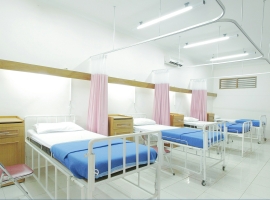
There are no comments