Office Address: 5, Ishola Bello Close, Off Iyalla Street, Alausa, Ikeja, Lagos, Nigeria.
Introduction
The term green building refers to materials that are employed in the construction of structures which are environmentally friendly, long-lasting and use resources in the most efficient manner possible through its life cycle, which begins with the sourcing of raw materials, then manufacturing and construction of the building, and ultimately its demolition and waste disposal. It is a process whereby they tackle the adverse world-wide problem and the concern on how the avid construction activities can negatively affect and destroy the continent’s eco-system. The ecology, Global warming phenomenon, and mainly the Human race – at least those who work and live in the buildings as tenants. On the other hand, people working in the construction industry have become extremely concerned with the use of building materials which have negative effects on the environment and human health. The Green building materials market is designed to alter this viewpoint. It aims to offer construction materials that enhance ecological balance, energy efficiency and long-term sustainable development in all stages including design, production and usage of the building materials.
Why Green Building Materials Matter
The construction industry remains one of the most significant users of natural resources and also contributes a large share of the total waste produced, energ y utilized and carbon emissions released to the atmosphere. With the current crisis of climate change, deforestation, resource scarcity, and pollution taking center stage, the uptake of green building materials is becoming increasingly important Green buildings materials have the following key advantageous aspects:
Reduction in Environmental Impact: Green materials are made in such a way that they do not result in the generation of waste. They also aid in the manufacture and capital construction minimizing energy, water and raw resources consumption. Such materials are also composed of recycled or bio-degradable products and thus contribute to an even less carbon footprint.
Energy Efficiency: Artificial methods of heating, cooling and lighting up buildings may be reduced greatly with using these materials thereby increasing the efficiency of the structures. For example, energy efficient windows and insulation materials assist in overcoming air-conditioning and heating requirements hence simplifying the task of conserving energy and making life easier.
Health and Well-being: Low or non-exotic components are used in the making of green building materials. The absence of such chemical substances such as stubstracts of volatile organic compounds (VOCs) improves the air quality indoors hence improving the health of the users in these buildings.
Cost Savings: In the short run, green building materials may be more costly than traditional but their savings in terms of energy consumption in maintaining them or rather servicing them is rather high in the long run. These materials may also qualify for use in relevant tax or government grants subsidizing their use as a way of encouraging sustainability.
Sustainability: Green building materials are typically implemented on a life cycle perspective hence they are environmentally friendly from its genesis to the extent of its disposal.
The construction can be made sustainable and less harmful to the environment by choosing the use of renewable, recyclable and local materials which otherwise will get depleted.
Global Trends and the Nigerian Context
But over the years this demand for green buildings has been shaped by social, economic, political aspects. The World Green Building Council (WGBC) and a number of other organizations have issued salvos over the years, calling for the adoption of sustainable building practices by issuing green building standards and certifications such as LEED.
In Nigeria, the idea of green building is encouraging and has started to be embraced despite being in its emerging stage. Rapid urbanization, fast increasing construction activities and growing awareness of the pains taking process of environmental degradation have created an atmosphere where sustainable building concepts are in the limelight. The countries like Nigeria, along with UK and local environmental NGOs are also striving and advocating energy efficient buildings and more sustainable materials.
Green building materials also offer several advantages, including reduced electricity bills. Also, factors driving green building materials in Nigeria include:
Rising Energy Costs: Blackouts remain common in Nigeria, increasing power costs whilst Nigeria’s electricity infrastructure remains consistently weak.
Green building materials like energy-saving windows, insulation and solar panels minimize the dependence on the grid and the energy efficiency of the buildings is enhanced.
Urbanization and Population Increase: The increasing population of Nigeria and the rise in concentration in urban centers generate the need for accommodation and business areas. Green building materials provide a good way of meeting the need without putting too much pressure on resources and environmental degradation.
Environmental Awareness: There appears to be an increasing trend among the population, the businesses and policymakers in Nigeria about the need for sustainability. Issues of climate change, deforestation and other environmental issues have made green issues become priority on the national agenda.
Government Support: The Nigerian government is more and more endorsing strategies that aim at lowering the negative planetary footprint of the construction sector. These policies which are supportive of the promotion of the use of solar and other renewable sources are also part of the overall environmental strategy of Nigeria as articulated in documents like the National Policy on the Environment.
The Contribution of Green Building Materials to Sustainable Development
Green building materials have a central role in achieving sdg’s notably those related to climate action, affordable housing, sustainable cities and communities, and responsible consumption and production.
These resources can be integrated by businesses and governments into the building sector such that buildings are environment friendly, conserve resources and provide facilities that improve health and quality of life.
Furthermore, the use of green building materials can help reduce the ecological consequences of cities which are amongst the most significant contributors of greenhouse gas emissions, air pollution and wastes. Such materials when used also assist in preserving the environment because they are ethically acquired, reusable and not harmful.
With the growth of the green building materials industry, Nigerian entrepreneurs and businesses can help fill the gap of providing green solutions for the infrastructural needs of the country. Starting a business in green building materials can help achieve a better and prosperous future in Nigeria while at the same time, profitability for the business.
In the subsequent sections, we are going to describe the business establishment process, legal frameworks, and documentation processes for starting the green building materials business in Nigeria.
Classification of Green Building Materials
Green building materials are one of the key factors in the construction so as to sustain the buildings, as they help minimize the impacts of such structures upon the environment at every stage of the life cycle of the building. These materials are selected from human-made and natural resources considering how efficient the materials would be towards conservation of energy, long-term sustainability, recyclability, and thermal comfort in indoor spaces. Following is an elaborated classification of the most widespread groups of green building materials:
Energy-Efficient Materials
Materials that are energy efficient during construction are likely to be applied with the intention of minimizing energy use and reducing building energy costs.
Through the application of the HVAC appliances, the energy consumption and the operating expenditure, have been mitigated.
ICFs: Insulated Concrete Forms are blocks or panels that may be filled with concrete which is encased around foam material. This also aids in enhancing the energy efficiency of the building by improving the thermal envelope and as a result has better energy efficiency.
High-Performance Insulation: Materials such as cotton (recycled denim), cellulose, sheep wool and fiberglass have been put to use to lessen reliance on air conditioning systems to an extent. Such materials can also be beneficial in minimizing the sound problems in buildings or houses as they help in insulating between the spaces.
Reflective Roofing Materials: This is a coating or shingle device as a roof material that lessens the amount of heat absorbed by the building reducing heating needs and expenditure. In hotter climates particularly Nigeria, such roofs are effective in reducing the coffers used to cool the building as it does not absorb a substantial amount of sun rays.
Energy-Efficient Windows: This offers a striking effect when compared to the single glazed ones, particularly in relation to air conditioning use. In fact, this type of windows helps in lowering the extent of heat that escapes through the roof and as a consequence increases energy efficiency in the room. A significant number of energy efficient windows are Low-E coated where infra-red energy is reflected aiding heat retention.
Recycled Materials
Recycled materials are processed and transformed from their original use to meet new purposes.
Urging consumers to use upcycled or recycled goods leads to the creation of circular economies, where resource conservation, minimization, and new raw material usage are all reduced.
Upcycled Concrete: Old concrete may be gathered, crushed, and utilized as an aggregate in fresh concrete constructions projects further reducing construction waste sent to landfills. This lessens the amount of new concrete that must be created.
Upcycled Steel: Steel is among the most consumed materials in the upcycling and construction. It can be turned and fitted into structural fittings of other new constructions like buildings which would include frames, roofs, and steel bars. Producing new steel would require more energy consumption than simply upcycling steel making it energy efficient and environmentally friendly.
Upcycled Glass: Windows and facades are usually made with glass which can be poured to form decorative tiles or insulation or even certain parts including building ornaments or certain shapes.
Reclaimed Wood: Using salvaged or reclaimed wood reduces deforestation and provides unique, high-quality materials for floors, walls, and furniture. This rare flooring quality can be exposed through vessels, barns, and vessels. It acts to provide resources while giving a unique view to the building.
Timber and bamboo that are harvested in an environmental-friendly manner and provides an eco-friendly way for construction by acting as a renewable resource.
These materials have gained traction in green building as they are easily cultivated and have less environmental effects when compared to normal timber.
Sustainable Timber: This type of wood comes from farmland that has a certain level of sustainable forestry practices/management (such as those certified by Forest Stewardship Council or FSC) to encourage these trees to be grown again with sufficient biodiversity. They use this wood for framing, floorboards, and furniture.
Bamboo: With its renewability and rapid growth, bamboo is an extremely sustainable source. Additionally, bamboo is commonplace in construction today for floors, furniture, and even load bearing applications. Additionally, bamboo is durable, and lightweight which is crucial for green projects focusing on bamboos construction.
Low-VOC Paints and Finishes
Volatile Organic Compounds (VOCs) are gases that are released from building materials such as glue, paints and finishes. They lead to air pollution indoors and respiratory as well as many other health issues. The use of low, or better still, no-VOC paints and finishes minimizes indoor pollution and is occupant as well as ecologically beneficial.
Low-VOC Paints: Due to their reduced emissions of harmful substances, these paints are less toxic and, thus, safer for indoor applications. It is typical to find them on walls, ceilings, and trim in both residential and commercial structures. Some low-VOC paints have the potential to match in color selection and durability the general paint Sheen or finish expected from these paints. Natural Finishes: Beeswax, linseed oil, and pure oils derived from plants or waxes are utilized as natural wood finishes, concrete and other natural finishes. These finishes can be more interior finishing friendly as they are not toxic to health. Eco-Friendly Insulation Materials The transfer of heat from the interior space to the ambient air can be reduced through effective insulation which, in turn, reduces the overall energy use. Even though traditional insulation materials such as fiberglass are effective, they can be harmful to human health during installation and disposal. Eco-Friendly insulation solutions do not include toxic substances and are made from renewable or recycled materials. Cellulose Insulation: This is an eco-friendly insulation option made from recycled paper products. It is treated with fire retardants and uses cellulose fibers placed in walls, attics and floors in order to prevent heat loss and enhance energy efficiency. Cotton (Denim) Insulation: This is a biodegradable and non-toxic material used to insulate homes. It consists of denim material which is made from recycled cotton fabric (old jeans).
Sheep wool insulation provides good insulation while also being safe to use. Because sheep wool comes from sheep or lambs, it is considered to be a natural insulation product, meaning it is efficient at regulating moisture. Sheep’s wool can be used to insulate walls, roofs and ceilings sheep’s wool panels can also be used for coatings in ceilings and havelocks. Sheep wool insulation is a great organic alternative to synthetic insulation materials. The usage of solar panels with other renewable systems already promotes energy independence as a part of one of the prominent building materials as integrating these systems allows reducing dependence on the energy grid making the construction more energy efficient. As a result, these give fossil fuel-free energy which is not generated via using electricity by saving cost and footprints due to Solar panels for instance photovoltaics can be installed at any place allowing greater freedom other than where the sunlight shines or at rooftops resulting in minimal reliance on electricity forming a clean and renewable energy source.
Water heating systems that are solar based avoid the use of electric or gas-powered appliances resulting in lowering consumption, gaining a cheaper, alternate energy resource. Small wind turbines are considered to be off-grids since they derive energy resources uniquely which can be harvested at far places having surplus wind resources. Even though Nigeria is one of those developing countries with water strained resources, water efficient materials can be installed in buildings, ensuring greater sustainability.
Materials and Systems used in the construction of buildings which result in less water consumption can go a long way in aiding the sustainability efforts of such buildings.
Low-Flow Fixtures: Toilets, showerheads and faucets are designed to utilize lower water usage for the same level of efficiency. Such fittings can lead to a decrease of up to 50% of water usage as opposed to base models.
Rainwater Harvesting Systems: These system stores rainwater for particular requirements instead of using traditional supply. This reduces the use of municipal water resources and saves money on one’s bills.
Permeable Pavement: Rainwater can be utilized by porous surfaces such as permeable concrete or asphalt, which allows the water to seep through the material and replenish the earth’s resources. This lessens the chance of storms while also encouraging the natural process of gaining water.
Natural and Biodegradable Materials
It is advisable to use biodegradable or natural materials while constructing as they lower the carbon footprint and environmentally harmful effects associated with construction waste management. Such materials have little to no harsh or toxic effect on the environment.
Hempcrete: An environmentally friendly alternative source made from hemp fiber, lime, and water, which is competent for construction as well as insulation. The benefits of this material outweigh its minimal cons as it is entirely bio-degradable and offers the highest level of insulation with great energy efficiency.
Straw Bale Construction: Straw bales have been proven to be an excellent thermal insulator, so they are in need for construction businesses. Adding on, straw bales are an eco-friendly and economically viable construction material.
Straw bale homes are one of the optimum examples of using organic ingredients in the housing models.
Cork: Cork is a harvested material that can’t be substituted and depreciates with time. It is used on wall covering, insulation and flooring. It has amazing properties of insulation and is obtained from the bark of cork oak which replenishes after harvest.
Green Roofing Materials
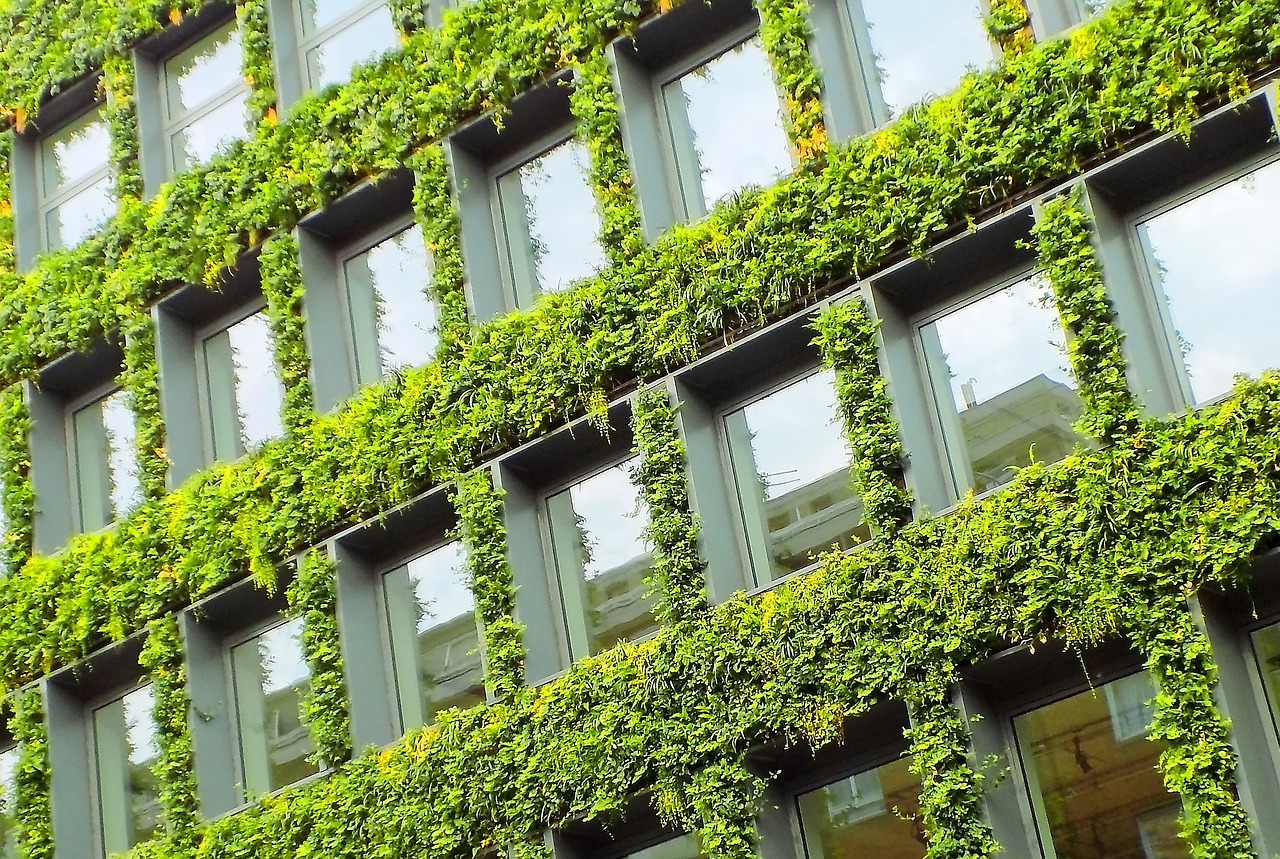
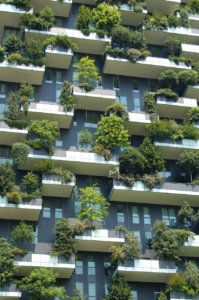
Green roofs also known and living roofs are systems designed where vegetation’s are grown on the rooftops. These roofs have so many benefits including minimizing temperature rise in cities, providing thermal insulation and controlling storm water.
Vegetative (Green) Roofs: Such roofs are characterized by having grass or shrubs growing on their surfaces. This component helps in heating the buildings and increases diversity, such roofs also help in reducing the urban heat island and improving air quality by dispersing the gases in the building.
Cool Roofs: These structures consist of materials that absorb less heat than the average roof enabling them to reflect most of the sunlight. With these roofs, there is a noticeable decrease in the amount of energy the building will require to cool off. The roofs after absorbing that heat will eventually stop radiating and that will reduce the energy consumption of that building.
A Chronology of Green Building Materials in Nigeria
Green building materials in Nigeria have a fascinating history that aligns with the recent understanding of environmental protection, climate change effects, and the conservation of resources in the built environment.
Even though in other parts of the world, the idea of using green building materials and sustainable construction methods has existed for several decades, Nigeria has slowly begun to embrace these as a consequence, ideas cropped up for energy-efficient and cost-effective and building alternatives that are also environmentally friendly.
The Past Construction Techniques in Nigeria
Essentially, construction techniques of Nigeria used to center on various materials as mud, clay, thatch, timber and stone which were available and bio-degradable. Such materials were low processed and did not cause much environmental destruction, for instance, mud dwellings (or adobo houses) and thatched roofs tended to be quite eco-friendly as they had insulating properties against heat and cold.
Moreover, these construction practices and methods also encouraged using local and recycled material and were carried out at a community level. In the countryside, these materials were utilized in a manner that reduced transportation costs and the environmental burden. But this kind of building was mostly a product of local or traditional building practices and means prevailing rather than an attempt to adopt landmark or green building practices.
But the urbanization that accompanied Nigeria’s political independence in 1960 and the development of cities like Lagos, Abuja and Port Harcourt which followed made a departure from traditional building practices to building in a more industrialized way.
Consequently, it became common to use environmentally unfriendly materials like cement, steel and aluminum, which, although improved construction speed and strength, fueled energy concerns, resource depletion and poor waste management.
Formation of Green Concern
The movement towards Green construction practice started getting more global attention and appreciation approximately in the middle of 2000s, when it was noted that energy as a resource is being heavily depleted due to normal construction activities. However, at the Europe and North America green movement was just beginning getting started, with energy efficient buildings considered more environmentally friendly across continents.
In terms of Nigeria, an awareness as regards the impacts of climate change started gaining ground in the 2010s, coupled with some international and local initiatives geared towards energy efficient and green construction practices. Environmental, social and economic sustainable practices focused on energy efficient building started getting attention particularly in Mexico and Brazil where urbanization and environmental degradation were beginning to get worse.
It is worthy of note that the energy concerns principally accounted for the increase in awareness of green buildings within Nigeria. There was an increased awareness due to the fact that Nigeria at that time was experiencing over energy shortage.
Construction companies and architects have begun incorporating the use of green materials as well as energy-efficient designs in a bid to minimize their dependency on the national grid and enhance the experience of building users.
Government Support and Policy Initiatives
The Nigerian government started taking steps to address environmental sustainability in the built environment with the adoption of national policies and frameworks that aimed to promote green construction practices. This was the first time, according to Eruhare, that the Nigerian government through her Federal Ministry of Environment made considerations for socio-economic factors, energy efficiency and sustainability in its frameworks and policies.
The Nigerian policy has good mention of efforts to address climate change with the introduction of National Policy on Climate Change in 2016 which sets out how the various effects of climate change would be dealt with including outlines for energy efficient buildings to use. It also supported the application of materials with energy efficiency, the transition to alternative sources of energy, and the creation of buildings with low carbon emissions. Also, the policy has emphasized the use of green building materials and construction design which is environmentally friendly in both the residential and commercial sectors.
Furthermore, a number of local governments in Nigeria have started to integrate responsible environmental practices into their building codes
The use of ecological materials and practices is being promoted through the planning frameworks augmented in Lagos, Abuja and Port Harcourt, as they are trying to incorporate green building strategies into city planning.
Construction & Green Certification
The introduction of green building certification systems marked a significant milestone in the green building materials movement in Nigeria. The absence of an established local green building certification system in Nigeria that can be compared to the LEED or BREEAM systems that are widely used around the world does not however deter Nigerian construction companies from embracing international practices of green construction.
NGBC has been able to actively support and engage in green construction practices in Nigeria since its inclusion in the construction industry in 2006. The main focus of the NGBC is to encourage the use of energy efficient and environmentally friendly building materials and construction technologies. This enabled Nigeria to globalize the green building movement through NGBC and compatibilized it through systems such as LEED.
So too the World Bank and other international bodies as IFC have helped in implementing ecological building initiatives in Nigeria.
The IFC has advocated for the use of energy efficient construction codes and green materials through several initiatives and partnerships with Nigerian construction companies. The Contribution of the Private Sector and NGOs The private segment especially the real estate, construction and architectural industries indeed had a role in enhancing the market for green building materials in Nigeria. Most real estate and construction companies in urban centers like Lagos, Abuja, and Port Harcourt are now harnessing practices of sustainable construction in their projects due to the realization of the benefits of green buildings in the long run the environmental and economic benefits more so when the buildings are in use. Nowadays, many of such developers have turned to the use of eco materials such as of recycled steel, windows with coating designed to be energy efficient, the use of sustainable timber and paints with low odour (low VOC) chemical compositions. In addition, companies are implementing designs that enhance water conservation such as the use of rainwater collection systems and low-flow plumbing fixtures. Large developments of residential housing, commercial buildings and office premises are now beginning to follow green building principles as a normal feature in the design and construction phases. Also, non-governmental organizations (NGOs) have even played their part in popularizing some sustainable building practices within the country. These agencies are often seeking partnerships with local people, conservationists, and government authorities to advocate for green building materials, energy savings and sustainability.
The construction industry has witnessed the emergence of non-governmental organizations that aim at encouraging the adoption of green building materials by arranging training sessions and conducting awareness campaigns for the public and private sectors.
Barriers to the Utilization of Green Building Materials
Even though Nigeria is starting to realize the need to embrace green building materials, still numerous factors continue to impede their large-scale utilization:
High Cost: The cost for many green building materials such as solar panels, energy-efficient windows, and sustainable timber has a higher upfront price than traditional materials. While the investment could save money on energy consumption in the long run, developers and homeowners must consider the costs of making the switch in the first place.
Low Supply: In most cases in Nigeria, green building materials are not as readily available as ordinary materials. These materials are apparently absent in the Nigerian marketplace owing to importation costs, inadequate domestic production, and insufficient knowledge among suppliers.
Low Level of Awareness and Educational Background: This is in view of an educational gap that exists regarding green building materials and sustainable construction practices that needs to be filled among architects, builders, government officials and the general public in order to aid the efforts made to replace conventional construction practices.
Regulatory Challenges: While the Nigerian government is progressing towards the ideal of sustainability, there remains a gap in the more expansive and greater degree of enforcement of the use of green building materials. The lack of clear standards and guidelines for green building practices can result in confusion and inconsistent application across the industry.
Regulatory Bodies for Green Building Materials Business in Nigeria
The regulation of building materials, including green building materials, in Nigeria involves several key agencies at the federal, state, and local levels. These regulatory bodies are responsible for setting standards, enforcing policies, and promoting sustainable practices in the construction industry. They play a crucial role in ensuring that the use of green building materials aligns with national goals for environmental sustainability, safety, and energy efficiency. Below are the key regulatory bodies involved in the governance of green building materials and sustainable construction in Nigeria:
Federal Ministry of Environment (FMEnv)
The Federal Ministry of Environment is one of the foremost regulatory bodies in Nigeria responsible for setting and enforcing environmental standards. As part of its mandate, the ministry develops policies and strategies to protect the environment and promote sustainable practices across various secto rs, including construction. The Ministry is heavily involved in regulating activities related to environmental conservation, energy efficiency, and the reduction of carbon emissions.
Role in Green Building Materials: The Ministry is central in the implementation of the country’s climate change agenda, focusing on mitigating environmental impacts through sustainable building practices. It oversees the National Policy on Climate Change and the National Environmental Standards and Regulations Enforcement Agency (NESREA), which are vital to ensuring that construction practices are environmentally responsible.
Key Functions:
Formulation of environmental policies, including those affecting the construction sector.
Promoting the use of renewable energy and energy-efficient materials in buildings.
Implementation of regulations for sustainable land management, waste reduction, and pollution control in building construction.
Collaborating with other stakeholders in the green building movement.
National Environmental Standards and Regulations Enforcement Agency (NESREA)
The National Environmental Standards and Regulations Enforcement Agency (NESREA) is an agency under the Federal Ministry of Environment tasked with enforcing environmental laws and regulations in Nigeria. NESREA’s mission is to ensure the protection of the environment and human health by enforcing standards and promoting sustainable practices in industries, including construction.
Role in Green Building Materials: NESREA plays a key role in enforcing regulations related to environmental sustainability in the construction sector. This includes monitoring the use of green building materials, ensuring compliance with environmental standards, and promoting sustainable building practices.
Key Functions:
Enforcing environmental standards related to air quality, water conservation, waste management, and noise pollution in the construction sector.
Monitoring and regulating the use of sustainable materials, including low-VOC paints, energy-efficient products, and recycled materials in construction.
Issuing environmental permits and conducting inspections of construction sites to ensure compliance with environmental regulations.
Promoting awareness of environmental best practices and sustainable building materials among builders, architects, and contractors.
Nigerian Urban and Regional Planning Commission (NURP)
The Nigerian Urban and Regional Planning Commission (NURP) is responsible for urban and regional development planning in Nigeria. This body plays an essential role in shaping the built environment, ensuring that the growth of cities and towns aligns with sustainable development principles.
Role in Green Building Materials: NURP focuses on incorporating sustainable building practices into urban planning, ensuring that green building materials are integrated into master plans, zoning laws, and building regulations. It works to ensure that buildings constructed within urban areas adhere to modern standards that prioritize sustainability, including the use of energy-efficient materials and environmentally friendly building techniques.
Key Functions:
Developing urban planning policies and guidelines that promote green building materials and sustainable architecture.
Collaborating with other regulatory bodies to promote sustainable construction and land use planning.
Ensuring that local governments integrate green building practices into city master plans, encouraging energy-efficient designs and the use of sustainable materials.
Standards Organization of Nigeria (SON)
The Standards Organization of Nigeria (SON) is responsible for setting and maintaining standards for products and services in Nigeria. It is the main body that governs the technical specifications and quality of building materials used in construction.
Role in Green Building Materials: SON plays a critical role in certifying the quality of green building materials used in construction. The agency ensures that sustainable building materials such as energy-efficient windows, low-VOC paints, recycled aggregates, and alternative construction materials meet the required standards for safety, performance, and environmental impact.
Key Functions:
Developing and enforcing standards for green building materials, including energy-efficient products, recycled materials, and sustainable construction systems.
Certifying products that meet environmental sustainability criteria, including the development of eco-labels and green certifications.
Conducting quality control and inspections of materials to ensure they meet national and international standards.
Collaborating with industry players to update and improve building material standards in line with global best practices.
Nigerian Green Building Council (NGBC)
The Nigerian Green Building Council (NGBC) is a non-governmental, industry-driven organization that focuses on promoting sustainable building practices in Nigeria. The NGBC was established to raise awareness of the environmental and economic benefits of green buildings and encourage the use of green building materials.
Role in Green Building Materials: While the NGBC does not have regulatory powers like government agencies, it plays an instrumental role in promoting the use of green building materials through advocacy, training, and certification. The NGBC educates architects, engineers, developers, and other stakeholders about the benefits of sustainable building practices and green materials.
Key Functions:
Promoting green building certification systems, such as the Nigerian Green Building Standard (NGBS), and encouraging their adoption in the construction industry.
Providing training and workshops on the use of green building materials and sustainable construction techniques.
Encouraging policy changes that support the widespread adoption of green building practices and materials in Nigeria.
Offering recognition to projects that incorporate green building principles, helping to create market incentives for developers and builders to use sustainable materials.
The Federal Housing Authority (FHA)
The Federal Housing Authority (FHA) is a government agency responsible for providing affordable housing to Nigerians. In addition to its focus on housing provision, the FHA is also involved in the promotion of sustainable building practices and materials in the construction of residential properties.
Role in Green Building Materials: The FHA has begun to incorporate green building principles into its affordable housing schemes, encouraging the use of eco-friendly materials and energy-efficient designs. This is particularly important as the demand for affordable housing in Nigeria continues to rise.
Key Functions:
Promoting the use of green building materials in public housing projects to reduce energy consumption and environmental impact.
Collaborating with other regulatory bodies to ensure that building codes and regulations for public housing reflect the principles of sustainability.
Integrating renewable energy systems, water-efficient technologies, and eco-friendly materials into FHA housing projects.
Local Government Authorities (LGAs)
At the local level, Local Government Authorities (LGAs) play a significant role in regulating construction activities within their jurisdictions. They enforce local zoning laws, building codes, and environmental regulations.
Role in Green Building Materials: LGAs are responsible for implementing national and state-level regulations related to building practices, including the promotion of green materials. Local authorities can influence building construction by encouraging the use of green building materials through permits, inspections, and local incentives.
Key Functions:
Ensuring compliance with national and state building codes related to sustainability, energy efficiency, and environmental protection.
Promoting awareness of green building materials and sustainable construction practices within local communities.
Issuing building permits and conducting inspections to ensure that construction projects meet environmental and safety standards.
Nigerian Institute of Architects (NIA)
The Nigerian Institute of Architects (NIA) is a professional body that represents architects in Nigeria. The NIA is involved in advocating for the adoption of sustainable design and construction practices, including the use of green building materials.
Role in Green Building Materials: NIA works with other stakeholders, such as the NGBC, to promote the use of green building materials among architects and urban planners. The Institute provides training, guidelines, and professional certifications to its members to encourage the design of sustainable buildings.
Key Functions:
Offering training and certification programs on sustainable architecture and green building materials.
Providing guidelines for architects on how to integrate sustainable practices into their designs.
Advocating for green building legislation and policy changes at the national and state levels.
Documentation Processes and Procedures for Launching a Green Building Materials Business in Nigeria
The process of launching a green building materials business in Nigeria requires navigating a series of documentation steps that ensure legal compliance, business legitimacy, and adherence to industry standards. These processes are necessary to ensure that the business operates within the boundaries of the law and is recognized by the relevant regulatory bodies. From business registration to environmental compliance, there are various documentation procedures that need to be followed. Below is a detailed guide to the documentation processes and procedures for launching a green building materials business in Nigeria.
Business Registration and Incorporation
Before starting a green building materials business, it is essential to legally register the business with the appropriate authorities. This formal process ensures that the business is recognized under Nigerian law, giving it the ability to enter contracts, apply for permits, and gain legal protections.
Corporate Affairs Commission (CAC) Registration: The first step in the business registration process is registering with the Corporate Affairs Commission (CAC), which is the government body responsible for regulating business entities in Nigeria. You will need to decide on the structure of your business, such as a sole proprietorship, partnership, or limited liability company (LLC).
Documents Required:
Proposed business name and registration form.
Articles of incorporation (for limited liability companies).
Identification documents of business owners or directors.
Payment of registration fees.
Procedure:
Apply for the business name or incorporation through the CAC portal or at their offices.
Submit required documents and pay the prescribed fees.
Once approved, you will receive a Certificate of Incorporation or a Business Name Registration Certificate.
Tax Identification Number (TIN): After registering the business with the CAC, you must obtain a Tax Identification Number (TIN) from the Federal Inland Revenue Service (FIRS). The TIN is necessary for tax purposes and for conducting business activities legally in Nigeria.
Value Added Tax (VAT) Registration: If your business involves selling goods or services subject to VAT, you must register with the FIRS for VAT. This registration allows your business to charge VAT on your sales and remit the collected tax to the government.
Environmental Compliance and Documentation
Given that your business is focused on green building materials, environmental compliance is a crucial part of the documentation process. Nigeria’s regulatory bodies require businesses in the construction and building materials sector to comply with environmental standards to promote sustainability and reduce the ecological impact of construction.
National Environmental Standards and Regulations Enforcement Agency (NESREA) Compliance: NESREA is the government agency responsible for enforcing environmental regulations in Nigeria. For a green building materials business, compliance with NESREA guidelines is vital to ensure that your materials and practices meet the national environmental standards.
Compliance certificates for environmental best practices.
Evidence of adherence to waste management practices and pollution control measures.
Procedure:
Submit an application to NESREA for certification of environmental compliance.
If necessary, conduct an Environmental Impact Assessment (EIA) to evaluate the potential environmental impact of your business operations.
Apply for the NESREA Compliance Certificate after meeting all necessary environmental regulations.
Registration with the Federal Ministry of Environment: Depending on your business’s operations, you may need to register with the Federal Ministry of Environment, particularly if you are involved in activities such as manufacturing or distributing building materials that impact the environment.
Documents Required:
Business registration certificate.
Environmental impact assessments or sustainability reports.
Proof of compliance with waste disposal and pollution regulations.
Procedure:
Apply for registration through the Ministry’s online platform or visit their offices.
Submit the required documents and pay any applicable fees.
Upon approval, you will receive a certificate of environmental compliance.
Product Certification and Standards Compliance
One of the key factors that will differentiate your green building materials business is the certification of your products. Certification verifies that your materials meet the relevant standards for quality, safety, and sustainability. These certifications are crucial for gaining the trust of customers, developers, and other stakeholders in the construction industry.
Standards Organization of Nigeria (SON) Certification: The Standards Organization of Nigeria (SON) is responsible for setting and enforcing standards for products sold in Nigeria, including building materials. For green building materials, SON ensures that products are safe, durable, and meet national standards for environmental impact.
Documents Required:
Product specifications and details.
Quality control reports.
Evidence of adherence to sustainability standards.
Manufacturing processes documentation.
Procedure:
Submit your green building materials for testing and inspection by SON.
Provide all the necessary documentation that demonstrates compliance with SON’s standards.
Upon successful evaluation, SON will issue a SON Conformity Assessment Programme (SONCAP) certificate, confirming that your products meet the required standards.
Product Certification from the Nigerian Green Building Council (NGBC): If your business aims to promote environmentally friendly products, the Nigerian Green Building Council (NGBC) can provide certification for your materials under the Nigerian Green Building Standard (NGBS). This certification is a mark of distinction that shows your products meet the highest standards of sustainability.
Documents Required:
Proof of sustainable sourcing of materials.
Evidence of energy efficiency, water conservation, or other green building features in your products.
Documentation showing that your products contribute to reducing the environmental impact of construction.
Procedure:
Apply to the NGBC for product certification.
Provide the required documents and undergo an evaluation by the Council.
Once approved, you will receive a Green Building Materials Certificate, which can enhance the marketability of your products.
Health and Safety Compliance Documentation
As a green building materials business, it is crucial to demonstrate that your products and operations adhere to health and safety standards, especially if your business involves the manufacturing of building materials. Health and safety compliance ensures that your materials do not pose any risk to users or the environment.
Occupational Health and Safety: The National Council for Occupational Safety and Health (NCOSH) oversees the safety standards for businesses in Nigeria. As part of the documentation process, your business must ensure that health and safety measures are in place, particularly if you manufacture materials that could potentially pose health risks during production or use.
Documents Required:
Health and safety policies for employees.
Safety procedures for handling and transporting building materials.
Evidence of employee safety training programs.
Procedure:
Develop an Occupational Health and Safety (OHS) policy for your business.
Ensure that all employees are trained in safety procedures.
Submit your OHS compliance documentation to the NCOSH for approval.
Local Government Permits and Approvals
Once your business is incorporated and certified by relevant national bodies, you will need to obtain permits from local government authorities. Local government permits are required for the operation of business premises, especially if you have a physical location where materials are stored or sold.
Documents Required:
Business registration certificate.
Property documents (e.g., proof of ownership or lease agreement).
Tax identification number (TIN).
Procedure:
Apply to your Local Government Authority for business permits and approvals.
Submit all the required documentation, including property documents and business registration.
Pay any applicable fees, such as local taxes or permit fees.
Once approved, you will receive a permit to operate your business in that locality.
Financing and Loan Documentation (if applicable)
If your business requires external financing to purchase materials, equipment, or expand operations, you will need to provide documentation to potential financiers, such as banks or investors.
Documents Required:
Business plan outlining your goals, operations, and financial projections.
Tax returns and financial statements (if applicable).
Collateral documents (if applying for secured loans).
Procedure:
Prepare a comprehensive business plan that includes financial projections, the nature of your products, and the sustainability benefits of your materials.
Submit your loan application along with the necessary documents to the bank or financial institution.
If your application is approved, the financier will provide the loan based on agreed terms.
Steps to Launch a Green Building Materials Business in Nigeria
Launching a green building materials business in Nigeria requires a well-thought-out approach, starting from identifying the right business idea to navigating regulatory requirements and launching the business successfully. Each step in this process is crucial to ensuring that your business operates sustainably, meets legal standards, and can compete effectively in the growing green construction market. Below is a comprehensive step-by-step guide to launching a green building materials business in Nigeria.
Step 1: Conduct Market Research
Before launching your business, it’s important to conduct thorough market research. This step will help you understand the demand for green building materials, assess the competitive landscape, identify your target customers, and evaluate potential challenges.
Research Key Areas:
Market Demand: Assess the demand for green building materials in the Nigerian market. Are developers, architects, and contractors interested in sustainable building practices? Identify the key trends in construction and sustainability.
Competitive Landscape: Research existing competitors in the green building materials sector. What products are they offering? How do they price their materials? What are their strengths and weaknesses?
Regulatory Requirements: Understand the regulations governing green building materials in Nigeria, including product certifications, environmental compliance, and sustainability standards.
Target Market: Identify your target market, such as real estate developers, contractors, government housing projects, architects, and individual homeowners seeking energy-efficient and environmentally friendly materials.
Actions:
Conduct surveys and interviews with stakeholders in the construction industry.
Attend industry conferences and trade shows to network with potential clients and suppliers.
Use online tools and reports from agencies like the Nigerian Green Building Council (NGBC) to gather insights.
Step 2: Develop a Business Plan
A business plan is a critical roadmap for your green building materials business. It should detail your business objectives, target market, competitive analysis, marketing strategies, operational plan, and financial projections. A well-prepared business plan is essential for securing funding, guiding business operations, and measuring success.
Key Components of the Business Plan:
Executive Summary: Provide an overview of your business, including the vision, mission, and goals of your green building materials business.
Market Analysis: Highlight the demand for green building materials in Nigeria, including customer needs, market trends, and competitive positioning.
Business Model: Define the nature of your business, such as manufacturing, wholesaling, or distributing green building materials. Specify the types of materials you will offer, such as energy-efficient products, sustainable insulation, or recycled building materials.
Operational Plan: Outline the processes for sourcing, manufacturing (if applicable), storing, and distributing your materials.
Marketing Strategy: Detail how you plan to promote your green building materials, including digital marketing, partnerships with architects and developers, and participation in industry events.
Financial Plan: Include financial projections, such as startup costs, revenue forecasts, profit margins, and funding requirements. Make sure to account for the costs of certifications, permits, equipment, and raw materials.
Actions:
Use templates or hire professionals to help you create a solid business plan.
Consider seeking guidance from business consultants or experts in green construction to refine your plan.
Make sure your plan highlights the unique value proposition of your business in the green building space.
Step 3: Register Your Business
Business registration is a critical step in establishing your green building materials business in Nigeria. By registering your business, you gain legal recognition, allowing you to operate freely within the market.
Process:
Register with the Corporate Affairs Commission (CAC): Choose a business name and submit your application to the CAC. You will need to provide your business structure (LLC, sole proprietorship, or partnership) and necessary documentation.
Obtain Tax Identification Number (TIN): Register with the Federal Inland Revenue Service (FIRS) to obtain a TIN, which is required for tax purposes.
Register for VAT: If your business will be charging VAT on its products, you will need to register for VAT with the FIRS.
Open a Business Bank Account: After registering your business, open a business account with a reputable bank to manage finances and transactions.
Documents Required:
Business name registration documents.
Tax Identification Number (TIN).
Articles of incorporation (for LLCs).
Proof of ownership or lease agreement for business premises.
Actions:
Visit the Corporate Affairs Commission (CAC) website or their office for registration.
Submit all required documentation to the relevant tax authorities for TIN and VAT registration.
Choose a bank and open a dedicated business account for financial management.
Step 4: Ensure Environmental and Product Compliance
For a green building materials business, adhering to environmental standards is crucial. Ensuring that your products comply with local environmental regulations and standards will give your business credibility and help you avoid legal issues down the road.
Key Compliance Requirements:
National Environmental Standards and Regulations Enforcement Agency (NESREA): Ensure compliance with NESREA’s environmental regulations by submitting an Environmental Impact Assessment (EIA) if needed. You will also need to acquire NESREA certification for environmental compliance.
Standards Organization of Nigeria (SON): Your products must meet the standards set by the SON. This may include quality certification for building materials, ensuring your materials are safe, durable, and environmentally friendly.
Nigerian Green Building Council (NGBC): If applicable, apply for green building material certification from the NGBC. This will help your business stand out in the green building sector by showcasing your commitment to sustainability.
Actions:
Complete necessary compliance documentation, such as EIA reports.
Apply for product certification from SON and NGBC.
Stay updated on evolving regulations related to environmental sustainability and green building materials in Nigeria.
Step 5: Secure Funding and Capital
Starting a green building materials business can require significant capital investment, especially if you plan to manufacture or import materials. Securing adequate funding is essential to cover startup costs, such as raw materials, machinery, storage facilities, and product certifications.
Funding Sources:
Bank Loans: Approach commercial banks or microfinance institutions for loans. Present a detailed business plan to improve your chances of approval.
Government Grants and Incentives: Look for government programs or incentives that support green businesses or the construction sector.
Private Investors: Consider seeking investors or venture capitalists who are interested in sustainable businesses.
Personal Savings: If possible, use personal savings to fund the initial stages of the business.
Actions:
Apply for loans or grants from financial institutions or government bodies.
Research and reach out to potential investors interested in sustainable business ventures.
Consider crowdfunding platforms focused on green initiatives.
Step 6: Source Raw Materials and Suppliers
For a green building materials business, sourcing sustainable, eco-friendly raw materials is critical. These materials should align with the values of sustainability and energy efficiency that your business promotes.
Finding Suppliers:
Local Suppliers: Look for local suppliers who provide recycled materials, energy-efficient products, and other green construction materials.
Global Suppliers: If you need to import materials, research reliable international suppliers who meet international sustainability standards.
Establish Supplier Agreements: Negotiate contracts with suppliers to ensure a steady and cost-effective supply of high-quality green building materials.
Actions:
Research suppliers and establish long-term relationships for consistent supply.
Ensure that your suppliers follow sustainable practices and meet environmental standards.
Build a network of trusted suppliers who offer green building materials that comply with local and international standards.
Step 7: Set Up Business Operations
This step involves setting up the physical and logistical aspects of your green building materials business. Whether you are manufacturing, wholesaling, or distributing, you need to establish a functional operation that supports your business goals.
Key Considerations:
Location: Find a suitable location for your business, whether it’s an office, warehouse, or manufacturing facility. Ensure the location is accessible to customers and suppliers.
Staffing: Hire employees who have expertise in construction, sustainability, logistics, and sales.
Equipment: If you’re manufacturing, invest in machinery and equipment needed to process raw materials and produce finished products.
Technology: Implement software solutions for inventory management, accounting, customer relations, and marketing.
Actions:
Rent or buy commercial property for your business operations.
Hire skilled staff, including production workers, sales representatives, and administrative personnel.
Purchase the necessary equipment and technology for efficient operations.
Step 8: Develop Marketing and Sales Strategies
Once your business is set up, it’s time to promote your green building materials to your target audience. Developing effective marketing and sales strategies will help you build brand awareness, attract customers, and grow your business.
Marketing Channels:
Digital Marketing: Use social media platforms, email marketing, and your business website to promote your green materials and highlight their sustainability benefits.
Networking and Partnerships: Build relationships with architects, real estate developers, contractors, and government agencies that are focused on sustainable construction.
Industry Events: Attend trade shows, exhibitions, and industry conferences to showcase your products and network with potential clients.
Actions:
Launch a digital marketing campaign to increase visibility.
Build a website to showcase your products, certifications, and value proposition.
Participate in industry events to network and build brand recognition.
Step 9: Monitor and Scale the Business
As your business grows, monitor key performance indicators (KPIs) such as sales, customer feedback, and market trends. Use this data to make informed decisions on scaling operations, expanding your product range, or entering new markets.
Actions:
Regularly evaluate your business performance and adjust strategies as needed.
Explore opportunities to expand your product offerings or enter new geographical markets.
Consider reinvesting profits into research and development to innovate new green materials.
How to Obtain a License for a Green Building Materials Business in Nigeria
Obtaining the proper licenses and certifications is crucial for the legal operation of a green building materials business in Nigeria. These licenses not only ensure compliance with Nigerian laws but also enhance the credibility and trustworthiness of your business, particularly in an industry focused on sustainability. The licensing process varies depending on the nature of your business, whether you are manufacturing, wholesaling, or distributing green building materials.
Below is an expanded guide on how to obtain the necessary licenses and certifications to operate a green building materials business in Nigeria.
Step 1: Business Registration and Incorporation
Before applying for any specific licenses or permits, your business must first be officially registered with the relevant government authorities.
Corporate Affairs Commission (CAC) Registration: As the first step in establishing your business, you must register with the Corporate Affairs Commission (CAC). This registration makes your business a legal entity, allowing you to enter into contracts, apply for permits, and open a business bank account.
Documents Required:
Business name and articles of incorporation.
Identification documents of directors or owners.
Proof of address and business location.
Procedure:
Visit the CAC website or office and fill out the necessary forms.
Pay the registration fees.
Once your business is registered, you will receive a Certificate of Incorporation.
Tax Identification Number (TIN): After registering with the CAC, you must obtain a Tax Identification Number (TIN) from the Federal Inland Revenue Service (FIRS). This number is essential for your business’s tax registration and filing obligations.
Procedure:
Apply for the TIN online via the FIRS website or visit their offices.
Provide necessary documents like your CAC registration and identification details.
Receive your TIN once the application is approved.
Step 2: Register for Value Added Tax (VAT)
If your business involves the sale of goods or services, you are required to register for Value Added Tax (VAT) with the FIRS. This is especially important if you are selling building materials or other goods subject to VAT.
Documents Required:
Certificate of Incorporation from CAC.
TIN number.
Business address and bank details.
Procedure:
Complete the VAT registration form provided by FIRS.
Submit the form and required documents for approval.
Once registered, you will receive a VAT registration number, which allows you to charge and collect VAT on sales.
Step 3: Environmental Compliance and Licensing
Given that your business deals with building materials and environmental concerns, complying with environmental regulations is crucial. You must obtain certifications from regulatory bodies like NESREA (National Environmental Standards and Regulations Enforcement Agency) and SON (Standards Organization of Nigeria).
National Environmental Standards and Regulations Enforcement Agency (NESREA): NESREA ensures that businesses comply with environmental standards. As a green building materials business, you need to comply with their guidelines for environmental sustainability and waste management. NESREA requires businesses in certain sectors to submit an Environmental Impact Assessment (EIA).
Documents Required:
Application form for environmental compliance.
EIA report (if applicable).
Business registration certificate and TIN.
Evidence of waste management practices.
Procedure:
Apply for NESREA certification by submitting the application form along with required documents.
If your business significantly impacts the environment (e.g., manufacturing), you will need to conduct an EIA.
Submit the EIA report to NESREA for approval.
Upon approval, you will receive an Environmental Compliance Certificate, allowing you to legally operate your business.
Standards Organization of Nigeria (SON): To sell building materials in Nigeria, your products must meet the quality and safety standards set by SON. For green building materials, SON ensures that your products meet the required specifications for durability, safety, and environmental impact.
Documents Required:
Product specifications and details.
Manufacturing process documentation (if applicable).
Quality control certifications.
Procedure:
Submit your products to SON for testing and certification.
Provide all relevant product specifications and documentation.
After successful evaluation, SON will issue a SONCAP (SON Conformity Assessment Programme) certificate, indicating that your products meet Nigerian standards.
Step 4: Green Building Materials Certification (NGBC)
If your business specializes in manufacturing or supplying materials that are specifically eco-friendly, you may choose to obtain certification from the Nigerian Green Building Council (NGBC). The NGBC provides certification for businesses that offer sustainable building materials, which can help position your products as premium, green-certified materials.
Documents Required:
Proof of sustainability features in your materials (e.g., energy efficiency, reduced carbon footprint).
Evidence of compliance with environmental regulations.
Detailed product documentation and certifications from SON or other relevant bodies.
Procedure:
Submit an application to the NGBC, including product specifications, environmental benefits, and any existing certifications from regulatory bodies like SON and NESREA.
NGBC will evaluate your products and processes to ensure they meet green building standards.
Once approved, you will receive a Green Building Certification, which you can use to market your materials as eco-friendly and sustainable.
Step 5: Local Government Permits
In addition to national regulatory requirements, you will also need to obtain certain licenses and permits from local government authorities. These permits may be required for operating your business premises, manufacturing plants, or warehouses.
Documents Required:
Proof of business registration (CAC).
Proof of ownership or lease agreement for your premises.
TIN number.
Payment of local taxes or fees.
Procedure:
Apply to the local government authority for a business permit.
Provide the required documentation and pay any associated fees.
After approval, you will receive a business operating license or permit from the local government.
Step 6: Health and Safety Compliance
As your business deals with materials that may have health or safety implications during production or handling, you need to ensure that you meet safety regulations. The National Council for Occupational Safety and Health (NCOSH) oversees safety in the workplace, ensuring that your employees and operations meet the required safety standards.
Documents Required:
Occupational Health and Safety (OHS) policy.
Training records for employees on health and safety protocols.
Evidence of proper equipment for safe handling of materials.
Procedure:
Develop and implement an Occupational Health and Safety (OHS) policy for your business.
Ensure that your employees undergo regular safety training.
Submit your OHS compliance documentation to NCOSH for approval.
Step 7: Import License (if applicable)
If your green building materials business involves importing products or raw materials, you will need an import license from the Nigeria Customs Service (NCS). This license is necessary to legally import materials into the country.
Documents Required:
Business registration certificate (CAC).
TIN and VAT registration.
Import declaration forms.
Proof of payment for customs duties.
Procedure:
Apply for an import license from the Nigeria Customs Service (NCS).
Provide necessary documents and comply with all customs regulations.
Pay the required duties and tariffs for imported goods.
Step 8: Marketing and Sales License (if applicable)
If your business will be marketing and selling green building materials to consumers or businesses, you may need a marketing or sales license from the relevant regulatory authority. This is particularly important for businesses that sell goods directly to consumers.
Documents Required:
Proof of business registration.
Marketing plans and strategies.
Sales permit application.
Procedure:
Submit your sales and marketing permit application to the relevant authority.
Provide documentation supporting your marketing strategies and business activities.
Upon approval, you will receive a license allowing you to legally market and sell your products.
Step 9: Renew Licenses and Stay Compliant
Obtaining a license is only part of the process. After receiving your licenses and certifications, it’s essential to ensure that they are renewed regularly, especially if your business changes its operations or the relevant regulations are updated.
Actions:
Set reminders to renew your business licenses, tax registrations, and environmental certifications on time.
Stay updated on changes in regulations or industry standards that may require new permits or adjustments to existing licenses.
Conclusion
Launching and running a successful green building materials business in Nigeria is not only a profitable venture but also a crucial step towards a sustainable future. The global shift towards sustainability in the construction and real estate industries has led to a rising demand for eco-friendly building materials. Nigeria, with its rapid urbanization and increasing focus on environmental consciousness, presents a unique and lucrative opportunity for entrepreneurs willing to invest in the green building materials sector.
Throughout this guide, we have explored the critical components needed to establish and operate a green building materials business. From understanding the types of green building materials and their benefits to navigating the regulatory landscape, obtaining licenses, and ensuring that your business complies with local and international standards, the roadmap to success is comprehensive. In addition, we have emphasized the importance of sustainability and innovation in your operations, as well as the need for strong financial management, strategic partnerships, and targeted marketing to build a resilient business in this dynamic industry.
As you embark on this journey, it is essential to be prepared for the challenges and opportunities that come with establishing a business in this sector. The green building industry is highly competitive, with evolving standards and increasing customer demands for environmentally conscious solutions. However, with the right strategies, a commitment to quality, and a focus on sustainability, your green building materials business can become a leader in Nigeria’s growing market.
Call to Action
Now is the time to act. The green building movement is not just a trend; it’s a necessary shift towards a more sustainable, energy-efficient, and environmentally responsible way of living and building.
If you are passionate about the environment and see the value in offering products that reduce carbon footprints, increase energy efficiency, and promote sustainability, launching a green building materials business is a step toward making a meaningful impact.
Here’s how you can begin:
Conduct In-Depth Research: Delve deeper into the types of green building materials, sustainability certifications, and best practices that align with your values and market demand.
Start Planning: Begin outlining your business plan, financial projections, and licensing requirements. Understand the costs and the resources needed to start your green building materials business in Nigeria.
Register Your Business: Take the first legal steps toward launching your business by registering with the Corporate Affairs Commission (CAC) and securing all necessary certifications and environmental clearances.
Build Strategic Relationships: Reach out to contractors, architects, real estate developers, and government bodies. Establish partnerships that can help propel your business forward.
Innovate and Stay Ahead of Trends: The green building materials industry is constantly evolving. Stay informed about new technologies, materials, and certifications to keep your business competitive and at the forefront of the market.
Market Your Products: Build your brand with a focus on the sustainability of your products. Utilize digital platforms, engage with industry leaders, and demonstrate the value of eco-friendly building materials to your target market.
By taking these steps, you will be on the path to not only building a successful business but also contributing to the development of sustainable and eco-friendly infrastructure in Nigeria.
Your business will play an integral role in shaping a greener, more energy-efficient future, and now is the time to act. Don’t wait for the future to arrive be a part of it. Start your green building materials business today and make a lasting impact on both the economy and the environment.
Let’s build the future sustainably one green building material at a time.


 Classification of Green Building Materials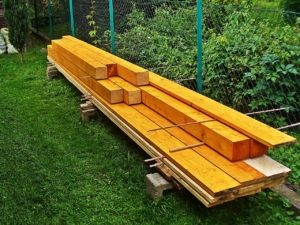
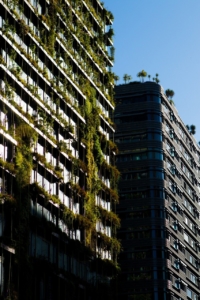


![Nigeria Beyond Oil: Mapping the Next $100bn Non-Oil Growth Engines Executive Summary Nigeria's economy is undergoing a historic transformation, with non-oil sectors now accounting for over 96% of GDP in 2025. As Africa's most populous nation charts a course toward economic resilience, the non-oil economy has emerged as the primary engine of growth, expanding by 3.91% in Q3 2025. With strategic investments and policy reforms, Nigeria is positioned to unlock $100 billion in value from agriculture, technology, manufacturing, services, and renewable energy sectors over the next decade. Understanding Economic Diversification Economic diversification is a fundamental concept driving Nigeria's transformation strategy. According to the United Nations Framework Convention on Climate Change (UNFCCC), economic diversification refers to "the process of shifting an economy away from a single income source toward multiple sources from a growing range of sectors and markets."[^1] This strategic approach reduces vulnerability to external shocks, creates employment opportunities, and establishes a more resilient economic foundation for sustainable growth. For Nigeria, diversification means moving beyond the volatility of oil-dependent revenues toward a balanced economy where agriculture, technology, manufacturing, and services contribute substantially to national wealth creation. Agriculture and Agribusiness – The $30 Billion Opportunity Introduction to Nigeria's Agricultural Transformation Agriculture remains the backbone of Nigeria's economy, employing nearly 70% of the population and contributing 31.21% to real GDP in Q3 2025. With government initiatives focused on mechanization, agri-tech solutions, and value chain development, the sector is poised to generate over $30 billion in additional value through increased productivity, reduced post-harvest losses, and expanded export markets. Current State and Recent Developments Agriculture expanded by 3.79% year-on-year in Q3 2025, driven mainly by crop production, which accounts for nearly two-thirds of the sector's nominal output. The sector has benefited from several transformative government programs: ● Anchor Borrowers' Programme: Providing credit facilities to smallholder farmers for agricultural inputs ● National Agricultural Technology Innovation Policy: Driving mechanized farming and precision agriculture ● Export Promotion Initiatives: Boosting exports of sesame seeds, cocoa, cashew nuts, and other commodities The Agri-Tech Revolution Between 2023 and 2025, Nigeria's agricultural technology sector attracted over $150 million in investments, with startups deploying innovative solutions including: ● Precision Farming Technologies: Companies like Zenvus use soil sensors, satellite data, and AI to optimize crop yields ● Digital Marketplaces: Platforms such as Farmcrowdy and AgroMall connect farmers directly with buyers, eliminating middlemen ● Fintech for Agriculture: Customized financing, mobile payments, and insurance products bridging the rural credit gap ● Supply Chain Solutions: Blockchain and data analytics improving farm-to-market logistics Growth Projections and Investment Opportunities With continued investment in irrigation, mechanization, cold chain logistics, and agro-processing facilities, the agricultural sector is projected to: ● Reduce post-harvest losses from current levels of 30-40% to below 15% ● Increase non-oil exports by capturing larger shares of global markets for cocoa, cashew, and specialty crops ● Create 5 million new jobs across the value chain by 2030 ● Contribute an additional $30 billion to GDP through productivity gains and value addition Technology and Digital Economy – The $25 Billion Frontier Introduction to Nigeria's Tech Ecosystem Nigeria has emerged as Africa's leading technology hub, often called the "Silicon Valley of Africa." Nigeria leads Africa's ICT market, contributing 82% of the continent's ICT value and 29% of its internet usage. The digital economy accounted for nearly 20% of GDP in Q2 2024, almost four times oil's contribution, positioning technology as a critical growth engine. Fintech Dominance and Expansion Nigeria's fintech sector represents one of the most successful diversification stories: ● Over 430 fintech companies operating as of February 2025, representing 28% of all African fintech companies ● Nigerian startups raised $520 million in 2024, with Moniepoint's $110 million Series C achieving unicorn status ● Digital payment solutions, mobile banking, and blockchain innovations driving financial inclusion ● Regulatory support from the Central Bank of Nigeria encouraging innovation Beyond Fintech: Emerging Tech Sectors While fintech dominates investment flows, other technology subsectors show tremendous potential: Information and Communication Technology (ICT) ● ICT posted 5.78% real growth with contribution rising to 9.10% of GDP ● Over 210 million active mobile subscribers and broadband penetration exceeding 40% ● 5G network expansion by MTN and MAFAB enhancing connectivity ● Government target of 90% broadband penetration by 2025 E-Commerce and Digital Services ● E-commerce market projected to reach $5 billion by 2025 ● Growing internet penetration driving online shopping adoption ● Logistics and last-mile delivery innovations supporting growth Emerging Technology Sectors Requiring Investment ● Agritech: Connecting technology to agricultural productivity ● Healthtech: Telemedicine, digital health records, and diagnostic innovations ● Edtech: Digital learning platforms addressing educational gaps ● Climate Tech: Renewable energy and environmental monitoring solutions Growth Projections Analysts project the digital economy to generate revenues up to $18.3 billion via fintech and AI, with the broader technology sector positioned to contribute $25 billion to economic growth through: ● Increased venture capital investment beyond fintech into deep tech ● Job creation for Nigeria's youthful population ● Export of technology services and products ● Enhanced productivity across all economic sectors Manufacturing and Industrial Development – The $20 Billion Challenge Introduction to Nigeria's Manufacturing Potential Manufacturing remains a critical yet underutilized pillar of economic diversification. Despite accounting for only 7.62% of GDP, the sector holds immense potential for value addition, job creation, and import substitution. Recent infrastructure investments and the operationalization of the Dangote Oil Refinery signal renewed momentum in industrial development. Current Manufacturing Landscape Manufacturing posted real growth of 1.25% in Q3 2025, driven by several factors: ● Dangote Oil Refinery Operations: Beginning in September 2024 with capacity to produce 650,000 barrels of refined petroleum products daily, significantly reducing import dependence ● Dangote Fertilizer Plant: Commissioned in May 2022 with capacity for 3 million tonnes annually, filling global supply gaps ● FX Stability: Improved foreign exchange liquidity supporting raw material imports ● Increased Domestic Refining: Reducing energy costs for manufacturers Key Manufacturing Subsectors Food, Beverage, and Tobacco ● Processing agricultural products for domestic consumption and export ● Value addition to raw materials reducing commodity dependence Chemical and Pharmaceutical Products ● Local production of essential medicines and industrial chemicals ● Import substitution reducing foreign exchange pressure Cement and Construction Materials ● Meeting infrastructure development demand ● Regional export opportunities Infrastructure and Policy Support Special Economic Zones (SEZs) ● Establishment of zones in various regions to facilitate trade and manufacturing ● Tax incentives and streamlined regulatory processes ● Enhanced export capacity and employment generation Infrastructure Investments ● Lagos-Ibadan railway and Second Niger Bridge improving connectivity ● Continuous highway upgrades reducing logistics costs ● Power sector reforms addressing electricity challenges Challenges and Solutions Power Supply Deficit ● Despite Electricity Act amendments decentralizing the market, transmission remains unresolved ● Stable and affordable power essential for manufacturing competitiveness ● Private sector participation and renewable energy integration needed High Production Costs ● Interest rates and borrowing costs limiting access to credit ● Need for targeted industrial financing schemes Growth Projections With sustained infrastructure development, power sector reforms, and targeted industrial policy, manufacturing can contribute $20 billion to GDP growth through: ● Import substitution in consumer goods and industrial products ● Export-oriented manufacturing leveraging AfCFTA market access ● Technology transfer and skills development ● Creation of 3 million manufacturing jobs by 2030 Services Sector – The $15 Billion Backbone Introduction to Nigeria's Services Economy The services sector is Nigeria's largest economic contributor, accounting for over 53% of real GDP. From telecommunications to financial services, real estate to hospitality, services drive employment and economic activity across urban and rural areas. Key Services Subsectors Financial and Insurance Services ● Financial and insurance services posted real growth of 19.63%, though contribution to GDP fell to 2.65% ● Banking sector expansion and insurance penetration growth ● Integration of technology improving service delivery Telecommunications and Information Services ● Telecommunications and information services posted a robust 7.40% expansion, accounting for 10.59% of overall output ● Mobile phone penetration and internet services driving growth ● Platform for broader digital economy development Real Estate ● Real estate nominal output surged 89.34%, with real growth at 3.50% ● Urbanization and middle-class expansion driving demand ● Commercial and residential property development opportunities Trade and Commerce ● Trade posted 1.98% real growth, accounting for 16.42% of GDP ● Retail expansion through malls and e-commerce platforms ● AfCFTA creating regional trade opportunities Tourism and Hospitality ● Expansion in local and international travel ● Cultural tourism and business travel growth potential ● Investment in hospitality infrastructure Growth Drivers Expanding Middle Class ● Urbanization, education, and job creation driving consumer demand ● Increased spending on goods, electronics, housing, and services ● Retail boom catering to growing consumer base Regional Trade Integration ● African Continental Free Trade Area (AfCFTA) access to 1.3 billion consumers ● Non-oil exports gaining access to larger African markets ● Improved border management and customs procedures Growth Projections The services sector is positioned to contribute $15 billion to economic growth through: ● Financial sector deepening and increased penetration ● Tourism development capitalizing on Nigeria's cultural assets ● Professional services export to West African region ● Transportation and logistics optimization ● Healthcare and education services expansion Renewable Energy and Natural Resources – The $10 Billion Green Future Introduction to Nigeria's Energy Transition As global environmental concerns intensify and power supply challenges persist, renewable energy presents both a necessity and an opportunity. With abundant solar resources, Nigeria is positioned to lead West Africa's energy transition while addressing domestic electricity deficits. Current Renewable Energy Landscape Solar Energy Growth ● Surge in solar adoption due to unreliable grid power supply ● Residential, commercial, and industrial solar installations expanding ● Government policies encouraging green energy investments ● Cost competitiveness improving with falling technology prices Renewable Energy Policies ● Government commitment to sustainable energy development ● Incentives for private sector investment in green technologies ● Integration of renewables into national energy mix Solid Minerals Development Nigeria's non-oil sectors, including solid minerals, are experiencing growth, with potential in: ● Lithium and Rare Earth Elements: Critical for global battery and technology manufacturing ● Gold and Other Precious Minerals: Export potential and artisanal mining formalization ● Industrial Minerals: Limestone, gypsum, and other construction materials Environmental Technology ● Climate Tech Innovations: Carbon capture, emissions monitoring, and environmental management ● Sustainable Agriculture: Technologies reducing environmental impact while increasing yields ● Waste-to-Energy: Converting organic and municipal waste into power Growth Projections The renewable energy and natural resources sector can contribute $10 billion through: ● Off-grid and mini-grid solar solutions powering 25 million households ● Large-scale solar and wind farms feeding into national grid ● Solid minerals exports generating foreign exchange ● Green technology manufacturing and assembly ● Environmental services and carbon credit trading Macroeconomic Foundations and Policy Environment Introduction to Economic Reforms Nigeria's non-oil growth potential is underpinned by significant macroeconomic reforms initiated since 2023. These policy changes have improved economic stability, attracted foreign investment, and created conditions for sustainable diversification. Recent Economic Performance GDP Growth Trajectory ● Nigeria's economy expanded by 3.9% year-on-year in the first half of 2025, up from 3.5% in the same period of 2024, driven by strong performance in services and non-oil industries ● The economy expanded by 3.98% in Q3 2025, with the non-oil sector contributing 96.6% to GDP ● Growth projected to accelerate to 4.2% in 2026 according to IMF forecasts External Position Strengthening ● Foreign reserves exceeding $42 billion with current account surplus rising to 6.1% of GDP, supported by higher non-oil exports ● Naira stabilization in the N1,440-N1,500/$ range ● Improved business confidence and foreign direct investment Fiscal Improvements ● Federal deficit projected at 2.6% of GDP in 2025 ● Public debt expected to decline from 42.9% to 39.8% of GDP ● Tax reforms enacted in June 2025 enhancing non-oil revenue generation Inflation and Monetary Policy Inflation Moderation ● Inflation eased to 21.9% in July 2025, supported by foreign exchange stability and targeted CBN interventions ● Projections for 2026 indicate further decline to around 14% by year-end ● Food inflation remains elevated, requiring continued policy attention Monetary Policy Stance ● Central Bank maintaining disciplined approach to price stability ● Interest rates remain elevated to anchor inflation expectations ● Gradual easing expected as inflation sustainably declines Structural Reforms Fuel Subsidy Removal ● Elimination of petrol subsidies freeing fiscal resources ● Redirecting funds to infrastructure and social programs ● Social protection programs mitigating impact on vulnerable populations Foreign Exchange Reforms ● Unified exchange rate system improving transparency ● Elimination of multiple exchange rate windows ● Enhanced FX liquidity and reduced arbitrage opportunities Tax Reforms ● Four landmark tax reforms enacted in June 2025 ● Streamlining tax administration and compliance ● Expanding tax base beyond oil revenues ● Improving ease of doing business Investment Climate Foreign Direct Investment ● Capital importation rose 67.1% to $5.64 billion in Q1 2025 ● Shift toward non-oil sectors including telecommunications, manufacturing, and services ● Opportunities for long-term investors in infrastructure and industry Business Environment Improvements ● Tinubu Administration prioritizing business climate reforms ● Reduction in bureaucratic bottlenecks ● Enhanced protection for investors Challenges and Risk Factors Introduction to Implementation Challenges While Nigeria's diversification potential is substantial, several challenges must be addressed to realize the $100 billion opportunity across non-oil sectors. Security Challenges ● Ongoing issues with banditry, insurgency, and communal conflicts ● Impact on agricultural productivity in key food-producing states ● Need for enhanced security coordination and conflict resolution Infrastructure Deficits Power Supply ● Inadequate and unreliable electricity generation and distribution ● Transmission infrastructure requiring major investment ● Critical bottleneck for manufacturing and industrial growth Transportation ● Road network quality affecting logistics costs ● Port congestion and clearance procedures ● Last-mile connectivity challenges in rural areas Social Challenges Poverty and Inequality ● Many households continue to face hardship, with poverty and food insecurity remaining high ● 109 million citizens below poverty line as of 2023 ● Need for inclusive growth policies and social protection expansion Food Inflation ● Poor households spend up to 70% of income on food, with basic food basket costs rising fivefold between 2019 and 2024 ● Addressing supply chain bottlenecks and trade barriers essential ● Agricultural productivity improvements critical Fiscal and Debt Sustainability ● Rising debt service obligations exceeding N15 trillion in 2026 budget ● Need for improved revenue generation and fiscal discipline ● Balancing growth investments with debt management External Risks ● Oil price volatility affecting government revenues ● Global economic slowdowns impacting export demand ● Exchange rate pressures from external shocks Strategic Recommendations and Action Plan Introduction to Strategic Priorities Unlocking the $100 billion non-oil growth opportunity requires coordinated action across government, private sector, and development partners. The following recommendations provide a roadmap for accelerated diversification. Priority 1: Infrastructure Development Power Sector Transformation ● Accelerate private sector participation in generation and distribution ● Resolve transmission infrastructure bottlenecks through targeted investment ● Integrate renewable energy into national grid ● Develop off-grid solutions for rural areas Transportation and Connectivity ● Complete ongoing railway and road projects ● Modernize port operations and reduce clearance times ● Develop industrial clusters with dedicated infrastructure ● Enhance digital connectivity through broadband expansion Priority 2: Human Capital Development Skills Training and Education ● Align educational curricula with industry needs ● Expand technical and vocational training programs ● Support technology education and digital literacy ● Encourage private sector involvement in skills development Healthcare Investment ● Improve healthcare access and quality ● Address malnutrition and food security ● Reduce maternal and child mortality ● Build resilient public health systems Priority 3: Enabling Business Environment Regulatory Reforms ● Streamline business registration and licensing ● Reduce regulatory compliance costs ● Ensure policy consistency and predictability ● Strengthen intellectual property protection Access to Finance ● Develop targeted financing schemes for SMEs and manufacturers ● Encourage long-term capital formation ● Promote alternative financing through capital markets ● Support fintech innovations in credit delivery Priority 4: Sector-Specific Interventions Agriculture ● Scale up mechanization and irrigation infrastructure ● Strengthen extension services and farmer training ● Develop commodity value chains and agro-processing zones ● Facilitate market access and export promotion Technology ● Create sector-specific sandboxes for innovation ● Establish deep tech fund with long-term investment horizon ● Support startup ecosystem beyond fintech ● Attract global technology companies and talent Manufacturing ● Implement industrial policy favoring strategic sectors ● Ensure Special Economic Zones are fully functional ● Provide infrastructure and utilities at competitive rates ● Facilitate technology transfer and partnerships Services ● Develop tourism infrastructure and marketing ● Enhance financial sector regulation and supervision ● Support professional services export through trade agreements ● Improve healthcare and education service delivery Renewable Energy ● Set ambitious renewable energy targets ● Provide incentives for private investment ● Streamline project approval processes ● Develop local manufacturing capacity for renewable technology Priority 5: Social Protection and Inclusion Safety Nets ● Expand social protection programs targeting vulnerable populations ● Implement conditional cash transfer schemes ● Support food security initiatives ● Ensure reforms benefit all citizens Geographic Inclusion ● Target investments in underserved regions ● Support rural economic development ● Address regional disparities in infrastructure and services ● Promote balanced development across states Priority 6: Governance and Institutions Anti-Corruption Measures ● Strengthen transparency and accountability systems ● Enhance procurement processes and oversight ● Support whistleblower protection ● Prosecute corruption vigorously Data and Monitoring ● Improve economic statistics and data collection ● Establish performance monitoring frameworks ● Use technology for real-time economic tracking ● Support evidence-based policymaking Conclusion: Nigeria's $100 Billion Vision Nigeria stands at a pivotal moment in its economic journey. The non-oil economy has demonstrated resilience and growth potential, expanding consistently even amid challenging global conditions. With agriculture contributing over 31% of GDP, technology sectors driving innovation, manufacturing gradually reviving, and services accounting for more than half of economic output, the foundations for sustainable diversification are firmly established. The $100 billion opportunity across non-oil sectors is not merely aspirational it is achievable through sustained policy commitment, strategic investments, and coordinated implementation. As the World Bank Country Director noted, "The Nigerian government has taken bold steps to stabilize the economy, but macroeconomic stability alone is not enough. The true measure of success will be how these reforms improve the daily lives of Nigerians". Success requires addressing infrastructure deficits, particularly in power and transportation, investing in human capital, maintaining macroeconomic stability, ensuring inclusive growth that reaches all citizens, and sustaining reform momentum despite short-term challenges. The path forward demands patience, persistence, and partnership between government, private sector, and civil society. With a population exceeding 220 million, a youthful demographic profile, abundant natural resources, growing regional integration through AfCFTA, and improving business environment, Nigeria possesses the fundamental ingredients for transformative growth. The next decade will determine whether Africa's most populous nation fully realizes its potential as a diversified, resilient, and prosperous economy capable of delivering shared prosperity to all its citizens. References United Nations Framework Convention on Climate Change (UNFCCC). "Economic Diversification." Available at: https://unfccc.int/topics/resilience/resources/economic-diversification Additional Sources: ● World Bank Nigeria Development Update, October 2025 ● National Bureau of Statistics GDP Reports Q1-Q3 2025 ● International Monetary Fund Nigeria Economic Outlook 2025 ● PwC Nigeria Economic Outlook Reports ● African Development Bank Nigeria Economic Outlook ● Trading Economics Nigeria Data Series ● Various Nigerian financial and economic publications (2024-2025) Call to Action Partner with Matthew Ogagavworia & Co. for Strategic Economic Intelligence At Matthew Ogagavworia & Co., we provide cutting-edge economic analysis, market intelligence, and strategic advisory services to help investors, businesses, and policymakers navigate Nigeria's evolving economic landscape. Our research covers: ● Sector-Specific Investment Analysis: Deep dives into agriculture, technology, manufacturing, and services opportunities ● Market Entry Strategies: Comprehensive guidance for foreign investors exploring Nigerian markets ● Economic Forecasting: Data-driven projections on macroeconomic trends and policy impacts ● Risk Assessment: Thorough evaluation of political, economic, and operational risks ● Custom Research: Tailored studies addressing your specific information needs Contact Us Today](https://mocaccountants.com/wp-content/plugins/contextual-related-posts/default.png "Nigeria Beyond Oil: Mapping the Next $100bn Non-Oil Growth Engines Executive Summary Nigeria's economy is undergoing a historic transformation, with non-oil sectors now accounting for over 96% of GDP in 2025. As Africa's most populous nation charts a course toward economic resilience, the non-oil economy has emerged as the primary engine of growth, expanding by 3.91% in Q3 2025. With strategic investments and policy reforms, Nigeria is positioned to unlock $100 billion in value from agriculture, technology, manufacturing, services, and renewable energy sectors over the next decade. Understanding Economic Diversification Economic diversification is a fundamental concept driving Nigeria's transformation strategy. According to the United Nations Framework Convention on Climate Change (UNFCCC), economic diversification refers to \"the process of shifting an economy away from a single income source toward multiple sources from a growing range of sectors and markets.\"[^1] This strategic approach reduces vulnerability to external shocks, creates employment opportunities, and establishes a more resilient economic foundation for sustainable growth. For Nigeria, diversification means moving beyond the volatility of oil-dependent revenues toward a balanced economy where agriculture, technology, manufacturing, and services contribute substantially to national wealth creation. Agriculture and Agribusiness – The $30 Billion Opportunity Introduction to Nigeria's Agricultural Transformation Agriculture remains the backbone of Nigeria's economy, employing nearly 70% of the population and contributing 31.21% to real GDP in Q3 2025. With government initiatives focused on mechanization, agri-tech solutions, and value chain development, the sector is poised to generate over $30 billion in additional value through increased productivity, reduced post-harvest losses, and expanded export markets. Current State and Recent Developments Agriculture expanded by 3.79% year-on-year in Q3 2025, driven mainly by crop production, which accounts for nearly two-thirds of the sector's nominal output. The sector has benefited from several transformative government programs: ● Anchor Borrowers' Programme: Providing credit facilities to smallholder farmers for agricultural inputs ● National Agricultural Technology Innovation Policy: Driving mechanized farming and precision agriculture ● Export Promotion Initiatives: Boosting exports of sesame seeds, cocoa, cashew nuts, and other commodities The Agri-Tech Revolution Between 2023 and 2025, Nigeria's agricultural technology sector attracted over $150 million in investments, with startups deploying innovative solutions including: ● Precision Farming Technologies: Companies like Zenvus use soil sensors, satellite data, and AI to optimize crop yields ● Digital Marketplaces: Platforms such as Farmcrowdy and AgroMall connect farmers directly with buyers, eliminating middlemen ● Fintech for Agriculture: Customized financing, mobile payments, and insurance products bridging the rural credit gap ● Supply Chain Solutions: Blockchain and data analytics improving farm-to-market logistics Growth Projections and Investment Opportunities With continued investment in irrigation, mechanization, cold chain logistics, and agro-processing facilities, the agricultural sector is projected to: ● Reduce post-harvest losses from current levels of 30-40% to below 15% ● Increase non-oil exports by capturing larger shares of global markets for cocoa, cashew, and specialty crops ● Create 5 million new jobs across the value chain by 2030 ● Contribute an additional $30 billion to GDP through productivity gains and value addition Technology and Digital Economy – The $25 Billion Frontier Introduction to Nigeria's Tech Ecosystem Nigeria has emerged as Africa's leading technology hub, often called the \"Silicon Valley of Africa.\" Nigeria leads Africa's ICT market, contributing 82% of the continent's ICT value and 29% of its internet usage. The digital economy accounted for nearly 20% of GDP in Q2 2024, almost four times oil's contribution, positioning technology as a critical growth engine. Fintech Dominance and Expansion Nigeria's fintech sector represents one of the most successful diversification stories: ● Over 430 fintech companies operating as of February 2025, representing 28% of all African fintech companies ● Nigerian startups raised $520 million in 2024, with Moniepoint's $110 million Series C achieving unicorn status ● Digital payment solutions, mobile banking, and blockchain innovations driving financial inclusion ● Regulatory support from the Central Bank of Nigeria encouraging innovation Beyond Fintech: Emerging Tech Sectors While fintech dominates investment flows, other technology subsectors show tremendous potential: Information and Communication Technology (ICT) ● ICT posted 5.78% real growth with contribution rising to 9.10% of GDP ● Over 210 million active mobile subscribers and broadband penetration exceeding 40% ● 5G network expansion by MTN and MAFAB enhancing connectivity ● Government target of 90% broadband penetration by 2025 E-Commerce and Digital Services ● E-commerce market projected to reach $5 billion by 2025 ● Growing internet penetration driving online shopping adoption ● Logistics and last-mile delivery innovations supporting growth Emerging Technology Sectors Requiring Investment ● Agritech: Connecting technology to agricultural productivity ● Healthtech: Telemedicine, digital health records, and diagnostic innovations ● Edtech: Digital learning platforms addressing educational gaps ● Climate Tech: Renewable energy and environmental monitoring solutions Growth Projections Analysts project the digital economy to generate revenues up to $18.3 billion via fintech and AI, with the broader technology sector positioned to contribute $25 billion to economic growth through: ● Increased venture capital investment beyond fintech into deep tech ● Job creation for Nigeria's youthful population ● Export of technology services and products ● Enhanced productivity across all economic sectors Manufacturing and Industrial Development – The $20 Billion Challenge Introduction to Nigeria's Manufacturing Potential Manufacturing remains a critical yet underutilized pillar of economic diversification. Despite accounting for only 7.62% of GDP, the sector holds immense potential for value addition, job creation, and import substitution. Recent infrastructure investments and the operationalization of the Dangote Oil Refinery signal renewed momentum in industrial development. Current Manufacturing Landscape Manufacturing posted real growth of 1.25% in Q3 2025, driven by several factors: ● Dangote Oil Refinery Operations: Beginning in September 2024 with capacity to produce 650,000 barrels of refined petroleum products daily, significantly reducing import dependence ● Dangote Fertilizer Plant: Commissioned in May 2022 with capacity for 3 million tonnes annually, filling global supply gaps ● FX Stability: Improved foreign exchange liquidity supporting raw material imports ● Increased Domestic Refining: Reducing energy costs for manufacturers Key Manufacturing Subsectors Food, Beverage, and Tobacco ● Processing agricultural products for domestic consumption and export ● Value addition to raw materials reducing commodity dependence Chemical and Pharmaceutical Products ● Local production of essential medicines and industrial chemicals ● Import substitution reducing foreign exchange pressure Cement and Construction Materials ● Meeting infrastructure development demand ● Regional export opportunities Infrastructure and Policy Support Special Economic Zones (SEZs) ● Establishment of zones in various regions to facilitate trade and manufacturing ● Tax incentives and streamlined regulatory processes ● Enhanced export capacity and employment generation Infrastructure Investments ● Lagos-Ibadan railway and Second Niger Bridge improving connectivity ● Continuous highway upgrades reducing logistics costs ● Power sector reforms addressing electricity challenges Challenges and Solutions Power Supply Deficit ● Despite Electricity Act amendments decentralizing the market, transmission remains unresolved ● Stable and affordable power essential for manufacturing competitiveness ● Private sector participation and renewable energy integration needed High Production Costs ● Interest rates and borrowing costs limiting access to credit ● Need for targeted industrial financing schemes Growth Projections With sustained infrastructure development, power sector reforms, and targeted industrial policy, manufacturing can contribute $20 billion to GDP growth through: ● Import substitution in consumer goods and industrial products ● Export-oriented manufacturing leveraging AfCFTA market access ● Technology transfer and skills development ● Creation of 3 million manufacturing jobs by 2030 Services Sector – The $15 Billion Backbone Introduction to Nigeria's Services Economy The services sector is Nigeria's largest economic contributor, accounting for over 53% of real GDP. From telecommunications to financial services, real estate to hospitality, services drive employment and economic activity across urban and rural areas. Key Services Subsectors Financial and Insurance Services ● Financial and insurance services posted real growth of 19.63%, though contribution to GDP fell to 2.65% ● Banking sector expansion and insurance penetration growth ● Integration of technology improving service delivery Telecommunications and Information Services ● Telecommunications and information services posted a robust 7.40% expansion, accounting for 10.59% of overall output ● Mobile phone penetration and internet services driving growth ● Platform for broader digital economy development Real Estate ● Real estate nominal output surged 89.34%, with real growth at 3.50% ● Urbanization and middle-class expansion driving demand ● Commercial and residential property development opportunities Trade and Commerce ● Trade posted 1.98% real growth, accounting for 16.42% of GDP ● Retail expansion through malls and e-commerce platforms ● AfCFTA creating regional trade opportunities Tourism and Hospitality ● Expansion in local and international travel ● Cultural tourism and business travel growth potential ● Investment in hospitality infrastructure Growth Drivers Expanding Middle Class ● Urbanization, education, and job creation driving consumer demand ● Increased spending on goods, electronics, housing, and services ● Retail boom catering to growing consumer base Regional Trade Integration ● African Continental Free Trade Area (AfCFTA) access to 1.3 billion consumers ● Non-oil exports gaining access to larger African markets ● Improved border management and customs procedures Growth Projections The services sector is positioned to contribute $15 billion to economic growth through: ● Financial sector deepening and increased penetration ● Tourism development capitalizing on Nigeria's cultural assets ● Professional services export to West African region ● Transportation and logistics optimization ● Healthcare and education services expansion Renewable Energy and Natural Resources – The $10 Billion Green Future Introduction to Nigeria's Energy Transition As global environmental concerns intensify and power supply challenges persist, renewable energy presents both a necessity and an opportunity. With abundant solar resources, Nigeria is positioned to lead West Africa's energy transition while addressing domestic electricity deficits. Current Renewable Energy Landscape Solar Energy Growth ● Surge in solar adoption due to unreliable grid power supply ● Residential, commercial, and industrial solar installations expanding ● Government policies encouraging green energy investments ● Cost competitiveness improving with falling technology prices Renewable Energy Policies ● Government commitment to sustainable energy development ● Incentives for private sector investment in green technologies ● Integration of renewables into national energy mix Solid Minerals Development Nigeria's non-oil sectors, including solid minerals, are experiencing growth, with potential in: ● Lithium and Rare Earth Elements: Critical for global battery and technology manufacturing ● Gold and Other Precious Minerals: Export potential and artisanal mining formalization ● Industrial Minerals: Limestone, gypsum, and other construction materials Environmental Technology ● Climate Tech Innovations: Carbon capture, emissions monitoring, and environmental management ● Sustainable Agriculture: Technologies reducing environmental impact while increasing yields ● Waste-to-Energy: Converting organic and municipal waste into power Growth Projections The renewable energy and natural resources sector can contribute $10 billion through: ● Off-grid and mini-grid solar solutions powering 25 million households ● Large-scale solar and wind farms feeding into national grid ● Solid minerals exports generating foreign exchange ● Green technology manufacturing and assembly ● Environmental services and carbon credit trading Macroeconomic Foundations and Policy Environment Introduction to Economic Reforms Nigeria's non-oil growth potential is underpinned by significant macroeconomic reforms initiated since 2023. These policy changes have improved economic stability, attracted foreign investment, and created conditions for sustainable diversification. Recent Economic Performance GDP Growth Trajectory ● Nigeria's economy expanded by 3.9% year-on-year in the first half of 2025, up from 3.5% in the same period of 2024, driven by strong performance in services and non-oil industries ● The economy expanded by 3.98% in Q3 2025, with the non-oil sector contributing 96.6% to GDP ● Growth projected to accelerate to 4.2% in 2026 according to IMF forecasts External Position Strengthening ● Foreign reserves exceeding $42 billion with current account surplus rising to 6.1% of GDP, supported by higher non-oil exports ● Naira stabilization in the N1,440-N1,500/$ range ● Improved business confidence and foreign direct investment Fiscal Improvements ● Federal deficit projected at 2.6% of GDP in 2025 ● Public debt expected to decline from 42.9% to 39.8% of GDP ● Tax reforms enacted in June 2025 enhancing non-oil revenue generation Inflation and Monetary Policy Inflation Moderation ● Inflation eased to 21.9% in July 2025, supported by foreign exchange stability and targeted CBN interventions ● Projections for 2026 indicate further decline to around 14% by year-end ● Food inflation remains elevated, requiring continued policy attention Monetary Policy Stance ● Central Bank maintaining disciplined approach to price stability ● Interest rates remain elevated to anchor inflation expectations ● Gradual easing expected as inflation sustainably declines Structural Reforms Fuel Subsidy Removal ● Elimination of petrol subsidies freeing fiscal resources ● Redirecting funds to infrastructure and social programs ● Social protection programs mitigating impact on vulnerable populations Foreign Exchange Reforms ● Unified exchange rate system improving transparency ● Elimination of multiple exchange rate windows ● Enhanced FX liquidity and reduced arbitrage opportunities Tax Reforms ● Four landmark tax reforms enacted in June 2025 ● Streamlining tax administration and compliance ● Expanding tax base beyond oil revenues ● Improving ease of doing business Investment Climate Foreign Direct Investment ● Capital importation rose 67.1% to $5.64 billion in Q1 2025 ● Shift toward non-oil sectors including telecommunications, manufacturing, and services ● Opportunities for long-term investors in infrastructure and industry Business Environment Improvements ● Tinubu Administration prioritizing business climate reforms ● Reduction in bureaucratic bottlenecks ● Enhanced protection for investors Challenges and Risk Factors Introduction to Implementation Challenges While Nigeria's diversification potential is substantial, several challenges must be addressed to realize the $100 billion opportunity across non-oil sectors. Security Challenges ● Ongoing issues with banditry, insurgency, and communal conflicts ● Impact on agricultural productivity in key food-producing states ● Need for enhanced security coordination and conflict resolution Infrastructure Deficits Power Supply ● Inadequate and unreliable electricity generation and distribution ● Transmission infrastructure requiring major investment ● Critical bottleneck for manufacturing and industrial growth Transportation ● Road network quality affecting logistics costs ● Port congestion and clearance procedures ● Last-mile connectivity challenges in rural areas Social Challenges Poverty and Inequality ● Many households continue to face hardship, with poverty and food insecurity remaining high ● 109 million citizens below poverty line as of 2023 ● Need for inclusive growth policies and social protection expansion Food Inflation ● Poor households spend up to 70% of income on food, with basic food basket costs rising fivefold between 2019 and 2024 ● Addressing supply chain bottlenecks and trade barriers essential ● Agricultural productivity improvements critical Fiscal and Debt Sustainability ● Rising debt service obligations exceeding N15 trillion in 2026 budget ● Need for improved revenue generation and fiscal discipline ● Balancing growth investments with debt management External Risks ● Oil price volatility affecting government revenues ● Global economic slowdowns impacting export demand ● Exchange rate pressures from external shocks Strategic Recommendations and Action Plan Introduction to Strategic Priorities Unlocking the $100 billion non-oil growth opportunity requires coordinated action across government, private sector, and development partners. The following recommendations provide a roadmap for accelerated diversification. Priority 1: Infrastructure Development Power Sector Transformation ● Accelerate private sector participation in generation and distribution ● Resolve transmission infrastructure bottlenecks through targeted investment ● Integrate renewable energy into national grid ● Develop off-grid solutions for rural areas Transportation and Connectivity ● Complete ongoing railway and road projects ● Modernize port operations and reduce clearance times ● Develop industrial clusters with dedicated infrastructure ● Enhance digital connectivity through broadband expansion Priority 2: Human Capital Development Skills Training and Education ● Align educational curricula with industry needs ● Expand technical and vocational training programs ● Support technology education and digital literacy ● Encourage private sector involvement in skills development Healthcare Investment ● Improve healthcare access and quality ● Address malnutrition and food security ● Reduce maternal and child mortality ● Build resilient public health systems Priority 3: Enabling Business Environment Regulatory Reforms ● Streamline business registration and licensing ● Reduce regulatory compliance costs ● Ensure policy consistency and predictability ● Strengthen intellectual property protection Access to Finance ● Develop targeted financing schemes for SMEs and manufacturers ● Encourage long-term capital formation ● Promote alternative financing through capital markets ● Support fintech innovations in credit delivery Priority 4: Sector-Specific Interventions Agriculture ● Scale up mechanization and irrigation infrastructure ● Strengthen extension services and farmer training ● Develop commodity value chains and agro-processing zones ● Facilitate market access and export promotion Technology ● Create sector-specific sandboxes for innovation ● Establish deep tech fund with long-term investment horizon ● Support startup ecosystem beyond fintech ● Attract global technology companies and talent Manufacturing ● Implement industrial policy favoring strategic sectors ● Ensure Special Economic Zones are fully functional ● Provide infrastructure and utilities at competitive rates ● Facilitate technology transfer and partnerships Services ● Develop tourism infrastructure and marketing ● Enhance financial sector regulation and supervision ● Support professional services export through trade agreements ● Improve healthcare and education service delivery Renewable Energy ● Set ambitious renewable energy targets ● Provide incentives for private investment ● Streamline project approval processes ● Develop local manufacturing capacity for renewable technology Priority 5: Social Protection and Inclusion Safety Nets ● Expand social protection programs targeting vulnerable populations ● Implement conditional cash transfer schemes ● Support food security initiatives ● Ensure reforms benefit all citizens Geographic Inclusion ● Target investments in underserved regions ● Support rural economic development ● Address regional disparities in infrastructure and services ● Promote balanced development across states Priority 6: Governance and Institutions Anti-Corruption Measures ● Strengthen transparency and accountability systems ● Enhance procurement processes and oversight ● Support whistleblower protection ● Prosecute corruption vigorously Data and Monitoring ● Improve economic statistics and data collection ● Establish performance monitoring frameworks ● Use technology for real-time economic tracking ● Support evidence-based policymaking Conclusion: Nigeria's $100 Billion Vision Nigeria stands at a pivotal moment in its economic journey. The non-oil economy has demonstrated resilience and growth potential, expanding consistently even amid challenging global conditions. With agriculture contributing over 31% of GDP, technology sectors driving innovation, manufacturing gradually reviving, and services accounting for more than half of economic output, the foundations for sustainable diversification are firmly established. The $100 billion opportunity across non-oil sectors is not merely aspirational it is achievable through sustained policy commitment, strategic investments, and coordinated implementation. As the World Bank Country Director noted, \"The Nigerian government has taken bold steps to stabilize the economy, but macroeconomic stability alone is not enough. The true measure of success will be how these reforms improve the daily lives of Nigerians\". Success requires addressing infrastructure deficits, particularly in power and transportation, investing in human capital, maintaining macroeconomic stability, ensuring inclusive growth that reaches all citizens, and sustaining reform momentum despite short-term challenges. The path forward demands patience, persistence, and partnership between government, private sector, and civil society. With a population exceeding 220 million, a youthful demographic profile, abundant natural resources, growing regional integration through AfCFTA, and improving business environment, Nigeria possesses the fundamental ingredients for transformative growth. The next decade will determine whether Africa's most populous nation fully realizes its potential as a diversified, resilient, and prosperous economy capable of delivering shared prosperity to all its citizens. References United Nations Framework Convention on Climate Change (UNFCCC). \"Economic Diversification.\" Available at: https://unfccc.int/topics/resilience/resources/economic-diversification Additional Sources: ● World Bank Nigeria Development Update, October 2025 ● National Bureau of Statistics GDP Reports Q1-Q3 2025 ● International Monetary Fund Nigeria Economic Outlook 2025 ● PwC Nigeria Economic Outlook Reports ● African Development Bank Nigeria Economic Outlook ● Trading Economics Nigeria Data Series ● Various Nigerian financial and economic publications (2024-2025) Call to Action Partner with Matthew Ogagavworia & Co. for Strategic Economic Intelligence At Matthew Ogagavworia & Co., we provide cutting-edge economic analysis, market intelligence, and strategic advisory services to help investors, businesses, and policymakers navigate Nigeria's evolving economic landscape. Our research covers: ● Sector-Specific Investment Analysis: Deep dives into agriculture, technology, manufacturing, and services opportunities ● Market Entry Strategies: Comprehensive guidance for foreign investors exploring Nigerian markets ● Economic Forecasting: Data-driven projections on macroeconomic trends and policy impacts ● Risk Assessment: Thorough evaluation of political, economic, and operational risks ● Custom Research: Tailored studies addressing your specific information needs Contact Us Today")
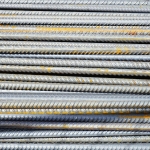



There are no comments