Step-by-Step Guide to Setting Up a Mini Rebar Steel Rolling Mill in Nigeria
Introduction
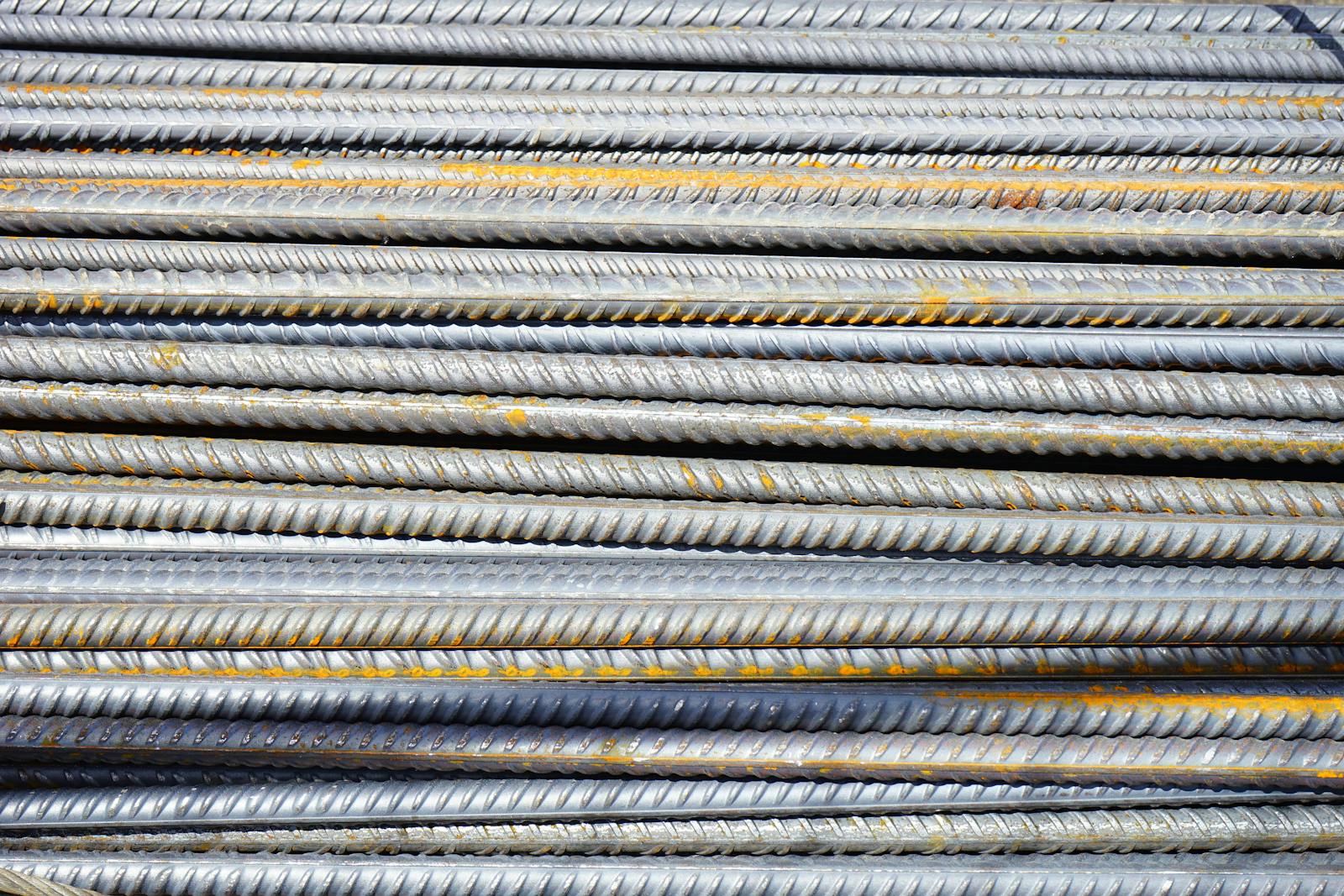
Across towns and cities, construction sites are active with the development of housing estates, roads, bridges, schools, and commercial structures. At the centre of this growth is a key material that keeps everything standing; rebar, also known as reinforcement steel rods. These rods are used to strengthen concrete and provide the backbone for solid structures. However, despite the scale of construction across the country, most of the steel reinforcement used is either imported or produced by a handful of large companies operating at near full capacity.
This imbalance between rising demand and limited local supply presents a strong opportunity for new entrants. Builders, contractors, and hardware suppliers continue to seek steady sources of high-quality rebar. When local supply falls short or prices become unstable, projects are delayed, and costs increase. This is why setting up a mini rebar steel rolling mill has become one of the most strategic ways to enter the Nigerian industrial market.
At Business Cardinal, we work closely with industrial entrepreneurs and investors across Nigeria. Our team has helped companies develop bankable business plans, secure licenses, raise capital, and set up compliant and efficient operations. Our experience spans steel, manufacturing, infrastructure, and investment advisory. Because of this, we understand the real issues investors face; land acquisition, regulatory delays, sourcing the right machines, finding reliable material suppliers, and setting realistic cost structures.
This guide provides a complete and direct breakdown of how to legally and successfully set up a mini rebar steel rolling mill in Nigeria. It explains the types of mills available and what makes each one suitable. It walks through the demand and supply gap, helps estimate capital requirements, outlines government laws and permits, and explains how to choose a good location. It also highlights how to get the right materials, how to structure your power supply, and how to recruit staff with the right technical experience. You will also find a clear process for calculating startup cost, choosing your product capacity, selecting equipment, and raising funds using different options available in the Nigerian market.
Semi-Integrated Mill (Billet Casting with Rolling Line)
This setup includes billet casting from either scrap or sponge iron, followed by rolling.
Primary Products:
Rebars from in-house cast billets
Industrial Billets for sale to other mills
Structural Steel Sections (optional with design flexibility)
Typical Use Cases:
Large distributors with internal supply chain
OEMs and manufacturers needing flexible steel shapes
Markets requiring both billet and rebar supply
Choosing your Niche
At Business Cardinal, we understand that starting a mini rebar steel rolling mill is a serious investment. The key to avoiding costly mistakes is to choose the right setup and a clear product niche from the beginning. Many investors try to set up too much at once, or they go into production without understanding which product the market truly needs.
Our Advisory
We advise our clients to make two early decisions:
What Type of Mill Should You Set Up?
There are two main types:
Billet-to-Rebar Mini Mill
This is the simplest and most practical starting point. It does not involve melting scrap. You only reheat and roll steel billets into rebars.
We advise most first-time investors to start here.
Why?
It requires less power
It has lower technical risk
It is faster to install
It reduces environmental and regulatory complications
It costs less than a scrap-melting setup
What Product Niche Should You Focus On?
Once you decide your plant type, the next step is to choose what size(s) of rebar to produce. Not all rebar sizes move the same way in the market.
Our recommendation: Start with 8mm – 16mm TMT Rebars
These are the most demanded sizes by:
Building contractors
Hardware dealers
Government projects
Road and bridge engineers
Why this niche works:
Steady market demand
Easy to produce on basic rolling lines
Faster turnover
Lower wastage
Easier quality control
We are here to help you choose right, plan right, and start right. Let us guide you through each step.
Demand and Supply Gap in Nigeria
Rebars are needed in nearly every project. But while demand continues to rise, local supply is still unable to meet it fully.
Nigeria needs an estimated 7 to 10 million metric tonnes of steel annually, based on construction trends and industrial development. Rebars make up a significant portion of that total. The local steel sector, however, produces far less. This creates a clear supply gap that local mini mills can fill. What this Means for Investors
Mini rebar mills offer the chance to serve untapped markets, especially in states where local construction is active but steel supply is unreliable.
Even a small plant producing 30 to 100 tonnes per day can build a strong customer base if located near its target market.
Cost of Setting Up the Business
Setting up a mini rebar steel rolling mill in Nigeria is a capital-intensive project. At Business Cardinal, we advise our clients to treat cost planning as one of the most critical parts of the business.
Below is a breakdown of the major cost areas involved in setting up a small to medium-scale rebar mill, along with explanations to help you plan effectively.
Land and Civil Construction
In most cases, you will need between one to three acres of land. If you are setting up in an industrial zone, you may pay a premium, but the benefit is access to power, roads, and fewer regulatory delays. If the land is in a non-industrial area, you must factor in the cost of approvals and possible land-use conversion.
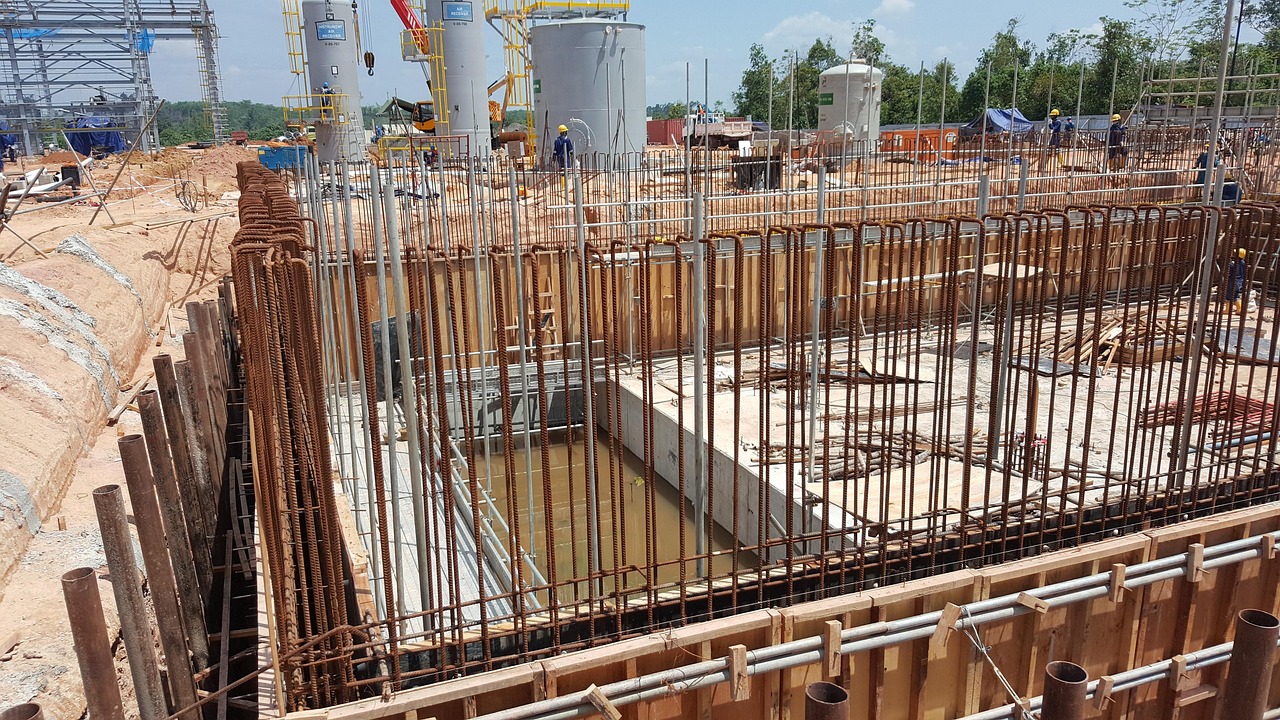
After securing the land, civil construction follows. This includes the factory building, equipment foundation, fencing, drainage, access roads, power house, and other concrete works.
Machinery and Equipment
A typical billet-to-rebar line will require:
A reheating furnace
Rolling mill stands (roughing, intermediate, and finishing)
Shears and cutting machines
Quenching and cooling systems
Cooling bed
Control and automation panel
Overhead crane
Bundling equipment
Spare parts and installation tools
Power Infrastructure
The average mini rebar mill needs 1 megawatt (MW) to 5 MW depending on its capacity and whether a melting furnace is involved. If you are connected to the national grid, you must still plan for backup sources due to power instability.
Licensing and Compliance
Regulatory compliance is a major part of setting up this kind of business. Without the required permits, your operation will be delayed or sanctioned.
Staff Recruitment and Training
Steel production involves high temperatures, industrial machinery, and safety risks, so you must hire the right people and train them properly.
Working Capital
Working capital covers Raw materials (steel billets or scrap metal), Spare parts and consumables, Diesel or gas for power generation, Water supply and treatment, Packaging materials (e.g., wire straps for bundling rebars), Transport and logistics for delivery, Routine maintenance and staff salaries
It is advisable to keep at least three to six months of working capital available. This allows your plant to operate continuously while sales and collections are stabilizing.
Estimated Total Setup Cost (Small to Medium Scale)
Based on our experience with similar projects in Nigeria, the estimated total setup cost for a small to medium-sized billet-to-rebar mini rolling mill ranges from:
₦500 million to ₦1.2 billion, depending on:
Daily production capacity (30–100 tonnes per day)
Local/imported machines
Location (land cost and infrastructure)
Power configuration (diesel vs gas)
Inclusion or exclusion of melting section
At Business Cardinal, we work with clients to prepare full cost models, get real equipment quotes, plan funding schedules, and avoid hidden expenses.
How to Arrive at Your Setup Cost
Arriving at an accurate setup cost requires a step-by-step approach that takes all major components into account and connects them into a practical and realistic budget. Below is how to approach this process in a clear and organised way.
Capacity Selection (Tons per Day)
The first step in estimating your setup cost is choosing your daily production target. This is typically measured in tons per day (TPD) of finished rebar.
Local or Imported Equipment
Once you determine capacity, the next cost driver is your choice of equipment; whether to go with locally fabricated machines, imported used machines, or brand-new imported equipment.
Land Size and Location
The size of land needed depends on the plant layout, raw material storage space, office area, machine configuration, and future expansion plans.
Electricity Requirement Estimation
A simple billet-to-rebar line may require between 800 kW and 1.5 MW.
Sourcing Quotes for Machinery and Installation
These quotes should be itemised to include:
Main equipment cost (rolling line, furnace, shear, cooling system)
Control systems and automation
Freight and insurance
Customs duty and clearance costs
Installation and commissioning
Local fabrication and integration (if any)
Operator training and post-installation support
Warranty and after-sales service
We advise clients to request multiple quotes and use a structured comparison method.
Building a Realistic Budget
Once all components are costed, the final step is to build a consolidated and realistic project budget. Avoid the mistake of budgeting only for machines and land. At Business Cardinal, we help clients develop full financial models that show both capital expenditure (CAPEX) and working capital needs. We also assist in planning for tax reliefs, duty exemptions, and loan repayment structures that improve cash flow and project sustainability.
Step-by-Step Guide to Obtaining All Required Licenses and Permits for a Mini Rebar Steel Rolling Mill in Nigeria
Corporate Affairs Commission (CAC)
Steps to Obtain:
Visit: www.cac.gov.ng
Conduct name search and reserve your company name
Complete the registration form online
Submit:
Company name and business objects (e.g., manufacturing, steel production)
Memorandum and Articles of Association
IDs and passport photos of directors
Business address
Pay CAC and stamp duty fees
Receive Certificate of Incorporation and RC Number
Federal Inland Revenue Service (FIRS)
Steps to Obtain:
Visit: www.firs.gov.ng or FIRS office
Submit:
CAC certificate
Director’s IDs
Completed taxpayer registration form
Obtain TIN
Register for VAT and Company Income Tax (CIT)
State Internal Revenue Service (SIRS) Steps to Obtain:
Visit the nearest State IRS office
Submit:
CAC certificate and FIRS TIN
Business address and staff details
Register for PAYE and obtain state tax clearance
Federal Ministry of Steel Development (FMSD)
Steps to Comply:
Visit: www.steeldevelopment.gov.ng
Submit:
Letter of introduction with business profile
Project concept note with production capacity, location, and technology
CAC certificate
Register as a steel manufacturer with the Ministry
Ministry may carry out inspection or request additional information
Receive industry registration acknowledgment and policy alignment letter
Note: This is useful when accessing government incentives, land, or participation in local content programs.
Federal Ministry of Environment / State Environmental Protection Agency
Steps to Obtain:
Engage a registered EIA consultant
Submit:
Project location and design
List of raw materials, emissions, waste handling, and power source
Undergo scoping and Terms of Reference
Prepare and submit EIA report
Ministry will review, conduct site inspection, and approve
Pay required fees
Receive EIA Certificate
Standards Organisation of Nigeria (SON)
Steps to Obtain:
Visit: www.son.gov.ng
Apply under the Mandatory Conformity Assessment Programme (MANCAP)
Submit:
CAC certificate, TIN, factory layout
Description of machinery and production method
Product samples (8mm–25mm rebars)
SON will inspect factory and collect samples
Pay inspection and testing fees
Obtain MANCAP certificate after successful testing
State Ministry of Physical Planning or Urban Development
Steps to Obtain:
Submit:
Building plan and factory layout
Evidence of land ownership or lease
Environmental approvals
Pay for building plan approval and development levy
Receive Building Permit and Site Location Approval
Fire Safety Certificate – State Fire Service
Steps to Obtain:
Apply at the State Fire Service office
Submit:
Factory plan showing fire exits, extinguishers, and hydrants
Fire evacuation plan
Staff fire training record
Pay fire inspection fee
Allow inspection
Receive Fire Safety Certificate
Local Government Business Premises Permit
Steps to Obtain:
Visit Local Government Secretariat
Submit:
CAC and TIN documents
Land title or tenancy agreement
Pay premises permit and local levies
Obtain Local Government Business Permit
Nigerian Electricity Regulatory Commission (NERC)
Purpose: To get approval for captive generation of electricity.
Steps to Obtain:
Visit: www.nerc.gov.ng
Submit:
Power requirement documents
Generator specifications and power layout
CAC and tax documentation
Pay permit fee
Receive Captive Power Generation Permit
Industrial Training Fund (ITF)
Steps to Obtain:
Visit: www.itf.gov.ng
Submit:
CAC, staff list, and salary structure
Pay annual training contribution
Obtain ITF Employer Number
Machinery and Equipment Needs
The machinery and equipment required to operate a mini rebar steel rolling mill form the core of the entire production process. The list below covers the core equipment for a billet-to-rebar mini mill, arranged according to process flow and operational sequence.
Reheating Furnace
Rolling Mills (Roughing, Intermediate, and Finishing Stands)
Quenching and Cooling System (TMT Process)
Shears and Cutting System
Cooling Bed
Electrical Controls and Automation
Bundling System and Overhead Crane
Step-by-Step Guide to Establishment
Conduct feasibility study and prepare business plan
Register company (CAC) and secure land
Obtain licenses and regulatory approvals
Raise funds and secure financing
Procure and install machinery
Build factory structures and install power systems
Recruit and train staff
Test-run operations and production
Secure SON product certification
Launch commercial operations
Staff Recruitment
Let us now break down the key personnel requirements.
Plant Manager
The ideal plant manager should:
Have prior experience in steel or metallurgical operations
Be technically grounded in rolling mill processes
Possess leadership and conflict resolution skills
Understand quality standards such as NIS 117
Be able to balance operational targets with cost efficiency
Mechanical and Electrical Engineers
It is important to recruit engineers who:
Have experience with rolling mills, furnaces, or industrial plants
Can read machine drawings and troubleshoot under pressure
Are safety-conscious and familiar with energy efficiency practices
Understand preventive maintenance schedules
Can train lower-level technicians or artisans
Reheating Furnace Operators
Recruitment should target candidates who:
Are already trained on furnace operation
Can handle gas, diesel, or dual-fired furnaces
Understand safety protocols in high-heat environments
Can work efficiently with material handlers and rolling mill teams
These operators must work in shifts, so a rotation plan should be in place from the start.
Mill Operators and Crane Handlers
Both roles require:
Experience with steel rolling lines or similar manufacturing plants
Quick reaction in case of mechanical issues
Awareness of operational hazards and personal safety
Ability to follow process flow without deviation
Quality Assurance Team
A good QA team should include:
A QA supervisor or metallurgist with relevant testing experience
Skilled technicians who can use micrometers, hardness testers, and lab equipment
Documentation personnel who can record batch results and manage MANCAP compliance
Admin and Logistics Personnel
These roles include:
Office manager or admin supervisor
Procurement officer
Storekeeper and materials tracking personnel
Logistics coordinator for finished goods
Security staff (if not outsourced)
At Business Cardinal, we assist clients with role mapping, job descriptions, recruitment tests, and onboarding planning. We also help align your team structure with your mill’s design and automation level so that manpower is neither underused nor overstretched.
Means to Raise Funds for a Mini Rebar Steel Rolling Mill in Nigeria
Raising funds for a steel rolling mill requires thoughtful planning and a clear understanding of your capital needs. The cost of setting up a mini rebar plant runs into hundreds of millions of naira, depending on capacity, level of automation, location, and source of equipment.
Below are the most common and effective ways to raise funds for a steel rolling mill in Nigeria.
Personal Equity
For steel rolling mills, personal equity is often used to:
Acquire land
Start feasibility and licensing
Pay initial professional fees
Make down payments for equipment orders
Bank of Industry (BOI) Industrial Loan
Key features of BOI industrial loans:
Interest rates typically between 5%–10% per annum (subject to program type)
Tenor of up to 7 years with moratorium on principal
Funding size varies based on project scale and structure
Equipment finance and working capital components available
Development Finance Institutions (DFIs)
Accessing DFI funds requires strong documentation and often involves going through partner financial institutions.
Private Investors or Strategic Partnerships
This could be in the form of:
Equity investment from a local or foreign investor
Joint venture with a construction company or distributor
Technical partnership with an equipment manufacturer
Silent investors who provide capital in exchange for returns
Equipment Financing or Lease-to-Own Models
This model allows you to:
Import machinery through a supplier that offers deferred payment
Lease core equipment and pay in installments while generating revenue
Secure asset-based loans using machinery as collateral
NIPC Incentives and Tax Holidays
Through the Pioneer Status Incentive, steel manufacturing businesses can enjoy:
Up to 5 years of corporate income tax holiday
Exemption from withholding tax on dividends during the pioneer period
Ability to reinvest tax savings into operations or debt repayment
There is no one-size-fits-all strategy to funding a mini rebar steel mill. Every promoter must consider available equity, comfort with debt, investor appetite, and timeline for returns. Some combine personal funds with BOI loans. Others mix equipment leasing with private equity. What matters is building a funding structure that is realistic, flexible, and suited to your business model.
Conclusion
Setting up a mini rebar steel rolling mill in Nigeria is a practical response to the country’s ongoing demand for construction-grade steel. The market gap is wide, and local production remains low compared to consumption. With the right capital, equipment, permits, and team, the business can be profitable and sustainable.
It is not a venture to approach without structure. You need clear cost breakdowns, compliance with licensing bodies, a skilled workforce, and a sound fundraising plan. Every decision must be based on data and sector realities.
At Matthew Ogagavworia & Co. (Chartered Accountants), we support you in turning your mini rebar steel rolling mill idea into a structured, finance-ready, and fully compliant business. Our services cover every stage of setup, and we ensure you make informed decisions backed by solid data and expert guidance.
We can assist you in:
Conducting feasibility studies and building accurate financial models tailored to the steel sector
Developing a practical, steel-specific business plan that speaks to investors and regulators
Designing a fundraising strategy and helping you engage with banks, DFIs, and private investors
Navigating all licensing requirements and ensuring full regulatory compliance from day one
Supporting recruitment of key technical staff and advising on factory layout, procurement, and setup
Contact us to begin
Tel: (+234) 802 320 0801, (+234) 807 576 5799
E-Mail: enquiry@matogconsulting.com
Office Address: 5, Ishola Bello Close, Off Iyalla Street, Alausa, Ikeja, Lagos, Nigeria.










There are no comments