Office Address: 5, Ishola Bello Close, Off Iyalla Street, Alausa, Ikeja, Lagos, Nigeria.
Introduction
Healthcare remains one of Nigeria’s most budding industries and a competitive sector with its quotas of challenges and opportunities. ACA or Affordable Care Act with a mega populace as well as the advent of demanding healthcare services, the sector is expanding. However, challenges like poor transport networks, poor access to health facilities, and quality human resources in the health sector have remained. Knowledge of these factors will be essential for anyone who wants to start a hospital in Nigeria.
Therefore, there is a need to start a hospital in Nigeria to enhance health, care standards, and standard of living. To address several health problems in the country including infectious diseases and maternal and child health diseases, then development of hospitals could go a long way in improving the health status of the people. Moreover, it may generate employment opportunities, promote economic growth and development within communities, as well improve the healthcare sector making venture Capital a crucial sector for businessmen and women.
Objectives of the Guide
This guide provides a comprehensive roadmap for individuals and organizations interested in starting a hospital in Nigeria. Key objectives include:
– Educating entrepreneurs about the healthcare landscape and regulatory requirements.
– Providing practical insights on market research, business planning, and feasibility studies.
– Highlighting best practices in hospital design, staffing, operations, and patient care.
– Offering resources and tools to navigate the complexities of the healthcare industry in Nigeria effectively.
By following this guide, readers will be equipped with the knowledge necessary to embark on the journey of starting a hospital in Nigeria successfully.
Market Research and Analysis
Market Overview of Nigeria’s Healthcare Industry
The stakeholders in the Nigerian healthcare industry include both public and private ones, but the reality shows that the private sector is assuming more importance in delivering healthcare services. Nonetheless, the sector has key challenges example being colossal infrastructure, abysmal financing, and astronomic disease burden. Nonetheless, rising middle-income earners, enhanced health consciousness, and government efforts to expand healthcare service delivery are new hospital opportunities.
Demand and Supply Analysis
Demand Analysis
– Population Growth: The population of Nigeria is over 200 million people and it is still growing hence the need for and demand for health services.
– Health Needs: The rates of communicable diseases, those affecting mothers and children, and Non-Communicable Diseases are high leading to a consequently high healthcare need.
Supply Analysis
– Current Facilities: Indeed there are so many available hospitals but the existing challenge is the capacity, quality, and accessibility of these hospitals.
– Service Gaps: Also worthy of note is the occurrence of inadequate specialized services; and because such services are woefully inadequate in rural regions, there is evidence of the need for new hospitals.
Market segmentation and targeting
To effectively reach potential patients, it’s essential to segment the market based on various factors:
– Demographics: Demographic factors such as age, gender, income level, and education all factor when it comes to one’s healthcare.
– Geographic Segmentation: The communication needs of an urban setting may not be the same as those needed in rural settings, hence there is a need for approaches that may be unique.
– Psychographics: Knowledge of the patient’s attitudes, lifestyles, and values makes it easier for the program to effectively market its services.
Market segmentation, which involves identifying the customized needs of clients, fathers, elderly patients, or women’s health issues can help improve delivering services to patients.
Competitive Analysis
identifying Competitors
– Direct Competitors: Existing hospitals and other healthcare centers in the catchment area.
– Indirect Competitors: Pharmacies, clinics, and traditional healers, who might provide accommodating types of healthcare solutions.
Competitive Landscape
– Strengths and Weaknesses: Competitive advantages and disadvantages such as fixed reputation, qualified human resources, and compromised service offerings and facilities could be helpful in positioning.
– Differentiation Strategies: Functional market composes, for instance, establishing special services that set a provider apart from other similar providers it is possible to serve as a means of gaining a competitive advantage in a highly saturated market.
This study will be valuable for potential hospital operators to make rational decisions for the Nigerian healthcare market to succeed.
Competition
Identifying Competition
– Direct Competitors: These include existing hospitals and healthcare centers that indeed provide the same services within the same region. This knowledge is important for positioning your hospital and effective strategic planning depends on how well you understand the strengths and weaknesses of your competitors.
– Indirect Competitors: These are clinics, chemists, traditional healers, and home healthcare services that may offer any near forms of medical solutions.
Competitive Landscape
– Market Positioning: Determine which carriers follow service quality positioning about pricing methods and patient experience.
– Strengths and Weaknesses: It involves finding out what benefits the competitors are offering to their clients (for instance, specialized services, patient attention) and the drawbacks of those services (such as long duration before attending a physician).
Market Size and Growth
Market Size
The health care market in Nigeria is relatively large and growing partly due to population growth and a general increase in healthcare needs. Presently, it is believed that this market is worth several billion dollars and vast amounts of money are made available in both governmental and commercial sectors.
Market Growth
The healthcare sector in Nigeria is expected to experience a compound annual growth rate (CAGR) of about 5- 10% within the few years to come. Factors contributing to this growth include:
More understanding and concerns about improved state of health among people.
The category of features which is most favorable for the development of the healthcare system through government interference.
Growing healthcare cost due to an increase in disposable income.
Market Overview
The Nigerian healthcare market is a system of multifaceted relations where stakeholders can be divided into governmental authorities, private hospitals, NGOs, and international organizations. Key features include:
– Diverse Services: Everything from primary care to specialized treatment services.
– Public vs. Private: Another important knowledge is that a great part of health care is delivered by private providers to which people tend to attribute higher quality as compared to public ones.
– Regulatory Environment: The healthcare sector contains many governmental authorities, which control compliance with permissions and standards.
Market Segment
Segmentation Criteria
– Demographic Segmentation: Demography mainly affects health care needs and choices including; age, sex, income, and education.
– Geographic Segmentation: Whether the environment is urban or rural and since in most cases, more focused service needs are found in urban areas.
– Psychographic Segmentation: To that extent, there are patient factors that can influence the type of services that can be offered to patients; this includes the lifestyle of the patient, the health beliefs of the patient, and the perception of the patient on health care.
Key Market Segments
– Families: Delivery of services to mother and child health is a specialized business.
– Elderly Patients: Lifestyle disease prevention and long-term illness treatment.
– Women’s Health: Forces also differentiate themselves by offering better specialized services for instance obstetrics and gynecology.
Target Market
Market segmentation is fundamental in marketing since it delivers services to the right market segments. Key considerations include:
– Target Demographics: The targeting should be done concerning age, income, and health or rather the services offered in the specific hospital.
– Geographic Focus: Define the major markets your hospital will target in terms of regions, and where the patient population is dense, and where patient access to healthcare is lacking.
– Patient Needs: From a marketing perspective, adapt your services to fit the target customer base to fulfill existing voids in the market that your hospital will cover.
Through competition analysis of existing hospitals and health facilities, size and growth of the Nigerian healthcare market, and target segments, prospective operators of hospitals can come up with a well-structured, competent, and competitive plan to run the hospital in Nigeria.
Business Plan and Feasibility Study
Business Plan and Feasibility Plan
The fundamental strategic tools, which are the business plan and feasibility study must be prepared adequately for the establishment of a hospital in Nigeria. These documents provide a benchmark deliberately outlining the vision, mission, and, operational tactics. Key components include:
– Executive Summary: A brief description of the hospital’s mission, what it does, and where it stands in the market.
– Market Analysis: Information received from the market research section to be on demand, competition, and target segments every time.
– Operational Plan: Information regarding hospitals and centers including; establishing of hospitals, staffing of hospitals and centers, equipment and services provided.
– Financial Projections: Capital and financial structure expenses, operating expenses, revenue projections.
Explanation of the Operating Model and Sources of Income
Business Model
– Service Delivery Model: Another aspect to decide will be whether the hospital will emphasize a primary care facility’s specialized offerings or a combination of both.
– Facility Type: In the practice of choosing a type of facility, the cuts may include general hospitals, specialty clinics, and teaching hospitals.
Revenue Streams
– Patient Services: Recurring sales that include operations from hospitals, clinics, consultations, operations, and diagnoses among others.
– Insurance Partnerships: Schemes for partnership with providers of health insurance in order to secure the flow of patients and revenue streams.
– Additional Services: Ancillary services income that includes Laboratory tests, pharmacy sales, and development programs like a wellness program.
Evaluation of the feasibility of the Technical and Financial aspects of the Project.
Technical Viability
– Infrastructure Requirements: Consider all the prerequisites that are needed such as; medical equipment and technology and health facilities among others.
– Regulatory Compliance: That, the hospital design and operations conform to the local health regulations and standards.
Financial Viability
– Startup Costs: Assess initial start-up costs that consist of land and buildings, building construction If any, equipment, and preliminary staff or employees costs.
– Break-even Analysis: Working on revenues and costs, be able to estimate the time required to break-even.
.Assessment of Likely Risks and Methods of Minimizing Adverse Consequences
Potential Risks
– Regulatory Changes: They may affect some processes performed within the healthcare organization as well as the expenses.
– Market Competition: The sociopolitical risks involved localized competition which has the real potential to harm patient volume at existing hospitals.
Economic Factors: In an economic slowdown, there will be likely to be a drop in consumer expenditure on health care.
Mitigation Strategies
– Regulatory Compliance: Make a point of learning about this regulation and how you alter your operations to allow you to follow them.
– Competitive Analysis: Closely follow your competition and make changes to your marketing and service strategies to keep up.
– Financial Resilience: it becomes important to learn how to build a contingency fund and diversify the abilities to generate different revenues in cases when the economy is not favorable.
Through the careful formulation of business strategy and planning and investment analysis and risk appraisal, one is well placed to start the business hence is provided a good foundation to setting up a hospital in Nigeria.
Licensing and Accreditation
Overview of the Licensing and Accreditation Requirements for Hospitals in Nigeria
In starting a hospital in Nigeria, certain legal entities are mandatory to be met before the commencement of the hospital. These are governed by various regulatory bodies, primarily:
– Federal Ministry of Health (FMoH): The Department is charged with general health care policy and the regulation of the same.
– State Health Ministries: Supervise local hospitals and ensure that all comply with state laws.
– National Health Insurance Scheme (NHIS): Determines those that should be complied with for health insurance programs for hospitals.
Key Requirements
– Facility License: Hospitals are required to have a license to provide health care services which they are supposed to apply for bua siness license, a glance of the plans, designs of the hospital, and staffing details.
– Accreditation: The FMoH accreditation could be pursued for the acquisition of accreditation in quality requirements set by the health facilities.
Necessary Licenses and Accreditations of an Organisation
Legal Compliance
– Operational Legitimacy: Licenses ensure that the hospital is legal by conforming to the legal requirements as set by the government.
Quality Assurance
– Patient Safety: This is important since accreditation proves that the hospital operates under conditions of safety and quality hence patients can have confidence in the hospital.
Financial Viability
– Insurance Partnerships: Some managed care organizations demand that hospitals that want to be paid for their services must be licensed and accredited.
Competitive Advantage
– Market Differentiation: Accreditation may also be associated with increased credibility and thus, gets more customers and improves reputation.
Analysis of the Different Types of Licenses and Accreditations Required
Types of Licenses
Operating License: Compulsory to run a health facility, which is a legal document issued by the appropriate state health department.
Pharmacy License: Where the hospital operates its pharmacy it must apply for a particular license from the Pharmacists Council of Nigeria.
Types of Accreditations
National Health Insurance Scheme (NHIS) Accreditation: Hospitals that would like their services to be reimbursed by the national health insurance must obtain one.
ISO Certification: Although not obligatory, the attainment of the ISO certification may however be of benefit to the hospital by improving the hospital’s image as well as its functioning.
Specialist Accreditation: Where the hospital offers specialty services such as maternity, and pediatrics, for example, other accreditation could be needed from professional bodies.
Procedure Used in Acquiring Licenses and Accreditations
– Application Submission: File a comprehensive report with the appropriate government agencies that contains the following: facility layouts, staffing records, and management procedures.
– Inspections: Certifying authorities will undertake surveys to ascertain the measures of compliance with health and safety legislation.
– Approval: On the successful evaluation, licenses and accreditation will be issued to the hospital to open business.
Knowledge of licensing and accreditation environment enables hospital operators to apply the right measures, improve quality, and establish a quality healthcare institution in Nigeria.
Documentation and License Process
Process for Obtaining Licenses
Background Documents
To initiate the licensing process, ensure you have the following documents ready:
– Application Form: Fill in the official application form either from the relevant province or territory health department.
– Business Plan: This should be in the form of a comprehensive business plan that defines the hospital’s goals, services, and strategic business plans.
– Facility Design Plans: Depict architectural designs and layouts of your health and safety conformity.
– Staffing Plan: Explain who may work as medical staff and who can work as an administrator.
– Health and Safety Protocols: Include guidelines for dealing with patients’ infection control and patient safety.
Submission of Application
– Submit to Relevant Authority: Enclose your completed application form along with all supporting documents to the relevant state ministry of health or relevant authorities that regulate the conduct of the business.
– Payment of Fees: The other requirement within the framework of regulatory authority is to pay application fees.
Inspection and Evaluation
– Site Inspection: A regulatory assessment will be conducted on-site to evaluate the levels of compliance among contracted staff with health and safety set policies.
– Review of Documentation: The officials that will receive the documents will check whether or not all requirements have been meet.
Granting of License & License Award
– Issuance of License: If the evaluation is positive, the health authority will grant an operating license that enables the hospital to start operation.
– License Validity: The license will normally come with an allowable duration of use after which it expires and needs to be renewed.
Additional Licensing
– Pharmacy License: If the hospital owns a pharmacy section, form a separate application for a pharmacy license from the Pharmacists Council of Nigeria.
– Specialized Service Licenses: The base license may not include all services, and in some cases, extra licenses may be needed (for instance, maternity).
Accreditation Process (Process is Optional but advised)
– Apply for Accreditation: In case one acquires the operating license, there may be other accreditation that may be needed from bodies such as the National Health Insurance Scheme (NHIS) or an International Standard Organization (ISO) accreditation.
– *ompliance with Standards: Some of the standards that need to be complied with are standards set by the accrediting body.
– Accreditation Evaluation: Pass through an assessment which may be a physical assessment where property is inspected or a paper assessment where documents are checked.
Subsurface Renewal and Compliance
– Regular Inspections: Be ready for the time when some officer decides to visit you to check out that the organization is still following the rules.
– License Renewal: Renew licenses as needed. Copies of license renewals and license renewal fees as may be provided by the regulatory authority shall be submitted.
Following the above-mentioned steps, any operator of a hospital can manage the procedure of compliance with the legal registration of required documents in Nigeria.
Post-Licensing Requirements
Once the hospital is licensed, there are additional requirements to maintain compliance and operational efficiency:
Staff Training System and Certification
– Continuous Education: Make sure that all the human resource of the medical and administrative sectors receives continuing training and certification to keep abreast with trends and laws.
– Emergency Preparedness: Perform periodical and practice-based exercises for the policies and procedures of emergencies.
Introduction of Quality Assurance Programs
– Quality Control Systems: Develop systems that will allow maintenance of the quality and safety of the patients.
– Patient Feedback Mechanisms: Provide solutions for hearing and responding to patient complaints quickly and effectively.
Documentation Maintenance
– Record Keeping: Ensure all records of each patient’s care, as well as the qualifications for all employees and the operation of the establishment, are documented properly and consistently.
– Compliance Documentation: Carry out documentation for easy retrieval and availability whenever the authorities in charge carry out Inspections and audits.
Interactions with Authorities
– Regular Communication: Be reachable to the health authorities to learn about current changes and the new demands in licensing.
– Participate in Workshops and Seminars: Join conferences such as those sponsored by health authorities to accomplish a better understanding of the regulations and standards…
Monitoring and Evaluation
– Internal Audits: Internal audits should be done frequently to determine the level of the organization’s conformity to the laws governing the issue of licenses and the aspect that needs attention.
– Performance Metrics: Devise some appropriate objectives for hospital performance evaluation and patient treatment efficiency.
Renewal Process
– Timely Renewal Applications: The renewal process needs to start far earlier before the licenses expire to avoid any form of hindrance.
– Updated Documentation: Bring new documents as may be necessary, including updates in facility layouts, personnel, and service provisions.
Handling Non Trader Compliance Matters
– Addressing Violations: In case of some offenses being found, take corrective measures to correct the problems.
– Communication with Authorities: Regulate and openly discuss any difficulties with the regulatory authorities in the fulfillment of compliance needs.
Hospital Design and Construction
Hospital facilities planning: an introduction
Building construction, particularly in the field of hospitals is very crucial since it defines how health care will be delivered. Key considerations include:
– Patient-Centered Design: Stressing such parameters as comfort, patients’ and families’ privacy, as well as easy access.
– Functional Layout: Making certain faculties or entities are established properly to accommodate the flow of equipment and a smooth exchange of information among staff members.
– Regulatory Compliance: Compliance with local and national health regulations, safety code,s, and environmental laws.
Hospital Construction Phases
Planning and Feasibility Studies: Peer resistance, site selection, and Key factors of assessing community needs and number as well the upcoming expenses.
Design Development: Designing architectural intents that address the healthcare standards of quality and match users’ needs.
Construction: The physical construction of the advanced healthcare facility entails the collaboration of architects, the construction crews, and other healthcare workers.
Commissioning: Making doubly sure that the HVAC, A, C, and electrical systems are in good order before a facility opens for operation.
A Study on the Various Categories of Hospital Structures and Laid Out Plans
Types of Hospital Designs
Traditional Design: Where structural design is a single, central door with separate corridors to different departments.
Modular Design: Fully modular where changes can be acquired or made with prefabricated units as voids are experienced in futhe ture.
Green Design: Aims at sustainability where environmentally friendly materials and utilities conserving energy are used.
Layouts
Linear Layout: This makes it easy to access departments, however, it may create long paths to follow.
Radial Layout: The organization departments is arranged in a radial pattern looking like the pokes of the wheel to enhance fast movement within the compound reducing time spent on movement.
Cluster Layout: Clusters departments according to their function (for example, all the surgical departments) increasing efficiency.
Flexibility and adaptability The organization is highly flexible and adaptable because of its policy on innovation, freedom of speech, and creativity that involves its employees or clients.
Part designs should accommodate future extensions or alterations as a reaction to the emerging needs within the healthcare sector.
Relevance of safety and accessibility steps
Safety Considerations
– Infection Control: Anti-contamination measures – aspects of the design layout like the dedicated entrance to the patients and the service providers.
– Emergency Preparedness: They include clear evacuation routes, fire safety, and protection to patients as well as staff, during emergencies.
Implementation Implications
– ADA Compliance: All directions should be made convenient to disabled persons and this includes ramps, lifts, and appropriate signs.
– Patient Flow: Creation of layout plans that allow friendly patient/visitor flow patterns that do not complicate movements and cause unwanted anxiety.
Equipment and Supplies
Summary of the Equipment and Supplies That a Hospital Needs
It is important to understand that hospitals depend on a large variety of equipment and supplies to give patients proper care. This includes:
– Medical Equipment: Equipment that is applied for diagnostic and therapeutic purposes, including MRI machines, and mechanical ventilators.
– Surgical Instruments: Equipment necessary and used in specific surgeries for instance knives, tweezers, or scissors.
– Consumables: These are products that are used occasionally or for a period for instance gloves, syringes, and bands.
An outline of the kinds of equipment and the related supplies available
Medical Equipment
Diagnostic Equipment: Imaging that includes X-ray, computerized tomography (CT) scan and laboratory analysis.
Therapeutic Equipment: Typically used equipment such as infusion pumps and vascular access dialysis machines.
Monitoring Equipment: A pulse oximeter, Blood pressure monitor, Temperature monitor, and ECG machine.
Surgical Equipment
Basic Instruments: Scissors, clamps and scalps.
Advanced Technology: Robotic surgical systems and Endo-Mechanical instruments.
Support Supplies
– Sterilization Supplies: PC-3 and PC-4 autoclaves and sterilization wraps.
– Personal Protective Equipment (PPE): Since the early days of the pandemic, the detailed protective wear has included masks, gowns, and face shields.
Why It Is Crucial to Choose the Most Appropriate Equipment and Supplies for the Hospital
Quality and Reliability
Investing in good quality equipment makes work reliable and reduces the possibility of equipment breaking down at crucial times.
Cost-Effectiveness
As is known, using long-service life equipment saves a substantial amount of money in the long run, including money for maintenance and replacement.
Patient Safety
Choosing the appropriate equipment and maintaining it improves patient safety and results in improving diagnosis and treatment.
Regulatory Compliance
– It is a requirement to have all the equipment used in a hospital legal and certified to work as required.
Training and Support
Choosing the necessary equipment also implies choosing a package that contains training and, as a result, increases the efficiency of forensic staff and, therefore, the quality of work with patients.
Hospital architecture and equipment and supply choices can be utilized in a manner that helps drive efficiency for each site, as well as offer quality care to the patients.
Staffing and Training
Staffing is among the most significant activities that hospitals require to provide adequate solutions to patients’ needs. Key aspects include:
– Patient-to-Staff Ratios: Setting staff numbers proportionate to patients for proper care is provided to the patients.
– Diverse Skill Sets: Having a team of different people with different educational backgrounds to meet the needs of the patient and variation in the operations of the hospital.
– Regulatory Compliance: Compliance with mirrored staffing density and competencies legislation at the local and national levels.
Differentiation of the Various Staff Recruitment
Clinical Staff
Doctors:
Care units – It is health care practitioners subdivided according to specialties (cardiologists, surgeons, etc.).
General Practitioners are doctors who provide first level and refer where necessary.
Nurses:
Registered Nurses (RNs) perform direct patient care about a patient’s treatment plan.
Registered Nursing:
Although RNs are supervisors and give fundamental patient care, Licensed Practical Nurses (LPNs) help them.
Nurse Practitioners (NPs) allow diagnosis and treatment of patients and often practice independently.
Allied Health Professionals:
Pharmacists coordinate medication treatment and act as a source of drug information.
Radiologic Technologists on the other hand do imaging.
Healthcare assistants also help with Physical and Occupational Therapists.
Administrative Staff
Hospital Administrators: Supervise and monitor organizational processes, and finances and adhere to the set laws.
Human Resources Personnel: Recruit employees, train them and handle all the related employee issues.
Financial Officers: Oversee activities relating to finance policies, accounts receivables, expenses, and projections.
Support Staff
Maintenance Workers: As Physicians, we need to make sure that the place is safe and functional.
Housekeeping Staff: It is important to have health standards or hygiene when it comes to the food industry.
Food Service Workers: Assure feeding, vitamins, and shopping for patients and other staff in the unit.
Role of Training and Development in the Context of Hospital Staff.
Quality of Care
A train provides an opportunity for the staff to gain and update themselves with new medical knowledge and technologies, therefore helping to improve the patient’s results.
Regulatory Compliance
Ensuring its staff receives regular training on health regulations and standards helps to reduce cases of legal lawsuits.
Employee Retention
Expenditure in professional development improves employee job satisfaction and increases retention resulting in a competent workforce.
Adaptability
Continuing competence in turn enables a staff to provide care reflecting the latest practices the technology, or the patient’s needs.
Organization and Cooperation
Health promotion is beneficial, along with organization operation, since the training in communication and teamwork is useful in staff collaboration.
Operations and Management
Organization Profile and a Brief Description of Hospital Functioning
There are two major frameworks necessary to make hospitals operate and perform well in the delivery of health facility services. Key components include:
– Resource Management: Process of utilizing the available human, financial,, and physical resources to gain the optimum benefits possible while considering the disadvantages knowing fully well that some may go to waste.
– Patient Flow Management: Optimization of different processes in the admission, treatment as well as in discharging of the patients.
– Quality Assurance: Setting up processes for tracking the quality of care that patients ought to receive.
Comparing the Different Kinds of Operational and Management Systems
Operational Systems
Electronic Health Records (EHR): Electronic tools that incorporate patient details that enhance the flow of information and organization of care.
Supply Chain Management: Systems used in the storage, procurement, and dispatch of medical stock resources and physiologic paraphernalia.
Patient Management Systems: Techniques for appointments, charging, and tracking stream of the patients within the hospital system.
Management Systems
Quality Management Systems (QMS) Systems of tracking service delivery and patient safety.
Human Resource Management Systems (HRMS): Business applications for maintaining records of their employees, for selecting, training and appraising their staff.
Financial Management Systems: Includes an application for budgeting, Accounting and Financial Reporting.
Importance of Efficient and Effective Operations and Management
Cost Control
– For instance, as a result, hospitals can allocate their resources effectively.
Patient Satisfaction
– Processes make it easier for patients to find their way, thus improving their experience and hence satisfaction as well as better health outcomes.
Regulatory Compliance
– These good management systems bring compliance to health regulations and standards, thereby reducing penalties and legal issues that come with non-compliance.
Staff Productivity
– Operations that are more organized improve the morale of employees as well as their productivity towards a more engaged workforce.
Always Improve
– It allows the incorporation of mechanisms for feedback as well as assurance of quality into developing a culture for continuous improvement and better health outcomes.
An example of such efficiency is the way hospitals can contribute to cost control by staffing, training, and operations management; it all leads to an enabling environment for patient care and service delivery.
Quality and Patient Safety
Quality and Patient Safety Definition in Hospitals
Quality and patient safety represent two key parameters of health care so that effective, safe, and patient-centered care is achieved. Some of them are:
– Patient-Centered Care: Provides the service but mostly takes into account the patient’s needs and preferences.
– Evidence-Based Practice: Treatment based on guidelines and clinical data to improve care or efforts at achieving better outcomes.
– Continuous Monitoring: Ongoing assessment of processes and outcomes of care through which possible deficiencies can be identified.
The Nature of Quality and Patient Safety Indicators
Quality Measures
Clinical Outcomes- this includes monitoring patient outcomes such as recovery rates, complication rates, and admission rates.
Patient Satisfaction Surveys: Soliciting patient feedback as to their experiences and satisfaction with received care.
Performance Metrics- KPIs will evaluate the effectiveness of the departments and services.
Patient Safety Measures
Infection Control Protocols: Prevention of healthcare-associated infections (HAIs)
Medicines Safety: Accurate prescribing, dispensing, and administration of medication.
Incident Reporting System: Encourage employees to report errors or near misses to identify patterns and avoid reoccurrence.
Accreditation and Certification
– The organization is in the process of becoming accredited by recognized accreditation bodies such as Joint Commission International to show commitment to the inpatient or outpatient standards for quality and safety specifications.
Importance of High Quality and Safe Patient Care
Better Patient Outcomes
– Quality care is directly correlated to positive health outcomes, fewer complications, and deaths.
Better Patient Loyalty
– Safety and quality create trust between the patient and the health care provider, thus motivating them to follow the treatment plans.
Regulatory Compliance
– High-quality, safety standards help hospitals comply with quality standards, thereby reducing risks of legal actions.
Cost Savings
– Prevention of errors and adverse events can lead to considerable reductions in direct healthcare costs associated with complications and readmissions.
Positive Reputation
– Hospitals that are famous for quality and safety become endowed with incoming patients and add to their competitive position in the healthcare market.
Marketing and Sales
An Insight into the Marketing and Sales Approach of-theme Hospitals in Nigeria
Marketing and sales promotion form the core areas of endeavor necessary for hospitals to gain and maintain clientele in an area of stiff market competition. Key strategies include:
– Targeted Marketing Campaigns: Areas of special interest, or target population, specific health care concerns to the society.
– Community Outreach Programs: Marketing by asking the community, through health fairs, educational seminars, and free screenings, to allow us to get to know them.
– Digital Marketing: Using social sites, new gen websites, and online ads and promotions for a larger clientele.
Comparison of the Various Categories of Marketing Channels
Conventional Media
Print Media: High–impact newspapers, magazines, and attractive brochures for the local target markets.
Television and Radio: Commercials to introduce the services to be offered by the hospitals, and health promotion programs.
It consists of the following marketing communication mix elements:
Social Media: Such social media as Facebook, Instagram and Twitter to reach out to patients and disseminate health information.
Search Engine Optimization (SEO): Enhancing site awareness to attract more visitors who intend to gain health care information and services.
Email Marketing: Reaching out to patients through newsletters and sending them health tips to keep them interested.
Partnerships and collaborations
Working together with local businesses, schools, and other organizations in the provision of health-related promotion and services.
Building Relationships with Patients, Families, and Professionals in Healthcare
Patient loyalty- A good relationship creates a bond that encourages loyalty to the practice and keeps patients returning and referring.
Communication
– Open lines of communication between patients and their families can facilitate understanding when it comes to care processes and expectations.
Community Trust
– Community involvement builds a relationship of trust and strengthens the hospital’s reputation as a credible health provider.
Collaboration with Providers
– Relationships with other healthcare providers will improve referrals and enhance coordinated care to these patients.
Feedback and Improvement.
– Listening to patients’ feedback and that of providers helps hospitals identify areas of concern and adapt services in line with the community’s needs.
Through focusing on quality and patient safety while also applying good marketing and relationship-building strategies hospitals can build on their service delivery and preeminence in the healthcare sector.
Types of Hospitals in Nigeria
Nigeria currently has several forms of hospitals which offer different services to patients in the population group. Here are the main types of hospitals found in Nigeria:
Public Hospitals
– Government-Owned: Governement-sponsored and operated institutions afforded by federal, state, or local government.
– Types:
– Teaching Hospitals: Having teaching affiliations with medical schools and training medical personnel and related professionals for instance Lagos University Teaching Hospital.
– General Hospitals: General service areas include emergency treatment, obstetrics, and outpatient services.
– Specialist Hospitals: Specialize within the niche areas of treatment, for example, child, limb, or emotional disorders management.
Private Hospitals
– Privately Owned: A type of care home run by independent people or organizations which consider to give a better quality of care for their occupants.
– Types:
– General Private Hospitals: Specialized medical services to be offered should be almost similar to those offered by general public hospitals.
– Specialist Private Hospitals: Concentration on certain profiles of medicine providing narrow-scope services (fertility clinics, cardiac centers, etc.).
– Maternity Hospitals: Specializing in services that are delivered to mothers and their children including antenatal and postnatal services.
Faith-Based Hospitals
– Religious Organizations: Sometimes run by the religious order or affiliated with a religious institutions and whereby some offer free treatment to those unable to afford to pay.
– Characteristics:
More focus on the biological model as a way of treating people by also paying attention to spiritual aspects and providing spiritual consolation.
usually found in areas where access to a clinic or hospital is rare participating more in serving the community.
Community Health Centers
– Primary Healthcare Facilities: It will involve more delivering services for disease prevention and control, general health promotion, and primary healthcare services.
– Characteristics:
Therefore targeting rural and underserved urban markets will go a long way in facilitating this market.
– highlight comprehensiveness of services provided, reproductive health services, as well as maternal and child care services, immunizations, and disease control.
Referral Hospitals
– Higher-Level Care: Also, act as medical referral institutions for other lower health care facilities with complicated specialized services and modern equipment.
– Characteristics:
Usually have a great number of highly qualified staff and the necessary diagnostic equipment.
Special care center – Treat those who cannot be cared for in primary or secondary centers.
Military Hospitals
– Operated by the Armed Forces: Treat military personnel as well as their dependents and occasionally other citizens.
– Characteristics:
Capable of dealing with shock and accidents as well as whether they are specialized in handling war injuries.
Non-Government organization (NGO) Hospitals
– Charitable Organizations: Non-profit health centers, usually supported by international funds or non-governmental organizations, on certain diseases or for a particular group of people.
– Characteristics:
Offer health care at a negligible cost or charges whereby cost can be covered by a grant, subsidies or other sponsorship means.
– Generally, associated with the educational and promotional tasks in the sphere of community health.
Summary
The type of hospitals present in Nigeria depicts the need and problem-solving dictates of Nigeria’s health systems. None of the types can function independently to deliver health care services, manage some particular health challenges, and enhance the general health of the population.
Hospital Products
Health facilities procure a myriad of products to meet the caring, supporting, and protecting needs of clients, staff, and the organization. Here’s an overview of the primary categories of hospital products:
– ECG Machines: It’s used for monitoring the heart activity.
Consumables and Supplies
Medical Supplies
– Syringes and Needles: For injections and blood samples.
– Dressings and Bandages: For wound care.
– Gloves and Masks: Hygiene to protect himself from getting infected or to avoid spreading the disease to other patients.
Pharmaceuticals
– Medications: Medications for certain treatments whether by a doctor’s prescription or available from a pharmacy.
– Vaccines: Preventive measures on vaccinations against diseases.
Furniture and Fixtures
Patient Care Furniture
– Hospital Beds: Beds that can be altered to accommodate patients’ needs and provide comfort.
– Stretchers and Gurneys: For transporting patients.
Waiting Room Furniture
– Chairs and Benches: Cushions for easy relaxation for the patients and their family members.
– Tables: For Magazines & Informational Material Advertisement Booking.
IT Products
Electronic Health Records Systems Electronic Health Record System (EHR) refers to a digital record of a patient’s; clinical data electronically maintained and used to deliver health care.
Patient Management and Records Management Software.
Telemedicine Solutions
Connecting doctors and patients through video conferencing & availabilities, remote consultation capabilities.
Hospital Management Software
Software in billing, scheduling, and inventory systems.
Targets Sanitation and Hygiene Products
Cleaning Supplies
Protective clothing, gloves, masks, sanitizers, detergents, and other cleaning tools for cleanliness and hygiene.
Waste Management Products
– Baskets for transporting contaminated articles and bags to dispose of medical wastes.
Rehabilitation Products
Physical Therapy Equipment
which includes exercise machines, resistance bands, and therapy mats.
Assistive Devices
– Mobility devices which include wheelchairs, crutches, and walkers.
Emergency and first aid products
Emergency Kits
Also, emergency kits containing necessities that may be needed in the initial aftermath of an emergency.
Defibrillators
– First aid equipment and supplies; for patients with cardiac emergencies Automated External Defibrillators (AEDs).
The range of hospital products is vast; these extend from basic medical equipment to supply and information technology systems to rehab aides. All of them are crucial elements to maintain the quality of patient care, safety, and effective functioning in healthcare organizations.
Industry and Regulation Guidelines for Hospitals
Healthcare organizations especially hospitals require compliance with industry practices and regulations for the protection of the population, quality service delivery, and functioning. Here’s an overview of key guidelines and regulations that govern hospital operations:
Healthcare Regulatory Authorities
Map: National Health Regulatory Authorities
– Federal Ministry of Health (FMoH): It supervises health policies, laws and guidelines for Nigeria.
– National Health Insurance Scheme (NHIS): Assesses and oversees the health insurers and enhances the outfit of health care services.
PRB
– Medical and Dental Council of Nigeria (MDCN): Authorises courses for practice in medicine and dentistry, and sets and monitors practice standards.
– Nursing and Midwifery Council of Nigeria (NMCN): Responsible for both the regulation of nursing and nursing education.
Quality and Safety Standards.
World Health Organization (WHO) Guidelines
Provides international standards and recommendations for healthcare practices, focusing on patient safety, infection control, and quality improvement.
Joint Commission International (JCI) Standards
An international accreditation body that sets standards for healthcare organizations worldwide, emphasizing patient safety and quality of care.
Tutor-Marking Scheme
It presents recommendations based on good practice in healthcare adopting patient-oriented and improving health services.
Employee Liability and Health Regulations
Freely Adopted OSHA Standards
– Healthcare workers protection measures to protect them from hazards while at work, including handling toxic substances and infectious agents.
Environmental Protection Agency Regulation
Specific regulations of waste disposal especially the medical waste and environmental protection regulations.
Patient Rights and Ethical Guidelines
Patient Bill of Rights
Ensures that patients are informed of their rights, including the right to receive safe and respectful care, privacy, and informed consent.
Ethical Guidelines for Healthcare Professionals
Standards set by professional bodies to ensure ethical conduct in patient care, including confidentiality, informed consent, and non-discrimination.
Data Protection and Privacy Regulations
Health Insurance Portability and Accountability Act (HIPAA)
Though prevailing in the United States, the principles are extended across the world to guard the information of patients and maintain confidentiality.
Nigeria Data Protection Regulation
– About the processing of personal data including health data, controls the handling of patient data with utmost care while maintaining patient privacy.
Guideline and Protocol
Reference Model of Evidence-Based Clinical Practice Guidelines
It was created by several health organizations to set the measures of practicing and enhance results for patients.
With Infection Control
-Measures for avoiding HAI such as use of gloves, goggles, face shield, and mask, proper washing of hands, sterilization of objects, and isolation precautions.
Accreditation Certification and Compliance
Accreditation Programs
The hospitals may wish to obtain accreditation from such bodies as JCI to show proof of compliance with the recognized standards of quality and safety.
CQI Programs
Measures that have the goal of increasing the level of healthcare services provided with the help of regular service quality evaluation.
Best Practices for Entrepreneurs in the Health Care Sector
Entrepreneurs in healthcare have their challenges that are specific to this industry while being offered specific opportunities. Some of the best practices to follow to cross through them are:
Knowledge about Regulatory Requirements
– Research Regulations: Understand local, national, and international health regulations (i.e., licensing,-accreditation).
– Compliance: The business must comply with health and safety standards, data protection, and the rights of patients.
Focus on Patient-Centered Care
– Patient Experience: Design services and products that focus on the needs and preferences of patients.
– Feedback Mechanisms: Create a feedback collecting and analyzing system to be able to continuously improve services.
Affordoment of Technology
– Health IT Solutions: Investment in electronic health records (EHRS), telemedicine, and other health IT solutions will allow the efficiency to improve.
– Data Analytics: Use data analytics to make informed decisions, spot trends and patterns, and improve patient outcomes.
Strong Network
– Professional Relationships: Get in touch with healthcare professionals, industrial experts, and potential partners to get insight.
– Community Engagement: Engage in the local community to build trust and understand their health needs.
Focus on Quality and Safety
– Quality Assurance Schemes: Establish quality assurance and continuous improvement schemes to maintain high standards of care.
– Risk Management: Develop risk management strategies to identify and mitigate possible safety opportunities/occurrences.
Understand the Need for a Proper Business Plan
– Market Research: Research your target markets and your competition to determine who your potential consumers are, who your competitors are, and trends that exist in your potential markets.
– Financial Planning: Outline a realistic financial forecast and come up with how you will fund and how much money you expect to generate…
Train Your Staffs
– Staff Training: Continuously train the staff, especially in matters concerning updated standard operating procedures and technologies.
– Leadership Development: Lead change within your team and help members develop leadership skills that will encourage creativity and accountability.
Effective Marketing Strategies should be adopted
– Digital Marketing: Tapping more on social media and content marketing and search engine optimization (SEO) to connect with potential patients or clients.
– Community Outreach: Go to health fairs, workshops, and the community and give out information about your services, and their availability.
Monitor Industry Trends
– Stay Informed: Return up to date regularly with the latest trends in healthcare technology, best practices, and legislation.
– Adaptability: Avoid focusing on one particular business model for the healthcare of patients, because it causes ineffectiveness when faced with fluctuating market conditions.
Put Funds Management As The First Priority
– Cost Control: Be keen on the costs incurred and look for possible avenues to cut down costs this is concerning the operational costs.
– Funding Opportunities: Discuss the possibility of acquiring a grant, taking a loan, or finding venture capital for growth.
Challenges and Opportunities for Entrepreneurs in Healthcare
Entrepreneurs in the healthcare sector face a unique set of challenges and opportunities. Understanding these can help in navigating the complexities of the industry effectively.
Challenges
Regulatory Compliance
– Complex Regulations: On the regulatory front there is a lot of regulations governing healthcare (licensing, accreditation, data protection, etc.) which could be quite cumbersome if one is to handle them individually.
– Frequent Changes: It often means that the regulation in question becomes updated quite often, and therefore, only constant attention can be paid to it.
High Competition
– Market Saturation: The market in many areas of healthcare is crowded, which means that it is challenging to set up novel services and make patients seek them.
– Established Players: There is a threat of low entry and a threat of new entrants because it is not easy to compete with well-established healthcare providers.
Funding and Financial and Management
– High Startup Costs: First costs often include acquiring and installing machinery and equipment as well as constructing appropriate facilities.
– Access to Capital: To approach potential investors or financial institutions the process of receiving funding can be quite problematic, particularly when the business wants to introduce a new type of model.
Technological Integration
– Rapid Technological Advances: Staying abreast of the currently trending Healthcare Technologies and rolling them into the existing systems is quite challenging.
– Data Security Concerns: Privacy of patients’ data is highly vulnerable to cyber risks and is among the most significant risks.
Patient Involvement and Maintenance
– Changing Patient Expectations: There is a tendency towards individualized, easy, and easily accessible healthcare.
– Building Trust: One of the greatest challenges facing HSIs is the creation of trust with patients, especially when competing directly with other firms.
Workforce Challenges
– Talent Shortages: Recruiting the right human capital in healthcare is always difficult even more so when one is seeking professionals in niche areas of practice.
– Staff Retention: Consequently, turnover in healthcare organizations has costly organizational consequences as well as negative effects on the quality of patient care.
Opportunities
Technological Innovations
– Telemedicine: The new solutions like telehealth platforms create chances to expand the targeted audience and offer suitable treatment.
– Wearable Technology: There are developments in health monitoring devices that improve patient adherence and self care.
Aging Population
– Increased Demand for Services: Chronic disease management and rehabilitation, as well as services for expanding aging populations are valuable prospects for business.
Topics Related to Overall Well Being
– Preventive Care: The new focus on primary and preventive care brings opportunities for services relating to disease prevention and health & nutrition.
– Mental Health Services: An increased number of patients with mental disorders leads to the search for new forms of treatment.
Value-Based Care Models
– Focus on Outcomes: Switching from the traditional models of fee for service to much more effective model of value based care motivates new entrepreneurs to create innovative solutions that will be effective in achieving positive patient outcomes at a lower expenses.
– Partnerships with Insurers: Insurance companies can be joined with organizations to take care of innovative care delivery models, as well as shared savings.
Global Health Initiatives
– International Markets: Venturing into these emerging markets, which always seem to have a higher demand for health care services is always a possibility of great growth.
– Public Health Partnerships: Some of the benefits of working with government and NGOs are that the profile of public health campaigns can be improved.
Personalized Medicine
– Tailored Treatments: Genomic and biotechnologies help to identify unique characteristics of patients and open opportunities for startups working in the sphere of precision medicine.
Role of Financial Advisors/Consultants in Healthcare
Financial advisors and consultants play a crucial role in the healthcare sector, helping organizations navigate financial complexities and optimize their financial health. Here’s an overview of their key responsibilities and contributions:
Financial Planning and Analysis
– Budgeting: Assists healthcare organizations in developing budgets under the strategic directions they define.
– Forecasting: Aims to see future revenues, expenses, and cash flow needs. Prepares financial forecasts.
Cost Management
– Cost Analysis:An analysis of cost under operations to understand economics in certain areas for reduction and improvement of saving.
– Resource Allocation- Advice on the most financially sound usage of resources in the interest of better performance and quality of patient care.
Revenue Cycle Management
-Billing/collections: Streamlining the process of billing and collection so as to improve cash flow.
-Insurance Reimbursement: Understanding and thus optimizing the reimbursement process with any insurance provider.
Investment Strategies
-Capital Investment: Moreover, it will offer capital investment in technology, equipment, and facilities. Furthermore, it fuels sustainability.
-Portfolio Management optimized pricing in managing investment portfolios in terms of increased returns and minimizing risks.
Compliance and Risk Management
Regulatory Compliance: Ensure that the organization complies with all financial regulations and reporting requirements.
Risk Analysis: Identify financial risks and plan measures to mitigate them to ensure the stability of the company in the long term.
Financial Reporting
– Performance Metrics. Create relevant key performance indicators (KPIs) to determine trends related to financial performance and operational efficiency.
– Report: Writes financial reports for relevant users like management, investors, and regulatory agencies.
Strategic Advisory.
– Mergers and Acquisitions Expertise. Enables measurement of potential mergers, acquisitions, or partnerships about such benefits in strengthening market position.
– Business Development. Assist in recognizing new avenues for business development and scope for revenues in the healthcare space.
Training and Education.
– Financial Capability. Train health care personnel on principles and practices of financial management.
– Workshops: Conduct workshops to put more healthcare leaders on board regarding financial strategy and tools.
Here are the Frequently Asked Questions (FAQs) specifically for the aspiring healthcare entrepreneurs
Frequently Asked Questions (FAQs) for Healthcare Entrepreneurs
What are the key regulatory requirements for starting a healthcare business??
All business people should be aware of, and work within, local, state, and federal requirements for licensing, accreditation, and data protection. Influenced by legal advisers or the regulatory board can assist in determining several necessities.
Where do I get funding for my healthcare startup?
The available sources of funding are self-funding, bank loans, Venture capitalists, Angel financiers, and grants. A good business plan and a well-anticipated financial model are good ways to find potential investors as well as to get funding.
What techniques must be applied to engage the patients and retain them?
Individualized communication, the use of technology for appointment and follow-up, feedback collection as well and distribution of information are effective ways to increase popularity and patient loyalty.
Where do I find guidance in the challenges that surround technology implementation in the health sector?
Thereafter, stated needs and requirements should be specified to look for the correct technologies. IT professionals and involve staff in the selection process to guarantee successful control and acceptance of information technology.
What is the ideal way of going about cost control in a healthcare business?
Constantly • Assess expenses and activities, rationalize workflows, purchase tools to enhance productivity, and facilitate contracts. Introducing a culture of staff cost-consciousness can also help the organization to properly manage costs.
Financing and financial control
Information on financial management and sources of finance in hospitals
The management of hospital finances is imperative for hospitals to run efficiently, deliver service with quality, and remain viable institutions. It entails coordination of the process of acquiring and utilizing resources for the accomplishment of the organization’s goals; this involves issuing instructions on budgetary control, and prognosis as well as the preparation and presentation of reports and account of finances.
Key Components:
– Budgeting: Setting of financial strategies to determine expenditure for resources needed.
– Cost Control: Managing control to the idea that shows the expected number of expenditures compared to the budgeted number of expenditures.
– Revenue Cycle Management: Improving methodologies that support billing and collecting procedures to increase the formation of cash.
– Financial Reporting: Issuing reports for stakeholders to enable them to Zhave a view of the business’s financial status.
Funding Options for Hospitals:
– Government Grants: Money provided directly from federal, state, or local authorities to implement certain schemes or projects.
– Private Donations: Donors who can assist financially either through funding of capital development projects or through other operational requirements.
– Loans: Procuring loans from banks or other financial institutions to finance capital improvements of expansions.
– Revenue from Services: Revenues from operations earned from patient care and other care services such as outpatient and inpatient.
– Partnerships and Collaborations: To collaborate resources or get funding through partnering with other healthcare facilities or companies all around.
An Evaluation of the Various Types of Funding: Which Options Are Appropriate?
Government Grants
– Pros: Redeemable grants, that are usually aimed at a certain types of health activities or some type of programs in the communities.
– Cons: Some applications are competitive insofar as approval is concerned; maybe onerous when it comes to reports and submitted compliance checklists.
Private funds and charities
– Pros: This may be expanded in any manner needed; can increase goodwill with the community.
– Cons: Limited funding predetermined by donor interest and commitment; funding may vary.
Loans
– Pros: The ability to get quick access to capital; can provide for large projects and expansions.
– Cons: Repayment schedules; interest can also form part of the required repayment, which is even more burdensome.
Revenue from Services
– Pros: Direct income from operational activities; Related to the core outcome of the hospitals.
– Cons: There is a fluctuation in the generation of revenue due to unclear patient traffic and insurance remunerations.
Partnerships And Collaborations
– Pros: Resources and expenses split; an opportunity to receive more knowledge and cash from outside.
– Cons: Discrepancy in the aims and direction, thus, an imperative need to foster good relations between the two parties.
Why It Is Necessary to Be Concerned about Business Sustainable Financial Model and its Viability
Operational Efficiency
Financial sustainability makes it possible for hospitals to run their operations properly with good quality healthcare services without facing a lot of financial expense.
focus on Information Communication Technology and Innovation
For instance, stable financials let the hospitals make purchases for new technology, enhancing patients’ returns and organizational functionality.
Flexibility
Financial sustainability is a sure way through which hospitals can manage change factors such as emerging regulations, demographic change, and market change.
Long-term Planning
Disadvantages of making financial sustainability include allowing hospitals to predict future financial development, capital expenditure, and resource management which makes it less reactive in its approach.
Harmony & Public Confidence
Several points support the fact that financially sound hospitals will be able to establish the hospital/ community trust which in return will enable patients to be loyal and assist the hospital in gaining support from other stakeholders in the community.
Additional Resources
List of Relevant Officials and Non-Governmental Agencies
– Centers for Medicare & Medicaid Services (CMS):
Are in charge of overseeing and managing Medicare and Medicaid programs; setting regulations to govern their provider.
– Food and Drug Administration (FDA):
This agency regulates food, drugs, and medical devices before these go to the market and also is concerned with public health.
– National Institutes of Health (NIH):
It conducts and supports medical research through funding and resources.
– Health Resources and Services Administration (HRSA):
It improves access to health services for vulnerable populations.
– Agency for Healthcare Research and Quality (AHRQ):
It is primarily concerned with improvement in quality, safety, efficiency, and effectiveness of health care.
– Occupational Safety and Health Administration (OSHA):
Sets up and enforces health standards and safety provisions in the workplace, including health care settings.
List of Industry Associations and Organizations
– American Hospital Association (AHA)
Focus: Represent hospitals and health systems as it advocates for and provides education.
– Healthcare Financial Management Association (HFMA)
Focus: Provide resources and educational opportunities to healthcare financial management professionals.
– American Medical Association (AMA
Focus: Continue to encourage the practice of medicine by supporting physicians and public health through guidelines and resources.
– National Association of Healthcare Executives (NAHCE)
Focus: Provide educational and networking opportunities.
– American Nurses Association (ANA)
Focus: Advocacy and advancing the profession through education and resources.
– National Rural Health Association (NRHA)
Focus: Addressing specific needs of rural healthcare providers and their communities.
Courses of Interest Publications and Research Studies
– The Future of Healthcare: Value-Based Care”
Source: Various healthcare journals: this refers to contemporary trends in value-based care models.
– Healthcare Financial Management: Principles and Practices
Source: HFMA; guide to financial management in the healthcare arena.
– Enhancing Patient Outcomes through Financial Sustainability
Source: AHRQ; review of literature on financial health concerning patient care quality.
– Current Trends in Healthcare Funding: Opportunities and Challenges”
Source: Various healthcare research publications; identify the current trajectories in funding.
– *Technology and the Transformation of Healthcare Delivery
Source: NIH; discusses the impact of technology on the healthcare domain.
– Patient Engagement Strategies: A Review
Source: Health journals; mentions effective practice strategies for improving patient engagement.
Final Thoughts and Recommendations
Having effective financial management and strategic funding is the lifeblood of hospitals and healthcare organizations in the dynamic environment of healthcare. Here are some final thoughts and recommendations: these are their working:
Create Financially Literate Staff
– Recommendation: Offer training programs to all staff under various levels to improve their financial literacy. Financial principles will offer employees a pathway to reaching their potential in terms of making sound decisions that will have a positive impact on the organization’s bottom line.
Explore Various Sources of Funding
– Recommendation: Try various channels of funding which include grants, donations, partnerships, income generation from services, etc. This way, a diverse funding approach is a means of shielding from exposure to any singular risk source.
Implement an Integrated Financial Management System
– Recommendation: Utilize a modern HVAC for budgeting, forecasting, and reporting—all of them in one go, that would allow improved accuracy and efficiency in the decision-making process.
Value-Based Care
– Recommendation: Shift from volume-based patient care to value-based patient outcomes. Such an approach will not only exalt patients’ satisfaction but also recompense ultimately for better reimbursements.
Engage Stakeholders
– Recommendation: Facilitate open forum forums among different stakeholders as patients, employees, and community members. Stakeholders can provide rich feedback and support for activities intended to improve the general financial health of the institution and the care for their patients.
Monitor Regulatory Changes
– Recommendation: Be conversant with the changes in regulations and policies concerning healthcare institutions that could affect all operations in the finance fraternity. Routine compliance checks usually save penalties and help align the methods with industry best practices.
Evaluate Performance Metrics
– Recommendation: Establish financial health and operational efficiency key performance indicators (KPIs). Regular assessments will open the eyes to the next focus in improvement and propel initiatives as strategic.
Invest in Technology and Innovation
– Recommendation: Devote funds to technological improvements that increase operational efficiency and create better patient care while streamlining financial processes. Innovations lead to less cost and better patient outcomes in the future.
Make Long-Term Plans
– Recommendation: Make financial plans according to the strategic vision of the organization that has a far-reaching approach into the future. Anticipating anticipated challenges and opportunities can thus lay the groundwork for the sustenance of this organization into the future.
Create a Culture of Financial Responsibility
– Recommendation: Create an environment in which people find it everyday normal to be financially responsible in their departments. Employees will thus be empowered to take ownership of financial outcomes and adopt prudent resource management.
Types of Competitors
Public Hospitals
– General Description: Such hospitals are government-funded and operated but tend to be really free or very cheap in offering their services.
– Strengths:
– Easy access by low-income patients
– Long-standing reputation and trust in the community
– Weaknesses:
– Most suffer poor infrastructure and resource shortages with crowding at the hospitals
Private Hospitals
– Overview: These are profit-making establishments that are known to provide clinical services, both primary and tertiary, ranging from the very simplest to most elaborate surgical and other specialized treatments.
Strengths:
– Generally provide improved quality service which is available with less time waiting
– Better facilities and experience while in the hospital
– Weaknesses:
– Expenses may keep some people from accessing them.
Specialized Clinics
– Overview: These focus on specific niches of healthcare such as maternity, pediatrics, or orthopedics.
– Strengths:
– Expertise in niche areas can attract specific patient demographics
– Usually have the highest technology with specialized staff
– Weaknesses:
– Have less scope of service than a general hospital
Traditional and Alternative Medicine Providers
– Overview: Consists of herbalists and alternative therapies.
– Strengths:
– Highly culturally accepted and trusted in some communities
– Better affordability for patients
– Weaknesses:
– Absence of regulatory oversight and standardization in care.
Companies That Supply Medical Equipment in Nigeria
When starting a hospital, sourcing reliable medical equipment is vital for quality service delivery in healthcare. These are some notable companies in the provision of medical equipment in Nigeria:
Medplus Limited
– Overview: Leading healthcare provider in Nigeria selling a wide range of medical equipment and consumables.
– Products: Surgical instruments, laboratory equipment diagnosis, and hospital furniture.
HealthPlus
– Overview: HealthPlus is well known for offering pharmaceutical products and medical supplies with the addition of medical equipment.
– Products: Medical equipment diagnostics and personal protective equipment (PPE).
Crown Healthcare Limited
– Overview: Engaged in the supply of medical equipment and hospital supplies within the country.
– Products: The company provides surgical equipment, diagnostic machines, hospital furniture, and rehabilitation equipment.
Surgipharm
– Overview: This is the largest distributor of medical devices and pharmaceuticals in Nigeria.
– Products: Surgical supplies, medical imaging equipment, and laboratory products.
Diligent Health Services
– Overview: This brings several healthcare solutions, including the supply of medical equipment.
– Products: Medical devices, hospital infrastructure, and laboratory instruments.
Medtronic Nigeria
– Overview: A global leader in innovative medical technology in terms of medical devices and other solutions.
– Products: Cardiovascular devices, products for surgery, and diabetes management devices.
GE Healthcare
– Overview: A healthcare technology and device company in a global footprint that touches Nigerian soil in advanced solutions.
– Products: Imaging equipment, monitoring devices, and ultrasound machines.
Philips Healthcare
– Overview: Offers a broad range of healthcare equipment and solutions, including diagnostic imaging and patient monitoring.
– Products: MRI, CT scanners, and healthcare informatics.
Boehringer Ingelheim
– Overview: Mainly a pharmaceuticals house, but they also have certain medical devices and diagnostics in their line.
– Products: Veterinary and human healthcare products, including diagnostic devices.
Zytec Medical
– Overview: Supply a wide range of medical equipment and disposable supplies specifically designed for hospitals.
– Products: Surgical instruments, anesthesia equipment, and sterilization products.
Conclusion
Summary of the Essential Factors About Establishing a New Hospital In Nigeria
The process of engaging in Hospital formation in Nigeria entails more of strategic planning, compliance with rules, and industry needs as well. Here are the key considerations to keep in mind:
Regulatory Compliance
– Importance: It is important to recognize and obey the rules stated by the Federal Ministry of Health and the particular states’ departments. This includes; the acquisition of necessary licenses, permits, and accreditation.
Market Research & Technology Needs Assessment
– Importance: Take a market survey with a view of establishing the healthcare needs in the targeted community. Knowledge about the demography and morbidity, as well as, existing primary health care centers will facilitate to gear up services.
Budgeting and Cash flow
– Importance: The next capability it’s important to incorporate in the brand development process is the financial planning capability, which encompasses the ability to create sound financial plan that defines the beginning capital, operating expenses, and expected revenues. Find various opportunities for funding through government grants and other means of investments, and partnerships to get the needed funds.
location and infrastructure
– Importance: Select a good site that can effectively be accessed by the targeted population. It is important that the existing physical environment of the hospital be adequate to the task of delivering health care and contain the appropriate elements of healthcare technology and amenities.
Human Resource Selection/Recruitment
– Importance: Hire well-credentialed healthcare workers individuals and paraprofessionals. Allocate resources towards training and development they will help achieve high quality of services to patients as well as make employees happy.
Staffing / Nurse-Patient Ratios
– Importance: Develop policies and guidelines for guardianship and clear guidelines concerning the standard of care for patients. Sometimes it is necessary to perform certain changes in the quality delivery of services and goods provided and this can be done through implementing the continuous quality improvement step.
Community Engagement and Marketing
– Importance: Local engagement will create trust and drive awareness. Develop marketing strategies aimed toward showcasing facilities as well as dedication to patient care.
Technology Integration
– Importance*: Modern technology for operational efficiency, improved patient care, and streamlined administrative processes. Consider EHRs, telemedicine, and other digital solutions.
9.Sustainability and Financial Viability
– Importance: For Financial Longevity, long-term sustainability will be defined and measured in terms of financial performance monitoring, cost management, and adaptability.
Continuous Improvement and Adaptation
– Importance: Trends in healthcare policy, regulation, and technology must inform what is done, as well as plans that need to be changed or developed to fit the needs of the community.
When planning to establish a hospital in Nigeria, it is imperative to analyze competitors. Knowing an existing hospital’s strengths and weaknesses will help formulate a strategic plan and position its services within the market. Some important things to consider about competitors are:
Call to Action
Research thoroughly and put together a comprehensive business plan. Engage stakeholders and mobilize funds required to choose a suitable location. Conduct regulatory compliance checks. Invest in quality equipment and staffing resources, including Matthew Ogagavworia & Co. Develop a marketing strategy for the brand, engage members of the community with the programs, and remain informed to adapt your strategies as necessary for the long-term success of a hospital establishment in Nigeria.


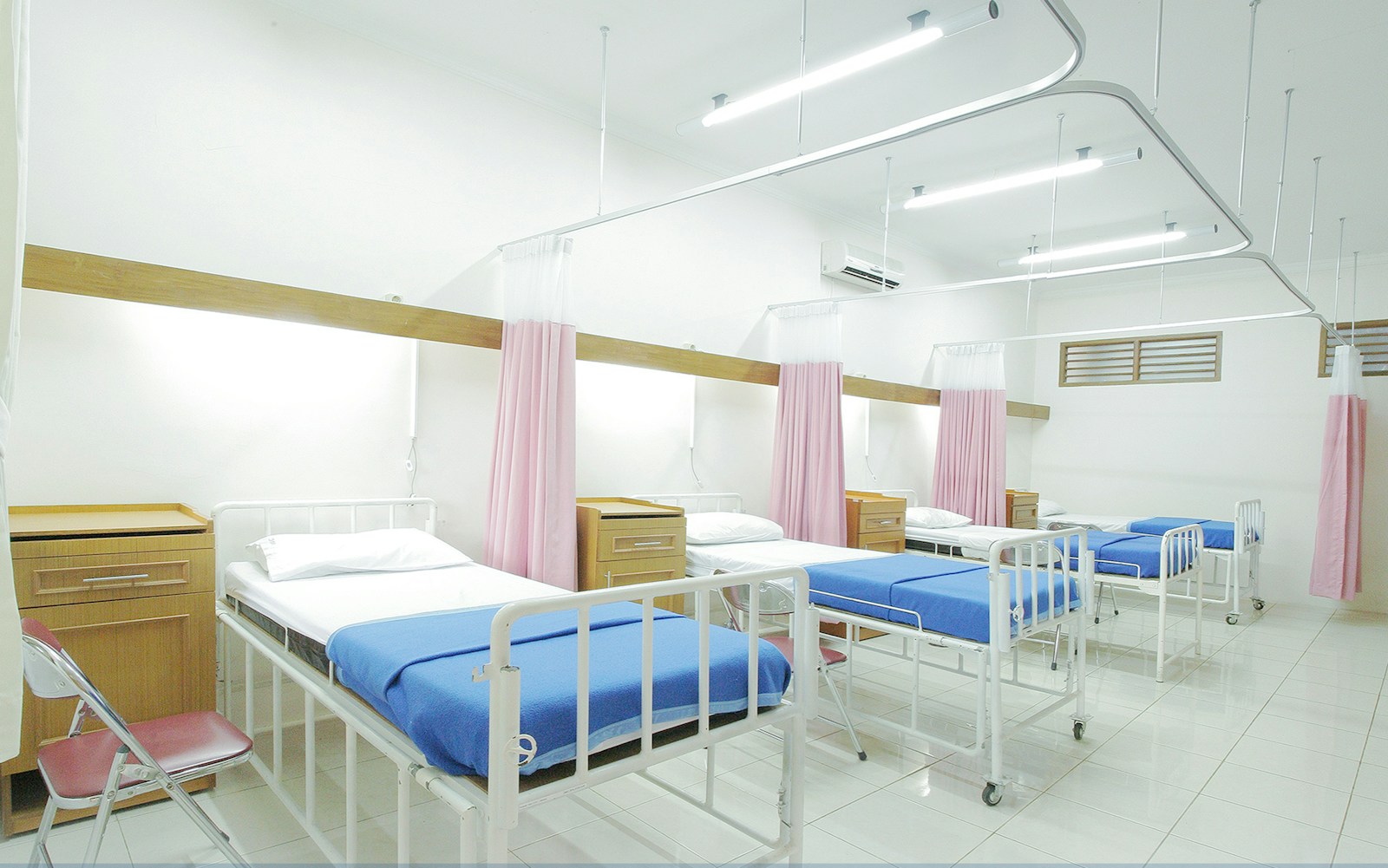
 Introduction
 Business Plan and Feasibility Study
 Documentation and License Process
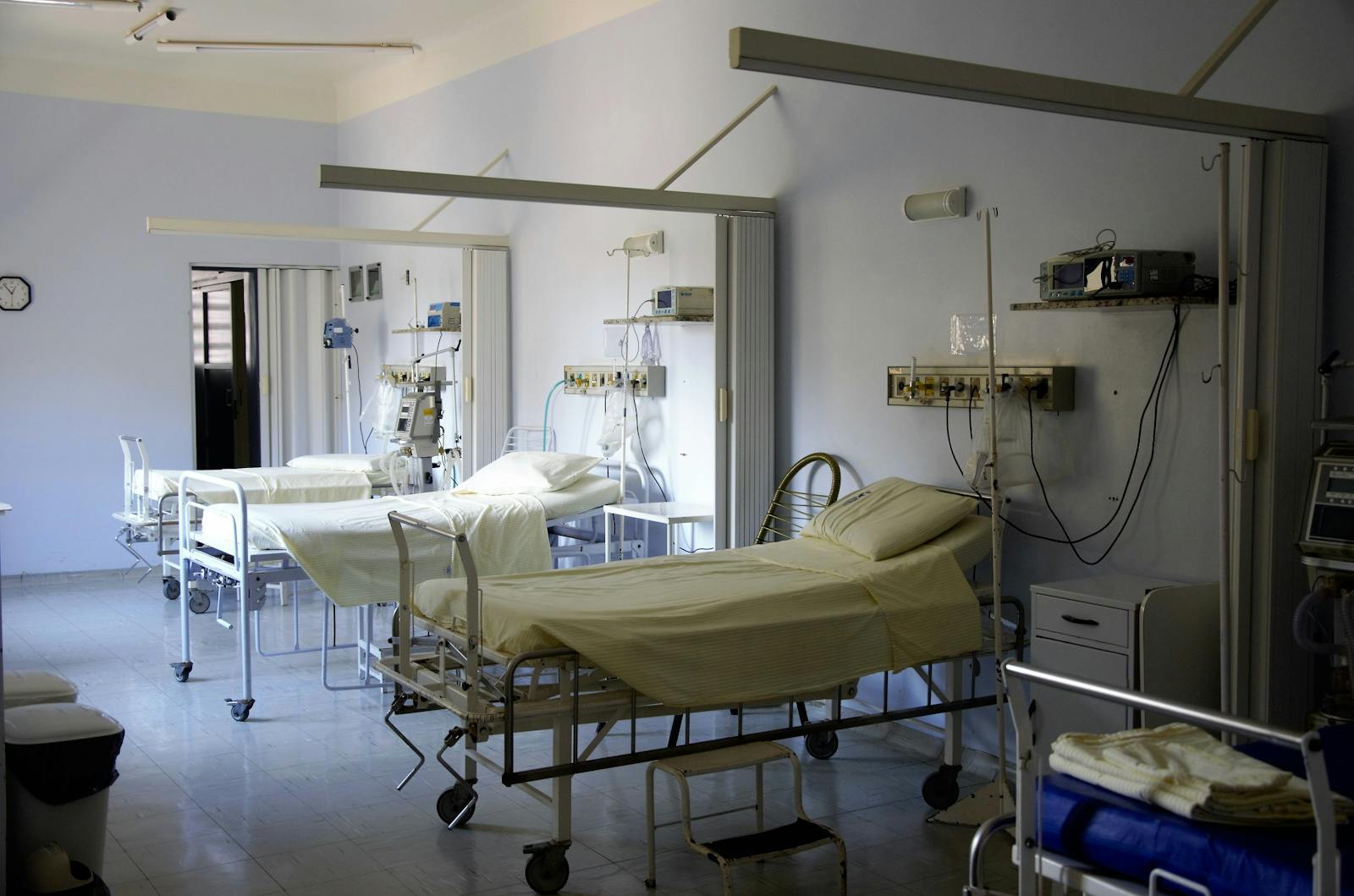





 Conclusion




There are no comments