Office Address: 5, Ishola Bello Close, Off Iyalla Street, Alausa, Ikeja, Lagos, Nigeria.
Introduction
The comprehensive guide to starting radio stations in Nigeria offers you fundamental industry information if the broadcast is your target sector. Radio maintains its position as a critical information source that provides education and entertainment to millions of listeners throughout Nigerian cities and the countryside.
To obtain a radio or TV broadcasting license in Nigeria approved candidates need to complete defined regulatory procedures. Nigeria operates under the National Broadcasting Commission (NBC) as its central broadcasting regulatory agency which began operations on August 24th 1992. The National Broadcasting Commission Act emerged thanks to changes made to the original Decree through Act 55 of 1999. The NBC maintains responsibility for both regulation and control of Nigeria’s broadcasting industry and for enforcing adherence to the National Mass Communication Policy by broadcasting stations.
Some of its key functions include: The National Broadcasting Commission receives authority to issue broadcast station licenses while managing broadcasting industry regulations and conducting assessments of broadcast facilities for National Mass Communication Policy adherence.
This article offers an extensive detailed guide that explains how to successfully complete this process
This detailed manual on starting radio stations in Nigeria demonstrates how radio broadcasting functions as a communication channel, cultural promoter, and news distributor. Radios function as a compelling method to broadcast content that reaches under-connected populations across various regions.
Objectives of This Guide
The goal of this comprehensive guide on starting a radio station in Nigeria is to:
Provide step-by-step instructions for launching your station.
Offer practical tips for navigating regulatory requirements and market competition.
Empower you with insights to create impactful and engaging content.
Market Research and Analysis
Overview of the Nigerian Radio Market
The starting point of this comprehensive guide devoted to establishing a radio station in Nigeria relies on market investigation. The radio industry of Nigeria extends service to diverse language groups while targeting audiences based on age and special interests. Analysis of existing radio markets helps you discover unmet market needs to create a distinct identity for your station.
Demand and Supply Analysis
The radio station startup guide for Nigeria states that you must do a complete analysis of demand and supply to establish station viability. You should concentrate your efforts on audience segments that remain overlooked by competitors including youth programming or community-based content and language-specific broadcasts.
Market Segmentation and Targeting
According to this complete guide to establishing radio stations in Nigeria, you must divide your audience into segments for customized broadcasting. For example:
News alongside business updates and lifestyle programming appeals to the urban professional market.
Audiences in rural areas typically embrace content in local languages which typically includes agricultural news.
Competitive Analysis
According to this guide on starting radio stations in Nigeria, it is essential to perform a complete analysis of your competitors. Analyze how your station’s programming differs from competitors because this informs you about opportunities to create specialist elements that will make your station more distinctive in the noisy marketplace.
Business Plan and Feasibility Study
Developing a Business Plan
Preparing a strong business plan stands as a central focus within this all-encompassing guide to establishing radio stations in Nigeria Your business blueprint must contain your organizational mission as well as vision statement together with economic forecasts and operational direction. Your plan should include strategies to create unique brand differentiation along with methods to attract advertisers and sponsors.
Defining the Business Model
According to this detailed guide about starting radio stations in Nigeria, you must decide on a business structure first. Options include:
Advertising: Selling airtime to businesses.
Sponsorships: Your radio station collaborates with brands to build financial support for particular show content.
Syndication: The distribution of one-of-a-kind programming formats across multiple radio stations
Feasibility Study
The complete guide on starting radio stations in Nigeria emphasizes the requirement for feasibility research. Before opening your radio station you need to validate your financial needs with technical needs and check your chosen location’s feasibility to build a reliable foundation.
Identifying Risks and Mitigation Strategies
Starting a radio station in Nigeria demands understanding future challenges together with creative solutions such as financial reserves or regulatory system communication based on this complete startup guide. The establishment of backup plans should include both acquiring supplementary financial resources and maintaining complete obedience to broadcast rules.
Registration and Licensing
Overview of Registration and Licensing Requirements
The essential part of starting your radio station in Nigeria consists of understanding how to get the required licenses. Nigeria’s National Broadcasting Commission functions as the regulatory body that distributes broadcasting permissions to license applicants.
Importance of Obtaining Necessary Licenses
Operating your radio station without proper licenses will trigger financial penalties and station shutdown according to this detailed guide for radio startups in Nigeria. A licensed radio station develops an authorized profile that helps advertisers join the station and strengthens bonds with listeners.
Steps to Apply for a License
This comprehensive guide on starting a radio station in Nigeria recommends taking the following steps to secure your license:
Apply formally to NBC through a document that details your broadcasting content framework with specific audience specifications.
A broadcast station must meet all broadcasting codes that cover ethics and content regulation.
Technical and Operational Setup
Equipment Required
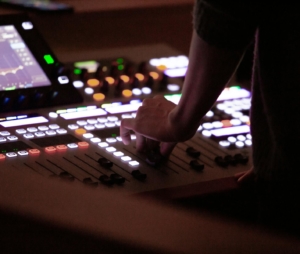
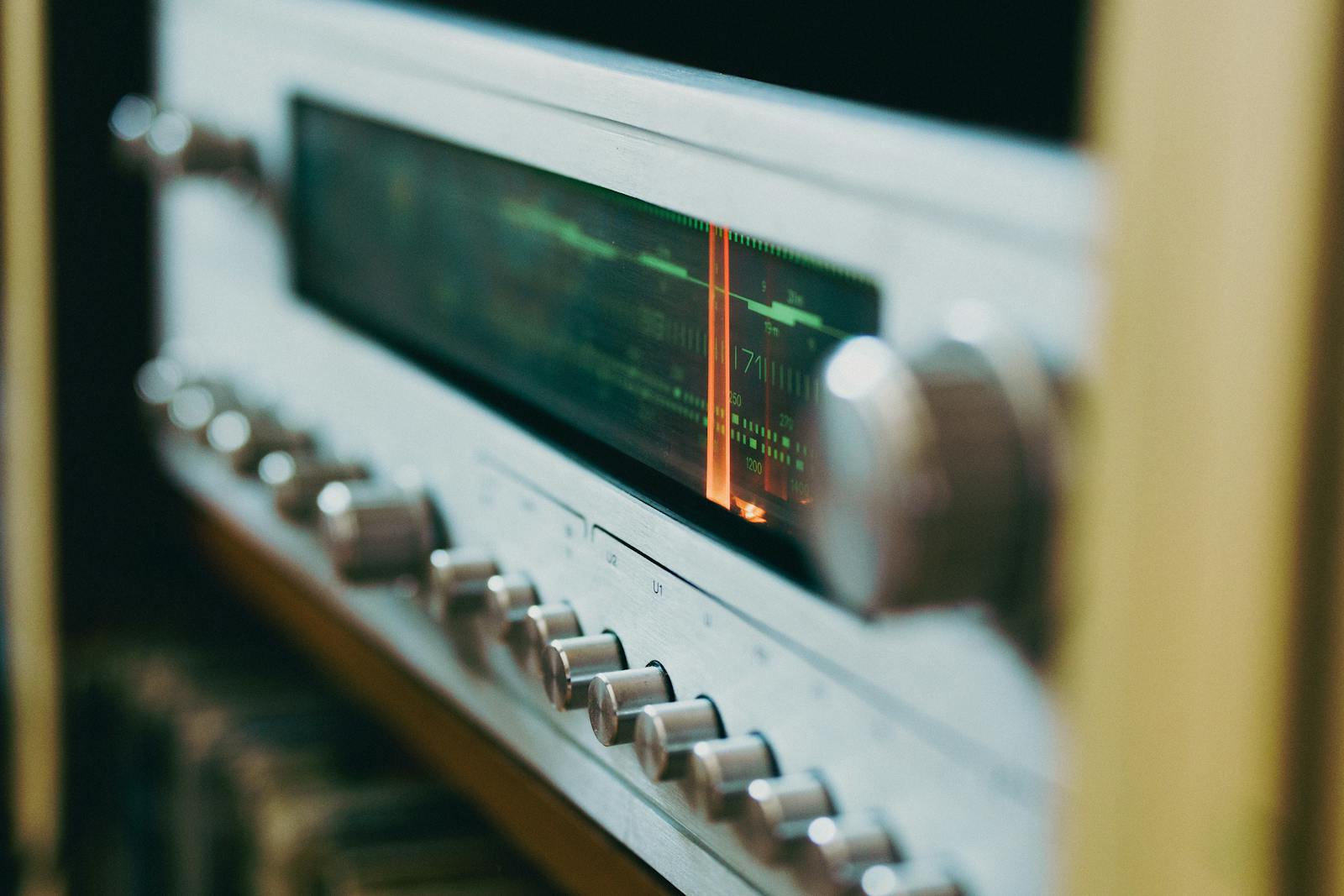
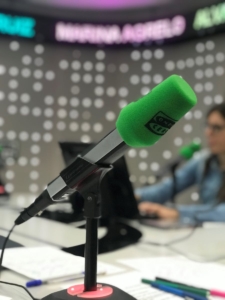
Starting a radio station in Nigeria requires essential equipment according to this complete start-up guide including transmitters mixers and microphones and studio software. High-quality durable equipment purchases will give you nonstop broadcasting capabilities.
Choosing a Broadcasting Location
Procedure selection stands as a fundamental requirement throughout this complete guide to launching radio stations within Nigeria. Examine signal distribution along with regions with higher listener density while maintaining a strategic location near advertising businesses.
Staff Recruitment and Training
Effective radio station operations need experts on staff. Building a skilled workforce at your radio station starts with hiring broadcasters who have experience and professionals in both technical production and radio marketing according to this guide.
Content Creation and Programming
Overview of the Content Creation and Programming Process for Radio Stations in Nigeria
The guide emphasizes that content production along with programming forms the essential foundation that makes any radio station successful in Nigeria. The combination of entertaining and meaningful diverse content helps you maintain your target listeners while establishing your station in the competitive marketplace.
Analysis of the Different Aspects of Content Creation and Programming
– Music and Entertainment Programming
This definitive guide explains how choosing suitable music selections for your audience forms the backbone of successful radio stations in Nigeria. Building playlists from listener preferences enables stations to keep their audiences watching whether they like gospel music or prefer Afrobeats or international hits.
– News and Current Affairs Programming
News coverage with its educational outlook forms the base for community engagement according to this specific guide about Nigerian radio launch procedures. Your audience will trust you when you deliver neutral and accurate content on time which helps establish credibility.
– Educational and Informative Programming
This detailed manual for starting radio stations in Nigeria outlines why educational content should tackle subjects starting from health to finance to technology issues. Your station gets recognized as an authority by sharing experts and allowing community dialogue.
– Sports and Events Programming
Many listeners in Nigeria choose to listen to sports stations on air. This comprehensive guide on starting a radio station in Nigeria confirms that broadcasting football matches while adding local sporting events and cultural events will help you develop a devoted following.
Marketing and Promotion
Overview of Marketing and Promotion Strategies for Radio Stations in Nigeria
Starting a radio station in Nigeria requires successful marketing according to the detailed report included in this guide. The success of building listener loyalty depends on tailored promotional tactics which stations need to provide to their distinct audience demographics for encouraging both listener retention and advertiser relationships.
Analysis of the Different Types of Marketing Channels
– Social Media Marketing
Social media stands as an important instrument within the Nigeria radio station launch guide for attracting youthful listeners. The interactive nature of Facebook and Twitter and Instagram permits radio stations to conduct show promotion while their audience responds live and real-time updates are distributed instantly.
– Print Media Marketing
Print media marketing serves as a primary component of this guide to starting radio stations in Nigeria by helping radio stations reach their local communities. Print media represents a powerful tool to grow your awareness and attract traditional audience segments through newspaper ads and flyer and brochure distribution.
– Electronic Media Marketing
The guide to establishing radio stations in Nigeria delivers a recommendation to utilize electronic tools including TV ads alongside web banners because they enhance broadcast reach according to this guide.
– Word-of-Mouth Marketing
This comprehensive guide on starting a radio station in Nigeria declares word-of-mouth promotion as a fundamental organic growth mechanism for radio stations. Your listeners will share your station through word of mouth when you run contests and giveaways at community events.
Financial Management and Accounting
Overview of the Financial Management and Accounting Requirements for Radio Stations in Nigeria
Sustainability depends on effective financial management according to the comprehensive guide for starting radio stations in Nigeria. Your radio station’s long-lasting success heavily depends on good expense management and revenue generation alongside thorough recordkeeping practices.
Analysis of the Different Aspects of Financial Management and Accounting
– Budgeting and Forecasting
The complete guide to launching radio stations in Nigeria shows budget planning remains essential to maximize resource deployment. Running revenue and expense forecasts enables you to identify upcoming financial hurdles.
– Revenue Management
A successful radio station depends on three core revenue streams that incorporate advertising alongside sponsorships and syndicated content programming. The complete guideline for starting radio stations in Nigeria shows that income stabilization happens through multiple revenue streams.
– Expense Management
The authors stress the critical importance of maintaining control over operational expenditures. This extensive tutorial about launching radio businesses in Nigeria recommends tight tracking of spending regarding wages equipment management and regulatory expenses for financial stability.
– Financial Reporting
Financial reports should be transparent according to the complete radio station startup guide dedicated to Nigeria. Through regular updates of your profit and loss statements and balance sheets alongside cash flow reports you can evaluate financial success and capture investors as well as partners.
Competition Analysis in the Nigerian Radio Industry
Market Overview
This thorough publication about radio station startups in Nigeria reveals insights about radio industry competition. The radio market displays intense competition throughout hundreds of stations that operate across various states but intensify in major urban centers including Lagos Abuja and Port Harcourt. Local radio precedes its competitors in controlling distinct geographic territories but national stations pursue listeners throughout the nation.
Market Size and Growth
Extensive research indicates the Nigerian radio market stands as one of the biggest in Africa due to millions of listeners. This authoritative guide makes a strong case for Nigeria’s radio evolution as it stands as the simplest platform to access news while offering entertainment and information across a thriving industry that grows every year. Radio stations now use digital online streaming features which extend their customer base and commercial opportunities.
Market Segments
– Urban vs. Rural Radio Stations
According to this guide on starting radio stations in Nigeria urban broadcasting stations primarily deliver contemporary music together with news and entertainment programming. The broadcasting needs of rural areas are met by stations that deliver programs through local language options.
– General vs. Niche Programming
Radio stations either serve the general population or reverse to fulfill the needs of distinct listener groups that include youth-focused music stations alongside gospel stations and sports radio stations. Prospective radio station owners should follow this complete guide by selecting their segment through research of existing market demands.
– Traditional vs. Digital Broadcasting
The complete guide to starting a radio station in Nigeria shows rising demand for broadcast services that integrate traditional FM/AM and digital streaming capabilities. A dual broadcasting method by radio stations targets users who are comfortable with technology.
Target Market
Fundamental to setting up a Nigerian radio station you must know who your audience will be according to the complete startup manual. Your station must utilize listener preferences when making programming decisions to both engage and keep a target audience that includes millennials or professionals or residents of rural communities.
– Demographic Segmentation: The composition of your audience depends directly on their age demographic financial status and employment position. Dan urban youth listens to Afrobeats music but older listeners consider news and talk programs more appealing.
– Geographic Segmentation: Regional preferences matter. The radio programming of Lagos focuses on rapid tempos and is different from Kano where the focus exists on showing cultural and religious content.
– Psychographic Segmentation: Your programming decisions should rely on how you live and what interests you. Fans of sports actively listen to sporting events broadcast or students view educational programming.
Competitors in the Nigerian Radio Industry and Equipment Providers
This section outlines important participants in the market framework along with key players found in the present industry. This segment describes major industry competitors by reviewing consolidated radio operations seconds by essential radio equipment suppliers.
Competitors in the Nigerian Radio Industry
Many stations serve the Nigerian radio market because multiple national and local broadcasting stations along with regional stations vie for listener support. Radio services deliver diverse programming content consisting of musical entertainment together with talk shows news programming and entertaining shows. Some of the key competitors in the Nigerian radio industry include:
– Channels TV Radio
Through its expansion Channels TV has developed radio broadcasting services that have become among Nigeria’s most well-known media networks. One of the top stations competes with Radio Nigeria and Cool FM for news and talk shows and political analysis programming focus.
– Radio Nigeria (FRCN)
The Federal Radio Corporation of Nigeria operates as a leading radio broadcast network across Nigeria. Radio Nigeria dedicates its numerous regional stations and local stations across the country to broadcasting news and educational material as well as sports updates while also featuring entertainment programs.
– Cool FM
The popular contemporary music station Cool FM leads Nigeria’s commercial radio sector because of its urban programming service to the city populations of Lagos and Abuja.
– Wazobia FM
Wazobia FM broadcasts through Nigerian pidgin English programming which allows it to connect with a wide listener base concentrated in urban locations throughout the country. The radio station shows programs with multiple content formats which include albums news broadcasts alongside comedy elements alongside special interview episodes attracting listeners representation from multiple age demographics.
– Nigeria Info FM
The talk radio station Nigeria Info FM supplies regular discussions focused on politics alongside business content and current affairs news. This media platform stands out for strong program content alongside high audience participation rates in big cities.
Companies Providing Equipment for Starting a Radio Station in Nigeria
Running a radio station in Nigeria depends on dependable high-quality broadcast equipment. Companies exist that offer technical solutions for establishing and technical management of radio station operations. Radio station equipment manufacturers support your broadcast operations by supplying studio tools alongside transmission technology which helps fulfill broadcast requirements. Some of the leading equipment suppliers include:
– Broadcast Media Africa (BMA)
Broadcast Media Africa stands as a recognized leader for broadcasting equipment distribution throughout Nigeria. Their product line features studio gear alongside transmitters together with antennas and audio consoles also serves up software solutions for broadcasters. BMA collaborates with multiple radio stations which perform regular technical evaluations of broadcast quality.
– Thomson Broadcast
Thomson Broadcast maintains its position as a worldwide leader in broadcast equipment when supplying radio stations with essential broadcast hardware and software solutions. Their product line incorporates transmitters and antenna systems along with broadcast automation software. Thomson Broadcast maintains trust with radio stations of every size in Nigeria.
– RCS Nigeria
With specialized expertise in radio automation systems studio equipment and transmission hardware, RCS Nigeria offers full broadcasting system solutions. Zetta is their software solution that enables radio stations to control playlists and manage commercials along with seamless live broadcasting operations.
– National Broadcasting Commission (NBC)
Radio stations depend on the National Broadcasting Commission for both broadcast industry oversight and license acquisitions as well as compliance matters. The organization conducts tests to confirm technical equipment follows every national broadcast standard related to transmission systems.
– Sennheiser Nigeria
The leading manufacturer Sennheiser creates professional audio equipment including premium microphones and headphones and audio interfaces specifically designed for broadcast applications. The entire portfolio of their production finds multiple applications as recording equipment within radio facilities across Nigeria for studio operations and outdoor coverage.
– Comrex
The audio codecs from Comrex allow radio stations to conduct dependable remote broadcasting operations. Traditional radio broadcasting in Nigeria relies on their equipment to transmit quality broadcasts that extend beyond studio distance into outdoor events or distant conference locations.
– Behringer Nigeria
The Behringer company earns a reputation for selling affordable yet professional audio tools. Professional radio stations choose Behringer’s microphones alongside their soundboards and audio interfaces because these products serve the needs of broadcasting networks of all sizes. This makes Behringer an indispensable equipment supplier for fresh radio broadcasting operations.
Collaborating with Equipment Suppliers
Selecting appropriate radio station equipment demands considering both the station size and scheduled program content per this extended tutorial about radio station establishment in Nigeria. Broadcast Media Africa together with Thomson Broadcast and RCS Nigeria provide total technical assistance for setup while delivering expert advice to their clients.
Radio stations require equipment that satisfies both local broadcasting standards and obtains necessary licenses from the National Broadcasting Commission (NBC) before operations can proceed successfully.
Documentation and License Process for Starting a Radio Station in Nigeria
Nigeria requires all radio station owners to go through specific documentation procedures during their startup process. Your radio station’s proper setup depends on understanding the complex regulatory requirements that lead to effective legal operation. This complete guide explains the complete licensing procedure while covering all essential documents required for radio station establishment in Nigeria.
The Importance of Obtaining the Necessary Licenses
All legal radio broadcasting operations in Nigeria require compliance with broadcasting regulations established by the National Broadcasting Commission (NBC) which governs radio and television broadcasts throughout the country. Any broadcast operation without valid licenses exposes operators to significant consequences which may lead to station shutdowns and fines and potentially legal prosecution. Obtaining needed licenses helps the station to fulfill the technical requirements alongside operational procedures and content requirements set by the NBC.
Process for Obtaining Licenses
A complete licensing process unfolds with multiple sequential procedures starting with application document submission and advancing through to final approval steps. Below is a step-by-step breakdown of the process for obtaining licenses for a radio station in Nigeria:
Application Submission to NBC
– Form Submission: Ring the Nose of Radio Broadcasting requires broadcasters to start by putting forward their applications to the National Broadcasting Commission (NBC) for consideration. Business, feasibility, and technical documentation must accompany application materials which includes the business plan and feasibility study and required technical specifications and programming schedule.
– Business Plan and Feasibility Study: A radio station acquiring a National Broadcasting Commission licensing requires a thorough investigation of its operational financial technical characteristics. All applications require financial viability proof alongside technical capabilities along with NBC standard compliance.
Application Fee: Upon form submission, a payment fee must be made before proceeding. Application fees depend on the license category between national and regional or local. type of license being applied for, whether national, regional, or local.
Evaluation of the Application
– Technical Evaluation: NBC performs a technical assessment of proposed radio broadcasting facilities which includes studio configuration and transmission technology as well as electrical power specifications for radio broadcast. The commission evaluates technical standards to confirm stability in station operations and protection of other radio frequency bands.
– Financial Evaluation: NBC completes financial assessments during project examinations while also applying technical evaluation criteria. For approval as radio station operators applicants must demonstrate financial capability to operate and maintain the broadcasting facility.
– Content Evaluation: NBC performs content and programming assessments before giving approval based on national broadcasting principles. NBC examines proposed programming to determine adherence to content limitations enforced through indecency regulations and expressions of hate speech and misinformation restrictions.
Site Inspection
– Physical Inspection: As part of the evaluation process NBC will inspect the proposed radio station site following the review of feasibility studies and documents. The site assessment will encompass the studio space together with transmission equipment to verify their meeting of all requirements.
– **Antenna and Transmission Tower Inspection: NBC will perform a site visit of both antenna systems and transmission towers to verify the radio station’s compliance with the safety and quality and interference protocols defined by NBC.
License Granting
– Preliminary Approval: When all required criteria are met NBC will provide the radio station with preliminary permission to start broadcasting. Following approval, NBC licenses the station to start equipment implementation followed by operational setup.
– Final Approval and Licensing: A broadcast license becomes available from NBC only after the station executes proper setup and completes all inspection requirements. An official legal capability to operate begins for the station.
Types of Licenses for Radio Stations in Nigeria
The NBC issues various licenses to establish radio stations throughout Nigeria. Radio stations must pick their licensing type according to their operational reach and listener base profile. These include:
National Broadcasting License
Using a national broadcasting license grants radio stations full national broadcasting capabilities throughout Nigeria. The NBC awards this license to large conventional broadcasting facilities seeking national broadcasting capabilities. The licensing process mandates robust financial resources together with strict regulatory fulfillment rules.
Regional Broadcasting License
A regional broadcasting license grants radio facilities the power to transmit signals across their assigned geographic area. The focused broadcasting area of regional licenses ensures they match perfectly with stations serving local and nearby area audiences. Implementation at the station requires acting according to regulations from NBC alongside those of the regional government.
Local Broadcasting License
Stations receiving local broadcasting licenses conduct their operations in defined geographic areas within cities or towns. The stations choose hyper-local content while targeting a specific smaller audience who live in their broadcast region. Stepping into radio broadcasting with a local station requires less initial funding compared to full-scale operations yet stations need to pass NBC’s regulatory checks.
Community Radio License
Community radio station operators receive their licenses by serving direct broadcasting purposes toward a particular demographic. Localized broadcast stations typically maintain nonprofit operational status as they dedicate their content toward informing both their local areas and underserved population groups. Public interest programming and content neutrality represent the specific requirements that these stations need to fulfill.
Temporary Broadcast License
Radio stations that receive temporary broadcast licenses operate their broadcasts for brief periods during special events conferences and emergencies. The temporary broadcast license requires stations to follow NBC regulations wholly during operation time frames that do not match their regular broadcast periods.
Other Relevant Licenses and Approvals
In addition to the NBC broadcast license, radio stations in Nigeria may also need to acquire the following licenses:
Federal Ministry of Information and Culture License
Radio stations in Nigeria request approval licenses from the Federal Ministry of Information and Culture to operate within the country. Broadcasting operations require both the NBC license besides this additional necessary approval license.
State Government License
Radio stations serving local and regional areas generally need supplementary licenses from state governments when operating in state-owned buildings. To operate smoothly all specified requirements must be fulfilled.
Spectrum License
Broadcasting authorities use the spectrum license to establish radio stations’ access to their designated frequency band. The station must obtain this broadcasting authorization to prevent signal disturbances for other operating broadcasters. Radio stations acquire their spectrum license primarily from the Nigerian Communications Commission (NCC).
Documentation Required for Licensing
The following documents are generally required to apply for a radio station license in Nigeria:
– Business Plan: A detailed business plan covering operational, technical, and financial aspects.
– Feasibility Study: The examination establishes whether the proposed station passes technical, financial, and market viability requirements.
– Proof of Financial Capacity: Entire set of documents which proves the station’s financial backing.
– Programming Schedule: A detailed outline of the proposed programming.
– Studio and Transmission Specifications: Details on studio setup, transmission equipment, and power backup systems.
– Site Inspection Report: The regulatory authority’s NBC must issue a report that demonstrates that the station operates correctly.
Types of Radio Stations in Nigeria
In Nigeria, radio stations can be categorized based on various factors, including their target audience, broadcast range, ownership, and programming style. These stations play a significant role in the country’s media landscape, serving diverse audiences across the nation. Below is an overview of the different types of radio stations in Nigeria:
Commercial Radio Stations
Commercial radio stations in Nigeria are typically privately owned and operated with the primary goal of generating revenue. These stations are profit-driven, often funded through advertising, sponsorships, and other commercial activities.
Characteristics of Commercial Radio Stations:
– They are usually geared towards attracting a large audience to maximize ad revenue.
– Content typically includes music, entertainment, talk shows, and news.
– Advertisements and sponsored programs are a major source of income.
– They often operate on both national and regional levels.
Examples:
– Cool FM
– Wazobia FM
– Nigerian Info FM
Government-Owned Radio Stations
Government-owned radio stations are managed by the federal or state governments. They serve as a tool for public service broadcasting, offering programming aimed at promoting government policies, public awareness, and educational content.
Characteristics of Government-Owned Radio Stations:
– They focus on promoting government initiatives, educational content, and public service announcements.
– They may provide news, public affairs programming, and government-sponsored projects.
– Content is often aligned with national development goals and public interest.
Examples:
– Federal Radio Corporation of Nigeria (FRCN) stations like Radio Nigeria.
– State-owned stations, such as Lagos State Radio.
Community Radio Stations
Community radio stations operate as nonprofit low-power broadcasters which serve designated communities or interest groups. Such radio stations get set up to serve communities that commercial or government stations do not reach with their programming needs. Community stations produce content which serves to mirror their intended audience’s culture while showcasing local values in addition to their community concerns.
Characteristics of Community Radio Stations:
Community broadcasting solely addresses problems in the area while championing local customs and working for community growth.
Community radio stations exist without commercial activities as they receive their support from voluntary donations and grant programs and charitable funding.
Community radio stations deliver programming that serves the public alongside educational content and cultural presentation.
Radio stations must promote grassroots involvement and activate local production of content.
Examples:
– Radio for Development (RF)
– Community-based stations in various Nigerian cities
Religious Radio Stations
These broadcast platforms focus exclusively on religious messaging that features religious messages so listeners can hear sermons and teachings alongside spiritual programming. Old religious organizations together with local groups run their operations from these broadcast locations.
Characteristics of Religious Radio Stations:
These stations present both live devotional sermons alongside prayers as well as spiritual teachings and faith-related music to their listeners.
The radio station focuses on serving religious audiences through faithful dialogue episodes and religious moral content broadcasting.
Religious radio stations either dedicate programming to one particular faith tradition (Christian/Muslim) or present content suitable for many faith paths.
Examples:
– Radio Maria Nigeria (Catholic)
– Islamic Broadcasting Corporation (IBC) (Muslim)
Campus/Student Radio Stations
Student radio institutions officially operate inside educational spaces at universities and colleges. These stations operate under student direction to fulfill the communication needs of university residents with programming focused on academic matters and campus events.
Characteristics of Campus/Student Radio Stations:
The stations operate through partnerships between academic staff members students and the educational institution they serve.
All programming on this radio station focuses on student matters including academic materials campus updates and entertainment news.
The station allows undergraduate students to learn broadcasting methodology while exploring journalism workshops and radio production techniques.
Radio stations with small audiences typically serve students studying inside campus buildings alongside locals from nearby areas.
Examples:
– University of Lagos Radio (Unilag FM)
– Obafemi Awolowo University Radio
Online/Internet Radio Stations
Today’s radio broadcasting consists of online stations that transmit their entire broadcast content over the internet to reach listeners globally. Stand-alone radio operations provide differentiated content from independent stations that target specialized listener interests.
Characteristics of Online Radio Stations:
Users can access these stations through web streaming services and mobile applications and online social media platforms.
They broadcast globally because they face fewer broadcasting limitations than standard radio services.
Online radio stations cost less in setup and operation expenses than FM or AM traditional broadcasting networks.
Webcasting stations support a programming variety with options that include music broadcasts alongside podcasts talk shows and interviews alongside specialized programs.
Examples:
– Naija FM (Available online and on traditional radio)
– Lagoon Radio (Operates online)
Campus Radio Stations
Most student radio outlets operating within university grounds constitute campus radio stations. The broadcasting facilities serve the entire student and teaching faculty population by delivering programs that combine educational materials with entertainment features. Student radio stations give participants valuable opportunities to understand media production and broadcasting practice.
Characteristics of Campus Radio Stations:
Usually non-commercial and student-driven.
The broadcasting content must reflect both academic themes and cultural representation that matters among university students.
These radio stations operate through broadcasting within university campuses alongside local metropolitan airspace.
School radio channels serve two main functions: They train future media professionals while broadcasting educational content to students studying media.
News and Talk Radio Stations
News and talk radio stations serve audiences by specializing in real-time news presentations together with in-depth discussions featuring interviews about important topics spanning from politics through economics into social matters and current events. These stations have dedicated themselves to delivering accurate current news information alongside stimulating program discussions for their audience.
Characteristics of News and Talk Radio Stations:
These radio stations deliver news content along with discussion and analytical interviews and regular talk shows.
The programming features important discussions about contemporary subjects and invites experts or guest speakers to participate.
Stations empower audiences to engage with content by inviting calls from listeners or through social media partnerships.
News radio stations make it their goal to spread comprehensive information about different subject matters.
Examples:
– Radio Nigeria – Network News (FRCN)
– Channels FM (24-hour news and talk)
Educational Radio Stations
Learning-enhancing programs comprise the core programming of educational radio stations. These radio stations receive financial backing from governing bodies educational organizations and non-governmental organizations (NGOs). Radio listeners can get educational programming and tutorials along with documentaries and language education materials at each station.
Characteristics of Educational Radio Stations:
The radio station delivers curriculum-based programming that strengthens literacy development at every level of education from traditional schools to ongoing adult learning.
These radio stations provide academic broadcasting for educational programs across multiple scientific subjects including mathematics and history together with language instruction for children and adults.
Public government and community networks distribute this broadcast content.
Examples:
The educational programs broadcast on Radio Nigeria – EduNews deliver content for students.
– Nigeria Education Radio
Best Practices for Entrepreneurs in Nigeria
Nigerian entrepreneurs face distinct obstacles when starting their businesses yet they can overcome these challenges with proper best-practice implementation.
Conduct Market Research
You must understand the market demand by studying your customer base while examining competitor activity and proven concept testing to show customer need for your product or service.
Develop a Business Plan
Write specific business objectives together with financial forecasting and risk reduction approaches. Interface adjustments need to match your business development trajectory.
Register Your Business
To launch your business you must enroll with the Corporate Affairs Commission (CAC) then secure the proper certificates while following Nigerian legal guidelines.
Build an Online Presence
Digital success depends on building a website design that users will appreciate while using social platforms to connect with customers and funding online advertising strategies.
Focus on Customer Satisfaction
Users will feel confident about your services when you provide high-quality products and maintain interactive customer relations accompanied by swift complaint management which generates both loyalty and reduces customer turnover.
Manage Finances Effectively
Regular financial record maintenance along with distinct business and personal financial accounting helps prevent financial issues and evaluate cash flow for business survival.
Build a Strong Network
Your successful company growth relies on attending professional events combined with membership in relevant business associations while taking advantage of digital networking opportunities that produce transformative outcomes from industry connections.
Hire and Retain Talent
Hire employees based on cultural alignment followed by staff development initiatives alongside motivational incentives that maintain high team performance.
Embrace Innovation
Regular monitoring of technological development coupled with tool adoption and task automation enables your business to achieve higher efficiency.
Stay Compliant
Your business must operate under a complete understanding of Nigerian tax rules with industry standards to prevent legal scandals.
Challenges and Opportunities for Entrepreneurs in Nigeria
The Nigerian entrepreneurship landscape holds major difficulties alongside considerable prospects for founders. Entrepreneurs face multiple barriers in Nigeria to business startup but this article outlines fundamental problems and workable solutions.
Challenges
Regulatory and Bureaucratic Hurdles
– Challenge: Business operations require substantial investment in Nigeria because entrepreneurs must obtain many permits and licenses through its complicated regulatory framework.
– Opportunity :Local business compliance ensures operation smoothness and prevention of legal problems.
Access to Capital
– Challenge: startups face the massive obstacle of attaining business funding because banks require high interest rates along with demanding loan rules for approval.
– Opportunity:St artups benefit from alternative funding such as venture capital financing, angel investor funding, and government grants which populate startups.
Infrastructure Deficiencies
– Challenge: The unstable electrical supply combined with limited or insufficient transportation networks becomes a major operational challenge.
– Opportunity:New businesses that focus on infrastructure solutions will gain a growing market because established entrepreneurs seek alternative approaches to address these gaps. Startups future-proof their operations through innovative offerings like solar infrastructure and logistics systems.
Economic Instability
– Challenge:Exchange rate movements and inflation together with economic instability cause substantial impacts on business profits.
– Opportunity:Companies that successfully respond to market shifts through essential products, locally targeted services, or necessary commodities typically maintain growth despite economic downturns.
Lack of Skilled Labor
– Challenge: At present,there are not enough knowledgeable workers in specific fields thus companies face obstacles in staff selection and training processes.
– Opportunity: Entrepreneurs should put money into employee training while establishing programs to help workers meet the specific requirements of their businesses.
Corruption and Lack of Transparency
– Challenge: Particular business sectors encounter extra operational hurdles due to existing corruption together with insufficient transparency.
– Opportunity: Companies that maintain openness alongside practicing moral business conduct along with their responsibility to society develop advanced business reputations and customer trust.
Opportunities
Growing Youth Demographics
– Opportunity: The national demographic in Nigeria presents itself through a young population which shows expanding engagement toward technological development and entrepreneurial ventures. Technology-driven businesses alongside educational services and entertainment services experience increasing demand patterns in Nigeria’s economy.
Technology and Innovation
– Opportunity: Digital platforms have opened significant opportunities across fintech e-commerce and digital marketing fields. Nigeria experiences substantial growth of tech startup activity through services including mobile payments, online retail, and fintech operations.
Agriculture and Agribusiness
– Opportunity: The sector of farming functions as Nigeria’s primary economic foundation. Departments within farming together with processing units and supply chain operations foster food stability and serve export goals in Nigeria by providing multiple business prospects.
Renewable Energy
– Opportunity: Businesses supplying renewable energy technologies, especially wind and solar have risen in demand because of Nigeria’s power deficiencies and the government has started to invest in renewable energy projects.
Consumer Market Growth
– Opportunity: The combination of an expanding middle-income population with rising household purchasing power drives robust consumer demand across food beverages technology and high-end product categories.
Tourism and Hospitality
– Opportunity: The infrastructure problems in Nigeria fail to hamper the high tourism and hospitality exploration potential thanks to increasing interest in Nigerian cultural and natural attractions.
E-commerce and Online Services
– Opportunity: Online businesses absorb expanding market opportunities because growing internet usage exposes increasing customer segments to fashion along with electronics and grocery marketplaces.
Human Resource Management
Overview of the Human Resource Management Requirements for Radio Stations in Nigeria
Users of modern Nigerian radio stations need effective human resource management as a critical element to achieve organizational success. Positive broadcasting industry demands make radio stations dependent on various types of staff including technical creative and administrative employees to operate effectively. The HRM system uses talent acquisition and training methods to develop productive staff teams that build station success.
Analysis of the Different Aspects of Human Resource Management
– Staffing and Recruitment:
– Importance: A radio station depends on trained individuals working in five main areas of operation: broadcasting hosts, audio engineers, content creators, administrators, and sales representatives.
– Considerations : Management should prioritize the hiring of employees who demonstrate knowledge-related skills and creative talents while showing deep broadcasting enthusiasm. By working together with media schools professional networks and recruitment agencies the station can identify capable candidates easily.
– Training and Development:
– Importance: The essential nature of ongoing education becomes vital for professionals working in today’s fast-changing media business. Training strategies need to be ongoing to maintain employee knowledge about broadcasting technologies audience preferences and legal regulations.
– Considerations: Through workplace sessions and outside media training course sponsorships along with internal workshops employees gain new abilities. The radio broadcasting environment faces constant changes and managers need to motivate employees in building creative solutions and innovative approaches for radio adaptation.
– Performance Management:
– Importance: Competitive radio stations with strong performance tend to present high-quality content since they prioritize keeping employees effective in their work. Performance evaluations carried out frequently enable organizations to monitor worker growth and pinpoint developmental spaces needed by employees.
– Considerations: Employees show improved performance combined with elevated spirits through using key performance indicators (KPIs), establishing objective workplace expectation,s and delivering timely feedback together with career advancement options.
– Employee Relations:
– Importance: A positive workplace emerges when both employees and managers maintain healthy bonds which encourages excellent team dynamics while reducing workplace tension.
– Considerations: The combination of accessible communication systems along with conflict resolution tools and compensation packages that protect employee welfare allows organizations to both hold onto top talent and maximize workforce satisfaction rates.
Risk Management and Mitigation
Overview of the Risks Associated with Starting a Radio Station in Nigeria
A radio station start-up in Nigeria requires negotiation of multiple risks that influence its operational success and continuity. The combination of outside influences along with inside problems presents risks to operational success. Long-term station accomplishments rely on implementing appropriate risk management structures with effective risk reduction strategies.
Analysis of the Different Types of Risks
– Financial Risks:
– Nature: Radio stations encounter financial threats that emerge from operating costs unpredictable advertisement income and the advertising market competition.
– Mitigation: To minimize financial risks radio stations should develop thorough financial plans combined with multiple revenue sources that include merchandise stores along with sponsoring partners and digital content monetization systems when implementing robust financial management initiatives.
– Operational Risks:
– Nature: Normal broadcasting continuity remains at risk through operational risks that stem from everyday station procedures involving equipment breakdowns employee challenges and technological malfunctions.
– Mitigation: Both operational reliability and minimal disruptions result from using well-maintained high-quality station equipment coupled with backup systems plus trained staff who address operational issues. Organizations need to create backup strategies before operational problems arise.
– Reputation Risks:
– Nature: kötü içerik alongside unethical staff behaviors and program decision-related controversies can destroy an operational radio station’s reputation. When listeners view content unfavorably or when advertising rates drop it can lead to losing audience members and both advertisers and sponsors.
– Mitigation: A radio station protects its public image by implementing strong editorial procedures together with moral broadcasting ethics and audience relationship methods. The mitigation of issues depends heavily on quick public relations reaction combined with well-prepared crisis management plans.
– Compliance Risks:
– Nature: Radio stations need to meet multiple legal requirements established by NBC together with copyright and licensing standards for operational compliance. Any kind of non-compliance leads to legal consequences ranging from monetary fines to broadcast license suspension.
– Mitigation: Radio stations can succeed by following regulatory changes and obtaining necessary licenses while keeping legal experts who ensure compliance to reduce their risks. Training employees about broadcast laws alongside best practices represents a mandatory element for successful risk management.
A radio station can achieve lasting operational success through careful identification of individual risks then understanding their nature and implementing active risk reduction measures. Risk management excellence enables radio stations in Nigeria to maintain their operational stability together with financial sustainability and a positive public reputation for serving their audience successfully.
Licensing Process for a Radio Station in Nigeria
To establish radio operation in Nigeria broadcasters must navigate through a predefined licensing system controlled by both the National Broadcasting Commission (NBC) and multiple regulatory entities. Below is a step-by-step guide to the licensing process:
Submit an Application to NBC
– Requirement: Complete the NBC application form then attach all required documentation to submit.
– Key Documents:
– A formal letter of application.
A valid CAC registration certificate serves as fundamental business documentation for the application process.
– Detailed business plan.
– Feasibility study report.
– Proposed programming content.
– Frequency preferences (if applicable).
– Fee: Application fees at NBC span between ₦50,000 and ₦75,000 according to the license type.
Feasibility and Technical Review
NBC performs an assessment to confirm your broadcasting application meets all regulatory standards.
The assessment team evaluates your planned station’s technical aspects to research its frequency allocation and site placement and necessary infrastructure.
Public Hearing and Frequency Allocation
A public hearing run by the NBC serves to determine whether the proposed radio station meets necessary criteria.
The NBC will grant a broadcast frequency allocation after approving your application.
– Fee: Frequency allocation fees depend on location and bandwidth rate yet begin at ₦500,000.
Payment of License Fees
You must begin paying license fees after NBC accepts your applications.
– Cost:
– Community radio stations: ₦2 million – ₦5 million.
– Commercial radio stations: ₦10 million – ₦20 million.
Issuance of License
The NBC activates broadcast licenses which remain valid for five years after every station meets its full payment obligations.
A broadcast license requires renewal after expiration while you must pay renewed fees.
Federal and State Approvals
The Federal Ministry of Information and Culture and state government agencies must give their approvals following your station’s geographic location.
Regular Compliance Checks
After obtaining your license you must preserve compliance with NBC requirements for programming content and advertising quality along with technical standards to keep your license active.
Tips for a Smooth Licensing Process
Your application should be prepared by experienced consultants who handle every detail for comprehensive execution.
Your organization must sustain complete visibility with the NBC throughout their evaluation assessments.
Maintain a budget covering application costs with fees for frequency licenses as well as payment for regular licensing applications.
Note: The licensing cost and period for stations depends on their type as well as their size and geographical location. All license updates and changes should be guided by advice from NBC representatives or legal experts.
Step-by-Step Licensing Process for Starting a Radio or TV Station in Nigeria
Step 1: Meet the Eligibility Criteria
Company Registration: A minimum share capital of ₦1 million will allow you to register your company using the Companies and Allied Matters Act (CAMA).
Business Plan: Create an extensive business document which will establish broadcasting aims and specify your intended viewers and financial modeling system.
Step 2: Choose Your License Category
Radio Broadcasting License: Select which radio broadcast license suits your wants between an FM (Frequency Modulation) License and MW (Medium Wave/AM) License and SW (Short Wave) License.
TV Broadcasting License: You must decide between three types of broadcasting licenses including the VHF (Very High Frequency) License and UHF (Ultra High Frequency) License and Satellite TV License.
Step 3: Obtain an Application Form
Purchase an Application Form: The National Broadcasting Commission (NBC) offers application forms which cost ₦50,000 and can be purchased through bank draft payments.
Complete the Application Form: All necessary documentation should accompany your completed application form which must be presented in triple copies.
Step 4: Submit Your Application
Submit Your Application: Send your complete application and accompanying documents to the NBC.
Required Documents: Each application should be accompanied by these necessary official documents.
– Certificate of Incorporation
– Certified copy of Memorandum and Articles of Association
Send your application together with its necessary documents including engineering design alongside feasibility study.
– Letter of undertaking
Financial guarantees need bank documentation according to standard banking procedures.
Step 5: Wait for Application Review
Application Review: An NBC review team checks your application to verify compliance with established requirements.
Inspection and Testing: The NBC reviews equipment with tests to guarantee technical standard compliance.
Step 6: Obtain License Approval
License Approval: You will receive an NBC license approval letter following an application evaluation process.
License Fee: The license application demands payment of a fee amount based on the selected license type.
Step 7: Commence Broadcasting
Commence Broadcasting: After license approval comes your way and you complete the license fee payment you have the green light to start broadcasting.
Compliance with Regulations: Following NBC regulatory guidelines keeps you safe from possible license penalties and revocation.
lines to prevent sanctioning along with potential license cancellation.
License Fee Schedule for Broadcasting in Nigeria
After obtaining a broadcast license, companies must pay a license fee for an initial five-year term, subject to renewal. The license fee structure is as follows:
Category A: FCT, Lagos, and Port Harcourt
Radio: ₦20 million
Terrestrial TV: ₦15 million
Cable: ₦10 million
Category B: All Other States
Radio: ₦15 million
Terrestrial TV: ₦11.25 million
Cable: ₦7.5 million
Public/Government Stations
Five-year license: ₦5 million
Annual fee per channel: ₦1 million
Renewal Fees
Cable-Satellite Television (MMDS):
Category A: ₦5 million for five years
Category B: ₦4 million for five years
Direct Broadcast Satellite (Single Channel):
New and renewal: ₦10 million for five years
Direct-to-Home (DTH) (Multichannel):
New: ₦25 million for five years
Renewal: ₦50 million for five years (effective May 19, 2005)
Other Fees
Dealer (Wholesaler): ₦120,000 per annum
Importer (Wholesaler): ₦120,000 per annum
Retailer: ₦30,000 per annum
Application form: ₦50,000 per set
Industry and Regulation Guidelines for Starting a Radio Station in Nigeria
Radio stations seeking success and legitimacy in Nigeria need complete mastery of their regulatory environment. Broadcasting operations must follow multiple trade standards together with governing regulations that preserve their ethical character and operational integrity. Both legal safety and industry professionalization emerge from the strict implementation of established regulatory requirements.
Industry Overview
The radio industry in Nigeria maintains its operation through numerous laws and organizational guidelines that support competitive fairness alongside responsible broadcasting behavior and community safety standards. Nigerian radio stations need to meet broadcasting regulations licensing rules and industry standard requirements to maintain legal operation along with market success.
Key Regulatory Bodies
– National Broadcasting Commission (NBC):
As the regulatory head agency NBC exists to manage broadcasting operations in Nigeria. Radio stations require full adherence to the requirements established by national broadcasting laws and content regulations and licensing standards. Through its duties NBC both grants broadcasting licenses along with monitoring content for compliance with decency and ethical standards and implements regulations for signal distribution along with programming and advertising aspects.
– Federal Ministry of Information and Culture:
The Nigerian government has tasked this organization with directing overall broadcasting advancement across the country. NBC collaborates with this ministry to enforce industry best practices for radio stations through their collective responsibility related to creating content while representing local cultures in broadcasts and preserving national security.
– Nigerian Communications Commission (NCC):
Despite its main responsibility being telecommunications regulation in Nigeria the NCC maintains oversight of broadcast-related technical standards. Nigeria’s broadcast operations follow specific technical standards through the institution which handles radio frequencies and spectrum management activities.
Copyright Society of Nigeria (COSON):
COSON functions as a judicial organization that handles copyright protections throughout music programming along with performance rights broadcasted by radio stations. The rights to broadcast copyrighted music and other material exist through COSON because this organization ensures radio stations buy broadcast licenses to protect intellectual property law.
Key Regulations and Guidelines
– Broadcasting Licensing:
Radio stations throughout Nigeria need a broadcasting license from NBC as the basic requirement to establish legal service operations. To obtain a license stations need to complete applications and receive approval for their business plans alongside content proposals alongside technical implementations while meeting fee requirements. NBC’s distribution of licenses follows three distinct categories designated as FM, AM, and digital broadcasting licenses according to the station’s broadcasting range.
– Content and Programming Guidelines:
– Content Regulation: NBC establishes radio programming standards that all radio stations must meet to provide culturally appropriate content for their diverse listenership. radio content regulations prohibit the broadcast of obscene content or nudity and indecent speech and material that could endanger public safety or national unity. Broadcasting stations need to produce fair news programming that maintains cultural dignity in their presentation.
– Language Usage: Nigeria’s radio stations receive official guidelines describing their language obligations while they are expected to broadcast programming that reaches all linguistic sectors across the country.
– Political Broadcasts: During elections, radio stations must follow strict regulations to avoid broadcasting biased political content or participating politically. Political broadcasting aims at fairness by NBC because fair coverage helps eliminate unbalanced reporting.
– Advertising Regulations:
Radio stations need to follow NBC-issued advertising guidelines for commercial broadcasts to defend consumers from deceptive or harmful advertising methods. NBC guidelines enforce commercial advertising rules by mandating brief segments while preventing children from receiving ads and blocking specific product broadcasts including alcohol and tobacco.
– Frequency Management:
Radio stations need to follow the frequency allocation and spectrum management guidelines published by the NCC for compliance. Broadcasting stations receive assigned frequency bands for transmission which prevents cross-radiation between stations and other services. Frequency management rules protect both broadcasting operations’ integrity and prevent broadcasting interruptions.
– Public Interest and Local Content Requirements:
Nigerian radio stations must play local content regularly including music performances news and programming according to specific mandatory laws. Through local content requirements, the station upholds Nigerian audience preferences and benefits the development of home talent.
– Social Responsibility Guidelines:
Radio stations receive active encouragement to participate in community development projects. The bureau requires radio stations to broadcast content that supports public welfare through educational programs alongside public service messages and disaster preparedness information.
Compliance and Monitoring
– Regular Audits and Inspections:
Operational surveillance by NBC and other regulatory bodies tracks radio stations to verify both technical requirements and content presenting standards while validating their license compliance. Fines will be produced along with license suspension and license revocation when operators of radio services fail to comply with the regulations.
– Public Complaints Mechanism:
When public broadcasting standards matter to viewers they can use NBC as a platform to make complaints. Radio stations need well-defined systems to receive and solve listener complaints quickly since delayed responses can trigger authorized penalties.
Key Documentation Required for Licensing
– Application Form: NBC requests a finished application including the station’s business plan technology specifications and content strategy.
– Business Plan: A detailed business plan is required to demonstrate the technical and financial viability of the radio station.
– Identification and Ownership Proof: The legal structure of the radio station must be disclosed, and personally identifiable information of those applying for the license must also be disclosed.
– Payment of Fees: Payments for license fees and regulatory fees should be done as per the guidelines of the NBC.
– Technical Equipment Specifications: A list of technical equipment (studio setup, transmitter, antenna) and infrastructure is required to ensure the station complies with NBC’s technical standards.
Role of Financial Advisor/Consultants in Starting a Radio Station in Nigeria
Financial advisors together with consultants hold essential positions during each stage of starting a radio station in Nigeria. Their primary responsibilities include:
Business Plan Development: The advisor helps compose an entire business plan that defines revenue streams builds financial forecasts and identifies necessary funding components.
Financial Feasibility Assessment: The radio station financial viability requires analysis and knowledge of equipment expenses alongside infrastructure needs licensing costs and operational expenditures.
Capital Raising: This expertise helps find financing options between loans and investors or grants while also teaching the appropriate methods to present the business plan to financiers.
Budgeting and Cash Flow Management: A practical budget layout together with cash flow management strategies will be provided to preserve sustainable financial operations.
Risk Management: This engagement process examines sudden changes in ad revenue and equipment maintenance costs while creating methods to minimize the impact of these financial risks.
Tax Planning and Compliance: Through expertise in Nigerian tax regulations we guide the station through compliance strategies while advising on valuable tax-saving initiatives to maximize its tax position.
Radio stations benefit from expert guidance by financial advisors who improve financial wellness and long-term success and prevent errors while helping managers use their resources optimally.
Frequently asked questions (FAQs) related to starting a radio station in Nigeria:
What licenses do I need to start a radio station in Nigeria?
Starting a radio station in Nigeria requires licensing from three bodies: the National Broadcasting Commission (NBC), Federal Ministry of Information and Culture, and state government licenses based on station location.
Helming a radio station in Nigeria requires what amount of financial investment?
Radio station startup costs in Nigeria exist on a sliding scale that depends on the station’s size technological needs and its geographic location. Operating costs for a radio station range between millions and billions of Naira and balance licensing requirements with equipment establishment and operational maintenance expenses.
What type of content should I broadcast on my radio station?
Choose content for your audience by featuring music entertainment and news alongside current affairs educational programming and sports broadcasts. A diverse radio lineup will bring in listeners across all interest points.
What approaches should I use to get sufficient funding for my radio station start-up?
To start your radio station you need to find funding through different options such as self-financing taking loans and getting investments or securing sponsorship arrangements. Business success depends heavily on creating detailed projections and planning documents to bring in potential investors and financing organizations.
What major dangers exist when operating a radio station?
The operation of a radio station faces five critical risks including financial instability competition operational challenges broadcasting regulation compliance requirements and maintaining listener loyalty. Long-term achievement demands acceptable risk management methods.
Regulatory Capital Requirements
To establish radio stations in Nigeria the National Broadcasting Commission (NBC) sets regulatory capital requirements for operating broadcast entities in the country. While specific capital requirements can vary depending on the type of radio station (e.g., community, commercial, or campus radio), here are some key aspects to consider:
NBC’s Minimum Capital Requirements:
– Community Radio Stations: Community radio stations must follow lower capitalization guidelines. A community station requires no established capital limit but its startup expenses span typically between 2 million Naira to 5 million Naira. The funds revealed here extend beyond only setting up equipment while building infrastructure and hiring personnel.
– Commercial Radio Stations: Affording the high-level capital requirements represents a primary challenge at these stations. A broadcast station’s initial investment totals between ₦10 million to ₦50 million or more depending on its dimensions and broadcast goals.
Licensing Fees:
NBC determines annual financial licensing costs that radio outlets need to pay according to their setup requirements. The licensing costs for community radio stations fall between ₦100,000 to ₦500,000 annually.
The licensing fees for commercial radio stations fall between ₦500,000 and ₦1 million per year or extend further based on station area and listener reach.
Financial Viability Assessment:
Operating entities under NBC regulations must present both a detailed business plan with projected financial data. Bringing financial stability involves providing capital between ₦5 million and ₦20 million according to a station’s commercial plan.
Bank Guarantees:
The implementation of either a bank guarantee or bond informs larger commercial stations as financial security measures. The Auditor General issues these guarantees at values starting from ₦5 million up to ₦10 million depending on radio station attributes including size.
Ongoing Compliance:
NBC establishes a requirement that radio stations deliver periodic financial statements as a condition for maintaining regulatory compliance. Both annual renewal fees for licenses at commercial stations range between ₦500,000 to ₦1 million while community stations require fees from ₦100,000 to ₦500,000.
Radio station operators should obtain precise regulatory capital criteria information from the NBC because these requirements tend to vary.
Conclusion
Recap of the Key Considerations for Starting a Radio Station in Nigeria:
Operating a radio station in Nigeria should follow carefully planned strategies alongside market analysis while fulfilling all necessary regulatory requirements. Here are the key considerations:
– Market Research and Analysis*: Your station’s content and programming must reflect your knowledge about audience demand together with marketplace competition and listener demographics.
– Business Plan and Feasibility Study: A business plan carefully designed will consist of financial elements with technical specifics alongside risk handling methods.
– Registration and Licensing: To operate legally you must receive all required licenses specifically from the National Broadcasting Commission (NBC) alongside other regulatory agencies.
– Technical Infrastructure: The essential equipment needed to run a radio broadcast operation consists of broadcast software and transmitters alongside antennas to provide premium quality sound.
– Content Creation and Programming: Your station needs design elements within its content that match your desired audience demographic to achieve success.
– Marketing and Promotion: Building a recognizable brand identity alongside multiple advertising channels helps the radio station index listeners and maintain a consistent flow of commercial advertisements.
– Financial Management: Budget management along with revenue management systems and established expense tracking methods guarantee financial stability for the station.
– Human Resource Management: Caring for the employment and education of trained staff members while keeping operation standards high will lead to retention success.
– Risk Management: Long-term business stability depends on knowing in advance potential financial operational or reputational risks and developing Protections against them.
Final Thoughts and Recommendations:
Starting a radio station in Nigeria faces both challenges and chances in this moment of Nigerian media sector transformation alongside expanding technological capabilities. Steering by regulatory guidelines and implementing the described operational procedures allows entrepreneurs to establish effective radio broadcasting networks that distribute educational and entertainment material through communication channels.
Recommendations:
– Focus on Innovation: New technologies combined with special content enable your station to stand out from competitors in today’s evolving marketplace.
– Engage Your Audience: Strong listener engagement depends on interactive shows social media marketing and local influencer partnerships.
– Plan Financially: Next step: assess your financial budget alongside expected business income realistically. Proper financial planning together with suitable capital investments serve as the foundation to prevent common difficulties from occurring.
– Maintain Compliance: Your radio station needs to track regulatory changes to maintain its NBC compliance as well as follow all other necessary regulatory bodies’ rules.
– Start Small: First-time radio industry initiators should establish their presence at community radio stations to gradually build towards commercial broadcasting.
By assembling proper strategic planning alongside regulatory compliance and technical understanding along with content that resonates with your listeners starting a radio station in Nigeria brings both fulfillment and profitability.
Call to Action
If you want to establish your radio station within the borders of Nigeria then you might as well lock in the plan today. With your complete guide in hand you are prepared to bring your dream to life. We stand by you during every step of your radio station startup from early planning to license application and team member recruitment.
Need expert guidance?
You can reach us today for a devoted consultation about starting a radio station in Nigeria and getting through its complex system. Our team of experienced experts helps you establish a successful radio station by guiding you through important aspects from creating a business plan to regulatory compliance.
Kill the passion you have to launch a radio station business in Nigeria because we are dedicated to help you achieve your goals.












There are no comments