


Business Plan Outline for Smartphone Assembly in Nigeria
Executive Summary
This business plan outlines the establishment of a smartphone assembly plant aimed at meeting the rising demand for affordable, reliable, and modern mobile devices in Nigeria and the wider West African region. The plant will assemble smartphones using imported components, focusing on quality, durability, and practical features that suit the daily needs of the local population. The finished products will be distributed through retail, wholesale, and digital channels, reaching both urban and rural markets.
The long-term vision is to position the assembly plant as a trusted and competitive source of smartphones within the region, known for building devices that combine smart functionality with local relevance. The business is not only designed for profit, but also for broader impact; reducing dependence on imported phones, supporting digital inclusion, and creating job opportunities across the technical, logistics, and service value chains. It also aims to stimulate local supply networks in packaging, distribution, and maintenance.
Matog Consulting intends to achieve these goals by investing in efficient assembly lines, building a skilled technical workforce, and maintaining strong after-sales service structures. The business model links hardware production with market access, after-sales support, and brand development; ensuring that users get more than just a device, but a full experience they can trust.
Company Profile
Business Name & Legal Structure
The business will operate under the name Matog Consulting Mobile Technologies Ltd, registered as a Limited Liability Company (LLC) in Nigeria. The company is fully incorporated under Nigerian law and will comply with all relevant regulations for electronics assembly, importation, distribution, and retail.
Ownership & Promoters
The company is founded and promoted by a group of Nigerian professionals with experience in mobile technology, business development, logistics, and retail distribution. The core team brings together practical knowledge of consumer electronics and a shared goal of building a strong local brand in the smartphone market. Each founder has a track record of delivering projects in fast-moving industries and understands the gaps in Nigeria’s mobile phone supply chain. Key stakeholders include both technical advisors and business leaders with experience in sourcing, assembly operations, marketing, and customer support.
Mission
To assemble and deliver reliable, affordable smartphones that meet the real needs of Nigerian users, while supporting local jobs, reducing reliance on imports, and building a brand rooted in quality and trust.
Values:
- Affordability
- Quality
- Local Content
- Accessibility
- Integrity
Business Description
Industry Overview
Nigeria’s smartphone market continues to grow rapidly. This growth is driven by a young, tech-savvy population, rising internet access, mobile banking adoption, and increased digital activity across both urban and rural areas. More people now use smartphones not just for communication, but also for work, learning, entertainment, and small business operations.
However, despite this demand, the market remains heavily dependent on imported phones. Most devices sold locally are brought in through distributors, often with limited support, long supply chains, and higher costs. As a result, many consumers face high prices, limited after-sales service, and product options that are not always suited to local usage patterns. For example, phones with weak batteries or delicate screens may not last long under typical Nigerian conditions.
This gap presents a clear and practical opportunity. A locally assembled smartphone can offer better value, faster support, and features tailored to everyday Nigerian life. By reducing dependence on imports, local assembly also strengthens supply chains, creates jobs, and contributes to Nigeria’s goal of building homegrown industrial capacity.
Business Model
To reach the market effectively, the business will adopt a two-fold model that targets both corporate buyers and individual consumers.
On the B2B (Business-to-Business) side, the company will supply smartphones in bulk to telecom companies, electronic retailers, wholesalers, and large online platforms. These partners already have strong market reach and will help drive early sales volumes.
At the same time, through the B2C (Business-to-Consumer) channel, the company will sell directly to end users. This will be done through branded outlets, mobile sales kiosks, and online storefronts. Direct sales will not only increase brand visibility, but also provide control over pricing, product education, and customer support.
By combining B2B and B2C, the business creates multiple streams of revenue while also balancing volume and brand presence.
Legal Structure
The business will be formally registered as Matog Consulting Mobile Technologies Ltd, operating as a Limited Liability Company (LLC) in Nigeria. This structure will ensure compliance with legal and regulatory requirements and offers a solid foundation for growth, financing, and formal operations. The company will follow all laws related to electronics, assembly, labor, taxes, environmental standards, and consumer protection.
Location & Facilities
The assembly facility will be sited near a major port; likely within the Lagos-Ogun industrial corridor. This choice will reduce shipping delays and imports costs for components. It will also provide direct access to key markets in Lagos, Abuja, Port Harcourt, and across the ECOWAS region.
In addition to logistical advantages, the chosen site will offer access to infrastructure such as power, water, and road networks. More importantly, it will provide a deep labor pool; including engineers, factory workers, and technical trainees from nearby polytechnics and training centers.
The facility will include production lines, inspection and testing areas, storage for inventory and parts, office spaces for administration, and a service center for customer support. This setup will ensure that production, operations, and customer care are managed under one roof for efficiency and coordination.
Key Competitive Advantages
Our key competitive advantages will include:
- Local assembly operations, which will help us reduce import duties, shipping costs, and lead times; allowing us to offer smartphones at more affordable prices.
- Customised product design tailored to Nigerian usage conditions, including longer battery life, stronger casing, better signal reception, and features adapted to local languages and user preferences.
- Dedicated after-sales support infrastructure, which we plan to build into our operations from the start. This will include repair services, return handling, and technical assistance; creating more confidence among users.
- A responsive product development approach, driven by our understanding of local consumer behavior. We will adjust features, pricing, and distribution strategies based on market feedback.
- A cost-efficient, flexible business model, supported by lean operations, strategic partnerships, and a focus on long-term brand building in both Nigeria and the broader West African market.

Market Gap/Opportunity
At Matog Consulting Mobile Technologies Ltd, we recognize a strong and growing demand for affordable smartphones across Nigeria and the wider West African region. This growth is driven by increasing mobile internet use, digital services adoption, and a youthful population eager for better communication tools. Government policies aimed at supporting local manufacturing and reducing import reliance further encourage growth in this sector.
Many Nigerians currently rely on imported smartphones, which often come with high prices, limited after-sales support, and features that do not fully meet local needs. By assembling phones locally, we will offer cost-effective alternatives designed specifically for Nigerian users. These devices will focus on long battery life, durability, and practical features that suit everyday use. This local assembly approach will reduce costs, improve availability, and strengthen the smartphone ecosystem within the country.
Across the ECOWAS region and under AfCFTA agreements, similar patterns of import dependency exist. These markets present a significant opportunity for locally assembled smartphones from Nigeria, especially when we can guarantee consistent quality, reliable supply, and competitive pricing.
Currently, the smartphone market in Nigeria remains underserved in several ways. Many imported phones lack proper after-sales service or are not tailored to local conditions. At the same time, demand continues to rise due to increasing internet penetration, digital financial services, and remote learning. Affordable, well-supported smartphones are particularly sought after by students, small business owners, and first-time users in urban and rural areas.
Matog Consulting Mobile Technologies Ltd will address these market gaps by establishing a modern assembly plant capable of producing high-quality smartphones at scale. Our model will support key national and regional goals, including:
- Reducing Nigeria’s dependence on imported phones
- Creating reliable supply chains for telecom operators and retailers
- Supporting local job creation and skills development in electronics assembly
- Providing affordable, durable devices suited to local users
- Expanding distribution channels within Nigeria and to neighboring countries
This blend of strong market demand, government backing, and regional trade opportunities creates a clear and compelling chance for Matog Consulting to establish itself as a leading local smartphone brand.
Market Overview/Analysis
The global smartphone market continues to expand, driven by increasing mobile internet use, affordable data plans, and rising demand for digital connectivity. In Nigeria and the West African region, smartphone adoption is growing rapidly, especially among young people, small businesses, and first-time users. Despite this growth, the local market is still underserved, with many phones imported at high cost and limited after-sales support. This leaves room for local assembly operations to provide affordable, well-supported devices that meet regional needs.
As mobile technology becomes essential for education, banking, communication, and commerce, we expect demand for smartphones to keep rising. We believe that locally assembled phones, tailored to the Nigerian environment, will become an important part of the domestic and regional market. Our goal is to offer devices that balance quality, affordability, and durability, helping bridge the gap between high-priced imports and low-quality alternatives.
Target Market
We will serve a broad range of customers, including:
- Telecom operators and mobile network providers
- Retailers and wholesalers across urban and rural Nigeria
- Individual consumers seeking affordable and reliable smartphones
- E-commerce platforms looking for locally assembled phone brands
- Regional distributors in West African markets under ECOWAS and AfCFTA agreements
Competitor Analysis: Major Players & Competitive Edge
The smartphone market in Nigeria is competitive, with many imported brands dominating sales. These include popular global names from Asia, Europe, and the Americas, often sold through informal channels. Local assembly is still emerging, with few established players offering fully assembled devices with reliable support.
Challenges with current competitors include:
- Heavy reliance on imports that increase costs and delay delivery
- Limited customization for local user needs, such as battery life and network compatibility
- Weak after-sales service and repair infrastructure
- Limited engagement with local supply chains and technical workforce
Our competitive edge will come from:
- Locating assembly operations close to ports and major markets to reduce logistics costs
- Investing in efficient, modern assembly technology to ensure consistent product quality
- Designing phones with features tailored to Nigerian users, including robust build quality and language options
- Building strong relationships with telecom companies, retailers, and distributors
- Offering dedicated after-sales service and customer support
- Aligning with government incentives to support local manufacturing and import substitution
SWOT Analysis
Strengths
- Strategic location near Lagos port for easy access to components and markets
- Skilled workforce trained in electronics assembly and quality control
- Access to government incentives and support for local manufacturing
- Dual revenue streams from both bulk sales (B2B) and direct consumer sales (B2C)
Weaknesses
- High initial capital investment required for plant setup and equipment
- Need to build consumer trust in a new local brand
- Dependence on imported components for assembly
Opportunities
- Large unmet demand for affordable, durable smartphones
- Growing smartphone penetration driven by education, finance, and communication needs
- Regional export potential under ECOWAS and AfCFTA trade agreements
- Government policies encouraging local tech manufacturing and industrialization
Threats
- Intense competition from well-established international brands
- Price fluctuations and supply chain risks for imported components
- Regulatory changes or trade policy shifts affecting manufacturing incentives
Products and Services
Our smartphone assembly plant will focus on producing a range of core products and value-added options designed to meet the needs of various customer segments. We will serve telecom operators, retailers, direct consumers, and regional distributors with reliable and affordable mobile devices.
Primary Products: Assembled Smartphones
Our core products will be smartphones assembled locally from imported components. These devices will feature essential functions such as quality cameras, long-lasting batteries, fast internet connectivity, and user-friendly interfaces. We will offer different models targeting budget-conscious consumers as well as mid-range users who want better performance and features. These phones will be designed to suit everyday Nigerian conditions, including language preferences and network compatibility.
By-products: Accessories and After-Sales Services
In addition to smartphones, we will provide a range of accessories such as chargers, headphones, protective cases, and screen protectors. These products will complement our main devices and add value to our brand offering.
We will also develop after-sales services, including warranty repairs, software updates, and technical support. These services will build customer trust and improve user experience, setting us apart from many imported brands that lack structured support.
Value-Added Products: Customized Features and Software
As part of our growth strategy, we plan to introduce customized software solutions tailored to local needs, such as language packs, educational apps, and mobile payment integrations. We will also explore co-branding with telecom operators to offer bundled data and voice plans, enhancing customer value.
In the future, we aim to develop smartphones with enhanced durability, solar charging options, and other features suited to rural and off-grid users, expanding our market reach.
Packaging Options: Retail and Bulk Distribution
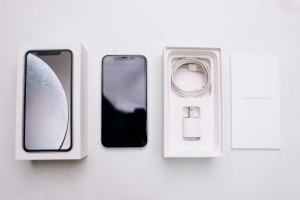
Our products will be packaged to meet the requirements of different market segments. For retailers and distributors, we will supply smartphones in bulk packaging to facilitate easy handling and inventory management. For end consumers, phones will be sold in branded retail boxes with clear user manuals, warranty cards, and protective packaging.
We will also develop branded display materials for shops and kiosks to support sales and brand recognition. This approach will help us serve both urban centers and emerging rural markets effectively.
Production and Operations Plan
Our production and operations plan will be designed to ensure efficiency, consistency, and high quality at every stage of the smartphone assembly process. From component sourcing to final packaging, we will implement systems that support large-scale output, quality control, and sustainable operations.
Production Process
We will operate a structured multi-stage process to assemble smartphones with precision and reliability:
- Component Inspection and Inventory
All imported components such as screens, circuit boards, batteries, and casing parts will be inspected upon arrival. We will verify quality, compatibility, and storage conditions before releasing items to the production line. - Assembly Line Operations
The components will be assembled systematically along a production line with trained technicians. This includes mounting circuit boards, connecting screens, installing batteries, and assembling casing parts. Each stage will have quality checkpoints to catch defects early. - Testing and Quality Assurance
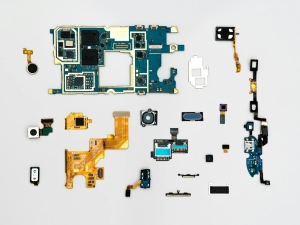
After assembly, each phone will undergo rigorous functional testing, including battery performance, camera quality, network connectivity, and software operation. Faulty units will be repaired or rejected to maintain product standards. - Packaging and Storage
Approved phones will be carefully packaged in branded retail boxes with manuals, warranty cards, and accessories. Finished products will be stored in a secure warehouse with controlled conditions to prevent damage or theft.
Machinery and Equipment
Our plant will be equipped with:
- Automated assembly stations and toolsets for precision fitting
- Quality testing equipment for hardware and software diagnostics
- Inventory management systems for components and finished goods
- Packaging machines for boxing and labeling
- Power backup generators to ensure uninterrupted production
- Security systems to protect assets and inventory
We will select machinery based on reliability, energy efficiency, and ease of maintenance to minimize downtime and operational costs.
Raw Material Procurement
Our primary inputs will be imported smartphone components sourced from trusted global suppliers. We will:
- Establish contracts with multiple suppliers to ensure consistent supply and competitive pricing
- Maintain buffer stock levels to prevent production delays due to supply chain disruptions
- Regularly assess suppliers for quality, delivery times, and cost efficiency
We aim to gradually increase local sourcing of parts and services as the Nigerian electronics ecosystem develops.
Quality Control and Certifications
We will implement internal quality checks at every stage, from component inspection to final product testing. Our goal is to meet and exceed international quality standards. We will pursue relevant certifications such as ISO 9001 (Quality Management) and CE marking to build trust with customers and partners.
Waste Management and Sustainability
We will adopt responsible waste management practices. This includes:
- Recycling electronic scrap and defective components where possible
- Disposing of hazardous materials according to environmental regulations
- Reducing energy consumption through efficient machinery and power management
- Exploring renewable energy options and water conservation methods
Our commitment will be to minimize environmental impact while maintaining efficient production.
Marketing and Sales Strategy
Our marketing and sales strategy will focus on positioning Matog Consulting as a trusted, affordable, and Nigerian-owned smartphone brand. We will combine local insights with competitive pricing, strong distribution channels, and a visible brand presence both online and offline. Our aim will be to reach value-driven consumers, businesses, and institutions through multiple access points and well-targeted campaigns.
Pricing Strategy
We will adopt a pricing strategy that reflects our production efficiencies and customer expectations. By assembling locally and benefiting from government incentives, we will offer smartphones at lower prices compared to imported alternatives, without compromising quality.
For retail customers, our phones will be priced competitively across different models to appeal to low-income, mid-range, and aspirational users. For bulk buyers; such as corporate clients, educational institutions, and telecom firms; we will offer volume discounts, extended warranty packages, and installment-based procurement options. Our pricing model will remain flexible and subject to regular review based on market shifts, currency fluctuations, and consumer feedback.
Distribution Channels
Our distribution will be structured across three core channels to ensure wide market coverage:
- Retail and Open Market Sales
We will partner with major phone retailers, open market vendors, and electronics distributors across key Nigerian cities. This channel will help us gain fast market penetration and serve walk-in customers across income levels. - Online and E-commerce Platforms
Our devices will be available for purchase through leading Nigerian e-commerce platforms and our dedicated website. We will offer delivery nationwide and work with logistics partners to ensure secure, fast dispatch. Online buyers will enjoy detailed product descriptions, flexible payment options, and warranty registration support. - Institutional and Corporate Sales
We will target schools, SMEs, fintech companies, and government programs that require phones in bulk for staff, students, or clients. Dedicated sales managers will handle negotiations, customization requests, and after-sales service arrangements.
Promotion Strategy
We will promote Matog Consulting as a proudly Nigerian smartphone brand that understands the real needs of its users. Our brand messaging will focus on affordability, durability, local relevance, and responsive service.
Our promotion strategy will include:
- Digital Campaigns
We will invest in social media ads, influencer partnerships, and search engine marketing. Campaigns will highlight battery life, rugged build, language options, and customer support benefits. Educational content will show how our phones solve real-world problems for Nigerians. - Retail Visibility
In-store branding, posters, shelf displays, and demo units will be provided to partner outlets. We will also run launch promotions, trade discounts, and bundle offers during peak buying seasons such as back-to-school and festive periods. - Events and Activations
We will organize and sponsor campus tech events, youth innovation forums, and entrepreneurship programs where our products will be showcased. Participation in trade fairs and telecom industry expos will also boost B2B visibility. - Customer Referral and Loyalty Program
We will introduce a referral program that rewards existing users who introduce others to Matog Consulting. Loyalty schemes will encourage repeat buyers and bulk purchasers with discounts, early access to new models, and branded merchandise.
Through this integrated approach, we hope to build a smartphone brand that is not only affordable but also respected for reliability, service, and a strong connection to local realities.
Management & Organizational Structure
To ensure efficient operations and long-term growth, we will establish a clear and effective management structure at Matog Consulting. Our team will include professionals with experience in technology, electronics assembly, logistics, marketing, and business development. This structure will support our goal of becoming a leading local smartphone brand that meets global standards while staying grounded in local realities.
Ownership and Key Management Team
Matog Consulting will be founded and promoted by a group of entrepreneurs with diverse backgrounds in manufacturing, retail distribution, electronics importation, and telecommunications. The founding team will bring together technical expertise, strategic insight, and practical experience in scaling startups within the Nigerian business environment.
We will appoint a Managing Director (MD) to lead day-to-day operations and overall strategic execution. The MD will be responsible for translating our vision into tangible business outcomes and will report directly to the Board of Directors.
Other key leadership roles will include:
- Head of Production & Assembly
- Head of Finance & Administration
- Head of Sales & Marketing
- Head of Customer Support & After-Sales Service
- Head of Quality Assurance & Compliance
Each manager will be selected based on domain expertise and leadership capability, and their responsibilities will be tied to clear performance benchmarks to ensure transparency and operational discipline.
Roles and Responsibilities
• Head of Production & Assembly will manage factory setup, oversee assembly processes, ensure supply chain coordination, and maintain productivity and equipment uptime.
• Head of Quality Assurance & Compliance will ensure our products meet safety, durability, and certification standards, and align with telecom regulatory guidelines.
• Head of Sales & Marketing will drive market penetration, manage product positioning, oversee promotions, and expand customer acquisition.
• Head of Finance & Administration will manage budgets, accounts, payroll, compliance, and performance reporting.
• Head of Customer Support & After-Sales Service will lead the establishment of service centers, oversee repair teams, and manage returns and warranty processes.
Staffing Plan
Our staffing plan will be developed in phases to match our production capacity and expansion plans. We will recruit staff across key functional areas:
➤ Technical Staff: Assembly line workers, phone testers, warehouse staff, packaging officers, and repair technicians.
➤ Administrative Support: Procurement officers, HR assistants, inventory clerks, and facility supervisors.
➤ Sales and Logistics Team: Retail reps, bulk sales agents, e-commerce fulfillment staff, drivers, and delivery handlers.
➤ Customer Care Agents: Call center staff, service desk officers, and field support teams to manage user feedback and technical issues.
As we grow, we will scale this workforce to meet demand while maintaining lean, efficient structures. Part-time workers will be employed during product launches or peak seasons to ensure flexibility.
Training and Development Programs
To maintain high standards and empower our workforce, we will introduce regular training programs across technical, operational, and customer-facing roles. These programs will include:
• Mobile device handling, assembly-line efficiency, and troubleshooting
• Customer service and complaint resolution
• Product knowledge and retail selling techniques
• Workplace safety and regulatory compliance
We will also collaborate with vocational training institutes, ICT hubs, and national skill development programs to ensure our employees stay current with evolving technologies and best practices.
This structured management and staffing approach will position Matog Consulting to deliver quality smartphones, offer dependable support, and grow sustainably in the competitive Nigerian and West African market.
Financial Plan
Our financial plan will outline the required capital, projected income, cost structure, and timeline for return on investment for establishing and operating our smartphone assembly plant. We aim to demonstrate the commercial viability and long-term profitability of the project to potential investors, lenders, and development partners.
Startup Costs
The total capital required to set up our smartphone assembly plant will cover land acquisition, facility construction, machinery purchase, regulatory compliance, working capital, and other operational setup expenses. A summary estimate is presented below:
| Category | Estimated Cost (₦) |
| Land Acquisition & Site Preparation | 40,000,000 |
| Factory Building & Infrastructure | 90,000,000 |
| Assembly Machinery & Equipment | 250,000,000 |
| Installation & Commissioning | 30,000,000 |
| Licenses, Certifications & Legal Fees | 7,000,000 |
| Office Setup & IT Infrastructure | 12,500,000 |
| Initial Component Stock (Imported) | 80,000,000 |
| Staff Recruitment & Training | 8,000,000 |
| Working Capital (6 months) | 75,000,000 |
| Total Estimated Startup Cost | ₦592,500,000 |
Note: All figures are estimates and will be refined during vendor negotiations and site-specific evaluations.
How Capital Expenditure Will Be Determined
We will arrive at our capital expenditure through the following process:
- Vendor Quotations: We will obtain detailed quotes from global equipment manufacturers and regional technical partners who specialize in electronics assembly lines.
- Industry Benchmarks: We will compare our costs with other mid-scale electronic assembly projects across West Africa to ensure alignment with industry norms.
- Technical Consultant Inputs: Our estimates will be reviewed and validated by experts with hands-on experience in setting up tech hardware assembly lines.
- Contingency Allowance: A 10–15% buffer will be included to account for currency fluctuation, import duties, and unforeseen project delays.
Each line item in our startup cost structure will be directly tied to key operational needs and business readiness milestones.
Funding Sources
To raise the necessary capital for startup and initial operations, we will pursue a mix of funding sources, including:
- Equity Contributions from the founders and private investors.
- Debt Financing through commercial banks, development finance institutions (DFIs), and specialized equipment financing programs.
- Government Incentives under schemes such as BOI, NITDA, or CBN interventions promoting local manufacturing and ICT.
Our team will prepare comprehensive documentation; including business plans, cash flow projections, and security arrangements; to meet the requirements of each funding source.
Revenue Projections (First 5 Years)
| Year | Estimated Units Sold | Estimated Revenue (₦) | Estimated Net Profit (₦) |
| Year 1 | 50,000 | ₦1.25 billion | ₦220 million |
| Year 2 | 100,000 | ₦2.7 billion | ₦460 million |
| Year 3 | 150,000 | ₦4.0 billion | ₦720 million |
| Year 4 | 200,000 | ₦5.4 billion | ₦980 million |
| Year 5 | 250,000 | ₦6.8 billion | ₦1.2 billion |
These projections are based on moderate growth in market demand, an expanding distribution network, and gradual cost efficiency as operations scale.
Cost Structure
Our operational costs will be broken down as follows:
- Fixed Costs: Salaries, factory rent or depreciation, equipment maintenance, licensing, and IT infrastructure.
- Variable Costs: Mobile components (e.g., screens, chipsets, batteries), logistics, packaging, marketing, and utility bills (electricity, water).
We will manage costs by negotiating long-term supply contracts, optimizing logistics, and adopting lean inventory practices.
Break-even Analysis
- Break-even Units: 38,000 units/year
- Break-even Revenue: ₦950 million/year
- Expected Break-even Timeline: Within the first 18–24 months of full operations, assuming 60–70% capacity utilization and stable input prices.
Profitability Snapshot
- EBITDA Margin: Expected to stabilize at 20–25% from Year 3 onward
- Net Profit Margin: Projected to reach 15–18% by Year 3
- Gross Margin: Will improve as we shift to partial local sourcing and increase output volume
Cash Flow Projections
We will maintain monthly cash flow tracking in the first year, transitioning to quarterly analysis in subsequent years. This will guide procurement, salary disbursement, marketing spend, and reinvestment decisions.
ROI & Payback Period
- Return on Investment (ROI): Forecast to exceed 25% annually from Year 3
- Payback Period: Estimated between 3.5 to 4 years from full commercial launch
This financial structure is designed to ensure that our smartphone assembly business under Matog Consulting becomes a self-sustaining and scalable venture, attractive to both institutional and private investors.
Risk Analysis & Mitigation
As with any manufacturing venture, our smartphone assembly project will face specific risks related to supply chains, market dynamics, technology trends, and regulatory compliance. We will adopt a proactive approach focused on resilience, responsiveness, and consistent quality to reduce the impact of these risks and ensure operational sustainability.
The Potential Risks Are:
- Dependence on Imported Components
Most smartphone components, such as chipsets, screens, and batteries, are sourced internationally. Any disruption in global supply chains could delay production or increase costs. - Exchange Rate Volatility
The depreciation of the Naira against the Dollar or Yuan could increase the cost of importing components and machinery, affecting pricing and profit margins. - Rapid Technological Obsolescence
Smartphone technology evolves quickly. There is a risk that products assembled today could become outdated within a short time frame. - Intense Market Competition
There is already strong competition from both global brands and grey-market imports, which could affect market entry, pricing strategy, and customer adoption. - Regulatory Delays or Policy Shifts
Unforeseen policy changes or delays in licensing, taxation, or customs clearance could affect operations and timelines.
Our Mitigation Strategies Are:
- Strategic Component Sourcing Agreements
We will build strong relationships with reputable global suppliers and negotiate forward contracts to secure stable pricing and delivery timelines. Where feasible, we will explore regional hubs (e.g., Egypt, India, UAE) with shorter lead times and favorable trade terms. - Currency Risk Management
We will hedge against exchange rate fluctuations by using forward exchange contracts and maintaining foreign currency-denominated reserve accounts. We will also prioritize sourcing some components in regional currencies when possible. - Agile Product Design and Modular Assembly
Our assembly line will be structured to allow easy updates and model switching. This modular setup will help us quickly respond to new market trends, software updates, and feature demands without major operational delays. - Value Differentiation and Local Relevance
We will differentiate our smartphones through local customization; stronger batteries, better signal reception, local language settings, and robust casing. These practical features will appeal to underserved segments and offset competition from generic imports. - Policy Engagement and Compliance Readiness
We will work closely with relevant regulatory bodies such as NITDA, NOTAP, and the NCC to ensure compliance from the onset. Our team will regularly monitor policy shifts and ensure that our operations align with government incentives and local content policies.
Why This Business Is Worth Investing In
Our smartphone assembly venture presents a compelling investment opportunity built on strong market demand, cost-saving localization, and strategic alignment with Nigeria’s digital and industrial goals. With a clear implementation strategy, scalable operations, and favorable government policy backing, we believe this project offers sustainable returns and long-term impact.
- High and Growing Market Demand
Nigeria has one of the fastest-growing populations of smartphone users in Africa. With over 220 million people and rising internet penetration, there is strong demand for affordable, durable smartphones, especially among first-time users, students, small business owners, and rural communities. This upward trend is expected to continue, driven by digital banking, e-commerce, education, and social media use.
- Import Substitution Opportunity
Currently, most smartphones sold in Nigeria are imported, resulting in high costs and limited customization for local needs. By assembling smartphones locally, we will reduce import duties, logistics expenses, and product costs; making devices more affordable for the mass market. This import substitution model also supports Nigeria’s goal of strengthening local manufacturing capacity.
- Government Support for Local Tech Manufacturing
Federal and state governments are offering tax incentives, grants, and access to special funding windows to encourage local technology production. Agencies such as NITDA, BOI, and NASENI are promoting local content and digital inclusion. By aligning with these initiatives, we will position our business to benefit from long-term policy support and public-private partnerships.
- Customization for Local Conditions
Unlike many foreign brands, we will design our smartphones to meet the practical needs of Nigerian users; stronger batteries, dual SIM options, power-efficient systems, local languages, and repairable components. This locally informed design approach will give us a competitive edge in functionality and customer loyalty.
- Job Creation and Skills Development
We will contribute to national goals by creating direct and indirect employment across production, logistics, distribution, and after-sales services. Our project will also provide valuable hands-on training for Nigerian technicians, engineers, and quality control officers, helping to build a new generation of tech-skilled workers.
- Strong Return on Investment (ROI)
Our financial plan shows a clear path to profitability with a payback period of approximately 3.5 to 4 years. By Year 3, we expect the business to generate consistent net profits with strong EBITDA and cash flow performance. As demand scales, operating margins will improve due to cost efficiencies and brand growth.
In summary, Matog Consulting’s smartphone assembly project is not only commercially viable but also socially impactful. It will address critical gaps in affordability and accessibility, promote industrial growth, and deliver measurable investor returns; making it a strategic investment choice for stakeholders who value both profit and purpose.
Conclusion
This smartphone assembly venture is designed to meet a clear and growing market demand. With high import dependence, rising digital adoption, and strong policy support for local production, the business offers a strategic opportunity for long-term profitability and impact. It is a viable response to both market realities and national industrial goals.
At Matog Consulting, we build business plans that speak to investors, lenders, and partners. If you are serious about setting up a local manufacturing venture and need a focused, practical roadmap; this is where to begin.
Call to Action
If you are planning to establish a smartphone assembly plant, now is the time to act with clarity and confidence. At Matog Consulting, we provide the right support to help you move from concept to execution.
Our services include:
Business Plan Development
Feasibility Studies
Regulatory Compliance
Equipment Sourcing
Factory Setup Support
Advisory and Strategy
Fund Raising
You do not have to figure it out alone. Let us work with you to make your smartphone assembly project bankable, practical, and sustainable.
Contact Us:
Email: enquiry@matogconsulting.com
Tel: (+234) 802 320 0801, (+234) 807 576 5799
Office Address: 5, Ishola Bello Close, Off Iyalla Street, Alausa, Ikeja, Lagos, Nigeria.




There are no comments