Business Plan Outline for Electric Meter Production in Nigeria
Executive Summary
The business will operate under the name Matog Meters Ltd; a limited liability company duly registered in Nigeria. The company will be situated within the Lagos–Ogun industrial corridor, a location chosen for its access to major transport links, industrial facilities, skilled labor, and proximity to key electricity distribution companies and regulatory agencies. This setting will allow for smooth movement of imported components, easier engagement with industry stakeholders, and faster delivery of finished products to customers.
Business Overview
Matog Meters Ltd is being established to assemble and supply high-quality prepaid and smart electricity meters for the Nigerian power market. The company will focus on assembling meters that meet NEMSA and NERC standards using tested components sourced from certified international manufacturers. All stages of assembly, calibration, testing, and packaging will take place locally. As part of a gradual growth plan, the company will increase its local content ratio by sourcing meter boxes, cabling, and non-core parts from domestic suppliers as the industry matures. Matog’s meters will be targeted mainly at electricity distribution companies (DisCos), government-backed metering programs, rural electrification developers, real estate firms, and engineering contractors involved in power infrastructure. Alongside meter production, the company will also provide support services such as technical maintenance, re-certification, and user training when required.
Market Need and Opportunity
There is a large and persistent gap in electricity metering across Nigeria. Many electricity users are still placed on estimated billing systems due to the shortage of available meters, which creates disputes, reduces transparency, and leads to revenue losses for electricity providers. In response, the Nigerian government and its regulatory agencies have introduced mass metering initiatives and policy guidelines aimed at ensuring that all power users are accurately metered. Despite these efforts, there is still an overdependence on imported meters, which are often costly, delayed, or misaligned with local conditions. These challenges have created a clear opening for local manufacturers like Matog Meters Ltd to step in with reliable alternatives. By building a controlled and certified local assembly operation, the company will shorten delivery timelines, reduce costs for buyers, and respond faster to changes in market needs or technical standards. In addition to serving the domestic market, there is also long-term potential for regional exports across West Africa, particularly in countries where electrification and digital metering efforts are still at an early stage.
Mission Statement
To produce and deliver reliable, accurate, and affordable electricity meters that support fair billing, promote transparency, and improve access to modern energy systems across Nigeria.
Vision Statement
To become a leading Nigerian manufacturer of certified metering solutions, recognized for product quality, regulatory compliance, and trusted partnerships with power sector stakeholders nationwide.
Key Objectives
To establish and operate a fully functional meter assembly facility with an initial monthly capacity of 5,000 units, scaling up as demand increases.
To obtain full product certification from the Nigerian Electricity Management Services Agency (NEMSA) and meet all technical standards required by NERC and electricity distribution companies.
To secure at least five active supply agreements with major electricity distribution companies and mini-grid developers within the first 18 months of operations.
To participate in ongoing national or regional metering programs by aligning with government policies, regulatory frameworks, and local content requirements.
To build a workforce that is at least 70 percent technical and production-focused, ensuring skill development and local job creation across assembly, testing, and support services.
To implement a sustainable business model that allows the company to break even within three years, maintain operational discipline, and generate steady cash flow for long-term growth.
Company Profile
The business will operate as Matog Meters Ltd; a limited liability company incorporated under the laws of the Federal Republic of Nigeria. This legal structure will provide a clear framework for ownership, governance, accountability, and access to funding. It will also allow the company to enter into formal contracts with government agencies, electricity distribution companies, and development institutions. As a registered manufacturer, Matog Meters Ltd will comply with all regulations governing metering, electronics production, quality control, and environmental safety. The company will also obtain all necessary licenses, permits, and technical certifications required for its products and operations.
Ownership and Promoter Background
Matog Meters Ltd is being promoted by a group of Nigerian professionals with strong backgrounds in engineering, manufacturing, energy infrastructure, and public procurement. The founding team brings practical experience in handling local and international projects within the power sector and understands the technical and regulatory challenges of Nigeria’s electricity value chain. The promoters are already active in various business ventures across energy, technology, and industrial services and are familiar with managing cost, compliance, and large-scale supply contracts.
Their combined experience will support the design of a practical, scalable meter production business that meets market needs without overextending financial or operational capacity. Each promoter has a strong interest in building a business that creates jobs, supports energy sector reforms, and reduces the country’s dependence on imported meters.
Core Values
The business will be guided by a clear set of values that shape both its internal operations and its external relationships. These values include:
Integrity
Quality
Compliance
Local Impact
Responsiveness
Discipline
Business Goals and Milestones
Matog Meters Ltd will take a structured approach to growth, starting with short-term deliverables and gradually building toward long-term expansion. Key goals and milestones include:
Facility Setup
Product Certification
Market Entry
Production Growth
Local Content Development
Workforce Development
Business Description
Industry Overview
Nigeria’s electricity sector continues to face many challenges, but one of the most urgent is the shortage of functional and accurate energy meters. Despite various reform efforts and investment programs, millions of electricity users across the country still rely on estimated billing. This approach has not only created distrust between customers and distribution companies, but has also contributed to poor revenue collection, widespread complaints, and resistance to tariff adjustments.
To address these challenges, the Nigerian government, through the Nigerian Electricity Regulatory Commission (NERC), has made several efforts to promote full metering coverage. Initiatives such as the National Mass Metering Programme (NMMP) and the Meter Asset Provider (MAP) framework were introduced to accelerate meter deployment and reduce the gap. These efforts, although commendable, have not fully met expectations due to heavy dependence on imported meters, long procurement cycles, and cost inefficiencies.
As electricity access continues to expand through grid connections, off-grid mini-grids, and solar-based solutions, the demand for reliable meters will only grow. Prepaid and smart meters are especially in high demand because they allow consumers to monitor usage, reduce waste, and avoid billing disputes. Therefore, the energy metering market in Nigeria remains large, underserved, and open to capable local producers who can deliver approved, cost-effective, and scalable solutions.
Market Gap
At present, most of the electric meters deployed in Nigeria are sourced from foreign manufacturers. These imports often come with several problems. The cost of shipping, customs duties, and foreign exchange risks usually make them more expensive than they need to be. Long delivery timelines can delay installation programs. In some cases, imported meters do not fully align with local distribution infrastructure, resulting in performance issues or high rejection rates during certification tests.
Furthermore, the country still has an unmet demand running into millions of meters, especially in areas that were recently connected to the grid or upgraded from older systems. Distribution companies face pressure to reduce commercial losses, improve transparency, and bill customers more accurately, but they often lack a reliable local source of meters that meet all regulatory requirements and can be delivered quickly.
These issues create a practical and immediate opportunity for a business like Matog Meters Ltd to provide certified, locally assembled alternatives. By operating within Nigeria, the company can shorten delivery time, respond quickly to bulk orders, customize features based on buyer needs, and offer after-sales support that imported brands cannot easily provide.
Business Model
Matog Meters Ltd will adopt a business model that combines local assembly with targeted business-to-business (B2B) and business-to-government (B2G) sales. The company will not sell directly to individual customers but will instead supply bulk orders to institutions, power utilities, and contractors.
On the B2B side, Matog will work with electricity distribution companies (DisCos), engineering, procurement and construction (EPC) contractors, and private estate developers who need prepaid or smart meters for large projects. On the B2G side, the company will participate in government-funded programs such as the National Mass Metering Programme (NMMP) and work with agencies focused on rural electrification, grid expansion, and energy access.
This model allows Matog to focus its resources on meeting large-volume orders, complying with strict technical standards, and maintaining steady production flow. Over time, the company may introduce partnerships with vendors and distributors to expand reach, but its primary focus will remain institutional sales and project-based delivery.
Legal and Regulatory Requirements
Matog Meters Ltd will obtain all required licenses and ensure that every model it assembles goes through the proper approval process. The company will work with technical consultants and compliance specialists to prepare test units, manage product documentation, and conduct performance testing in line with government protocols. In addition to meter certifications, the company will comply with other general business regulations, including standards set by the Standards Organisation of Nigeria (SON), tax obligations, importation permits, labor laws, and environmental guidelines.
Location and Infrastructure Needs
Matog’s assembly facility will be located within the Lagos–Ogun industrial corridor, a zone that offers reliable access to transport networks, industrial-grade power supply, seaports for component importation, and a large pool of semi-skilled and technical labor. This location will also make it easier to interact with regulatory bodies and electricity distribution companies headquartered in Lagos and nearby cities.
The facility will include designated areas for component inspection, meter assembly, calibration, functional testing, packaging, and storage. Additional space will be allocated for administration, documentation, equipment maintenance, and small-scale repairs or rework. The factory will be supported by backup power systems, safety infrastructure, and security arrangements to ensure continuous and safe operations.
Proximity to seaports and industrial suppliers will help reduce logistics costs and lead times. In addition, being near major cities like Lagos and Abeokuta allows the company to hire qualified engineers, technicians, and production staff without difficulty.
Key Competitive Advantages
Matog Meters Ltd will build on several strengths to position itself as a trusted local supplier in the energy metering space. These advantages include:
Regulatory Readiness: From the outset, the company will design all operations to comply with NEMSA and NERC requirements, making it easier to win tenders and sign contracts with distribution companies.
Shorter Lead Times: Local production allows for faster turnaround on bulk orders, reducing the waiting period for utilities and contractors.
Customisation and Local Fit: The company can adjust meter specifications, packaging, and features based on the specific needs of buyers and local network configurations.
After-Sales Support: Matog will provide basic repair, recalibration, and replacement services, creating more confidence among buyers compared to imported brands with no local footprint.
Cost Control: By assembling locally and eventually sourcing some parts from Nigerian vendors, the company will gradually reduce production costs and offer better pricing to clients.
Strong Local Knowledge: The promoters understand the structure of Nigeria’s power sector and how to navigate its regulatory and procurement systems. This will reduce risk and increase deal conversion.
Market Analysis
The demand for electricity meters in Nigeria continues to rise due to several structural and policy-driven factors. Across the country, there are millions of electricity users who still remain unmetered. Many rely on estimated billing, which has led to widespread complaints, poor customer satisfaction, and serious revenue shortfalls for distribution companies. This situation has made metering a top priority for both regulators and power distribution firms.
One of the key drivers of demand is the Nigerian government’s consistent effort to improve electricity sector performance by ensuring that consumers are accurately billed based on actual usage. Through programs such as the National Mass Metering Programme (NMMP) and the Meter Asset Provider (MAP) scheme, the government has created a framework that encourages both public and private sector involvement in closing the metering gap.
In addition to national grid users, the rise in rural electrification projects, mini-grid deployments, and solar installations has further widened the scope for metering. Many of these off-grid and semi-grid systems also require prepaid or smart meters to manage energy use and ensure cost recovery. As more people gain access to electricity, the demand for reliable meters is expected to grow steadily.
Urbanisation, population growth, housing development, and rising electricity coverage will all continue to drive this demand. Distribution companies, contractors, developers, and off-grid operators will need a consistent supply of quality meters. The opportunity, therefore, is not just large; it is also continuous and well-supported by policy.
Target Market Segments
Matog Meters Ltd will focus its efforts on specific institutional buyers who are responsible for energy supply, infrastructure development, or regulatory enforcement. These include:
Electricity Distribution Companies (DisCos)
Government Metering Programs
Mini-Grid and Rural Electrification Developers
Housing Estates and Commercial Developers
Engineering, Procurement, and Construction (EPC) Contractors
Competitor Landscape
The Nigerian meter supply market includes a mix of foreign manufacturers, local assemblers, and recently licensed indigenous producers. Historically, most meters were imported from China, India, and other Asian countries, often through local distributors or contract agents. These imported meters typically dominate the market due to their scale and lower production cost. However, challenges such as long shipping times, high import duties, exchange rate exposure, and compatibility issues have weakened their reliability.
In recent years, a few local companies have begun assembling meters within Nigeria. Some have secured licenses under the MAP scheme and supply meters to DisCos and private developers. While this shift is positive, the number of fully operational and certified local producers remains small, and many still rely heavily on imported components. This means there is room for additional local players, especially those who can offer better quality control, shorter delivery times, and more responsive customer support.
Matog Meters Ltd will face competition from both established importers and early-stage local assemblers. However, by focusing on full regulatory compliance, consistent product testing, and close collaboration with clients, the company will position itself as a dependable and efficient partner in a market that values delivery speed, technical accuracy, and strong after-sales support.
SWOT Analysis
Strengths
Local assembly operation reduces delivery time and cost
Full compliance focus improves credibility with DisCos and regulators
Experienced promoters with knowledge of the power sector
Clear operational structure and technical support capability
Opportunity to gradually increase local content and reduce import dependence
Weaknesses
Initial capital investment will be significant
Heavy reliance on imported components in the early phase
Brand awareness will need time to build
Regulatory delays may affect speed to market in the early months
Opportunities
Large unmet demand for meters across Nigeria and ECOWAS region
Government support for local manufacturing and industrialisation
Expansion into smart metering for mini-grids, solar systems, and estates
Ability to scale by partnering with EPC contractors and program implementers
Threats
Exchange rate volatility may affect component costs
Supply chain disruptions could delay production
Regulatory policy changes may introduce new compliance hurdles
Competition from low-cost imported meters could drive prices down
Government Policy Support
The regulatory environment in Nigeria currently supports local metering and domestic manufacturing. Agencies such as the Nigerian Electricity Regulatory Commission (NERC) and the Nigerian Electricity Management Services Agency (NEMSA) continue to push for increased metering, better product quality, and full compliance with local standards.
Programs like the MAP scheme encourage investment by allowing certified firms to install meters and recover costs over time. Under the National Mass Metering Programme (NMMP), the federal government has released funds through the Central Bank of Nigeria (CBN) to support DisCos and meter manufacturers. These programs are backed by local content policies that give preference to Nigerian companies that meet quality and certification standards.
In addition, institutions like the Bank of Industry (BOI), Nigerian Content Development and Monitoring Board (NCDMB), and Presidential Enabling Business Environment Council (PEBEC) provide policy support, funding windows, and fast-track licensing options for local manufacturers.
Matog Meters Ltd will actively align with these policies and take advantage of available support frameworks. By building a compliant, quality-driven, and locally rooted business, the company will not only meet current demand but also position itself to benefit from future government initiatives aimed at strengthening the Nigerian electricity supply system.
Production and Operations Plan
Matog Meters Ltd will engage in the assembly and manufacturing of electricity meters through a well-defined, step-by-step process designed to ensure product quality, efficiency, and compliance with industry standards. The production process will begin with the receipt and inspection of raw materials and components, both sourced locally and internationally. Key stages include:
Component Preparation
Assembly
Programming and Calibration
Testing
Final Inspection and Packaging
Machinery and Equipment Requirements
Matog Meters Ltd will invest in essential machinery and equipment necessary for efficient production and quality assurance. These include:
Surface Mount Technology (SMT) machines for circuit board assembly
Automated soldering stations
Programming and calibration devices with software tools
Environmental test chambers for temperature and humidity resistance
Electrical accuracy testing benches compliant with NMI and NEMSA standards
Quality control inspection tools such as multimeters and oscilloscopes
Assembly line conveyors and ergonomic workstations
Packaging machines for safe and efficient boxing of finished products
Factory Layout and Workflow
The layout will follow a logical sequence from raw material receiving, through assembly and testing, to packaging and dispatch. Key areas will include:
Receiving and storage for raw materials and components
Component preparation and pre-testing zone
Assembly lines segmented by meter types (prepaid, smart, conventional)
Calibration and programming room with controlled environment
Quality control and testing laboratory
Packaging and shipping area
Maintenance and repair workshop
Administrative offices and staff facilities
Clear signage, safety zones, and quality checkpoints will be integrated into the layout to support compliance and operational discipline.
Raw Material Sourcing (Local and International)
Matog Meters Ltd will pursue a hybrid sourcing strategy to balance cost, quality, and supply security:
Local Sourcing: Wherever feasible, components such as enclosures, packaging materials, and certain mechanical parts will be procured from Nigerian suppliers. This supports local industry and reduces lead times.
International Sourcing: Critical electronic components, microchips, sensors, and specialized software tools will initially be imported from trusted global suppliers in Asia and Europe. The company will seek long-term supplier agreements to mitigate price fluctuations and supply risks.
Efforts will be made to progressively increase local content through partnerships and capacity building.
Quality Control Measures and Certifications
Maintaining high product quality and compliance is central to Matog’s operations. The company will implement rigorous quality control at every production stage:
Incoming material inspections to verify supplier certifications and specifications
In-process inspections during assembly for defect detection
Final product testing for accuracy, durability, and safety according to:
National Metrology Institute (NMI) calibration requirements
International Organization for Standardization (ISO 9001) quality management standards
The company will pursue formal certifications for its products and quality systems, ensuring market acceptance and regulatory compliance.
Waste Management and Environmental Compliance
Matog Meters Ltd will adopt environmentally responsible waste management practices, including:
Proper segregation of electronic, plastic, and metal waste
Safe disposal of hazardous materials such as solder residues and chemicals according to Nigerian environmental regulations
Recycling of recyclable components where possible
Training employees on environmental policies and best practices
The company will ensure full compliance with national environmental laws and strive to minimize its ecological footprint.
Projected Production Capacity and Expansion Plan
At full operational capacity, Matog Meters Ltd plans to assemble approximately 100,000 meters annually in the first phase. This production level will meet initial contract demands and provide flexibility for order fluctuations.
Over the next three to five years, capacity will be expanded by:
Adding additional assembly lines and testing equipment
Increasing automation to improve throughput and reduce manual errors
Expanding factory floor space to accommodate growth
Diversifying product lines to include advanced smart meters and customized solutions
The expansion plan will be guided by market demand, customer feedback, and government program developments.
Marketing and Sales Strategy
We will adopt a pricing model that balances affordability, quality, and profitability. The pricing strategy will be both competitive and cost-based, ensuring the company can recover costs while remaining attractive to institutional buyers.
Cost-Based Pricing: Each product will be priced based on actual production costs, overheads, logistics, and administrative expenses, with a reasonable profit margin added. This ensures financial sustainability.
Competitive Pricing: Prices will be benchmarked against existing suppliers in Nigeria and abroad. The company will offer flexible pricing for bulk orders and long-term contracts, giving it an edge in government and utility-sector procurement.
We will also explore value-based pricing for smart meters and customized metering solutions, where added features justify premium pricing.
Distribution Channels
We will sell primarily through institutional channels, using a mix of direct and indirect methods through:
Direct Sales to DisCos
Government Metering Programs
B2B Contracts
Channel Partnerships
Promotion Strategy
Given the institutional nature of the target market, Matog’s promotional efforts will be focused, professional, and relationship-driven. Key strategies will include:
Industry Events and Trade Shows
B2B Marketing
Strategic Alliances
Online Presence
Relationship with DisCos, REA, and Off-Grid Developers
We hope to build and maintain strategic relationships with:
Electricity Distribution Companies (DisCos)
Rural Electrification Agency (REA)
Off-Grid Developers
Customer Education and Support Services
Customer satisfaction and long-term product performance will be supported by strong after-sales services and end-user education. These will include:
Technical Support
Training Workshops
User Manuals and Guides
Warranty and Replacement Policy
Management and Organizational Structure
Matog Meters Ltd will be privately owned by its founding promoters and select equity investors who share our long-term vision for local manufacturing and innovation in Nigeria’s energy sector. We will structure the ownership to allow room for strategic partnerships and funding participation where necessary, while retaining full control over operational and quality decisions.
Our founding team will include experienced professionals with backgrounds in power systems engineering, supply chain management, financial planning, and project execution. We will appoint a Managing Director to lead the business and coordinate the day-to-day operations. Other key members of our leadership team will include:
Head of Operations
Chief Technical Officer (CTO)
Head of Sales and Business Development
Chief Financial Officer (CFO)
Compliance and Regulatory Manager
Roles and Responsibilities of Key Departments
To ensure operational clarity and accountability, our company will be organized into the following key departments, each with clearly defined roles:
Production and Assembly Department:
This team will manage the entire assembly line, from component handling to final packaging. They will be responsible for meeting daily production targets, minimizing waste, and maintaining workplace safety.
Technical and Quality Assurance Department:
Our QA team will carry out pre-production checks, mid-line inspections, and final product testing. They will work closely with regulatory bodies such as NEMSA to maintain product certification and compliance.
Sales and Business Development Department:
This team will focus on building relationships with DisCos, government agencies, and private developers. They will respond to tenders, develop proposals, and manage client accounts.
Finance and Administration Department:
Responsible for budgeting, accounting, payroll, and general administration. This department will ensure we operate efficiently and in compliance with Nigerian tax and financial laws.
Human Resources and Corporate Services Department:
This unit will manage recruitment, staff welfare, training coordination, and company policies. They will also ensure alignment between our people and our goals.
Staffing Plan
In our first year of operation, we will build a lean but capable workforce to support our production, technical, and commercial activities. We plan to employ approximately 40 to 60 staff members, distributed across the following roles:
Engineers
Technicians
Quality Assurance Officers
Sales and Marketing Staff
Administrative and Finance Staff
Training and Capacity Development Programs
We believe that a skilled workforce is central to our long-term success. From the outset, we will invest in structured training and development programs to build both technical competence and managerial strength.
Technical Training
Sales and Customer Engagement Workshops
Leadership and Compliance Training
External Partnerships
Corporate Governance and Reporting Framework
Matog Meters Ltd will operate under a transparent and responsible governance structure. We will adopt clear reporting lines, decision-making protocols, and documentation standards to ensure operational accountability.
A Board of Directors will be constituted to provide strategic oversight and guidance.
The Managing Director will report to the board quarterly and present updates on operations, compliance, and financial performance.
Each department head will be responsible for monthly reporting to management, covering key performance indicators (KPIs), budgets, and challenges.
We will maintain proper records in line with the Companies and Allied Matters Act (CAMA) and submit annual filings to the Corporate Affairs Commission (CAC), Federal Inland Revenue Service (FIRS), and relevant industry regulators.
Financial Plan
Startup Capital Breakdown
Our startup capital will cover land/building lease, equipment acquisition, production setup, staffing, marketing, and regulatory compliance. Based on our preliminary estimates, the startup capital will be allocated as follows:
Factory Setup and Equipment: ₦350 million
Initial Raw Material Stock: ₦70 million
Working Capital (6 months operations): ₦90 million
Regulatory Certifications and Licensing: ₦15 million
Product Testing and Quality Assurance Infrastructure: ₦25 million
Office Equipment and IT Systems: ₦20 million
Marketing, Legal, and Administrative Setup: ₦30 million
Total Estimated Startup Capital:₦600 million
We will finalize our budget after full site selection, supplier negotiation, and factory layout planning.
How We Arrived at the Startup Cost
To determine the startup capital requirement of ₦600 million, we adopted a structured and realistic cost estimation approach. This estimate is based on our intended production capacity, regulatory compliance, operational needs, and industry standards. Below is the break down of how we arrived at our startup cost;
Factory Setup and Equipment – ₦350 million
This estimate covers the purchase and installation of all required machinery for meter assembly, programming, calibration, and testing. We also factored in the cost of shipping, commissioning, and factory improvements; such as power systems, lighting, ventilation, and production layout enhancements.
Initial Raw Material Stock – ₦70 million
We calculated this based on bill of materials for different meter models, targeting an initial production volume of 10,000 to 15,000 units. This includes components, casing materials, and other consumables.
Working Capital (6 months) – ₦90 million
We estimated monthly operating expenses such as staff wages, rent, logistics, and maintenance, then multiplied by six to provide an operational buffer. This will ensure business continuity until sales and cash flows stabilize.
Regulatory Certifications and Licensing – ₦15 million
This allocation includes the cost of obtaining certifications from regulatory agencies such as NEMSA, SON, and NMI. It covers documentation, product testing fees, audits, and professional support.
Product Testing and Quality Assurance – ₦25 million
We will set up a basic in-house lab with equipment like calibration benches, safety testers, and environmental test chambers to ensure our meters meet required technical standards.
Office Equipment and IT Systems – ₦20 million
This includes computers, internet, furniture, printers, and basic digital tools to support administrative and back-office operations.
Marketing, Legal, and Administrative Setup – ₦30 million
This covers legal registrations, branding, early-stage promotional activities, professional services, and participation in stakeholder engagement meetings.
This cost framework provides a clear, transparent foundation to guide fundraising and financial planning.
Equipment and Factory Setup Costs
Our production facility will require both mechanical and electronic machinery for assembly, programming, and testing. We will procure and install the following:
Surface Mount Technology (SMT) machines
Automated soldering and calibration systems
Electrical testing benches (NEMSA and NMI certified)
Packaging and labeling equipment
Environmental test chambers (for heat, humidity, voltage fluctuation)
Utility installations: backup power, ventilation, and safety systems
Factory leasehold improvements; including flooring, power supply, lighting, and workspace layout; will also be carried out. We will allocate approximately ₦350 million to this entire setup phase.
Funding Sources and Investment Strategy
We will pursue a combination of equity and debt financing to raise the required ₦600 million startup capital. Our funding strategy will involve:
Equity Contribution by Founders: ₦150 million
Private Investors and Strategic Partners: ₦200 million
Development Finance Institutions (DFIs): ₦100 million (e.g., BOI, NEXIM, AfDB)
Bank Loans and CBN Interventions: ₦150 million
We will actively pursue funding windows under the CBN NMMP Metering Fund, Bank of Industry loans for manufacturers, and NCDMB local content support schemes. Investor funds will be secured through clear shareholder agreements, exit options, and dividend policies.
Revenue and Profit Projections (5 Years)
We project steady growth in sales volume as we build market visibility, certifications, and distribution agreements.
Year
Meters Sold
Estimated Revenue (₦)
Estimated Net Profit (₦)
Year 1
50,000
750 million
90 million
Year 2
75,000
1.2 billion
180 million
Year 3
100,000
1.7 billion
320 million
Year 4
150,000
2.6 billion
520 million
Year 5
200,000
3.5 billion
780 million
Revenue is based on a blended average price per meter of ₦15,000–₦18,000, depending on type. Profit margins will improve over time as we increase local content and operational efficiency.
Cost Structure: Fixed vs Variable
Our cost structure will be clearly split between fixed and variable components:
Fixed Costs:
Salaries and Wages
Factory Rent/Lease
Insurance and Regulatory Fees
Depreciation of Equipment
Administration and Security
Utilities (Base load)
Variable Costs:
Raw materials and electronic components
Packaging materials
Transportation and logistics
Calibration and testing consumables
Commission-based sales incentives
We will monitor our cost structure closely and explore ways to lower our per-unit cost over time through bulk procurement and local vendor development.
Break-even Analysis
Based on our estimated cost and pricing model, we project a break-even point at approximately 38,000 meters sold annually. We expect to cross this threshold between Month 9 and Month 12 of our first operational year. This analysis considers:
Average selling price per unit: ₦15,000
Average variable cost per unit: ₦9,000
Annual fixed costs: ₦230 million
Our early focus will be on securing steady, contract-based orders to reach this break-even point quickly.
Return on Investment (ROI) and Payback Period
We project an average ROI of 35%–45% beginning from the third operational year, once recurring contracts and factory throughput stabilize.
Our projected payback period on initial investment is 3.5 years, driven by:
Repeat orders from DisCos and REA
Gradual market expansion into smart metering and exports
Operational scale efficiencies and reduced material wastage
We will track key metrics to ensure that investor capital is used efficiently and generates returns within the expected period.
Cash Flow Forecast and Working Capital Management
We will maintain a healthy cash flow through disciplined financial management and regular invoicing. Our key strategies for cash flow and working capital include:
Negotiating favorable supplier terms (30–60 days payment cycles)
Prompt billing and follow-up with institutional clients
Establishing a revolving working capital line with a partner bank
Buffering cash for component procurement ahead of production
Maintaining a rolling 6-month cash flow forecast reviewed monthly
We will adopt a cautious, cash-efficient operating style during our first two years, ensuring we do not overextend or carry excess inventory beyond forecasted demand.
Risk Analysis and Mitigation
Like all manufacturing ventures in Nigeria’s energy sector, our operations will face several external and internal risks. We have identified the most critical areas that could impact our performance they include the following:
Supply Chain Disruptions
Exchange Rate Volatility
Regulatory or Policy Changes
Competition from Cheaper Imports
Operational Risks
Cash Flow and Credit Risk
Our Mitigation Strategies
We will actively plan for these risks and implement structured mitigation strategies from the beginning by doing the following:
Local Content Development:
To reduce our dependence on imports, we will identify and develop local suppliers for meter casings, packaging, and selected components. Over time, we hope to increase our local content percentage to strengthen supply stability and qualify for government incentives.
Multi-Supplier Contracts:
For all imported parts, we will maintain relationships with multiple suppliers across different countries to reduce the risk of disruptions or price shocks.
Currency Risk Management:
We will explore forward contracts, early procurement cycles, and strategic stockpiling to hedge against exchange rate fluctuations. Where possible, we will negotiate in naira with local distributors of foreign parts.
Regulatory Compliance Readiness:
Our team will stay fully up to date with all regulatory changes. We will assign a compliance officer to monitor updates from NERC, NEMSA, and the Ministry of Power, ensuring that our operations and products stay aligned with current rules.
Product Differentiation and Customer Focus:
Rather than compete solely on price, we will focus on offering durable, accurate, and fully certified meters, backed by technical support and timely delivery.
Operational Discipline:
We will adopt preventive maintenance programs, train our technical team thoroughly, and build redundancies into our power supply (e.g., solar backup and generators) to avoid costly downtimes.
Cash Flow Management:
Our sales strategy will prioritize customers with stable cash flows and predictable payment cycles. We will also negotiate part-payment upfront in large orders and maintain a working capital reserve for slow payment periods.
Insurance, Legal Compliance, and Operational Safeguards
We will put proper legal and risk safeguards in place from the start to protect our assets, people, and clients by engaging in the following:
Business and Product Liability Insurance:
We will insure our facility, equipment, and finished products against damage, theft, and defects.
Regulatory Licenses and Certifications:
All products will be tested and certified by NEMSA and compliant with MAP and NERC standards before market release. We will also maintain full registration with the Corporate Affairs Commission (CAC), FIRS, and other relevant bodies.
Contractual Protections:
We will use properly vetted contracts for all major sales, supplier agreements, and partnerships. This will ensure clarity on obligations, delivery timelines, and dispute resolution.
Occupational Health and Safety:
Our operations will follow industry-standard health and safety guidelines to protect our employees. This will include training, provision of protective equipment, and regular safety audits.
Conclusion
This electric meter manufacturing venture is built to serve a well-defined and fast-growing market. With Nigeria’s urgent need for accurate metering, local content enforcement, and the expansion of off-grid solutions, there is both commercial and national relevance to this business. By addressing supply gaps, adopting quality standards, and aligning with policy direction, the venture offers a clear path to long-term viability and positive impact.
At Matog Consulting, we develop practical and credible business plans that speak directly to investors, banks, regulators, and technical partners. If you are serious about starting a local manufacturing business in this space and want a plan that reflects market realities and execution readiness, this is where to begin.
Call to Action
If you are planning to establish an electric meter manufacturing plant, now is the time to act with clarity and confidence. At Matog Consulting, we provide the right support to help you move from concept to execution.
Our services include:
Business Plan Development
Feasibility Studies
Regulatory Compliance
Equipment Sourcing
Factory Setup Support
Advisory and Strategy
Fund Raising
You do not have to figure it out alone. Let us work with you to make your electric meter manufacturing project bankable, practical, and sustainable.
Contact Us: Email: enquiry@matogconsulting.com Tel: (+234) 802 320 0801, (+234) 807 576 5799 Office Address: 5, Ishola Bello Close, Off Iyalla Street, Alausa, Ikeja, Lagos, Nigeria.


![Nigeria Beyond Oil: Mapping the Next $100bn Non-Oil Growth Engines Executive Summary Nigeria's economy is undergoing a historic transformation, with non-oil sectors now accounting for over 96% of GDP in 2025. As Africa's most populous nation charts a course toward economic resilience, the non-oil economy has emerged as the primary engine of growth, expanding by 3.91% in Q3 2025. With strategic investments and policy reforms, Nigeria is positioned to unlock $100 billion in value from agriculture, technology, manufacturing, services, and renewable energy sectors over the next decade. Understanding Economic Diversification Economic diversification is a fundamental concept driving Nigeria's transformation strategy. According to the United Nations Framework Convention on Climate Change (UNFCCC), economic diversification refers to "the process of shifting an economy away from a single income source toward multiple sources from a growing range of sectors and markets."[^1] This strategic approach reduces vulnerability to external shocks, creates employment opportunities, and establishes a more resilient economic foundation for sustainable growth. For Nigeria, diversification means moving beyond the volatility of oil-dependent revenues toward a balanced economy where agriculture, technology, manufacturing, and services contribute substantially to national wealth creation. Agriculture and Agribusiness – The $30 Billion Opportunity Introduction to Nigeria's Agricultural Transformation Agriculture remains the backbone of Nigeria's economy, employing nearly 70% of the population and contributing 31.21% to real GDP in Q3 2025. With government initiatives focused on mechanization, agri-tech solutions, and value chain development, the sector is poised to generate over $30 billion in additional value through increased productivity, reduced post-harvest losses, and expanded export markets. Current State and Recent Developments Agriculture expanded by 3.79% year-on-year in Q3 2025, driven mainly by crop production, which accounts for nearly two-thirds of the sector's nominal output. The sector has benefited from several transformative government programs: ● Anchor Borrowers' Programme: Providing credit facilities to smallholder farmers for agricultural inputs ● National Agricultural Technology Innovation Policy: Driving mechanized farming and precision agriculture ● Export Promotion Initiatives: Boosting exports of sesame seeds, cocoa, cashew nuts, and other commodities The Agri-Tech Revolution Between 2023 and 2025, Nigeria's agricultural technology sector attracted over $150 million in investments, with startups deploying innovative solutions including: ● Precision Farming Technologies: Companies like Zenvus use soil sensors, satellite data, and AI to optimize crop yields ● Digital Marketplaces: Platforms such as Farmcrowdy and AgroMall connect farmers directly with buyers, eliminating middlemen ● Fintech for Agriculture: Customized financing, mobile payments, and insurance products bridging the rural credit gap ● Supply Chain Solutions: Blockchain and data analytics improving farm-to-market logistics Growth Projections and Investment Opportunities With continued investment in irrigation, mechanization, cold chain logistics, and agro-processing facilities, the agricultural sector is projected to: ● Reduce post-harvest losses from current levels of 30-40% to below 15% ● Increase non-oil exports by capturing larger shares of global markets for cocoa, cashew, and specialty crops ● Create 5 million new jobs across the value chain by 2030 ● Contribute an additional $30 billion to GDP through productivity gains and value addition Technology and Digital Economy – The $25 Billion Frontier Introduction to Nigeria's Tech Ecosystem Nigeria has emerged as Africa's leading technology hub, often called the "Silicon Valley of Africa." Nigeria leads Africa's ICT market, contributing 82% of the continent's ICT value and 29% of its internet usage. The digital economy accounted for nearly 20% of GDP in Q2 2024, almost four times oil's contribution, positioning technology as a critical growth engine. Fintech Dominance and Expansion Nigeria's fintech sector represents one of the most successful diversification stories: ● Over 430 fintech companies operating as of February 2025, representing 28% of all African fintech companies ● Nigerian startups raised $520 million in 2024, with Moniepoint's $110 million Series C achieving unicorn status ● Digital payment solutions, mobile banking, and blockchain innovations driving financial inclusion ● Regulatory support from the Central Bank of Nigeria encouraging innovation Beyond Fintech: Emerging Tech Sectors While fintech dominates investment flows, other technology subsectors show tremendous potential: Information and Communication Technology (ICT) ● ICT posted 5.78% real growth with contribution rising to 9.10% of GDP ● Over 210 million active mobile subscribers and broadband penetration exceeding 40% ● 5G network expansion by MTN and MAFAB enhancing connectivity ● Government target of 90% broadband penetration by 2025 E-Commerce and Digital Services ● E-commerce market projected to reach $5 billion by 2025 ● Growing internet penetration driving online shopping adoption ● Logistics and last-mile delivery innovations supporting growth Emerging Technology Sectors Requiring Investment ● Agritech: Connecting technology to agricultural productivity ● Healthtech: Telemedicine, digital health records, and diagnostic innovations ● Edtech: Digital learning platforms addressing educational gaps ● Climate Tech: Renewable energy and environmental monitoring solutions Growth Projections Analysts project the digital economy to generate revenues up to $18.3 billion via fintech and AI, with the broader technology sector positioned to contribute $25 billion to economic growth through: ● Increased venture capital investment beyond fintech into deep tech ● Job creation for Nigeria's youthful population ● Export of technology services and products ● Enhanced productivity across all economic sectors Manufacturing and Industrial Development – The $20 Billion Challenge Introduction to Nigeria's Manufacturing Potential Manufacturing remains a critical yet underutilized pillar of economic diversification. Despite accounting for only 7.62% of GDP, the sector holds immense potential for value addition, job creation, and import substitution. Recent infrastructure investments and the operationalization of the Dangote Oil Refinery signal renewed momentum in industrial development. Current Manufacturing Landscape Manufacturing posted real growth of 1.25% in Q3 2025, driven by several factors: ● Dangote Oil Refinery Operations: Beginning in September 2024 with capacity to produce 650,000 barrels of refined petroleum products daily, significantly reducing import dependence ● Dangote Fertilizer Plant: Commissioned in May 2022 with capacity for 3 million tonnes annually, filling global supply gaps ● FX Stability: Improved foreign exchange liquidity supporting raw material imports ● Increased Domestic Refining: Reducing energy costs for manufacturers Key Manufacturing Subsectors Food, Beverage, and Tobacco ● Processing agricultural products for domestic consumption and export ● Value addition to raw materials reducing commodity dependence Chemical and Pharmaceutical Products ● Local production of essential medicines and industrial chemicals ● Import substitution reducing foreign exchange pressure Cement and Construction Materials ● Meeting infrastructure development demand ● Regional export opportunities Infrastructure and Policy Support Special Economic Zones (SEZs) ● Establishment of zones in various regions to facilitate trade and manufacturing ● Tax incentives and streamlined regulatory processes ● Enhanced export capacity and employment generation Infrastructure Investments ● Lagos-Ibadan railway and Second Niger Bridge improving connectivity ● Continuous highway upgrades reducing logistics costs ● Power sector reforms addressing electricity challenges Challenges and Solutions Power Supply Deficit ● Despite Electricity Act amendments decentralizing the market, transmission remains unresolved ● Stable and affordable power essential for manufacturing competitiveness ● Private sector participation and renewable energy integration needed High Production Costs ● Interest rates and borrowing costs limiting access to credit ● Need for targeted industrial financing schemes Growth Projections With sustained infrastructure development, power sector reforms, and targeted industrial policy, manufacturing can contribute $20 billion to GDP growth through: ● Import substitution in consumer goods and industrial products ● Export-oriented manufacturing leveraging AfCFTA market access ● Technology transfer and skills development ● Creation of 3 million manufacturing jobs by 2030 Services Sector – The $15 Billion Backbone Introduction to Nigeria's Services Economy The services sector is Nigeria's largest economic contributor, accounting for over 53% of real GDP. From telecommunications to financial services, real estate to hospitality, services drive employment and economic activity across urban and rural areas. Key Services Subsectors Financial and Insurance Services ● Financial and insurance services posted real growth of 19.63%, though contribution to GDP fell to 2.65% ● Banking sector expansion and insurance penetration growth ● Integration of technology improving service delivery Telecommunications and Information Services ● Telecommunications and information services posted a robust 7.40% expansion, accounting for 10.59% of overall output ● Mobile phone penetration and internet services driving growth ● Platform for broader digital economy development Real Estate ● Real estate nominal output surged 89.34%, with real growth at 3.50% ● Urbanization and middle-class expansion driving demand ● Commercial and residential property development opportunities Trade and Commerce ● Trade posted 1.98% real growth, accounting for 16.42% of GDP ● Retail expansion through malls and e-commerce platforms ● AfCFTA creating regional trade opportunities Tourism and Hospitality ● Expansion in local and international travel ● Cultural tourism and business travel growth potential ● Investment in hospitality infrastructure Growth Drivers Expanding Middle Class ● Urbanization, education, and job creation driving consumer demand ● Increased spending on goods, electronics, housing, and services ● Retail boom catering to growing consumer base Regional Trade Integration ● African Continental Free Trade Area (AfCFTA) access to 1.3 billion consumers ● Non-oil exports gaining access to larger African markets ● Improved border management and customs procedures Growth Projections The services sector is positioned to contribute $15 billion to economic growth through: ● Financial sector deepening and increased penetration ● Tourism development capitalizing on Nigeria's cultural assets ● Professional services export to West African region ● Transportation and logistics optimization ● Healthcare and education services expansion Renewable Energy and Natural Resources – The $10 Billion Green Future Introduction to Nigeria's Energy Transition As global environmental concerns intensify and power supply challenges persist, renewable energy presents both a necessity and an opportunity. With abundant solar resources, Nigeria is positioned to lead West Africa's energy transition while addressing domestic electricity deficits. Current Renewable Energy Landscape Solar Energy Growth ● Surge in solar adoption due to unreliable grid power supply ● Residential, commercial, and industrial solar installations expanding ● Government policies encouraging green energy investments ● Cost competitiveness improving with falling technology prices Renewable Energy Policies ● Government commitment to sustainable energy development ● Incentives for private sector investment in green technologies ● Integration of renewables into national energy mix Solid Minerals Development Nigeria's non-oil sectors, including solid minerals, are experiencing growth, with potential in: ● Lithium and Rare Earth Elements: Critical for global battery and technology manufacturing ● Gold and Other Precious Minerals: Export potential and artisanal mining formalization ● Industrial Minerals: Limestone, gypsum, and other construction materials Environmental Technology ● Climate Tech Innovations: Carbon capture, emissions monitoring, and environmental management ● Sustainable Agriculture: Technologies reducing environmental impact while increasing yields ● Waste-to-Energy: Converting organic and municipal waste into power Growth Projections The renewable energy and natural resources sector can contribute $10 billion through: ● Off-grid and mini-grid solar solutions powering 25 million households ● Large-scale solar and wind farms feeding into national grid ● Solid minerals exports generating foreign exchange ● Green technology manufacturing and assembly ● Environmental services and carbon credit trading Macroeconomic Foundations and Policy Environment Introduction to Economic Reforms Nigeria's non-oil growth potential is underpinned by significant macroeconomic reforms initiated since 2023. These policy changes have improved economic stability, attracted foreign investment, and created conditions for sustainable diversification. Recent Economic Performance GDP Growth Trajectory ● Nigeria's economy expanded by 3.9% year-on-year in the first half of 2025, up from 3.5% in the same period of 2024, driven by strong performance in services and non-oil industries ● The economy expanded by 3.98% in Q3 2025, with the non-oil sector contributing 96.6% to GDP ● Growth projected to accelerate to 4.2% in 2026 according to IMF forecasts External Position Strengthening ● Foreign reserves exceeding $42 billion with current account surplus rising to 6.1% of GDP, supported by higher non-oil exports ● Naira stabilization in the N1,440-N1,500/$ range ● Improved business confidence and foreign direct investment Fiscal Improvements ● Federal deficit projected at 2.6% of GDP in 2025 ● Public debt expected to decline from 42.9% to 39.8% of GDP ● Tax reforms enacted in June 2025 enhancing non-oil revenue generation Inflation and Monetary Policy Inflation Moderation ● Inflation eased to 21.9% in July 2025, supported by foreign exchange stability and targeted CBN interventions ● Projections for 2026 indicate further decline to around 14% by year-end ● Food inflation remains elevated, requiring continued policy attention Monetary Policy Stance ● Central Bank maintaining disciplined approach to price stability ● Interest rates remain elevated to anchor inflation expectations ● Gradual easing expected as inflation sustainably declines Structural Reforms Fuel Subsidy Removal ● Elimination of petrol subsidies freeing fiscal resources ● Redirecting funds to infrastructure and social programs ● Social protection programs mitigating impact on vulnerable populations Foreign Exchange Reforms ● Unified exchange rate system improving transparency ● Elimination of multiple exchange rate windows ● Enhanced FX liquidity and reduced arbitrage opportunities Tax Reforms ● Four landmark tax reforms enacted in June 2025 ● Streamlining tax administration and compliance ● Expanding tax base beyond oil revenues ● Improving ease of doing business Investment Climate Foreign Direct Investment ● Capital importation rose 67.1% to $5.64 billion in Q1 2025 ● Shift toward non-oil sectors including telecommunications, manufacturing, and services ● Opportunities for long-term investors in infrastructure and industry Business Environment Improvements ● Tinubu Administration prioritizing business climate reforms ● Reduction in bureaucratic bottlenecks ● Enhanced protection for investors Challenges and Risk Factors Introduction to Implementation Challenges While Nigeria's diversification potential is substantial, several challenges must be addressed to realize the $100 billion opportunity across non-oil sectors. Security Challenges ● Ongoing issues with banditry, insurgency, and communal conflicts ● Impact on agricultural productivity in key food-producing states ● Need for enhanced security coordination and conflict resolution Infrastructure Deficits Power Supply ● Inadequate and unreliable electricity generation and distribution ● Transmission infrastructure requiring major investment ● Critical bottleneck for manufacturing and industrial growth Transportation ● Road network quality affecting logistics costs ● Port congestion and clearance procedures ● Last-mile connectivity challenges in rural areas Social Challenges Poverty and Inequality ● Many households continue to face hardship, with poverty and food insecurity remaining high ● 109 million citizens below poverty line as of 2023 ● Need for inclusive growth policies and social protection expansion Food Inflation ● Poor households spend up to 70% of income on food, with basic food basket costs rising fivefold between 2019 and 2024 ● Addressing supply chain bottlenecks and trade barriers essential ● Agricultural productivity improvements critical Fiscal and Debt Sustainability ● Rising debt service obligations exceeding N15 trillion in 2026 budget ● Need for improved revenue generation and fiscal discipline ● Balancing growth investments with debt management External Risks ● Oil price volatility affecting government revenues ● Global economic slowdowns impacting export demand ● Exchange rate pressures from external shocks Strategic Recommendations and Action Plan Introduction to Strategic Priorities Unlocking the $100 billion non-oil growth opportunity requires coordinated action across government, private sector, and development partners. The following recommendations provide a roadmap for accelerated diversification. Priority 1: Infrastructure Development Power Sector Transformation ● Accelerate private sector participation in generation and distribution ● Resolve transmission infrastructure bottlenecks through targeted investment ● Integrate renewable energy into national grid ● Develop off-grid solutions for rural areas Transportation and Connectivity ● Complete ongoing railway and road projects ● Modernize port operations and reduce clearance times ● Develop industrial clusters with dedicated infrastructure ● Enhance digital connectivity through broadband expansion Priority 2: Human Capital Development Skills Training and Education ● Align educational curricula with industry needs ● Expand technical and vocational training programs ● Support technology education and digital literacy ● Encourage private sector involvement in skills development Healthcare Investment ● Improve healthcare access and quality ● Address malnutrition and food security ● Reduce maternal and child mortality ● Build resilient public health systems Priority 3: Enabling Business Environment Regulatory Reforms ● Streamline business registration and licensing ● Reduce regulatory compliance costs ● Ensure policy consistency and predictability ● Strengthen intellectual property protection Access to Finance ● Develop targeted financing schemes for SMEs and manufacturers ● Encourage long-term capital formation ● Promote alternative financing through capital markets ● Support fintech innovations in credit delivery Priority 4: Sector-Specific Interventions Agriculture ● Scale up mechanization and irrigation infrastructure ● Strengthen extension services and farmer training ● Develop commodity value chains and agro-processing zones ● Facilitate market access and export promotion Technology ● Create sector-specific sandboxes for innovation ● Establish deep tech fund with long-term investment horizon ● Support startup ecosystem beyond fintech ● Attract global technology companies and talent Manufacturing ● Implement industrial policy favoring strategic sectors ● Ensure Special Economic Zones are fully functional ● Provide infrastructure and utilities at competitive rates ● Facilitate technology transfer and partnerships Services ● Develop tourism infrastructure and marketing ● Enhance financial sector regulation and supervision ● Support professional services export through trade agreements ● Improve healthcare and education service delivery Renewable Energy ● Set ambitious renewable energy targets ● Provide incentives for private investment ● Streamline project approval processes ● Develop local manufacturing capacity for renewable technology Priority 5: Social Protection and Inclusion Safety Nets ● Expand social protection programs targeting vulnerable populations ● Implement conditional cash transfer schemes ● Support food security initiatives ● Ensure reforms benefit all citizens Geographic Inclusion ● Target investments in underserved regions ● Support rural economic development ● Address regional disparities in infrastructure and services ● Promote balanced development across states Priority 6: Governance and Institutions Anti-Corruption Measures ● Strengthen transparency and accountability systems ● Enhance procurement processes and oversight ● Support whistleblower protection ● Prosecute corruption vigorously Data and Monitoring ● Improve economic statistics and data collection ● Establish performance monitoring frameworks ● Use technology for real-time economic tracking ● Support evidence-based policymaking Conclusion: Nigeria's $100 Billion Vision Nigeria stands at a pivotal moment in its economic journey. The non-oil economy has demonstrated resilience and growth potential, expanding consistently even amid challenging global conditions. With agriculture contributing over 31% of GDP, technology sectors driving innovation, manufacturing gradually reviving, and services accounting for more than half of economic output, the foundations for sustainable diversification are firmly established. The $100 billion opportunity across non-oil sectors is not merely aspirational it is achievable through sustained policy commitment, strategic investments, and coordinated implementation. As the World Bank Country Director noted, "The Nigerian government has taken bold steps to stabilize the economy, but macroeconomic stability alone is not enough. The true measure of success will be how these reforms improve the daily lives of Nigerians". Success requires addressing infrastructure deficits, particularly in power and transportation, investing in human capital, maintaining macroeconomic stability, ensuring inclusive growth that reaches all citizens, and sustaining reform momentum despite short-term challenges. The path forward demands patience, persistence, and partnership between government, private sector, and civil society. With a population exceeding 220 million, a youthful demographic profile, abundant natural resources, growing regional integration through AfCFTA, and improving business environment, Nigeria possesses the fundamental ingredients for transformative growth. The next decade will determine whether Africa's most populous nation fully realizes its potential as a diversified, resilient, and prosperous economy capable of delivering shared prosperity to all its citizens. References United Nations Framework Convention on Climate Change (UNFCCC). "Economic Diversification." Available at: https://unfccc.int/topics/resilience/resources/economic-diversification Additional Sources: ● World Bank Nigeria Development Update, October 2025 ● National Bureau of Statistics GDP Reports Q1-Q3 2025 ● International Monetary Fund Nigeria Economic Outlook 2025 ● PwC Nigeria Economic Outlook Reports ● African Development Bank Nigeria Economic Outlook ● Trading Economics Nigeria Data Series ● Various Nigerian financial and economic publications (2024-2025) Call to Action Partner with Matthew Ogagavworia & Co. for Strategic Economic Intelligence At Matthew Ogagavworia & Co., we provide cutting-edge economic analysis, market intelligence, and strategic advisory services to help investors, businesses, and policymakers navigate Nigeria's evolving economic landscape. Our research covers: ● Sector-Specific Investment Analysis: Deep dives into agriculture, technology, manufacturing, and services opportunities ● Market Entry Strategies: Comprehensive guidance for foreign investors exploring Nigerian markets ● Economic Forecasting: Data-driven projections on macroeconomic trends and policy impacts ● Risk Assessment: Thorough evaluation of political, economic, and operational risks ● Custom Research: Tailored studies addressing your specific information needs Contact Us Today](https://mocaccountants.com/wp-content/plugins/contextual-related-posts/default.png "Nigeria Beyond Oil: Mapping the Next $100bn Non-Oil Growth Engines Executive Summary Nigeria's economy is undergoing a historic transformation, with non-oil sectors now accounting for over 96% of GDP in 2025. As Africa's most populous nation charts a course toward economic resilience, the non-oil economy has emerged as the primary engine of growth, expanding by 3.91% in Q3 2025. With strategic investments and policy reforms, Nigeria is positioned to unlock $100 billion in value from agriculture, technology, manufacturing, services, and renewable energy sectors over the next decade. Understanding Economic Diversification Economic diversification is a fundamental concept driving Nigeria's transformation strategy. According to the United Nations Framework Convention on Climate Change (UNFCCC), economic diversification refers to \"the process of shifting an economy away from a single income source toward multiple sources from a growing range of sectors and markets.\"[^1] This strategic approach reduces vulnerability to external shocks, creates employment opportunities, and establishes a more resilient economic foundation for sustainable growth. For Nigeria, diversification means moving beyond the volatility of oil-dependent revenues toward a balanced economy where agriculture, technology, manufacturing, and services contribute substantially to national wealth creation. Agriculture and Agribusiness – The $30 Billion Opportunity Introduction to Nigeria's Agricultural Transformation Agriculture remains the backbone of Nigeria's economy, employing nearly 70% of the population and contributing 31.21% to real GDP in Q3 2025. With government initiatives focused on mechanization, agri-tech solutions, and value chain development, the sector is poised to generate over $30 billion in additional value through increased productivity, reduced post-harvest losses, and expanded export markets. Current State and Recent Developments Agriculture expanded by 3.79% year-on-year in Q3 2025, driven mainly by crop production, which accounts for nearly two-thirds of the sector's nominal output. The sector has benefited from several transformative government programs: ● Anchor Borrowers' Programme: Providing credit facilities to smallholder farmers for agricultural inputs ● National Agricultural Technology Innovation Policy: Driving mechanized farming and precision agriculture ● Export Promotion Initiatives: Boosting exports of sesame seeds, cocoa, cashew nuts, and other commodities The Agri-Tech Revolution Between 2023 and 2025, Nigeria's agricultural technology sector attracted over $150 million in investments, with startups deploying innovative solutions including: ● Precision Farming Technologies: Companies like Zenvus use soil sensors, satellite data, and AI to optimize crop yields ● Digital Marketplaces: Platforms such as Farmcrowdy and AgroMall connect farmers directly with buyers, eliminating middlemen ● Fintech for Agriculture: Customized financing, mobile payments, and insurance products bridging the rural credit gap ● Supply Chain Solutions: Blockchain and data analytics improving farm-to-market logistics Growth Projections and Investment Opportunities With continued investment in irrigation, mechanization, cold chain logistics, and agro-processing facilities, the agricultural sector is projected to: ● Reduce post-harvest losses from current levels of 30-40% to below 15% ● Increase non-oil exports by capturing larger shares of global markets for cocoa, cashew, and specialty crops ● Create 5 million new jobs across the value chain by 2030 ● Contribute an additional $30 billion to GDP through productivity gains and value addition Technology and Digital Economy – The $25 Billion Frontier Introduction to Nigeria's Tech Ecosystem Nigeria has emerged as Africa's leading technology hub, often called the \"Silicon Valley of Africa.\" Nigeria leads Africa's ICT market, contributing 82% of the continent's ICT value and 29% of its internet usage. The digital economy accounted for nearly 20% of GDP in Q2 2024, almost four times oil's contribution, positioning technology as a critical growth engine. Fintech Dominance and Expansion Nigeria's fintech sector represents one of the most successful diversification stories: ● Over 430 fintech companies operating as of February 2025, representing 28% of all African fintech companies ● Nigerian startups raised $520 million in 2024, with Moniepoint's $110 million Series C achieving unicorn status ● Digital payment solutions, mobile banking, and blockchain innovations driving financial inclusion ● Regulatory support from the Central Bank of Nigeria encouraging innovation Beyond Fintech: Emerging Tech Sectors While fintech dominates investment flows, other technology subsectors show tremendous potential: Information and Communication Technology (ICT) ● ICT posted 5.78% real growth with contribution rising to 9.10% of GDP ● Over 210 million active mobile subscribers and broadband penetration exceeding 40% ● 5G network expansion by MTN and MAFAB enhancing connectivity ● Government target of 90% broadband penetration by 2025 E-Commerce and Digital Services ● E-commerce market projected to reach $5 billion by 2025 ● Growing internet penetration driving online shopping adoption ● Logistics and last-mile delivery innovations supporting growth Emerging Technology Sectors Requiring Investment ● Agritech: Connecting technology to agricultural productivity ● Healthtech: Telemedicine, digital health records, and diagnostic innovations ● Edtech: Digital learning platforms addressing educational gaps ● Climate Tech: Renewable energy and environmental monitoring solutions Growth Projections Analysts project the digital economy to generate revenues up to $18.3 billion via fintech and AI, with the broader technology sector positioned to contribute $25 billion to economic growth through: ● Increased venture capital investment beyond fintech into deep tech ● Job creation for Nigeria's youthful population ● Export of technology services and products ● Enhanced productivity across all economic sectors Manufacturing and Industrial Development – The $20 Billion Challenge Introduction to Nigeria's Manufacturing Potential Manufacturing remains a critical yet underutilized pillar of economic diversification. Despite accounting for only 7.62% of GDP, the sector holds immense potential for value addition, job creation, and import substitution. Recent infrastructure investments and the operationalization of the Dangote Oil Refinery signal renewed momentum in industrial development. Current Manufacturing Landscape Manufacturing posted real growth of 1.25% in Q3 2025, driven by several factors: ● Dangote Oil Refinery Operations: Beginning in September 2024 with capacity to produce 650,000 barrels of refined petroleum products daily, significantly reducing import dependence ● Dangote Fertilizer Plant: Commissioned in May 2022 with capacity for 3 million tonnes annually, filling global supply gaps ● FX Stability: Improved foreign exchange liquidity supporting raw material imports ● Increased Domestic Refining: Reducing energy costs for manufacturers Key Manufacturing Subsectors Food, Beverage, and Tobacco ● Processing agricultural products for domestic consumption and export ● Value addition to raw materials reducing commodity dependence Chemical and Pharmaceutical Products ● Local production of essential medicines and industrial chemicals ● Import substitution reducing foreign exchange pressure Cement and Construction Materials ● Meeting infrastructure development demand ● Regional export opportunities Infrastructure and Policy Support Special Economic Zones (SEZs) ● Establishment of zones in various regions to facilitate trade and manufacturing ● Tax incentives and streamlined regulatory processes ● Enhanced export capacity and employment generation Infrastructure Investments ● Lagos-Ibadan railway and Second Niger Bridge improving connectivity ● Continuous highway upgrades reducing logistics costs ● Power sector reforms addressing electricity challenges Challenges and Solutions Power Supply Deficit ● Despite Electricity Act amendments decentralizing the market, transmission remains unresolved ● Stable and affordable power essential for manufacturing competitiveness ● Private sector participation and renewable energy integration needed High Production Costs ● Interest rates and borrowing costs limiting access to credit ● Need for targeted industrial financing schemes Growth Projections With sustained infrastructure development, power sector reforms, and targeted industrial policy, manufacturing can contribute $20 billion to GDP growth through: ● Import substitution in consumer goods and industrial products ● Export-oriented manufacturing leveraging AfCFTA market access ● Technology transfer and skills development ● Creation of 3 million manufacturing jobs by 2030 Services Sector – The $15 Billion Backbone Introduction to Nigeria's Services Economy The services sector is Nigeria's largest economic contributor, accounting for over 53% of real GDP. From telecommunications to financial services, real estate to hospitality, services drive employment and economic activity across urban and rural areas. Key Services Subsectors Financial and Insurance Services ● Financial and insurance services posted real growth of 19.63%, though contribution to GDP fell to 2.65% ● Banking sector expansion and insurance penetration growth ● Integration of technology improving service delivery Telecommunications and Information Services ● Telecommunications and information services posted a robust 7.40% expansion, accounting for 10.59% of overall output ● Mobile phone penetration and internet services driving growth ● Platform for broader digital economy development Real Estate ● Real estate nominal output surged 89.34%, with real growth at 3.50% ● Urbanization and middle-class expansion driving demand ● Commercial and residential property development opportunities Trade and Commerce ● Trade posted 1.98% real growth, accounting for 16.42% of GDP ● Retail expansion through malls and e-commerce platforms ● AfCFTA creating regional trade opportunities Tourism and Hospitality ● Expansion in local and international travel ● Cultural tourism and business travel growth potential ● Investment in hospitality infrastructure Growth Drivers Expanding Middle Class ● Urbanization, education, and job creation driving consumer demand ● Increased spending on goods, electronics, housing, and services ● Retail boom catering to growing consumer base Regional Trade Integration ● African Continental Free Trade Area (AfCFTA) access to 1.3 billion consumers ● Non-oil exports gaining access to larger African markets ● Improved border management and customs procedures Growth Projections The services sector is positioned to contribute $15 billion to economic growth through: ● Financial sector deepening and increased penetration ● Tourism development capitalizing on Nigeria's cultural assets ● Professional services export to West African region ● Transportation and logistics optimization ● Healthcare and education services expansion Renewable Energy and Natural Resources – The $10 Billion Green Future Introduction to Nigeria's Energy Transition As global environmental concerns intensify and power supply challenges persist, renewable energy presents both a necessity and an opportunity. With abundant solar resources, Nigeria is positioned to lead West Africa's energy transition while addressing domestic electricity deficits. Current Renewable Energy Landscape Solar Energy Growth ● Surge in solar adoption due to unreliable grid power supply ● Residential, commercial, and industrial solar installations expanding ● Government policies encouraging green energy investments ● Cost competitiveness improving with falling technology prices Renewable Energy Policies ● Government commitment to sustainable energy development ● Incentives for private sector investment in green technologies ● Integration of renewables into national energy mix Solid Minerals Development Nigeria's non-oil sectors, including solid minerals, are experiencing growth, with potential in: ● Lithium and Rare Earth Elements: Critical for global battery and technology manufacturing ● Gold and Other Precious Minerals: Export potential and artisanal mining formalization ● Industrial Minerals: Limestone, gypsum, and other construction materials Environmental Technology ● Climate Tech Innovations: Carbon capture, emissions monitoring, and environmental management ● Sustainable Agriculture: Technologies reducing environmental impact while increasing yields ● Waste-to-Energy: Converting organic and municipal waste into power Growth Projections The renewable energy and natural resources sector can contribute $10 billion through: ● Off-grid and mini-grid solar solutions powering 25 million households ● Large-scale solar and wind farms feeding into national grid ● Solid minerals exports generating foreign exchange ● Green technology manufacturing and assembly ● Environmental services and carbon credit trading Macroeconomic Foundations and Policy Environment Introduction to Economic Reforms Nigeria's non-oil growth potential is underpinned by significant macroeconomic reforms initiated since 2023. These policy changes have improved economic stability, attracted foreign investment, and created conditions for sustainable diversification. Recent Economic Performance GDP Growth Trajectory ● Nigeria's economy expanded by 3.9% year-on-year in the first half of 2025, up from 3.5% in the same period of 2024, driven by strong performance in services and non-oil industries ● The economy expanded by 3.98% in Q3 2025, with the non-oil sector contributing 96.6% to GDP ● Growth projected to accelerate to 4.2% in 2026 according to IMF forecasts External Position Strengthening ● Foreign reserves exceeding $42 billion with current account surplus rising to 6.1% of GDP, supported by higher non-oil exports ● Naira stabilization in the N1,440-N1,500/$ range ● Improved business confidence and foreign direct investment Fiscal Improvements ● Federal deficit projected at 2.6% of GDP in 2025 ● Public debt expected to decline from 42.9% to 39.8% of GDP ● Tax reforms enacted in June 2025 enhancing non-oil revenue generation Inflation and Monetary Policy Inflation Moderation ● Inflation eased to 21.9% in July 2025, supported by foreign exchange stability and targeted CBN interventions ● Projections for 2026 indicate further decline to around 14% by year-end ● Food inflation remains elevated, requiring continued policy attention Monetary Policy Stance ● Central Bank maintaining disciplined approach to price stability ● Interest rates remain elevated to anchor inflation expectations ● Gradual easing expected as inflation sustainably declines Structural Reforms Fuel Subsidy Removal ● Elimination of petrol subsidies freeing fiscal resources ● Redirecting funds to infrastructure and social programs ● Social protection programs mitigating impact on vulnerable populations Foreign Exchange Reforms ● Unified exchange rate system improving transparency ● Elimination of multiple exchange rate windows ● Enhanced FX liquidity and reduced arbitrage opportunities Tax Reforms ● Four landmark tax reforms enacted in June 2025 ● Streamlining tax administration and compliance ● Expanding tax base beyond oil revenues ● Improving ease of doing business Investment Climate Foreign Direct Investment ● Capital importation rose 67.1% to $5.64 billion in Q1 2025 ● Shift toward non-oil sectors including telecommunications, manufacturing, and services ● Opportunities for long-term investors in infrastructure and industry Business Environment Improvements ● Tinubu Administration prioritizing business climate reforms ● Reduction in bureaucratic bottlenecks ● Enhanced protection for investors Challenges and Risk Factors Introduction to Implementation Challenges While Nigeria's diversification potential is substantial, several challenges must be addressed to realize the $100 billion opportunity across non-oil sectors. Security Challenges ● Ongoing issues with banditry, insurgency, and communal conflicts ● Impact on agricultural productivity in key food-producing states ● Need for enhanced security coordination and conflict resolution Infrastructure Deficits Power Supply ● Inadequate and unreliable electricity generation and distribution ● Transmission infrastructure requiring major investment ● Critical bottleneck for manufacturing and industrial growth Transportation ● Road network quality affecting logistics costs ● Port congestion and clearance procedures ● Last-mile connectivity challenges in rural areas Social Challenges Poverty and Inequality ● Many households continue to face hardship, with poverty and food insecurity remaining high ● 109 million citizens below poverty line as of 2023 ● Need for inclusive growth policies and social protection expansion Food Inflation ● Poor households spend up to 70% of income on food, with basic food basket costs rising fivefold between 2019 and 2024 ● Addressing supply chain bottlenecks and trade barriers essential ● Agricultural productivity improvements critical Fiscal and Debt Sustainability ● Rising debt service obligations exceeding N15 trillion in 2026 budget ● Need for improved revenue generation and fiscal discipline ● Balancing growth investments with debt management External Risks ● Oil price volatility affecting government revenues ● Global economic slowdowns impacting export demand ● Exchange rate pressures from external shocks Strategic Recommendations and Action Plan Introduction to Strategic Priorities Unlocking the $100 billion non-oil growth opportunity requires coordinated action across government, private sector, and development partners. The following recommendations provide a roadmap for accelerated diversification. Priority 1: Infrastructure Development Power Sector Transformation ● Accelerate private sector participation in generation and distribution ● Resolve transmission infrastructure bottlenecks through targeted investment ● Integrate renewable energy into national grid ● Develop off-grid solutions for rural areas Transportation and Connectivity ● Complete ongoing railway and road projects ● Modernize port operations and reduce clearance times ● Develop industrial clusters with dedicated infrastructure ● Enhance digital connectivity through broadband expansion Priority 2: Human Capital Development Skills Training and Education ● Align educational curricula with industry needs ● Expand technical and vocational training programs ● Support technology education and digital literacy ● Encourage private sector involvement in skills development Healthcare Investment ● Improve healthcare access and quality ● Address malnutrition and food security ● Reduce maternal and child mortality ● Build resilient public health systems Priority 3: Enabling Business Environment Regulatory Reforms ● Streamline business registration and licensing ● Reduce regulatory compliance costs ● Ensure policy consistency and predictability ● Strengthen intellectual property protection Access to Finance ● Develop targeted financing schemes for SMEs and manufacturers ● Encourage long-term capital formation ● Promote alternative financing through capital markets ● Support fintech innovations in credit delivery Priority 4: Sector-Specific Interventions Agriculture ● Scale up mechanization and irrigation infrastructure ● Strengthen extension services and farmer training ● Develop commodity value chains and agro-processing zones ● Facilitate market access and export promotion Technology ● Create sector-specific sandboxes for innovation ● Establish deep tech fund with long-term investment horizon ● Support startup ecosystem beyond fintech ● Attract global technology companies and talent Manufacturing ● Implement industrial policy favoring strategic sectors ● Ensure Special Economic Zones are fully functional ● Provide infrastructure and utilities at competitive rates ● Facilitate technology transfer and partnerships Services ● Develop tourism infrastructure and marketing ● Enhance financial sector regulation and supervision ● Support professional services export through trade agreements ● Improve healthcare and education service delivery Renewable Energy ● Set ambitious renewable energy targets ● Provide incentives for private investment ● Streamline project approval processes ● Develop local manufacturing capacity for renewable technology Priority 5: Social Protection and Inclusion Safety Nets ● Expand social protection programs targeting vulnerable populations ● Implement conditional cash transfer schemes ● Support food security initiatives ● Ensure reforms benefit all citizens Geographic Inclusion ● Target investments in underserved regions ● Support rural economic development ● Address regional disparities in infrastructure and services ● Promote balanced development across states Priority 6: Governance and Institutions Anti-Corruption Measures ● Strengthen transparency and accountability systems ● Enhance procurement processes and oversight ● Support whistleblower protection ● Prosecute corruption vigorously Data and Monitoring ● Improve economic statistics and data collection ● Establish performance monitoring frameworks ● Use technology for real-time economic tracking ● Support evidence-based policymaking Conclusion: Nigeria's $100 Billion Vision Nigeria stands at a pivotal moment in its economic journey. The non-oil economy has demonstrated resilience and growth potential, expanding consistently even amid challenging global conditions. With agriculture contributing over 31% of GDP, technology sectors driving innovation, manufacturing gradually reviving, and services accounting for more than half of economic output, the foundations for sustainable diversification are firmly established. The $100 billion opportunity across non-oil sectors is not merely aspirational it is achievable through sustained policy commitment, strategic investments, and coordinated implementation. As the World Bank Country Director noted, \"The Nigerian government has taken bold steps to stabilize the economy, but macroeconomic stability alone is not enough. The true measure of success will be how these reforms improve the daily lives of Nigerians\". Success requires addressing infrastructure deficits, particularly in power and transportation, investing in human capital, maintaining macroeconomic stability, ensuring inclusive growth that reaches all citizens, and sustaining reform momentum despite short-term challenges. The path forward demands patience, persistence, and partnership between government, private sector, and civil society. With a population exceeding 220 million, a youthful demographic profile, abundant natural resources, growing regional integration through AfCFTA, and improving business environment, Nigeria possesses the fundamental ingredients for transformative growth. The next decade will determine whether Africa's most populous nation fully realizes its potential as a diversified, resilient, and prosperous economy capable of delivering shared prosperity to all its citizens. References United Nations Framework Convention on Climate Change (UNFCCC). \"Economic Diversification.\" Available at: https://unfccc.int/topics/resilience/resources/economic-diversification Additional Sources: ● World Bank Nigeria Development Update, October 2025 ● National Bureau of Statistics GDP Reports Q1-Q3 2025 ● International Monetary Fund Nigeria Economic Outlook 2025 ● PwC Nigeria Economic Outlook Reports ● African Development Bank Nigeria Economic Outlook ● Trading Economics Nigeria Data Series ● Various Nigerian financial and economic publications (2024-2025) Call to Action Partner with Matthew Ogagavworia & Co. for Strategic Economic Intelligence At Matthew Ogagavworia & Co., we provide cutting-edge economic analysis, market intelligence, and strategic advisory services to help investors, businesses, and policymakers navigate Nigeria's evolving economic landscape. Our research covers: ● Sector-Specific Investment Analysis: Deep dives into agriculture, technology, manufacturing, and services opportunities ● Market Entry Strategies: Comprehensive guidance for foreign investors exploring Nigerian markets ● Economic Forecasting: Data-driven projections on macroeconomic trends and policy impacts ● Risk Assessment: Thorough evaluation of political, economic, and operational risks ● Custom Research: Tailored studies addressing your specific information needs Contact Us Today")
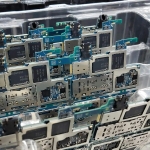






There are no comments