


How to Start a Utility (pipelines, power lines, ports, and plants) Infrastructure Development Business in Nigeria
Introduction
Nigeria faces a serious gap in infrastructure and utility development. Many communities and industries still lack access to basic services such as steady power supply, clean water, and efficient transportation networks. This gap continues to slow down economic growth, discourage foreign investment, and limit job creation across sectors.
Key utility infrastructures like pipelines, power lines, ports, and power plants play an essential role in driving national development. Pipelines help move oil, gas, and water safely and efficiently across long distances. Power lines ensure that electricity generated in plants reaches homes, factories, schools, and hospitals. Ports enable international trade and connect Nigeria’s economy to the global market. Power plants remain the backbone of energy supply and industrial productivity.
Because of growing demand and limited government funding, the private sector is stepping in to offer solutions. This shift is visible in the rise of infrastructure projects led by private investors through Public-Private Partnerships (PPPs), concessions, and joint ventures. These models allow for shared risks, efficient management, and access to long-term capital.
The environment is changing. Investors are showing more interest. The government is encouraging collaboration. And Nigeria is opening up more spaces for utility development that can deliver results; fast and sustainably.
This guide will explain how you can start a utility infrastructure development business in Nigeria, what to expect, and the steps you need to take.
Types of Utility Infrastructure Projects
There are many types of utility infrastructure projects, but this article focuses only on pipelines, power lines, ports, and plants. Utility infrastructure projects in Nigeria cover a wide range of physical systems that are critical to the country’s social and economic development. Each type of project serves a specific purpose, meets a particular demand, and offers distinct investment and development opportunities. Understanding these categories helps in identifying where resources, skills, and partnerships are most needed and how project developers and investors can position themselves effectively.
Pipelines: These include crude oil pipelines, refined petroleum product pipelines, gas transmission lines, and water supply pipelines. Crude oil pipelines are used to transport unprocessed oil from production sites to refineries or export terminals. Refined product pipelines distribute fuel such as petrol, diesel, and kerosene from refineries to distribution depots. Gas pipelines are essential for supplying natural gas to power plants, industries, and in some cases, domestic users. Water pipelines help move treated water from reservoirs or treatment plants to cities, industries, and farming communities. These systems reduce reliance on road transport, improve safety, and ensure steady delivery of essential resources.
Power Lines: This includes 11kV and 33kV distribution lines, as well as 132kV and 330kV transmission lines. Distribution lines supply electricity from local substations directly to consumers such as homes, schools, and small businesses. Transmission lines carry high-voltage electricity over long distances from power plants to distribution networks. Investing in power line infrastructure helps reduce electricity losses, improve supply reliability, and connect remote communities to the national grid.
Ports: These consist of seaports, inland container depots (ICDs), and jetties. Seaports are coastal terminals that handle the majority of Nigeria’s import and export activities. Inland container depots function as dry ports, allowing goods to be processed and cleared away from the congested seaports. Jetties are smaller platforms used for loading and offloading goods, often located near industrial zones or along rivers. Developing port infrastructure enhances trade efficiency, reduces turnaround times, and supports regional economic growth.
Power Plants: These include independent power projects (IPPs), solar farms, hydro stations, and mini-grids. IPPs are privately financed and operated power generation projects that supply electricity to the grid or directly to clients. Solar farms use sunlight to generate electricity and are especially useful in areas with high solar radiation and low access to the national grid. Hydro stations generate power using water flow from rivers or dams and are a renewable energy source. Mini-grids are small, localized power systems designed to provide electricity to off-grid rural or semi-urban communities. Expanding power generation infrastructure is critical for meeting Nigeria’s growing energy demand and supporting industrial development.
Regulatory Bodies and How to Obtain Licenses for Each Infrastructure Type
Regulatory Bodies for Pipelines (Oil, Gas, Water) in Nigeria
- Core Sector-Specific Regulators
Nigerian Midstream and Downstream Petroleum Regulatory Authority (NMDPRA)
Regulates oil and gas pipelines in the midstream and downstream sectors
Issues Pipeline Transportation Licenses
Oversees technical standards, safety, and performance compliance
Operates under the Petroleum Industry Act (PIA) 2021
Nigerian Upstream Petroleum Regulatory Commission (NUPRC)
Supervises pipelines connected to upstream operations (e.g. crude oil gathering systems from wellheads to flow stations)
Ensures conformity with upstream exploration and production guidelines
Federal Ministry of Water Resources
Regulates water pipeline infrastructure projects
Grants permission for large-scale water distribution systems
Coordinates with state water boards and agencies
- Environmental and Safety Regulators
Federal Ministry of Environment
Reviews and approves Environmental Impact Assessments (EIA)
Issues EIA certificates, a prerequisite for construction
Conducts public consultations and environmental audits
National Environmental Standards and Regulations Enforcement Agency (NESREA)
Monitors environmental compliance before, during, and after project execution
Enforces pollution control and ecological protection laws
Conducts site inspections and can sanction defaulters
National Oil Spill Detection and Response Agency (NOSDRA) (for oil pipelines)
Ensures preparedness and response to oil spills
Approves spill contingency plans for oil pipeline operators
Enforces clean-up and remediation measures
Nigeria Security and Civil Defense Corps (NSCDC)
Provides pipeline surveillance and protection
Issues permits for private security engagement on critical infrastructure
- Corporate and Legal Compliance Bodies
Corporate Affairs Commission (CAC)
Mandatory registration of the pipeline development company as a legal business entity in Nigeria
Ensures that company objects include pipeline construction, operation, or energy services
Issues the certificate of incorporation required by most regulatory authorities
Federal Inland Revenue Service (FIRS)
Registers the company for tax purposes (TIN – Tax Identification Number)
Ensures compliance with corporate income tax, VAT, and petroleum profit tax
Nigeria Investment Promotion Commission (NIPC) (for foreign or large-scale investment projects)
Registers foreign investments and issues investment certificates
Facilitates investment incentives, tax holidays, and pioneer status where applicable
State Government Ministries of Lands and Urban Development
Processes land acquisition, survey, and Right of Way (RoW) for pipeline routes
Issues Certificate of Occupancy or other land titles
Coordinates community relations and compensation agreements
Host Community Development Trust (under PIA 2021) (for oil and gas pipelines)
Ensures that host communities benefit from pipeline projects
Requires project sponsors to establish a trust fund and involve locals in planning
- Standards, Safety and Engineering Oversight
Standards Organisation of Nigeria (SON)
Sets technical standards for pipeline materials, design, and installation
May certify products and equipment used for pipeline construction
Council for the Regulation of Engineering in Nigeria (COREN)
Regulates the engineering professionals and firms involved in pipeline design and construction
Ensures projects are supervised by licensed engineers
Licensing Process for Pipeline Infrastructure in Nigeria
(Oil, Gas, and Water Pipelines)
Company Registration and Legal Compliance
Register your company with the Corporate Affairs Commission (CAC)
Choose a business name that reflects your intended operations (e.g. pipeline transport or energy services)
Obtain a Certificate of Incorporation
Draft and file your Memorandum and Articles of Association (ensure pipeline-related objectives are stated)
Register for Tax with the Federal Inland Revenue Service (FIRS)
Obtain a Tax Identification Number (TIN)
Open a corporate bank account

Register with Nigeria Investment Promotion Commission (NIPC)– Obtain a business registration certificate with NIPC
Apply for Pioneer Status where applicable
Apply for Pipeline License Based on Type
- Oil and Gas Pipelines
Regulator: Nigerian Midstream and Downstream Petroleum Regulatory Authority (NMDPRA)
If pipeline connects to upstream activities, also engage Nigerian Upstream Petroleum Regulatory Commission (NUPRC)
Required Licenses and Approvals:
Pipeline Transportation License (PTL) – Apply to NMDPRA
Submit technical and engineering documentation
Detailed route survey
Design specifications and safety plans
Pipeline integrity management system
Submit Environmental Impact Assessment (EIA)
Hire a licensed environmental consultant
Conduct EIA and submit to the Federal Ministry of Environment
Obtain EIA approval certificate
Host Community Agreements
Engage local communities
Negotiate social benefits, land access, and compensation
Sign Host Community Development Trust Agreement (as required by PIA 2021)
Apply for Land Use and Right of Way Approvals
Obtain land titles or easements from State Ministries of Lands
Secure Right of Way from relevant authorities (e.g. Ministry of Works or Housing)
Submit Safety and Risk Management Plan to NMDPRA
Include emergency response and spill control strategies
Execute a Gas Transportation Agreement (for gas pipelines)
Needed where there is a committed offtaker (e.g. power plant or industry)
Local Content Compliance Certification from NCDMB
Submit Nigerian Content Plan for review
Pay applicable license fees and receive PTL certificate from NMDPRA
- Water Pipelines
Regulator: Federal Ministry of Water Resources
Required Licenses and Approvals:
Apply to the Federal Ministry of Water Resources
Submit project proposal including scope, beneficiaries, and service plan
Conduct and submit Environmental Impact Assessment (EIA)
Submit to Federal Ministry of Environment and secure approval
Right of Way and Land Use Approvals
Obtain land title, usage permit, or Certificate of Occupancy from State Government
Ensure community support where needed
Design and Technical Plan Submission
Submit full engineering design of water pipeline system
Include maps, materials, projected flow, and control systems
Compliance with Water Quality and Sanitation Standards
Ensure alignment with national drinking water standards if supplying public use
Inspection and Approval by the Ministry
Officials may inspect the site before giving final approval
Pay applicable administrative fees and obtain construction and operation permit
Additional Approvals (Cross-cutting)
Environmental Clearance from Federal Ministry of Environment
Required for all types of pipeline projects
Involves submission, public hearing, and site inspection
Clearance from National Environmental Standards and Regulations Enforcement Agency (NESREA)
Monitor compliance with environmental laws during and after construction
Security Clearance and Surveillance Approval from Nigeria Security and Civil Defense Corps (NSCDC)
Register your project for critical infrastructure protection
Standards Organisation of Nigeria (SON)
May be required to certify materials and construction practices
Council for the Regulation of Engineering in Nigeria (COREN)
Ensure engineers on the project are licensed and designs follow Nigerian codes
Final Note
Each licensing step depends on proper sequencing. Start with company registration, conduct feasibility and route surveys early, and ensure all environmental documentation is professionally prepared. Engaging legal, engineering, and environmental consultants early will save time and reduce the risk of rejection or delay.
Regulatory Bodies for Power Lines (Transmission and Distribution) in Nigeria
Core Sector Regulators
Nigerian Electricity Regulatory Commission (NERC)
The central regulatory authority for Nigeria’s electricity sector
Issues licenses for electricity generation, transmission, distribution, and trading
Approves tariffs, monitors service quality, and enforces consumer protection regulations
Grants permits for the construction and operation of transmission and distribution networks
Transmission Company of Nigeria (TCN)
Manages the national electricity transmission grid
Oversees the 132kV and 330kV high-voltage transmission lines
Coordinates grid access, connection agreements, and system planning
Approves connection applications to the national grid for Independent Transmission Projects (ITPs)
Rural Electrification Agency (REA) (for off-grid and mini-grid distribution lines)
Regulates and promotes rural electricity distribution through solar mini-grids and isolated networks
Provides grants, technical support, and project approval under rural electrification programs
Nigerian Electricity Management Services Agency (NEMSA)
Enforces technical and safety standards in electricity installation
Inspects and certifies all electrical installations and power lines before energization
Provides the “Electrical Installation Completion Certificate” required for commissioning
Environmental and Social Compliance Authorities
Federal Ministry of Environment
Reviews and approves Environmental Impact Assessment (EIA) reports
Issues the mandatory EIA Certificate required for project execution
Ensures environmental sustainability and social safeguards during power line development
National Environmental Standards and Regulations Enforcement Agency (NESREA)
Ensures compliance with environmental laws, especially in relation to vegetation clearance, pollution control, and waste handling along power line corridors
Nigeria Security and Civil Defense Corps (NSCDC)
Provides surveillance and protection of transmission and distribution infrastructure
Grants approval for private security deployment where required
Land Use, Community, and Investment Agencies
State Ministries of Lands and Urban Development
Process land titles, easements, and Right of Way (RoW) for routing power lines
Coordinate with communities and local governments on compensation and resettlement issues
Corporate Affairs Commission (CAC)
Registers the project company and issues Certificate of Incorporation
Verifies company structure and business objectives
Federal Inland Revenue Service (FIRS)
Registers the project company for tax purposes
Issues the Tax Identification Number (TIN)
Nigeria Investment Promotion Commission (NIPC) (for foreign and large-scale investors)
Registers foreign investments
Facilitates access to incentives such as Pioneer Status and tax reliefs
Technical and Engineering Oversight Bodies
Council for the Regulation of Engineering in Nigeria (COREN)
Regulates the engineering professionals and contractors involved in design, installation, and inspection of power lines
Ensures that qualified engineers oversee all technical work
Standards Organisation of Nigeria (SON)
Sets and enforces technical standards for power cables, transformers, poles, insulators, and other materials used in transmission and distribution networks
Local Content and Industry Development
Nigerian Content Development and Monitoring Board (NCDMB) (mostly applicable for transmission and distribution projects linked to oil and gas facilities)
Ensures that local professionals and contractors are engaged
Reviews project plans for compliance with the Nigerian Content Act
Licensing Process for Power Lines (Transmission and Distribution) in Nigeria
- Company Registration
Register your business with the Corporate Affairs Commission (CAC)
Obtain your Certificate of Incorporation
Ensure your company objectives include power infrastructure development
Register for tax with the Federal Inland Revenue Service (FIRS)
Obtain your Tax Identification Number (TIN)
Register with the Nigeria Investment Promotion Commission (NIPC) if you are a foreign investor or operating at a large scale
Apply for investment incentives if eligible
- Obtain Regulatory Licenses
Apply for Electricity Transmission or Distribution License from the Nigerian Electricity Regulatory Commission (NERC)
Submit a formal application with project details
Include technical specifications, proposed network coverage, and business plan
Provide financial proof and company credentials
Secure Connection Approval from the Transmission Company of Nigeria (TCN) (for transmission lines)
Submit a grid connection request
Provide technical studies such as load flow and system impact assessments
Obtain grid access agreement
For rural or off-grid distribution projects, register with the Rural Electrification Agency (REA)
Apply for approval under rural electrification programs
Provide technical and financial proposals
Environmental and Safety Approvals
Prepare and submit an Environmental Impact Assessment (EIA) report to the Federal Ministry of Environment
Hire an approved consultant to conduct the EIA
Participate in public hearings if required
Obtain the EIA certificate before construction
Obtain environmental compliance clearance from the National Environmental Standards and Regulations Enforcement Agency (NESREA)
Confirm adherence to environmental laws throughout the project lifecycle
Submit electrical installation plans to the Nigerian Electricity Management Services Agency (NEMSA)
Schedule inspection and testing of power lines after installation
Obtain Electrical Installation Completion Certificate (EICC) before energizing the lines
Land Acquisition and Right of Way
Apply for Right of Way (RoW) and land use permits from the relevant State Ministries of Lands and Urban Development
Conduct land surveys and mapping
Negotiate compensation and agreements with landowners and communities
Obtain official land use titles or permits
- Technical and Standards Compliance
Engage licensed engineers and contractors registered with the Council for the Regulation of Engineering in Nigeria (COREN)
Ensure all designs and constructions meet Nigerian engineering codes
Use certified materials that meet Standards Organisation of Nigeria (SON) requirements
Source transformers, cables, poles, and other equipment that are SON certified
Security Clearances
Coordinate with Nigeria Security and Civil Defense Corps (NSCDC) for infrastructure protection
Register your project as critical infrastructure
Obtain permits for private security personnel if necessary
Final Commissioning and Operation
Submit all compliance documents to NERC and TCN (where applicable)
Receive official commissioning approval
Begin transmission or distribution operations under regulatory supervision
Regulatory Bodies for Ports (Seaports and Inland Dry Ports) in Nigeria
- Core Port Regulators
Nigerian Ports Authority (NPA)
Governs all seaport operations in Nigeria
Responsible for the development, management, and maintenance of seaport facilities
Issues permits for port usage, berthing, and cargo handling activities
Regulates port tariffs and charges
Nigeria Shippers’ Council (NSC)
Protects the interests of Nigerian exporters and importers
Regulates tariffs and ensures fair competition among shipping lines and port operators
Handles dispute resolution between stakeholders
Nigeria Maritime Administration and Safety Agency (NIMASA)
Regulates maritime safety, security, and environmental protection in Nigerian waters
Issues licenses for port facility security and ship registration
Oversees compliance with international maritime conventions
Inland Container Depots (ICDs) – Regulated by Nigerian Customs Service (NCS)
Customs control and clearance authority over inland dry ports
Manages cargo inspection, clearance, and duty collection at ICDs
Collaborates with NPA and other agencies for smooth cargo movement
Environmental and Safety Agencies
Federal Ministry of Environment
Approves Environmental Impact Assessments (EIA) for port and dry port projects
Monitors environmental sustainability and pollution control at ports
National Environmental Standards and Regulations Enforcement Agency (NESREA)
Enforces environmental laws related to waste management, pollution, and ecosystem protection at port facilities
Nigerian Maritime Administration and Safety Agency (NIMASA)
Oversees marine pollution control and enforcement of safety standards within port waters
Security and Customs Agencies
Nigeria Security and Civil Defense Corps (NSCDC)
Provides security services and infrastructure protection within ports and surrounding areas
Coordinates security measures to prevent sabotage and theft
Nigerian Customs Service (NCS)
Responsible for customs clearance, tariff collection, and anti-smuggling operations at ports and ICDs
Issues permits for bonded warehouses and cargo storage
Department of State Services (DSS) and Nigerian Police Force
Collaborate to provide overall security, intelligence, and law enforcement support for port operations
Land, Corporate, and Investment Agencies
Corporate Affairs Commission (CAC)
Registers companies involved in port operations and management
Ensures corporate governance and compliance
Federal Inland Revenue Service (FIRS)
Oversees tax registration and collection from port operators and service providers
Nigeria Investment Promotion Commission (NIPC)
Facilitates foreign investment in port development projects
Offers incentives and handles registration for investors
State Ministries of Lands and Urban Development
Manages land acquisition, Right of Way (RoW), and land use permits for port and ICD facilities
Coordinates community relations and compensation
Technical Standards and Industry Bodies
Standards Organisation of Nigeria (SON)
Sets quality standards for port construction materials, equipment, and cargo handling machinery
Nigerian Ports Consultative Council (NPCC)
Advisory body that facilitates communication among port stakeholders
Helps coordinate port development policies
Step-by-step guide to the licensing and permit process for ports infrastructure projects in Nigeria, covering both seaports and inland container depots (dry ports).
Licensing Process for Ports (Seaports and Inland Dry Ports) in Nigeria
Company Registration and Legal Setup
Register your company with the Corporate Affairs Commission (CAC)
Obtain Certificate of Incorporation
Ensure company objectives include port operations, cargo handling, or logistics
Register for tax purposes with the Federal Inland Revenue Service (FIRS)
Obtain Tax Identification Number (TIN)
Register with Nigeria Investment Promotion Commission (NIPC) (if foreign investment or large scale)
Apply for investment incentives if applicable
Apply for Port Operation License
Apply to Nigerian Ports Authority (NPA) for a Port Operation Permit (for seaports)
Submit project proposal, business plan, and technical details
Provide proof of financial capacity and technical expertise
Await site inspection and compliance evaluation
Register with Nigerian Customs Service (NCS) for Inland Container Depot (ICD) operation
Submit application to operate dry port facility
Provide security, storage, and cargo handling plans
Pass customs facility inspection and obtain operational approval
Environmental Approvals
Conduct Environmental Impact Assessment (EIA)
Hire an approved environmental consultant Submit EIA report to Federal Ministry of Environment
Participate in public hearings if required
Obtain EIA Certificate before construction starts
Obtain environmental compliance certificates from NESREA
Ensure adherence to waste management and pollution control standards
Security Clearance and Permits
Coordinate with Nigeria Security and Civil Defense Corps (NSCDC)
Register your port facility as critical infrastructure
Obtain security clearance for operations
Work with Nigerian Customs Service (NCS) for bonded warehouse and cargo handling permits
Obtain necessary customs permits for cargo clearance and storage
Engage with Department of State Services (DSS) and Nigerian Police Force
Ensure compliance with national security and law enforcement requirements
Land Use and Right of Way
Apply for land acquisition and Right of Way permits from State Ministries of Lands and Urban Development
Conduct land surveys and map facility boundaries
Negotiate compensation and agreements with landowners and communities
Obtain Certificate of Occupancy or other land titles
Technical Compliance and Standards
Comply with Standards Organisation of Nigeria (SON) requirements
Ensure port equipment and infrastructure meet Nigerian quality standards
Ensure technical plans and operations comply with Nigerian Maritime Administration and Safety Agency (NIMASA)
Obtain necessary maritime safety and environmental permits
- Final Approvals and Commencement
Submit all compliance documents and approvals to Nigerian Ports Authority (NPA) and Nigerian Customs Service (NCS) as applicable
Receive official port operation license or permit
Begin port or ICD operations under ongoing regulatory oversight
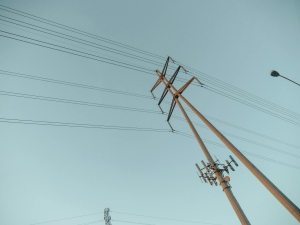
Regulatory Bodies for Power Plants (IPP, Solar, Hydro, Gas) in Nigeria
- Core Energy Sector Regulators
Nigerian Electricity Regulatory Commission (NERC)
Issues generation licenses for all types of power plants (IPP, solar, hydro, gas)
Approves power purchase agreements (PPA) and sets tariffs
Regulates compliance, service standards, and market operations
Transmission Company of Nigeria (TCN)
Manages grid connection for power plants
Approves interconnection agreements and grid access
Rural Electrification Agency (REA)
Supports mini-grid solar and hydro projects in rural/off-grid areas
Provides technical support, grants, and approval for rural electrification projects
- Environmental and Safety Regulators
Federal Ministry of Environment
Reviews and approves Environmental Impact Assessments (EIA) for power plants
Issues EIA certificates mandatory before construction
National Environmental Standards and Regulations Enforcement Agency (NESREA)
Monitors environmental compliance during and after power plant construction and operation
Enforces pollution control and waste management
Nigerian Electricity Management Services Agency (NEMSA)
Ensures compliance with electrical safety and technical standards
Conducts inspection and certification of power plant electrical installations
- Gas Sector Regulator (for Gas Power Plants)
Nigerian Midstream and Downstream Petroleum Regulatory Authority (NMDPRA)
Regulates gas supply pipelines to power plants
Issues licenses related to gas transportation and infrastructure supporting gas-fired power plants
Nigerian Upstream Petroleum Regulatory Commission (NUPRC)
Oversees upstream gas production linked to gas-fired power plants
- Land, Corporate, and Investment Bodies
Corporate Affairs Commission (CAC)
Registers power generation companies
Issues Certificate of Incorporation
Federal Inland Revenue Service (FIRS)
Registers for tax purposes and issues Tax Identification Number (TIN)
Nigeria Investment Promotion Commission (NIPC)
Registers foreign investments and facilitates incentives for power projects
State Ministries of Lands and Urban Development
Manages land acquisition, Certificate of Occupancy, and Right of Way for power plants
- Technical Standards and Engineering Oversight
Council for the Regulation of Engineering in Nigeria (COREN)
Regulates engineering professionals involved in power plant design, construction, and commissioning
Standards Organisation of Nigeria (SON)
Sets standards for power generation equipment, electrical components, and construction materials
- Local Content and Industry Development
Nigerian Content Development and Monitoring Board (NCDMB)
Ensures compliance with local content laws, especially for gas-fired power plants
Reviews Nigerian content plans and procurement strategies
Step-by-step guide to the licensing process for power plants in Nigeria, covering Independent Power Projects (IPP), solar farms, hydro stations, and gas-fired plants.
Licensing Process for Power Plants (IPP, Solar, Hydro, Gas) in Nigeria
Company Registration and Legal Setup
Register your power project company with the Corporate Affairs Commission (CAC)
Obtain Certificate of Incorporation
Ensure your company objectives include power generation activities
Register for tax with the Federal Inland Revenue Service (FIRS)
Obtain your Tax Identification Number (TIN)
Register with the Nigeria Investment Promotion Commission (NIPC) if you have foreign investors or seek investment incentives
Apply for Generation License
Submit a formal application to the Nigerian Electricity Regulatory Commission (NERC)
Provide project details, including capacity, location, fuel type, and technology
Submit a detailed business plan, financial model, and technical design
Attach power purchase agreement (PPA) if available or a draft agreement
Await technical and financial evaluation by NERC
Obtain generation license allowing you to build and operate the power plant
Environmental Approvals
Conduct an Environmental Impact Assessment (EIA) with a licensed consultant
Submit the EIA report to the Federal Ministry of Environment
Participate in public hearings if required
Obtain EIA Certificate before starting construction
Obtain environmental compliance clearance from NESREA
Ensure ongoing compliance with environmental standards
Grid Connection and Transmission Approval
Apply to the Transmission Company of Nigeria (TCN) for grid interconnection
Submit technical studies including load flow and system impact analysis
Sign grid interconnection agreement
Technical and Safety Certifications
Submit electrical installation plans and designs to Nigerian Electricity Management Services Agency (NEMSA)
Schedule inspections and testing of electrical equipment and installations
Obtain Electrical Installation Completion Certificate (EICC) before commissioning
6Gas Supply Licenses (for Gas-Fired Plants Only)
Apply for gas transportation or supply license from Nigerian Midstream and Downstream Petroleum Regulatory Authority (NMDPRA)
If upstream gas is involved, liaise with the Nigerian Upstream Petroleum Regulatory Commission (NUPRC)
Secure Gas Supply Agreement and ensure gas infrastructure is compliant
Land Acquisition and Right of Way
Obtain land titles or Certificate of Occupancy from State Ministries of Lands and Urban Development
Negotiate and secure Right of Way if required
Engage communities and handle compensation agreements
- Local Content Compliance
Submit Nigerian Content Plan to the Nigerian Content Development and Monitoring Board (NCDMB) for approval
Ensure procurement and staffing comply with local content laws
Final Approvals and Commissioning
Submit all licenses, permits, and certificates to NERC and other relevant agencies
Receive final commissioning approval
Begin commercial operation of the power plant
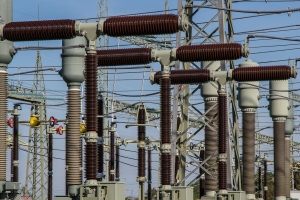
Feasibility Studies and Business Planning
Before starting any utility infrastructure project, it is important to carry out thorough feasibility studies and develop a solid business plan. This process begins with a site survey to understand the physical location and conditions. Alongside this, environmental and social impact assessments are conducted to identify how the project might affect the environment and local communities. These assessments help ensure the project complies with regulations and gains necessary approvals.
Next, technical and engineering feasibility is examined. This involves analyzing whether the proposed design and technology are suitable and practical for the site and intended purpose. It also looks at available resources and construction challenges. Once this technical groundwork is laid, detailed cost modeling comes into play. This step estimates the total investment needed, including construction, equipment, labor, and operational expenses. It also involves preparing financial projections that forecast revenues, expenses, and profitability over the project’s lifespan.
In addition to the financial and technical aspects, stakeholder mapping is essential. This means identifying all parties affected by or involved in the project, such as government agencies, community leaders, investors, and contractors. Developing a clear engagement strategy ensures communication is transparent and that concerns are addressed promptly, helping to build support and avoid delays.
Finally, the project team prepares a risk matrix. This document lists possible risks that could affect the project, such as regulatory changes, environmental issues, or technical failures. Each risk is evaluated for its likelihood and potential impact. The team then develops mitigation strategies to reduce or manage these risks, ensuring the project stays on track and within budget.
Altogether, these steps form the foundation of a well-planned project. They provide a clear understanding of what is needed, the challenges to expect, and how to proceed in a way that balances technical, financial, and social factors.
Funding Sources and Financial Models
Every infrastructure project needs funding to move from idea to reality. Whether building pipelines, power plants, ports, or power lines, you need capital for equipment, construction, permits, and operations. Without a clear plan for funding, even well-designed projects may stall. Luckily, there are several practical ways to raise money in Nigeria, and your approach will depend on your project size, type, and goals.
Private Equity and Investors
Many projects start with private equity from local or foreign investors. Local investors understand the market and can offer helpful partnerships. Foreign investors often bring larger funds and technical know-how. To attract them, you need a clear business plan and good project prospects. Investors expect solid returns and risk management before committing.
Development Finance Institutions (DFIs)
DFIs like the African Development Bank (AfDB), World Bank, InfraCredit, Bank of Industry (BOI), and Nigerian Sovereign Investment Authority (NSIA) support infrastructure projects through loans, grants, or guarantees. These institutions aim to promote national development and often provide funding at better rates than commercial lenders. To access these funds, you must meet strict project and reporting standards.
Climate Finance and Carbon Credit Funds
For renewable energy projects such as solar or hydro, climate finance offers special funding opportunities. These include grants, concessional loans, or carbon credit programs that reward projects reducing greenhouse gas emissions. Accessing these funds requires detailed environmental plans and proof of sustainability, but they add financial and reputational value to your project.
Project Finance and Syndicated Loans
Project finance isolates your project’s cash flow and assets to secure funding without risking your other business parts. Syndicated loans bring together several banks to share the investment, spreading risk. This approach suits large projects requiring significant capital. It requires strong contracts, legal review, and detailed financial models.
Public-Private Partnership (PPP) Models
PPPs combine government support with private sector skills and funding. Common PPP types include:
Build-Operate-Transfer (BOT): The private company builds and runs the infrastructure for a set time, then transfers ownership to the government.
Build-Own-Operate (BOO): The company builds, owns, and operates the project indefinitely.
Concession: The company operates and maintains government-owned assets under agreed terms.
These models help share risks, attract investment, and deliver projects efficiently.
In summary, funding infrastructure projects requires understanding your options and matching them to your project’s needs. Many successful projects blend several funding sources over time, starting with private equity, then adding development finance or PPPs. Having clear plans, strong documentation, and transparent communication improves your chances with all funders.
Staffing and Organizational Structure
Building the right team is essential for any infrastructure project. Staffing should be planned carefully to cover all critical functions and ensure smooth operations from start to finish. The organizational structure must support clear communication, accountability, and efficient decision-making throughout the project lifecycle.
Core Engineering and Project Team
At the heart of the project is the core engineering and project team. This group includes project managers, civil, electrical, and mechanical engineers, and design specialists. They handle planning, technical design, scheduling, and oversee construction and installation. Their expertise ensures the project meets technical standards, stays on schedule, and manages resources well. Strong leadership within this team is vital to coordinate between different engineering disciplines and contractors.
Health, Safety & Environment (HSE) Officers
HSE officers play a crucial role in protecting workers, the environment, and communities. They develop and enforce safety protocols, conduct regular site inspections, and train staff on best practices. Their work prevents accidents and ensures compliance with national safety and environmental regulations. A dedicated HSE team fosters a culture of safety, which reduces downtime and protects the company’s reputation.
Legal, Finance, and Compliance Personnel
Legal experts guide the project through contracts, licenses, permits, and regulatory requirements. They handle disputes, ensure compliance with laws, and manage risks related to legal obligations. Finance personnel manage budgeting, accounting, and financial reporting. They track expenditures, secure payments, and prepare financial forecasts to keep the project financially healthy. Compliance officers monitor adherence to local laws, industry standards, and contractual terms, helping avoid penalties and delays.
Procurement and Contract Administration Officers
These officers manage the sourcing and purchasing of materials, equipment, and services. They develop procurement plans, issue tenders, evaluate bids, and negotiate contracts with suppliers and subcontractors. Their role includes monitoring contract performance and ensuring delivery meets specifications and timelines. Effective procurement and contract administration save costs and minimize risks of supply delays or quality issues.
Community Liaison Officers
Community liaison officers act as bridges between the project and local communities. They communicate project plans, gather community feedback, and address concerns promptly. They help build trust and maintain positive relationships, which are critical for smooth operations. These officers also manage community development initiatives and coordinate with local leaders to support mutually beneficial outcomes.
Site Technicians and Support Staff
Site technicians carry out day-to-day technical tasks on the ground, including equipment installation, maintenance, and troubleshooting. Support staff handle logistics, site security, administration, and other essential functions that keep the project running. Together, these personnel ensure operational continuity and allow engineers and managers to focus on their core responsibilities.
By structuring the team around these key roles, infrastructure projects create a balanced and effective workforce. Each function complements the others, contributing to timely delivery, quality outcomes, safety, and good community relations. Clear roles and responsibilities also help prevent overlaps and gaps, making the project easier to manage.

Land Acquisition and Community Engagement
Acquiring land for infrastructure projects in Nigeria involves navigating a complex legal and social landscape. Understanding the legal framework and building strong relationships with local communities are both essential for success. Each step requires careful planning and clear communication to avoid delays and conflicts.
Navigating Nigeria’s Land Use Laws (Land Use Act of 1978)
The Land Use Act of 1978 governs land ownership and management in Nigeria. Under this law, all land is held by state governors in trust for the people. To legally acquire land, project developers must apply for a statutory right of occupancy or other official land titles from the relevant state government authorities. This process involves submitting documentation, paying fees, and sometimes obtaining approvals from local government or traditional rulers. Understanding this legal structure is critical because it shapes how land can be used, transferred, or leased. Proper adherence to these laws helps prevent legal disputes and ensures the project moves forward smoothly.
Community Consultations and Compensation Mechanisms
Community engagement begins with consultations that inform residents about the project’s purpose, scope, and expected impacts. These discussions create opportunities for local people to voice concerns, ask questions, and suggest adjustments. Effective consultations build trust and foster collaboration. When land acquisition affects homes, farms, or businesses, fair compensation is necessary. Compensation mechanisms can include direct financial payments, relocation assistance, or community development projects like schools or health centers. Transparency in compensation and involving community representatives in the process helps ensure fairness and acceptance.
Signing of Memorandum of Understanding (MoU) with Host Communities
To formalize agreements and manage expectations, project developers and host communities often sign a Memorandum of Understanding (MoU). This document clearly outlines the rights and responsibilities of each party, including compensation terms, project timelines, and commitments to ongoing communication. An MoU serves as a reference point to avoid misunderstandings and guides cooperation throughout the project’s duration. Having an MoU in place provides legal and social assurance that helps protect the interests of both the community and the project developers.
Managing Local Expectations and Conflict Resolution
Managing local expectations requires continuous and honest communication throughout the project lifecycle. Communities may have hopes or concerns about jobs, environmental impacts, or disruptions to their way of life. Keeping them informed about progress and listening to their feedback helps maintain positive relationships. When conflicts arise, swift and fair resolution is important to prevent escalation. This often involves mediation with community leaders, government officials, and the project team working together to find acceptable solutions. A proactive approach to conflict resolution supports project continuity and strengthens the social license to operate.
By following these steps, project developers balance legal requirements with respectful community partnerships. This approach minimizes risks, builds goodwill, and contributes to sustainable development outcomes for both the infrastructure project and the people it affects.
Construction, Commissioning, and Operation
The phase of construction, commissioning, and operation is where the project moves from planning to reality. Each step must be managed carefully to ensure safety, quality, and regulatory compliance. Proper execution in this phase sets the foundation for long-term success and reliable service delivery.
Site Preparation and Mobilization
Construction begins with site preparation and mobilization. This involves clearing the land, leveling the ground, and setting up temporary facilities such as offices, storage areas, and worker accommodations. Mobilization also includes bringing machinery, tools, and materials to the site and organizing workforce deployment. Proper site preparation creates a safe and efficient environment for construction activities and helps minimize delays caused by poor access or logistics.
Civil Works and Mechanical-Electrical Installations
Civil works form the backbone of the infrastructure project. This includes excavation, foundation laying, building structures, roads, and other physical features necessary for the project. Alongside civil works, mechanical and electrical installations take place. This covers the setup of pipelines, power lines, machinery, transformers, control systems, and other technical components. Close coordination between civil, mechanical, and electrical teams ensures that installations meet design specifications and quality standards.
Grid or Pipeline Integration Testing
Once installations are complete, integration testing begins. For power projects, this involves connecting to the national grid and verifying that all electrical systems work together safely and efficiently. For pipeline projects, pressure tests and leak detection are conducted to ensure integrity and safety. Integration testing confirms that the infrastructure can operate as intended within the larger network. This phase identifies and resolves any technical issues before full operation.
Final Commissioning by Regulators (NEMSA, NERC, NMDPRA, NPA)
After successful testing, the project undergoes final commissioning. Regulatory bodies such as the Nigerian Electricity Management Services Agency (NEMSA), Nigerian Electricity Regulatory Commission (NERC), Nigerian Midstream and Downstream Petroleum Regulatory Authority (NMDPRA), and Nigerian Ports Authority (NPA) carry out inspections and audits. They verify compliance with safety, environmental, and operational standards. Receiving official approval from these regulators is mandatory before the project can begin commercial operations. This step ensures that the infrastructure meets all legal and technical requirements.
Begin Commercial Operations Based on Licensing Conditions
With regulatory approval secured, the project begins commercial operations. Operators must follow licensing conditions, which may include performance standards, reporting requirements, and maintenance schedules. Effective management during operations ensures reliability, efficiency, and safety. Ongoing monitoring and adherence to regulations maintain trust with stakeholders and help avoid penalties or shutdowns.
Overall, the construction, commissioning, and operation phase is complex and requires strong coordination, skilled personnel, and compliance with laws. Success here determines whether the infrastructure delivers its intended benefits on time and within budget.
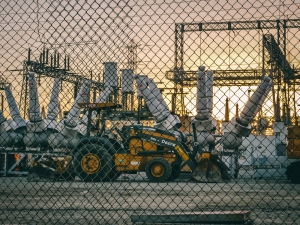
Maintenance, Monitoring, and Compliance
Proper maintenance, monitoring, and compliance are essential to keep infrastructure running smoothly and safely over its entire lifespan. This phase ensures that the project remains reliable, meets regulatory standards, and avoids costly breakdowns or penalties. Each component supports the others, creating a system of continuous care and oversight.
Operation & Maintenance (O&M) Plan
A detailed Operation and Maintenance plan outlines all the activities needed to keep equipment and systems in good working condition. This includes routine inspections, cleaning, lubrication, repairs, and replacements. The plan sets schedules for preventive maintenance to reduce the risk of unexpected failures. It also defines responsibilities for maintenance staff and emergency response. A strong O&M plan prolongs asset life, improves efficiency, and controls costs by addressing issues early.
Safety, Risk Management, and Emergency Protocols
Safety is a top priority during ongoing operations. Risk management involves identifying potential hazards, assessing their likelihood and impact, and putting controls in place to minimize them. Emergency protocols prepare the team to respond quickly and effectively to accidents, natural disasters, or technical failures. These protocols include evacuation plans, first aid procedures, and communication strategies. Regular safety drills and staff training reinforce preparedness. A proactive approach reduces injuries, property damage, and operational disruptions.
Periodic Audits and Compliance Reports
Regular audits check whether the project complies with legal, environmental, and operational standards. These audits may be conducted internally or by external agencies. Audit findings guide corrective actions to fix any gaps or non-compliance. Compliance reports document ongoing adherence to regulations and are often submitted to regulatory bodies as part of licensing conditions. Keeping up with audits and reporting maintains transparency and trust with stakeholders and regulators.
License Renewals and Inspections
Infrastructure projects operate under licenses granted by regulatory authorities. These licenses often require periodic renewal and subject the project to inspections. Renewal processes involve demonstrating that the project continues to meet safety, environmental, and technical standards. Inspections verify the condition of equipment, adherence to protocols, and overall project performance. Timely renewals and successful inspections avoid legal penalties, fines, or shutdowns that could disrupt services and revenue.
Digital Monitoring Systems (SCADA, Drone Inspections, GIS)
Modern infrastructure relies increasingly on digital tools to monitor performance and detect issues in real time. Supervisory Control and Data Acquisition (SCADA) systems collect data from sensors across the project and provide operators with control capabilities remotely. Drone inspections allow safe, fast visual checks of hard-to-reach areas such as pipelines, power lines, or port facilities. Geographic Information Systems (GIS) map assets and environmental conditions, supporting planning and emergency response. These technologies improve accuracy, reduce downtime, and support data-driven decision-making.
Together, effective maintenance, monitoring, and compliance extend the life of infrastructure, protect people and the environment, and ensure continued service quality. Prioritizing these activities safeguards the investment and supports sustainable operations for the long term.
Common Challenges and How to Overcome Them
Infrastructure projects in Nigeria face several challenges that can affect timelines, costs, and overall success. Understanding these challenges and planning ways to address them is crucial. Early preparation helps minimize risks and keeps projects on track despite obstacles.
Regulatory Delays and Approvals
Delays in obtaining permits and regulatory approvals are common. Multiple agencies may be involved, each with its own requirements and timelines. These delays can push back project start dates and increase costs. To overcome this, it is important to engage with regulators early and maintain clear, consistent communication. Preparing complete documentation and anticipating questions speeds up the approval process. Building good relationships with regulatory bodies and hiring consultants familiar with local processes also help avoid unnecessary setbacks.
Funding and Forex Risks
Securing sufficient funding can be challenging, especially when projects depend on foreign currency loans or equipment imports. Exchange rate fluctuations can increase costs unexpectedly and affect repayment plans. To manage funding risks, project teams should diversify their funding sources, combining local and foreign capital when possible. Hedging strategies or forward contracts can reduce exposure to currency volatility. Accurate financial forecasting and maintaining cash reserves provide buffers against funding shortages or forex shocks.
Political Interference and Policy Changes
Political changes or interference can disrupt projects through shifting priorities, altered regulations, or bureaucratic hurdles. Changes in government leadership may lead to different policy directions that affect approvals or contracts. Overcoming this requires building broad support across political lines and demonstrating the project’s economic and social benefits. Legal safeguards in contracts can protect against arbitrary changes. Staying informed about the political landscape and maintaining flexibility allows quicker adaptation to new policies.
Community Resistance and Land Disputes
Resistance from host communities or conflicts over land ownership can delay or halt projects. These issues often arise from concerns about displacement, compensation, or environmental impact. Proactive and genuine community engagement is key to preventing resistance. Consulting local leaders, involving communities in decision-making, and ensuring fair compensation build trust. Clear communication about project benefits and grievance mechanisms to address concerns also reduce disputes. Early resolution of land issues avoids costly legal battles or work stoppages.
Infrastructure Vandalism and Insecurity
Acts of vandalism, theft, or sabotage threaten the safety and functionality of infrastructure. Insecurity may arise from criminal activity or social unrest near project sites. Protecting assets requires investing in local security arrangements, including hiring trained security personnel and cooperating with law enforcement. Community involvement in security creates a sense of ownership and vigilance. Insurance coverage for equipment and assets provides financial protection against losses caused by vandalism or attacks.
Mitigation: Early Stakeholder Engagement, Insurance Cover, Local Security Arrangements
The best way to reduce these challenges is early and continuous stakeholder engagement. Building strong relationships with government agencies, communities, investors, and security forces helps identify and solve problems before they escalate. Comprehensive insurance policies safeguard against financial losses from unforeseen events. Local security arrangements tailored to the project’s environment enhance physical protection and rapid response capability. Combining these measures creates a proactive approach that strengthens project resilience and supports successful delivery.
By understanding common risks and implementing practical solutions, infrastructure projects increase their chances of completing on time, within budget, and with lasting positive impact.

Frequently Asked Questions (FAQs)
This section answers common questions about utility infrastructure projects in Nigeria. Clear and straightforward responses help project developers understand key requirements and processes, reducing confusion and preparing them for next steps.
What licenses are required for building gas pipelines in Nigeria?
Building gas pipelines requires several licenses and approvals. The main regulatory body is the Nigerian Midstream and Downstream Petroleum Regulatory Authority (NMDPRA). Developers must apply for a Pipeline Transportation License from NMDPRA, which involves submitting engineering designs, safety plans, and environmental impact assessments. If upstream operations are involved, approval from the Nigerian Upstream Petroleum Regulatory Commission (NUPRC) is also needed. Additionally, land acquisition permits and environmental clearances from the Federal Ministry of Environment are required. Completing these licensing steps ensures the pipeline meets safety, technical, and environmental standards.
How long does it take to get a power generation license from NERC?
The Nigerian Electricity Regulatory Commission (NERC) handles power generation licenses. The time to obtain a license depends on the project’s complexity and completeness of documentation. Typically, the process can take several months, ranging from three to six months or longer. Applicants must submit detailed project plans, technical specifications, environmental impact reports, and financial documentation. NERC reviews these materials carefully to ensure compliance with regulations and grid standards. Early and thorough preparation of the application can help speed up approval.
Can private investors own and operate ports in Nigeria?
Yes, private investors can own and operate ports in Nigeria under certain conditions. The Nigerian Ports Authority (NPA) regulates port operations and offers concession agreements to private companies. These concessions allow private investors to manage terminals, dry ports, or jetties, usually for a fixed term. Private sector involvement brings investment, efficiency, and modernization to port facilities. However, investors must comply with NPA regulations and meet performance standards outlined in the concession agreements. Public-private partnerships are common models used to enable private ownership and operation.
Are there government incentives for infrastructure developers?
The Nigerian government offers various incentives to support infrastructure development. These can include tax holidays, customs duty exemptions on imported equipment, and access to low-interest loans through institutions like the Bank of Industry (BOI). Some projects may also qualify for grants or subsidies aimed at encouraging renewable energy or socially beneficial infrastructure. Additionally, development finance institutions and international partners often back infrastructure with favorable financing options. To access these incentives, developers typically must meet eligibility criteria and submit formal applications through the relevant agencies.
What is the process to apply for a PPP project with ICRC?
Applying for a Public-Private Partnership (PPP) project with the Infrastructure Concession Regulatory Commission (ICRC) involves several steps. First, interested private parties respond to calls for proposals or expressions of interest issued by government agencies. The application requires submitting a detailed business plan, financial models, and technical proposals that demonstrate the project’s viability and public benefit. ICRC evaluates submissions based on criteria such as financial capacity, experience, and compliance with regulations. Successful applicants enter into negotiations to finalize concession agreements. Throughout the process, transparency and adherence to ICRC guidelines are essential for approval.
These frequently asked questions provide practical guidance on navigating the regulatory and operational landscape of infrastructure projects in Nigeria. Knowing these answers helps developers plan effectively and avoid common pitfalls.
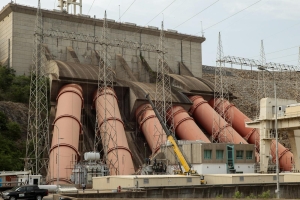
Conclusion
Successfully developing utility infrastructure in Nigeria involves a clear sequence of steps that start with obtaining the necessary licenses and end with smooth operation. Each phase, from land acquisition and regulatory approvals to construction, commissioning, and ongoing maintenance, plays a vital role in delivering a reliable and sustainable project. Careful planning and adherence to legal requirements set the foundation for long-term success.
Nigeria’s infrastructure sector offers significant opportunities for investors and developers willing to commit for the long term. The country’s growing economy and rising demand for reliable energy, transport, and water systems make infrastructure projects highly impactful. While challenges exist, they can be managed through strategic planning, strong partnerships, and a focus on quality execution. Investing in infrastructure today helps unlock economic growth and improves lives for millions of Nigerians.
Throughout the project lifecycle, compliance with regulations remains critical. Following laws and safety standards not only avoids penalties but also builds trust with regulators, communities, and investors. Collaboration between government agencies, private sector partners, and local communities creates the support needed to overcome obstacles. At the same time, innovation in financing, technology, and project management can improve efficiency and reduce costs. Together, compliance, collaboration, and innovation form the pillars that sustain successful infrastructure development in Nigeria over time.
Call to Action
Ready to launch your utility infrastructure business in Nigeria? Taking the first step can be challenging, but you do not have to do it alone. Our team at Matthew Ogagavworia and Co. (chartered accountants) is here to support you through every stage of your project.
We offer expert help in key areas, including licensing assistance to secure all necessary permits quickly and smoothly. Our feasibility studies provide detailed analysis to help you make informed decisions. We also offer investment advisory services to connect you with the right funding sources and financial models. Additionally, we provide regulatory compliance solutions to ensure your project meets all legal requirements without delays. Let us help turn your infrastructure vision into reality.
Tel: (+234) 802 320 0801, (+234) 807 576 5799
E-Mail: enquiry@ Mocaccountans.com
Office Address: 5, Ishola Bello Close, Off Iyalla Street, Alausa, Ikeja, Lagos, Nigeria.



There are no comments