Office Address: 5, Ishola Bello Close, Off Iyalla Street, Alausa, Ikeja, Lagos, Nigeria.
Introduction
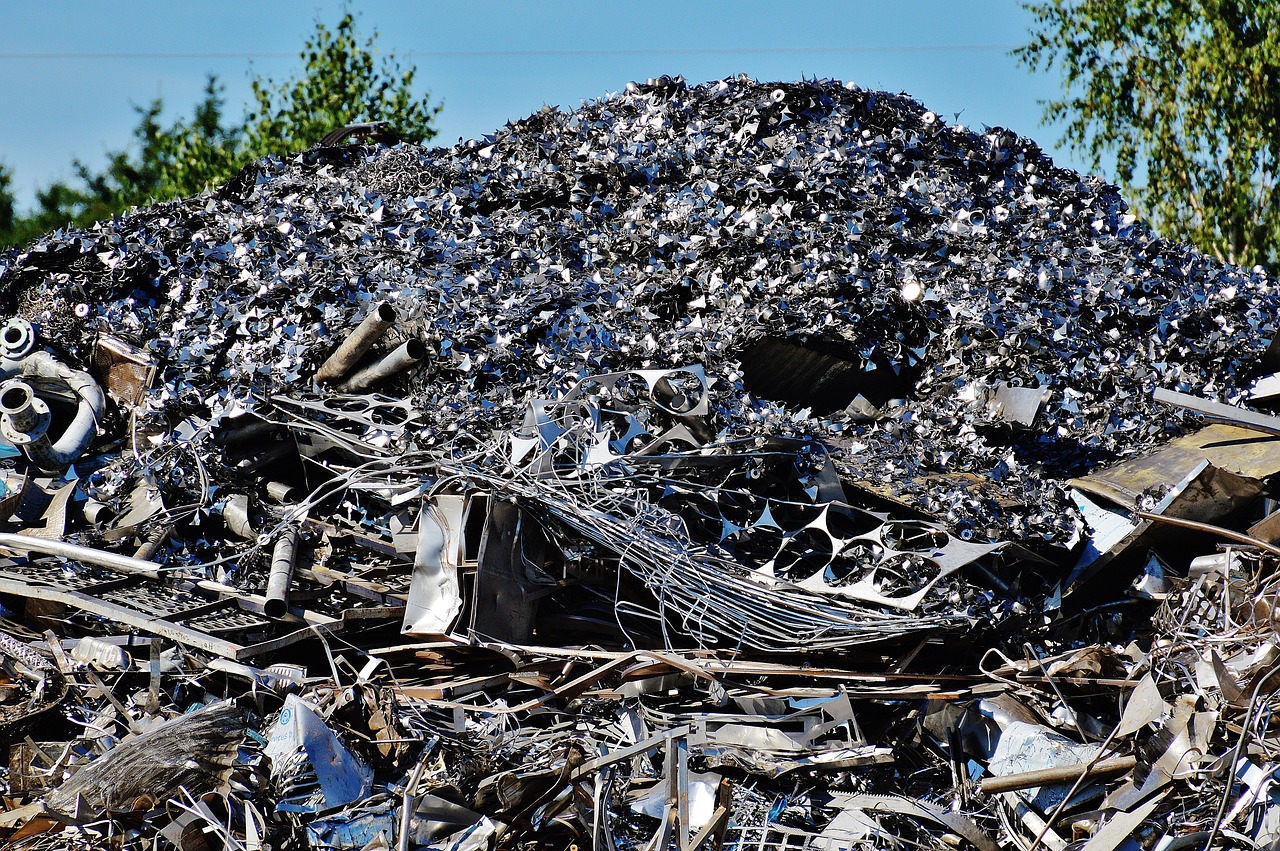
The metal recycling industry in Nigeria is a growing sector powered by the increasing demand for sustainable waste management and the need to reduce the environmental impact of industrial and consumer waste. As one of Africa’s largest economies, Nigeria generates a significant amount of metal waste from industrial, construction, and household activities. The recycling sector offers a viable solution to manage this waste while contributing to the circular economy.
The metal recycling industry in Nigeria presents a compelling opportunity for sustainable development and economic growth. This guide delves into the essential aspects of establishing and operating a metal recycling business, including the required documentation, licensing procedures, regulatory compliance, and operational processes. It also explores the various types of metal recycling, from ferrous and non-ferrous metals to electronic and precious metals, highlighting their economic and environmental significance. With a focus on navigating Nigeria’s regulatory landscape and addressing common challenges, this guide aims to equip aspiring entrepreneurs with the knowledge and tools necessary to succeed in this dynamic industry. By embracing metal recycling, businesses can contribute to environmental conservation, reduce waste, and tap into the burgeoning market for recycled materials, both locally and internationally.
Importance of Recycling in Promoting Sustainability and Reducing Waste
Recycling metals reduces the volume of waste sent to landfills and incinerators, conserves natural resources, and minimizes the environmental damage caused by mining. Metal recycling helps cut greenhouse gas emissions and saves energy, as producing metals from recycled materials consumes significantly less energy than producing them from raw ores. This aligns with Nigeria’s environmental goals and global sustainability commitments.
Economic Opportunities in the Metal Recycling Sector
The metal recycling business offers substantial economic benefits, including:
Job Creation: The industry provides employment opportunities across the value chain, from scrap collection to processing and distribution.
Revenue Generation: Businesses involved in recycling contribute to local economies through taxes and trade.
Export Potential: Recycled metals have a high demand in global markets, presenting export opportunities for Nigerian entrepreneurs.
Local Manufacturing Support: Recycled metals serve as raw materials for industries like construction, automotive, and packaging, boosting local manufacturing capabilities.
Why Nigeria is a Promising Market for Metal Recycling
Several factors make Nigeria an attractive market for metal recycling, including:
Abundant Supply of Scrap Metals: Nigeria generates a large amount of scrap metal due to rapid urbanization, industrial activities, and a growing population.
Increasing Environmental Awareness: Both the government and private sector are emphasizing sustainable practices, creating an enabling environment for recycling initiatives.
Supportive Government Policies: Incentives such as tax breaks for waste management businesses and policies encouraging recycling contribute to the sector’s growth.
Infrastructure Development: Ongoing investments in infrastructure development are generating scrap metals, further fueling the recycling industry.
Understanding the Metal Recycling Business
Definition and Scope of Metal Recycling
Metal recycling involves the collection, processing, and repurposing of scrap metals to create new materials. It is a key component of the circular economy, where materials are reused to minimize waste and conserve resources. The scope of metal recycling extends beyond environmental benefits, encompassing economic gains, job creation, and support for industries reliant on raw materials.
In Nigeria, the metal recycling business includes activities such as sourcing scrap metals from industrial, construction, and domestic sources, processing them into reusable forms, and distributing them to manufacturers or exporting them to global markets.
Types of Metals Suitable for Recycling
Metals are broadly categorized into ferrous and non-ferrous types, both of which are recyclable:
Ferrous Metals: Contain iron and are magnetic. These include steel and cast iron, which are commonly used in construction and automotive industries.
Non-Ferrous Metals: Do not contain iron and are non-magnetic. Examples include aluminum, copper, brass, lead, and zinc. Non-ferrous metals are highly valuable due to their versatility and resistance to corrosion.
Other categories include:
Electronic Waste (E-Waste): Metals extracted from electronic devices, including gold, silver, and palladium.
Precious Metals: High-value metals like gold, silver, and platinum recycled from industrial waste, jewelry, and electronic components.
Market Demand for Recycled Metals in Nigeria
The demand for recycled metals in Nigeria is driven by several factors:
Infrastructure Development: The government’s push for housing, road construction, and industrialization increases the need for affordable raw materials like recycled steel and aluminum.
Manufacturing Sector Growth: Local industries such as automotive, packaging, and appliance manufacturing rely on recycled metals for cost-effective production.
Export Opportunities: With global demand for metals rising, recycled materials from Nigeria find lucrative markets abroad, especially in Europe and Asia.
Benefits of Metal Recycling for Businesses
Cost Savings: Recycling metals is more economical than mining and processing virgin materials.
Environmental Benefits: Reduces landfill waste, minimizes pollution, and conserves energy.
Profit Potential: Recycled metals fetch competitive prices in both local and international markets.
Sustainability: Aligns businesses with global sustainability goals and enhances corporate social responsibility (CSR) credentials.
The Role of Innovation in Metal Recycling
Technology plays a significant role in improving the efficiency and profitability of metal recycling. Key innovations include:
Advanced Sorting Techniques: Using magnetic and sensor-based systems to separate metals quickly and accurately.
Shredding and Melting Equipment: Modern machinery reduces energy consumption and ensures high-quality output.
Digital Platforms: Connecting suppliers, recyclers, and buyers to create seamless supply chains.
The Recycling Value Chain
The metal recycling industry operates through a well-defined value chain that includes:
Collection: Gathering scrap metals from individuals, businesses, and industries.
Sorting: Separating metals by type, grade, and quality.
Processing: Using machinery to shred, crush, melt, and purify metals.
Distribution: Supplying recycled materials to manufacturers or exporting to global markets.
Why the Metal Recycling Industry is Essential for Nigeria
The metal recycling industry is critical for Nigeria’s economy and environment:
Resource Conservation: Reduces the need for mining, preserving the country’s natural resources.
Energy Savings: Recycling uses significantly less energy compared to processing virgin metals.
Economic Growth: Generates income, creates jobs, and promotes industrial development.
Environmental Impact: Helps address Nigeria’s waste management challenges by diverting scrap metals from landfills.
Types of Metal Recycling
Metal recycling encompasses a wide array of activities aimed at recovering and reusing metals from various sources. These activities are categorized based on the types of metals processed, each with distinct applications, value, and recycling methods. Below are the primary types of metal recycling:
Ferrous Metal Recycling
Ferrous metals are those containing iron and are known for their durability and magnetic properties. They are among the most commonly recycled metals globally due to their widespread use in construction and manufacturing.
Examples of Ferrous Metals:
Steel
Cast iron
Wrought iron
Sources of Ferrous Metals:
Construction debris (e.g., rebar, structural steel, beams)
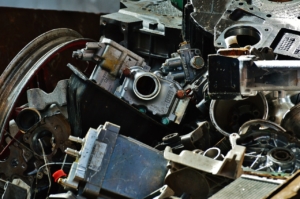
Automotive components (e.g., engine blocks, car frames)
Industrial uses like catalytic converters and medical equipment.
Electronic Waste (E-Waste) Recycling
E-waste recycling focuses on recovering metals and other materials from discarded electronic devices.
Examples of Metals in E-Waste:
Copper (wires and circuits)
Gold and silver (contacts and microprocessors)
Aluminum (casing and heat sinks)
Sources of E-Waste:
Old computers, laptops, and smartphones.
TVs, printers, and gaming consoles.
Recycling Process for E-Waste:
Dismantling devices to separate components.
Extracting valuable metals using mechanical shredders and chemical processes.
Safely disposing of hazardous materials like lead and mercury.
Applications of Recycled E-Waste Metals:
Components for new electronics.
Raw materials for the jewelry and automotive industries.
Automotive Scrap Recycling
Automotive scrap recycling involves recovering metals from end-of-life vehicles (ELVs).
Sources of Automotive Scrap:
Car bodies (steel and aluminum).
Engine parts and transmissions.
Batteries and wiring systems.
Recycling Process for Automotive Scrap:
Stripping vehicles of usable parts.
Shredding remaining materials.
Separating metals using magnetic and non-magnetic sorting techniques.
Applications of Recycled Automotive Metals:
Steel for new vehicles.
Aluminum for lightweight vehicle components.
Lead for battery production.
Industrial Metal Recycling
Industrial metal recycling involves repurposing scrap generated during manufacturing or construction processes.
Sources of Industrial Scrap:
Machine parts.
Construction materials like scaffolding and beams.
Industrial tools and equipment.
Recycling Process for Industrial Metals:
Collection of scrap directly from manufacturing plants or construction sites.
Processing through cutting, shredding, and melting.
Refining to meet industry standards.
Applications of Recycled Industrial Metals:
Reuse in manufacturing processes.
Raw materials for infrastructure development.
Mixed Metal Recycling
Mixed metal recycling deals with materials containing both ferrous and non-ferrous metals, such as electronic devices, machinery, and composite materials.
Recycling Process for Mixed Metals:
Manual dismantling or shredding to separate components.
Magnetic sorting for ferrous metals.
Eddy current separation for non-ferrous metals.
Why Understanding Metal Types is Important
Knowing the types of metals suitable for recycling is essential for:
Maximizing Profits: Different metals have varying market values, and separating them ensures optimal returns.
Efficient Operations: Proper categorization streamlines processing and reduces contamination.
Environmental Compliance: Proper disposal of mixed and hazardous materials ensures regulatory adherence.
Processes and Procedures in Metal Recycling
The metal recycling process involves a series of well-defined steps that help in extracting valuable metals from scrap, refining them, and making them suitable for reuse in various industries. Understanding these steps is crucial for businesses involved in the recycling industry, as it ensures efficiency, compliance with regulations, and maximization of profits.
Collection and Sourcing of Scrap Metal
The first step in metal recycling is the collection and sourcing of scrap metal. This stage involves gathering metals from various sources, which can include:
Industrial Scrap: Metals produced as waste in manufacturing processes, including from machinery, construction, and demolition sites.
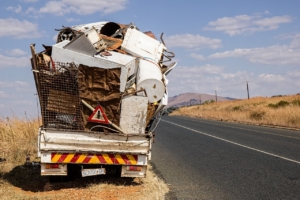
Household Scrap: Items such as old appliances (e.g., refrigerators, washing machines), automotive parts, and aluminum cans.
E-Waste: Discarded electronics, such as old computers, mobile phones, and televisions, which contain valuable metals like copper, gold, and aluminum.
End-of-Life Vehicles (ELVs): Scrap vehicles that can be dismantled for their metal parts.
Key Considerations:
Identification of Metal Types: It’s crucial to identify the types of metals being collected (ferrous, non-ferrous, precious, etc.), as this will determine the next steps in the recycling process.
Sourcing Channels: Businesses often rely on a combination of direct collection, drop-off centers, and partnerships with waste management companies to source metal scrap.
Sorting and Separation
Once the metal scrap has been collected, it needs to be sorted and separated. Sorting ensures that the metals are organized by type and quality, which is crucial for efficient processing.
Key Sorting Methods:
Manual Sorting: Involves workers physically separating scrap metals based on their type, size, and quality.
Magnetic Sorting: Ferrous metals (containing iron) are separated using magnets. This is particularly useful for separating steel and iron from non-ferrous metals.
Eddy Current Separation: Non-ferrous metals like aluminum and copper can be separated using an eddy current separator that uses magnetic fields to repel non-ferrous materials from other metals.
Optical Sorting: Uses cameras and sensors to detect metal types and sort them accordingly.
Shearing and Shredding: Some larger pieces of metal are cut or shredded into smaller, manageable pieces, which also aids in sorting and prepares them for further processing.
Key Considerations:
Minimizing Contamination: Proper sorting minimizes contamination between metal types, improving the quality of the final product and increasing its market value.
Handling Hazardous Materials: Metals like lead or mercury can be toxic, so specialized sorting is needed to avoid exposure or environmental harm.
Cleaning and Preparation
Before metals can be recycled, they need to be cleaned to remove impurities, coatings, and other non-metallic materials such as plastics, glass, and rubber. This stage ensures that the metal is pure and can be reused without complications.
Cleaning Methods:
Mechanical Cleaning: Involves scraping, grinding, or brushing metal surfaces to remove rust, dirt, and coatings.
Chemical Cleaning: Some metals, especially those in electronic waste, may require chemical treatments to remove coatings like solder or to extract precious metals.
Decoating: For metals like aluminum and copper, it’s important to remove coatings, paint, or plastic before recycling.
Key Considerations:
Environmental Concerns: Cleaning processes, especially chemical cleaning, must comply with environmental regulations to avoid pollution.
Safety: Workers should use proper safety equipment when handling chemicals or toxic materials during cleaning.
Shredding and Size Reduction
Shredding is a vital step in metal recycling that reduces scrap into smaller, more manageable pieces. This makes it easier to handle, transport, and melt the metals down for reuse.
Shredding Process:
Industrial Shredders: High-powered machines shred scrap metal into smaller pieces. For larger, bulkier metals, shredders break them into more compact fragments.
Benefits of Shredding: Reduces the volume of scrap, improves sorting accuracy, and accelerates the melting process.
Application: Shredded metal can be used in various manufacturing processes or sold as processed scrap.
Melting and Refining
After metals are cleaned and shredded, the next step is to melt and refine them into reusable raw materials. This is where the metal undergoes significant transformation to return to its purest form, ready for use in manufacturing.
Melting Process:
Furnaces: Scrap metal is melted in large furnaces, which may operate at temperatures of over 1,000°C, depending on the type of metal.
Electric Arc Furnace (EAF): Primarily used for steel recycling, it uses electricity to melt scrap metal.
Induction Furnace: Often used for non-ferrous metals like aluminum and copper.
Refining: In some cases, additional refining processes are applied to purify the metal, remove impurities, and produce higher-grade materials. These may involve adding chemicals to remove unwanted elements or using vacuum or electrochemical techniques.
Key Considerations:
Energy Efficiency: Melting metal requires significant energy, so more efficient technologies help minimize costs and environmental impact.
Pollution Control: Proper ventilation and filtration systems must be in place to manage emissions from melting metal.
Casting and Forming
Once the metal has been melted and refined, it is cast into molds to create ingots, sheets, or other desired forms that are easy to transport and use in manufacturing.
Casting Methods:
Ingot Casting: Molten metal is poured into molds to form ingots, which can later be processed into other products.
Continuous Casting: This is used for producing long shapes like rods or sheets by continuously pouring molten metal into molds.
Die Casting: Used primarily for non-ferrous metals, where molten metal is injected into a mold under high pressure to produce intricate shapes.
Quality Control and Testing
Before the recycled metal can be sold or used in production, it undergoes strict quality control to ensure it meets industry standards.
Quality Control Processes:
Visual Inspection: Checking the metal for any visible defects, contaminants, or irregularities.
Chemical Analysis: Testing the metal’s composition to ensure it is pure and meets specifications.
Mechanical Testing: Assessing the strength, flexibility, and durability of the metal.
Distribution and Sales
After the metal has been processed, it is either sold to manufacturers for use in production or exported to international markets. Recycled metals are valuable commodities, and their price is determined by market conditions, including demand and quality.
Sales Channels:
Local Manufacturing: Recycled metals are sold to industries like construction, automotive, packaging, and electronics.
Export Markets: Countries with higher demands for recycled metals, such as China, Japan, and the EU, offer lucrative markets for metal recyclers.
Key Considerations for a Successful Metal Recycling Business
Regulatory Compliance: Adhering to environmental, health, and safety regulations is crucial for maintaining business operations and avoiding penalties.
Economic Viability: Efficient processing methods and effective waste management can help minimize costs and increase profitability.
Sustainability: Implementing eco-friendly practices throughout the process, from collection to distribution, is essential for businesses aiming to align with global sustainability standards.
Documentation and Licenses Required for Metal Recycling in Nigeria
Starting and operating a metal recycling business in Nigeria involves obtaining various licenses and meeting specific documentation requirements to ensure compliance with legal, environmental, and health regulations. These requirements vary depending on the size of the business, the types of metals recycled, and the region of operation. Below is an overview of the key documentation and licenses needed to run a metal recycling business in Nigeria.
Business Registration
Before applying for specific licenses and permits, the first step is to formally register the business. This establishes the legal entity that will operate the recycling business.
Documents Required:
Certificate of Incorporation: Issued by the Corporate Affairs Commission (CAC), this document confirms the business’s legal registration as a limited liability company, sole proprietorship, or partnership.
Company’s Memorandum and Articles of Association: These documents outline the company’s objectives, governance, and operational structure.
Tax Identification Number (TIN): Obtained from the Federal Inland Revenue Service (FIRS), this number is necessary for tax purposes and ensures the business is recognized by tax authorities.
Why It’s Needed:
Legal recognition and protection for the business.
Required for opening a business bank account and entering into formal contracts.
Environmental Impact Assessment (EIA)
The recycling industry can have significant environmental implications, such as the potential release of pollutants, including hazardous materials. To address these concerns, an Environmental Impact Assessment (EIA) is required before starting operations.
Documents Required:
EIA Report: A comprehensive document detailing the potential environmental impacts of the recycling operation. This includes:
Analyzing air, water, and soil pollution risks.
Waste management procedures.
Mitigation strategies to reduce negative environmental effects.
Approval from the National Environmental Standards and Regulations Enforcement Agency (NESREA): Once the EIA is submitted, NESREA will review it and provide approval if the environmental risks are well-managed.
Why It’s Needed:
Ensures the recycling process adheres to environmental protection standards.
Prevents legal penalties associated with environmental damage.
Hazardous Waste Management License
Certain metals, such as lead, mercury, and cadmium, may be classified as hazardous waste and require special handling, storage, and disposal methods. If your metal recycling operation involves processing materials with hazardous content, you will need this license.
Documents Required:
Hazardous Waste Disposal Plan: A detailed document that outlines how hazardous materials will be handled, stored, and disposed of safely.
Proof of Compliance with National and Local Regulations: Confirmation that the business follows the hazardous waste management guidelines set by NESREA and other relevant bodies.
Why It’s Needed:
Compliance with Nigeria’s environmental and health laws.
Avoids fines, penalties, and environmental damage from improper disposal of hazardous waste.
Recycling Business Permit
In Nigeria, a business permit for recycling operations is necessary for businesses involved in metal recycling. This permit ensures that the company complies with all regulatory standards specific to the recycling industry.
Documents Required:
Application Form: A formal request submitted to the Ministry of Environment or a relevant state agency.
Compliance with Local Government Regulations: Evidence that the business complies with municipal waste management regulations.
Operational Plan: A detailed description of the recycling processes, waste management strategies, and safety protocols followed by the business.
Why It’s Needed:
Allows the company to legally operate within the metal recycling industry.
Ensures adherence to both national and local laws governing recycling activities.
Importation License (if applicable)
If your business involves importing metal scrap or equipment, an importation license from the Nigerian Customs Service is necessary. This is crucial to ensure the proper clearance of materials and compliance with importation regulations.
Documents Required:
Import Permit: Issued by the Nigerian Customs Service, granting permission to import specific goods, including scrap metal or recycling equipment.
Bill of Lading: A shipping document that verifies the delivery and origin of the goods.
Import Duty Payment: Proof that the necessary taxes and duties for importing goods have been paid.
Why It’s Needed:
Facilitates the legal import of scrap metal or recycling machinery.
Ensures compliance with Nigerian customs regulations and import duties.
Health and Safety Compliance Certificate
Given the nature of metal recycling, which may involve heavy machinery, high temperatures, and potentially hazardous materials, obtaining a health and safety compliance certificate is essential. This certificate ensures that the workplace meets required standards for worker safety and health.
Documents Required:
Occupational Health and Safety Plan: A plan detailing how the company will mitigate safety risks, including the use of machinery, handling of chemicals, and protection from fire hazards.
Safety Audits: Reports of safety inspections, which can be conducted by the National Safety Council or other recognized bodies.
Employee Safety Training Records: Evidence that workers have undergone safety training, including first-aid and emergency procedures.
Why It’s Needed:
Protects the health and safety of employees and visitors to the recycling facility.
Complies with Nigeria’s Occupational Health and Safety Act.
Waste Management and Disposal License
In addition to hazardous waste management, a general waste management license is required for businesses that handle non-hazardous metal waste, such as paper, plastics, and other refuse from the recycling process.
Documents Required:
Waste Management Plan: A detailed strategy for handling, recycling, and disposing of non-metallic waste generated during the recycling process.
Record of Waste Disposal: Logs of how and where the business disposes of its waste.
Approval from Local Authorities: Confirmation from local municipal authorities that the business complies with local waste management regulations.
Why It’s Needed:
Ensures the proper disposal of non-metallic and recyclable materials.
Complies with Nigeria’s waste management laws and regulations.
Fire Safety Certification
Given the high temperatures involved in the metal recycling process (particularly during the melting stage), a fire safety certification is necessary. This ensures that the recycling facility is equipped with the necessary fire prevention and suppression systems.
Documents Required:
Fire Safety Inspection Report: Conducted by the Nigerian Fire Service or a certified fire safety professional to assess the facility’s fire hazards and safety measures.
Fire Safety Systems: Documentation of fire alarms, extinguishers, sprinklers, and emergency exits at the facility.
Why It’s Needed:
Minimizes fire-related risks in the recycling facility.
Complies with national fire safety standards and local regulations.
Local Government Approvals (if applicable)
In addition to national licenses, businesses may need to obtain local government approval depending on the location of their recycling facility. This ensures the business complies with local zoning laws and other municipal regulations.
Documents Required:
Zoning Approval: Ensures that the recycling facility is located in an area zoned for industrial or recycling activities.
State Environmental Clearance: Depending on the state, a separate environmental clearance may be required for local compliance.
Why It’s Needed:
Ensures the facility is situated in an appropriate location.
Helps avoid conflicts with local community or zoning laws.
Navigating the documentation and licensing requirements for a metal recycling business in Nigeria can be complex, but it is crucial for legal and operational success. Ensuring compliance with national and local regulations, as well as environmental and safety standards, is essential for running a responsible and profitable recycling business.
Each of these licenses and documents plays a vital role in ensuring that your operations are legal, safe, and environmentally responsible. Always consult with legal and regulatory experts to ensure you meet all requirements and avoid potential fines or operational disruptions.
Processes and Procedures to Obtain Licenses for a Metal Recycling Business in Nigeria
Obtaining the necessary licenses for a metal recycling business in Nigeria involves a series of steps designed to ensure legal, environmental, and health compliance. These procedures vary slightly depending on the location and specific needs of the business, but the following provides a general overview of the key processes and procedures for obtaining licenses:
Business Registration with the Corporate Affairs Commission (CAC)
Process:
Choose Business Structure: Decide whether your business will be registered as a sole proprietorship, partnership, or limited liability company.
Prepare Required Documents:
Business name or company name.
Address of the business.
Identification documents for the business owners (e.g., passport, national ID).
Proposed company Memorandum and Articles of Association.
Submit Online Application: Complete and submit the registration application through the Corporate Affairs Commission (CAC) website or at their physical office.
Pay the Registration Fee: Pay the appropriate fee for business registration based on the company’s size and structure.
Obtain Certificate of Incorporation: After approval, the CAC issues a Certificate of Incorporation confirming the company’s legal existence.
Estimated Time: 2-3 weeks.
Why It’s Important: This is the first step before proceeding with other licenses and documents.
Environmental Impact Assessment (EIA) and Approval from NESREA
Process:
Prepare EIA Report: Engage an environmental consultant to prepare an Environmental Impact Assessment (EIA) report. The report should cover:
The potential environmental impacts of the recycling business (air, water, and soil pollution risks).
The waste management and disposal plans for the facility.
Mitigation measures to reduce adverse environmental effects.
Submit to NESREA: Submit the EIA report to the National Environmental Standards and Regulations Enforcement Agency (NESREA) for review.
Approval: NESREA reviews the report to ensure compliance with national environmental standards and issues an Environmental Impact Statement (EIS) or approval, if all requirements are met.
Estimated Time: 2-4 weeks, depending on the complexity of the report.
Why It’s Important: It ensures that the business meets environmental sustainability standards and helps prevent pollution or degradation.
Hazardous Waste Management License
Process:
Prepare Hazardous Waste Plan: If the recycling process involves hazardous metals like lead, mercury, or cadmium, develop a Hazardous Waste Management Plan. This plan should describe:
How hazardous materials will be safely stored, handled, and disposed of.
Emergency procedures for handling accidents or spills.
Staff training and safety measures.
Apply to NESREA: Submit the waste management plan to NESREA or the relevant state-level environmental authority for approval.
Inspection: Authorities may conduct an inspection of the recycling facility to ensure that it meets hazardous waste management standards.
License Issuance: Once compliance is verified, the relevant authority will issue a Hazardous Waste Management License.
Estimated Time: 3-6 weeks, depending on the location and complexity of the plan.
Why It’s Important: This ensures that the business adheres to safety protocols when handling dangerous materials and minimizes the risk of environmental contamination.
Recycling Business Permit from the Ministry of Environment (or Relevant State Authority)
Process:
Obtain Application Form: Request and fill out the application form for the recycling business permit from the Ministry of Environment or the relevant state authority.
Submit Application: Submit the completed application along with supporting documents, such as:
Proof of business registration.
Environmental impact assessment approval.
Waste management plans.
Safety plans.
Facility Inspection: The Ministry may schedule an inspection to ensure that the facility complies with operational and safety standards.
Issuance of Permit: After verification, the Ministry will issue the recycling business permit, allowing the operation of the metal recycling facility.
Estimated Time: 2-4 weeks.
Why It’s Important: The recycling business permit legalizes the operation and ensures compliance with municipal and national recycling policies.
Health and Safety Compliance
Process:
Prepare Safety Plan: Develop a comprehensive health and safety plan that outlines procedures for worker safety, emergency protocols, fire safety measures, and first-aid readiness.
Request Inspection: Contact the Nigerian Safety Commission or the National Safety Council to request a safety inspection.
Conduct Safety Audit: Arrange for a safety audit to evaluate the preparedness of the facility, the effectiveness of fire protection systems, and staff safety training.
Obtain Safety Certificate: If the business meets the required safety standards, a health and safety compliance certificate will be issued.
Estimated Time: 3-4 weeks.
Why It’s Important: Compliance with health and safety standards protects workers and visitors from potential hazards, ensuring a safe working environment.
Importation License (if applicable)
Process:
Register with Nigerian Customs Service (NCS): If you plan to import scrap metals or recycling equipment, the business must be registered with the Nigerian Customs Service.
Obtain Import Permit: Submit an importation application along with documents such as:
Bill of lading for incoming shipments.
Proof of tax payment.
Description of materials to be imported.
Pay Import Duties: Make payment for relevant import duties and taxes as required by the NCS.
Customs Inspection and Clearance: The Nigerian Customs Service will inspect the shipment and confirm that it complies with regulations before clearance is granted.
Estimated Time: 2-3 weeks, depending on the import process and shipment logistics.
Why It’s Important: This license ensures that the business can legally import necessary materials or equipment while complying with Nigerian customs regulations.
Local Government Approvals (if applicable)
Process:
Obtain Zoning Approval: Verify that the location of the recycling facility is zoned for industrial or recycling purposes. Submit the application for zoning approval to the local government or municipal authority.
Comply with Local Waste Management Regulations: Confirm that the recycling facility adheres to local waste disposal and management guidelines.
Obtain Local Permit: After local government inspection, a local operating permit or approval may be issued.
Estimated Time: 1-2 weeks.
Why It’s Important: This ensures that the recycling facility complies with local zoning and operational regulations, avoiding potential conflicts with local communities.
Fire Safety Certification
Process:
Install Fire Safety Measures: Equip the facility with necessary fire safety systems such as extinguishers, alarms, sprinklers, and fire exits.
Request Fire Safety Inspection: Contact the Nigerian Fire Service or a certified fire safety inspector to request an inspection.
Conduct Inspection: Fire officials will evaluate the readiness of the facility to handle fire emergencies.
Obtain Fire Safety Certificate: Once the facility meets fire safety standards, the certificate will be issued.
Estimated Time: 2-3 weeks.
Why It’s Important: Fire safety compliance reduces the risk of fire hazards in the recycling process, ensuring the protection of workers and assets.
Obtaining the necessary licenses and approvals for a metal recycling business in Nigeria involves careful preparation, submission of documents, and compliance with environmental, safety, and health standards. The key steps include registering the business, obtaining environmental and hazardous waste management approvals, securing local and national permits, and ensuring health and safety compliance. By following these processes, you can establish a legal and operationally sound recycling business that aligns with Nigerian regulations and contributes to a sustainable environment.
Regulatory Bodies and Compliance for Metal Recycling Business in Nigeria
Operating a metal recycling business in Nigeria involves strict adherence to regulations set by various governmental and regulatory bodies. These agencies ensure that recycling activities are conducted in an environmentally sustainable, safe, and legally compliant manner. Below are the key regulatory bodies involved in the metal recycling business in Nigeria, along with their roles and the compliance requirements for business owners.
National Environmental Standards and Regulations Enforcement Agency (NESREA)
Role:
NESREA is the primary regulatory authority responsible for enforcing environmental laws in Nigeria. This agency ensures that businesses, including those in the recycling sector, comply with national environmental standards. NESREA’s mandate includes regulating waste management, pollution control, and environmental conservation.
Key Compliance Requirements:
Environmental Impact Assessment (EIA): Metal recycling businesses must conduct an EIA to evaluate and mitigate potential environmental effects of their operations.
Environmental Management Plans: Companies are required to submit their waste management plans, detailing how they handle, store, and dispose of recycled metals.
Pollution Control: Compliance with pollution control measures to prevent air, water, and soil contamination is crucial.
Why It’s Important:
Non-compliance with NESREA’s regulations can result in heavy fines, business shutdowns, or environmental damage. Ensuring compliance guarantees that the recycling operations are sustainable and do not harm the environment.
Federal Ministry of Environment (FME)
Role:
The Federal Ministry of Environment is tasked with overseeing the general environmental policies in Nigeria. It works in collaboration with NESREA to ensure that businesses, including metal recyclers, follow proper waste management protocols and sustainable practices.
Key Compliance Requirements:
Facility Inspection: The ministry conducts inspections to ensure that recycling facilities are compliant with environmental standards.
Sustainability Standards: The ministry may set specific guidelines on recycling processes and the types of metals that can be processed.
Why It’s Important:
Compliance with the FME ensures that your recycling activities align with national environmental policies, contributing to sustainability efforts in Nigeria.
Nigerian Customs Service (NCS)
Role:
The Nigerian Customs Service regulates and monitors the importation and exportation of goods, including scrap metals and recycling equipment. It ensures that metal recyclers are not involved in illegal trade or the importation of prohibited materials.
Key Compliance Requirements:
Importation License: If importing scrap metal or recycling equipment, recyclers must obtain the necessary importation licenses.
Duties and Taxes: Pay the appropriate import duties and taxes on scrap metals or equipment being brought into the country.
Documentation: Submit relevant documentation, such as the Bill of Lading, invoice, and proof of payment, for customs clearance.
Why It’s Important:
Failure to comply with NCS regulations can result in the seizure of goods, penalties, or the closure of your recycling business.
Nigerian Safety Commission (NSC)
Role:
The Nigerian Safety Commission is responsible for ensuring that industrial operations, including recycling facilities, adhere to safety standards that protect workers, the community, and the environment.
Key Compliance Requirements:
Health and Safety Standards: Businesses must comply with the required safety protocols, including providing safety training for workers and maintaining fire safety systems.
Emergency Plans: Develop emergency response plans for incidents such as chemical spills, fires, or accidents involving heavy machinery.
Inspections and Certifications: The NSC conducts inspections and issues certificates of compliance with health and safety regulations.
Why It’s Important:
Non-compliance with safety standards can result in workplace accidents, injuries, legal liabilities, and damage to your business reputation.
National Petroleum Corporation (NNPC) (For Hazardous Waste)
Role:
The NNPC is responsible for managing hazardous waste that may arise from metal recycling, particularly when dealing with materials that contain toxic substances such as oil, lead, or other chemicals.
Key Compliance Requirements:
Hazardous Waste Management: If the recycling process involves hazardous materials, businesses must submit a detailed hazardous waste management plan for approval.
Storage and Disposal: Proper storage, handling, and disposal methods must be followed to avoid contamination and environmental damage.
Periodic Audits: The NNPC conducts periodic audits to ensure that hazardous waste is being managed correctly.
Why It’s Important:
Compliance with NNPC regulations is critical for businesses that handle hazardous waste. Failure to comply can result in severe fines and environmental penalties.
State Environmental Protection Agencies (SEPA)
Role:
State-level environmental agencies monitor and regulate recycling businesses to ensure compliance with local environmental and health laws. These agencies may work alongside federal bodies like NESREA and FME, but they focus on issues that directly affect local communities.
Key Compliance Requirements:
Local Zoning Regulations: Ensure that the recycling business complies with local zoning laws regarding industrial activities.
Local Waste Management Plans: Work with local waste management authorities to dispose of or recycle scrap metals and other materials in an environmentally friendly manner.
Noise and Air Pollution: Comply with regulations that control noise pollution and air quality, which are common concerns in recycling facilities.
Why It’s Important:
Compliance with state environmental regulations is essential for avoiding local fines or shutdowns. It also helps businesses gain the support of surrounding communities.
Federal Fire Service (FFS)
Role:
The Federal Fire Service ensures that businesses, especially those in industries like recycling, comply with fire safety regulations to minimize the risk of fire hazards.
Key Compliance Requirements:
Fire Safety Equipment: Install and maintain necessary fire safety equipment, such as fire extinguishers, alarms, and sprinkler systems.
Fire Safety Plans: Develop and implement fire safety procedures to prevent and manage fires within the facility.
Periodic Inspections: The Federal Fire Service conducts inspections to ensure that recycling businesses comply with fire safety laws.
Why It’s Important:
Fire safety compliance is vital to prevent costly accidents, injuries, or damage to the recycling facility. Non-compliance can result in penalties and business disruption.
National Occupational Safety and Health Agency (NOSHA)
Role:
NOSHA ensures that businesses, including metal recycling operations, maintain safe working environments for their employees. It works to reduce accidents, injuries, and illnesses at work.
Key Compliance Requirements:
Health and Safety Training: Provide workers with proper health and safety training, especially regarding hazardous materials and machinery.
Safety Equipment: Ensure that personal protective equipment (PPE) like gloves, helmets, goggles, and respiratory protection is provided to workers.
Accident Reporting: Businesses must report workplace accidents and incidents to NOSHA for further investigation.
Why It’s Important:
NOSHA compliance ensures a safe working environment and protects against legal liabilities, fines, and employee claims.
Adhering to the regulations set forth by these key regulatory bodies is crucial for the successful operation of a metal recycling business in Nigeria. Compliance not only ensures the sustainability of the business but also minimizes legal risks, environmental damage, and safety hazards. It is essential to stay informed about the regulations and maintain ongoing compliance to avoid penalties, environmental harm, or business closure. By working with regulatory authorities and ensuring your business meets all required standards, you contribute to Nigeria’s recycling industry and its environmental goals.
Challenges in the Metal Recycling Business
Operating a metal recycling business in Nigeria comes with a set of challenges that can impact profitability, efficiency, and sustainability. Below is a detailed list of these challenges:
Limited Access to Capital and Funding
Inadequate Infrastructure
Fluctuating Market Prices for Scrap Metals
Regulatory and Bureaucratic Hurdles
Competition from Informal Recycling Sector
Environmental and Safety Concerns
Scarcity of Skilled Labor
Lack of Public Awareness and Support
High Energy Consumption
Challenges in Sourcing Scrap Metals
Counterfeit and Contaminated Metals
Competition with Virgin Metal Production
Lack of Government Support
Minimal Incentives: Limited tax breaks, grants, or subsidies for recycling businesses hinder growth.
The metal recycling business in Nigeria holds immense potential but is fraught with challenges that require strategic solutions. Addressing these issues such as improving infrastructure, securing better financing options, and fostering government support will go a long way in ensuring the sector’s growth and sustainability.
Step-by-Step Guide to Starting a Metal Recycling Business in Nigeria
Starting a metal recycling business in Nigeria requires strategic planning, compliance with regulations, and operational efficiency. Below is a step-by-step guide to help you navigate the process:
Step 1: Conduct Market Research
Identify Demand: Research the types of scrap metals in high demand, such as aluminum, copper, or steel.
Analyze Competition: Study existing metal recycling businesses, their services, pricing, and customer base.
Locate Sources of Scrap Metal: Identify reliable sources for collecting scrap metal, such as industrial waste, households, or construction sites.
Step 2: Develop a Business Plan
Define Your Business Model: Decide whether you’ll focus on collecting, processing, or exporting scrap metals.
Outline Financial Projections: Include startup costs, operational expenses, and potential revenue streams.
Set Objectives: Specify short- and long-term goals for your recycling business.
Identify Target Market: Determine whether you’ll supply recycled metals to local industries or export to international markets.
Step 3: Choose a Suitable Location
Accessibility: Select a location with easy access for transportation of scrap metals.
Zoning Laws: Ensure the location complies with local zoning and industrial regulations.
Space: Opt for a site with enough space for storage, sorting, and processing operations.
Step 4: Register Your Business
Corporate Affairs Commission (CAC): Register your business name and obtain a certificate of incorporation.
Tax Identification Number (TIN): Register with the Federal Inland Revenue Service (FIRS) for tax compliance.
Business Permits: Obtain local government business permits required for industrial operations.
Step 5: Secure Necessary Licenses and Approvals
Environmental Impact Assessment (EIA): Conduct an EIA and get approval from the Federal Ministry of Environment.
NESREA Permit: Obtain permits from the National Environmental Standards and Regulations Enforcement Agency.
Waste Disposal Licenses: Secure licenses for handling and disposing of waste materials.
Step 6: Acquire Equipment and Tools
Sorting Equipment: Use magnets, shredders, and conveyor belts to separate metals.
Processing Machines: Invest in crushers, balers, and furnaces for metal processing.
Transportation Vehicles: Purchase trucks or vans for scrap metal collection and delivery.
Safety Gear: Equip workers with gloves, helmets, goggles, and other personal protective equipment (PPE).
Step 7: Set Up Your Facility
Storage Areas: Create dedicated spaces for storing scrap metals before processing.
Processing Zones: Set up areas for sorting, cutting, and shredding metals.
Waste Management Systems: Implement systems to handle non-recyclable waste and hazardous materials responsibly.
Step 8: Build a Reliable Supply Chain
Partner with Collectors: Collaborate with scrap metal collectors, waste pickers, and recycling agents.
Establish Collection Points: Set up drop-off points in areas with high scrap metal availability.
Create Incentive Programs: Offer incentives to suppliers for delivering quality scrap metals.
Step 9: Hire and Train Staff
Recruit Skilled Workers: Employ experienced workers for handling and processing metals.
Provide Training: Train your workforce on safety protocols, equipment handling, and efficient recycling methods.
Assign Roles: Allocate tasks such as sorting, processing, and transporting scrap metals to specific team members.
Step 10: Implement Health, Safety, and Environmental Standards
Follow NESREA Guidelines: Ensure compliance with environmental standards for waste management and pollution control.
Install Safety Systems: Equip your facility with fire extinguishers, first aid kits, and emergency response plans.
Conduct Regular Inspections: Perform routine checks to identify and mitigate potential safety hazards.
Step 11: Market Your Business
Build an Online Presence: Create a website and social media pages to showcase your services.
Network with Industries: Connect with manufacturing companies, construction firms, and exporters in need of recycled metals.
Offer Competitive Pricing: Attract customers by offering fair prices for recycled materials.
Step 12: Monitor and Scale Operations
Track Performance: Monitor revenue, expenses, and operational efficiency regularly.
Expand Your Reach: Consider opening additional collection points or facilities in other locations.
Invest in Technology: Upgrade to advanced recycling equipment to improve efficiency and output.
Business Plan for a Metal Recycling Business in Nigeria
Executive Summary
The metal recycling business offers a lucrative opportunity in Nigeria by addressing the increasing demand for recycled materials in local and international markets. This business plan outlines the strategy for establishing a fully operational metal recycling facility that collects, processes, and supplies recycled metals, contributing to waste management and environmental sustainability. The startup requires an estimated ₦50,000,000 in capital and aims to achieve a monthly revenue of ₦15,000,000 within the first year of operation.
Business Overview
Business Name: Green Metal Solutions Limited
Industry: Recycling and Waste Management
Location: Lagos, Nigeria
Business Model: Collection, processing, and supply of recycled metals such as aluminum, copper, steel, and iron.
Mission Statement
To promote sustainable development by transforming metal waste into reusable materials, thereby reducing environmental pollution and contributing to Nigeria’s circular economy.
Objectives
Establish a metal recycling facility within 6 months.
Process at least 200 tons of scrap metals monthly within the first year.
Achieve a 10% market share in the local recycling industry by the end of Year 2.
Expand operations to include export opportunities by Year 3.
Market Analysis
Industry Overview
The Nigerian recycling sector is valued at approximately ₦500 billion, driven by increased industrialization, urbanization, and the global push for sustainable practices. Metal recycling contributes significantly to environmental conservation and raw material supply for industries.
Target Market
Manufacturing Industries: Suppliers of raw materials for production.
Construction Firms: Providers of recycled metals for building projects.
Export Markets: Focus on international buyers of processed scrap metals.
Competitive Analysis
Strengths: Environmentally conscious business model, high demand for recycled metals.
Weaknesses: High startup costs, regulatory challenges.
Opportunities: Untapped export markets, government incentives for recycling.
Threats: Market volatility, competition from informal recyclers.
Services and Products
Metal Collection: Partner with collectors and scrap suppliers to source waste metals.
Processing Services: Cutting, shredding, and melting metals for reuse.
Recycled Metal Sales: Supplying processed metals to industries and exporters.
Operational Plan
Processes
Collection: Establish a supply chain with scrap collectors and drop-off points.
Sorting and Cleaning: Separate metals by type and remove contaminants.
Processing: Shred, crush, and melt metals into reusable forms.
Distribution: Deliver recycled metals to local industries or export markets.
Location and Facility
Facility located in an industrial zone in Lagos with 1,000 square meters of space for storage and processing.
Proximity to transportation networks and scrap metal sources.
Sales of recycled metals to local industries: ₦10,000,000 monthly
Export of processed metals: ₦5,000,000 monthly
Profitability
Expected monthly revenue: ₦15,000,000
Gross profit margin: 40%
Breakeven point: Within 18 months.
Marketing and Sales Strategy
Online Presence: Create a website and leverage social media to attract customers.
Partnerships: Collaborate with construction firms, manufacturing companies, and exporters.
Community Engagement: Launch awareness campaigns to encourage waste sorting and metal recycling.
Competitive Pricing: Offer competitive rates for scrap metal purchases and recycled metal sales.
Management and Staffing
Key Roles
Managing Director
Operations Manager
Marketing and Sales Officer
Quality Control Specialist
Logistics Coordinator
Staffing Plan
Skilled workers (10 personnel): ₦150,000/month each
Semi-skilled workers (20 personnel): ₦80,000/month each
Total Monthly Salary Expenses: ₦3,100,000
Risk Analysis and Mitigation
Potential Risks
Regulatory Delays: Lengthy licensing processes.
Market Volatility: Fluctuations in metal prices.
Operational Challenges: High energy costs and unreliable power supply.
Mitigation Strategies
Engage legal experts to expedite licensing.
Diversify product offerings to reduce dependency on single metals.
Invest in renewable energy solutions to reduce power costs.
Sustainability and Corporate Social Responsibility (CSR)
Implement environmentally friendly practices to reduce pollution.
Partner with communities to promote recycling awareness and education.
Support initiatives for proper waste disposal and management.
Conclusion
The metal recycling industry in Nigeria offers a ificant opportunity to address both environmental and economic challenges. With increasing urbanization, industrialization, and the global push for sustainability, the demand for recycled metals is expected to continue growing. By investing in metal recycling, businesses can contribute to reducing waste, conserving natural resources, and promoting a circular economy.
Despite the challenges, such as regulatory hurdles and competition from informal sectors, the long-term benefits of the metal recycling business in Nigeria are clear. With the right approach to licensing, compliance, and operational efficiency, metal recycling businesses can thrive while positively impacting the environment and driving economic growth.
In conclusion, the metal recycling sector holds immense potential for those willing to navigate its complexities. As the demand for recycled metals increases, those in the industry have an opportunity to play a key role in creating a cleaner, more sustainable future for Nigeria and the world.
Call to Action
We invite investors, industry partners, and government agencies to join us in this rewarding journey of transforming metal waste into a valuable resource. Together, we can drive economic growth, reduce environmental impact, and contribute to a more sustainable future.
Get in touch with us today to learn more about partnership opportunities, investment plans, or how you can be part of Nigeria’s growing recycling sector.










There are no comments