


How to Start a Motion Picture and Television Production Company in Nigeria
Introduction
Nigeria’s film and television industry, commonly known as Nollywood, has become a powerful cultural and economic force both locally and internationally. Over the past few decades, it has grown from low-budget home videos to high-quality productions featured on global streaming platforms like Netflix, Amazon Prime, and Showmax. This evolution reflects not only the industry’s resilience but also its growing sophistication in storytelling, cinematography, editing, and production value.
Today, Nollywood stands as the second largest film industry in the world by volume, producing thousands of movies every year and generating billions in revenue. The industry directly and indirectly creates employment for actors, directors, producers, screenwriters, editors, makeup artists, set designers, and a wide range of technical and support staff. Its influence stretches across Africa and the diaspora, with millions of viewers consuming Nigerian content every day.
This rapid growth has opened up new opportunities for entrepreneurs, creatives, and investors. From script development to post-production, and from local storytelling to international distribution, the value chain offers multiple entry points for individuals and organizations interested in media production. Whether you are a filmmaker looking to tell authentic African stories, a businessperson exploring investment in creative industries, or a production enthusiast with technical skills, the Nigerian film and television space offers untapped potential.
Moreover, government interest in diversifying the economy beyond oil, combined with the youth-driven demand for digital content, makes this an ideal time to consider building a structured production company. With the right planning, legal framework, skilled talent, and understanding of the market, you can establish a film and television company that is both culturally relevant and commercially viable.
This guide is curated to patiently take you through everything you need to know; from licensing and infrastructure to staffing and content strategy; so that you can take informed steps toward entering one of Nigeria’s most vibrant industries.
Understanding the Motion Picture and Television Industry in Nigeria
The Nigerian motion picture and television industry has come a long way, what began as a small-scale, informal sector making low-budget films for home viewing has become a global cultural export with influence across Africa and beyond.
The Evolution of Nollywood
Nollywood started in the early 1990s when independent producers, facing limited access to cinema infrastructure, began shooting films directly for VHS distribution. The most notable example is Living in Bondage (1992), which helped set the tone for Nigerian storytelling in film. These early productions were resourceful, fast-paced, and deeply rooted in local culture, language, and everyday life.
Over time, the industry grew, adapting to changes in technology and audience preferences. From VHS tapes to VCDs and DVDs, Nollywood producers found creative ways to distribute content. As digital cameras became affordable and editing software more accessible, production quality improved. Today, with more investment, better equipment, and formal training, many Nigerian films are shot in HD or 4K and screened at international film festivals.
Streaming platforms like Netflix and Amazon Prime have also changed how Nigerian films are produced, distributed, and consumed. International licensing deals have raised standards and created incentives for higher-quality storytelling. This shift has made Nollywood not just a volume-driven industry but also a destination for premium African content.
What Is Motion Picture?
A motion picture, commonly called a film or movie, is a visual storytelling medium that captures a series of moving images to create the illusion of continuous movement. It combines visuals, sound, dialogue, acting, and direction to communicate stories, ideas, emotions, or information. In Nigeria, motion pictures usually refer to scripted films, whether for cinema, streaming platforms, or home video.
Motion picture production involves several phases, from development and scripting to casting, filming, and post-production. It can be as short as a few minutes or as long as a feature-length film lasting up to two hours or more. In Nollywood, the motion picture format remains a key driver of cultural export, with themes that resonate locally and internationally.
What Is Television Production?
Television production refers to the creation of video content specifically for broadcast through television networks or digital TV platforms. Unlike films that are often standalone, television content is usually episodic, serialized, and structured into seasons. This includes soap operas, talk shows, news, game shows, and drama series.
In Nigeria, television production has deep roots, going back to state-owned stations like NTA and regional broadcasters. Over the years, private networks and cable platforms like Africa Magic, EbonyLife, and Arise TV have contributed to the growth of the industry by commissioning and producing a wide variety of content tailored for different audiences. With internet access expanding, many shows now debut or gain popularity on YouTube or streaming platforms rather than traditional TV.
Types of Content in the Industry
The Nigerian film and television industry covers a broad range of content formats which are as follows:
Feature Films: These are full-length movies, typically with a runtime between 90 minutes and two hours, often produced for cinema or digital release. They are scripted and require careful planning, larger crews, and a more structured budget.
Television Series and Web Series: These are episodic productions that tell stories over multiple episodes. Series formats allow for deeper character development and long-term audience engagement.
Commercials and Adverts: These are short-form content created for marketing or brand promotion. They can be produced for TV, online platforms, or radio-visual campaigns and often have strict time limits and clear messaging goals.
Documentaries: These are non-fictional productions that explore real-life events, people, or social issues. They require extensive research and often involve interviews, voiceovers, and factual storytelling.
Each type of content serves a specific purpose, has its own audience, and requires different levels of technical input, planning, and funding.
Structure of the Industry
The film and television industry in Nigeria is divided into several key segments, they are:
Pre-Production: This phase includes scripting, casting, location scouting, budgeting, and planning. It lays the foundation for the entire production process.
Production: This is the actual filming phase where the script comes to life. It involves camera work, lighting, directing, sound recording, and on-set coordination.
Post-Production: After filming, the footage is edited, sound is mixed, music is added, and visual effects are applied. This phase also includes color grading, subtitling, and finalizing the product for distribution.
Distribution and Marketing: Once the content is complete, it must be distributed through appropriate channels; cinemas, online platforms, broadcasters, or DVDs. Marketing helps attract audiences and drive revenue.
All these phases are interconnected. A successful production company must understand and manage each phase to deliver quality content consistently.
Digital Platforms Are Changing the Game
Today, digital platforms are reshaping how Nigerian content is delivered and consumed. YouTube, Netflix, Amazon Prime, IROKOtv, and Showmax now host a large share of Nigerian film and TV content. These platforms offer creators access to wider audiences without relying on traditional cinemas or broadcasters.
For viewers, digital platforms mean on-demand access to content across devices. For producers, it means better monetization options, improved analytics, and the opportunity to co-produce with international studios. This shift has also made room for short films, web series, and niche storytelling that might not have survived in traditional formats.
Why Start a Film or TV Production Company in Nigeria?
Starting a film or television production company in Nigeria today is not just a creative decision; it is also a strategic business move. The local industry has matured in many ways, but it remains accessible to new players and full of opportunities. Whether your interest lies in storytelling, content creation, or media investment, the Nigerian landscape provides a compelling environment to launch and grow a production business. Here are four key reasons why it makes sense to start now.
A Large and Growing Audience at Home and Abroad
One of the strongest reasons to enter the Nigerian film and TV space is the size and growth of the audience. With over 200 million people in Nigeria and millions more in the African diaspora, there is a massive demand for local content that reflects African realities, cultures, and languages. Audiences across West Africa, Southern Africa, the Caribbean, the UK, and North America continue to seek out Nigerian stories that feel familiar and authentic.
What makes this audience especially attractive is its hunger for new content across various formats; from feature films and drama series to reality shows and documentaries. As internet penetration increases and mobile devices become more affordable, more people are consuming content on digital platforms. This trend has created room for new players to enter the market and find their niche, whether in entertainment, education, lifestyle, or social issues.
Lower Entry Barriers Compared to Western Markets
Another major advantage is the relatively low barrier to entry. While Hollywood and other established markets often require massive budgets, union affiliations, and strict studio structures, Nigeria’s creative sector remains more flexible and accessible. Although high-end production in Nigeria is growing, small and medium-scale producers can still enter the market without needing millions of dollars in capital.
Basic production equipment is now more affordable, and technical knowledge is more accessible through online courses, local film schools, and mentorship. This means an ambitious entrepreneur or creative professional can start small, build a strong portfolio, and scale over time. Many successful filmmakers in Nigeria began with modest projects and gradually grew into bigger productions as they gained experience and visibility.
Supportive Government Policies and Funding Initiatives
In recent years, there has been growing recognition of the creative industry’s contribution to Nigeria’s economy. As a result, federal and state governments, along with private sector partners, have introduced initiatives aimed at supporting the growth of film and media enterprises. The Nigerian Film Corporation (NFC), Bank of Industry (BOI), and National Film and Video Censors Board (NFVCB) are just a few of the institutions that now support filmmakers through funding, training, regulation, and capacity building.
For example, BOI’s NollyFund provides structured loans to production companies, while the Creative Industry Financing Initiative (CIFI) supports broader media-related enterprises. Additionally, some state governments, like Lagos and Kano, have introduced policies to boost investment in creative hubs and filmmaking districts. These support structures are still developing, but they already make a difference in helping serious entrepreneurs access capital, reduce risk, and professionalize their operations.
Growing Potential for International Collaborations
Nigeria’s global visibility in entertainment is increasing. Nigerian filmmakers, actors, and producers are now working with international partners on co-productions, streaming deals, and distribution partnerships. The success of projects like Blood Sisters, Aníkúlápó, and The Black Book on Netflix shows that there is growing interest in African content from global audiences.
International studios and streaming platforms are not only licensing Nigerian films; they are also commissioning original content. This presents a unique opportunity for local producers who can meet global standards in script development, production quality, and audience engagement. With the right structure and team, a Nigerian production company can tap into both local and international markets, expanding its reach and profitability.
Collaborations also allow for knowledge transfer, improved funding opportunities, and access to better equipment and facilities. As global players continue to search for fresh stories and diverse perspectives, Nigeria remains a top destination for authentic African storytelling.
Types of Film Production Companies in Nigeria
The Nigerian film industry which operates under the Nollywood label includes different film production companies which serve specialized audience groups. To start a film production company in Nigeria entrepreneurs, need to understand which type of studio would produce the most efficient results which are as follows;
Feature Film Production Companies
Specialized entities make extended cinematic films that stream on broadcast services. Storytelling together with high-quality content creation and audience distribution through various channels characterizes them.
Examples of Content: Drama, action, comedy, and romance films.
Primary Platforms: Cinemas, Netflix, Amazon Prime, and local platforms like IROKOtv.
Documentary Production Companies
Documentary production companies specialize in making educational films that draw attention to historical events while delivering educational content about environmental and societal matters.
Examples of Content: Biographies, cultural preservation, wildlife, and social justice documentaries.
Target Audience: NGOs, educational institutions, and advocacy groups.
Television Production Companies
These companies produce television series together with soap operas and sitcoms that air on networks throughout domestic territories and across international scenes.
Examples of Content: Daily soap operas, comedy shows, and drama series.
Primary Platforms: The platforms that distribute their content include local TV stations along with Africa Magic and Channels TV together with streaming platforms.
Animation Production Companies
Animation studios develop animated movies together with children-oriented short-form productions and explainer videos benefiting corporate clients.
Examples of Content: 2D/3D animation films, educational cartoons, and motion graphics.
Tools Used: Maya, Blender, Adobe After Effects, etc.
Music Video Production Companies
Many production firms exist to deliver beautiful music video creations to Nigeria’s rapidly growing music performers.
Examples of Content: Music videos for Afrobeats, gospel, and hip-hop artists.
Target Audience: Musicians and record labels.
Corporate and Commercial Production Companies
These firms develop branded promotional material together with company video content as well as commercial ads for businesses and organizations.
Examples of Content: Product commercials, corporate documentaries, and event coverage.
Target Audience: Corporations, small businesses, and brands.
Independent Film Production Companies
Films by independent production teams normally consist of inexpensive movies structured around unique narratives. Baby film enterprises choose artistry over achieving success in the market.
Examples of Content: Festival-worthy films, experimental projects, and indie dramas.
Target Audience: Film festivals, art enthusiasts, and niche audiences.
Post-Production Companies
These companies dedicated exclusively to post-production work deliver services that include video editing alongside color grading sound mixing and special effects.
Examples of Content: Special effects techniques and audio post-production support services together with film editing capabilities.
Target Audience: Other production companies or individual filmmakers.
Educational and Training Production Companies
These companies create video-based instruction as well as e-learning materials and training documents used by educational facilities alongside corporate training departments.
Examples of Content Tutorials, educational programs, and skill development videos.
Target Audience: Schools, universities, and corporate clients.
Event Coverage and Live Streaming Companies
Live event companies film weddings alongside conferences or concerts as their core business activity.
Examples of Content: The field of event documentation includes three distinct types of projects such as wedding videos together with conference highlights alongside concert documentaries.
Target Audience: Event planners, families, and organizations.
Genre-Specific Production Companies
Specialized film production companies make their focus on a particular movie category which could range from horror to action to comedy.
Examples of Content: Action thrillers, romantic comedies, or horror films.
Target Audience: Fans of specific genres and niche audiences.
Types of Production Companies You Can Start in Nigeria
The Nigerian film and television industry is broad and dynamic, it offers room for different types of content producers depending on your interests, budget, skillset, and long-term goals. Starting a production company does not have to follow a one-size-fits-all model. You can choose to focus on a specific type of content or diversify gradually. What matters most is starting with clarity and building around your core strength. The following are the main types of production companies you can consider in Nigeria:
Feature Film Production Company
This type of company focuses on producing full-length movies that are typically 90 minutes or longer. These films may be intended for cinema release, streaming platforms like Netflix or Amazon Prime, or even local DVD markets. Feature film production involves full-scale operations; from scripting and casting to location shooting, editing, and distribution.
Starting a feature film company requires careful planning, access to creative talent, strong budgeting skills, and a good understanding of what the market wants. While the investment may be higher compared to other formats, the returns can also be significant, especially when the content appeals to a wide audience or secures streaming or licensing deals.
TV Series and Soap Opera Production
TV series and soap operas remain a staple in Nigerian households, with millions of viewers tuning in daily or weekly to follow familiar characters and storylines. This type of production company focuses on episodic content designed for television networks or digital platforms.
Producing a TV series or soap opera involves writing engaging scripts, managing recurring casts, and maintaining production schedules across multiple episodes or seasons. Many of these productions run on tight timelines, so efficiency is key. If your strength lies in storytelling and audience engagement over time, this model offers steady work and consistent viewer loyalty.
Commercial and Advertising Content Company
Brands, agencies, and corporate organizations are constantly in need of high-quality video content to promote their products and services. A commercial production company creates television adverts, promotional videos, brand stories, and digital campaigns. These projects are usually short in duration but require a high level of precision, creativity, and turnaround speed.
This type of company is often fast-paced and client-driven. It can be lucrative because commercial clients are typically willing to pay for professional quality, especially when content is targeted at specific markets or tied to product launches. Strong relationships with marketing agencies and businesses can help you build a consistent stream of work.
Music Video and Branded Content Studio
Music is a major part of Nigerian culture, and with the global rise of Afrobeats and other local genres, music videos are in constant demand. A music video production company works with artists and record labels to produce creative and visually compelling content that aligns with the brand of the music.
Similarly, branded content focuses on storytelling that subtly integrates a brand’s message rather than delivering a direct advert. These can take the form of short films, mini-documentaries, web series, or visual campaigns sponsored by a brand. Both segments rely on creativity, visual appeal, and strong post-production skills. If you enjoy visual experimentation and fast-moving projects, this may be a great fit.
Animation and Post-Production House
As the industry grows, the demand for quality editing, special effects, motion graphics, and animation continues to increase. An animation and post-production house provides technical services to filmmakers, advertisers, and digital content creators.
Your company could focus on 2D or 3D animation, CGI, visual effects, sound design, color grading, or subtitling. These services are crucial to polishing any video content, and the advantage is that most of the work can be done off-site using digital tools. This model suits those with strong computer-based skills, creative software experience, and an interest in technical precision.
With the growing presence of animated storytelling for kids, edutainment, and advertisements, there’s also space to create original animated content for educational, entertainment, or advocacy purposes.
Documentary and Educational Content Producers
If your interest lies in telling real stories, raising awareness on social issues, or creating content that informs and educates, then a documentary and educational content company may be the right path. These companies produce non-fictional content ranging from investigative documentaries and biopics to explainer videos, training content, and public awareness campaigns.
Clients may include NGOs, government agencies, schools, international organizations, and advocacy groups. These projects often require in-depth research, interviews, field work, and attention to accuracy. While the commercial side of this niche may be slower than others, it can be rewarding, impactful, and eligible for grants and development funding.
Each of these company types offers unique opportunities and challenges. Some are more capital-intensive, while others rely heavily on creativity, technical skills, or client relationships. What’s important is starting with a clear focus, understanding your strengths, and building a team and structure that matches your chosen path. Over time, many successful companies expand across multiple categories as they grow their capabilities and network.
Regulatory Bodies in charge of Film, TV, and Media Production Industry in Nigeria
Having a clear picture and understanding of the regulatory landscape is essential for anyone looking to start or operate a film or television production company in Nigeria. Various government agencies oversee different aspects of the industry, ensuring that content, business practices, and broadcasting standards align with national laws and cultural expectations. These bodies work together to protect intellectual property, maintain quality, and support growth in the creative sector. Below is a detailed look at the main regulatory institutions you need to know about:
- Corporate Affairs Commission (CAC)
The Corporate Affairs Commission is the starting point for any production company. It registers your business, giving it legal identity. Whether you want to set up a private limited company or another structure, CAC manages the entire incorporation process. Registering with CAC gives you a certificate of incorporation, which you will need when applying for other licenses and permits. This step formalizes your business and builds credibility with clients and partners.
- National Film and Video Censors Board (NFVCB)
The NFVCB is responsible for regulating all films, videos, and visual media in Nigeria. Any film or video intended for public viewing must be submitted to NFVCB for review. This board checks that content meets national standards regarding morality, culture, security, and public order. They also issue production and distribution licenses and provide classification certificates that indicate the appropriate audience for the content. Without NFVCB approval, distributing or screening films can lead to legal penalties or bans.
- Nigerian Broadcasting Commission (NBC)
The NBC oversees the regulation of all broadcasting services in Nigeria. This includes television, radio, cable, satellite, and online streaming platforms. If you plan to run a TV station, digital channel, or streaming service, you must obtain a broadcasting license from NBC. The commission ensures that broadcasters follow ethical content standards, including fairness, decency, and national security. As digital platforms grow, NBC is increasingly involved in regulating online content to protect consumers and creators alike.
- Nigerian Copyright Commission (NCC)
To protect your creative works, you need to engage with the Nigerian Copyright Commission. This body manages copyright registration and enforces laws against unauthorized copying and use. By registering your films, scripts, music, or animations with NCC, you secure legal rights that help prevent piracy and theft. Copyright protection is crucial when negotiating deals or partnerships, especially with international collaborators.
- Advertising Practitioners Council of Nigeria (APCON)
If your production company creates commercials or promotional videos, APCON is the key regulator. It licenses advertising agencies and monitors the content of ads to ensure they meet ethical and legal standards. APCON works to protect consumers from misleading or offensive advertising and ensures that commercials comply with national guidelines.
- Federal Ministry of Information and Culture
This ministry develops policies that impact the media and creative sectors nationwide. It provides overall coordination for cultural development and supports agencies like NFVCB and the Nigerian Film Corporation. Through its programs and initiatives, the ministry fosters growth and professionalism in Nigeria’s film and TV industry.
- Nigerian Film Corporation (NFC)
The Nigerian Film Corporation plays a supportive role in the industry. It offers training, funding, and infrastructure support to filmmakers and production companies. NFC promotes Nigerian films both locally and internationally, helping producers access markets and improve production standards. Working with NFC can open doors to government grants and capacity-building opportunities.
- Nigerian Communications Commission (NCC) ; (Note: Different from Nigerian Copyright Commission)
This commission regulates telecommunications infrastructure and services, including internet service providers. Since streaming and digital content rely heavily on telecom networks, this body ensures that the necessary infrastructure and policies are in place for online content distribution. They also oversee compliance with digital laws, including cybersecurity measures that affect content platforms.
- Nigeria Copyright Society (NCS)
The Nigeria Copyright Society is a collective management organization. It helps creators collect royalties from their work, including filmmakers and music producers. By joining NCS, you can ensure fair revenue sharing and protection of your intellectual property rights, especially when your content is broadcast or distributed.
- Lagos State Film and Video Censors Board (LSFVCB)
Some states have their own regulatory bodies that complement federal agencies. For example, the Lagos State Film and Video Censors Board works closely with NFVCB, especially in Lagos, the heart of Nollywood. This board helps monitor and regulate local content production and distribution within the state.
- Standard Organization of Nigeria (SON)
Though not directly regulating content, SON ensures that technical equipment used in production meets safety and quality standards. If you import cameras, lighting, or editing equipment, you may need to comply with SON guidelines. This helps maintain industry standards and protects your investment.
- National Information Technology Development Agency (NITDA)
NITDA oversees digital innovation and data protection in Nigeria. For companies running digital platforms or streaming services, NITDA’s regulations on cybersecurity, data privacy, and IT governance are important. Compliance with their standards ensures your digital operations are secure and trustworthy.
- Nigeria Customs Service
If you import production equipment, cameras, props, or other materials, you will interact with the Nigeria Customs Service. They regulate the import and export of goods and enforce tariffs and customs duties. Proper clearance from customs is essential to avoid delays and fines.
- State Film Boards and Cultural Offices
Some Nigerian states operate their own film boards or cultural agencies that provide permits, funding, or local oversight for productions. These bodies may offer additional support or impose further regulations depending on the location of your production activities.
- Industry Associations (Non-Regulatory but Important)
While not government regulators, associations like the Producers Guild of Nigeria, Nollywood Professionals Association, and Actors Guild of Nigeria are crucial for networking, setting industry standards, and advocacy. Joining these groups helps you stay informed about best practices and regulatory changes.
In summary, proper registration and licensing protect your company, ensure your content complies with laws, and open doors to funding and partnerships. Understanding these agencies and their functions helps you avoid legal pitfalls and positions your company for long-term success in the Nigerian film and television industry.
How to Obtain Licenses and Regulatory Approvals
Setting up a film or television production company in Nigeria goes beyond just having creative ideas or access to equipment. To operate legally and protect your business interests, you need to follow proper registration and licensing procedures. These regulatory steps help formalize your operations, enable you to secure funding, and give your content legitimacy in both local and international markets.
Each stage of the licensing process ensures that your company aligns with national laws governing business operations, media content creation, broadcasting, intellectual property, and distribution. The good news is that while the process may seem technical at first, it is straightforward if you approach it step by step. The steps are;
- Corporate Registration
The first step is to legally establish your production company by registering it with the Corporate Affairs Commission (CAC). This body is responsible for business registration and corporate compliance in Nigeria.
To do this, you will need to choose a unique business name that reflects your brand. Decide on a company structure; most media production companies are registered as Private Limited Companies (LTD), which gives you legal protection and credibility. You will then be required to file incorporation documents, including details of directors, shareholders, registered address, and share capital. Once approved, you will receive a Certificate of Incorporation, which is the legal foundation for operating your business.
This certificate will be required for virtually all subsequent licensing applications, funding opportunities, and partnerships.
- Censorship and Distribution Licenses
Before releasing or distributing any content; whether it is a movie, television series, commercial, or documentary; you must register with the National Film and Video Censors Board (NFVCB). This agency regulates film and video content in Nigeria to ensure it meets cultural, legal, and ethical standards.
To register as a producer or distributor, you must:
Fill and submit the prescribed application form
Attach your CAC incorporation documents, including your company’s certificate and forms showing directors
Provide passport photographs of key persons (such as the CEO or managing director)
Pay the applicable registration fees based on the type of license (production or distribution)
Once registered, you will be allowed to submit your content for censorship and classification. Every film or video that will be released in Nigeria; whether for cinema, television, or streaming; must go through classification by the NFVCB. Once approved, a classification certificate will be issued, which authorizes its public screening or broadcast.
Failing to obtain this certificate before releasing your content could result in fines or content bans, so this step is non-negotiable.
- Broadcasting and Operational Licenses (for TV or Streaming Platforms)
If your production company intends to operate a television channel, host content on a digital platform, or distribute through streaming services, then you will need to engage with the Nigerian Broadcasting Commission (NBC).
NBC is responsible for regulating all broadcast content in Nigeria, including satellite TV, cable, internet TV, and radio. Whether you are setting up a web-based channel, building a digital app for on-demand streaming, or airing content through traditional TV, you must apply for a Broadcasting License.
This process involves:
Submitting a formal application to NBC stating your intention
Providing your company registration documents
Presenting a clear business and content model (i.e., what kind of content you will broadcast and how it will be delivered)
Complying with content regulations related to decency, national security, fairness, and public interest
Paying license and regulatory fees as advised by the Commission
For digital-only platforms, you may also need to obtain online content distribution approval or permits, depending on your distribution scale. NBC is increasingly monitoring digital content platforms to ensure they meet the same ethical standards as traditional broadcasters.
- Copyright and Intellectual Property (IP) Protection
Once your company is registered and licensed to produce and distribute content, the next important step is to protect your intellectual property (IP). This ensures that the original work your company creates; scripts, videos, music, animations, designs; remains legally yours and cannot be copied or exploited without permission.
The Nigerian Copyright Commission (NCC) is the agency responsible for copyright registration and enforcement. Registering your scripts, films, documentaries, or other creative work with the NCC gives you legal backing to take action if your work is infringed upon.
In addition to copyright registration:
Consider trademarking your company name, logo, and unique branding elements to protect your brand identity
Make use of non-disclosure agreements (NDAs) when collaborating with partners or freelancers
Draft standard contracts and copyright transfer agreements when working with writers, directors, and actors to ensure clear ownership and licensing terms
These documents are especially important if you are seeking partnerships, international collaborations, or future monetization through licensing deals.
Types of Film Licenses in Nigeria
In Nigeria obeying film licensing laws stands vital for filmmakers who need authorization to create videos that they want to broadcast commercially. Film industry navigation demands fundamental comprehension of all available film licenses which include the following;
Production License
Every filmmaker needs to have a production license to make films in Nigeria. Filmmakers obtain this authorization to perform their filming activities and demonstrate compliance with applicable rules.
Requirements for obtaining a Production License
To obtain a production license, filmmakers must submit a detailed proposal outlining the project’s scope, budget, and intended locations. Additionally, they need to provide proof of insurance coverage for the production.
Costs involved in obtaining a Production License
The cost of a production license varies depending on the scale and nature of the film project. Fees may include application charges, processing fees, and royalties for filming in certain locations.
Distribution License
Under a distribution license holders acquire the right to facilitate the screening of films throughout Nigeria. A distribution license provides the legal framework necessary for films to get distributed to their intended viewers.
Requirements for obtaining a Distribution License
Obtaining a distribution license requires applicants to show evidence of a well-defined distribution strategy with specific marketing techniques for intended audience groups. People applying for a distribution license must show proof of their successful prior distribution activities.
Costs involved in obtaining a Distribution License
Distribution license acquisition costs differ depending on how well the film genre connects with viewers alongside the selected distribution methods. The acquisition of a distribution license requires paying licensing costs in combination with marketing expenses together with distribution royalty fees.
Exhibition License
Organizations require an exhibition license to present films publicly within cinematic spaces and theaters and outdoor entertainment areas. A distribution license protects filmmakers by guaranteeing they will get paid for their creative work shown to audiences.
Requirements for obtaining an Exhibition License
To obtain an exhibition license, venue owners or event organizers must demonstrate compliance with safety regulations, copyright laws, and censorship guidelines. They may also need to obtain permits from local authorities.
Costs involved in obtaining an Exhibition License
The costs of obtaining an exhibition license vary depending on factors such as the size of the venue, the duration of the screening, and the popularity of the film. Fees may include licensing fees, venue rental charges, and security expenses.
In essence, navigating the film licensing process in Nigeria requires a thorough understanding of the types of licenses available, along with their respective requirements and costs.
By obtaining the necessary licenses, filmmakers can ensure legal compliance and protect their intellectual property rights while bringing their creative visions to life.
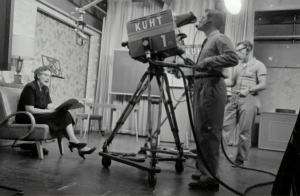
Developing a Solid Business Plan
Creating a business plan is one of the most important steps when starting a film or television production company. It serves as your roadmap, guiding your decisions and helping you communicate your vision to potential investors, partners, and stakeholders. A well-prepared plan shows that you understand the industry, your target audience, and how you intend to grow your business sustainably. Let’s break down the key components you should include:
Executive Summary
The executive summary is a brief but powerful overview of your entire business plan. It should clearly explain what your company does, what sets it apart, and what you hope to achieve. Even though it comes first in the plan, it is best to write this section last after you have developed the rest of the document. This summary should grab the reader’s attention, providing a snapshot of your production company’s purpose, unique selling points, and financial outlook. Keep it concise but compelling.
Goals and Niche
Next, clearly define your company’s goals and the specific niche you want to serve. Are you focusing on feature films, television series, commercials, documentaries, or animation? Choosing a niche helps you specialize and target resources effectively. For example, you might focus on producing Nollywood-style drama films for streaming platforms, or develop branded content for corporate clients. Setting clear goals; whether it is producing five films in two years, reaching a specific audience size, or achieving profitability; gives your team direction and measurable targets.
Market and Audience Research
Understanding your market and audience is critical. This means researching who your viewers are, what they like, how they consume content, and what gaps exist in the current offerings. For instance, you may find that younger Nigerian audiences prefer web series and short content on social media, while older viewers still enjoy traditional TV dramas. Identifying your audience’s preferences helps shape your content and marketing strategies. Additionally, analyze your competition to learn from their successes and challenges. Knowing the market landscape allows you to position your company to meet real demand.
Monetization Models
One of the most important parts of your business plan is explaining how you will make money. The film and TV industry offers various revenue streams, and understanding these helps you build a viable business model. Typical monetization methods include:
Cinema Releases: Distributing films in cinemas can generate box office revenue but often requires strong marketing and a broad audience reach.
Licensing and Syndication: Selling the rights to TV stations, streaming platforms, or international distributors provides steady income and broader exposure.
Streaming and Video-on-Demand (VOD): Partnering with platforms like Netflix or Showmax offers access to digital audiences who pay for subscriptions or rentals.
Advertising Revenue: If you produce commercials or run ad-supported content, you earn through brand partnerships or online ad placements.
Ancillary Revenue: Merchandise, soundtrack sales, and live events can add additional income.
It is smart to diversify revenue streams and clearly explain your plans for each in your business plan.
Distribution and Marketing Strategy
Having a great production is only part of the story. Getting your content to the right audience is equally important. Your business plan should outline your distribution channels, whether through cinemas, TV networks, online platforms, or direct-to-consumer methods like YouTube or social media.
Your marketing strategy should detail how you will promote your productions to maximize visibility and viewership. This could include partnerships with influencers, social media campaigns, press releases, film festival submissions, or collaborations with streaming platforms. Budgeting for marketing and building relationships with distributors early will improve your chances of commercial success.
3–5-Year Financial Forecast and Funding Strategy
Finally, your plan should include a financial forecast covering the next three to five years. This forecast estimates your revenues, costs, profits, and cash flow, helping you and investors understand when the company will break even and start making money. Include details about production costs, marketing expenses, salaries, equipment, and overheads.
Alongside the forecast, explain how you intend to fund your company. Will you use personal savings, seek loans, attract investors, or apply for government grants and film funds? Be realistic and transparent about your funding needs and repayment or exit strategies. A solid financial plan reassures investors that you have thought through the business’s sustainability.
A well-constructed business plan shows that you are prepared, knowledgeable, and ready to tackle the challenges of the film and TV industry. It is your tool to secure partnerships, funding, and guide your growth. If you want, I can help you create a detailed template or draft for your specific production company.
Studio Infrastructure and Layout Planning
Setting up the right studio environment is crucial for any film or television production company. Your studio is where creative ideas become reality, so it must support efficient workflows and provide comfort for your team. Planning your studio infrastructure carefully will save time, reduce costs, and improve production quality. Let’s look at the key considerations.
- Choosing a Location
The first step is picking the right location for your studio. Ideally, you want to be in an area with a vibrant creative scene. Urban centers like Lagos or Abuja are popular because they attract talent, technicians, and other industry professionals. Being near other production companies, post-production houses, and media agencies can lead to useful partnerships and easier access to resources.
Accessibility is another important factor. Your studio should be easy for your crew, cast, and business partners to reach. This means good road networks, public transport options, and proximity to accommodations if you host out-of-town talent. A convenient location reduces travel stress and keeps your team punctual, which is vital during tight shooting schedules.
- Designing Your Studio Layout
Once you have the location, the next step is designing a functional and efficient studio layout. The space must accommodate all the production activities you plan to undertake. Here are the essential areas to include:
Production Space: This is the heart of your studio; a soundproofed stage or filming set designed to control lighting and sound. A well-designed production space allows you to shoot scenes without unwanted noise or light interference.
Post-Production Suite: After filming, the footage moves to editing. Your studio should have dedicated editing bays equipped with powerful computers, software, and comfortable workstations. A color grading room with calibrated monitors is also important to ensure your final product looks professional.
Equipment Room and Storage: Cameras, lights, microphones, and other gear need to be safely stored and maintained. A dedicated equipment room helps organize your tools and protects them from damage or theft.
Makeup and Wardrobe Area: Actors and presenters require makeup and costume changes. A clean, well-lit makeup room and wardrobe space improve the comfort and efficiency of talent preparation.
Green Room and Talent Lounge: Providing a comfortable waiting area helps keep your cast and crew relaxed during breaks. A green room often includes seating, refreshments, and mirrors for last-minute touch-ups.
Meeting and Administrative Offices: Your studio also needs space for planning, meetings, and business operations. Offices for producers, directors, and administrative staff keep things running smoothly behind the scenes.
Designing your layout with clear workflow paths between these areas minimizes downtime and confusion. It is worth consulting with experienced studio designers or production experts to optimize your space.
- Renting/Building Your Own Studio
Deciding whether to rent an existing studio or build your own is a key business decision. Renting is usually less expensive upfront and allows you to start production quickly. Shared studio spaces or production hubs can also offer access to equipment and technical support, reducing your operational costs.
On the other hand, building your own studio gives you full control over the design and usage. This option requires significant capital investment and time but can be a valuable long-term asset. Owning your space means you can customize it exactly to your needs, host multiple projects simultaneously, and potentially generate income by renting out unused space.
When comparing costs, consider not only rent or construction expenses but also maintenance, utilities, insurance, and property taxes. It is important to balance your current budget with future growth plans. For many startups, shared spaces or renting offer flexibility and lower risk, while established companies might find building a dedicated studio a worthwhile investment.
Careful planning of your studio infrastructure will help you produce high-quality content efficiently. It supports your creative vision and builds a professional working environment that attracts talent and partners. If you want, I can help with examples of studio layouts or budgeting templates for your specific needs.
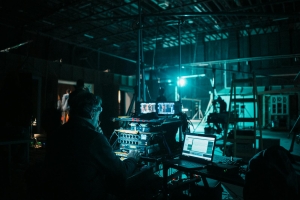
Equipment and Technology Setup
Your equipment and technology setup forms the backbone of your production capability. Even the best creative ideas will fall flat if the technical quality isn’t up to standard. Whether you are working on feature films, TV series, commercials, or web content, having the right gear; and knowing how to use and maintain it; will set your company apart. It is not just about buying tools; it is about building a system that supports high-quality production, reliable operations, and long-term growth.
Camera Kits
The camera is the most essential tool in your production setup. Your choice depends on your budget, the type of content you are creating, and the level of detail you want to capture.
DSLR and Mirrorless Cameras: These are widely used by entry- to mid-level creators because they are affordable, portable, and capable of capturing high-definition footage. They work well for small-scale productions, music videos, and documentaries.
Cinema Cameras (RED, ARRI): If your focus is on professional-grade films or high-end commercials, investing in cameras like RED or ARRI makes sense. They offer better image quality, dynamic range, and customization, though they come with a higher price tag. Many top Nigerian filmmakers use these for cinema and streaming platform productions.
You don’t need to own all your cameras from day one. You can start with rentals or buy a basic kit and scale over time as your needs grow.
Lighting Gear
Lighting is often what separates amateur-looking content from professional-grade visuals. Good lighting highlights the mood, emotion, and focus of every shot. At the very least, you will need:
Key Lights: These are your primary source of light. They bring out your subject and are essential for clarity.
Softboxes and Diffusers: These soften harsh light and help create a natural, pleasing look on camera.
Reflectors: These redirect light where needed, especially useful for filling in shadows.
For indoor shoots and studio setups, proper lighting is non-negotiable. Outdoor shoots also benefit from portable LED kits and bounce boards to manage natural light.
Sound Equipment
Audio is just as important as visuals; if not more. Poor sound can make your production feel unprofessional, no matter how sharp the visuals are.
Boom Microphones: Ideal for capturing dialogue in film and drama scenes, especially when you want to keep the mic out of frame.
Wireless Lavalier Mics: Perfect for interviews, walk-and-talk scenes, and TV shows where the speaker moves around. They are small, clip-on mics that transmit audio wirelessly to a receiver.
Field Recorders and Audio Interfaces: These are used to capture clean sound during production and in post-production.
Invest in quality headphones too so your sound team can monitor recordings in real-time and catch issues early.
Editing Suite
After shooting, post-production is where the final product comes together. A reliable editing setup is essential. Your editing suite should include:
Editing Software: Options include Final Cut Pro, Adobe Premiere Pro, and DaVinci Resolve. Each has its strengths, so your choice will depend on your workflow and budget. DaVinci, for example, is excellent for color grading.
Workstation: A high-performance computer with enough processing power, RAM, and graphics capabilities to handle video editing smoothly. A dual-monitor setup often improves efficiency.
External Drives and Backup Systems: You will need fast SSDs or RAID systems for storing large video files and backing up your projects. Never depend on one storage location alone.
An ergonomic desk setup, color-calibrated monitors, and reliable internet are also important in a post-production space.
Studio Furniture, Power Backup, and Green Screen Kits
Comfort and reliability in your studio matter. Proper studio furniture; like director chairs, editing desks, and soundproofing panels; creates a productive work environment. For client meetings or long editing sessions, comfort adds to professionalism.
Power backup systems; such as inverters or generators; are essential in Nigeria’s context where electricity supply can be inconsistent. Having a steady power source prevents workflow disruptions and protects your equipment.
Green screen kits open up creative possibilities for visual effects, virtual sets, and background replacements. They’re useful not just for films but also for commercials, music videos, and digital content creation.
Maintenance and Upgrades Plan
Having the best equipment is not enough if it is not well maintained. Dust, heat, humidity, and constant use can wear down your tools. Set a regular maintenance schedule for cleaning, calibration, and software updates. Train your team on how to handle gear properly and store it safely after use.
Also, plan ahead for upgrades. Technology evolves quickly. What works today may be outdated in a few years. Allocate part of your budget every year for replacements or improvements. That way, your production company stays competitive and can meet the demands of clients and audiences who expect quality.
In summary, your equipment and technology setup should reflect your production goals and budget. Start with what you need most, then grow your inventory as your work expands. Focus on quality, reliability, and proper maintenance. This will keep your operations smooth and your content sharp.
Staffing and Hiring
Building the right team is just as important as having the right equipment. In the film and television industry, your crew is the engine behind every successful production. From creative direction to technical execution and day-to-day coordination, each role plays a critical part in bringing a project to life. Whether you are producing a full-length feature film, a documentary, or a series of short-form content, understanding your staffing needs and hiring strategically will set your company up for efficiency and long-term growth.
- Key Personnel You Need
The scale of your production company will determine how many roles you fill in-house versus on a per-project basis. However, there are core roles that are commonly required across most productions. These include:
Executive Producer: Responsible for overseeing the entire production. They handle financing, manage high-level business operations, and ensure that the project stays on schedule and within budget. In a startup environment, this role may also overlap with company leadership.
Director: The creative leader who translates the script into visual storytelling. They direct performances, guide the camera work, and make artistic decisions during production.
Scriptwriter: Provides the foundation for your project through compelling storytelling. Whether it is an original screenplay or an adaptation, the script is the first step in the creative process.
Director of Photography (DOP): Also known as the cinematographer, this person manages the camera team, lighting design, and visual composition of each shot.
Sound Engineer: Handles all aspects of audio recording and mixing, ensuring that dialogue, music, and sound effects are crisp and clear.
Editor: Assembles the final product in post-production. Editors are responsible for pacing, continuity, and integrating visual and audio elements into a polished video.
Production Manager: Coordinates logistics such as scheduling, budgeting, equipment rentals, and location management. They keep the day-to-day operations running smoothly.
Costume and Makeup Artists: These professionals help define the look of each character, aligning visual presentation with the script and director’s vision.
Set Designers: Design and build the physical or virtual sets used during filming. They contribute heavily to visual storytelling and overall production quality.
Office/Admin Support: Behind every creative team is a support system. Admin personnel manage communication, bookkeeping, scheduling, and help with regulatory and compliance tasks.
Some of these roles may be project-based while others are more permanent, depending on your production model and budget.
- Hiring Approaches
There are different ways to staff your company, and the approach you take should match your production needs, scale, and financial resources.
Freelancers/Permanent Staff: For early-stage production companies or those that handle multiple project types, hiring freelancers may be more practical. Freelancers offer flexibility and allow you to scale up or down based on workload. However, permanent staff provide continuity and in-house expertise, especially for key roles like editing, administration, and project coordination.
Industry Job Boards and Referrals: Nigeria’s creative sector has several job platforms where film professionals are active. Sites like Nollywoodcrew.com, MyJobMag, and CreativeJobs.ng are commonly used. However, referrals remain one of the most trusted methods of hiring in the industry. Experienced crew members often recommend reliable professionals they’ve worked with before.
Talent Acquisition Platforms: General recruitment sites like Jobberman, LinkedIn, and Indeed can also be useful for sourcing talent, especially for admin roles or digital content creators. You can also scout professionals through film festivals, YouTube, Instagram, and film communities on platforms like WhatsApp and Telegram.
Onboarding and Training Processes: Once hired, it is important to onboard your team properly. Set clear expectations, explain workflow, and offer guidance on company culture. For long-term staff, offering basic training or upskilling opportunities; such as editing workshops or scriptwriting seminars; helps improve overall performance and retention.
HR Policy Development: Even in the creative industry, having a basic HR policy is important. It should outline working hours, payment terms, intellectual property agreements, code of conduct, confidentiality clauses, and dispute resolution procedures. This helps create structure and avoids misunderstandings down the line.
- Collaborating with Talent and Agencies
In addition to your internal team, your company will regularly work with actors, presenters, extras, and influencers. Building a strong pipeline for casting is essential.
Casting Directors: These professionals help identify and audition the right talent for your projects. They manage the casting process, schedule callbacks, and serve as a bridge between the production team and potential actors.
Talent Agents: If you are working with established actors or public figures, you will likely deal with their agents. These agents handle negotiations, availability, and contract terms. It is important to maintain professional relationships with agents and talent managers as they can help you access top-tier performers.
Film Schools and Acting Academies: Partnering with training institutions like the Pefti Film Institute, Del-York Creative Academy, or Royal Arts Academy allows you to tap into a steady stream of fresh, trained talent. These institutions often welcome collaboration for internships, casting calls, or talent development programs.
In the end, building a strong and reliable team is not a one-time activity. It is an ongoing process that grows with your business. Start by hiring for the roles you need immediately, then expand as your projects become more complex. Choose people who not only have the right skills but also understand the unique demands of film production; tight schedules, creative pressure, and the need for teamwork.
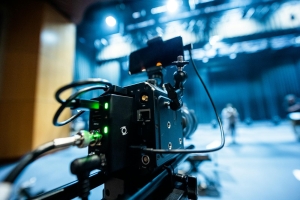
Funding Your Film or TV Company
Every production company, no matter how small or large, needs funding to operate and grow. Film and television production require capital; for equipment, talent, post-production, marketing, and distribution. Without a clear funding strategy, even the best creative ideas may never move past the concept stage. Fortunately, there are several practical ways to raise funds in Nigeria, and your strategy will depend on your business model, scale, and long-term goals.
Self-Funding or Bootstrapping
Many entrepreneurs begin their journey through self-funding, especially during the early stages. This could mean using your savings, reinvesting income from past projects, or combining resources with co-founders. Bootstrapping gives you full control over your company and creative direction. You are not answerable to investors, and you can grow at your own pace. However, this approach may limit your ability to scale quickly, especially if you need to produce high-quality content or rent expensive equipment. That said, it is a solid starting point for short films, proof-of-concept projects, or building a portfolio.
Bank of Industry (BOI): NollyFund
For larger-scale projects or companies ready to expand, the Bank of Industry’s NollyFund initiative is a reliable local funding option. The BOI created NollyFund specifically to support the Nigerian film industry. It offers loans to qualified producers who can present a solid business plan and demonstrate their film’s commercial potential.
To qualify, you typically need to present:
A detailed script or synopsis
A production budget and marketing plan
Evidence of experience or past productions
A distribution strategy (e.g., cinema release, streaming platforms)
Corporate registration and tax documents
NollyFund helps bridge the gap between creativity and finance by providing accessible capital with structured repayment terms. It is best suited for producers with some track record or formal business structure.
Grants from Government or NGOs
In addition to loans, you can explore grants; non-repayable funding provided by government ministries or international organizations. The Federal Ministry of Information and Culture, for example, sometimes runs grant initiatives to support local filmmakers and creative startups. These grants may be tied to national development goals like cultural promotion, youth employment, or gender inclusion.
On the international front, NGOs and cultural organizations such as UNESCO, the Ford Foundation, or the British Council occasionally offer grants for content that aligns with social themes; education, health, peace, or human rights. Applying for grants requires a strong proposal, often including the project’s societal impact, sustainability plan, and expected outcomes. While competitive, grants can provide critical non-dilutive funding and visibility.
Brand Sponsorships and Advertising Deals
As your company gains experience and visibility, brand sponsorships become a viable revenue stream. Corporate brands, particularly those targeting youth and mass markets, often sponsor entertainment content to build brand affinity. If your project aligns with a brand’s values or audience, they may be willing to fund or co-produce it.
You can offer:
Product placements in films or shows
Exclusive title sponsorship rights
Joint content creation opportunities
Logo inclusion and promotional credits
To secure sponsorship, prepare a professional proposal that outlines your project’s theme, target audience, distribution plan, and how the brand will benefit. Media kits, past viewership data, and audience engagement metrics also help build your case.
Crowdfunding Platforms
For independent filmmakers or small production outfits, crowdfunding offers a democratic way to raise funds. Platforms like Kickstarter, GoFundMe, and Nigeria-based NaijaFund allow you to share your project idea with the public and request financial support. This model works well for community-driven, culturally relevant, or emotionally compelling projects.
To succeed in crowdfunding, you need:
A compelling video pitch
Clear fundraising goals and timelines
Rewards or incentives for backers
Active promotion across social media and personal networks
Crowdfunding also helps test the market’s interest in your idea before you invest heavily. It builds an early fan base and proves your ability to rally support.
Investor Pitch Decks and Angel Networks
If you are aiming to scale or build a production company with recurring revenue, attracting private investors may be the way forward. Angel investors and creative investment networks look for promising projects or businesses with strong leadership and growth potential.
To pitch effectively, you need a well-prepared pitch deck that covers:
Your company’s vision and business model
The type of content you produce
Revenue strategies and market potential
The size of the opportunity and target audience
Financial forecasts and investment needs
Exit strategies or ROI expectations
Platforms like VC4A, Angel Network Africa, or private investor groups often hold pitching events or accept applications. Many of them are open to investing in creative startups, especially if your company has a clear structure, solid team, and scalable plans.
In conclusion, funding your film or TV company does not have to follow one path. You can combine multiple sources; bootstrapping at the start, applying for grants as you build credibility, then pitching to investors or sponsors as your portfolio grows. What matters most is that you understand your options, prepare solid documentation, and approach each opportunity with clarity and confidence.
Producing Your First Content
Producing your first film, television show, documentary, or web series is an exciting milestone for your production company. It is the point where planning meets execution, and your creative vision begins to take real shape. However, production is a multi-phase process, and without proper coordination, costs can escalate, schedules can fall apart, and quality may suffer. Whether you are working on a low-budget short or a full-length feature, the same fundamental steps apply. Here’s a structured breakdown of how to approach your first project.
Scripting and Budgeting
Everything begins with the script. It sets the tone, pacing, and direction for the entire production. A strong script is more than just dialogue; it includes stage directions, scene transitions, and mood descriptions that guide the director, actors, and crew.
Once the script is locked in, the next step is to create a realistic budget. Your budget should account for every line item; from talent fees, location rentals, and production design to equipment, crew wages, post-production, and contingency funds. At this stage, it is important to balance creativity with financial practicality. Aim for a script that matches your available resources without compromising your story. Budgeting software or templates can help you structure this process effectively.
Pre-Production Planning
Pre-production is the phase where your project truly begins to take shape. It involves organizing the logistics needed for a smooth shoot. Key activities here include:
Casting: Choose actors who fit the roles both in appearance and performance. This might involve auditions, screen tests, and consultations with casting directors.
Location Scouting: Find places that match the script’s settings. You will need to consider access, lighting, sound environment, and permit requirements. The right location enhances believability and production value.
Set Design and Wardrobe Planning: Whether you are building a set or adapting an existing location, design must reflect the story’s tone and time period. Similarly, costume and makeup teams should work closely with the director to develop looks that align with each character.
Scheduling: Create a detailed production schedule that outlines shoot days, call times, and scene plans. This keeps the team organized and ensures no critical elements are overlooked.
Pre-production also includes finalizing contracts, arranging transportation and accommodation for cast and crew, and conducting technical rehearsals if needed.
Principal Photography
This is the actual filming stage. Also known as production or shoot phase, this is where your team brings the script to life on camera. Principal photography involves:
Directing the actors and capturing performances
Operating cameras and managing lighting setups
Recording live sound
Managing the day-to-day logistics on set
It is a fast-paced, highly coordinated effort that demands close collaboration among the director, DOP (Director of Photography), production manager, and crew. To stay on schedule, it is crucial to follow the production plan, maintain discipline on set, and ensure backup copies of footage are saved regularly.
Post-Production and Editing
Once filming is complete, the footage moves into post-production. This is where raw material is refined and shaped into the final product. The editor works closely with the director to piece scenes together, remove unnecessary takes, and ensure the story flows smoothly.
Editing also involves adding transitions, visual effects (if any), and aligning the footage with the project’s intended tone. This phase is not just technical; it is highly creative. Even great footage can fall flat without thoughtful editing.
You may also need color correction and grading to enhance visual consistency and mood. A good post-production setup includes professional editing software and a quiet, well-equipped environment for focused work.
Scoring, Sound Mixing, and Subtitles
Sound plays a critical role in how your audience experiences the content. In this stage, the production team adds:
Musical Score: Composers or music supervisors create or license background music to support the story’s emotional beats.
Sound Mixing: Audio engineers blend dialogue, music, and sound effects to ensure clarity and balance. This ensures your audience isn’t straining to hear words or overwhelmed by music.
Subtitles and Translations: If your content will reach multilingual or hearing-impaired audiences; or be distributed globally; adding subtitles is a professional necessity. They improve accessibility and marketability.
This step is often underestimated but can greatly affect the quality and perception of your work.
Final Screening and Review
Before public release, it is essential to conduct a final review. Screen the project internally with a small team, taking note of any issues with pacing, sound, visuals, or storyline clarity. You might conduct a test screening with a sample audience to get feedback on the story’s impact and flow.
Make final adjustments based on constructive feedback, and ensure all licensing, credits, and compliance requirements are in place. Once everything is cleared, your content is ready for submission to distributors, festivals, streaming platforms, or direct audience release.
Producing your first content is not just about finishing a film or series; it is about learning the full cycle of production, understanding your team dynamics, and building a reputation for quality. Every step counts. The more intentional you are at each phase, the smoother the journey and the stronger the final product.
Distribution and Marketing
Creating great content is only half of the work. Getting it seen by the right audience; and in the right places; is what determines its success. Distribution and marketing are essential if you want to earn revenue, build an audience, and grow your brand in the film or television industry. Whether you are targeting local communities, the African diaspora, or a global streaming audience, having a smart distribution and marketing plan will give your project the reach it deserves. Let us look at how to approach both areas strategically through the following.
Distribution Channels
Once your content is ready, you will need to decide how and where to release it. Your distribution strategy should match your content type, target audience, and overall business goals. There’s no one-size-fits-all approach. Each channel has its advantages and limitations, so your company may choose one or combine several.
- Local Cinemas and Film Festivals
If your production is a feature-length film, particularly one with strong storytelling or cultural themes, local cinemas are a viable first step. Releasing your film in theatres allows you to earn revenue from ticket sales, gain visibility, and start conversations around your work. In Nigeria, cinemas like Film house, Genesis Deluxe, and Silverbird Cinemas provide opportunities to showcase Nollywood productions.
Film festivals are also an excellent entry point for first-time producers. Events like Africa International Film Festival (AFRIFF), Eko International Film Festival, and Lights, Camera, Africa! offer exposure, networking, and sometimes even cash awards. Film festivals can help validate your work and attract distributors, investors, or platform deals.
- Online Platforms: YouTube, Netflix, Showmax, Amazon
The rise of digital platforms has changed how audiences consume content. For many production companies, especially those starting out, online streaming offers a more accessible and cost-effective route than cinema distribution.
YouTube allows you to build a loyal fan base over time and monetize through ads, partnerships, or pay-per-view models. It is particularly useful for web series, comedy skits, or short documentaries.
Netflix, Showmax, and Amazon Prime Video offer licensing deals for content that meets their standards. These platforms have a global audience and are increasingly interested in African stories. However, you will need strong production quality and a compelling pitch to get noticed.
Some producers create their own subscription or pay-per-view websites, though this requires investment in marketing and platform management.
Each platform has specific content requirements, so it is important to do your research, prepare a pitch deck or screener, and build relationships with acquisition executives.
- Cable and Terrestrial TV (Africa Magic, NTA, Silverbird)
Television remains relevant, especially for content aimed at mass audiences in Nigeria and other parts of Africa. Channels like Africa Magic, AIT, Silverbird TV, NTA, and state-owned stations have wide reach and often commission or license local productions.
TV is particularly suitable for drama series, talk shows, documentaries, and reality content. If you are targeting a broader demographic; including people who may not use streaming platforms; television offers strong visibility.
To work with broadcasters, your content must meet certain technical standards. You will also need to negotiate licensing fees, time slots, and promotional support. In some cases, you may submit proposals to develop commissioned content funded directly by the network.
- DVD Distribution (for Local Markets)
Although DVD sales are declining globally, they still have value in specific local and rural markets in Nigeria. DVDs can provide a steady revenue stream when sold in open markets, transport parks, or community events, especially for low-budget films and traditional language productions.
DVD distribution works best when combined with grassroots marketing, community partnerships, or church screenings. It is less common among modern urban audiences but still useful for targeted outreach.
Marketing and Promotions
Even great content needs visibility. Effective marketing helps build anticipation before release, sustains interest after launch, and creates long-term recognition for your production brand. The best campaigns use a mix of traditional and digital tools to reach the audience where they already are.
- Trailer Launch and Teaser Campaigns
Start by creating a compelling trailer and short teasers to introduce the tone, theme, and key characters in your project. Teasers work well on social media to spark interest before the official trailer drops.
Plan your launch strategy carefully. Announce the trailer release date ahead of time, involve your cast in promoting it, and distribute it across multiple platforms; YouTube, Instagram, Twitter, and Facebook. A strong trailer can drive media coverage and help secure screening or distribution deals.
- Press Coverage and Influencer Marketing
Traditional press still holds weight. Draft and distribute a press release to blogs, entertainment websites, newspapers, and TV programs that cover the creative industry. Consider interviews with your lead cast or director, especially if they’re well-known.
Influencer marketing is also powerful. Identify social media personalities or online creators whose followers align with your target audience. Engage them to talk about your project, share your content, or attend your screenings. Influencer support can boost your reach without the need for a massive ad budget.
- Social Media Ads and Content
Leverage paid advertising on platforms like Instagram, Facebook, and YouTube to promote your content to specific audiences. With proper targeting, even small budgets can generate meaningful engagement.
Besides ads, maintain a consistent stream of organic content; behind-the-scenes photos, short videos, cast interviews, quotes, or countdowns. This keeps your audience involved and emotionally connected to the project.
Respond to comments, repost fan content, and encourage sharing. The more people talk about your content, the more visible it becomes.
- Behind-the-Scenes Content and Interviews
Audiences love to see what happens behind the camera. Share footage from the shoot, bloopers, or reflections from the cast and crew. These give your audience a deeper connection to the process and humanize your production team.
You can package this material into short episodes, reels, or live sessions to maintain interest even after the main content has been released. For long-term engagement, use this material as bonus content for subscribers or followers.
In summary, distribution and marketing should not be an afterthought; they’re integral to your production strategy. Plan early, tailor your approach to your audience, and combine different channels to maximize impact. The success of your first project often depends on how well you manage this stage.
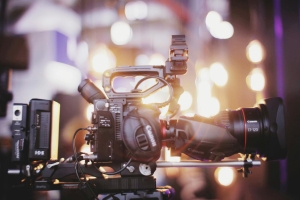
Monetization Options
Once your film or TV content is completed and distributed, the next important step is generating income from it. Monetization is what turns creative work into a sustainable business. Whether you are running a lean startup or an established production company, knowing how to earn from your content helps you cover costs, reinvest in future projects, and build long-term value. The Nigerian market; and broader African and diaspora audiences; offers a range of opportunities to earn from your work. Below are some practical and proven monetization channels.
- Cinema Box Office Sales
Theatrical releases remain a major revenue source for filmmakers, especially for feature-length productions with commercial appeal. Nigeria has an expanding cinema network, including brands like Film house, Silverbird, Genesis Cinemas, and Ozone. These outlets are frequented by urban audiences looking for entertainment, especially on weekends and holidays.
To earn from the box office, you must:
Secure a distribution agreement with the cinema
Schedule screenings that align with high-traffic periods
Promote the film effectively to drive attendance
Typically, cinema revenue is split between the producer, distributor, and the cinema operator. While the split varies, producers can earn significantly if the film performs well. However, keep in mind that cinema success depends on audience demand, timing, and marketing strength.
- Licensing to Local and International Networks
One of the most stable monetization routes is content licensing; selling the rights to broadcast your film or series to TV stations or streaming platforms. In Nigeria, local networks like Africa Magic, NTA, and AIT often acquire finished content. These deals may include:
One-time payment for broadcast rights
Time-limited licenses for exclusive or non-exclusive airing
Repeat broadcast fees or content packages
On the international side, platforms like Netflix, Amazon Prime, Showmax, and Canal+ Afrique are actively investing in African content. To access these platforms, your production must meet high technical standards and appeal to a broader audience. Often, these platforms require a strong story, cultural authenticity, and professional post-production quality.
Licensing deals vary in value based on production quality, cast reputation, and regional demand. They offer a great way to monetize content without depending on ticket sales or ad revenue.
- Branded Content and Sponsorship Deals
Branded content is a growing area where companies sponsor or co-produce content that aligns with their brand identity. For instance, a beverage company may back a youth-focused drama series, or a telecom brand may support a web series about digital entrepreneurship.
Branded content allows companies to connect with audiences through storytelling while giving producers a new revenue stream. These deals may cover full or partial production costs in exchange for:
Brand placement within the story
Use of brand logos, products, or settings
Co-branded marketing and promotion
To secure these deals, producers must pitch clearly; showing how the content aligns with the brand’s values and audience. This form of monetization works best when the integration feels natural, not forced.
- YouTube Monetization
For digital-first creators or low-budget projects, YouTube offers a flexible platform with global reach. Once your YouTube channel is eligible (with at least 1,000 subscribers and 4,000 watch hours in the past 12 months), you can start earning through:
Google AdSense (display and video ads)
Channel memberships
Super Chats (for live events)
Affiliate promotions and brand collaborations
YouTube also allows you to build a direct relationship with your audience and experiment with different formats; short films, episodes, behind-the-scenes content, or commentary videos. While it may take time to grow your channel and earnings, YouTube monetization can be sustainable if you post consistently and engage your viewers.
- Streaming Subscription and Pay-Per-View
If your content has niche appeal or strong community support, subscription-based or pay-per-view models can work well. These can be implemented through:
Hosting on platforms like Vimeo on Demand or Selar
Partnering with local streaming apps or websites
Developing your own content platform
With subscription models, you offer viewers unlimited access for a monthly or annual fee. Pay-per-view lets them pay once to watch a single film or episode.
This approach works best when you already have a loyal following or when your content speaks directly to a defined audience; like diaspora viewers, religious communities, or fans of regional language films. It also allows you to retain more control and keep a bigger share of the revenue compared to third-party platforms.
- Film Merchandise and Spinoffs
Beyond the screen, your film or series can generate additional income through merchandise and spinoff products. These may include:
T-shirts, mugs, and posters with logos or character images
Soundtracks sold via music platforms or CDs
Books, comics, or mobile games based on the film
Sequel rights or expanded universe content
If your content builds a strong fan base, merchandise can become a steady income stream while reinforcing your brand. It is also a great way to keep your audience engaged between releases.
This strategy works best for content that has visual appeal, strong characters, and cultural or emotional impact. Spinoffs also offer opportunities for collaboration with authors, designers, and app developers.
Monetizing your content isn’t limited to one method. Most successful production companies combine several channels; box office, licensing, online platforms, sponsorships, and merchandise; to spread risk and increase total earnings. As you produce more content, track which channels work best for your audience and refine your approach accordingly.
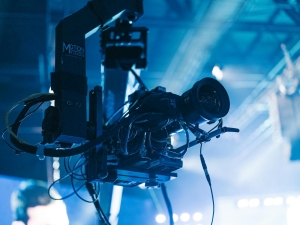
Key Success Factors
Succeeding in Nigeria’s film and television industry isn’t just about passion or creative talent; it requires structure, planning, and consistency. The industry is highly competitive, and audiences have grown more discerning. To build a production company that lasts, certain elements must be in place from the start. These key factors don’t just contribute to a single project’s success; they help shape your reputation, secure repeat partnerships, and attract ongoing investment. Below are the core elements that play a major role in determining your company’s performance and growth.
- Unique, Engaging Stories
At the heart of every successful film or television show is a story that connects with people. Whether you are producing a romantic drama, a documentary, a comedy series, or a short film, the story needs to be authentic, well-structured, and relevant to your target audience. In a market as diverse as Nigeria, storytelling that reflects real-life experiences, local culture, and relatable characters tends to gain traction faster.
Audiences are constantly exposed to content from all over the world, so offering something fresh matters. Stories that explore new perspectives, highlight underrepresented voices, or cleverly tackle familiar issues often stand out. The goal is not just to entertain but to create lasting impact; something viewers will talk about, share, or revisit.
Strong screenwriting, thoughtful dialogue, and clear emotional arcs are non-negotiables. If your content can hold attention and spark emotion, you are already ahead.
- Strong Visuals and Sound Quality
Creative storytelling must be matched with good technical execution. In today’s media environment, quality matters. Audiences won’t sit through content that’s poorly lit, shaky, or hard to hear; no matter how good the script is.
Investing in high-quality visuals and clean, well-balanced audio elevates your content. It shows that your company takes its work seriously and respects the viewer’s experience. This does not always require the most expensive gear; what’s more important is knowing how to use your equipment properly and making the most of lighting, framing, and editing.
During post-production, pay attention to color grading, visual consistency, and sound mixing. Subtle improvements in these areas can dramatically increase how professional your work looks and feels. The end result should be smooth, engaging, and polished enough to compete locally and internationally.
- Strategic Partnerships with Distributors and Brands
No production company succeeds in isolation. Building the right partnerships can expand your reach, reduce costs, and open doors to new markets. These partnerships may take different forms; distribution deals with cinema houses, licensing agreements with TV stations, collaborations with streaming platforms, or brand sponsorship arrangements.
Strategic partnerships give you more than funding or airtime; they provide credibility and industry access. A strong relationship with a distributor, for example, ensures that your content reaches the right audience on time. Working with established brands allows you to scale up your project and tap into their built-in customer base.
The key is to offer value in return. When pitching to partners, clearly explain how your content benefits them; whether by increasing engagement, aligning with their brand values, or reaching niche audiences they care about.
- Effective Project Management
Creativity thrives within structure. A production company that wants to grow must treat its projects like real business operations. This means planning properly, managing time, staying within budget, and coordinating teams efficiently. Each stage; pre-production, filming, post-production, and marketing; must be handled with discipline.
Without proper project management, even great content ideas can fall apart. Delays, cost overruns, and crew burnout can derail your momentum. Using production calendars, budgeting tools, and clear communication channels will help you stay organized.
As your company grows, it helps to assign a production manager or line producer to oversee logistics. They keep everything on track so that the creative team can focus on delivering a great product.
- IP Ownership and Legal Compliance
Owning the intellectual property (IP) behind your content is one of the most important ways to build long-term wealth and control. When you own your scripts, characters, footage, and branding, you can license, repurpose, or sell them again in the future. This also protects you from legal disputes and revenue loss.
Make sure you properly register your company’s IP with the Nigerian Copyright Commission (NCC). Keep detailed contracts for all collaborators; writers, actors, crew members; clearly stating rights, payment, and ownership terms. Use professional legal templates or work with entertainment lawyers to ensure your agreements are enforceable.
In addition, stay compliant with regulatory bodies like NFVCB and NBC. This means getting the right production, distribution, and broadcasting licenses, following censorship rules, and respecting advertising and broadcasting standards. Non-compliance can lead to fines, bans, or delays.
Success in Nigeria’s film and TV production space comes from a blend of creative brilliance, technical discipline, business sense, and strong relationships. Each of these factors; compelling storytelling, good production quality, strategic collaboration, operational discipline, and legal clarity; builds the foundation of a company that’s not just busy but also profitable and respected.
Common Challenges and Solutions
Starting and running a film or television production company in Nigeria offers many exciting opportunities, but it also comes with real challenges. These challenges can affect your timelines, budget, team, and ultimately the quality of your content. However, most of them are manageable with the right mindset, preparation, and strategy. In this section, we’ll look at some of the most common issues faced by production companies in Nigeria; and practical ways to address them.
- Piracy and Intellectual Property Theft
The challenge:
Piracy remains one of the biggest threats to content creators in Nigeria. Once a film is released, there’s a high risk that unauthorized copies will be sold or streamed without your consent. This not only eats into your revenue but also weakens the value of your intellectual property over time.
How to manage it:
While piracy may not be fully eliminated, it can be controlled. One practical step is to add visible and invisible watermarks to your content, especially during early screenings, preview copies, or distribution for review purposes. You can also limit access to final versions until deals are signed.
Beyond that, make sure your content is properly registered with the Nigerian Copyright Commission (NCC). This makes it easier to pursue legal action when necessary. Consider working with legal consultants who understand media and copyright law, so you can send cease-and-desist letters or file claims against known infringers. Also, partnering with licensed distributors, cinemas, and platforms helps you maintain tighter control over how your content is released and tracked.
- Lack of Funding and Financial Support
The challenge:
Access to funding is a major concern for many filmmakers and production startups. Equipment, talent, locations, and post-production all cost money; and traditional lenders may not understand the creative industry well enough to support it.
How to manage it:
You can’t rely on just one source of funding. Instead, explore multiple financing routes. These include:
Self-funding and partnerships with co-founders
Crowdfunding platforms such as NaijaFund or GoFundMe
Film grants from NGOs, embassies, or cultural organizations
Bank of Industry (BOI) NollyFund loans for structured financing
Sponsorship deals with corporate brands
Pre-sales and licensing agreements before the content is released
Having a clear business plan, production budget, and monetization strategy makes it easier to convince potential funders. Also, build a solid network within the film ecosystem; many successful deals come from relationships, not cold pitches.
- Shortage of Skilled Talent and Technical Crew
The challenge:
While there is no shortage of creative passion in Nigeria, many production companies still struggle to find crew members with solid technical training; especially in areas like lighting, sound engineering, post-production editing, and production design.
How to manage it:
You don’t always have to wait for perfect talent to show up; you can invest in training and mentorship. This can be done internally, by pairing experienced professionals with entry-level recruits during projects. You can also partner with film schools or organize workshops to upskill your team.
Another option is to collaborate with freelancers or consultants for technical roles on a project-by-project basis. Over time, you can identify reliable people and build a go-to team. The more time and effort you invest in training, the more efficient your operations will become in the long run.
- Unstable Power Supply
The challenge:
Filmmaking requires reliable electricity; for lighting, editing, sound recording, and general operations. But power supply in Nigeria is often unstable, and depending solely on the national grid can delay or disrupt your production schedule.
How to manage it:
Plan ahead by building redundancy into your power setup. Most studios now invest in inverters, solar power systems, or generator backups to maintain operations during outages. The initial cost may seem high, but it pays off in reduced downtime and fewer technical delays.
When filming on location, scout for areas where power alternatives can be arranged easily. Also, schedule shoots to take advantage of daylight when possible; especially for low-budget productions that rely more on natural lighting.
- Regulatory and Bureaucratic Delays
The challenge:
Navigating Nigeria’s regulatory environment can be time-consuming. Delays in business registration, licensing, classification, or permit approvals can hold back your project. For producers unfamiliar with the system, this can be frustrating.
How to manage it:
The key here is preparation and expert support. Work with lawyers or legal consultants who specialize in media, entertainment, and business registration. They can help you register with the Corporate Affairs Commission (CAC), process licenses with the National Film and Video Censors Board (NFVCB), and obtain approvals from the Nigerian Broadcasting Commission (NBC) if needed.
Also, try to handle documentation early; don’t wait until you are about to launch or release content. Keeping your paperwork organized helps avoid unnecessary delays, fines, or shutdowns.
Challenges are part of every industry, and the film and TV space in Nigeria is no exception. What makes the difference is how you prepare for them and how you respond when they arise. By being proactive; whether it is through legal protection, financial planning, team development, or infrastructure setup; you can reduce the risk of disruption and improve your chances of long-term success.
Frequently Asked Questions (FAQs)
As you prepare to start or grow your film and television production company in Nigeria, it is natural to have a lot of questions; especially about regulations, funding, costs, and ownership. Below are some of the most commonly asked questions by aspiring producers, creative entrepreneurs, and investors. These responses aim to clarify important points and help you make better decisions for your business.
- Do I need a license to shoot films in Nigeria?
Yes, you do. Anyone intending to produce or distribute films, television programs, or other audiovisual content in Nigeria is required to register with the National Film and Video Censors Board (NFVCB). This board oversees the classification and approval of all video content meant for public distribution or screening.
You will need to:
Register your company with the Corporate Affairs Commission (CAC) first
Apply to NFVCB as a film producer or distributor
Submit your production for classification and approval before public release
If you plan to shoot in public places, especially in Lagos or Abuja, you may also need location permits from local government authorities or state film offices such as the Lagos State Film and Video Censors Board (LSFVCB).
Failure to obtain the appropriate licenses can lead to fines, suspension, or seizure of your content. So, it is best to handle this early in your planning process.
- Can I get funding from Nigerian government agencies?
Yes, there are a few government-backed funding options available for filmmakers and production companies in Nigeria, though they are competitive and often require a solid proposal.
The most well-known option is the Bank of Industry (BOI) NollyFund, which provides loans to producers with viable film projects. BOI usually funds projects with commercial potential, proven team experience, and a clear distribution plan. You will need to provide:
A registered business
A business plan or proposal
A production budget and financial forecast
Collateral or a guarantor (depending on the loan terms)
Other sources include grants or support from the Federal Ministry of Information and Culture, state film funds, or creative sector intervention funds sometimes backed by CBN or development banks.
Additionally, international cultural organizations such as British Council, Goethe-Institute, or UNESCO may offer grant opportunities or production support for documentaries, youth programs, or culturally significant content.
- How much does it cost to build a film studio?
The cost of building a film studio in Nigeria varies depending on the scale, quality of infrastructure, and type of content you plan to produce. A basic small-scale studio suitable for interviews, talk shows, or YouTube content might cost ₦5 million to ₦15 million to set up, especially if you are renting space and keeping your equipment list minimal.
For mid-size studios with soundproofed stages, editing bays, green screens, and post-production suites, costs can go from ₦20 million to ₦50 million, including professional-grade equipment.
A full-scale production facility; built from the ground up with purpose-designed sets, high-end lighting, and advanced audio-visual systems; can exceed ₦100 million or more, depending on the land value, building size, acoustic treatment, and technological infrastructure.
If you are just starting, you may consider renting or co-sharing production spaces. This allows you to minimize cost while still operating in a professional environment. Over time, as your projects and revenue grow, you can reinvest in permanent studio development.
- Can foreigners own production companies in Nigeria?
Yes, foreigners can own production companies in Nigeria, either fully or in partnership with local stakeholders. However, there are some legal and regulatory steps to follow.
Foreigners must:
Register the business with the Corporate Affairs Commission (CAC)
Obtain a business permit from the Ministry of Interior
Register with the Nigerian Investment Promotion Commission (NIPC) for investment documentation and benefits
Comply with tax registration (Federal Inland Revenue Service)
Secure expatriate quotas and work permits if foreign staff will be working in Nigeria
It is important to also respect local content policies and hire Nigerian talent wherever possible. The Nigerian government encourages foreign investment, especially in the creative sector, but also prioritizes job creation and skills development for local professionals.
For smooth setup, foreign investors are advised to work with local lawyers, tax consultants, or business advisory firms familiar with the Nigerian entertainment and legal landscape.
- What are the top streaming platforms for Nigerian films?
Several streaming platforms now showcase Nigerian content, giving producers more visibility and monetization options. The most prominent ones include:
Netflix: Offers global exposure and licensing deals. Focuses on high-quality productions and original African content.
Showmax: Popular in Africa and known for hosting Nollywood films and TV series. It also commissions original content.
Amazon Prime Video: A growing platform for Nigerian films, especially those targeting international markets.
YouTube: Great for indie filmmakers and web series. Enables ad revenue and direct fan engagement.
IROKOtv: A pioneer in digital Nollywood content. Focuses on Nigerian and Ghanaian films.
EbonyLife ON, Aforevo, and NollyLand: Local and regional platforms with a mix of old and new Nollywood titles.
Choosing a platform depends on your content’s genre, quality, audience, and monetization goals. Some producers license their content to multiple platforms (non-exclusive deals), while others negotiate exclusive rights for higher fees or broader marketing support.
These FAQs are just a starting point. The Nigerian film and TV space continues to evolve, with new policies, funding options, and technologies emerging regularly. Whether you are building from scratch or expanding an existing operation, staying informed and asking the right questions is key to growth.
Key Takeaways
Nigeria’s film and TV industry is growing fast, offering real opportunities for producers and investors.
Understanding industry rules and market needs is crucial to succeed.
Register your business with the Corporate Affairs Commission (CAC) and get licenses from bodies like the National Film and Video Censors Board (NFVCB) early to avoid delays.
Multiple funding options exist, including government loans (e.g., BOI NollyFund), grants, sponsorships, and crowdfunding. Using several sources lowers risks.
Investing in good equipment and studio space improves content quality but balance costs. Renting or sharing space can save money when starting out.
Skilled staff are essential. Hire experienced people and provide training to improve efficiency and creativity.
Plan your distribution carefully. Use cinemas, TV channels, and streaming platforms to reach your audience.
Marketing efforts; trailers, social media, press; help build awareness and attract viewers.
Protect your intellectual property through registration and clear contracts to secure your rights and future income.
Legal compliance and good business practices build trust and stability in the industry.
Success requires blending creativity with solid planning, teamwork, and partnerships.
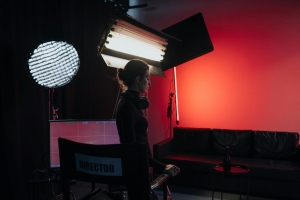
Conclusion
Starting a motion picture and television production company in Nigeria is a bold decision, but it comes with great potential rewards. The industry is growing fast, fueled by a rising demand both within Nigeria and across the world. Audiences at home and abroad are eager for authentic stories and fresh content, creating many opportunities for producers who can deliver quality work.
However, success does not come by chance. It requires a clear strategy that covers everything from securing the right licenses to understanding your market and audience. Creativity is vital, but it must be paired with good business planning and compliance with regulations to ensure your projects reach their full potential.
By combining your creative vision with a solid plan and the proper support, your film or TV company can carve out a strong position in Nigeria’s dynamic entertainment landscape. The possibilities are exciting, and with careful preparation, your content can truly shine and connect with viewers everywhere.
Call to Action
Looking for expert help with licenses, planning, or building your studio? Matthew Ogagavworia and Co. (chartered accountants) can guide you through every step.
Contact Matthew Ogagavworia and Co. (chartered accountants) for expert consulting on:
Registering your company and obtaining all necessary licenses
Creating a detailed, practical business plan tailored to your goals
Designing and planning your studio layout for efficient production
Finding funding options and preparing loan or grant applications
Hiring and training the right team for your projects
Developing distribution and marketing strategies to reach your audience
Reach out to Matthew Ogagavworia and Co. (chartered accountants) today and take the next step toward launching or growing your production company in Nigeria.
Tel: (+234) 802 320 0801, (+234) 807 576 5799
E-Mail: enquiry@ Mocaccountans.com
Office Address: 5, Ishola Bello Close, Off Iyalla Street, Alausa, Ikeja, Lagos, Nigeria.








There are no comments