

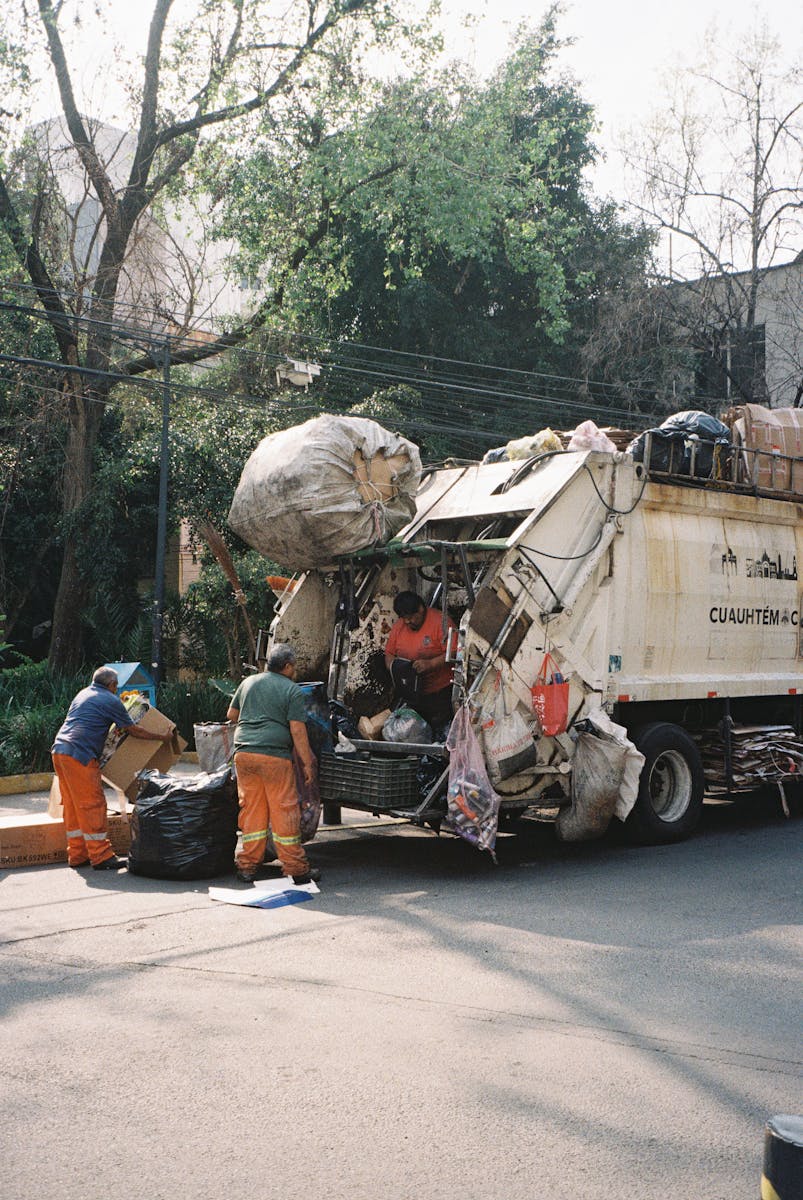
Launching a Waste Management Company in Nigeria
Get started
Call-to-action
Tel: (+234) 802 320 0801, (+234) 807 576 5799)
E-Mail: enquiry@mocaccountants.com
Office Address: 5, Ishola Bello Close, Off Iyalla Street, Alausa, Ikeja, Lagos, Nigeria.
 Introduction
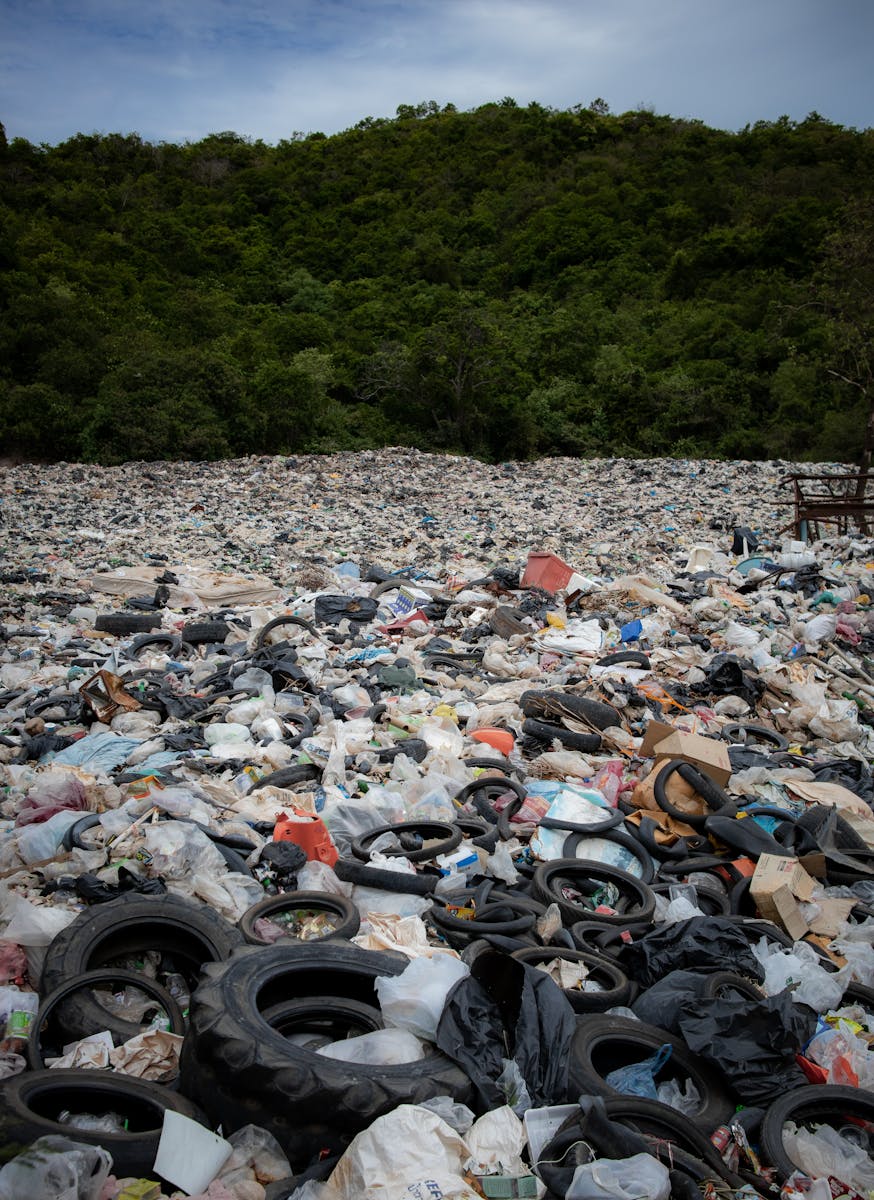
The industry is at a crossroads in Nigeria due to increasing consciousness of the people on environmental problems, and the need to dispose wastes. Nigeria currently has a population of over 200 million, and with its urban centres growing at a fast rate, so is the quantity of waste being disposal. This poses great risks but at the same time holds great potential for enterprise development. The establishment of the waste management company in Nigeria can effectively contribute to an elaboration of efficient strategies in the field of waste disposal, recycling, and resource recovery.
Many may not know that waste management is very crucial in Nigeria. The failure to properly dispose wastes causes a lot of hardships such as incidences of pollution, flooding, and outbreak of diseases. Waste management is a critical component of the delivery of better quality health, environmental protection and quality human life. When an entrepreneurial venture is established as a waste management company in Nigeria, such a company will help the environment to be clean and free from filth, this will go along way to employ the teaming youths and other Nigerians, also it will encourage people around to embrace sustainability. However, with a developing focus on environmental rules and regulations by the government, there is need for professional waste management companies.
This guide intends to deliver aspirant entrepreneurs with adequate information on the waste management industry with emphasis on what practical aspects and factors are required to start a waste management company in Nigeria. Here, we will highlight different areas, such as market analysis, analysis of legal requirements, company management and development, and tactics on waste collection, treatment and recycling. Having gone through this guide, you are better placed to understand how this type of waste management business needs to be developed and operated to not only be viable but also responsive to the needs of Nigerian communities and the imperatives of sustainability.
Market Research and Analysis
Market analysis of waste management industry in Nigeria
Nigeria waste management market is growing due to factors such as improved urbanization and the emerging awareness of the human impact on the environment. Current statistics indicate that Nigeria’s population is over 200 million thus producing millions of tons of waste every year and this makes the demand for a good waste management company paramount. At the present, the waste collection market can be characterized by a high level of fragmentation: both formal and informal actors are observed. The current policies directed towards developing a better waste disposal management and recycling sector is a prospect of new business.
Demand and Supply Analysis
Demand:
-Urban Growth: This means that as population densities in regions grow into conurbations then the amount of waste also rises thus the demand for waste collection services.
– Environmental Awareness: Increasing awareness of people regarding pollution and development of littering methods are key factors that have boosted the need for reputable waste management.
– Government Regulations: New and tighter regulation on the environment is exerting pressure on commercial outfits and local councils to outsource waste disposal services.
Supply:
– Current Providers: They are local governments, private companies, and independent informal waste collection agents. However, they say that there are still many regions where women are still ill-protected.
– Challenges: Lack of structures, poor investment, and inefficient waste collection to create a good supply of effective waste management services.
Market Segmentation and Market Targeting
The Nigerian waste management market can be segmented based on various criteria:
– Geographic Segmentation: Employment status and region, with a larger number of employed people and customers from urban areas than rural areas.
– Service Type:
– Households ‘ waste disposal
– Commercial waste management
– Industrial waste disposal
– Recycling services
– Customer Segmentation: aimed at municipalities, residential, commercial areas and industries that are known to produce large amounts of waste.
Find out particular niches, which will be useful to address to directly, given that it will be easier to customize service delivery and marketing techniques.
Competitive Analysis
The competitive landscape in the Nigerian waste management market includes:
– Existing Competitors: Both large companies who have established waste management businesses, and small scale operators who collect waste in and around communities in developing countries. Thus some of them may have some contracts with municipalities while others are autonomous.
– Strengths and Weaknesses: Evaluate the potential and threats of competitors based on their capabilities including networks experience and limited service area and other customer relations problems.
– Market Entry Barriers: They include regulatory matters, capital investments and demands for special equipment among others.
– Opportunities for Differentiation: It becomes important for businesses specializing in waste management to focus on methods that are unique in the market, including waste to energy technologies or recycling methods that are more efficient than the traditional methods.
Major Competitors in Nigerian Waste Management
Visionscape Sanitation Solution
An industry measured waste management firm which principally undertakes sanitation as a broad service encompassing waste collection, recycling, and treatment.
Environmental Service Limited (ESL)
Collects, disposes and also renders consultancy services on wastes management in the several states of Nigeria.
Recycling and Economic Development Initiative of Nigeria (REDIN).
Pertains mostly to recycling and the recycling of wastes aimed at promoting economic growth form waste in the economy.
Waste Management Society of Nigeria (WAMASON)
A non-profit that works with stakeholders in the solid waste management industry to drive positive change in their practices.
Lagos State Waste Management Authority
This is the Lagos State Waste Management Authority that coordinates and supervises waste collection and disposal services agencies in the state.
Ajao Estate Waste Management
Government approved sanitary waste collecting institution based within the local geographic region of operation with special focus and operations in Ajao Estate of Lagos.
Clean Team Nigeria
– Centre on delivering waste collection and disposal services, with added value from community participation and environmental management.
Sustainable Waste Management (SWM)
Provides recycling and disposal services together with special handling of organic wastes and the conversion of waste to energy.
Greenhill Recycling
Focuses on recycling and waste resource, environmental awareness and environmental friendly waste management services.
Waste to Wealth Initiative
As an effort to minimizing wastages, turning waste into resources, and generation of economic value from wastes, this is the initiative.
Business Plan and Feasibility Study
Development of a Business Plan and Feasibility Study
The business plan must be developed to make a detailed plan of the business organization’s vision, strategy, and management. It should include:
– Executive Summary: A brief description about your business idea, vision you have and the waste management services that would be provided.
– Market Analysis: Analysis of your market which includes demand analysis and competition analysis as well as the trends that characterise the market.
– Service Offerings: Details of the waste management services listing the specific services you will offer that will include collection, recycling and disposal of wastes.
– Marketing Strategy: Explain how and why customer acquisition and customer retention would be achieved, including the use of prices and promotions, and collaborations.
The feasibility study should assess the practicality of your business idea by evaluating:
– Market Demand: Verifying the need for your services by survey or pilot testing.
– Operational Requirements: Determining all the resources, tools and people that you will need in order to provide your services to your target audience effectively.
– Financial Projections: Of the initial investments, expenditure and probable sales for the initial years.
They start by defining what the actual Business Model and Revenue Streams are.
We need to define how your business is going to work, what services or products you will provide, and how you will make money. Key components include:
– Service Model: Make your choice on whether to focus on the provision of residential, commercial or industrial waste management services, or all of them.
– Revenue Streams:
– Service Fees: The fees for waste collection and disposal products.
– Recycling Revenues: Proceeds from the sale of useable materials that are recycled in today’s world.
– Government Contracts: Possible revenues from disposing off contracts with local government on waste management services.
– Consulting Services: Specialized in providing consultancy services in the area of wastes management among business organisations and local authorities.
Evaluation of the feasibility of the Technical and the Financial Profit and loss account of the Project.
Evaluating the technical and financial viability involves:
– Technical Viability:
– Equipment and Technology: Evaluating the operational requirements in terms of tangible and fix assets including vehicles (trucks) and facilities (recycling plants) and intangible and variable assets including Track and Trace technology.
– Operational Processes: Describe the mechanisms for picking up, categorising, reusing, and disposing of waste.
– Financial Viability:
– Startup Costs: Outline the value of initial costs when acquiring equipment, relevant permits, and the initial organizational setup costs.
– Operating Expenses: Estimate the present cost of availability such as manpower, repair and even the fuel.
– Break-Even Analysis: Identify the level of sales required after all the costs have been met to start achieving a profit.
Sources of threats and their management
It is therefore important to identify any potential threats as well as of finding ways to address them with a view of enhancing business sustainability. Common risks include:
– Regulatory Risks: Some of areas of risk include: altered customer demands; fluctuations in production inputs; changes in labour laws; alterations in laws dealing with the environment; and changes in political decisions.
– Mitigation: Some of the general aspects include keeping abreast with any changes in the regulatory laws and ensuring that an organization meets all the required standard.
– Market Risks: There is always volatile demand in waste management services, which means that the business might experience changes in revenue.
– Mitigation: In order to balance service income, provide more services and spread customers among different categories.
– Operational Risks: Malfunction or mishaps may occur on equipment thus affecting services.
– Mitigation: Established maintenance schedules and undertake other costs associated with employee development in safety and productivity.
– Financial Risks: Liquidity problems can be due to late receipts of payments or early receipts of bills.
– Mitigation: Sustain cash in a reserve and explore ways of financing to address issues of money in flow appropriately.
 Licensing and Permits
The Purpose and Nature of Licensing and Permitting of Waste Management Companies in Nigeria
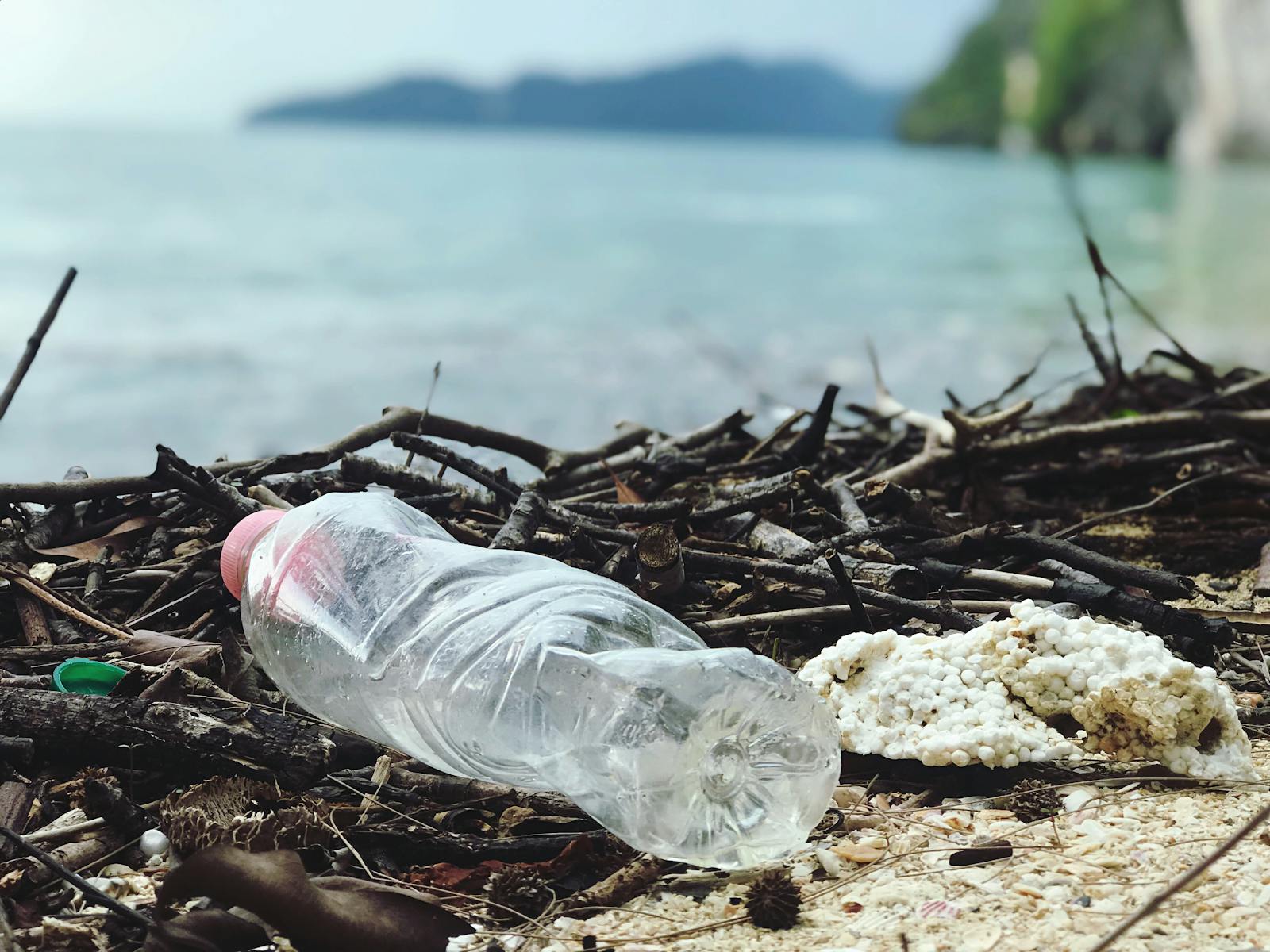
In Nigeria, the waste management sector is under and guided by several government institutions at both the federal and state levels. Licensing and permitting are important in maintaining lawfulness of waste disposal companies in the countries they operate in and they always have to conform to environmental laws. Key regulatory bodies include:
– National Environmental Standards and Regulations Enforcement Agency (NESREA): Its functions include implementing and enforcing environment laws and policies.
– State Environmental Protection Agencies (SEPA): Every state has this independent body that regulates the manner in which waste management is conducted.
Before they are allowed to offer services in their respective state, waste management companies need to secure the legal permits involved and depending on the particular state and company’s services.
As we have seen, it is of paramount importance that such necessary licenses and permits be obtained.
Obtaining the required licenses and permits is crucial for several reasons:
– Legal Compliance: Helps your business to stay legal so that you do not incur fines or penalties, or have your business closed down.
– Credibility: Licenses are important as they give your company credibility to its customers, partners and other authorities.
– Access to Opportunities: A number of government contracts and partnership agreements adjust the need for companies to possess existing licenses and permits.
– Environmental Protection: Adherence to the rules and act Further fosters responsible waste management alongside enhancing the survival of the environment, and the promotion of healthiness.
A look at the Various Licenses and permits that One has to acquire
There are particular licences and permissions that differ depending on the rendered services and the state you operate in. Common requirements include:
- Business Registration: Obtain a Certificate of Incorporation by registering your company from the Corporate Affairs Commission (CAC).
- Environmental Impact Assessment (EIA): In some cases you are required to carry out an EIA in order to determine the impact of your waste management operation.
- Waste Management License: Get a permit from the respective state environmental department through which you will be allowed to pick, transfer and dump waste.
- Specialized Permits: In case your services involve hazardous waste handling, transportation or disposal extra permits could be necessary to complete this process safely.
- Operational Permits: For certain activities, such as recycling for instance, certain equipment or processes used in waste management may require a permit.
- Health and Safety Permits: Observe the occupational health and safety standards which may be gotten from some standards that may necessitate some permit or certification.
From this context, a waste management company can be familiar with the licensing and permitting regime and be in a good position to understand what is required in other to operate legally and environmental friendly in Nigeria.
In case you require additional information or more details please do not hesitate to contact me!
Documentation and Licence Process
Documentations Required for Licensing
To apply for licenses and permits in the waste management sector, you will typically need to prepare and submit the following documentation:
– Company Registration Documents:
– Memorandum and Articles of Association from the Corporate Affairs Commission (CAC).
– Memorandum and Articles of Association.
– Environmental Impact Assessment (EIA) (if applicable):
This is a report on the: Assessments of the environmental effects of your business activities and Environmental management and mitigation measures.
– Business Plan:
– A clear business proposal designed to include your waste management services, management strategies and, financial prospects.
– Waste Management Plan:
An operational plan that outlines how you intend to handle waste from collection to disposal together with safety and environmental precautions.
– Insurance Certificates:
Insurance documents of liability policy, workers compensation and any necessary environmental insurance needed must be provided.
– Health and Safety Compliance Documents:
Records of having complied with health and safety measures necessary for the establishment, policy requirements on management training for workers.
– Local Government Approval:
Get Camp Approval where you wish to operate from the local authority concerned which could involve a consultation process.
A process of its formation, its licenses and to distinguish it from other similar organizations.
The process for obtaining licenses and permits typically involves the following steps:
Research and Preparation:
– Perform a general study on the licensing provision of your state and the nature of the waste management service you wish to provide.
As mentioned above, the following documentation should be collected:
Application Submission:
Using forms provided by the relevant regulatory agency for the country (which can be NESREA or SEPA) complete their forms.
– Return the completed application with all other necessary documents to the right office.
Payment of Fees:
Some regulatory agencies may also require you to pay an application fee and this should be paid when applying. It is also important to avoid throwing away receipts once you receive an invoice.
Review Process:
It will therefore, examine and scrutinize your documents and your application to the concerned regulatory agency. This may include but not limited to visits to the site and consultations with actors in that area.
Public Consultation (if required):
There is a possibility that in some applications, it will be necessary convene meetings also for the purpose of consulting the public, therefore allowing them to air their concerns.
Issuance of License:
– So, when you are applying, you will get the various licenses and permit that you need to undertake your project. Make sure that you do understand the terms and conditions of such licenses.
Compliance Monitoring:
Once you are issued licenses expect constant inspections and auditing by the regulating bodies to make sure you are still compliant to environmental and safety laws.
Renewal and Updates:
Several licenses and permits are required for operating a business and you should document their expiry dates and renew on time. Review your document when there has been changes in the operations or laws regulating your business.
Waste Collection and Transportation
Overview of Waste Collection and Transportation Methods
Waste collection and transportation simply refer to the necessary steps that are taken in waste management. Different approaches are used for effective and proper collection of waste, and for safe transportation to either disposal or recycling areas. Common methods include:
– Manual Collection: Workers pick rubbish in containers like baskets, bags and these are mostly collected from residential areas. It is a time consuming method but very useful in those areas where vehicular access is restricted.
– Automated Collection: Fully automated systems utilize trucks where the bins are emptied by mechanical arms with the aid of specialized trucks. This method is efficient and cost effective on labour.
– Drop-off Centers: Specific places in which people can dump their refuse to be collected. It is usually applied for recyclables and dangerous waste products or material.
– Scheduled Collection: Categorized collections done on daily, weekly or bi-weekly basis depending on the type of waste and the zones so as to effect timely collection of wastes from houses and business places.
– On-Demand Collection: On-demand collection services that take into account customer desire for waste pickup through request that could be made through mobile applications or online.
Review on the Various Kinds or Category of Waste Collection and Transportation Equipment
The type of equipment has an immense impact on collection effectiveness and transportation safety of wastes. Common types of equipment include:
– Collection Vehicles
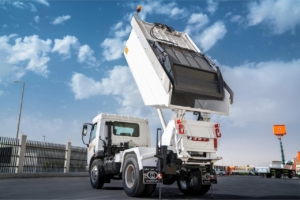
– Garbage Trucks: Vehicles that have a specific function of collection ,transportation or disposal of waste. It is available in different sizes and models (front loading, rear loading; side loading).
– Compaction Trucks: And it fitted with a compaction mechanism to minimize the space occupied by the waste hence making it easer to be transported.
– Containers and Bins:
– Waste Bins: Multiple bin styles for domestic and business use moreover in color coding according to the generated waste (urban, recyclable waste, and compostable waste).
-Dumpsters: Big bins to be used in construction sites or any commercial purpose ellos must be loaded and transported easily.
– Handling Equipment:
-Forklifts: Applied for handling operations for transfer and disposal of large waste containers.
– Trolleys and Carts: Hand operated equipment for transferring wastes from pick-up centers to vehicles.
– Safety Gear:
– Personal Protective Equipment (PPE): Centrally required for employees to prevent them from being harmed while collecting and moving the waste such as gloves, masks, or reflective clothing.
Necessity of Proper and Harmless Disposal and Movement of Waste
Efficient and safe waste collection and transportation are vital for several reasons:
– Public Health: The regular clearance of the wastes minimizes the impact of wastes on health since it minimizes the possibility of getting infested with pests or get diseases from the wastes.
– Environmental Protection: Appropriate transportation techniques reduce the likelihood of leakage of the material into the environement.
– Operational Efficiency: Optimal ways of collecting materials and properly maintained equipments lower the cost of operation and improve service delivery.
– Customer Satisfaction: Proper waste collection services make customers happy since their wastes are collected as expected and enhances participation of communities on proper collection of wastes.
-Regulatory Compliance: This will ensure the company is safe from meeting penalties due to noncompliance with the safety and environmental laws making it credible to customers.
If your waste management company introduces efficient means of collecting, transporting and disposing wastes, then it will have the benefits of improving the health of its populace and improving the environment in equal measures.
Waste Treatment and Disposal
Short Review of the Methods for Treatment and Disposal of Wastes
Waste treatment and disposal are part of waste management: it is aimed at minimizing the volume and hazard level of waste before it is disposed. Common methods include:
– Landfilling: The least technical method of waste disposal in that waste is disposed in certain areas that are designated for this activities. Today’s landfill are also designed in a manner that they cause the least impact on the environment as is possible.
– Incineration: A concept that entails the torching of garbage at a very high temperatures with an aim of minimizing its bulk and producing energy. The method can be advantageous for specific kinds of waste but depends on the proper control of emissions.
– Composting: Biological method of decomposing organic matter into compost, a plant nutrient enhancing soil type. This method is appropriate for yard waste, and food waste disposal.
– **Anaerobic Digestion**: An anaerobic procedure that decomposes a feedstock in the production of biogas that can be harnessed for power and nutriment digestate that can be utilized as manure.
– **Mechanical Biological Treatment (MBT)**: MBT involves mechanical sorting and biological treatment through which mixed waste is sorted to separate recyclables as well as to minimize landfill waste.
Analysis of the Different Types of Waste Recycling and Recovery Technologies
Various technologies are employed in waste treatment and disposal, including:
– Landfill Technology:
– Liners and Leachate Collection Systems: Minimize the risk of the contaminants released into the environment.
– Gas Collection Systems: Methane that is generated by decomposition should be captured for energy utilization.
– Incineration Technology:
– Fluidized Bed Incinerators: Some of the overlying goals include: Improving combustion efficiency as well as the reduction of emissions.
– Waste-to-Energy (WtE) Plants: Turn waste to energy, lessening on the usage of landfill.
– Composting Technology:
– Aerated Static Piles: The ideal method to apply in forcing air is to use fans in order to speed up the rate of decomposition.
– In-vessel Composting: Hooded structures which manage the condition of temperature and water for compost production.
– Anaerobic Digestion Technology:
– Batch vs. Continuous Systems: Several techniques for the management of organic waste within the working process.
– Digesters: Microbial growth promoting structures used in production of biogas.
Need for Environment Friendly Waste Management Techniques
Adopting environmentally friendly waste treatment and disposal practices is crucial for:
– Environmental Protection: Reduction of pollution and protection of natural resource through proper waste management and encouraging the philosophy of sustainability.
– Public Health: The required steps also prevent contamination of the air and water by hazardous emissions and leachates respectively.
– Resource Recovery: Waste management technologies allow recycling material and energy within the system, and contribute to a closed loop economy.
– Regulatory Compliance: Eco-friendly practices entail compliance with legal requirements from the local and international front hence no penalties.
Waste Recycling and Recovery
Waste recycling and recovery: an introduction
Waste recycling includes activities that convert waste materials into new form or new products or raw materials. Common methods include:
– Material Recovery Facilities (MRFs): Small-scale plants that include residual waste treatment plants, mechanical biological treatment plants, materials recycling plants, and source-separating plants.
– Curbside Recycling Programs: Residential recycling by picking up recyclables from residential dwellings at veritable times mostly weekly.
– Drop-off Recycling Centers: Places that people can take their items for them to be recycled for the benefit of the environment.
– Industrial Recycling: Scrap metal, plastic and paper recycling from manufacturing processes.
Different Technologies of Waste Recycling and Recovery with a Discussion on the Various Kinds
Key technologies in waste recycling and recovery include:
– Sorting Technologies:
– Mechanical Sorting: Sorting process that employs the conveyor belts, screens and air classifiers to sort the recyclable products.
– Optical Sorting: Uses measurand to characterize and isolate the material based on their qualities.
– Processing Technologies:
– Shredders and Granulators: Minimise the size of materials in order to enhance its flow and ease of transportation.
– Recycling Extruders: Recycle the plastic wastes by melt and reform them to produce other equal items.
– Chemical Recycling:
Industrial cycles that involve the recovery of polymerization elements of plastics in making new products.
Importance of Waste Recycling and Recovery in Nigeria
The importance of waste recycling and recovery in Nigeria includes:
Lesser Demand of Raw Material: Saving Natural Resourced: because in the demand for raw materials, waste recycling will have to be less, conserving bland, so sustaining.
Economic Opportunities: Employment opportunities will be created in the recycling industry, thus contributing to the local economy.
Environmental Benefits: It will lead to an enormous deduction in the amounts of waste going into landfills, pollution control, and greenhouse gas reductions.
Public Awareness: If the issue of waste management could enlighten and involve the community, then it would be very much effective it could involve public knowing the importance, benefits, and contribution to these areas.
Industry and Regulation Guidelines
Overview of Industry Guidelines
Industry standards are rules that organizations should follow when dealing with waste while minimizing risks and adhering to the prevailing legal requirements. Key areas covered include:
– Operational Standards: Procedures regarding waste management, that include collection, transportation, treatment, and disposal, with aim to provide the safest and most effective methods.
– Health and Safety Protocols: Emergency precaution and protection that include use of protective gears among workers and public members.
– Environmental Management: HSE Practices for Upstream Environmental Management, such as waste management, its reduction and prevention of pollution.
– Quality Assurance: Policies, which regulates maintenance of the quality of services which is provided, as well as the checks including audits and performance reviews.
Regulatory Framework
The legislation that governs the waste disposal most of the time is the local, state and federal legislation. Key regulatory bodies and their roles include:
– National Environmental Standards and Regulations Enforcement Agency (NESREA):
The chief executive is therefore is responsible in the enforcement of environmental laws and regulations in Nigeria.
Perhaps the most serious is in terms of supervising and regulating waste management activities by issuing permits to those who want to engage in waste management activities.
– State Environmental Protection Agencies (SEPAs):
Provide managerial direction to the waste management activities at the state level.
last – Enforce local ordinances and do surveillance.
– Local Government Authorities:
– Organise and oversee management of wastes and removal services from their areas of responsibility.
Establish regional specific waste management policies and programmes.
Key Regulations and Standards
Important regulations and standards that govern waste management include:
– Environmental Impact Assessment (EIA) Regulations:
– Implement the assessments on areas of development that is expected to affect the environment especially on waste management facilities.
– Hazardous Waste Regulations:
Describe the following:management of hazardous waste, and its classification, how it is handled, stored and disposed.
– Waste Management Policies:
– Guidelines for the management of wastes at the national and state levels designed to set standards for waste minimization, recycling and effective management that meets environmental sustainability.
– Occupational Health and Safety Regulations:
– Protect the health hazards of every worker engaged in waste management.
Compliance and Reporting
Companies in the waste management sector must adhere to compliance requirements, which may include:
– Regular Reporting: Preparation of reports on such waste management activities as the amount of collected, treated and dumped wastes etc.
– Inspections and Audits: Surveillance examinations by various government and cases organisations to confirm levels of compatibility with environmental as well as safety measures.
– Record Keeping: Keeping up to date records of such issues as manifest of hazardous waste disposal and other studies on the level of compliance.
Best Practices for Compliance
To ensure compliance with industry and regulatory guidelines, waste management companies should:
– Stay Informed: Remind and participate in the knowledge updates of the related laws, regulations and standards.
– Implement Training Programs: Ensure that workers receive regular training on safety measures, and legal requirement as well as organisational standards.
– Engage with Regulatory Agencies: Keep lines of communication with regulators open to regarding clearances and seeking direction when it comes to the obligations that needs to be met.
– Adopt Sustainable Practices: Ensure sound waste management and ensure that any waste generated is disposed of in an environmentally responsible manner and as a source of revenue, where possible, in the company’s operations.
When these guidelines meet the waste management industry and regulation standards it allows these companies to efficiently serve their clients and be environmentally responsible while keeping the public safe.
Health and Safety Considerations
An introduction to some of the important health and safety concerns in waste management
Waste management is a sensitive operation and health and safety is important as it protects the lives of the workers or the public. Key considerations include:
– Personal Protective Equipment (PPE): Safety equipment like gloves, masks, helmets and protective apparel to protect the employees from different risks.
– Training and Education: Seminars on basic safety features of products and the company, evacuation procedures, and appropriate disposal of waste.
– Safe Work Practices: Organizing SOPs to reduce the risk that can be caused due to collection, transportation and processing of waste materials.
– Emergency Preparedness: Emergency management plans and procedure concerning accidents, oil leaks or exposure to chemicals.
The Risks Involved in Health and Safety:
Waste management involves various health and safety risks, including:
– Chemical Hazards: Contact with hazardous material, chemicals, toxins, heavy metal,s and biological agents in waste products.
– Physical Hazards: The risks arising from manual handling, lifting complaints, use of operational tools, and development of injuries.
– Biological Hazards: From contaminated clothing, organic material and medical wastes, contaminated materials, or any exposure to pathogens.
– Ergonomic Risks: Employees develop aches and pains consistently from doing repetitive movements or wrong postures at the workplace.
– Environmental Risks: Opportunity for site disasters that may cause hazards resulting in environmental pollution and harm to the workers and other citizens.
Why it is crucial to create and maintain a safety and health friendly environment in the workplace
Ensuring a safe and healthy work environment is vital for several reasons:
– Worker Protection: Protection from work incidence also means that employees will be happier and more productive if they do not have to deal with illnesses or injuries at work.
– Regulatory Compliance: It supports company reputation and also reduces the legal consequences of failing to follow health and safety regulation.
– Operational Efficiency: Worker safety minimises on working time loss due to illnesses, worker injuries or accidents thereby enhancing operations productivity.
– Public Trust: Safeguarding health and safety is a way of ensuring confidence and faith that people have in waste management practices.
Environmental Considerations
An Insight into Environmental Aspects in Solid Waste Management
Measures relative to the environment are of vital importance in handling wastes in respect with the effects brought into the ecosystems and the health standards of everyone. Key areas include:
– Waste Minimization: Approaches aimed at minimizing total waste production as well as minimizing hazardous wastes at their source.
– Resource Recovery: Activities that involve retrieving useful and saleable materials from waste in a bid to recycle and reuse them.
– Sustainable Practices: Implementing of environment friendly technologies and practices in waste management.
– Pollution Prevention: Preventative action to control air, water and soil pollution as caused by waste management operations.
Examining Of The Various On Environmental Effects
Waste management can have various environmental impacts, including:
– Landfill Impacts: They also emit methane that pollutes the air, leachate and create bad odors thereby polluting both the air and water sources of groundwater.
– Incineration Emissions: Open burning of waste can emit diverse gases and fumes, which contain health hazards such as dioxins as well as particulate matter.
– Soil Contamination: There is potential of polluting the ground with sods and soil hence has an impact on the plants and small animals in the area.
– Water Pollution: Leaching from waste disposal sites can pollute water sources that are in close vicinity affecting water utilizing organisms.
– Biodiversity Loss: Damage to habitat through the landfill sites or waste processing installations pose a danger to the existing wildlife.
Significance of Reducing Effects to the Environment
Minimizing environmental impacts is essential for several reasons:
– Sustainability: Conservation of natural resource makes them available and useful for use by the next generation besides maintaining balance in the ecosystem.
– Public Health: Decreasing the pollution and contamination level implies decreasing health effects on communities around the waste management plants.
– Regulatory Compliance: It also portrays good corporate responsibility while also allows organizations to meet necessary environmental standards that would not lead to the formation of legal concerns.
– Community Engagement: Environment maintenance is a way of building good relationship with the local communities and other stakeholders.
In this way, SMS considers health and safety requirements together with environmental liabilities with reference to the waste management companies to achieve overall well-being of its workers and environmental conservation.
Marketing and Sales
An Evaluation of Marketing and Sales Techniques of Waste Management Services in Nigeria
One of the crucial factors that need to be put into consideration is the formulation of the right marketing and sales techniques to go to the market with in order to market the waste management services, and get clients. Key strategies include:
– Target Market Identification: Awareness of the differences in requirements from various segments of the population from residential customers to business and industry.
– Brand Awareness: Building up Logo, Slogan and other visual representations by which a company is well identified and accepted in the market to gain reputation.
– Digital Marketing: Using social media, web site, e-mail newsletters to access a larger population of consumers with interest in the product.
– Community Engagement: Integration into different functions, staking, workshops, and educational programs that intended to inform the public on matters regarding waste management and create a good image of the firm.
– Partnerships and Collaborations: Regarding initiating and developing relations with Local Governments, NGOs, and main businesses for developing the cooperation and improving service propositions.
The Different Types of Marketing Channels Analyzed
Various marketing channels can be employed to promote waste management services, including:
– Direct Sales: Direct interaction on areas of interest with the target audience and showcasing products and services to the client.
– Online Advertising: Through Google ads, social media ads and or content marketing to target specific groups
– Print Media: I describe the nature and effectiveness of the following promotional measures: the use of brochures, flyers, local newspaper ads to circulate the information about the services and promotions.
– Referral Programs: Going back to the loyal customers offering a bonus or discount in return for bringing in new clients word of mouth.
– Trade Shows and Expos: Attend industry-specific fairs to sell services, meet with potential customers ,and learn about customers’ needs.
Why Cultivating and Building Relationships with the Customers and Suppliers Is Essential?
Building strong relationships is crucial for the success of waste management businesses due to:
– Customer Loyalty: Trust is developed and strengthened, and a good relationship, guarantees repeat business and word of mouth, thus improving the long-term revenues.
– Supplier Collaboration: Some of the reasons include acquiring reliable sources of the equipment and materials that are necessary for an organization’s operations.
– Feedback and Improvement: Interacting with customers makes it easy for businesses to ensure that they get feedback, and they can also notice the need to change their operation by offering services to customers.
– Community Reputation: Good relations with the community and other stakeholders bring reputation, which gives the company visibility and more opportunities for its business.
Finances, Grants, and Allocation
A comprehensive collection of ideas on the specialty of financial management and the key approaches to funding waste management businesses.
This paper concludes that financial management plays a critical role in the prognosis and outlook of firms in the waste management industry. Key aspects include:
– Budgeting: Creating strategic and efficient plans to contain running expenses, principal and subordinate, as well as revenues.
– Cash Flow Management: Tracking cash to determine adequate cash available for business operations as well as to meet the business’s obligations.
– Financial Reporting: The ability to record financial data to measure the organizational performance, to make decisions, and to support the legal requirements.
Analysis of Different Types of Source Funding Available
Some of the potential funding avenues that a waste management business can use include:
– Grants and Loans from Government: Funding given by government programs for the promotion of sustainable waste management.
– Loan: Borrow money from banks or other financial institutions for the purchase of equipment, refurbishment of premises, and expansion.
– Investor and Venture Capital Funding: Draw private investors or venture capital firms to support innovative solutions to waste management problems.
– Crowdfunding via an Online Platform: Raising funds from well-wishers and people all over the world interested in supporting environmental initiatives.
-Public-Private Partnership (PPP): Partnership with public entities for shared resources and funding for waste projects.
Significance of Financial Viability and Sustainability
There are many reasons as to why financial sustainability becomes important for waste management businesses:
– Long Run: With a certain amount of financial stability, it becomes possible to continue operations, invest in improvements, and adapt to markets.
– Quality Services: This means more funding would go a long way in being able to provide quality services, investing in technology, and also keeping the required equipment running.
– Legal Compliance: The financially viable companies can comply with the regulations and also avoid fines for noncompliance.
– Community Effect: An all-round sustainable financial practice in the long term would be for the good things in society in terms of assured waste disposal services.
Waste management industries will gain by succession in marketing effective tactics and prudent financial management.
Type of Waste Management Company in Nigeria
Companies that are dealing with solid wastes
– Description: These companies specialize in providing collection, transportation and disposal services of municipal, business and industrial waste.
– **Services Offered**:
– Regular waste collection
– Recycling services
– Landfill management
Management of hazardous wastes in industries or firms is usually aided by hazardous waste management companies.
– Description: Hazardous waste firms that deal with medical waste, chemical waste, and electronic waste.
– Services Offered:
– Picking up and transporting Jet for safekeeping
– Handling treatment and management of hazardous substances
– The company’s adherence to environmental laws
Recycling Companies
– Description: Manufacturers and service providers whose operating agenda focuses on efficiency in the replenishment of resources like plastics, metals, papers, and glasses by recycling them.
– Services Offered:
– Gathering of those items that are believed to be environmentally reusable
– Processing and sorting
– Selling recycled products
Waste-to-Energy Companies
– Description: Businesses that manage to turn waste products into energy in different technologies like; flaring, anaerobic digestion ,and the like.
– Services Offered:
– Always having energy from waste
– Reduction of landfill waste
– Production of biofuels
Composting Companies
– Description: Companies that deal in the production of compost from organic waste materials and sales of it as soil conditioners.
– Services Offered:
– Collection of organic waste
– Composting services
– Sale of compost products
Integrated Waste Management Companies IWM Companies
– Description: Companies that actively engage in consultation services in collection, recycling, treatment, and disposal services of waste.
– Services Offered:
– The waste management will be a full-service one.
– Environmental consulting
– Education in the community clinics
CDM Waste Management Companies
– Description: Organizations that aim at handling wastes as a result of construction and destruction.
– Services Offered:
– Removal of construction waste
Recycling of construction material
– Site cleanup services
E-Waste Management Companies
– Description: Companies which are involved in the recycling of specific electronics products for proper disposal of the outdated ones.
– Services Offered:
– Collection of e-waste
– Data destruction services
Recycling of Electronic Circuits
Waste management services the public sector
– Description: Collective service that is provided by local or national government that is involved in the disposal of waste in the urban society.
– Services Offered:
– Public waste collection
– Street cleaning
IT – Education and Awareness program or waste.
Consulting Firms
– Description: Firms that offer advisory services complete with waste management best practice, policy, and technology.
– Services Offered:
Waste audit /assessment
– Compliance guidance
:The strategic framework for waste management
This classification aims at making the reader appreciate the wide spread of waste management companies in Nigeria and how the do meet different waste management needs and issues.
Waste Products
- Recyclable Materials
– Description: Products that can go through the manufacturing process and are not wasted.
– Types:
– Plastics: PET, HDPE, PVC, etc.
– Metals: Aluminum cans, steel, copper.
– Paper and Cardboard: Newspapers, cardboard boxes, and office paper .
– Glass: Glass bottle, glass jar and any other glass receptacles.
- Compost
– Description: Decomposed organic material that is added to the soil as a condition enhancer.
– Sources:
– Food waste
– Yard waste such as leaves and grass clipping.
– Agricultural residues
- Biogas
– Description: Bio-gas is a renewable energy that is made through the bio-chemical process of fermentation of organic matter.
– Sources:
– Food waste
– Animal manure
– Agricultural waste
- Refuse-Derived Fuel (RDF)
– Description: Energy produced from municipal solid waste, the fuel generated from this waste.
– Components:
– Processed combustible waste
Plastic and paper bottles that cannot be recycled
- Construction and Demolition (C&D) Materials
– Description: That comes from construction and demolition of substandard structures:
– Types:
– Concrete and masonry
– Wood and lumber
– Metals (steel, aluminum)
– Drywall and plaster
- Electronic Waste (E-Waste)
– Description: Used electrical or electronic equipment that is still functional and can be refurbished or in some way repurposed.
– Components:
– Circuit boards
– Batteries
– Cables and connectors
Residuals include; Plastic and metal from appliances
- Textile Waste
– Description: Garments and fabric materials that have been disposed and can be up to cycled or reused.
– Types:
– Used clothing
– Fabric scraps
– Unwearable textiles
- Hazardous Waste Products
– Description: Biomedical waste that is periled to human health and the environment then it is categorized as hazardous waste.
– Types:
– Body fluids & tissues (blood stains, body fluids, used syringes, contaminated dressings, sharp instruments).
Chemicals generally: Chemical solvents, pesticides.
Batteries and /or electronic parts with toxic metals
- Landfill Gas
– Description: Flammable gaseous material formed during the biochemical breakdown of waste in landfills, mainly methane and CO2.
– Usage:
– Energy generation
– Flaring for safety
- Ash and Residue
– Description: The fumes or unusable product residues resulting from waste combustion or waste incineration.
– Types:
There is bottom ash which originates at the bottom part of incinerators.
Fly ash : Fine particles of coal, that is carried away by flue gases.
Many of these waste products can be utilized; recycled or turned into other valuable useful products that help the environment and support sustainability.
Best Practices for: Entrepreneurs Guidelines in Waste Management
- Investigate the Market Well
– Understand the Market: Research waste management requirements in the region, the competition and the customers.
– Identify Opportunities: Focus on untapped niches that your business can subsequently achieve.
- To Be Sustainable A Business Model Must Be Established
– Focus on Sustainability: Integrate sustainable solutions to the management of your business.
– Diversify Services: Having a full list of services like recycling, waste-to-energy services ensure they capture the different consumers.
- Invest in Technology
– Use Advanced Equipment: Urgent encouragement should be given to the development of the latest efficient and effective technologies in waste management in order to increase the effectiveness and efficiency of he management of wastes.
– Implement Tracking Systems: Use software which has components for waste collection, processing and clients.
- Create Sustainable Partnership
– Engage with Stakeholders: Build rapport with governmental bodies of local jurisdictions, non-governmental organizations as well as other non-profit organizations.
– Customer Engagement: Continuously engage customers for information about their requirements, and corresponding feedback.
- In Compliance and Safety
– Adhere to Regulations: Be familiar with the latest laws and codes relating to waste management on both county and national level.
– Implement Safety Protocols: Unless the employee is carrying out a hazardous waste removal task, erect protective barriers for the employee and the community.
- Educate and Train Employees
– Provide Training Programs: Mention daily, weekly, and/or monthly presentation on the best practices, safety, and the environment.
– Encourage Continuous Learning*: Support people, continuous learning and improvement in order to ensure that employees are well equipped on the latest trends.
- Market Your Services Effectively include the following:
– Utilize Digital Marketing: Use social media access, Search Engine Optimization, and web advertising to extend the coverage.
– Community Involvement: The local community should support the services offered by the centre therefore it should take part in events and activities.
Opportunities and Challenges to Waste Management
Challenges
- Inadequate Infrastructure
– Description: Most of the regions are not provided with the necessary infrastructural facilities for proper waste collection, separation, and disposal.
– Impact: This leads to ineffective waste management together with pollution of the environment.
- Regulatory Compliance
– Description: It is not simple for waste management firms to work with disparate rules and other compliance matters.
– Impact: Failure in compliance can lead to fines, legal problems and even lawyers and reputation work.
- Civil Education
– Description: Lack of public understanding of how to separate their waste for recycling and disposal can slow the entire process.
– Impact: Lack of experienced participation in recycling activities and abuses in disposal of wastes.
- Financial Constraints
– Description: Another reason that can hinder the expansion and advancement of the waste management business are low availability of funds and capital.
– Impact: Deteriorates the functioning of adopting new technologies IT and expanding the kinds of services offered.
- Hazardous Waste Management
– Description: Handling of hazardous waste should be well done with requisite skills and tools.
– Impact: It has been found that mishandling can lead to quite rampant health and environmental hazards.
- Market Competition
– Description: New competition from existing firms and firms entering the market can also be a problem affecting profitability.
– Impact: Businesses may require cutting down on the prices offered or advancing the services provided to sustain the customer base.
- Industrial Technology Progress
– Description: Even for some businesses it can be a challenge to keep pace with the growth in technological advancement.
– Impact: Businesses that do not evolve can lag in productivity and may prevent customer satisfaction.
Opportunities
- Increasing Demand of Recycling
– Description: The variability is triggered by the heightened consciousness of environmental degradation consequently demanding gathering and recycling services.
– Opportunity: The recycling industry could be specialized by the creation of appropriate recycling programs and services by the entrepreneurs.
- Power Projects from Waste Management
– Description: New opportunities in generation of energy are created by new technologies in waste-to-energy conversion.
– Opportunity: Over the years, there are new technologies form of waste to energy the companies can use to fund their development.
- Their Support and Promotion
– Description: Even more governments are providing encouragements to sustainable waste management practices.
– Opportunity: Self-employment program and various other forms of financial support includes grants, subsidies, and tax relieves.
- New Approaches in Management of Waste
– Description: IoT, AI, and big data play an important role in improving the waste management operation.
– Opportunity: These technologies can be implemented in business organization to enhance productivity andrespolsiveness to customers.
- PLS Public Private Partnerships
– Description: Waste management infrastructure is improved when government includes private companies in the waste management sector.
– Opportunity: Larger numbers of service can be offered, and new locations can be targeted when entrepreneurs form partnerships.
- Win in the Market through Sustainability
– Description: A shift towards sustainability and CSR pertains to the changes in the ways operating businesses function.
– Opportunity: Business owners who consider sustainable strategies can be successful in reaching consumers who care fortheir environment.
- Community Participation Projects
– Description: Lessons can be drawn from this in the sense that getting the people involved as stakeholders in any waste management project can go a long way to make the project a success.
– Opportunity: New methods can be implemented by business people to encourage proper management of waste by coming up with some educational programs that will educate society on the importance of managing waste in the right manner.
- Scatterisation of Functions
– Description: Ways that one company can increase its customer base include widening service provision to embrace composting, e-waste, and hazardous waste.
– Opportunity: Ventures can explore specific markets in addition to expanding their profits.
We can identify some potential challenges that could be faced by the waste management sector and the opportunity to turn them into strengths or avoid them all together to improve their business prospects and improve the environment.
Financial Advisors Consultants Function in Waste Management
- Budgeting and Acquisition Strategies
– Budgeting: To assist in development of detailed budgets that will address necessary operational expenses, amount to spend on assets as well as cash flow forecasts.
– Long-term Planning: : To input, help to develop the long term financial management plans so that the institution may be sustainable and expand.
- Investment Analysis
– Evaluating Opportunities: Evaluate possible acquisitions of new technologies or infrastructure, or expansions; projects.
– Risk Assessment: Identify the financial risks attaching to different investment opportunities and suggest how such risks might be managed.
- Money Management
– Identifying Funding Sources: Assist various enterprises to find the funding they need in the form of grant, loans or investors.
– Preparing Proposals: Support the preparation of actual and projected financial bid and report for funding purposes.
- Cost Control Efficiency
– Cost Analysis: Analyze all cost relating to operations to assess the probability of making improvements and cutting costs.
– Efficiency Strategies: Suggest modalities that could help in increasing effectiveness in operations and minimizing expenditure on waste management.
- Cash Flow Management
– Monitoring Cash Flow: Support cash flow analysis in order to determine proper amount of liquid assets during certain period of time for covering daily operating costs.
– Forecasting: Prepare financial reports that will show the amount of cash that will be required in the future to meet certain necessary expenditures.
- Tax Advice and Tax Law
– Tax Strategy Development: Mention about proper planning of effective tax management to reduce taxes for the organisation while obeying laws those are guiding taxes.
– Regulatory Compliance: To alert empresarios on tax laws pertaining wastes and ensure that they adhere to the laws.
- Performance Measurement and Reporting.
– Financial Reporting: Help out with preparation of periodic financial statements to track the progress in respect of milestones and trends.
– Key Performance Indicators (KPIs): Consequently, obtain and monitor all appropriate success indicators that are related to waste management.
Frequently Asked Questions(FAQs)
- Several types of waste are recycled?
End up being recycled; plastics (usually PET and HDPE), metals-aluminum and steel, paper, and cardboard, glass. Recycling varies from place to place or locality, so check with your local recycling programs.
- What are ways to reduce waste at home?
Reducing, re-using and recycling are really good ways of helping to cut waste. This means reducing single use items, using reusable bags and containers, composting and then donating anything anymore, so have it away with you.
- How do composting and recycling differ?
Above all, composting finds organic material-decomposing it from food scraps, yard waste, etc.-turning it into soil rich in nutrients. Recycling, on the other hand, does processing of other materials such as paper, glass, and plastics to new and reusable products out of them. Both ways help reduce waste but involve different materials altogether.
- What are the possible ways of disposal for such hazardous wastes?
Hazardous waste cannot go into the normal trash. Check with local regulations for locations or events for safe disposal of hazardous waste. Many municipal governments arrange special collection days for items like batteries, chemicals, and electronic refuse.
- Nature benefits from proper waste management?
Proper waste disposal reduces pollution, uses our natural sources better, reduces greenhouse gases, and protects ecosystems from hazardous materials. It gives a greener breath and extends sustainability to conserve and inculcate responsible consumption behavior in communities.
Waste Management Companies in Nigeria
- Waste Management Society of Nigeria
– Services: To promote advocacy in the use of proper waste management practices, training, and consultancy on waste management.
– Website: [WAMASON](http://www.wamason.org)
- Red: Recycling and Economic Development Initiative of Nigeria
– Services: Specializes in matters to do with recycling and disposal of products, collection and processing of wastes.
– Website: [REDIN]( http://www.redin.org/)
- Lagos State Waste Management Authority (LAWMA)
– Services: Specialized in delivering waste collection and disposal, as well as recycling services across the Lagos State.
– Website: LAWMA [Lagos State Water Regulatory Agency](http://www.lawma.gov.ng).
- EnviroServe Nigeria
– Services: A company specializing in waste-related services and products such as hazardous waste management and recycling.
– Website: [EnviroServe](http://www.enviroserve.com.ng)
- Greenville Environmental Services
– Services: Nigeria-based waste management and disposal as well as recycling company.
– Website: [Greenfield] ( http: // www.greenfieldservicesng.com)
- Wastesafe Solutions
– Services: Offers waste management consulting, pick-up and recycling solutions, and disposal removals.
– Website: Wastesafe Solutions
- Hitech Waste Management Services
– Services: Deals with the collection, removal a,nd recycling of wastes, with special reference to the environment.
– Website: The Roles of [Hi Tech Waste Management](http://www.hitechwaste.com)
- Ecovision
– Services: Offers collection, recycling, and consultancy waste management services.
– Website: [Ecovision](http://www.ecovisionng.com)
- Environmental Management Solutions
– Services: This company specializes in waste disposal, recycling as well as environmental advice.
– Website: [SES] www.sustainableenvironmentsolutions.com.ng
- Clean City Waste Management
– Services: Provides waste collection and disposal services,and recycling with emphasis on the urban environment.
– Website: Clean City – [Home Page](http://www.cleancityng.com)
They are the driving forces behind bettering the condition of waste inclination in Nigeria. Otherwise, if you want some more detailed information about any of these companies or maybe some other options, do not hesitate to ask.
Conclusion
– Market Research: Get familiar with what kind of waste is produced and what solutions are offered by local waste management companies.
– Regulatory Compliance: Learn or refresh on laws in your state and country relating to the treatment of waste to avoid going against the law.
– Infrastructure Development: Determine the instruments and structures required with regards to the consideration of adequate waste collection, sorting, and disposal system.
– Funding and Investment: Determine the potential sources of funding such as grants from the government, private investors, and collaborations.
– Community Engagement: Raise the public’s and the communities particularly those in the local areas understanding the importance of getting involved in waste management efforts.
– Technology Adoption: For waste performance management, technology can be used in tracking wastes and the recycling process.
– Sustainability Practices: Emphasis on environmental conservation initiatives which result in the recycling and reduction of waste.
Recommendations
It is noteworthy that launching a waste management company in Nigeria has prospects as well as threats. The following are key factors that entrepreneurs should consider to set up a good business that fosters environmental and community health:
Recommendations:
– Conduct Thorough Research: Spent time in client analysis and understanding their needs and the local populace to be able to offer a service that meets the needs of a given population.
– Build Partnerships: Engage local governments, non-governmental organizations, and other service-delivering organizations to raise the efficiency and effectiveness of services.
– Educate and Train: Educate staff and launch awareness sessions for the local population on how to think about and manage waste correctly.
– Stay Informed: Regularly monitor the present fashion of the industry, and any new regulatory policies and technology to survive anymore.
– Focus on Innovation: Adopt new ideas and concepts that may help your company to avoid stagnation and provide organizational competitive advantages.
Through these measures, the potential business owners will not only have a prosperous business in Nigeria but will also contribute to the improvement of the quality of the environment.
Call to Action
Take action today to make a positive environmental impact! Start implementing sustainable waste management solutions and join the movement towards a cleaner, greener future.
📞 Contact us today: (+234) 802 320 0801, (+234) 807 576 5799
📧 Email: enquiry@mocaccountants.com
🌐 Visit Us: 5, Ishola Bello Close, Iyalla Off Street, Alausa, Ikeja, Lagos, Nigeria
Enquiry Contact Form




There are no comments