

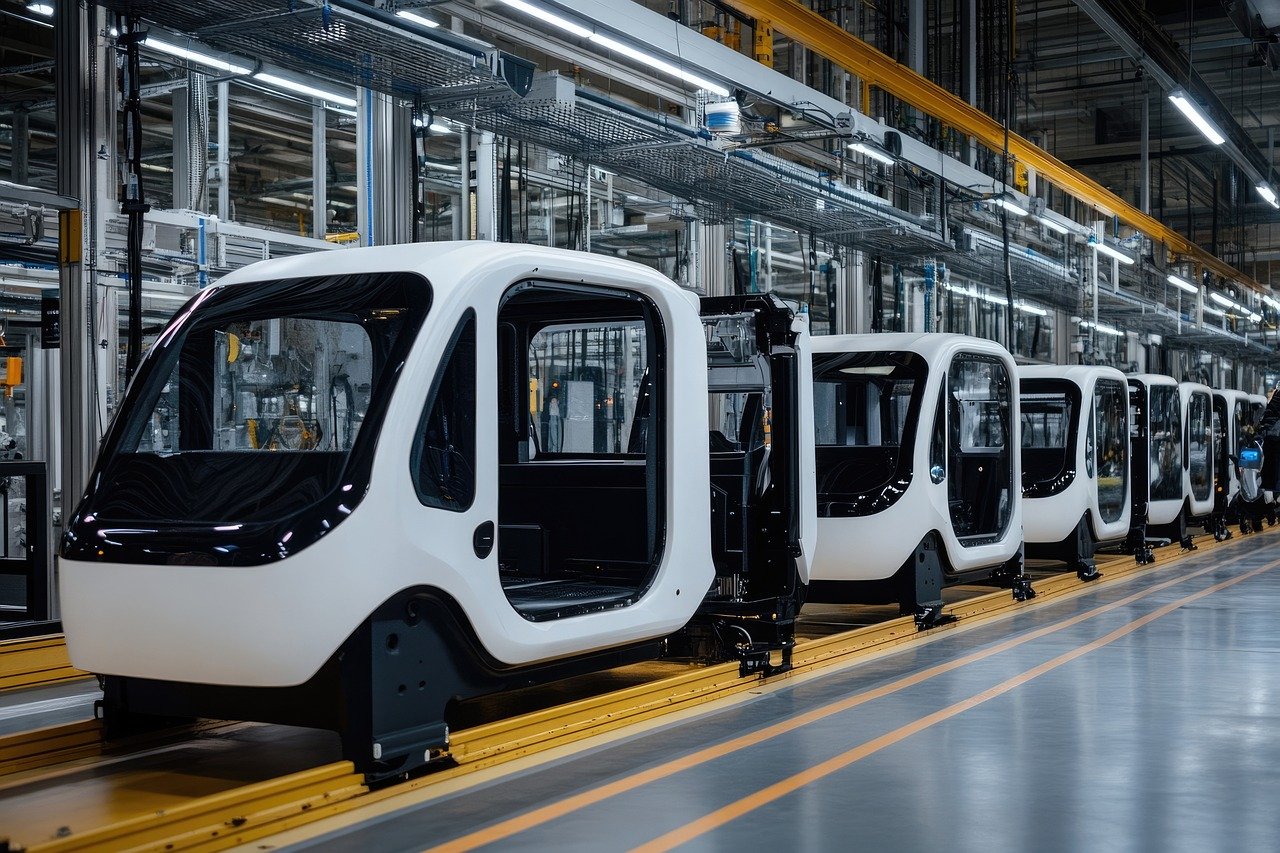
Starting a Vehicle Assembly Plant in Nigeria
Get started
Call-to-action
Tel: (+234) 802 320 0801, (+234) 807 576 5799)
E-Mail: enquiry@mocaccountants.com
Office Address: 5, Ishola Bello Close, Off Iyalla Street, Alausa, Ikeja, Lagos, Nigeria.
Introduction
Setting up a vehicle assembly plant in Nigeria opens up new horizons for the economy of that nation. By assembling vehicles locally, there is reduced dependency on all the parts of a vehicle to be imported, less amount of taxes to be paid for imports, and value to be added to that economy. In addition, it slowers the adoption of the new technology, spurs the development of local industries, and assists to meet the goals of the country’s industrialization strategy. In addition, the focus of the government on diversification of the economy puts the automotive sector on the forefront as an area to invest in and grow.
Impacts of Vehicle Assembly in Nigeria
Economic Growth: Builds GDP through local base production supplemented with sourcing and distribution networks.
Job Creation: Provides work opportunities for qualified, unqualified and trained workers at all levels of the chain.
Cost Efficiency: Saves costs in importing vehicles by making them in house.
Assistance Provided: The National Automotive Industry Development Plan (NAIDP) support deals notably on Tax Incentives, Duty Exemptions and other support measures to automotive investors.
Geographical Export Opportunities: Serves as a manufacturing hub for Sub-Saharan Africa with the use of Nigeria’s trade treaties.
Natural Resource Savings: Helps in the transfer of green vehicle technologies, like electric and hybrid vehicles, through homegrown developments.
Background Study of the Vehicle Assembly Plant in Nigeria
Automotive industry in Nigeria began in the 1950s and involves the manufacturing of passenger cars and commercial trucks. Initial production was spearheaded by the assembly line of Bedford TJ trucks produced by United Africa Company’s subsidiary, Federated Motors Industries, and SCOA’s assembly of Peugeot 404 pickup trucks. Major advancements occurred in the 1970s, when, during an oil boom, the Federal Government of Nigeria entered joint venture agreements with international car manufacturers to assemble vehicles and offer technical support for vertical integration in the local sector. These foreign brands proceeded to dominate the market from the mid-1970s until the late 1980s. The passenger vehicle brands included Peugeot Nigeria Ltd and Volkswagen. Manufacturers of commercial vehicles, such as Leyland, Anambra Motor Manufacturing, and Steyr, contended with Bedford truck for market leadership. The companies primarily assembled kits and completely knocked down components imported from overseas. In the market, demand was mainly influenced by the government’s fiscal policies. By the late 1980s, the industry faced challenges due to an economic downturn, government inconsistency, and the elevated costs of locally manufactured vehicles compared to imported ones. By the year 2000, used foreign cars had taken over car sales in the nation, and the influx of these affordable used vehicles adversely affected the growth of backward integration in the sector. Recently, a domestic brand, Innoson, has established an assembly plant in the country.
Some of the manufacturing plants underwent privatization, with VON being sold to Stallion Group and Leyland transferring ownership to Busan. Production has been reduced from the heights reached during the 1980s.
Bedford TJ-55
MaliPeugeot1-pickup truck
Prior to the Nigerian Civil War, automobile production consisted of the assembly of partially knocked down components. Federated Motor Industries, a division of UAC, manufactured Bedford TJ trucks while SCOA assembled Peugeot 404 pickup trucks. The cab, chassis, axles, and wheels were imported separately to lower the total importation cost.
In 1969, aiming to foster technology transfer, industrialization, and benefit from backward integration, the Nigerian government issued a request for proposals for establishing automotive assembly plants. Approximately 20 car manufacturers expressed interest, but ultimately, selection was swayed by the popularity of the brands within Nigeria. To establish passenger vehicle assembly plants, the nation engaged in talks with Peugeot of France and Volkswagen AG of Germany, with the government also considering a medium-term vision for technical assistance to enhance local content inputs, intending that by 1990, locally manufactured vehicles would consist of 100% domestically sourced components. Negotiations were also pursued with Steyr of Austria, Leyland of Great Britain, Daimler-Benz of Germany, and Fiat of Italy for the production of commercial trucks. The government took steps to safeguard the local industry by raising customs duties on fully assembled cars and trucks imported into the nation.
Passenger cars
1976 Volkswagen 1300 L ‘Escarabajo’ (Typ 1) (5476921123)
Kombi bus-predecessor of Lagos Yellow Bus
In 1972, the government entered into a contract with the well-known German brand Volkswagen to set up an assembly plant in the nation. The equity interests were allocated as follows: Volkswagen AG (40%), German financial institutions (11%), Nigerian government (35%), Lagos State (4%), and Nigerian distributors (10%). The facility was located along the newly built Lagos-Badagry expressway, and production commenced in 1975. The automobiles were assembled from completely knocked down parts that were sourced from Germany and provided by Volkswagen. The factory manufactured the Beetle (1300cc, 1500cc, 1600cc), Audi (100 cd), Golf, Kombi bus, Jetta, and Passat. The company’s vehicles gained popularity among the country’s middle class.
Another significant manufacturer of passenger vehicles is Peugeot Automobile of Nigeria, known as PAN. Similar to Volkswagen, PAN started production in 1975 with components imported in various parts from overseas. The equity ownership comprised Peugeot Citroen (40%), Nigerian government (35%), Kaduna State (10%), and Nigerian Industrial Development Bank (5%). Initially, the cars were priced competitively, becoming a favored choice among the middle class. Production increased from 2,259 in 1975 to 35,000 in 1979 to 48,235 in 1980. The company began with the 504 model and subsequently launched the 505 in 1980. However, when the economy experienced a downturn, partially due to falling oil prices, new fiscal policies such as foreign exchange and import controls created challenges for manufacturers to obtain foreign currency, leading to increased production costs.
PAN continues to operate a production line for vehicle assembly, but at a lower capacity than its peak output.
Commercial trucks
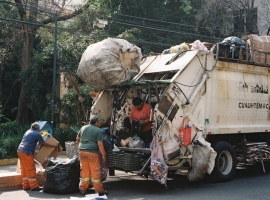
During the 1970s, the Nigerian government established agreements with four foreign manufacturers to invest in assembly plants within the country. One of these agreements resulted in the creation of Anambra Auto Manufacturing Company, also referred to as ANAMCO, a collaboration between the Nigerian federal government and Daimler Benz for truck production. The assembly plant based in Enugu began operations in 1980. The company manufactured MB trucks, ambulances, and refuse collection trucks with an annual capacity of 7,500. Another initiative was Leyland Nigeria Ltd, a partnership with Leyland from the U. K.; this plant is situated in Ibadan and, at its peak, produced trucks and vans for the military, customs, police, and the general public. The Leyland facility also had the capability to manufacture four-wheel-drive vehicles. The plant assembled a variety of five different vehicles, including the Mitsubishi Canter, Land Rover, Range Rover, The Land master, and the Albion.
Recession and high production costs
Commercial vehicle producers sought government protection from imports to guarantee a robust automobile market that would attract long-term investment and could foster a local supplier industry. Nonetheless, by 1981, the fall in crude oil prices from the peaks of the 1970s resulted in foreign exchange, import controls, and rationing that adversely affected car production and resulted in production delays. The assembly plants were capital-intensive and relied on the importation of components from overseas, but the demand for knocked down parts put pressure on the foreign currency market. The government was not lenient in issuing import licenses to the companies, and sometimes shipments were held up at the ports until the necessary licenses were secured. By 1985, all commercial truck facilities were operating at less than 30% of their capacity and incurring losses. By the end of the 1980s, the government introduced market liberalization measures that permitted more imported cars to compete with domestically produced vehicles. Volkswagen and PAN raised the prices of their vehicles due to the devaluing naira and decreased government subsidies. Volkswagen redirected its market strategy towards selling Kombi buses for commercial transportation and corporate vehicles.
The facilities were capital-intensive and scarcely produced profits; equity partners like the government were satisfied that the plants were operational, while foreign manufacturers primarily profited from the supply of CKD. Eight years after the facilities commenced operations, the local content target was never achieved, and the plants continued to import parts from abroad. The lack of collaboration between manufacturers and local distributors made it challenging to produce parts that met manufacturers’ specifications and the durability of parts. Infrastructural shortcomings, such as inconsistent electrical supply, raised the costs of vehicle production, causing locally made vehicles to be pricier than imported ones.
Volkswagen’s annual output fell from 29,300 in 1981 to under 1000 in 1989, and in 2005, the Nigerian government divested its equity interest to Stallion Group. The facilities at the plant were subsequently repurposed to manufacture Ashok Leyland Falcon buses.
Slow patronage from government
Once production commenced, the demand for vehicles and trucks was significantly impacted by government spending. During a budget cycle when the government did not support the manufacturers, production plans would be adversely affected. The commercial vehicle plants suffered the most from government inconsistency and declining oil prices. While market demand was 36,000 in 1977, by 1981 it had dropped to 14,440. Leyland’s production was heavily reliant on government expenditures. Each year, the company aligned its production plans with the spending plans of the Nigerian customs, police, and military to create a demand-oriented production strategy. It also relied on Leyland of the U. K. for components. However, in some instances, government agencies began importing their own vans, compelling Leyland to scale back its operations, and ultimately, the manufacturer ceased sending parts when production was reduced, leading government officials to travel abroad to negotiate purchases with Leyland U. K. instead of the local manufacturer.
2010s
Since the inception of democratic governance in 1999, the government has been divesting its equity ownership in the assembly plants. Volkswagen was sold to the Stallion Group, while ASD Motors acquired PAN’s stake. PAN, Stallion, and the domestic brand Innoson represent the primary local assembly plants in the nation, though Stallion primarily assembles partially disassembled parts. Established in 2010, Innoson has an annual production capacity of 10,000 vehicles, and by 2015, the targeted production was set at 6,000 vehicles. In 2009, PAN introduced a new production line, transitioning from 406 to 307 models.
Current situation
National manufacturers
Innoson vehicles in Anambra State
In Sangotedo/Lekki, Nord Automobile Limited operates an assembly plant, where eight models were being assembled as of 2022; a production facility in Epe remains under construction. [13]
In Nnewi, Anambra, there exists one local automotive manufacturing company: Innoson Vehicle Manufacturing. [14] It predominantly produces buses and SUVs. Starting from May 2022, Innoson will also manufacture “kekes. ” A new production facility has been constructed for this purpose.
Located 30 km north-east of Lagos in Ishara, Proforce Ltd. is a specialized manufacturer of armored vehicles. The Nigerian Army, through its investment arm, Nigerian Army Welfare Limited by Guarantee (NAWLG), has acquired a 15% stake in Proforce Limited.
Proforce has exported its Mine-Resistant Armoured Protected Vehicles (MRAPs) and various products to other African countries, including the Republic of Chad, Rwanda, Ghana, Niger, and several others. Reports indicated that Proforce successfully sold an undisclosed number of armored vehicles to Belarus in March 2022. This marked the first instance of Nigeria exporting automobiles to a European nation.
In Maiduguri, Borno State, Phoenix Renewables produces solar-powered vehicles. [19] Another vehicle manufacturer is Jet Systems Automobile Industries Limited, which specializes in electric and CNG ambulances, vans, and military vehicles. [20] A noteworthy company is Electric Motor Vehicles Company of Nigeria Limited, a manufacturer of electric vehicles that not only assembles but also produces its own batteries. Additionally, it operates a network of charging stations.
Foreign car manufacturers
A prominent foreign car manufacturer in Kaduna was Peugeot Automobiles Nigeria (PAN). However, in April 2022, Aliko Dangote acquired Peugeot’s shares, and the company’s name was subsequently changed to DPAN. Under the new management, PAN/DPAN will primarily assemble Chinese brands Chery and Higer using pre-manufactured parts. A new production line, Greenfield, will produce 120 cars daily.
In 2022, the most productive car manufacturer would be the Stallion Group in Lagos, as it assembles 45,000 Volkswagen cars each year.
New Requirements for The Establishment of Vehicle Assembly Plants in
Nigeria 2023-2033
License Requirements
Building on existing guidelines and stipulations, the updated licensing requirements for
assemblers will be as follows:
- A duly endorsed technical agreement for assembling with a clearly defined local
content clause or provision with Original Equipment Manufacturer (OEM) (direct
investment by OEM as lead partner is preferred);
- The factory address to be provided at registration must include copies of title deed or
lease document of the factory address
- Business Plan must clearly satisfy the minimum equipment requirement for SKD/ CKD
operations
- Factory must show actual assembly and manufacturing capacity in line with approved
plans
- An assembling process flow chart based on the space acquired with workstations
clearly identified
- Clearly documented packing list of SKD/ CKD kit import
- Certificate of Incorporation
- Tax clearance certificate; Registration with Nigerian Customs Service and Federal
Inland Revenue Service
The Assemblers license will be up for renewal every three (3) years, subject to results from
the annual assessments of their performance against targets. Assessment shall cover the
details listed below, which manufacturers/ assemblers shall be required to submit annually;
➢ Production data (including Electric Vehicles – EVs)
➢ Sales data across various models and exports
➢ Employment data
➢ Evidence of transfer of expertise in production to local auto component manufacturers and
service providers in the sector
➢ Others
License renewal shall be initiated when the assembly plant undergoes remodeling/ upgrades
in operations or mode of manufacturing. For instance, migration from SKD to CKD.
Obtaining Business License/Permits
According to Law Business Research online publication (2004-2006)
Nigeria has several legal frameworks that govern the establishment of businesses be it a company, business name, partnership etc. The recently assented Companies and Allied Matters Act (CAMA), 2020 has introduced various innovations that make such establishment easier. The procedure is seamless, processed online and takes a few days to complete any incorporation.
There are additional requirements for a foreigner or foreign company intending to start a business in Nigeria, which will be discussed below in this article. By and large, every business requiring legal recognition in Nigeria must successfully do the following to set up a legal entity within Nigeria:
Registration with the Corporate Affairs Commission
The first step is to register with the Corporate Affairs Commission (CAC), the government agency authorized to register businesses in Nigeria. The Companies and Allied Matters Act, 2020 offers a wide range of forms a business can be registered, which includes business name, Limited Liability Company or limited liability partnership. For individuals, either locals or foreigners starting a business in Nigeria, the most suitable form of incorporation for them is a private limited liability company, which creates a separate legal entity that bears the liability of the company and the members liability is limited to the number of shares unpaid by them. Under the CAMA 2020, which takes effect on January 2021, the mandatory requirement of having to hire a company secretary has been dispensed with. Also, a small company needs not to mandatorily retain an auditor.
By section 18(2) of CAMA 2020, a private company can be formed by just one person. In addition to this, a foreigner must also comply with the provisions of other enactments to form a company in Nigeria.
Thus, to engage in business in Nigeria, the business must first be registered with the CAC.
Registration with the Nigerian Investment Promotion Commission (NIPC)
The NIPC was established by the National Investment Promotion Commission Act, which regulates foreign investments in Nigeria. The Act further requires that upon registration with the CAC, every company with foreign participation must proceed to register with the NIPC before commencing business. The documents majorly required for this are documents obtained upon incorporation with the CAC. Registration with the NIPC also entitles such foreign investor to several incentives such as pioneer status, which enables the company participating in pioneer business to obtain certain tax incentives.
Registration with the Federal Inland Revenue Service (FIRS)
The FIRS was established by the Federal Inland Revenue Service (Establishment) Act which controls and administers federal tax in Nigeria. This registration is mandatory and is considered an offence where any business fails to remit the appropriate tax to the FIRS. Every company must register and open a tax file at the nearest FIRS office to the company’s registered office address. Furthermore, tax registration and tax clearance certificate are required when applying for any licenses to operate in any businesses or sectors that are specially regulated. It is also mandatory for a company intending to obtain government contracts.
Obtaining a Business Permit, Expatriate Quota & Work Permit
This applies to businesses wholly owned by foreigners and does not apply to those where ownerships are shared between foreigners and citizens. It is obtained from the Ministry of Interiors to enable a foreign-owned company to start and operate a business in Nigeria.
An expatriate quota is granted by the Minister of Interior Affairs to any company in Nigeria intending to employ foreigners in its ranks. This, however, does not qualify as a work permit which must be applied for separately to enable the foreigner to reside and work in Nigeria. The Combined Expatriate Residence and Aliens Card (CERPAC) serves the purpose of work permit and is issued by the Comptroller General of the Nigerian Immigration Service or Comptroller of Immigration Service in various states.
Statutory Licenses and Permits
This requirement is largely dependent on the business an entity seeks to venture into. As stated earlier, some businesses need to be specially regulated to protect its stakeholders such as the consumers of this product or its beneficiaries to ensure that in the delivery of this good or service meets the best standards. For instance, where a company seeks to trade in pharmaceutical products, a permit must be obtained from the National Agency for Food and Drug Consumption (NAFDAC). Also, for a company venturing into the telecommunication business, a license is required from the Nigerian Communications Commission.
Finally, for an individual or group of individuals who intend to start a business in Nigeria, the above steps need to be strictly followed. It is also noteworthy to state that any foreigner who registered a company in Nigeria cannot become a signatory to a Nigerian bank unless such person has obtained the Nigerian work permit or employ a local citizen that can be authorized to do so.
Types of Vehicle Assembly Plants
The factors of operating a vehicle assembly plants and its complexity vary significantly and includes certain factors like scale, technology and others. For Nigeria, the size of the assembly plant most often substitutes an investors funding ability, market need, and the resources they possess. Underneath is a detailed summary of the common types of vehicle assembly plants:
Complete Knock Down (CKD) Assembly Plants
CKD assembly involves the balancing of trade by allowing the importation of all vehicle parts in a completely unassembled form and having them put together in the receiving nation.
Features:
Highly skilled workforce plus sophisticated infrastructure is a prerequisite for overseeing the assembly process.
There is great scope for designing integration of local suppliers and industries in this process.
This assists in transferring and development of technology in engineering and manufacturing domains.
Advantages:
Because of its ability to integrate low local content and value addition this type of construction has a chance to benefit from government programs for assistance, like devoting a low tax to them.
Construction of peripheral industries (including tire, battery and glass industries) are supported.
Challenges:
More capital money is needed in the beginning for establishment of complex assembly lines.
Parts or components that are needed for assembling are not always available. This is the case when the logistics system, or importation systems have interruptions.
Semi-Knock Down (SKD) Assembly Plants
Definition: An SKD assembly requires the use of kits which are specifically tailored for easy assembling especially by importing most vehicle components including the kits.
Features:
Certain parts such as engines, transmissions and even chassis are shipped in units that have already been put together increasing ease of doing assembling work.
Less sophisticated know-how and facilities are needed as compared to CKD plants. Approaches: Lower equities, gives security in the speed of setting up. Aiding those who seek to make the changeover to CKD operations. Setbacks: Reduced local content, and therefore narrowed access to some state’s provisions. Minimal encouragement to evolve the local suppliers and the technology transfer. Basic Vehicle Assembly Plant This means that the level of alteration or assembly is the slightest, as the cars are shipped with nearly all parts fitted but do require some finishing work like installing tyres, batteries, body kits etc. Characteristics: The most basic level of assembly where the installing of additional frameworks and an essential minimum amount are the only operational requirements. Areas of usage: Most often, the market penetration is used as a quick operational method. Approaches: Low entry barriers and fast laying up the operations. Optimal for verifying the market before further expansion. Setbacks: Every little value addition is achieved locally with only little job opportunities. Limited standing with respect to government provisions that depend on the content of work performed in the country. Fully Integrated Vehicle Assembly Plants Fully integrated plants are those that combine all levels of vehicle manufacturing, from the raw materials to the end product. Characteristics: It contains more complex types of operations such as stamping, welding, painting, and assembly. More dependence on local suppliers and reduced need for imported parts. Approaches: A beefed up local content is good for industrial growth and makes the maximum government assistance available.
Strengthens local expertise in vehicle manufacturing and vehicle creation.
Attacks:
Calls for extensive financial resources to acquire development of infrastructure, technology and human personnel.
Diverse regulatory and functioning complications.
Specialized Assembly Plants
Definition: These plants focus on the assembly of particular makes of vehicle such as EVs, trucks, buses, or motorcycles that are deemed necessary within that market.
Features:
Manufactured to meet the existing and upcoming demands within particular sub-markets (e. g. , electric mobility or public transportation).
Usually consists of research centers and development centers so as to promote products.
Advantages:
Making it possible for the firms to interact with the new markets that seem to promise high growth.
US based segment for adamant coffee makers; allows them to dominate specific segments like that of EVs which are increasingly becoming important in the world.
Attacks:
Demands unique devices and knowledge, which can come with a price and greater time-frame to install.
Choosing the Right Type of Assembly Plant
Market Demand: Choose CKD or choose SKD per the preference of the consumer target and the volumes expected.
Investment Capability: Start with SKD or simple assembly where funds are low among, and move to complete knockdown kit or complete operational integration later.
Government Incentives: Identify assembly modes that protect eligibility for automotive industry incentives subject to the National Automotive Policy Development Plan (NAIDP).
Long-term Vision: Make certain that the specific type of assembly is consistent with the strategy of the firm in such a manner that emphasizes the shift towards producing or specializing in type of vehicles.
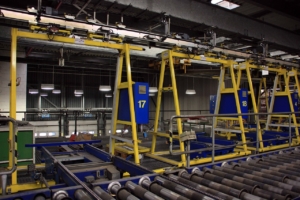
Regulatory Bodies and Major Players in Vehicle Assembly Plant in Nigeria
In order to establish and run a vehicle assembly company in Nigeria, one must understand the legal frameworks and those who can be called the important players and influencers. The following are the key regulatory bodies and other participants in the control and development of the automotive market in Nigeria:
National Automotive Design and Development Council (NADDC)
NADDC is the apex regulatory body of the Nigerian automotive industry.
Its functions include executing the provisions of the National Automotive Industry Development Plan (NAIDP) aimed at increasing local vehicle production and consequently, reducing the volume of imports.
Functions:
Grants licenses for automobile assembly operations.
Supervises adherence to local content policies and local content standards.
Helps in advocating for funding towards research, technologies and capacity building.
Provides assistance in obtaining government benefits, including duty and tax exemptions.
Standards Organisation of Nigeria (SON)
Role:
Regulatory body that undertakes regulatory initiatives such as enforcement of safety and quality standards for vehicles, their parts and components.
This institution offers certification services for conformity with Nigerian Industrial Standards (NIS) and other international standards.
Functions:
Undertakes inspections and also quality audits of motor vehicles and motor vehicle parts.
Assists manufacturers in their efforts to meet set compliance regulations.
Works on the problems of low-grade or counterfeit items present within the automotive market.
Federal Ministry of Industry, Trade, and Investment (FMITI)
Responsible for formulating policies that encourage industrial development, trade, and investment in Nigeria.
Functions:
Works together with NADDC to formulate and supervise motor vehicle policy.
Fosters cooperation between foreign investors and indigenous manufacturers.
Markets Nigeria as an automotive manufacturing hub.
Nigerian Investment Promotion Commission (NIPC)
Markets Nigeria for potential investments and support investment interested persons.
Functions:
Provides information on the regulatory framework as well as the opportunities and the incentives available in the automotive market.
Helps secure pioneer status which provides exemption from taxes on qualified projects.
Acts as a bridge between the investors and the relevant government agencies.
Federal Ministry of Environment (FME)
Regulates compliance with environmental requirements in the conduct of industrial operations.
Functions:
Reviews and adopts EIA for new assembly plants.
Supervises compliance with waste management and control and pollution control Laws.
Advocates for sustainable means of producing automobiles.
Nigerian Customs Service (NCS)
Handles all imports of auto parts and components, machinery, and all other imports.
Functions:
Handles the import duty concessions and exemption for importation of vehicles for assembly purposes.
Enforces compliance with customs law and tariff interpretation.
Ensures proper clearing of imported CKD and SKD sets.
State and Local Government Authorities
Issue licenses, authorizations and provide local assistance to the plant’s operation.
Functions:
The process of issuing land use, building and structures, and utility permits.
Managing the local levies and taxes related to the business.
Assist enterprises in improving the community through partnerships.
Industrial Training Fund (ITF)
Assists in the identification and development of next-generation automotive skills and workforce.
Functions:
Provides training programs for the technical and operational staff to improve their skills.
Urges employers to meet training obligations set forth in the ITF Act.
Funds and also provides motivation for skilled development programs.
Private Sector Stakeholders
Key Industry Players
Innoson Vehicle Manufacturing (IVM): The foremost indigenous manufacturer of vehicles in Nigeria.
Stallion Group, Coscharis Motors, Dangote Group: Key assembler and distributories.
Financial Institutions:
Banks and investment companies, which render working capital and project financing.
Suppliers and Vendors:
Local providers of parts such as tires, batteries, and glass.
International Partners and Technical Collaborators
Accumulate an expert base, deploy the required equipment and provide proprietary assembly technology.
Examples:
Foreign auto-producers and assemblers (for instance, Toyota, Hyundai) who have links with local companies for SKD or CKD operations.
Agencies that provide export credits and development aid providing investment as well as technical assistance.
Consumer Protection Agencies
Role:
Protect consumer and market interests and make sure that the customers are satisfied with the quality and safety of the vehicles.
Key Agency:
Federal Competition and Consumer Protection Commission (FCCPC): This agency deals with the complaints and differences regarding the quality of the vehicle and the quality of the service.”
Those working with these regulatory institutions and stakeholders do not render their work in vain or disobedient but rather compliance, logistics, requirements for the incentives. Their joint effort is directed to making Nigeria the center of the automotive industry in Africa.
Do you need more on engagement with these bodies or specific papers to outline concerning this sort of work?
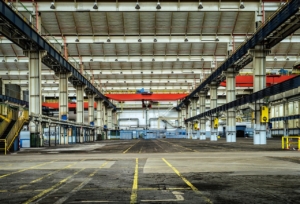
Business Plan for Vehicle Assembly Plant in Nigeria
To start a vehicle assembly plant in Nigeria, it is crucial to believe in the importance of a great business plan. It helps in planning the activities for the business, anticipating any risks, and assuring the investors and other constituents on the viability of the project. The following section is elaborated in order to serve as a range of resources for constructing an all-round business plan:
Executive Summary Purpose: Define the objectives of the Executive Summary, and provide a background of the business plan. Contents:
The vision and the mission of the assembly plant.
Description of the planned activities and the market.
Basic estimates of the investment and expected income.
Major goals, such as market share and production volume objectives.
Market Analysis Purpose: Define and analyze the structure and behavior of the automotive industry in Nigeria, the analysis is crucial for appropriate decision making.
Contents: The analysis of the industry: Describe the trends, possible growth rates, and abilities of the local government such as NAIDP. Who will use the product/service: Define market segments such as owners of private cars, fleets, and government agencies. Who are your competitors: Look at the domestic assembly plants and vehicle importers’ brands to use opportunities and threats. Buyer behavior: Investigate what they like, their spending power, and what they are likely to buy e. g. cars, sedans, sports utility vehicles, and buses. Export Opportunities: Look at countries in the West African region where trade treaties can be made to sell cars.
Business Plan
Objective: Explain how the assembly plant business and trade will function.
Details Commenced
Revenue generating sources: Sales of the assembled cars, after sale services, spare parts and car modifications.
Operational structure: What parts of CKD or SKD assembly are to be done by outsourcing or by the company itself involving technology partners.
Value proposition: What other features do customers get apart from having to buy the unit, low cost, quality, or use of eco-friendly technology.
Supply chain approach: How the components will be sourced, plans for sourcing those components at local areas and the logistics among others.
Financial strategy
Objective: Share with flow of revenue progress made on the project in the form of forecast.
Details Started
Equity Contribution: That part of the required amount that will be used as down payment to the equity provider for the sourcing of land, industries and setting cost.
Capital Required: This includes all planned investments required for the project, including market penetration rates that are expected during the first five to ten years.
Cost Forecast:
Absolute cost: Includes fixed infrastructure, fixed machinery, and fixed employee costs.
Profit Indicators: Calculated breakeven point, return on investment and gross return on the project.
Consideration: Can include aid money for costs incurred such as changes in currency rates or many other costs incurred in the supply chain.
Business Strategy
Objective: Explain the operational and technical aspects of all assembly processes.
Contents:
Building Assembly Strategy: Basic implants, volumetric building technology, ckd/smd.
Building Strategy Portfolio: level of output and volume of output required for growth purposes.
The Organizational strategy: Robotics, building software and machineries.
Facility Design: The Plant Layout, Assembly Lines and Quality Control units.
Operational Timeline: Major steps such as the setting up of operation, testing phase and mass production.
Regulatory Compliance Strategy.
Aim To ensure that the company operates within the dictates of the legal system and the regulations of the industry.
Contents:
Licensing and Permits: Process for securing assembly plant licence with the NADDC.
Standards: The assembly processes will be SON compliant and security standard certified.
Regulatory Compliance: Plans that will ensure compliance with local regulations in terms of waste disposal and environmental controls.
Tax compliance: Understanding task duty waivers, tax holidays and other interventions.
Human Resource Plan.
Purpose Guide an organization through outlining its workforce expectations and how it intends to attract talent.
Staffing Needs: Type and number of employees needed ranging from engineering, technicians and managerial staff.
Training Programs: Collaboration from ITF and other associations for national skill upgrade.
Compensation Packages: Guaranteed compensation packages that are sufficient enough to lure the best talents to the company.
Workplace Safety: Guarantees the ability to operate within the law and enhance employee conditions.
Marketing and Sales Strategy.
Objective: This section spells how the vehicles will be sold and marketed to the interested customers.
Pricing Strategy: Economic pricing in relationship to the expenses of goods produced and the structure of the market in general.
Distribution Channels: Through internet marketing, direct sales, and dealer sales.
Promotional Strategy: Ad campaigns, fairs, and selling to the government, corporations and other businesses.
Customer Service: Providing customers with after-sales support, warranties, and access to spare parts ‘subtly’ combines denying the irreparability of selling goods to the former Soviet Union.
Risk Assessment and Mitigation
Final Control: Characterize two or more likely scenarios that may pose some potential threat to the project and present a solution for each one of them.
Market Risks: What happens if the economy stops growing, if there are numerous rival companies in the same industry and if the customers change their patterns of buying?
Operational Risks: What happens if there are international delays hampering the supply chain, bad infrastructure and failure in quality control of production?
Regulatory Risks: The tax regime of the government changes or policy changes are made.
Financial Risks: Developing market economies suffer sharply from currency devaluation, interest raises, and rate decreases delay fund disbursement.
Sustainability and Social Responsibility
Final Control: The materials submitted by the plant for this part should reflect the sustainable practices and community building of that plant.
Waste Free Solutions: Increase in the usage of renewable technologies, green materials for construction and so on.
Corporate Social Responsibility (CSR): The locals provide service to foreign nationals through their businesses, create job opportunities, develop charitable projects, and promote educational research.
Long-term Commitment to Nigeria’s Economic Development: Enhance the amount of warehousing in Nigeria to facilitate economic diversification and technology improvement.
Implementation Plan
Final Control: This section is intended to outline expectations in terms of timelines and steps that are going to be taken in order to start up the business operations.
An elaborate time schedule for the project from the time it is thought of until the time it is put into production.
The time schedule for each stage on how resources will be used.
Plans for measuring outcomes along with the progress reports.
List of Bonafide Assemblers in Nigeria
|
S/N |
COMPANY NAME |
OFFICE ADDRESS |
PRODUCT/ BRAND |
FACTORY ADDRESS |
|
1 |
Innoson Vehicle Manufacturing Co. Ltd. | Plot W/L Ind.Layout Emene, P.O Box 1570,Enugu,Enugu State. | Pick ups, buses, SUVs, refuse disposal trucks, ambulance etc/IVM | No2,Innoson Industrial Estate,Akwa-Uru,Nnewi,Anambar |
|
2 |
ANAMMCO |
Plot 18,Airport Road,Industrial Layout,Emene,Enugu. | Trucks and buses/Mercedez, Yutong buses | Emene Industrial Layout,P.M.B 2523,Enugu |
|
3 |
Iron Products Industries Ltd. (IPI) | 78, Onilewura street, off Segun Iretin Street, Ikotun, Lagos. | Truck and tanker bodies,
buses./ Tata (negotiation) |
8,Lisabi Street,Apapa,Lagos,Lagos. |
| 4 | Leyland Busan Motors Ltd. | plot 13/18 Raji Alabi Layout wofun
olodo Iwo Road Ibadan. |
Truck and buses/ FAW | Km 8,Layland Industrial Estate. |
|
5 |
National Trucks Manufacturers |
plot 225,Moshood Abiola Way. | Pick-ups, trucks, buses, SUVs, agricultural tractors etc./ Sino trucks | Km 11, Zaria Road,Na,ibawa,Kano. |
|
6 |
PAN Nig.Ltd |
Plot 1144,Mal,Kulbi Road,Kakuri Industrial Estate P.M.B 2266,Kaduna. | Cars and buses/Peuguot. | Plot 1144,Mal,kilbi Road,kakuri Industria Estate P.M.B 2266,Kaduna. |
| 7 |
Proforce Ltd. |
54,Balarabe Musa Crescent,off
Samuel Manuwa Road Victoria Island,Lagos |
Armoured vans and buses/ Proforce | Ode-Remo,Ogun State. |
|
8 |
Scoa Nigeria Plc. |
157,Apapa/Oshodi Expressway,Isolo,P.O.Box 2318,Lagos. | Trucks and buses/MAN | 157,Apapa/oshodi,Expressway,Isolo,Oshodi. |
| 9 | Steyr Nigeria Ltd | 5 Alh.Akinwunmi St,Mushin,Lagos. | Trucks,buses,motorcycle
s,tractors/steyr |
Industrial Estate,P.M.B 0135,Bauchi. |
|
10 |
Stallion Nissan Motors Nigeria Ltd | Plot 1, Block A, Gbagada Industrial Estate,Lagos | Cars,SUVs,mini- buses,pick-ups/Nissan | Plot 1,Block A, Gbagada Industrial Estate,Lagos |
|
11 |
Stallion Motors Ltd | 270A, Ajose Adeogun Street,Victoria Island,Lagos. | Trucks,buses/Ashok Leyland. | 270A, Ajose Adeogun Street,Victoria Island,Lagos |
|
12 |
Lafbart Innovations & Consulting Ltd. | 2,lafbart Automobile Road,Behind
NNPC Mega Station/Automart,Ilesha-owo |
3-Wheel motor vehicles, ambulance and trucks./ Lafbart | 2,lafbart Automobile Road,Behind NNPC Mega Station/Auto,Ilesha- owo |
|
13 |
Transit Support Services Ltd. | Plot C79 Oba Kayode Akinyemi Way, Amuwo Odofin Lagos. | Trucks/Shacman | Plot 6 Emene Industrial Layout,By Destiny Bus Stop After ANAMMCO Limited Emene,Enugu |
|
14 |
zahav Automotive Co.Nig. Ltd | 41B Akin Adesola St,Victoria Island,Lagos. | Cars,trucks and buses | 14/16 Segun Irefin Street,Ikotun-Egbe,Lagos. |
|
15 |
VON Automobile Nigeria Ltd | Km 16,Badagry Expressway,Volkswagen Bus Stop,ojo,P.M.B 12663,Lagos | Buses and trucks, armoured cars, SUVs/ Asok Leyland, Proforce | Km 16,Badagry Expressway,VoIkswagen Bus Stop,Ojo,P.M.B 12663,Lagos |
|
16 |
Dana Motors Ltd. |
54,Marina Street,Behind Afribank Headquater,Lagos Island,Lagos,Nigeria | Cars,SUV,Mini buses/Renault,KIA. | Dana House,116 Apapa Oshodi Expressway,Isolo Lagos. |
|
17 |
Nigeria Sino Trucks Limited | 78,Onilewura street,off segun Iretin street,Ikotun,Lagos. | Sino Trucks | 14/16,Adelabu street,surulere,Lagos,Nigeria. |
| 18 | Hyundai Motors Nig. Ltd. | Plot 1114,Adeola odeku street,Lagos | Cars,trucks and
buses/Hyundai |
31 Mobolaji Johnson Ave,Oregun,/Lagos. |
|
19 |
Perfection Motors Co. Limited |
No.3 Ladipo Oluwole Avenue,Ikeja Industrial Estate,Lagos. | FAW Trucks | No.3 Ladipo Oluwole Avenue,Ikeja Industrial Estate,Lagos. |
|
20 |
Richbon Nigeria Limited |
Plot 242, Oshodi-Apapa
Expressway Odolowu Bus stop, Lagos |
Sinotrucks and Xiamen King long buses | 1-11 Milestone Avenue,Industrial Layout,Lagos |
|
21 |
Eastern Vehicle Assembling Limited |
Km 13 Ninth Mile Egede-Nsukka Exp.Way City of White Horse,Egede Udi,Enugu State | BIGST SUV, Pick-up (Nigerian Brands) | Km 13 Ninth Mile Egede-Nsukka Expressway,City of White Horse,Egede Udi,Enugu State. |
|
22 |
Nigeria-China Manufacturing Company Ltd |
18b, Olu Holloway Road Ikoyi, Lagos | Hentong Buses, SUV, and Passenger cars/ | 18b,Olu Holloway Road Ikoyi Lagos. |
|
23 |
Transguinea Ltd./ Leventis Motors (A division of A.G. Leventis Nig. Plc |
2,Wharf Road,Apapa,Lagos | Trucks,buses/Foton,Eich el | Off Oyo Rd,Moniya,P.O.Box 17056,Dugbe,Ibadan |
|
24 |
Honda Automobile Western Africa Limited |
Plot 9,Amuwo odofin,Apapa-Oshodi Expressway,Mile 2,Lagos. | Honda Accord passenger cars & SUVs | 1 Adeola Odeku Street,Victoria Island,Lagos |
|
25 |
Tilad Nigeria Ltd. | Oyo,15,Sanya ojofeitimi street. | Mini-buses/ Shinnery | Osun Free Trade Zone,Ede Road,Oshogbo |
|
26 |
R. T. Briscoe Nigeria Limited |
18,Fatai Atere Way,Matori Oshodi,Lagos. | BYD Buses and Trucks | 18,Fatai Atere Way,Matori Oshodi,Lagos Nigeria. |
|
27 |
Aston Motors |
Plot 4, Block E, Amuwo Odofin Industrial Layout Lagos Badagry Expressway, Suru-Alaba, Orile
Lagos |
Trucks/Aston | Plot 4, Block E, Amuwo Odofin Industrial Layout Lagos. |
|
28 |
Globe Motors Nigeria Limited |
Plot 637, Akin Adesola Street P.O.Box 74113, Victoria Island Lagos. | Mini bus, Pick-up, SUV and Passengers cars/ Higer | Plot 637 Akin Adesola Street P.O.Box 74113,Victoria Island Lagos,Lagos |
|
29 |
Toyota Nigeria Limited |
TPAO 992,Ojulari Road,Lekki Peninsula Sheme P.M.B 80130 Victoria Island,Lagos. | Light Commercial Vehicles (LCU)/ Toyota | TPAO 992,Ojulari Road,Lekki Peninsula Sheme P.M.B 80130 Victoria Island,Lagos |
|
30 |
Coscharis Motors Ltd. |
Km 32, Lekki Epe Expressway,VI Lagos | Cars, Commercial vehicles and Pick-ups/
MG, |
Km 32, Lekki Epe Expressway,VI Lagos |
|
31 |
Coscharis Motors Assembly Ltd. |
Km 32, Lekki Epe Expressway,Awoyaya, Lagos | Cars,SUV,s and Pick- up/Ford brands | Km 32, Lekki Epe Expressway,Awoyaya,Lagos State. |
|
32 |
Basco Nigeria Limited |
9,Ikorudu Road, Maryland,Lagos,Lagos. | JAC Trucks | End of Lagos/Ibadan Expressway,Opposite Ojoo Market,Ibadan Oyo State |
|
33 |
Lanreshittu Motors Nigeria Ltd | 15,Alhaji Tokan Street,Alaka
Estate,Western Avenue, Surulere,Lagos. |
JAC Trucks | Plot C88 Oshodi-Apapa Expressway,Amuwo Odofin,Lagos. |
|
34 |
CFAO Motors Nigeria Ltd |
Plot 1309a, Karimu Kotun Street,Victoria Island,Lagos. | Mitsubishi and Fuso Trucks and Buses | No 4a,Ijora Causeway,P.O.Box 2344 Ijora Lagos. |
|
35 |
Kewairams Chawrai Nig Ltd |
Plot 6,Block -H, Abimbola way Isolo,Lagos. | Chery Passengers cars and SUV’S Foton Mini- buses, Pick-ups and Foton Medium and
Heavy Duty Trucks and |
Plot 122-132, Afprint Premises,Oshodi-Apapa Expressway Isolo Lagos. |
|
36 |
Koncept Autocentre Nig Ltd |
Plot 122-132, Afprint Premises, Oshodi-Apapa Expressway Isolo Lagos | Isuzu Trucks | |
|
37 |
Dana Car and Services Ltd |
Dana House, 116 Apapa Oshodi Expressway, Isolo Lagos. | Cars,SUV,Mini buses/Renault,KIA. | Plot 11,Block,Ilupeju Industrial Estate,Lagos |
| 38 | CIG Motors Ltd | 24 Ozumba Mbadiwe Ave,Eti-Osa,
Lagos. |
Cars and SUV’s /GAC | Km 15,Ikorudu Road Ojota Lagos |
|
39 |
De-Damak Nigeria Limited |
Plot A, Olubadan Estate, off new Ife Road Ibadan | Light Trucks, Haice & Mini-Buses and Pick-up
/T-Kings & BAW |
Plot 7,Block K,Apapa Oshodi Expressway,Isolo,oshodi,Lagos. |
|
40 |
Masters Energy Industries Ltd |
21 Remi Fanni Kayode Street, G.R.A.Ikeja Lagos Nigeria. | Buses,SUV,s Cars,Trucks(JMET)and Three-Wheel and Motorcycles(Henan
Jialing) |
Onuaku Uturu,Isuikwuato LGA, Abia State. |
|
41 |
Peace Mass Transit Limited |
233,Aba Road, Rumuola,Portharcourt,Rivers | Passenger Hiace Bus
/Kinglong Ugama Hiace Mini Van |
No 2 Destiny Layout,Emene Industries Layout,Enugu |
|
42 |
Beiben Nigeria Limited |
Old 14/New 16 Adelabu Street,Surulere,Lagos | Medium and High Capacity Trucks/Beiben
Trucks |
Km,8 Iwo Road,Ibadan Oyo State |
|
43 |
MCV-Motorways Limited |
1 Motorways Avenue,Oregun,Alausa,Ikeja,Lagos | Buses,Trucks and
Airport Shuttle/MCV,s Commercial Vehicles. |
1,Motorways Avenue,Oregun,Alausa,Ikeja,Lagos |
|
44 |
Elizade Nig. Ltd | 322A, Ikorodu Road, P.M.B 21393
Ikeja Lagos |
JAC Trucks, Cars &
SUVs |
7 Segun Irefin Street Ikotun Egbe Lagos |
|
45 |
Dangote Sinotruck West Africa Limited | Plot 3, Oba Akran Avenue, Ikeja, Lagos | Sinotruck | |
|
46 |
Boulos Enterprises Limited |
Plot 10, Block D, Acme Road,Lagos. | Suzuki | 10 Acme Street,Ogba Industrial Estate Scheme,Ikeja Lagos |
|
47 |
Asia-Africa International FZE | 3/4,Lekki free trade zone,Lagos | Genlyon and Kingkan
Heavy, light trucks and buses |
Lekki Coastal Road,Ibeju-Lekki Local Government Area,Lagos |
|
48 |
Jiuxing Intergrity Industries Limited |
Ahala Ukwu Village, Umuahala Community, Obuzor Autonomous, Ukwu West LGA, Abia State | JXC Light/ Heavy Trucks | |
|
49 |
Sinotruk International Nigeria FZE | Lekki Coastal Road, Tiye Town Akodo, Lekki Lagos | Sinotruck(light truck) |
|
50 |
Caledonian Motors Limited |
Plot 2, Block H, J&K Ilupeju
Industrial Estate Beside NCIE Oshodi Lagos |
Sinotruck, Zotye and Hawtai | |
|
51 |
Tata Africa Service (Nig.) Limited | Plot C 89, Amuwo-Odofin Industrial
Layout Along Apapa-oshodi Expressway |
Tata cars, buses, heavy and light trucks | 78,Onilewura Street,off Segun Iretin Street,Ikotun,Lagos |
|
52 |
Kojo Motors Limited |
Nbobi-Ekwulobi Road,Igbo
Ukwu,Anambara. |
Yutong Buses | Nbobi-Ekwulobi Road,Igbo Ukwu,Anambara State |
|
53 |
Wise Industrial Development Company Ltd | Plot 7A, Kudenda Industrial Layout, Kaduna | Hijoy Tricycle Trucks | |
|
54 |
Metropolitan Motors Limited |
No.1-3, Akilo Road,off Oba Akran
Avenue,Ikeja Lagos. |
Bajaj Tricycles and Four
wheeler Qute |
|
|
55 |
Chisco Transport Nigeria Limited | 104, Funsho Williams Avenue,Iponi Surulere | MCV Buses | 104,Funsho Williams Avenue,Iponi Surulere. |
|
56 |
Jet Systems Automobiles Industries Limited |
Oguntayo Estate, Iputu Ibeju – Lekki Lagos | JET Eurise Buses | |
|
57 |
Padson Industries Ltd. |
£,Murtala muhammed Way, P. O. Box 585, Iloron, Kwara State. | Kama, JMC & Jincheng Trucks, Mini-Buses, Tricycles & Motorcycles. | |
|
58 |
NJZc Construction Nigeria Ltd. | New Mokon City, Behind Panco
Filling Station, Lagos-Ibadan Express Way |
Trucks |

Compliance with Legal and Regulatory Requirements for a Vehicle Assembly Plant in Nigeria
In order to set up a vehicle assembly plant in Nigeria, there is a need for strict observation of specific lawful and regulatory procedures. These requirements help the operations to be in line with the framework of the country’s industrial, environmental, and quality policies. The subsequent section provides a step-by-step manual regarding all the compliance requirements.
Registration of the Business and Obtaining a Relevant Business License
Corporate Affairs Commission (CAC):
Register the assembly plant as a corporate body, i.e. as a limited liability company.
Get a Certificate of Incorporation and obtain the Tax Identification Number (TIN).
National Automotive Design and Development Council (NADDC):
Get an assembly plants operations’ license from the NADDC, which is the body regulating administering Nigeria’s automotive industry.
Such documents must be submitted as the feasibility report, technical partnership papers, and development plans.
Local Government Permits:
Get land use and building permits from the state government or local authority where the construction would take place.
Environmental Assessment
Environmental Impact Assessment (EIA):
Conduct an EIA with the Federal Ministry of Environment in order to assess the impact that the plant will have on the environment.
Get documents containing an EIA certificate that shows that the company worked in accordance to the applicable environmental laws.
Waste Management:
Have a plan for managing industrial waste and develop a strategy to ensure in all business structures compliance with environmental protection regulations.
Emission control requirements involve installing equipment adapted to standards required by the appropriate governmental regulatory agencies in an effort to protect the atmosphere.
To fulfill the standards adopted at the SADC level, the following mission was identified: Assist SON in implementing the NIS.
Implement all relevant quality control mechanisms to meet the requirements of national and international standards as they apply in the automotive industry.
All the vehicles so produced should be certified under safety and road worthiness regulation in order to ensure the safety of the customer.
A corporate tax in respect to registration and filing of annual tax returns should apply as a requirement through FIRS. Registering with payments on tax benefits prescribed under the National Automotive Industry Development Plan (NAIDP) such as import of assembly kits tax free.
VAT has to do the proper calculations on remitting VAT on the sale of vehicles in Nigeria. Maintain other diversifications such as state and property taxes in addition to self-obligations in line with state and local authorities.
Maintain labor contracts in regards to employment terms, wage payments or benefits as required under Nigeria’s labor laws. Assistance on ITF is made to support employee training and skill developments in carrying out the business.
Follow osha regulation for workplace safety and health to provide secure working environment for employees.
Import and export licensing
Commencement and development of Southern block efforts with a prime focus on emerging economy’s core offerings. Trade relationships initiated with governments of Tanzania, Burgaya, South Africa and Eastern and Horn Africa countries. NCS is contacting foreign manufacturers to establish Business partnerships.
Nigerian Customs Service (NCS):
These kits should thus be importing customs approved Consolidated or assembly or kit manufacturers and suppliers.
SKD Advantage should search modular suspension.
Regional Trade Compliance:
It is necessary ECOWAS to develop documentation and procedures for vehicle inter-country transfers.
BSA Report: Expanded BSA Project to the countries in the region
Intellectual Property and Technology Compliance
Trademarks and Patents:
File Trade Marks, Logos, Patents on the unique assembly patents or technologies designed in Nigeria with Trademarks, Patents and Designs Registry of Nigeria.
Technology Transfer Agreements:
They should consider the platform that best meets their requirements developed by a multinational team.
Reporting and Auditing
Annual Reports to NADDC:
Reports shall include with a descriptive role in the supply chain such as production volumes or share of assets owned risk transferred for compliance purposes, local content targets achieved and so forth.
Part 2: The Corporate Governance section.
All franchise contracts in NADDC allowances of taxable income incurred should definitely not be accounted,
Government Incentives and Automotive Policies
National Automotive Industry Development Plan (NAIDP):
Possibly the reasons for not being included in impact evaluation by the implementing bodies.
Pasco, materials, components & assembly operations made domestics spending and products.
Measures to combat Corruption and Establish Ethical Standards
Code of Conduct Bureau (CCB):
Abide not only law but motivate all employees to keep cultural business ethics in practice.
Transparency Practices:
Avoid bribery and foster communication that will enhance relations with regulatory agencies and other stakeholders.
How compliance works: it helps in ensuring that there is order in the operations, that there is faith that has been built and it enables the plant/ in this case the facility to be eligible to access state incentives.
It is important to note that defining the compliance function or engaging external lawyers for this purpose is an advantage in keeping in pace with current trends.
Periodic verification through audits and compliance with contemporary best practices enhances productivity and image of the firm in that industry.

Government Incentives and Benefits for Auto Assembly Plants in Nigeria
The Nigerian government is actively encouraging the development of the automotive industry through various incentives and support mechanisms. These initiatives are aimed at attracting investment, boosting local manufacturing and creating a competitive and sustainable vehicle assembly ecosystem. Below is a detailed summary of the incentives and benefits available for setting up an auto assembly plant in Nigeria:
Government Vehicle Assembly Plant Incentives
Tax Incentives Pioneer Status Incentives (PSI): Granted by the Nigerian Investment Promotion Commission (NIPC), it provides tax exemption for five years for new or expanding assembly plants. Exemptions and reductions from import duties: Zero or reduced import duties on kits, machinery and equipment used for the local assembly of completely knocked down (CKD) vehicles.
Semi-knocked kits (SKDs) are also eligible for reduced import duties under the National Automobile Industry Development Plan (NAIDP).
Corporate Tax Credit: Reduction in corporate tax rates for companies actively involved in local vehicle assembly and component manufacturing.
Local Content Policy Incentives
Encourage Local Procurement: Priority access to grants or low-interest loans to companies that meet local content requirements using components made in Nigeria.
Access to Raw Materials: Support to secure local raw materials, such as steel and plastics, through partnerships with government and local suppliers.
Infrastructure Support
Automotive Clusters: Development of dedicated automotive fleets and industrial clusters with shared infrastructure such as electricity, water and transport. Examples include clusters in Lagos, Anambra and Kaduna states.
Free Trade Zones:
Assembly plants set up in free trade zones the import and export of goods duty-free, as well as tax exemptions on profits from intra-zone operations.
Financial assistance and access to loans
Development Bank Loans: Access to low interest loans through the Bank of Industry (BPI) for financing machinery, plant establishment and working capital.
Government subsidies:
Periodic subsidies given to stimulate investment in specific areas, such as electric vehicles or sustainable production technologies.
Export Promotion Incentives
Export Expansion Successes (EEG): Financial incentives for companies exporting locally assembled vehicles, encouraging participation in regional and global markets.
ECOWAS Trade Benefits: Duty-free and quota-free access to ECOWAS markets under the regional free trade agreement.
Training and Human Capital Development
Industrial Training Fund (ITF): Partnerships with ITF to train local personnel and build technical expertise for the automotive sector.
Technical Assistance Programs: Government-backed initiatives to collaborate with global automotive leaders on skills transfer and knowledge exchange programs.
Benefits of Setting Up a Vehicle Assembly Plant in Nigeria
Access to a Growing Market Nigeria, with over 200 million people, offers a massive and growing market for vehicles, especially commercial vehicles, trucks and passenger cars. Increasing middle-class incomes and Urbanization creates demand for affordable, locally produced vehicles.
Reduced costs through domestic production
Reduced production costs through lower import tariffs for CKD and SKD kits and access to local labor and raw materials.
Elimination of high import costs associated with completely built units (FBU).3. Job Creation and Economic Development
Local auto assembly plants create thousands of direct and indirect jobs, driving economic growth.
Opportunities for the development of ancillary industries, such as component manufacturing, logistics, and distribution.
Government Sponsorship
Preferential procurement policies encourage government agencies and ministries to purchase locally assembled vehicles.
Special contracts for the assembly of vehicles for government use, including military and emergency services.
Contribution to industrialization
Vehicle assembly plants serve as a foundation for broader industrialization, strengthening Nigeria’s manufacturing capacity.
Opportunities to integrate the latest technologies, such as electric vehicle manufacturing, into the Nigerian automotive ecosystem.
Improving regional and international trade opportunities Participation in the African Continental Free Trade Area (AfCFTA) opens access to a wider African market.
Building export capabilities strengthens Nigeria’s position in the global automotive industry.
Environmental and technological advancements
Opportunities to become a leader in green automotive solutions, including the production of electric and hybrid vehicles.
Encourages the adoption of environmentally friendly practices and technologies in production.
The Nigerian government is providing significant support to enable the growth of the automotive sector. By utilizing these incentives and benefits, companies can reduce operating costs, gain a competitive advantage, and contribute to the development of a strong local automotive industry.
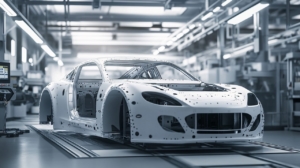
Conclusion
The establishment of a car assembly plant in Nigeria is a strategic investment that will not only touch one of Africa’s largest consumer markets, but also contribute to the growth industrial and the creation of jobs in the country. With strong government incentives, growing demand for locally assembled vehicles and growing opportunities in regional trade, the automotive industry offers tremendous potential for sustainable growth and profitability.
The respect of Regulatory requirements, careful planning and taking advantage of available government benefits are essential for a successful business in this industry. By aligning your business objectives with the Nigeria National Automotive Industry Development Plan (NAIDP), you can position your assembly plant as a leader in the national and regional markets.
Take the first step today. Are you ready to realize your vision of an auto assembly plant in Nigeria? Let us guide you through each of them steps in the process, from developing a comprehensive business plan to navigating regulatory approvals and accessing government incentives.
Call to Action
Take the first step towards success in the Nigerian Automotive Industry. Seize the opportunity to establish a vehicle assembly plant in one of the fastest growing markets in Africa. With our expertise, we can guide you through:
Developing a winning business plan
Obtaining regulatory approvals
Accessing government incentives and benefits
Let’s build your vision together.
Contact us today to get started:
📞 Contact us today: (+234) 802 320 0801, (+234) 807 576 5799
📧 Email: enquiry@mocaccountants.com
🌐 Visit Us: 5, Ishola Bello Close, Iyalla Off Street, Alausa, Ikeja, Lagos, Nigeria
Enquiry Contact Form






There are no comments