Office Address: 5, Ishola Bello Close, Off Iyalla Street, Alausa, Ikeja, Lagos, Nigeria.
Introduction
When it comes to the industrial sector of the Nigerian economy, the textile industry will surely remain a linchpin for it has long served as the industrial fabric of the country, providing significant contributions to economic growth, employment, and trade. Initiated long before colonial rule, the industry’s evolution took the fabric-making process on a personal scale into mass production of textiles for domestic and export markets.
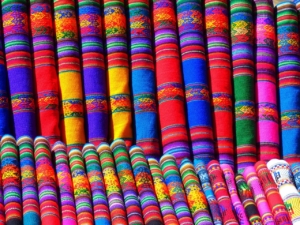
Nigeria is a composite market when it comes to textiles: textiles for garment production, for houses, and of course industrial textiles. Rich cultural heritage adds to this diversity, for there are fabrics such as Ankara, Aso Oke, and Adire that are well-known and are popularized in both local and international markets.
Yet with all the structural deficits, competition with imported products, and so on, the future of the Nigerian textile industry holds great promise. Local manufacturing picked up through government encouragement, increased demand for locally produced fabrics, and a strong youth-driven demand for emerging fashion trends. It is indeed ripe for entering the sector.
The guide aims to provide would-be entrepreneurs with streamlined knowledge and techniques for establishing and flourishing in a textile manufacturing business in Nigeria.
Textile manufacturing is not only an economic activity; it is even more vital as an engine for industrial transformation in Nigeria. It contributes to GDP growth and job generation while reducing dependency on imports. In the larger perspective, the textile sector is key to the overall economic strengthening of a country like Nigeria. It provides local entrepreneurs with opportunities to tap into local and international markets.
Objectives of This Guide
We want to arm entrepreneurs with actionable insight that will be resourceful for them in either making or breaking their textile manufacturing endeavor in Nigeria. This guide will:
– Provide an overall knowledge of the textile industry terrain in Nigeria.
– List down the primary path preparations for launching a successful textile business.
– Identify challenges and suggest practical solutions for navigating these complex systems.
Let’s start to explore this journey of unlocking the vast potential of Nigeria’s textile industry together!
Market Research and Analysis
Market research and analysis are the swathes that present a foundation on which to build this business strategy when starting a textile manufacturing business in Nigeria. Learning the dynamics of the Nigerian textile market would thus assist the entrepreneur in indecision-making, opportunity identification, and proper positioning for success.
Overview of the Nigerian Textile Market
The Nigerian textile industry is among the greatest in Africa. It boasts population growth, an enlarging middle class, and demand for locally produced fabrics and clothes. An array of traditional as well as modern fashion comprises the types of fabrics the market has for home and export. This largely confines to market opportunity windows; whereby the companies would also have challenges such as import and supply fluctuation for raw materials in the country.
Demand Supply Analysis
Textiles have a huge demand in Nigeria owing to cultural ties, industrial use, and upsurge in interest in fashion. Consequently, local supply often lags behind demand, as production output is limited and raw materials are imported. Therefore, there are good business opportunities to fill this gap.
Market Segmentation and Targeting
A well-segmentation process, indeed, is very vital in starting a successful textile manufacturing industry in Nigeria. The different markets can be divided into the following categories:
Traditional fabrics: Intended to address cultural and ceremonial use.
Industrial textiles: Use will be by agriculture, construction, and healthcare sectors.
Apparel and fashion: Designers, boutiques, and mass-market consumption are targeted.
Home textiles: Consisting of bedding, curtains, and upholstery materials.
It also ensures that the targeting of the right segment based on one’s capacity and resources gives a more effective approach towards capturing the market.
Competitive Analysis
Importantly, there is so much competition in the Nigerian textile industry from small-scale artisans to large-scale manufacturers. Also, more strong imported textiles for sale defeat local manufacturers through pricing.
Make a difference by focusing on:
– Quality and innovation: Offer unique designs or superior materials.
– Pricing strategies: Balance affordability and profitability.
– Customer relationship: Building trust and loyalty through excellent services.
– Brand differentiation: Using cultural heritage or sustainable practices as a point of difference for your business.
Doing a good deal of research and analysis will make it possible for you to have a strategy that positions your business so that it can thrive in the dynamic Nigerian textile market. Matthew Ogagavworia & Co. will be there to help you in every direction!
Competition in the Nigerian Textile Industry
It is a great country competition among textile industries within as well as outside Nigeria holds a very important place in setting out the best competition quite near to that. One must realize the competitive environment, which is a prerequisite for launching any textile manufacturing into Nigeria as it enables the creation of more context that nears his or her business.
Local Competition
Established Manufacturers: Literally, these include well-recognized textile mills that have operated for decades. They leverage large-scale production along with massive distribution networks.
Small to Medium Enterprises (SMEs): Local SMEs, including artisans and smaller manufacturers, cater to the niche such as homemade fabrics (like traditional ones: Ankara; Aso Oke) and bespoke designs. Their strengths really lie in their flexibility and deep interest in local tastes.
Informal Sector: Tailors and small-scale producers usually constitute an informal sector wherein they serve local markets, in most cases, providing tailor-made services.
International Competition
Imported Textiles: Cheap imports from countries like China are a huge headache for any local manufacturer. These products tend to flood the market with low-cost alternatives, leaving the manufacturers unable to compete on price.
Foreign Brands: Premium international brands target high-income earners, thereby providing a different perspective of competition in high-end luxury textiles.
Barriers to Competition
– Cost of Production: The costs of high power supply and of procuring raw materials usually do not allow local manufacturers to sell prices matching that of imported goods.
– Brand Loyalty: Known all over for their long-stalled production, foreign brands are harder for new companies to get even a pinch of recognition from consumers.
– Counterfeit Products: Counterfeiting in fabric is one of the other hurdles facing authentic manufacturers.
Strategies to Overcome Competition
Quality induction: Introduce superior durable and innovative products that are much more quality and design superior.
Culturalization Influence: Industrial production of fabrics from Nigeria’s cultural heritage that can be enjoyed locally and exported outside the perimeter of Nigeria.
Sustainability: Practice eco-friendly, environment-friendly materials that are trending with consumers and businesses.
Target Niche Markets: Markets underserved such as industrial textiles or the private sector.
Local Collaborations: Hook in with designers, tailors, and retailers to spread your wings.
Competitive Prices: Maintain the prices competitive with optimized supply chains and production processes without losing quality.
Competitors in the textile industry in Nigeria
Understanding your competitors is crucial in starting a textile manufacturing business in Nigeria, as it will determine how one would secure his place in the market. With different types of key actors, each is unique with strengths and weaknesses. Here are the main categories of the most important competitors:
Established Textile Manufacturers
These are the immediate competitors from the range of small and medium-scale industries. These companies are large-scale companies and therefore very experienced in the market, very highly productive, and have good distribution networks.
Examples include:
– United Nigerian Textiles Plc (UNTL): Known for producing strong, durable fabrics, both for local use and for export.
– Angel Spinning and Dyeing Ltd.: Engaged in textiles and yarn production with emphasis on innovation.
– Nichemtex Ltd.: A subsidiary of the Nigerian conglomerate, producing high-demand polyester materials.
Competitive Edge:
– Well-established in the minds of customers.
– Strong supply chains.
– Large production capacity.
Small and Medium Enterprises
Small and Medium-sized Enterprises (SMEs) play a major part in the niche market, such as traditional textiles, custom designs, and unique patterns.
These types of businesses include:
Artisans and weavers of Ankara, Aso Oke, and Adire fabrics.
Boutique manufacturers of made-to-order textiles for fashion designers.
Competitive Edge:
– Flexibility in responding to local trends and customer demands.
– Personalization and unique designs.
Imported Textile Suppliers
Imported textiles, mostly from countries such as China, India, and Turkey, have filled the Nigerian market with affordable textile products to meet the needs of price-sensitive consumer bases.
Major Import Sources:
– China: Low-cost bulk textiles, such as polyester and cotton blends.
– India: Silk and embroidery fabrics of high quality.
– Turkey: Current designs for fashion and home textiles.
Competitive Advantage:
– Economic pricing due to economies of scale.
– Varied product lines.
Counterfeit and Grey Market Participants
They are the ones who manage to import counterfeited brands at huger percentages unexplored by popular textile brands at unmeasured low prices. These price pressures are also instigated by the fact that the remaining brands dilute their value.
The Challenges Presented by Counterfeits:
– Consumer confidence erosion.
– Interaction between price and quality is difficult, and there is no scope for abating price; hence, the entire competition is between brands.
Foreign Luxury Brands
They are the ones who are trying to cater to the high-end end of the Nigerian market by extending their nets to even the wealthy consumers who love it exclusive and premium in quality.
Examples include:
– Fabrics for bespoke tailoring from global luxury fabric brands such as Gucci and Versace.
Competitive Edge:
– Exclusivity and luxury appeal.
– Superior quality and superior craftsmanship.
Ways to Compete Effectively
Compete successfully here by:
Differentiation in the Brand; add specific points of difference: cultural authenticity and sustainability.
Cost Optimization: Making production efficiencies to be able to have competitive pricing without compromising on productivity.
Partnerships: Work with local designers, tailors, and retailers to maximize their reach in the market.
Quality Assurance: Reputation is built on producing durable quality products made specifically for consumer needs.
Education Marketing: Promote locally made textiles to make the consumers cherish them over imports as they know about their potential.
Matthew Ogagavworia and Co. can help you analyze competitors and develop nimble strategies in positioning your textile manufacturing business for succeeding in the Nigerian market.
Business Plan and Feasibility Idea
The process of establishing a textile manufacturing business in Nigeria requires a well-structured business plan and a feasibility study. The documents outline the roadmap for the operations, point out possible challenges, and determine if the proposed business model takes the industry competition in the textile industry into account. However, we will guide you through all these stages.
Development of a Business Plan and Feasibility Study
The business plan states your goal, strategies, and operational framework while the feasibility study investigates the viability and sustainability of your idea in the Nigerian market. Other components include:
– Executive Summary: A glimpse into your business concept and potential.
– Market Analysis: What does the Nigerian textile market look like today? Demand trends, which consumers to target, competitors.
– Operational Plan: Your production processes, factory space, and human resources needs.
– Financial Plan: Estimates of revenue, costs, and profit margins.
– SWOT Analysis-including strengths and weaknesses, opportunities, and threats, for a realistic approach.
Defining the Business Model and Revenue Streams
Your business model will determine how you will create, deliver, and capture value. You may consider the following revenue streams, particularly in the textile business:
– Direct Sales: Selling fabrics or garments directly to customers or wholesalers.
-Custom Orders: Making tailored fabrics or garments for designers and businesses.
– Export Opportunities: Targeting international markets for its unique textiles made in Nigeria.
A clear understanding of the revenue streams keeps your business profitable and able to respond to market changes.
Analysis of Technical and Financial Feasibility of the Project
More importantly, it is imperative to assess the technical and financial feasibility of your business for it to survive.
– Viability in its Technical Aspect:
– Assess whether or not you will be able to produce raw materials like cotton, polyester, or nylon.
– The appropriateness of equipment and technology should be assessed concerning the production goals.
– Make sure that you comply with the standards and regulations of the industry.
– Viability in Financial Terms:
– An assessment of capital costs required to set up the plants, buy equipment, and run operations.
– Calculate operational costs such as salaries, utilities, and raw materials.
– Projections of revenues and profitability.
Identification of Potential Risks and Mitigation Strategies
Every business has risks; identifying them as early as possible will allow one to prepare mitigation strategies. These are some of the common risks in the Nigerian textile industry:
Raw Material Shortages :
Mitigation: Creating a reliable supplier relationship and inventory buffer.
Power Supply Problems :
Mitigation: Investing in alternative sources of power such as solar or generator sets.
Market Competition:
Mitigation: The emphasis would now be laid on the crafting of effective marketing strategies and quality in niche markets.
Economic Instability:
Mitigation: Diversification of sources of income and close monitoring of financial management.
Regulatory Changes :
Mitigation: Indispensably, one should also stay abreast of regulations governing the industry and remain compliant with them.
we specialize in helping you craft comprehensive business plans and feasibility studies tailored to the Nigerian textile market, ensuring your venture is set up for success. Let’s transform your vision into a thriving reality!
Licenses and Permits
Licensing and permits are prerequisites for starting a textile manufacturing business in Nigeria. These requirements ensure that your business activities comply with the legal and industrial standards, giving legitimacy to your business while guarding against possible actions by law. we make the process easy and help you gain approvals for a confident start to your textile business.
An Overview of Licensing and Permitting Requirements for Textile Manufacturing in Nigeria
No business may operate until it complies with the regulatory standards as set up by the relevant government agencies. These are the requirements:
Business Registration: Registering your business with the Corporate Affairs Commission (CAC). It provides you with a certificate of incorporation and ensures the legality of your business.
Tax Identification: Obtain a Tax Identification Number (TIN) with registration to the Federal Inland Revenue Service (FIRS) for adherence to tax law.
Industry-Specific Permits: Permits from agencies like NESREA and SON are required based on your production method.
Tips on the Most Required Licenses and Permits for Business
The possibility of fines, shutdowns of production, or lawsuits looms large in one’s business when operations lack relevant licenses and permits. Most benefits that can be derived from compliance are:
Legal Protection: Curse your business regarding all penalties accruing from outside regulatory authorities.
Market Authenticity: Prove to the clients, suppliers, and investors how acceptance-industry standards apply within your windows.
Seamless Workings: The unreliability faced by unnecessary stoppages due to local regulations.
Opportunities Afloat: A legally established access may be required to enter the international market.
Assessment of Varied Categories of Licenses and Permits Needed
– Environmental Permits:
– The likes of NESREA regulate environmental impact. You must get the permits you require to use waste, emissions, and water sustainably.
– Quality Certification:
– The attainment of this is from the Standards Organisation of Nigeria (SON) to ensure your products meet quality benchmarks which is important for having market entry in both local and international markets.
– Operational Permits:
– Local governmental permits are required regarding your factory’s location and operations. These include zoning regulations, building permits, and fire safety clearances.
– Import Export Licenses (as applicable):
– If indeed you will be importing raw materials and will also export finished products then, you need the following licensing by relevant agencies like the Nigerian Customs Service.
Special Permits If your production involves some particular chemicals or dyes, you will need special permits from NAFDAC or other relevant authorities.
Documents and Licensing Process for Establishing a Textile Hala Business in Nigeria
The processes of acquiring licenses to operate a textile manufacturing factory in Nigeria include thorough planning and adherence to regulatory requirements. We take pride in our ability to assist organizations through this complex process and ensure compliance for a smooth start.
Identification documents of business owner (passport, driver’s license, national identity card)
Memorandum and Articles of Association
Process:
Name availability search online;
Complete and pay for the fees of the CAC registration form;
Submit documents online and/or at a CAC office.
Result:
Your Certificate of Incorporation and CAC registration number will be available.
Step 2: Obtain a Tax Identification Number (TIN)
Agency Involved: Federal Inland Revenue Service (FIRS)
Document Requirement:
– CAC Certificate of Incorporation
– Identification documents of Business Owner
– TIN application form completed.
Process:
Apply online via the FIRS portal or the nearest FIRS office.
Result:
So, you acquire TIN to meet tax compliance.
Step 3: Apply for Environmental Permits
Agency Involved: National Environmental Standards and Regulations Enforcement Agency (NESREA)
Requirements:
– Business plan with environmental impact assessment (EIA) report
– Layout of the factory and operational details
Process:
– Submit your EIA report for review.
– Attend inspection visits by NESREA officials to your proposed plant location.
Result:
– Permit for waste management, emissions, and water use.
Step 4: Every enterprise should have Product Quality Certification
Agency Involved: This is an organizational interplay mainly between the Standards Organisation of Nigeria (SON) and Nigerian industries.
Documents Needed:
– Product samples for testing
– Discussion of the detailed report on the production process.
– CAC registration documents
Process:
– Apply for a product certification.
– Carry out product samples for laboratory testing to meet the established requirement of the Nigerian Industrial Standard (NIS).
Outcome:
Among them is the Mandatory Conformity Assessment Program (MANCAP) certificate, which a company should get as a sign of the product’s high quality.
Step 5: Secure Operational Permits
Agencies Involved: Local Government Authorities & All Relevant Regulatory Organisations of the Country
Documents Needed:
Some plans are likely to be approved in the factory layout.
– Fire safety certificate
Zoning from the local council
Process:
– Apply for a building permit.
Follow the acts on fire safety and have passed through the inspection.
Outcome:
Obtain approval to have your manufacturing business up and running.
Step 6: Every business that is involved in importing or exporting requires an import/export license depending on the country’s trading regulations.
Agency Involved: Customs as an operation is being headed by Nigerian Customs Service (NCS)
Documents Needed:
Registration documents of TIN and CAC
– Application for the grant of import or export license
Process:
– Sign up as a user on the NSWTP.
Complete necessary paperwork and make corresponding payments which are usually charged at a certain fee.
Outcome:
Hear of licenses to import inputs in the production of textiles or to export textile products already manufactured.
Licensing Guide: Important Points to Consider
Be Proactive: He suggests that one should start as early as possible because operational hold-ups are a common occurrence.
Stay Organized: Sort all papers required neatly and accurately.
Engage Professionals: You should consult organizations such as Matthew Ogagavworia & Co. who can assist in the undertaking.
By hiring the services of Matthew Ogagavworia & Co you do not need to worry about licensing and documentation. We will help you to gain some approvals that can enable you to set up a good textile manufacturing firm in Nigeria.
Industry and Regulation Guidelines for starting New textile manufacturing business in Nigeria
When launching a manufacturing company for textiles in Nigeria, it is very important to learn about the rules and regulations of the manufacturing industry that govern operating businesses. This research therefore focuses on the; **Industry and Company profile of Nigeria’s textile sector: A framework on growth, quality and environmental management. You will find below a complete list of industry and regulation rules useful for newcomers in the textile manufacturing business.
Introduction, Industry Background and Key Players
The textile industry is one of the oldest and most imperative industries in Nigeria in employment and economic diversification. It encompasses:
– Key Stakeholders:
– Government Bodies: Ministry of Industry Trade and Investment, and the Nigerian Export Promotion Council NEPC.
– Regulatory Agencies: Son – Standards Organisation of Nigeria, National Environmental Standards and Regulations Enforcement Agency (NESREA).
– Trade Associations: Nigerian Textile Manufacturers Association (NTMA) and related unions as well.
– Sector Importance: Textile manufacturing helps agriculture, especially the cotton growing sector, provides employment opportunities, and increases the sector on non-oil export.
Regulatory Framework
Corporate Registration
To start with, your business should be legally allowed by registering with the Corporate Affairs Commission (CAC).
Incorporation in a company allows for legal and commercial legitimacy to be made.
Registration of a business name is crucial since one cannot be granted further licenses without a registered name.
Quality Assurance Standards
The Standard Organisation of Nigeria is responsible for quality standards to bring in products that conform to the NIS.
Manufacturers must get a Mandatory Conformity Assessment Program (MANCAP)* certificate for domestic products.
Lack of quality assurance is a serious issue hindering competitiveness in the market as well as the export-hostile environment.
Environmental Compliance
The environmental effects within the manufacturing sector are regulated by the National Environmental Standards and Regulations Enforcement Agency (NESREA).
It is obligatory to follow the guidelines on waste disposal, water, and emissions legal requirements.
In some cases, an Environmental Impact Assessment (EIA) report may be needed before beginning operations.
Tax Compliance
Manufacturers have to:
– Register with the Federal Inland Revenue Service for a Tax Identification Number (TIN).
– Incurs taxes such as company income tax, value-added tax (VAT), and other import/export duties where necessary.
Import and Export Licensing
In the case of importing raw materials or exporting finished products:
– Obtain licenses through the Nigerian Customs Service (NCS).
– Register with the Nigerian Export Promotion Council (NEPC) for export compliance.
Labor and Employment Regulations
The textile industry is labor-intensive, and compliance with labor laws is vital. Some key areas consist of:
– Fair labor Practice Labor act on fair wages, working conditions as well as other employee benefits.
– Health and safety standards and occupational safety measures for workers as well as providing requisite training.
Intellectual Property and Branding.
It is vitally important to safeguard your designs, logos, and products in today’s growing market competition.
Obtain trademarks patents or designs from the Trademarks, Patents and Designs Registry of Nigeria which falls under the Ministry of Industry Trade and Investment.
Industry-Specific Regulations
Raw Material Sourcing
For any raw material, such as cotton, some measures should be taken for suppliers’ identification and quality assurance.
Work with other producers in Nigeria’s natural resource sector so as to boost the agricultural base of the Nigerian economy and at the same time cut expenses.
Industrial Area Control and Factory Site Selection
Your textile manufacturing plant has to meet zoning regulations set by local and state authorities.
Acquire any required building permits and other operating permits from the right bodies.
Chemical and Dyes Usage
If you are in the chemical processing or dyeing industry, you should seek a permit from the
National Agency for Food and Drug Administration and Control (NAFDAC)/any other regulating agency as the case may be.
Key Compliance Benefits
Operational Legitimacy: It provides for free business operations without legal interference.
Market Credibility: Cultivates a level of confidence and trust from suppliers, customers, and investors.
Global Opportunities: Provide gates to export markets by following the international standards in production.
Sustainability: Adopts environmentally friendly business practices, in support of global environmental standards.
Plant Designing and Construction Works
Textile Plant Designing and Construction Overview
When one thinks about starting a textile manufacturing business in Nigeria, then designing and constructing the plant becomes the next crucial step. The layout, design, and structure of the plant are influenced by the operational efficiency, production capacity, and conformity with safety and environmental standards:
– Some of the Key Considerations:
– Location reach by access to raw material supply and distribution.
– Adequate infrastructural provisions for water, electricity, and waste disposal.
– Optimized workflow layout for sa mooth production process.
Analysis of the Different Types of Plant Configurations
The configuration of your textile plant depends on the type of manufacturing processes you intend to undertake.
Linear Configuration:
– This configuration lines itself to continuous production lines like dyeing and weaving.
– Also, it guarantees the traffic flow of materials without any backtracking.
Functional Layout:
– This layout is expected when plants are engaged in multiple products or those run in lesser volume.
– This comprises a grouping of departments like spinning, dyeing, and finishing for every function into a separate area.
Hybrid Layout:
– Feature of both linear and functional layouts.
– Again, it is useful in flexibilities and efficiencies regarding different production requirements.
Importance of Safety and Environmental Considerations:
-Safety Measures-
Occupational Safety set of standards, fire safety, ventilation, and protective material as with the employees involves one’s maintenance to keep any machinery hazards at bay.
Environmental Sustainability:
-Making waste recycling systems for water and raw materials.
-There should also be safe and green dyes and chemicals with the least impact on the environment.
-Compliant with environmental laws as stated by the NESREA and other authorities.
A good plant is one in the textile industry as it should also provide welfare, safety, and efficiency in cost, enabling the firm to run smoothly and grow.
Equipment and Technology
List of Machinery and Technology Needed for Textile Production
It is also important for your plant to properly equip it so as to effectively produce quality textiles within a short span of time. The machinery needed will depend on what you do, whether spinning, weaving, knitting, dyeing, or finishing among others.
– Basic Equipment for Textile Manufacturing:
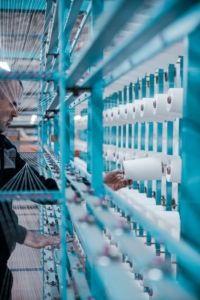
Mentions of spinning machines (for producing yarn).
Weaving and Knitting Machines (these is machines that are used to create fabrics).
Dyeing and Printing Machines (used in fabric treatment, manipulation and design).
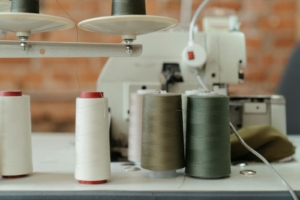
Garment industry – Cutting and Sewing Machines for garment production.
Assessment of the Various End User Equipment and Technology Systems
Conventional Equipment:
: Sometimes may be cheaper but may need more input work to be done on them.
– Bought for small businesses or particular products only.
Modern Automated Equipment:
It contains such additions as programmable control systems sensors and much more.
Implementation of this system results in increased production rate, accuracy, and minimized wastage.
Green Technology:
Related to sustainability, for instance, efficient dyeing machinery, utilizing solar energy, and the like.
– This attracts buyers who are willing to go the extra mile to protect the environment and in the long run, be beneficial to the business since it will take less to maintain them.
Why the Right Chosen Tools, Including Equipment and Technology, for the Plant, is Essential
– Efficiency: Selecting equipment with an optimum scale of production reduces time wastage and increases production.
– Quality Assurance: Sophisticated technology helps maintain efficiency and produce products of acknowledged higher quality.
– Cost-Effectiveness: Energy saving and long-lasting equipment means less expenses in the long run.
– Future-Proofing: Implementing an infrastructure that can expand and change ensures your company is ready for new growth and new opportunities.
we assist you in making the right choices and acquisitions of equipment and technology that make your textile manufacturing concern in Nigeria productive and profitable. Working together, let’s make your visions happen in our software!
Raw Materials and Supply Chain Management
Overview of Raw Materials Having Requirement in Textile Manufacturing
For establishing a successful textile manufacturing business in Nigeria, it involves sourcing the right raw materials. The quality, availability, and price of raw materials directly affect production and profit generation. Some of the key raw materials include:
– Cotton: Widely appropriate and used for producing breathable and strong fabrics.
– Polyester: A variable synthetic fiber that is an ideal material for blends and no-wrinkle fabrics.
– Nylon: Very strong and elastic; used commonly for activewear.
– Wool: These types of fabrics are most suitable for warm, insulating clothes.
– Dyes and Chemicals: Important for the processes of dying and finishing.
Different Sources of Raw Material Types and Their Analysis
Locally Sourced Materials:
– Cotton is found in places like Katsina and Zamfara in Nigeria.
– It promotes sustainability and self-reliance in terms of imports.
Imported Materials:
– Special high-quality polyesters and nylons are mostly imported.
– Well-established, global suppliers keep their official delivery schedules but may be more expensive.
Recycled Materials:
– These are growing trends in green manufacturing.
– Such recycled polyester and cotton mixtures would attract environment-conscious consumers.
Importance of Supply Chain Management and Logistics
– Efficient Procurement: The practice of working with trusted suppliers ensures a constant flow of raw materials.
– Inventory Control: Well-monitored inventory systems avoid overstocking or shortage cases.
– Logistics Optimization: Streamlining transportation networks will incur fewer delays and decrease the cost.
– Green Business Practices: Adoption of green logistics reduces environmental impacts and maintenance in line with global standards.
Analysis of Types of Raw Material and Their Sources.
Local sources:
– Source: Ranges from Katsina to Zamfara in the country.
– Promote sustainability and now self-reliance from imports.
Imported Materials:
– Most of these special-quality polyesters and nylons are imported.
– Most reliable delivery schedules offered by such global suppliers tend to be expensive.
Recycled Materials:
– Another growing trend in green manufacturing.
– Such recycled polyester and cotton blend appeal to a certain demographic of consumers.
Supply Chain Management and Logistics
– Efficient Procurement: Working with trusted suppliers results in a steady supply of raw materials.
– Inventory Control: Well-monitored inventory systems prevent over- or under-stocking.
– Logistics Optimization: Streamlining transportation networks will incur fewer delays and reduce costs.
– Green Business Practices: Adoption of green logistics reduces environmental impacts and maintenance compliance to global standards.
Operations and Maintenance
Guide to Textile Plant Operations Maintenance
Management of a textile manufacturing plant entails systematic development of production processes and a keen follow-up of the entire process to achieve corporate goals and objectives in line with safety and quality. Key operations include:
– Production Management: Overall supervision of spinning, weaving, dyeing, and finishing operations.
– Quality Control: Routine check to be done to conform with industry norms.
– Workforce Supervision: Safeguarding proficient workers in properly using machinery.
Maintenance involves:
This is a preventive mechanism carried out successively on machines and instruments to avoid abrupt failure.
Namely, it is possible to adhere to a plan that has been set by the management on how a particular machinery should be maintained for the long term in terms of time.
Classification of Activities to Provide Utilities Service of Operational and Maintenance Function
Preventive Maintenance:
Part and parcel of preventative measures that help to prevent such problems in the future.
Imprecisely, entails greasing, washing, and adjusting equipment.
Corrective Maintenance:
How do these address equipment failures that are not expected?
– Requires immediate solving to reduce the loss of the utilization of the treatment.
Predictive Maintenance:
– Some of the examples of Utilizing technology as a tool for effective functioning include using sensors to predict Machinery failures.
—Cuts operating costs and lengthens the usage of equipment.
Why It is Important That Organisations Guarantee Safety and Efficiency of Their Operations
– Safety: Adhering to the standards of occupational health that help save workers by wearing safety gear at work.
– Efficiency: Proper maintenance of equipment lowers energy demands and interruptions of production.
– Cost Savings: Maintenance before breakdowns happen results in lesser costs that are incurred in repairs and replenishment of the equipment.
Quality Control and Assurance
Aspects of Quality Control and Assurance in Textile Manufacturing
Quality in the textile industry is the lifeblood of success. Having a quality control and assurance system ready before starting any textile manufacturing business in Nigeria ensures that the quality of products submitted into the market is at par with certain expectation standards not only from the consumers but also from regulatory bodies. Quality assurance addresses the process, whereas quality control addresses the end product.
Analysis of the Various Types of Quality Control Measures
Raw Material Inspection:
– Checking cotton, polyesters, or nylon inputs along with other properties qualitatively before entering production. Configure finished products under it.
In Process Control:
– Frequent checks during weaving, dyeing, or finishing. Detect defects early to minimize waste and efforts at reproving the same.
Completed Product Tests:
– Static and durability; colorability and so forth; ascertains that the product sets the level internationally and is fit for consumer needs.
Random Sampling and Audits:
– Randomly selected items for rigorous testing to ensure that sampled items comply with the rest of the batch.
Why High-Quality Textile Products Must Be Produced
– Customer Satisfaction: It is widely accepted that high-quality textiles can help establish credibility and generate loyalty.
– Market Competitiveness: Ongoing higher quality products are fundamental to building brand equity.
– Regulatory Compliance: It is legal to remain within the confines of the allowed Nigerian and international textile standards.
– Profitability: It decreases returns, wastage, and consequently, the costs, and hence, increases profit.
Product Development-Design
Brief Discussion of Textile Product Development and Design
Product development and design are a prerequisite to establishing a textile manufacturing company in Nigeria. The aspect of innovative design as well as the functionality of the product not only lures the customers but also the brand is well differentiated in the market.
Food Textile Products Division into Several Types of Textile Products
Fabrics:
Natural or synthetic fibers that are in the simplest woven or knitted forms and used in garments, furnishing, and in industries.
Garments:
Sections available for purchase include casual wear, formal wear, and wear for sporting and other physical activities.
Home Textiles:
– Bed linen, curtain fabrics, terry products such as towels, furnishing fabrics, and interior decorative materials for upholstering.
Technical Textiles:
Specific fabrics are used in certain sectors such as medical, construction, and farming.
The Significance of Product Testing and Quality Control
– Functionality: Testing pays for assurance that products meet intended purposes such as durability, and stretch among others.
– Innovation: Quality assurance means consistency in fabrics and finishes yet allows for new types to be tested for use.
– Brand Value: Better and unique products prolong brand reputation and make customers loyal.
Marketing and Sales
Insights into strategies for marketing and selling textile products in Nigeria
When intending to manufacture textiles in Nigeria, the marketing and selling strategies become imperative in securing a stake in the market. The strategy should be well-defined to ensure visibility, ensure trust, and therefore income generation. Taking advantage of the growing population of Nigeria and urbanization could be harnessed to meet the determination for high-quality textiles.
Analyze Different Types of Marketing Channels
Wholesale distribution:
– Wholesalers will be partnered and mentioned your textiles across major markets like Lagos, Kano, and Aba.
Retail Outlets:
– Set up a branded store or sell through the retail chain.
– Direct engagement with end consumers.
E-commerce Platforms:
– Online marketplaces like Jumia or Konga can be tapped into to reach many people.
– Building her website with a very robust online shopping experience.
Export Channels:
– Export Nigerian textiles to the international market where African prints and fabrics are highly sought after.
Social Media and Digital Marketing:
– Using Instagram and TikTok to display designs.
– Partnership with influencers for visibility.
Importance of Building Relationships with Customers and Suppliers
– Customer Retention: Personalized service, loyalty programs, and quality assurance should glue customers with the company for the long haul.
– Supplier Reliability: Trustworthiness with suppliers ensures a reliable and steady flow of raw materials at sources.
– Market Intelligence: Relationships bring invaluable input on current trends and opportunities to sharpen product offerings.
Types of start-up textile manufacturing enterprises you will find in Nigeria:
Fabric Manufacturing
– The construction of different clothes or fabrics from cotton, polyester, and blends is concerned with the work of fabric production. Entrepreneurs who have their business plans can begin producing these fabrics for different uses such as apparel, upholstery, or home textiles.
Garment manufacturing
– It involves a productive process that uses fabrics to make finished clothing products such as shirts, trousers, dresses, and suits. This can involve high fashion, uniforms, casual wear, or Nigerian traditional attires, such as agbada, buba, and iro.
Home Textiles Production
– This branch of the textile industry specializes in materials produced for the household environment: bed linen, curtains, towels, cushions, and other items. The focus here is on comfort and aesthetics as far as home environment components are concerned.
Printing and dyeing of textile
This business concerns itself with applying color, patterns, and designs on fabrics through print and dyeing. This can be useful for the fashion interval, and home textiles and even can provide some of the industrial intervals needs that are custom printed.
Textile Accessories Manufacturing
The firm manufactures trims like buttons, zippers, threads, and labels that are used in the garment-making business. It plays an important role in the supply of textile and fashion business value chain.
Manufacture of knit garments
– Engaged in the production of knitted garments for apparel textiles and other uses. This can include T-shirts, socks, and sportswear.
Sustainable Textiles or Green Textile Industry
Its main line of business is the making of eco-friendly fabrics to which it uses either organic or recycled raw materials. This type of startup caters for the increasing market need for textiles that are environment friendly.
Textile Machinery Manufacturing
Encompasses the fabrication of equipment and accessories for the textile industry, which includes loom and spinning machines, weaving equipment and the like.
Leather & Textile
Wedding textile and leather to develop bag, shoes, belts, and upholstery materials, with artistic designs involving the two resources.
Traditional Textile Production
Specializes in the production of what it called Local fabrics such as Aso-Oke, Adire, and Ankara. Such a type of business attracts a local and international consumer, particularly those interested in South Pacific cultural textiles.
Financial Management and Funding
Financial Management and the Sources of Funds for Operating Textile Manufacturing Companies
Lack of proper finance management hinders the development of any business; therefore, the efficient management of the financial resources of any business is very important. Therefore, prospective textile manufacturing businesses in Nigeria should be informed about the modes of funding as well as the need to practice exercise disciplined spending to sustain their business.
An Evaluation of the Various Forms of Funding Opportunities Available
Bank Loans:
Manufacturing business has special loans from commercial banks.
– Frequency: A business plan and security deposit is normally necessary.
Government Grants and Incentives:
: Such interventions include the Centra; the Bank of Nigeria (CBN) Textile Sector Intervention Fund among others.
They may also help in alleviating grant initial investment pressure.
Private Investors:
– Growing projects or ventures may be funded by angel investors or venture capitalists.
Partnerships and Joint Ventures:
Sharing funding and resources with a local or international organization or company.
Self-Funding:
Self-financing or plowing back of profits and reserves for financing the business’s expansion.
Microfinance Institutions:
Sometimes suitable for the small-scale textile manufacturing industries.
Introduction to Financial Stability and Solvency Concept
– Cost Management: Proper steps taken towards the creation of budget and expenses cut unnecessary expenses and ultimately improve the profitability of the business.
– Risk Mitigation: Depending on the funds from different quarters reduces the risks of contracting debt.
– Growth Opportunities: Sound financial management provides preparedness to increase capacity or capital on opportunities available in the markets.
Frequently asked questions (FAQs) that are regarding startup textile manufacturing business in Nigeria.
What are the important steps in starting a textile manufacturing business in Nigeria?
To start up a textile manufacturing business in Nigeria, several steps have to be taken. This includes carrying out market research and developing a sound business plan. The process usually involves getting the required licenses and permits, plant design, raw material sourcing, operating a company, seeking marketing efforts, most importantly getting proper funding and financial sustainability, and supply chain management.
What licenses and permits are available in Nigeria for the textile manufacturer?
Generally speaking, textile manufacturers in Nigeria will apply for a variety of licenses ranging from registration of the business with the Corporate Affairs Commission (CAC) to an environmental permit from the Nation Environmental Standards and Regulation Enforcement Agency (NESREA), perhaps even a textile production permit. More would be specific licenses depending on the nature of the business.
What should I do in order to select the proper equipment and technologies for the textile manufacturing business?
When it comes to choosing equipment & technologies requirements vary with the type of product you intend to produce i.e. either fabrics, garments, or home textiles. One of the criteria that should be used includes the scalability, energy us,e and cost of maintenance of the equipment. Customers therefore have to invest time and develop strategies that involve identifying reliable suppliers within the market and looking at the longer-term picture to ensure the most suitable product in the long run has been selected within the market.
Where do I get capital or funding for my textile manufacturing business in Nigeria?
Textile manufacturing firms’ funding can however be accessed through commercial banks, government-sponsored resources like the Central Bank of Nigeria Textile Sector Intervention Fund, private investors, or microfinancing institutions. Generally, to support funding a good business plan, viable financial forecasts and a form of security are usually needed.
What are the best marketing strategies for selling textile products in Nigeria?
Channels of marketing textile products in Nigeria include; setting up of wholesalers and retailers of textile products, outlet of e-commerce, companies using social media handles such as Instagram, Facebook, Tand iktok, engaging in trade fairs, and maintaining good customer and supplier relations. Therefore one needs to position its products in a certain niche market especially concentrating on quality, branding, and acquiring loyal customers.
Best Practices for Entrepreneurs Startup Textile Manufacturing Business in Nigeria.
Conduct Market Research: Take time and research your target market, competitors and overall industry to make the right decisions.
Develop a Business Plan: Develop a business plan that outlines goals, objectives and how you want to be transformed, sources of funding you will approach.
Manage Finances Well: Monitor cash collect, reduce on expenses and setting of Hutchinson to be profitable and sustainable.
Focus on Customer Relationships: Offer friendly customer service and ensure that they consider what their customers are saying so that they will always patronize the business.
Leverage Technology: By integrating automation tools and using Enterprise Resources Planning (ERP) systems you can streamline your processes and improve efficiency.
Innovate and Differentiate: Consistently innovate and bring value-added solutions that satisfy customers across the board; these are forces that put your business on a competitive edge.
Build a Strong Network: Talk to specific target business’s counterparts, suppliers, and customers to get the opportunities that will help your business to expand.
Ensure Legal Compliance: Get informed about the appropriate legislation and licenses to minimize the risk of legislation violation as well as to gain the necessary trust from customers.
Adapt to Market Changes: Get updates and adapt, changing your business plan as the market changes.
Maintain Work-Life Balance: Encourage positive health and people management by delegating activities to keep enthusiastic to avert guide fatigue.
Textile products
refer to diverse products manufactured with fabrics and fibers with emphasis on their application in clothing, interior designs, and several manufacturing industries. Here are some common textile products:
Fabrics
Cotton, linen, silk, wool, and synthetic fiber are the fundamental constituents of fabric used in apparel, furnishing and other textile utilizes.
Garments
Worn clothing utensils: shirts, trousers, skirts, dresses, jackets, and the like that can be made on either woven or knitted fabrics.
Home Textiles
Clothing and accessories such as bed lines, curtains, towels, cushions, and carpets of different fabric types for home use.
Industrial Textiles
Filter fabrics, automotive textiles, and medical textiles
– Products that have focused specific usage in engineering and healthcare applications.
Technical Textiles
– Civil engineering construction products such as – Geotextiles, protective clothing & textile composites used in other sectors including construction, agriculture, and military.
Most of these products are made through weaving, knitting, and non-woven technologies which are specific uses in our daily lives and industries.
Role of Financial Advisor/Consultants
About the employment of Financial Advisors / Consultants in businesses – particularly in upcoming businesses such as textile manufacturing concerns, their importance to the financial health and sustainable growth of any business cannot be overemphasized.
Here are the key responsibilities:
Budget and PRODUCT Committees
-Create short and long-term financial plans, prepare and control the financial budget as well as set financial objectives.
– inform about the ways of cash flow management for business to go smoothly.
Investment Advice
– Help an enterprise make good decisions in their investment that includes buying tools, expanding operations, or/and acquiring other forms of investments.
– Help in the evaluation of risk and return for possible investments.
Funding and Capital Structuring
-Support the funding process and help companies find a loan, grants or investors, and identify the best type of funding.
The following are the main recommendations; Giving advice on appropriate capital structure The evaluation and balancing of debt and equity financing.
Cost Control and Profit Maximisation
The ability to consult on ways to cut costs and to explain how one can do business in a way that will allow for the most amount of profit to be made.
Use it to recognize and get rid of wastes in costs of production and overheads.
Tax Management
– Advise the clients on how to reduce their tax implications and meet federal and state tax requirements.
– Assist organizations to exploit the current taxation relief and exemptions.
Risk Management
– Evaluate financial risks such as market risk and assist in developing the means to manage such a risk.
– Recommend the kind of insurance that business organizations should take to protect their assets.
Public Accounting
– Prepare sound financial statements such as balance sheets, income statements, and statements of cash flow.
Financial data analysis to produce relevant information and relevant recommendations.
Exit Strategy/Succession Planning
Assist the business owners in the strategies for the business exits, which may be through sales of the enterprise, merger, or succession.
Through the performance of these roles, the financial advisors/consultants assist the business organizations to achieve the right financial decisions, growth, and premium sustainability.
Final Thoughts and Recommendations
It is advisable to start a textile manufacturing business in Nigeria because the market both in Nigeria and the international market is expanding. However, the competition has increased in this industry, meaning that there is a need to plan, market as well as perform various actions that help the organization to adapt to change constantly.
Key Recommendations:
Invest in Research and Development: Improve customer needs with new inventions to develop diverse and superior textile products. In summary, remain relevant to the market by focusing on the development of new products and being environmentally conscious with production.
Focus on Operational Efficiency: It increases your chances that your plant will run efficiently in terms of the management of resources, human labor, and equipment. Outsourcing of operations is set to enhance efficiency and effectiveness helping to cut costs.
Leverage Technology: Embrace the right manufacturing and design technology that would make production faster, minimize wastage, and produce high-quality products.
Build Strong Relationships: Business-friendly relationships with suppliers, customers, and distributors should be developed. Working with other players in the industry as well as becoming members of particular associations is important in business expansion.
Comply with Regulations: About the legal factors, make sure that the business receives all necessary licenses and complies with all necessary environmental regulations.
Secure Funding and Financial Planning: Managing your finances correctly as well as sourcing and getting the right finances will aid in balancing and sustaining the cash flow for growth. Seek financial experts when making decisions about capital investment and how to minimize risks.
It is crucial to understand that to start a textile manufacturing business, a person takes risks and tries to predict the future of his business. When done correctly, it can be a fruitful endeavor that would afford Nigeria added returns that also help the local and global communities.
Conclusion
The process of starting a textile manufacturing business in Nigeria which is experiencing growing demand for local and imported textiles opens up interesting opportunities. If tackled with adequate research, strategic development, and efficient operations, entrepreneurs can unlock this lively industry.
Market research, proper licenses, and optimizing the operations, proper quality of the final product, utilization of technologies can help textile manufacturers create a sustainable and profitable business model. Consequently, financial planning, risk management, and compliance with the regulatory requirements of the industry are also important determinants of long-term success.
In conclusion, it can be said that the process of starting a textile manufacturing business in Nigeria may be burdensome, but the opportunities are huge. Applying these business principles entrepreneurs are capable of achieving competitive quality, innovation, and sound financial management to develop firms that can effectively filter themselves in a competitive world economy hence boosting the economy of Nigeria.
Call to Action
Ready to start your textile manufacturing business in Nigeria? Get expert guidance, resources, and actionable steps to turn your vision into reality. Contact us today to begin your journey to success.
















There are no comments