Office Address: 5, Ishola Bello Close, Off Iyalla Street, Alausa, Ikeja, Lagos, Nigeria.
Introduction
The pharmaceutical industry in Nigeria is an extremely flourishing and potentially growing sector, driven by a population that now counts millions and continues to grow. For prospective entrepreneurs intending to start a pharmaceutical manufacturing business in Nigeria, the dynamics of the industry are significant. This industry represents a crucial source for essential medicines while developing the economy.
Pharmaceutical manufacture becomes necessary, reducing import dependency, increasing access to cheap medicines, and empowering healthcare infrastructural development in Nigeria. Starting a pharmaceutical manufacturing business in Nigeria puts local entrepreneurs in a position to assist with the health needs of the population while creating employment opportunities and self-reliance in national medicine production.
This is the guide that will direct you step by step on how to start a pharmaceutical manufacturing business in Nigeria. It deals with substantial subjects such as market research, legal requirements, plant establishment, and quality assurance to prepare you to navigate the complex world of this industry and come out successful at the end.
Market Research and Analysis
Before going for the investment in the pharmaceutical manufacturing business in Nigeria, one must know the market arena of Nigeria in terms of pharmaceuticals. Nigeria is the largest economy in Africa, and the pharmaceutical sector is a fast-growing industry with significant potential. Increasing health awareness and a rising demand for medications in the market are bright spots for investors and entrepreneurs.
Demand and Supply Analysis
Starting with an analysis of demand and supply, a proper strategy for starting a pharmaceutical manufacturing business in Nigeria would include. Such as demand for pharmaceutical products is high due to the increasing population and pugging diseases. But supply fails to cope with this advantage and creates a great opportunity for new entrants to avail themselves of the benefits by producing good quality, affordable medicines locally.
Market Segmentation and Targeting
Starting a pharmaceutical manufacturing business in Nigeria requires identifying and targeting specific sections of the market: over-the-counter drugs, prescription drugs, generics, and special drugs. For instance, a business focusing on underserved or high-demand segments is likely to find a good space in the market and benefit from the segment’s demand.
Competitive Analysis
The next thing is to know your competition before starting a pharmaceutical manufacturing business in Nigeria. Research thoroughly about the companies and try to bring out their strengths and weaknesses against them while at the same time filling a gap in the services they provide. You have to develop and use these unique selling points created by your business that make a difference in the market.
Competition: Market Size and Growth
The market in Nigeria for pharmaceuticals is billions of dollars worth, and it is only expected to keep growing over the years. Increased government health spending, a growing middle class, and awareness about proper medical care have triggered this growth. For an entrepreneur opening a pharmaceutical manufacturing company in Nigeria, such trends should be used given ongoing strategy developments in the organization and the possibilities the market is likely to provide.
Market Overview: Market Segments and Target Market
For anybody intending to start a pharmaceutical manufacturing establishment in Nigeria, it is very important to define the target market. This could be generic drugs targeting low societies or specialty drugs focusing on certain conditions. Whichever way, selling relevant products to target audiences guarantees profitability.
Name of Competitors in the pharmaceutical manufacturing industry
The Nigerian drug manufacturing industry is very rich, and there are many of the key players contributing to the healthcare sector, such as:
– Emzor Pharmaceutical Industries Ltd: One of the largest indigenous producers of about 140 pharmaceutical products, including painkillers, vitamins, and antibiotics.
– Fidson Healthcare Plc: Founded in 1995, Fidson produces drugs such as painkillers, anti-allergies, and blood pressure medications among others.
– May & Baker Nigeria Plc: The company is into the manufacturing of malaria treatments, hypertension management, diabetes, and other health conditions, which significantly contribute to Nigerian pharmacology.
– Swiss Pharma Nigeria Ltd (Swipha): It is dedicated to producing several pharmaceutical products under the Bayer brand and also for itself.
– Ranbaxy Nigeria Ltd: Engaged in the manufacture and marketing of pharmaceutical products in Nigeria over four decades now, with facilities located in Magboro, Ogun State; it’s also a subsidiary of Sun Pharmaceuticals.
– Neimeth International Pharmaceuticals Plc: Engaged in the manufacture and marketing of a wide range of pharmaceutical products in addition to animal health products.
– Evans Medical Plc: A very important company producing a variety of pharmaceutical products, and their manufacturing practices have been certified by the WHO.
– Chi Pharmaceuticals Ltd: This company is another WHO-certified company, famous for its good-quality products and international standards.
– Afrab Chem Ltd: Engages in the manufacturing of several pharmaceutical products available for local consumers.
– Agary Pharmaceutical Ltd: Involves itself in the importation and distribution of pharmaceutical products and has a central role in the Nigerian market.
Business Plan and Feasibility Study
Laying the foundation for a successful pharmaceutical manufacturing business in Nigeria usually revolves around developing a comprehensive business plan and feasibility study. This is typically an outline for the business objectives to be attained, including market strategy, operations, and financial projections. A feasibility study is conducted to ascertain the viability of the idea with respect to issues such as market demand, compliance to legality, and production capabilities.
Definition of the Business Model and Revenue Streams
Establishing a well-defined business model becomes vital whilst starting a pharmaceutical manufacturing business in Nigeria. Determine how your value will be created-an example, generic drugs or branded pharmaceuticals. Indicate potential revenue streams such as direct sales to hospitals and pharmacies, distributors through private business arrangements, or government tenders. Such diversification secures normal income patterns while reducing risk exposure.
Assessment of the Technical and Financial Viability of the Project
It becomes necessary from here to evaluate the technical and financial feasibility of commencing a pharmaceutical manufacturing business in Nigeria. This involves assessing the various capital investment requirements in terms of plant installation, equipment purchase, skilled labor recruitment, and consideration for set rules and regulations. The technical assessment should be on production capacity, scalability, and good manufacturing practices (GMP).
Identifying Possible Risks and Mitigation Measures
Every business venture comes with a risk, and certainly, establishing a pharmaceutical manufacturing business in Nigeria is not free from this risk. Identify challenges that can arise, for example, fluctuation in raw material prices, regulatory delays, and disruption in the supply chain, among others. Next, create mitigation measures, such as identifying multiple suppliers, investing in compliance training, and providing financial buffers. A proactive approach will give birth to the resilience and longevity of your business.
There, you have successfully established an interesting foundation for the pharmaceutical manufacturing business in Nigeria. Any other section where you need assistance or more particulars on creating a business plan?
Pharmaceutical Products Output
Tangible and intangible outputs of the pharmaceutical manufacturing process are defined as outputs of the pharmaceutical manufacturing process. These outputs serve health and business needs. Below are some major outputs:
1.Finished Pharmaceutical Products (FPPs)
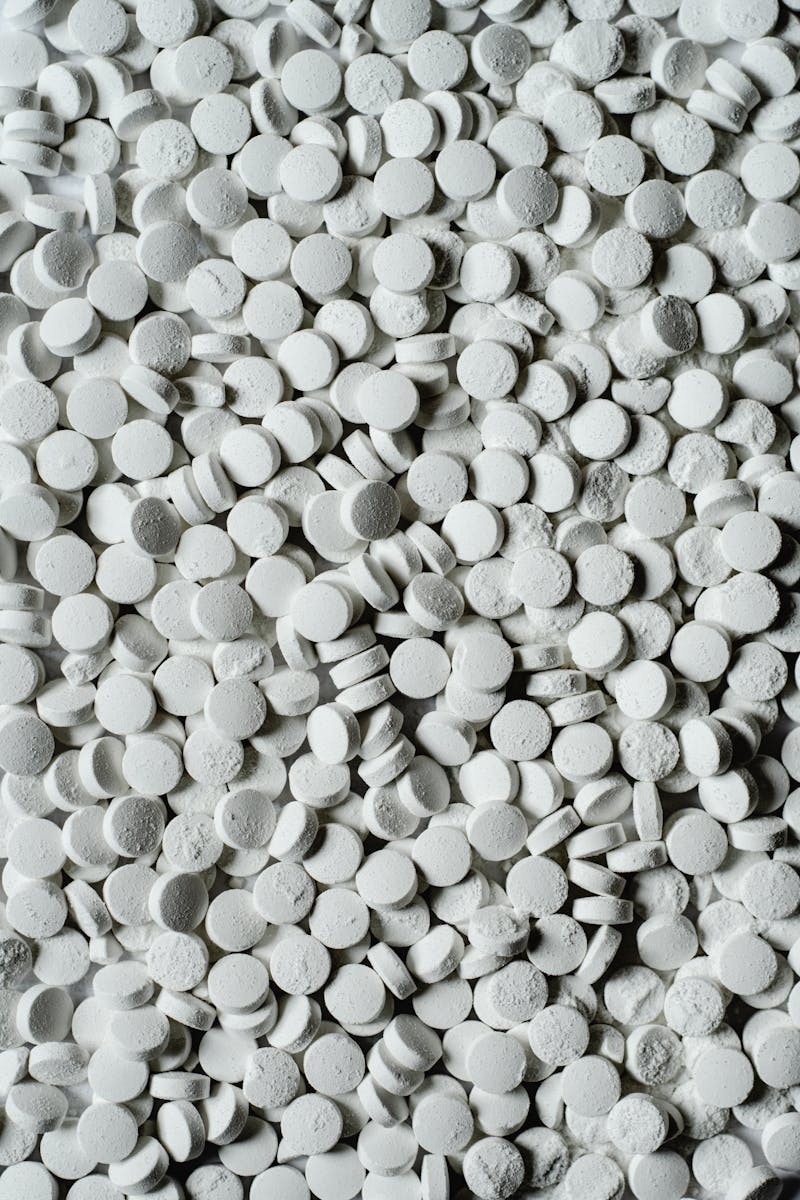
-Tables: Most produced kinds to have oral administration used for the usage of giving drugs such as paracetamol, antibiotics, and antimalarials.
-Capsules: Hard or soft gelatin capsules filled with active ingredients. Mostly used for vitamins and some antibiotics.
-Syrups: Suitable for a liquid formulation for children and elderly patients, such as cough syrups and multivitamin supplementation.
-Injections: The sterile liquid formulation is used by intravenous, intramuscular, or subcutaneous way for; such examples include vaccines and insulin.
-Creams and Ointments: Used for topical applications either dermatological or pain relief.
-Powders: For oral suspension or topical application, such as antifungals.
Specialized Pharmaceutical Products
– Biopharmaceuticals: Such as Vaccines, monoclonal antibodies, and biosimilars.
– Modified-Release Medications: The drugs are developed to enjoy the benefits of sustained or timed release, which in turn promotes compliance of therapy.
– Pediatric Formulations: Liquids, such as flavored syrups, or chewable tablets, for children.
– Nutritional Supplements: Vitamins and minerals fortified nutrition products wellness and preventive care.
Packaging Outputs
– Primary Packaging: Blister packs, containers, ampoules, sachets and their ilk– materials which are in immediate contact with the products.
– Secondary Packaging: Such as cartons, labels and inserts contain product information and branding for products.
– Tertiary Packaging: Their packaging is bulky and not intended for sale, such as corrugated boxes.
The quality documentations include:
– Certificates of Analysis (CoA): Documents stating product compliance with quality standards.
– Batch Records: Records that demonstrate batch details with traceability.
– Regulatory Compliance Reports: Documents prepared for submission to regulatory authorities like NAFDAC.
Intangible Outputs.
Brand Reputation: High-quality pharmaceutical products contribute to the company’s reputation and reliability.
Market Share: Successful product launches add to market penetration.
Healthcare Impact: Health improvements that can benefit consumers as part of community well-being.
Economic and Social Outputs
Job Creation: Employment opportunities in manufacturing, quality control, logistics, and sales.
Local Economic Growth: Reduced reliance on imported medicines, at the same time boosting local economies.
Export Potential: Pharmaceutical products can cross borders to find regional and international markets. Examples of outputs in particular categories:
Licensing and Permits for Pharmaceutical Manufacturing in Nigeria
Introduction to Licensing and Permitting Requirements
Before starting a pharmaceutical manufacturing business in Nigeria, obtaining the licenses and permits from regulatory agencies is a requirement. Such documents ensure compliance with legal, safety, and quality standards. The major agencies that participate in licensing are:
– National Agency for Food and Drug Administration and Control (NAFDAC): Drug registration and approval of a manufacturing site, and product quality compliance.
– Pharmacists Council of Nigeria (PCN): Regulation of practice of pharmacy and establishment of pharmaceutical premises.
– Federal Ministry of Health (FMoH):Formulation of policy guidelines and regulatory oversight.
– Standards Organisation of Nigeria (SON):Compliance with product standards.
Importance of Obtaining Necessary Licenses and Permits
– Legal Compliance: Penalties that may include shutting a business down will be incurred by operating without the necessary licenses.
– Consumer Trust: The licensure assures customers of regulatory applicability and safety standards of sold products.
– Market Access: Regulatory approvals usually come as a precondition to market entry and distribution of products.
– Quality Assurance: The licensed plant can also undergo regular inspections, ensuring adherence to the Good Manufacturing Practices (GMP).
– Export Opportunities: Proof of regulatory compliance is requirement for importation in most international countries.
Types of Licenses and Permits Required
Manufacturing License
Given by NAFDAC after assessing the compound’s production plant.
It is responsible for maintaining that the facility works in compliance with GMP and other regulatory qualities checks.
Product Registration Certificate.
Required for each pharmaceutical product manufactured.
Ensures compliance with NAFDAC guidelines for product safety and efficacy.
Premises Registration
Granted by the PCN to establishing the manufacturing plant of the automobile company.
Confirms that the premises accesses some of the necessary requirements for the operations of a pharmaceutical.
Certificate of Pharmaceutical Product
NAFDAC approved for use in the international market.
Ensures that the product meets local requirement standard.
Environmental clearance or Environmental Impact Assessment (EIA) Permit
Such maps are approved by the Federal Ministry of Environment.
Responsible for environmental compliance in the facility as far as safety and pollution control is concerned.
Fire Safety Certificate
Secured from a respondent from the Fire Service Department.
Elaborates that fire precautionary steps taken within the establishment or the structure are effective.
Business Registration
Issued by the Corporate Affairs Commission (CAC).
Legalizes the business entity and its operations.
Health and Safety Permits
– Acquired from the state or federal department of health, depending on your state.
Promotes safety standards at workplace and embraces labor relations.
The following license and permit show that the pharmaceutical manufacturing businesses in Nigeria can promptly gain the necessary licenses without compromising how they operate and be trusted by the consumers.
Documentation and Licensing Process for Pharmaceutical Manufacturing in Nigeria
Step 1: Business Registration
To establish a legal entity for the business.
Authority: Corporate Affairs Commission (CAC).
– Required documents:
Reservation of name for business and approval.
Memorandum and Articles of Association (MEMART).
Identification documents of directors/shareholders.
CAC registration forms (CAC 1.1, CAC 2.1, etc.).
– Outcome: Certificate of Incorporation.
Step 2: Premises Inspection and Approval
Objective: Make sure the manufacturing site meets the required standards.
Authority: Pharmacists Council of Nigeria (PCN) and NAFDAC.
Process:
Submission of site master file and layout plan.
Inspection by PCN/NAFDAC officials to assess compliance with Good Manufacturing Practices (GMP).
– Outcome: Premises registration approval.
Step 3: Secure Manufacturing License
– Objective: Take permission to produce various types of necessary drugs.
– Authority Involved: NAFDAC.
– Required Documentation:
Premises registration certificate.
GMP compliance report.
Closely associated with the format of drawings is specific information to describe the manufacturing process including parts manufacturing process drawings as well as detailed and precise description of manufacturing equipment requirements.
– Process: Digitally complete the application form online through the NAFDAC’s website and make the required charges.
– Outcome: Manufacturing license for client after a pass review and inspection.
Step 5: Product Registration
– Objective: Document every pharmaceutical product with the quality and safety certification.
– Authority Involved:NAFDAC.
– Required Documentation:
Each product comes with a Certificate of Analysis.
Information of the origin and constituent of the raw material used.
Product labels, and packaging.
Evidence of GMP compliance.
– Process: Provide sample of the products to the laboratory for testing and assessments.
– Outcome: Product registration certificate.
Step 6: Licences for Environment and Safety
– Objective: Report and meet or ensure compliance with environmental and safety regulation.
– Authorities Involved:
The Federal Ministry of Environment (EIA).
Fire Safety Organisation (Fire Safety Certificate).
National, regional and state health departments and Safety Committees.
– Required Documentation:
The Environmental Impact Assessment (EIA) report.
Fire safety compliance report.
Work place health and safety policy.
– Outcome: Licenses and permits procedures.
Step 7: Apply for certificate of Pharmaceutical Product
– Objective: Facilitate export of pharmaceutical products.
– Authority Involved: NAFDAC.
– Process:
The product registration information should be submitted.
Application should be done through the NAFDAC web page.
– Outcome: Certificate of Pharmaceutical Product (CPP).
Step 8: Annual Renewals and Compliance Audits
– Objective: Keep licenses and permits valid.
– Authorities Involved: Likewise all the regulating agencies which includes NAFDAC , PCN and the rest.
– Process: Provide new documents and pass regular check-ups.
– Outcome: Maintaining the subsisting authority to run the business.
By following this step by step approach the businesses meet Nigeria regulatory rules and regulations, thus providing legal avenues for the businesses to undertake their pharmaceutical manufacturing functions.
NAFDAC Registration Process and Procedures
The National Agency for Food and Drug Administration and Control (NAFDAC) is the regulatory authority for the safety, quality, and efficacy of medicines and drugs consumed in the country. To register your pharmaceutical products, you have to follow the comprehensive step:
Pre-Registration Requirements
Do the following before making an application for registration:
– Incorporate Documents: A company registration certificate from the Corporate Affairs Commission (CAC) is in order.
– Premises Inspection: It must be a facility inspected and passed by NAFDAC for either manufacturing or storage.
– Good Manufacturing Practice (GMP): The necessary compliance for following Good Manufacturing Practice should be in place.
– Power of Attorney (for importers): If applicable, notarized documents of the product manufacturer should be there.
– Trademark Certificate: For proprietary names or logos.
Submission of Application
Formal application to NAFDAC, which includes:
– Cover Letter: Addressed to the Director of Registration and Regulatory Affairs.
– Application Form: Completed and signed.
– Supporting Documents:
– Certificate of incorporation.
– Evidence of premises inspection and approval.
– Product label and artwork.
– Comprehensive dossier including formulation, stability, and clinical data (if applicable).
Product Approval Meeting
This is a pre-registration meeting where NAFDAC goes through an application to check for completeness and specify any other requirements it may have.
Payment of Fees
Pay the appropriate NAFDAC registration fees, which differ based on product category. Keep evidence of the payment, as this will be required for stages.
Submission of Samples
Present the product samples for laboratory analysis. Ensure that the samples conform to NAFDAC packaging and labeling standards. Some major considerations are:
– Labeling: Name of Product, Ingredients, Manufacturer, Batch numbers, Expiry dates.
– Packaging: Must comply with regulatory requirements.
Analysis and Appraisal in the Laboratory
NAFDAC undertakes laboratory testing for verification of safety, efficacy, and quality of the product. Such stage may include:
– Chemical analysis.
– Microbiological evaluation.
– Stability studies.
GMP Inspection
NAFDAC will conduct plant inspections for locally manufactured products to ensure compliance with GMP. Such inspections would normally include:
– Equipment and production process assessments.
– Inspection of storage conditions.
– Documentation and record keeping verification.
Regulatory Review and Approval
The review of the application, lab results, and the GMP compliance report for approval is done by NAFDAC. If OK, a notification of approval is given.
Issuance of NAFDAC Registration Number
Once the product is approved, you will receive NAFDAC registration number. This number must be specified on each product package.
Post-Registration Compliance
Continuously meet with NAFDAC regulations:
– Renewing your registration every five years.
– Reporting any adverse effects or complaints on products.
– Adhering to product recall protocols should it be needed.
Tips for Success
– Involve regulatory consultants for better consultancy.
– Always keep communicating with NAFDAC.
– Updates on NAFDAC policy and requirement changes.
By following this process in safe and sound ways, it is very sure to register your pharmaceutical products with NAFDAC and do business within Nigeria’s very restricted pharmaceutical industry.
Equipment and Technology
Overview of the Equipment and Technology Required for Pharmaceutical Manufacturing
Pharmaceutical manufacturing requires a wide variety of specialized equipment and advanced technology for effective production. Some key equipment include:
– Mixers and Blenders: They prepare homogenous mixtures of active pharmaceutical ingredients (APIs) and excipients.
– Granulators: They are used for granulation in tablet processing.
– Tablet Press Machines: They are used for compressing powders into tablets.
– Filling and Packaging Machines: These machines are used for accurate filling of liquids or powders into containers and packaging.
– Sterilization Equipment: These devices are used for sterilizing the equipment or products.
– Reactor Systems: They are part of the chemical synthesis and active ingredient production line.
Analysis of the Different Types of Equipment and Technology Available.
– Automated Machines: offer speed and precision in operations like mixing, granulation, tablet pressing, etc.
– CIP (Clean-In-Place) Systems: these provide cleanliness with minimum risk of contamination without disassembling equipment.
– Pharmaceutical-grade HVAC Systems: these maintain air quality and temperature conditions in a manufacturing environment.
– Process Analytical Technology (PAT): advanced systems for real-time monitoring and controlling processes during production.
– Robotics: assist in delicate operations such as packaging and moves materials as well.
Importance of Selecting the Right Equipment and Technology for the Plant
– Efficiency and Productivity: Profricanises high throughput with low time out.
– Regulatory Compliance: Compliance with NAFDAC and WHO GMP type bodies.
– Cost-Effectiveness: It effectively factors in the initial expenses taken by a business against the future flow of operating expenses.
– Scalability: It provides for future expansion and future higher production requirements.
– Quality Assurance:** Helps establish a standard in order to have a quality production in all batches.
Purchase of Raw Material and Supply Chain Management
Overview of Raw Materials Required for Pharmaceutical Manufacturing
Key raw materials used in pharmaceutical manufacturing include:
– Active Pharmaceutical Ingredients (APIs): The major active that is held accountable for the pharmacologic action of the drug.
– Excipients:*Unreactive components like the unheated polymers which help in the preparation of the formulation.
– Packaging Materials: Containers such as bottles, blister packs and cartons, for storing and ultimately protecting items.
Analysis of the Different Types of Raw Materials and Their Sources
– APIs:Sometimes imported due to the specific modes of preparation. For instance, the current and regular partners are China and India.
– Natural Ingredients: Based on local or international sources, for instance plant materials.
– Excipients: From local and global chemical manufacturers.
– Specialized Chemicals: Promote procurement only from accredited and reviewed sellers.
Importance of Supply Chain Management and Logistics
– Consistent Supply: Helps create a continuity of schedules for production.
– Cost Management: Reduces the cost of purchasing and supply and transport of goods.
– Quality Assurance: High standards are met through the suppliers that are verified.
– Regulatory Compliance: Complies with traceability regulations set and imposed by bodies like the FDA .
– Risk Mitigation: Also responds well to disruptions by effectively addressing the planning of logistics and inventory.
Pharmaceutical Industry and Regulations in Nigeria
Overview of the Pharmaceutical Industry in Nigeria
The Nigerian pharmaceutical industry entails the manufacture, importation, distribution, and sale of pharmaceutical products. Importantly, this broad spectrum of activities and actors includes manufacturers, wholesalers, and retailers towards ensuring that essential medicines are available for the population.
The Nigerian regulatory agencies within the following industry:
The pharmaceutical industry in Nigeria is controlled and regulated in the interests of safety, efficacy, and quality in drugs. The regulatory agencies include:
– NAFDAC (National Agency for Food and Drug Administration and Control):
– Regulates and controls manufacture, importation, exportation, distribution, advertisement, sale, and use of pharmaceuticals;
– Issues licenses and approval on pharmaceutical products.
– PCN (Pharmacists Council of Nigeria):
Supervises the training, registration as well as licensure of pharmacists.
Responsible for the registration of pharmaceutical premises and conducts monitoring exercises on those premises.
– SON (Standards Organisation of Nigeria):
– Establishes and implements policies for the evaluation of pharmaceutical products and its substances.
– NDLEA (National Drug Law Enforcement Agency):
– Supervises the Manufacture and sale of controlled substances to ensure that they are not used for wrong reasons.
Key Regulatory Guidelines
– GMP (Good Manufacturing Practice):
This is required by NAFDAC to guarantee that products are produced and controlled to an equal level of quality as required.
– Product Registration:
This means that all forms and types of pharmaceutical products need to be with the NAFDAC before they can be produced, imported or sold.
– Facility Inspection:
Manufacturing of these products requires that the facilities used must be approved by NAFDAC these involve checking for compliance to standard in safety and hygiene.
– Pharmacovigilance:
This is important so that a health care institution would be able to track any incidents on adverse drug reactions in order to keep patients safe from these incidents.
– Controlled Substances Regulation:
Healing policy requirements for the procedures for managing, storing, and supplying of controlled drugs.
Business Significance of External Compliance
– Patient Safety: Protects medicines from being ineffective, unsafe or low quality.
– Market Credibility: Strengthens the confidence of consumers and other health care providers.
– Global Standards: Standards the Nigerian pharmaceutical industry to best practice in other countries.
– Legal Protection: Does not get fined, shut down or banned because of non-compliance.
Challenges in Regulatory Compliance
– Counterfeit Drugs: A continuous problem that erodes the credibility of the industry.
– Inadequate Infrastructure: There exist worrying situations when some manufactures fail to provide GMP compliance.
– High Costs: While dealing independently with regulations, regulatory compliance comes out costly for small-scale operators.
Pharmaceutical Products:
These are medicines and healthcare products made for diagnosis, treatment, prevention, or cure of diseases. They improve the lives of the individuals and benefit the public health. This gives an outline of different important types and how they are used by examples from the pharmaceutical manufacturing business in Nigeria.
Pharmaceutical Products in Nigeria: With emphasis on their importance
– Disease Control: Crucial to the prevention and control of communicable and chronic diseases.
– Economic Growth: It supports local manufacturers hence adding to the Gross Domestic Product – GDP.
– Healthcare Access: It improves the accessibility to cheap and quality medicines.
Challenges in Pharmaceutical Product Manufacturing
– Counterfeit Drugs: One of the main problems in the Nigerian pharmaceutical industry.
– Raw Material Sourcing: Large exports of end products while imports of APIs remain minimal.
– Regulatory Compliance: Compliance to high NAFDAC standards.
Types of Pharmaceutical Products
Pharmaceutical products are classified under various categories based on their uses, formulation, and regulation. Below is a detailed description of the most important classification of pharmaceutical products into the pharmaceutical manufacturing business in Nigeria:
Prescription Medications (Rx)
– Definition: These are medications that a trained healthcare provider prescribes.
– Examples:
– Antibiotics: Amoxicillin, Ceftriaxone.
– Antihypertensives: Amlodipine, Lisinopril.
– Antidiabetics: Metformin alone without insulin.
– Uses: Commonly dispensed for the management of chronic illnesses, conditions for which treatment is often administered to infections, and for disorders requiring specialized managements.
Over-the-Counter (OTC) Drugs
– Definition: Medications that can be used to treat minor ailments without a prescription.
– Uses: Mostly for common infections like headache, cold, minor indigestion.
Generic medicines
– Description: Non-brand drugs which have the same active medicine ingredient(s) as the branded drug for which they give an alternative and more affordable option.
– Some Examples:
– Amoxicillin, Paracetamol “off patent”.
– Uses: Extremely prominent in both public and private health systems; however, they solely prevail as cost-effective alternatives.
– Definition: Proprietary medicines patented and put on the market only by a particular pharmaceutical company.
– Examples:
– Panadol (Paracetamol).
– Augmentin (Amoxicillin/Clavulanic Acid).
– Applications: It is usually expensive because of the brand value attached to it and cost of research in developing it as a prescription medication.
Biopharmaceuticals
– Definition: A product that has its origin from a biologic material for example proteins, cells or even microorganisms.
– Examples:
– Vaccines: Hepatitis B, Polio vaccines.
– Monoclonal Antibodies: Rituximab, Adalimumab.
– Recombinant Proteins: Insulin, Erythropoietin.
– Applications: Applied for immunotherapy and treatment chronic diseases and other different complicated treatments.
Herbal and Traditional Medicines}
– Definition: Products that have cure origin from natural products like leaves, roots among others from the natural material.
– Examples:
Artemisinin combinations for malaria.
– The two common used extracts include Bitter leaf extract and moringa extracts.
– Applications: Used for curing most disorders and in allied healing sciences.
Controlled Substances
– Definition: Drugs that have been controlled because of their addictive or dependence producing potential.
– Examples:
– Pain Relievers: Morphine, Codeine.
– Sedatives: Diazepam, Lorazepam.
– Applications: Administered for the treatment of moderate to severe pain, surgery, and as an Add-On treatment for mental disorder patients under the supervision of a doctor.
H &Nutraceutical Supplements
– Definition:Food items or products that are used in either prevention or treatment of illnesses or diseases.
– Examples:
– Multivitamins: Ascorbic Acid, Folic Acid.
– Omega-3 Fatty Acids, Probiotics.
– Applications: It promotes general health of humans.
Topical and dermatological products(net/private)
– Definition: For medications that are topically administered on to the skin and mucous membranes.
– Examples:
– Creams: Hydrocortisone, Antifungal creams.
– Ointments: SSD, White soft paraffin.
– Applications: Is used to heal skin conditions, burn, and infections.
Specialized Pharmaceuticals
– Definition: Specific therapeutic drugs special for certain disease realms.
– Examples:
– Oncology Drugs: Other chemotherapeutics such as Paclitaxel Food and Drug Adminsitration: ORAL Chemotherapeutics like Paclitaxel.
– Rare Disease Treatments: The more expensive specific types of treatments: drugs used to treat genetic diseases, often referred to as orphan drugs.
– Applications: Applied in some specialized fields of medicine with the distinct approach to the therapy providing.
Production Process
The entire procedure has to go through many technical and procedural steps, during which raw materials would be turned to finished products, just to ensure that medicines are made to meet safety, quality, and efficacy requirements.
Some of the Steps Include:
– Formulation Development: The act of mixing active pharmaceutical ingredients (APIs) with excipients to produce the follow-on dosage form (tablet, capsule, liquid, etc.).
– Manufacturing: Conversion of the formulation in the needed form by means of the equipment available.
– Filling and packaging: Filling products into containers with the right quantities, labeling them, and packaging.
– Sterilization (if appropriate): Products (especially injectable ones) that are necessary to be sterility compliant.
Analysis of Different Stages of Production
Pre-formulation Studies:
Physical and chemical characterization of the APIs.
Formulation:
Admixture of APIs with excipients.
– Methods: Wet granulation, dry granulation, or direct compression (for tablets).
Manufacturing:
– Processes:
– Tablets and Capsules: Granulation, compression, and encapsulation.
– Liquid Dosage Forms: Mixing, homogenization, and filtration.
– Injectables: Aseptic mixing and filling in sterile conditions.
Filling:
Exactly fill the desired amount in containers (bottles, vials, sachets, etc) using automated systems.
Packaging:
– Protective and informative packaging including labeling with batch numbers and expiration date and use instructions.
Importance of Quality Control and Assurance
– Guarantees conformity to legal requirements (for instance NAFDAC, WHO).
Saves time, reduces contamination, mistakes and also deprives the market of poor quality products.
Safeguards consumer interest and creates consumer confidence in the brand.
Quality Control and Assurance
Overview of Quality Control and Assurance in Pharmaceutical Manufacturing
QC and QA are appropriate key components that help to ensure the safety, efficiency, and durability of pharmaceutical products.
– Quality Control: Consist of checking materials and work in progress as well as finished goods to check if they meet the laid down standards.
– Quality Assurance: Stresses on the methods of operation and record keeping to avoid creation of defects within products and ensure standardity.
Understanding Quality Control: The Various Types
Incoming Material Inspection:
To assess reliability of these aspects the following actions should be taken:
In-Process Control:
Control in production processes within the different phases like weights of the tablets.
Finished Product Testing:
– Ensuring final products meet safety and efficacy standards through tests like:
– Dissolution Testing: Determines the manner of drug release in the body.
– Assay Testing:Evaluates measures on concentration of API.
– Microbial Testing: Assesses product cleanliness in products such as injectables.
Stability Testing:
– Maintaining the product quality at the time of its expiry.
Importance of Ensuring High-Quality Pharmaceutical Products
– Regulatory Compliance: Legal compliance preserves the company from legal consequences.
– Consumer Safety:It helps avoid scanning and ensuring that people have confidence in the products they buy in the healthcare sector.
– Market Competitiveness: Value addition improved reputation and hence the market share.
– Cost Efficiency: helps to minimise cases of recalls and wastage.
Regulatory Compliance:
Overview of Regulatory Requirements for Pharmaceutical Manufacturing in Nigeria
Strict regulatory frameworks govern pharmaceutical manufacturing in Nigeria to ensure product safety and efficacy as well as quality product. The primary regulator is the National Agency for Food and Drug Administration and Control (NAFDAC), which is backed by the Pharmacists Council of Nigeria (PCN) as well as other health-related agencies.
The major requirements include:
– Licensing and Inspection of Facilities.
– Product Registration and Certification.
– Good Manufacturing Practice (GMP) Compliance.
– Local and international pharmaceutical standard compliance eg. WHO, ISO.
Importance of Adhering to Regulatory Provisions
– Consumer Safety: Guarantees that only effective and safe medicines are in line for public use.
– Legal Protection: Avoid penalties, fines, or shutdown, which is usually a consequence of non-compliance.
– Entrance into the Market: Regulatory Approval is mandatory to sell and export products.
– Reputation: Having confidence in healthcare providers, distributors, and consumers.
Different Kinds of Regulatory Compliance Analysis
Facility Requirements:
– Plant design and layout approval with reference to GMP guidelines; environmental health and safety compliance.
License and Registration:
– Registration of every pharmaceutical product with NAFDAC.
– Annual renewals of licenses for operating.
Operational Standards:
Material information tracking Batch documentation.
– The client implements sound quality assurance systems.
Pharmacovigilance:
– Adverse drug reactions and how to report to NAFDAC.
Marketing and Sales
A Review of the Marketing and Sales Promotion of Pharmaceuticals in Nigeria
Pharmaceutical marketing is a specialized activity and needs to pinpoint to healthcare providers along with the Nigerian regulatory environment, and consumer demand. It further analyses strategies to ensure the product is effective, accessible and affordable on the market.
Effective Strategies Include:
Face to face contact with the end consumers of the health services such as physicians, or druggists.
– Utilizing distribution networks to ensure that its products get to the urban and, especially, the rural inhabitants.
It has been a massive strategy to use online platforms for creating awareness and educating the populace about a particular product.
An evaluation of the various categories of the marketing channel.
Business-to-Business (B2B):
– Hospital affiliation, clinics, and pharmancies.
Another source of supply is through cooperation with distributors and wholesalers.
Digital Marketing:
With consumers, going for social media, email marketing and inserting paid advertisements online.
– Having a corporate-like website with product information and educational material.
Trade Shows and Conferences:
Selling products through exhibitions of pharmaceutical products.
Retail Sales:
This through the outreach through the use of the pharmacies, drugstores and various health centers.
Importance of Building Relationships with Customers and Suppliers
– Customer Retention: Consumers’ loyalty is secured when they deal with their preferred healthcare providers.
– Supply Chain Efficiency: Source development maintains the appropriate supply of raw stock and supply chain that guarantees integrated delivery of manufactured products.
– Brand Advocacy: As long as there are positive interactions the word of mouth is considered because it boosts reputation.
The Finance Management and Funding
Overview of Financial Management and Funding Options for Pharmaceutical Manufacturing Businesses
Pharmaceutical manufacturing is capital intensive, and as such, it requires strong financial planning and good financial management to guarantee successful operation and continuous existence. Important items include budgeting, cost control, revenue predictions, and proper cash flow management. And to support the setting up, production, and expansion, appropriate funding options need to be sourced.
Analysis of the Different Types of Funding Options Available
Equity financing:
– attracting private individuals or companies wanting to venture into venture capital financing by investing in ownership stakes in exchange for funding.
– Benefits: No repayment; likely big amounts possible.
– Disadvantages: Less than full control and decision-making power.
Debt Financing:
– Borrowing of funds from banker or other form of financial institutions.
– Benefits: Keep the asset on balance sheet; fixed, equal and regular installments.
– Drawbacks: It focuses on such interest as obligations and repayment risks.
Government Grants and Subsidies:
– Gaining access to the grants which are from programs that are established to support domestic pharma production.
– Benefits: Non-recoverable finance; generally given to finance core sectors.
– Drawbacks: Rival application process; focused affordances of use.
Partnerships and Joint Ventures:
Working together as a team with other businesses organizations so as to combine resources.
– Benefits: Equal assume and bearing of cost; access to other professionals’ assistance.
– Drawbacks: There may arise conflicts of management between the two entities in how they should operate to achieve their collective goal of accruing profits to share.
Angel Investors and Crowdfunding:
Making use of individual investors or relying on online channels for the funding of a business.
– Benefits: Looseness of terms; extensiveness of the community.
– Drawbacks: It might take a lot of focus on marketing the company to secure the financial support necessary.
Internal Revenue Generation:
:Any form of financing with the acquirer already having profits from other operations or savings.
– Benefits: No one is put in charge of you; you’re in charge of your own life.
– Drawbacks: High personal financial risk; low possibility to scale up.
The Role of Promoting Systems Financial Sustainability and Financial Viability
– Operational Continuity: Without proper financial management it is impossible to have the continuity of production and distribution of the products.
– Market Competitiveness: Good financing provides for expenditure on IT, research and development, and promotion.
– Risk Management: Reduces the vulnerability of organizations to financial risks actuated by unpredictable factors such as a supply chain disruption or a change in the regulation in the industry.
– Investor Confidence: Proper financial management brings in investors as well as guarantees lenders long-term buyers.
Role of Financial Advisors/Consultants in the Pharmaceutical Manufacturing Industry
They are into either setting up a pharmaceutical manufacturing business, running it, or scalping it. Their input will be valuable to the business owners in making important financial decisions, getting funds, and keeping the business going while understanding the rules of the industry.
Key Responsibilities of Financial Advisors/Consultants
Financial Planning and Strategy Development
– Budget Preparation. Budgeting for operational activities, production and expansion activities.
– Planning for the Long Term. Formulating strategies and approaches to become more closely aligned with the vision of the business, the market trends and growth objectives.
– Understanding Risks. The identification of financial risks and putting in place mitigation strategies to protect the assets of the business.
Funding and Investment Guidance
– Sourcing Capital. Advising on the most appropriate funding solutions for loans, equity financing, or grants.
– Investor Relations: Assisting with pitch decks and financial projections to attract potential investors.
– Loan Negotiation: Facilitation of negotiations with banks and financial institutions for the best possible loan terms.
Regulatory and Compliance Support
– Tax Planning: compliance with local tax laws and maximization of tax benefits.
– Regulatory Alignment: financial documentation for licensing and permits relevant to pharmaceutical manufacturing.
– Preparation for Audit: the company is made ready for financial audits and inspections to uphold its credibility.
Specifically, cost management and efficiency optimization.
– Expense Analysis: Tracking expenses in the organization’s day to day activities with a view of coming up with ways of cutting the costs.
– Profitability Analysis: Assessing the prices of each product, cost of producing these products, and the market strategies for increasing the overall profit margin.
Accounting for Shareholders
– Cash Flow Management: Monitoring of receipts and expenditures to match the available cash with the requirement for the operations of every business day.
– Performance Metrics: Using a range of performance indicators including, profitability, return on investment, earnings before interest and taxes, and net profit margins to make management decisions.
– Forecasting:*Reports that gather financial information to work out future expenses and possible profits among companies.
Strategic Partnership and Mergers
Helping to form alliances such as joint venture, or merger that can gain market share and capacity.
The Role of Financial Advisor/Consultant in the Production of Pharmaceutical Products
– Expertise in Complex Financial Systems: Advisors are usually fully aware of several specifics concerning the financial structure and the rules a pharmaceutical business can or must obey.
– Enhanced Decision-Making: They assist end-users – business people – in making sound decisions based on evidence.
– Focus on Core Operations: Managers and entrepreneurs can focus on the manufacturing of products and the creation of new ideas and products while financial gurus can deal with the flavors of finance.
– Market Competitiveness: Minimising the use of resources and finding funds, financial advisors assist in keeping businesses ahead of the competition.
Frequently asked questions (FAQs) for a pharmaceutical manufacturing business in Nigeria:
What are the key licenses and permits required to start a pharmaceutical manufacturing business in Nigeria?
Legal requirements that any interested person should fulfill before starting a pharmaceutical manufacturing business in Nigeria are the licenses from NAFDAC, Federal Ministry of Health and the CAC. This refers to the manufacture licences, product approvals and factory testing.
Pharmaceutical manufacturing business require a number of raw materials, but what are some of them?
API, excipients, packaging material and solvents are the principal materials used in the process of manufacturing pharmaceutical products. Where the organisation sources its raw materials is therefore relevant to the quality and effectiveness of the finished product.
What methods can I use to look for funding to support my pharmaceutical manufacturing company?
Basically, the available means of financing a pharmaceutical manufacturing business include bank loans, private investors, venture capital, and government grants. A source of professional help for deciding on the best funding solutions, as well as for creating business plans and appeals to investors.
4.how is a drug developed and manufactured?
The pharmaceutical production process typically involves several stages: before formulation (preparation of active ingredients), actual formulation (combination of active ingredients with excipients), and after formulation (filing of formulations in suitable packaging and labeling the outer packing for distribution). This means ensuring the quality of the product by Control and assurance on the product to meet the safety and effectiveness required for use.
What measure should be taken to make sure you are in compliance with regulatory requirements of the country you source your products from ?
The regulatory framework of the food industry in Nigeria is that producers must operate in line with NAFDAC regulatory measures and other related regulatory agencies. This encompasses standard methods that include manufacturing practices in compliance with good manufacturing practices (GMP), performance of frequent audits, and meeting documentation requirements of all our products. Familiarization with different regulations has to be ongoing in order to continue the activity.
Best Practices for Entrepreneurs in the Pharmaceutical Manufacturing Industry in Nigeria
Starting and managing a pharmaceutical factory is not only an exercise in being a technical operator but also in mastering good business practices. Here are some best practices that may help entrepreneurs in overcoming hurdles and also building a sustainable and successful business:
Carry Out Comprehensive Market Research
– Understanding the needs of customers: It is very crucial to comprehensively know where the market demand is for pharmaceutical products while identifying gaps in the market and places of growth.
– Competitive Analysis: Analyze competitors’ strengths, weaknesses, and market strategies on a regular basis to learn how to differentiate your products and do good decision-making.
– Trends and Regulations: Stay abreast to industry trends and changing regulations that affect the pharmaceutical sector.
Create an amazing business plan.
– Clear Vison and Objectives: Short or long great objectives should be clearly defined for the business. Clear guidance, however, will make decision-making possible and growth strategies easy.
– Financial Planning: This should include a detailed financial model for the new venture, which then includes start-up costs, expected revenues and break-even analysis. With this, there are no surprises, and capital is sufficient for operations.
– Risk Management: The introduction of strategies for identifying, assessing, and mitigating business risks, including regulatory hurdles, shortages caused by supply interruptions of fundamental raw materials, or market fluctuations.
Investing in good equipment and technology.
-The pharmaceutical industry requires high-quality machinery and technology. Invest in appropriate equipment that would follow GMP (i.e., good manufacturing practices) in production processes and then ensure consistency and quality in your ultimate products.
-Automation and Efficiency: Whenever able, even for further areas of automation, enable the increase of efficiency while reducing human error, as well as costs in production. Such systems automatedly help cut down on time to get product outputs.
Regulatory Compliance Focus
Comprehend regulatory demands: It involves total compliance to local and international regulations. Case in point, there has to be adherence to NAFDAC standards in Nigeria for business. All products should be registered and meet safety and quality levels prescribed by the respective regulatory agency.
Regular Inspections and Audits: Periodical self-audits and inspections should be performed in an organization to determine compliance with GMP and other requirements. The activities of the plant should be proactive to ensure that these required standards are met.
Implement Effective Quality Control Measures
-Adequate Systems in Quality Assurance: Build a solid quality control and assurance system that would help in monitoring every step of production. It would ensure that products are not only produced at a high standard but also maintain consumer trust.
Staff Training: Provide your staff with regular training on quality control procedures and the need to observe safety standards. Empower them to self-empowerment in generating potential problems before they impact quality in the product.
Strong Supply Chain and Raw Material Management
– Reliable Suppliers: Establish relationships with reputable suppliers for both active pharmaceutical ingredients and excipients. Supply dependency on reliable suppliers ensures the production process remains unhampered.
– Inventory Management: Implement a proper inventory management system for raw materials not to be short or overstocked, which will affect the production lines.
Develop Strategic Partnership
– Collaborate: Other industry stakeholders should be considered like research institutions, universities, and contract manufacturers for capacity building efforts and being ahead of the market trends.
– Network: Attend industry events and join pharmaceutical associations to get in the circles of potential partners, investors, and clients.
Financial Discipline
– Monitor Cash Flow: Always keep your eyes close to the cash flow. Payments to suppliers and contractors in due time ensure the smooth movement of business and collections from customers.
– Diversifying Funding Sources: Seek multiple funding options like bank loans, private equity, grants, or partnerships. This helps reduce financial risk and provides flexibility.
Create an Evolving, Strong Marketing Strategy
Brand and Customer Loyalty: Emphasize on creating a powerful brand identity and build long-term relationships with customers to reap the fruits thereof. Provide solutions to real healthcare needs to build the trust of the market.
Sales and Distribution Channels: Set up efficient strategies of distribution so that every product reaches every hospital, pharmacy, and clinic as intended. Use both traditional and digital marketing channels to create awareness and drive sales.
Focus on Innovation and Sustainability
– Product Innovation Continuing improvement of existing products; a continuous search for novel innovative solutions for health care needs emerging in society.
– Sustainability: For example, lessen waste and renewable energies would direct production towards a sustainable environment so as to synchronize with the sustainability trends worldwide.
The Challenges and Opportunities for Pharmaceutical Manufacturing in Nigeria
Challenges:
Regulatory Hurdles: Compliance with numerous NAFDAC regulations as well as international standards consumes time and money.
Supply Chain Disruptions: Uncertainty in the availability of raw materials, transportation problems, and restrictions on imports affect production timelines and costs.
High Operating Costs: Rising costs of energy, equipment, and labor take a sting from profit margins especially for new businesses.
Counterfeit Medicines: The high rates at which counterfeit pharmaceuticals infiltrate the market constitute one of the highest risks to the product integrity and consumer safety.
Access to Finance: This challenge of obtaining cheap capital along with investment for start-ups stags growth and expansion.
Opportunities
Widening Market Demand: The growing population and healthcare needs in Nigeria generate a high demand for drug products, especially underserved areas.
Government Support: Policies that promote local manufacture and minimize the importation of pharmaceutical products have created opportunities for growth.
Chance for Export: Either way, good opportunities are emerging to export to other African countries through the African Continental Free Trade Area (AfCFTA).
Emerging Technologies: An increase in automation and modern manufacturing technology can bring cost reduction and efficiency improvement.
Increasing Health Awareness: With the increasing awareness of health issues, companies can use this as an opportunity to market and sell quality, effective pharmaceutical products.
Aligning these challenges with potential opportunities will involve a strategic approach, flexibility, and futurism in Nigeria’s success within the pharmaceutical manufacturing sector.
Final Thoughts and Recommendations
For sure, to begin pharmaceutical manufacturing in Nigeria is very challenging and also full of great opportunities. This industry has unlimited marketing potential on account of a huge population that is grossly underserved, government initiatives that aim at improving local production, and the rising demand for healthcare solutions. However, the journey is not all about easy sailing.
It is important for an entrepreneur to navigate through regulatory mazes, access quality raw materials, and maintain financial viability with high operational costs.
Recommendation:
Comply with the requirements: NAFDAC and other international regulatory standards are non-negotiable. An entrepreneur needs to prioritize the right licensing, a quality control system, and up-to-date compliance with the regulations.
Ensure Efficiency of Supply Chains: The close and reliable relationship with suppliers will be further boosted by investment in effective supply chain management programs.
Use Technology: Capture the modern manufacturing techniques and automated production processes for cost reduction and enhancing product quality for keeping the competitive edge in the market.
Take Professional Financial Advice: Financial sustainability remains a key to any long-term success. Visit with a financial advisor or consultant to seek assistance in acquiring funds and controlling expenditure as well as in making sound business decisions.
Strong Branding: Consumers will increasingly favor quality and trust as counterfeits begin to take hold in a country and grow so much that they are stealing market share from the legitimate producers. A strong brand based on quality assurance and customer satisfaction differentiates your product market.
Sources of Raw Materials for Pharmaceutical Business in Nigeria
Local Suppliers:
– Manufacturers of pharmaceutical ingredients: Some Nigerian companies manufacture APIs, and so reduce imports.
– Local Excipients Producers: There are local producers of other excipients- binders, fillers, stabilizers, that can be found in Nigeria. Hence, a constant supply would mean cost-effectiveness.
Importation:
– International Suppliers of APIs and Excipients: Most of these raw materials are imported, especially APIS from other countries, such as India, China, and the U.S., all major exporters to Nigeria.
– Global Pharmaceutical Raw Material Distributors: Third-party distributors procure raw materials from global sources, offering several pharmaceutical ingredients.
Natural Sources:
– Botanical Sources: Some raw materials for producing herbal and traditional medicines are sourced locally from plants grown in Nigeria.
– Mineral-Based Raw Material: Some of the pharmaceuticals require mineral-based raw materials, which would be sourced locally or through imports from mining countries.
Research and Development:
– Collaboration with Research Institutions: Collaborating with universities and research institutions within Nigeria will help in developing other sources of raw materials for specialized pharmaceutical products.
Government Initiatives:
– Subsidized Suppliers: The Nigerian government might give subsidy benefits to such suppliers for local sourcing of raw materials, resulting in investment in the domestic supply chain.
Diversifying the raw materials, whether purely local or international, will ensure a consistent, cheap supply for a pharmaceutical company.
Machinery for Pharmaceutical Manufacturing Business
Tablet Compression Machine:
– They compress the powder into tablets.
– The machine is mostly used for production purposes in tablet manufacturing.
Capsule Filling Machines:
– This fills capsules with powder, granules, or liquid doses in an automated way.
– Speeds and accuracy in the overall process of capsule making are increased.
Blending Machines:
– For mixing raw materials like powders and granules in order to ensure evenness before making tablets or capsules.
– They include ribbon blenders, V-blenders, and planetary mixers.
Granulators:
– Machines join ingredients and form granules.
– These improve flow and compressibility characteristics of powders before tablet making.
Dryers:
– Drying or glucidising products such as granules or powders.
– Major types are fluid bed dryers and tray dryers.
Coating machines:
– Coats tablets and capsules and controls drug release, masks the taste, or protects the product from its environment.
– The pan-coater and fluidized bed-coaters are the types.
Packaging machines:
– Blisters, filling of bottles, labeling, and sealing machines belong to this category.
– Used for packaging final pharmaceutical products into retail-ready shapes.
Mixing and Homogenizing Machines:
– Mix homogeneously in the main for liquids dosage forms such as syrups, suspensions, creams, etc.
Sterilization Equipment:
– Autoclaves and other sterilization machines for the purpose of injectable medicines and other materials ensuring that they are sterile.
Tablet and Capsule Inspection Machines:
– Used for checking the integrity of capsules and tablets having no defects like cracks and chips.
Laboratory Equipment:
– Including centrifuge, spectrometer, mixer, and other laboratory required apparatus primarily for testing and quality control.
Each of these machines is a very crucial instrument of process refinement, quality assurance, and application of regulatory requirements in pharmaceutical manufacturing.
Conclusion
In Nigeria, starting a pharmaceutical manufacturing company entails careful planning and attention to many essential aspects:
Market Research and Analysis: In order to know if their business would work or not, a person must understand demand, competition, and the target market with the necessary awareness to identify opportunities for growth.
Business Planning and Feasibility Study: A sound business plan must be made, defining the business model, revenue streams, financial projections, and risk management strategies. They will be critical to long-term sustainability.
Licensing and Compliance with Regulations: Licensing and compliance with the regulatory requirements set by the National Agency for Food and Drug Administration and Control (NAFDAC) are important to operate legally and to assure quality in products.
Putting in Place Equipment and Technology for Production: The proper choice of equipment and technology for production will ensure efficiency, quality, and scalability.
Quality Control and Quality Assurance: The introduction of good quality control mechanisms through production will make it possible to maintain high-quality standards and ensure adherence to regulatory guidelines.
Supply Chain Management: It is important to develop a good supply chain of raw materials, as well as effective logistics, to accomplish continuous production and timely delivery.
Management and Funding: Adequate funding and proper financial management will aid in maintaining business operations and growth.
Therefore, the above considerations present the entrepreneur with several options as to how best navigate and establish a pharmaceutical manufacturing business with little prior experience.
Call to action
If you’re ready now to the next step for establishing your pharmaceutical manufacturing establishment in Nigeria, it would seem, then, that you would have to take it now. It is a matter of how well one will plan, comply, and invest in quality production techniques withstanding opportunities in a burgeoning industry like that.
Need help? Contact us today for expert help with understanding the regulatory requirements, creating a solid business plan, and setting up a world-class manufacturing facility. We’re here to help you realize your vision in a compliant, successful, and profitable pharmaceutical enterprise.
Let’s get started – reach out to our team of consultants and make sure you’re on the proper path to success.




 NAFDAC Registration Process and Procedures











There are no comments