Office Address: 5, Ishola Bello Close, Off Iyalla Street, Alausa, Ikeja, Lagos, Nigeria.
Introduction
The Cement Industry in Nigeria is in a good position to boom owing to the growing demand for construction products chiefly because of the growing strength of urbanization and infrastructural development. For business investors and lichen involved in the production of cement, venturing into the cement manufacturing business in Nigeria is a very lucrative business venture due to the high demand and market for cement both domestically and internationally. As in the other sectors, big players such as Dangote Cement and Lafarge Africa control a large market share thus new entrants should look into opportunities for them to churn olduğuna to meet local demands.
The cement manufacturing industry is one of the most relevant industries in Nigeria touching on both industrial and economic development sectors. With the establishment of cement manufacturing business in Nigeria, local employment is being provided to the people, and dependence on imported cement is limited. The industry also supports nationwide infrastructure schemes as well as contributes to the growth of technology.
Objectives of the Guide
This guide is designed to help aspiring entrepreneurs successfully navigate the complexities of starting a cement manufacturing business in Nigeria by:
However, the study will provide robust knowledge of the Nigerian cement market and the changes happening in the market.
Gives detailed instructions with information on the most important activities that include business planning and implementation.
Aiding readers to grab opportunities and avoid challenges that one is likely to encounter in the sector.
Following this guide, therefore, will position you well if you are already planning on starting a cement manufacturing business in Nigeria or you are planning to do so in the future since the cement business is very vital in any economy.
Market Research and Analysis
The consumption of cement in Nigeria is believed to be among the highest in a single year in the entire African region as a result of the consistent growth in its markets triggered by growth in urbanization, infrastructural development, and population growth. The Nigerian cement industry has potential for players who would begin new companies or industries in the cement manufacturing business as cement is an essential component for housing, road construction, and other physical infrastructural developments.
The current statistics depict a growth rate of about 10 percent per year due in part to continued orders from both private and government clients.
Demand and Supply Analysis
The level of demand and supply in Nigeria is important when one is starting a Cement manufacturing business.
– Demand: The annual demand for cement is over 30 million metric tons with the prospect for growth backed up by government plans for infrastructure development and housing shortages.
– Supply: However, the inventory is majorly supplied by domestic producers, Dangote Cement, Lafarge Africa, and BUA Cement, while occasional supply deficiencies provide new entrants with prospects to satisfy regional demand.
Market segmentation and targeting.
Market segmentation is important when entering the market when doing the cement manufacturing business in Nigeria.
Market Segments:
– Residential Construction: About individual homeowners as well as housing estate developers.
– Commercial Projects: Serving construction companies undertaking offices, malls, and industrial building projects.
– Government Contracts: With particular reference to sectors such as construction, roads and bridges, and education.
Target Market:
These areas include regions that exhibit vigorous construction and other markets that can hardly be served by present suppliers.
Lagos, Abuja, and Port Harcourt have a large demand customer base, while most rural locations can provide localized supply-demand.
Competitive analysis
having new entrants position themselves advantageously in the market.
– Key Players: Take a look at the leading players, notably Dangote Cement, Lafarge Africa, and BUA Cement, the strengths and weaknesses of those players, and market share.
– Opportunities: Identify aspects that large players are currently weak on, such as isolated areas or environmentally friendly cement.
– Differentiation: Create a competitive advantage through differentiated value propositions such as reduced costs, superior quality, or niche-specific products.
This makes it possible for entrepreneurs to lay the best groundwork to start a cement manufacturing business in Nigeria. From research and analysis of the marketplace, all things will be considered to ensure that they are meeting market demands and sustainable growth.
Competition
Understanding Competition in the Nigerian Cement Industry
Available information shows that the competition in Nigeria’s cement sector is stiff due to the existing big players and regional challengers. This study is relevant to any new entrepreneurs, who wish to establish a cement manufacturing firm in Nigeria with the aim at acquiring a profitable market niche.
Key Competitors
Dangote Cement:
– The company, is a market leader with extensive capacity and extensive distribution channels in Nigeria and other African countries.
-Sells its products at affordable prices and hence can meet the requirements of all types of construction.
Lafarge Africa:
Lafarge is another leading company in this industry mainly renowned for its uniqueness and environmentally sustainable measures.
– Emphasis on high-value products and adopting a service model.
BUA Cement:
An emerging powerhouse that sets ambitious goals for expansion and which follows a low-cost strategy.
Fulfills the needs of various regions by having plants in key locations.
Regional and Smaller Players:
Small businesses operate at the regional level hence breaking today’s higher entry barriers through pricing, location, or products such as environment-friendly or faster-hardening cement.
Key Competitive Factors
– Pricing: Competitive pricing is the main determinant for customer choices. Existing players take advantage of size to minimize prices, so new companies have to figure out innovative ways to decrease costs.
– Quality: Products developed to high-quality standards and in compliance with regulations may be able to differentiate one’s business.
– Distribution: An efficient distribution system in urban and rural areas becomes crucial. Small players can do well in such under-served spaces.
– Innovation: Bringing an innovative range of cement types like low-carbon variants or fast-setting ones can tap into niche markets.
– Customer Relationships: Connections with contractors, builders, and distributors would guarantee a steady stream of clientele.
Opportunities for New Entrants
However, there is a great opportunity for new competitors: intense competition among established companies.
– Local Production: Establishing plants in areas where major producers do not operate makes it easy to produce and import highly cost-lowering production.
– Environment-friendly Products: Increasing awareness of environmental sustainability becomes a market for green cement substitutes.
– Specialised Solution: Providing clients with specific construction needs with tailor-made products can quickly bring them into the fold of a very select list of customers.
By thorough, in-depth market and competition analysis, recognition of market gaps can best position the entrepreneur starting a cement manufacturing business in Nigeria on the competition and growth fronts in this ever-changing dynamic industry.
Business Plan and Feasibility Study
Development of a Business Plan and Feasibility Study
Of particular importance to Nigerian entrepreneurs intending to venture into cement manufacturing business is a sound business plan. This document contains the goals and objectives for the predicted successes; it is the overall plan for business aims and daily functioning.
– Business Plan: It contains an executive summary, company background, assessment of the market, management plan, and company financial outlook.
– Feasibility Study: Determines the feasibility of the project in consideration of the prevailing market condition, resources available, technical factors, and legal issues. The feasibility study helps to make a business viable and economically sustainable.
Definition of the Business Model and Revenue Streams
This is so because the formulation of a sound business model is essential in the business when starting a cement manufacturing business in Nigeria. Key components include:
Business Model:
– Production and Distribution: Manufacturing cement where it is used and supplying it to wholesalers, retailers, and contractors.
– Direct Sales: Being a wholesale supplier of water purchasing water in large quantities as requested by its government and private sector clients.
Revenue Streams:
Sales revenue is achieved from cement sales to builders and contractors.
On the other hand, diverse income such as getting disparate from by-products such as; aggregates or environmentally sustainable cement solutions.
Other related services including consultancy on construction materials.
An evaluation of the implementation of the project based on Technical and Financial Feasibility.
Assessment of the Technical and Financial Viability of the Project
Technical Viability:
Raw material: Limestone and gypsum which are basic raw materials for manufacturing of cement.
Location relevancy of the plant as per the transportation and resource availability.
Choosing the appropriate machinery and technology for production.
Financial Viability:
Which are capital investments needed for land, equipment, and other operational costs expenses.
– Estimated revenues and the likely time to make profits.
– Availability of important resources such as loans, grants, and partnerships with investors.
Identification of Potential Risks and Mitigation Strategies
Every business, including the cement manufacturing business in Nigeria, must face risks. This risk assessment and mitigation are very important in:
Raw Materials Shortage-Attach long-term contracts with reliable suppliers and maintain inventories.
Market Competition-Develop a unique selling proposition (USP) identifying your brand.
Regulatory Hurdles- Keep abreast of local and national regulations regarding compliance.
Environmental Impact: Invest in eco-friendly technology to reduce negative environmental impacts.
Financial Risks: Set aside contingency funds and procure insurance to deal with unexpected expenditures.
By addressing these elements in the business plan and feasibility study, entrepreneurs are capable of confidently maneuvering through the intricacies of starting a cement manufacturing business in Nigeria to put their business on a success path.
Licensing and Permits
Overview of the Licensing and Permitting Requirements for Cement Manufacturing in Nigeria
As in any business, regulatory requirements are basic when planning to start a cement manufacturing company in Nigeria. These regulatory requirements protect local laws, the environment, and safety standards are also met. It takes the participation of several departments and meeting specific requirements for accreditation.
Importance of Obtaining Necessary Licenses and Permits
Acquiring the proper licenses and permits is critical for the following reasons:
Legal Compliance: Lack of licenses and permits exposes companies to fines, plant shutdown, or litigation.
Investor Confidence: This is because the businesses operating under licenses are embraced with the east operational risks as compared to other businesses.
Environmental Protection: This usually encompasses various conditions under which an organization should conduct its business in order not to pollute the environment.
Operational Continuity: Documentation practices make operations run smoothly without interruption resulting from infringements of the set legal policies.
Analysis of the Different Types of Licenses and Permits Required
Anyone planning to do cement manufacturing business in Nigeria should ensure that he or she acquires licenses probably based on the size and types of business.
Business Registration:
– Authority: Corporate Affairs Commission (CAC).
– Purpose: Business registration and the name of the business legal entity and its type.
Mining License:
– Authority: Minister of Mines & Steel Development.
– Purpose: In the case of raw materials such as limestone and gypsum needed for manufacture of its products.
– Purpose: Provides guarantee that project SMTP has analyzed and managed the environmental effects.
Operational Permits:
– Authority: Society of Nigeria Engineers (SON).
– Purpose: Endorses that the cement manufactured conforms to set quality.
Tax Identification Number (TIN):
– Authority: FIRSE: Federal Inland Revenue Service (FIRS).
– Purpose: Adherence to the laws regarding tax for corporations.
Local Government Permits:
– Authority: Local government authorities.
– Purpose: Discretionary permits for the utilization of land and construction inside certain areas.
Import Permits (if any):
– Authority: Nigeria Customs Service.
– The importation of machinery or raw materials that are not available locally.
Streamlining Licensing Process
– Verify requirements for specific locations of your business.
– Engage legal consultants or business advisory services for navigating the bureaucratic hurdles.
– Capture all documents, such as the feasibility studies and environmental impact reports.
Compliance with these conditions would legally legitimize entrepreneurship for starting a cement manufacturing business in Nigeria and ensure that the business is environmentally responsible while being on an excellent path to success.
Documentation and License Process
Documentation and Licensing Procedure is an important step in cement production business establishment in Nigerians. It’s legitimatization of the business and regulatory clearance, to allow an uninterrupted flow of the operations of the business concerned.
Here follows a precise guide on the complete steps documenting the fields of licensing for cement manufacturing in Nigeria.
Business Registration
Purpose: To legally incorporate your cement manufacturing company.
– Required Documents:
Certificate of Incorporation from the Corporate Affairs Commission (CAC)
Memorandum and Articles of Association on the company structure and operations
Tax Identification Number (TIN) for the business issued by the Federal Inland Revenue Service (FIRS)
Company Name Reservation Certificate from CAC
Form CAC 1.1 for business registration.
Steps:
Pick a unique name for your business.
Register with the CAC and receive incorporation documents.
Apply for TIN from FIRS for purposes of tax.
Mining License for Raw Materials
Objective: To legally extract raw materials like limestone, clay, and gypsum for cement production.
– Required Documents:
– Application for mining lease, but attaches details of the mineral resources and estimated reserves.
– Environment Impact Assessment (EIA) report.
– Proof of being able to finance the mining operations.
– Step
Application submission to the Ministry of Mines and Steel Development for mining license.
Ensure environmental impact assessment (EIA) is approved by the Federal Ministry of the Environment.
If approval is granted then pay for and receive the mining license.
Environmental Impact Assessment (EIA)
Objective: This is to ensure the whole process of manufacturing cement takes place without adversely affecting the environment.
– Public and institutional proof that managerial sustainability efforts have been established as complying with standards.
– Steps:
Conduct an environmental impact assessment study into the likely effects of the cement manufacturing process.
Forward submission to the Federal Ministry of Environment with the EIA report.
Following approval by the competent authority, acquire an Environmental Compliance Certificate.
Operational Permits
Goal: To verify the compliance of the manufacturing plant with industry standards and quality.
– Required Documents:
– Application for certification from the Standards Organization of Nigeria (SON).
– Evidence of compliance with quality standards as defined in product specifications and manufacturing processes.
– Steps:
Apply for operational certification with SON and ensure that your cement meets the required quality standards.
Undergo inspections and quality control assessments.
Obtain certification, which may be renewed periodically.
Local Government Permits
Objective: Such permits are necessary for compliance with local laws governing zoning and construction.
– Required Documents:
– Application for construction permit and land use from the local government authority.
– Plans of layout site for the cement plant.
– Environmental clearance from the local authorities (if required).
– Steps:
Apply for a land-use permit to the authorized local government council.
Submission of the construction and site plans for approval.
Ensure appropriate local environmental and zoning compliance.
Import Permits (if applicable)
Purpose: Import machines or raw material that is not locally available, for cement production.
– Requirements:
– Import License from Nigeria Customs Service.
– Proforma invoice and shipping documents for the imported items.
– Certificate of origin for machinery or raw materials being imported.
– Step.
Application for import license with Nigeria Customs Service.
Proof of purchase and documentation of items being imported.
Pay all import duties and taxes.
Health and Safety Compliance
Objective: Because the cement plant needs to meet all the set legal requirements concerning health and safety.
– Required Documents:
– From a health and safety perspective there is accreditation from the National Industrial Safety Council of Nigeria (NISCN).
– Both emergency evacuation plans and safety measures.
– Steps:
They should carry out a safety audit on the plant.
File the necessary safety documents with NISCN to gain accreditation.
Adhere to health and safety practices in comparison to the recommendations of the state law.
Tax Compliance
Objective: To conform to tax laws especially value-added tax for services rendered, corporate income tax, and other relevant taxes.
– Required Documents:
– Tax clearance certificates.
– Proof of VAT registration.
Accounts showing payments made to the government in terms of corporate income tax.
– Steps:
It is recommended that one should register with FIRS for tax-related purposes.
To recognize that taxes have been paid, file annual tax returns and pay the taxes due thereon.
Keep every tax document that has been prepared and used for auditing purposes.
Among the most important steps for starting a cement manufacturing business in Nigeria is getting all the required licenses and permits.
Effective documentation brings legal compliance to an organization and prevents any kind of delay or fine.
This is best done with the assistance of lawyers or legal advisories who can guide the process and alert the organization to possible pitfalls.
In compliance with all regulations, business people can set up a cement production plant that meets all the requirements in law and stands prepared to begin full operations.
Process for Obtaining Licenses for Cement Manufacturing in Nigeria
It is crucial to obtain licenses and permits to embark on a cement manufacturing business in Nigeria without hindrance. Here is a stepwise elaboration of the processes involved in acquiring the pertinent licenses and permits:
Business Registration with the Corporate Affairs Commission (CAC)
Purpose: To create an entrepreneurial personality.
Steps:
Pick a distinctive business that satisfies the parameters specified by the regulators.
Register the firm with the CAC by submitting appropriate documents:
-Memorandum and Articles of Association.
-Application for name reservation.
-Proof of address.
Therefore, acquire the Certificate of Incorporation (that certifies the business entity) as a legal entity.
Lastly, relevant records or data can be obtained for tax compliance by applying for a Tax Identification Number (TIN) through the Federal Inland Revenue Service (FIRS).
Mining Raw Material Licenses
The goal: Achieving the rights to extract raw materials for cement production, which include limestone, clay, and gypsum.
Procedure:
Apply for a Mining Lease to the Ministry of Mines and Steel Development. Mining Lease allows the extraction of mineral resources.
Provide the documentation evidence that includes the following:
– proof of financial capability to undertake mining operation;
– the application form for mining, specifying the area and volume of minerals to be extracted; and
– Environmental Impact Assessment (EIA) report.
Upon approval, pay the requisite fees and obtain the mining license legalized for extracting raw materials.
Approval for Environmental Impact Assessment (EIA)
Objective: To determine whether cement manufacturing adversely affects the environment.
Steps:
Prepare an Environmental Impact Assessment (EIA) that would assess the environmental impacts of your cement manufacturing plant.
Submit the EIA report to the Federal Ministry of Environment for approval.
Propose mitigation measures to combat the environmental risks identified in the EIA report by adopting sustainable practices.
After a successful assessment, collect the Environmental Compliance Certificate from the Ministry to enable the plant to operate in an environmentally compliant manner.
Standards and Operational Permits
Aim: Certification of product quality and production process.
Steps:
Apply with the Standards Organization of Nigeria (SON) for the cement quality requirements in standards.
Submit product samples for testing and inspection by SON.
Operational permit from SON endorsing the company as complying with industry-specific production standards and requirements for quality control.
Local Government Clearance
Goal: Facilitate an observance of the zoning, construction, and operational requirements of the locality.
Processes:
Local governmental authority will be approached for obtaining approvals concerning land use and zoning, prime having a construction permit for the cement manufacturing plant.
Site plans and building designs will be submitted for review and approval.
At all times comply with health, safety, and sanitation regulations as imposed by local government agencies.
Approvals and construction permits will be obtained for constructing the requisite operations.
Import License (if relevant)
Aim: Obtain approval for importing machinery or raw materials that are not available within the country.
Process:
Apply at the Nigeria Customs Service (NCS) for an import license for the equipment or raw materials used for cement production.
Provide documents relevant such as:
– Procurement proof.
– Certificate of origin for the machinery or materials being imported.
Pay import duties and taxes- as required by Nigerian law. 4. Obtain the import license and continue with the importation process.
Health & Safety certification
Objective: Comply with the health, safety, and welfare of the workers and the physical plant.
Steps:
Perform a risk assessment on the cement manufacturing plant under consideration.
Admire the standards set by the country’s health, and safety provisions for instance from the National Industrial Safety Council of Nigeria (NISCN).
Include such documents as policy on emergencies and protection of the workers.
Acquire licenses for health and safety, which provide the plant with a chance of operating effectively.
Compliance and Value Added Tax (VAT).registration
Objective: The following objectives of the business must be fulfilled: To make sure the business is in line with the Nigerian tax laws.
Steps:
It is highly recommended that people register with the FIRS to get a TIN number, though, if it has not been obtained during the registration of the business.
Pay Value Added Tax Use on FIRS to assess VAT on sale and remit same to the government.
File annual tax returns and make further corporations’ income tax payments consistent with Nigerian fiscal laws.
Obtain tax clearance certificates as a way of ensuring that you are in good books with the government.
More permits/ official permits
Objective: Submit to any other regulating authority as may be needed.
Steps:
Depending on the specific nature of the business, you may need approvals from other agencies, such as:
Central Bank of Nigeria (CBN), where cases may be required, for foreign exchange transactions.
Federal Ministry of Works & Housing about issues concerning infrastructure.
Compliance with other laws of practice or regulatory authorities that have to do with doing business in Nigeria.
Cement Industry and Regulations Guidelines:
Regulatory Organisations for Cement Industry
To ensure that the operations of the cement industry in Nigeria are legal, ethical, and sustainable, various government bodies regulate this industry. These agencies are supposed to regulate product standards, environmental impact, and many more aspects of the cement industry in Nigeria, and each of the regulations involves:
a) Standards Organizations of Nigeria (SON).
SON becomes the mother regulatory agency, which takes care of all standards across different areas of industries, including cement manufacturing, in Nigeria. They ensure that all cement products obtain the stipulated national standards for construction materials, which will impact the quality and safety components of the products.
– The key role: SON sets and enforces standards for cement grades (e.g. OPC, PPC) and takes periodic inspections at cement plants regarding compliance with safety and quality standards.
b) The National Environmental Standards and Regulations Enforcement Agency (NESREA)
This monitoring and enforcement agency will be involved in the enforcement of environmental laws as they relate to athe ctivities of major industrialists. The cement industry throws lots of emissions, waste, etc., and incurs environmental costs. That’s why NESREA has founded its regulations concerning minimizing those impacts for the cement plants.
Cement Standards & Specifications
Cement is subject to several specific standards to help ascertain its quality and, thus, its suitability for incorporation into construction. The standards include the following:
– Cement Grades: Cement appears in various grades according to its strength or suitability for different construction types. For example, Ordinary Portland Cement (OPC) serves as a basic cement for whole general construction, while Blended Cement would be used in a few special applications demanding excessive strength or durability.
– Quality Control: Cement manufacturers would have to establish rigorous quality control measures to ensure that both the sourcing of raw materials and their mixing were appropriate while ensuring the final product would possess the strength, durability, and consistency required of it. Regulatory bodies such as SON carry out routine tests to ascertain compliance.
Environmental Regulations
Even though cement is a vital part of modern life, it is very resource-intensive and can cause adverse effects on the environment. Therefore, cement manufacturers should comply with stringent environmental steers.
a) Environmental Impact Assessment (EIA)
Before erecting a plant, there should be a complete EIA. This covers possible negative environmental impacts due to the construction and operational phase of the project. Some parameters would include air pollution, water consumption, and waste production.
– Key Role: The EIA ensures that the environmental impact of cement plants is minimized by enforcing mitigative measures, such as controlling emissions and managing waste disposal.
b) Emission Control
Emission of dust and greenhouse gases is among the most notable consequences associated with cement production. Therefore, regulatory bodies like NESREA issue requirements towards controlling such emissions and also minimizing their pollution of the air.
– Key Role: Cement companies are required to install dust control measures, limit CO2 emissions, and operate under air quality regulations to ensure that their operations are neither detrimental to the environment nor to the health of surrounding people.
Health and Safety Regulations
Cement industries are critical in making sure the workers are safe and the community at large benefits by the cement operations. Mitigation of injuries and health hazards related with cement production is done with very many regulations.
a) Worker Safety
Cement operations run heavy machinery and produce large dust quantities that create health risks to the workers. Regulations state that cement manufacturers have to have their employees in necessitated PPE’s (Personal Protective Equipment) during all safety practices.
– Key Role: Making sure that workers put on proper PPE masks gloves and helmets and exposure to hazardous substances such as cement dust kept at a minimum through regular health checks and safety training.
b) Community Health
Just as workers are protected, cement companies must also ensure that operations do not adversely affect health in communities near them. This includes minimizing noise pollution and dust that might go beyond the plant into the outside community.
– Key Role: Cement plants should comply with particular buffer zones, noise-reduction measures and outside air quality monitoring to ensure it’s healthy for the local population in order to create plus maintain such boundaries.
–5. Taxation and Financial Regulations
All the Cement manufacturers in Nigeria are mandated to abide by various tax and other related financial laws so that they operate with balance and also contribute significantly to the economy of the country.
a) Tax Compliance
It also important that cement firms are under the obligation to FIRS and are bound by duties such as VAT for cement sales and CIT.
– Key Role: The cement manufacturers should also ensure they keep good accounts, conduct themselves in line with taxation laws of the country and ensure they pay other charges such as import duties for raw materials and machinery imported to the company.
Competition and Anti-Trust Regulations
The Nigerian cement market is quite saturated and; to ensure that all the players maintain a level playing ground, laws are strictly enforced by the Nigerian Competition Commission NCC against monopoly or anti competition conduct like price rigidity.
– Key Role: In order to protect the consumer’s interests Cemets manufactures cannot do things like manipulate the price to the market or engage in what may be referred to as unfair market association . These regulations facilitate a sound competitive platform for both the big and small manufacturing industries.
For anyone aspiring to venture into cement manufacturing in Nigeria, there is nothing more important than to follow the Cement Industry and Regulation Guidelines.
Adherence to these ordinances enables the business operate legally, and in a manner that is mutually beneficial to the firm and the development of the nation.
Thus, by adhering to such rules, companies can also create good image, avoid certain inefficiency in operations and such other like accidents, dangers of environmental hazards or lack of safety in workplaces.
Cement Products
Versatile in sectors, cement will establish itself in a variety of infrastructures: building, works, etc. The new entrant into cement production in Nigeria must also be educated on the various classes of cement and their applications to satisfy the existing market. The most widely used forms of cement products with their applications are illustrated below:
Ordinary Portland cement (OPC) Description:
OPC type of cement is most widely used and act as blood for most construction activities. It is produced from a mixture of limestone and other materials placed in a kiln and subjected to grinding into a very-fine powder.
Applications:
– General construction works, including residential and commercial constructions.
– Reinforced concrete forms such as beams, slabs, and columns.
– Roads, Bridges, and pavements.
Benefits:
– High strength and durability.
– Versatile and can be used with most construction materials.
Portland Pozzolana Cement (ppc)
Description:
PPC is a mix of Ordinary Portland Cement and pozzolans like fly ash, volcanic ash, and silica fumes. It has better resistance to chemicals and higher durability.
Applications:
– Marine structures, dams, and bridges for sulfate attack resistance.
– Constructed in humid areas or bad environmental conditions.
– Plastering and finishing works.
Advantages:
– Environmentally friendlier than OPC.
– Better chemical reaction and crack resistance.
Sulfate-Resistant Cement (SRC)
Description:
The sulfate-resistant concrete is essentially used for resisting the attack of sulphates, which results in the weakening of concrete in due course of time. It is a type of cement that generally finds application for use in a surrounding atmosphere rich in sulfate concentrations.
Application:
Infrastructure and substructures that are exposed to sulfate-bearing soils or groundwater such as sewage treatment works, industries, and marine and coastal construction works.
Benefits:
– Capability of long life in severe chemical exposure.
– Deterioration of damage in sulphate-rich areas.
Rapid Hardening Cement
Description:
This form of cement has been made with the highest strength but can be reached in a short time span when compared with OPC. This type is defined by the specific need in a very rapid project turnaround.
Applications:
Urgent repairs and construction.
Road and precast concrete elements.
Time-sensitive projects.
Advantages:
Very short setting time.
Reduces a lot of time for construction.
Low Heat Cement
Description:
Low-heat cement is made to generate a very low amount of heat during the process of hydration. Thus, such types of cement can be used for large constructions, as they generate large amounts of heat, which may lead to cracking.
Applications:
– Dams and big concrete structures.
– Large foundations where thermal stresses are involved.
Advantages:
– Reduces the possibility of thermal cracking.
– Serves long in the life of large structures.
White Cement
Description:
White cement is a specialty cement manufactured using low iron-containing raw materials so that it is white. It is generally used for aesthetic and decorative purposes.
Applications:
a) White cement is used for architectural finishes and decorative concrete works,
b) Floorings, tiles, and ornamentations,
c) As outside wall finish for modern buildings.
Advantages:
– Clean and shiny appearance.
– It is best suited for decorative applications.
Masonry Cement
Description:
Masonry cement is a combination of OPC or other cement and limestone with other additives to improve water content and binding properties. They mostly apply it in construction especially for laying bricks and putting on plaster.
Applications:
Mortar for masonry work, brick, block, and stonework.
The architectural works include; plastering and rendering walls.
Advantages:
– High bonding strength.
– Easy to mix and apply.
Oil Well Cement
Description:
Oil well cement, also known as neat cement, is a cement especially used in the drilling of oil and gas wells. In terms of production, it can withstand high temperatures and pressures.
Applications:
Oil and gas well casing, cementation, and sealing.
Drilling of the geothermal well.
Advantages:
This gives very high durability of the materials at environmental conditions that are unfavorable to normal concrete.
Corrosion and chemical reaction resistant.
Blended Cement
Description:
It is a combination of OPC and other materials like slag, fly ash, or silica fume. First, it provides improved properties, and second, the environment-friendly nature of the system.
Applications:
High-strength concrete for buildings, bridges, and roads.
Projects where the envisaged end-products must be stronger, and the process of manufacturing has to be least detrimental to the surrounding environment.
Advantages:
A starkly defined advantage that PFA has over OPC is that it has a lower carbon footprint.
Better workability and durability of the structure.
Expansive Cement
Description:
This type requires free shrinkage and is ideal for use when applications are subjected to minimal shrinkage during the hydration process.
Applications:
Repair of joints and cracks through grouting and sealing works.
– Recently it has been used in repairing concrete cracks;
Advantages:
– Reduces shrinkage during curing.
Very good for applications requiring considerable crack resistance.
Knowledge of the diverse cement products and their uses enables the manufacturer to focus on certain market segments.
Any entrepreneur entering the cement manufacturing industry in Nigeria should aim at addressing all sectors of the construction industry by extending the product portfolio to meet all segment requirements from general construction to specialized construction.
High-quality cement products enable businesses to satisfy the demand of consumers, gain market share, and succeed effectively in the future.
Plant Design and Construction
Aspects of a well-planned and efficient plant design that are taken into account for the successful startup and operation of a cement manufacturing business in Nigeria involve the detailed and complete breakdown of considerations in designing and construction of a cement plant:
Overview of Cement Plant Design and Construction
Cement plant design and construction are involved in various processes and related infrastructure components necessary to successfully manufacture cement. These processes include the design of production plants, storage units, power supply systems, and administrative buildings.
Key Considerations:
– Production Flow: Having a complete flow of materials, from raw material processing to the packaging of finished products.
– Capacity Planning: Design for present demand while allowing flexibility for future expansions.
– Infrastructure Facility: for raw material storage, clinker production, grinding, and packing systems.
Analysis of Different Types of Cement Plant Configurations
There is an alternative configuration of cement plant to be planned depending on the scale of production required, location, and market demand.
Integrated Cement Plant
– Description: Production of cement from raw materials like limestone, clay, and gypsum, consisting of all stages of production from quarrying to packaging.
– Benefits: Formidable control over the entire production process and the quality of the product.
– Ideal for Large production catering for an extensive regional market.
Grinding Units
– Description: Except for grinding clinkers to cement, it is dependent on external supplier sources for clinkers.
– Benefits: Lower setup costs as compared with integrated plants.
– Where Applied: Areas with limited natural resources or clear-cut access to imported clinkers.
Mobile Cement Plants
– Description: Mobile units that are capable of being transported to the site, for use in areas that are not permanent or where established concrete plants are inaccessible.
– Advantages: Suitable for short-term projects because they will not require much money.
– Ideal For: Any type of construction project especially in rural or isolated regions.
Importance of Safety and Environmental Considerations
The lives of the people involved and the environment in which these activities take place must be protected in the construction of a cement plant. Managing such aspects also impacts the realization of the regulatory requirement in addition to improving the image of the business.
Worker Safety
Put up very strong measures of protection, including wearing appropriate clothes, helmets, goggles, or whatever other gear, proper flow of fresh air through the area, and regular evacuation drills.
Promote the risks of the accidents by minimizing the risks where possible through the use of automation, the advanced monitoring systems.
Environmental Impact
– Emissions Control: Put in place a dust collection system and do something about reducing CO₂ emissions.
– Waste Management: Reduce waste production through the use of appropriate fuels and materials in the production line.
– Resource Conservation: Looking for efficient energy products and recycling water structures.
The success of any cement plant can largely be instilled in developing and constructing the cement plant as per the needs and requirements of the business.
When configuration decision is made appropriately, when proper consideration is given to worker health, and when the environment is considered appropriately all these will enable an entrepreneur to create an efficient plant.
Anybody who intends to start a cement manufacturing business in Nigeria should aim at ensuring that his/ her plant design and construction comply with the National demand as well as environmental standards.
Equipment and Technology
The foremost consideration among many other success factors is the appropriate selection of equipment and technology to start a cement production business in Nigeria. The subsequent discussion gives thorough explanations of significant issues concerning equipment and technology for the production of cement.
Overview of the Equipment and Technology Required for Cement Manufacturing
The plant of cement manufacturing employs highly specialized machines combined with advanced technologies to conduct effective yet efficient production at all times. For example, this includes essential equipment like crushers, kilns, grinders, coolers, and packaging facilities for the cement production process, as well as modern technologies such as automated or monitoring systems that improve efficiency in production.
Examples of Essential Equipment Include:
– Crushers: For reducing raw materials like limestone into smaller sizes.
– Rotary Kilns: For heating raw materials to produce clinker.
– Cement Grinders: For grinding clinker into a fine powder which becomes cement.
– Packaging Systems: For bagging and dispatching the final product.
Analysis of the Different Types of Equipment and Technology Available
The market presents numerous choices of equipment and technology; the primary determinants of selection are production capability, cost, and business needs.
Equipment Types
– Heavy-Duty Crushers: Intended major uses for large-scale operations and built in a solid long-lasting manner.
– Energy-Efficient Grinders: Save on electricity yet supply a constant quality.
– Mobile Equipment: These configurations are mobile units that allow for more flexibility to smaller plants.
Technology Types
– Automation Systems: The effective monitoring and controlling of the production process to increase efficiency, animator.
– Environmental Technologies: Minimize emissions, and ensure the best utilization of wastes.
– Digital Twin Technology: An imitation of plant operations in as close to real-life conditions as possible with an aim of improving its performance and may highlight problems that may be expected in a real situation.
Importance of Selecting the Right Equipment and Technology for the Plant
The choice of equipment and technology determines the overall productivity, cost, and environmental friendliness of the cement manufacturing process.
Operational Efficiency
Investing in quality equipment means there will be little disruption caused by maintenance on the machine, thus efficient production.
Some of the advanced technologies reflect the fact that a predictive maintenance system can detect problems before they manifest themselves and intrude on operations.
Cost-Effectiveness
Sourcing energy-efficient machinery also costs less in the long run, especially in operations demanding large amounts of energy, such as clinker production.
–It is possible to add equipment gradually, so there won’t be numerous huge costs that are associated with buying equipment for large-scale production.
Environmental Compliance
Equipment with pollution control options guarantees that meets the country’s environmental standards in Nigeria.
Technologies that use nontraditional fuels or materials lower the impact on the environment of the production process.
Proper equipment and technology require proper selection a must-get factor in any productivity and sustainability of an operation. Therefore first-time cement manufacturing entrepreneurs in Nigeria should consider equipment that will help reach production targets as well as cost and environmental considerations.
New technologies should be adopted to improve performance and sustain operations in the developing Nigerian cement industry.
Raw Material and Supply Chain Management
It is the availability, quality, and effective management of raw materials and supply chain logistics that take center stage in opening a business for cement manufacturing in Nigeria. Underneath are the building blocks of this component concerning raw material management and supply chain logistics as related to cement production.
Overview of Raw Materials Required for Cement Manufacturing
There are specific raw materials on which cement is produced; they are the raw materials that contribute to the property and quality of the product. They are processed and combined to produce the end product.
Key Raw Materials
– Limestone: The most relevant raw material in cement manufacture is the raw material constituting between 60 and 65% of cement
– Clay or Shale: This raw material provides silica, alumina, and iron which are important for forming clinker.
– Gypsum: This is added during the last grinding stage to control the setting time of cement.
– Other Additives: Such materials are fly ash, slag, or even volcanic ash, and they help improve certain characteristics of cement.
Analysis of the Different Types of Raw Materials and Their Sources
It is crucial to identify various forms of raw materials especially, whether they are available or not when setting up a supply chain.
Types of Raw Materials
– Natural Materials: These two for instance Limestone and clay are usually obtained from quarries or mines.
– Industrial By-products: Fly ash and slag which are generated from the power plants and steel manufacturing industries have been used as supplementary materials.
– Chemical Additives: At times specific cement grades require the addition of certain kinds of chemicals.
Sources of Raw Material
– Local Quarries: They are the cheapest and easily accessible sources of limestone and clay.
– Imported Materials: Sometimes materials like high-quality gypsum may be imported because local sources of supply are unable to supply the required amount of material.
– Alternative Sources: Numerous virgin and recycled industrial waste materials can act as potential substitutes.
Importance of Supply Chain Management and Logistics
A good example is the supply chain in the Brown Company whereby delivery of raw materials and reduction of production gaps is well enhanced.
Material Procurement
It is wise to cultivate relationships with good suppliers so that good quality and dry materials are available in the market.
Decreasing reliance on a single source helps to overcome such risks as the shortage of supplies to a company.
Logistics Optimization
Transportation needs are cheaper and do not have long leads.
Managing stores includes using inventory management systems which assist in managing the right stock of the raw materials.
Cost Management
Strategic sourcing and buying in a large quantity minimises procurement expenses.
A cost reduction is also viewed in the amount of wastage related to the transportation and storage of merchandise.
Sustainability and Compliance
The high number of suppliers prohibits the business from marking sustainable sourcing; therefore, the latter contributes to environmental compliance and increases the company’s popularity.
Procuring raw materials from local communities creates long-lasting relationships with the respective communities, to produce the products.
Operations and Maintenance
Smooth operation and effective maintenance are essential for the successful commencement of the cement manufacturing business in Nigeria. Efficient management of operations and maintenance activities would guarantee high productivity, cost-effectiveness, as well as safety. Below is a detailed breakdown of the key aspects.
Overview of Cement Plant Operations and Maintenance
From the entry of raw materials into the cement plant to the delivery of finished cement products from the plant, maintenance takes care that all the plants and systems run as required.
Key Aspects of Operations
– Raw Material Processing: Crushing, grinding, and mixing limestone, clay, and other additives to produce a raw meal.
– Clinker Production: Heating the raw meal in kilns to produce clinker.
– Cement Grinding: Grinding clinker with gypsum and additives to produce cement.
– Packaging and Distribution: Packing or loading into trucks for bulk cement delivery to customers.
The Key Aspects of Maintenance
– Preventive Maintenance: Regular inspections and servicing that prevent equipment breakdowns.
– Corrective Maintenance: The immediate use of repair response when equipment breaks down or malfunctions.
– Predictive Maintenance: Using technology to predict possible problems that may come up in the future and making plans to mitigate them.
Analysis-On Different Types of Operational and Maintenance Activities
Operational Activities
– Material Handling: Systemically handling materials, better raw and finished products, less wastage.
– Process Monitoring: Make use of automation and control systems to maintain production efficiency and consistency.
– Energy Management: Reduce costs and save the environment by optimizing energy use.
Maintenance Activities
– Regular Maintenance Checks: To check machines at regular intervals to detect any signs of deterioration or damage.
– Greasing and Cleaning: Reduced friction and contamination in machinery.
– Equipment Modernization: The old equipment is replaced by new efficiency-achieving machines with a lowered risk in process operations.
– Emergency Remedial Action: Quick action in case of unforeseen failures to minimize downtime.
Importance of ensuring Safe and Efficient Operations
Operational Efficiency
– Well-structured operations maximize output with a minimum input cost, resulting in a competitive position in the market.
– Efficiency-organized work processes coupled with automation reduce delays and enhance production levels.
Safety Compliance
– Every worker under the safety protocol should apply to reduce injury to employees due to accidental incidences during operations.
– Regular refresher courses and safety drills ensure employees are aware of what to do when tragedies strike.
Cost Management
– Preventive and predictive maintenance can keep major repairs or unscheduled downtimes at a minimum.
– Utility bills because of energy-efficient operations are fewer and therefore produce a higher profit margin.
Environmental Compliance
– Leakage and emissions generated from improper maintenance in the machinery, which makes it otherwise not comply with environmental regulations.
– Best practices will make the environmental footprint of production processes smaller.
Quality Control and Assurance.
Having effective quality control and assurance is important for starting a cement manufacturing company in Nigeria. Quality control involves producing cement in line with the standards of the industry and customers’ expectations, whereas quality assurance takes care of maintaining the same during production. Below is more detail on the same.
Introduction to Quality Control and Quality Assurance in Cement Manufacturing.
Every batch of cement produced is said to go through quality tests and spec performance standards to meet quality control (QC) and quality assurance (QA).
Key elements of QC and QA
– Quality Control (QC): A real-time testing and monitoring approach of materials and products in their various stages of production.
– Quality Assurance (QA): A means of establishing processes and guidelines to assure consistent quality over time.
– On Standards: End product conformity to Nigerian Industrial Standards (NIS) alongside international benchmarks.
Analysis of the Different Types of Quality Control Measures
Material Testing –
– Raw Materials Tests are conducted on limestone, clay, and gypsum to ensure their chemical composition meets the specifications.
– Additives: When tested for compatibility, supplemental materials such as fly ash or slag are added.
Process Monitoring:
– Clinker Formation: High-temperature chemical reaction monitoring conditions as well as temperature in the kiln, which are favorable for high-quality clinker production.
– Grinding Stage: It combines clinker, gypsum, and additives at the proper blend to ensure the final desired grade of cement.
Product Testing:
– Compressive strength: The tests performed on the cement to prove that it is capable of undergoing pressure which is one of the most important quality indications.
– Setting Time: Testing the initial and final setting times and checking if it is usable.
Fineness: The measure of the particle size distributed in the size spectrum which affects its workability and strength.
Laboratory Analysis
– Super modern laboratories to analyze cement in terms of its chemical and physical properties for compliance with standards.
Importance of Ensuring High-Quality Cement Products
Cement Quality
– Cement that is of high quality can maintain ha igh reputation in customers’ perception and ensure loyalty among them thereby securing business in the long run.
– Achieving superior quality of cement by any brand, makes a difference in a country like Nigeria.
Compliance and Certification
– Meeting the requirements of the regulations, not only saves one from penalties but also guarantees a smooth operational run.
– Supplementing certification such as NIS approval improves credibility as well as market valuation.
Reduced Returns and Complaints
– The high-quality cement reduces defects thereby resulting in reduced returns and complaints.
– Admixtures of high-quality in-cement would improve the durability and safety of a constructed building.
– Prevents failures in infrastructures, thus ensuring lives and properties are at stake.
Robust quality control and assurance systems must include stipulations to start a cement manufacturing business in Nigeria.
Through rigorous testing, monitoring, and process controls, substantial high-quality cement which meets market and regulatory demands is produced.
But more importantly, it builds a track record for reliability in its promise to provide quality and customer satisfaction.
Environmental and Social Impact
Indeed, environmental and social implications would have to be taken into account in all operations aligned with sustainable management practices for a start-up cement manufacturing enterprise in Nigeria. The manufacture of cement is likely to impact both the environment and the communities around the production site significantly, necessitating all sorts of management and mitigation strategies. Below are analyses of aspects such as these:
Overview of the Environmental and Social Impact of Cement
Environmental Impact
Cement manufacturing consumes resources pollutes the atmosphere with greenhouse gases and disrupts habitats. Extraction of raw materials, particularly limestone and clay, adversely affects the immediate ecosystem. The kiln operations release CO2, one of the main greenhouse gases affecting climate change.
Social Impact
Cement production generates employment and stimulates the incomes of local populations; but, beyond this, the transformation of land, noise, dust, or emission-related health problems adamantly prevails.
Analysis of the Various Types of Environmental and Social Impacts
Environmental Impacts
– Air Pollution: Emission of dust, CO₂, and nitrogen oxides through kilns and grinding units can deteriorate air quality.
– Water Use: Excessive water use will end up depriving local communities of water.
– Resource Depletion: It depletes natural reserves to a certain extent by extracting raw materials like limestone.
– Waste Generation: Increases waste due to non-recyclable by-products like kiln dust.
Social Impacts
– Health Hazards: Dust and fumes can cause respiratory issues for workers and nearby residents.
– Community Displacement: Large-scale operations might require land acquisition, potentially displacing local communities.
– Noise Pollution: Machinery and transport activities can disturb the surrounding communities.
– Positive Effects: Cement plants provide jobs and boost local economies through the construction of infrastructures.
Importance of Mitigating Negative Impacts and Ensuring Sustainable Operations
Environmental Sustainability
– Emission Control: Install advanced filtration systems for reducing air pollution.
– Energy Efficiency: Utilize alternative fuels and renewable energy sources for lowering carbon footprints.
– Waste Management: Recycling by-products and reducing wastes with the help of effective processes.
– Water Conservation: Technologies adopted for water-efficient purposes to reduce water use.
Social Responsibilities
– Community Engagement: Dialogue and discussion with local people on issues concerning them.
– Health and Safety Standards: Ensuring safe workplaces to protect employees and other residents.
– Noise Reduction: The application of noise-dampening equipment to help in minimizing disturbance.
– CSR (corporate social responsibility): Invest in local education, health, and infrastructure for the benefit of the local population.
Understanding and addressing environmental and social impacts would be a starting point when setting up a cement manufacturing company in Nigeria.
It is through these activities that a business would realize the dual advantage of sustainable practice and developing fruitful longitudinal relationships with communities, assuring that its operations are sustainable, while also meeting environmental compliance.
Such a commitment to sustainability complements less adverse environmental effects while portraying the business as a responsible industry player.
Financial Management and Funding
Effective financial management and obtaining the right funding are key to starting a cement manufacturing business in Nigeria. As a capital-intensive industry, it will require strategic planning to attain financial security and continued profitability. Below is a detailed description of the major components.
Overview of Financial Management and Funding Options for Cement Manufacturing Businesses
Financial Management
Financial management involves budgeting, cash outflow monitoring, and financial forecasting that will ensure optimum resource allocation for the entire lifecycle of the project. It includes:
-Predetermined budgets to control expenditures for plant construction, raw materials, labor, and operations.
-Keeping an eye on the cash flow of inflows and outflows keeping liquidity with different stages of project delivery.
-Determining how production costs, pricing, and market demand vary to improve profits.
Sources of Funding
Sources of funds comprise equity, debt, and government-based incentives to enable large-scale industrial projects such as cement manufacturing. Hence, identification of the proper mix of such sources becomes imperative for cost minimization and achieving long-term fiscal soundness.
Analysis of the Different Types of Funding Options Available
Bank Loans
Bank loans, whether for large commercial projects or even for acquiring equipment or plant construction, help to cover working capital.
– Benefits: A large amount of borrowing and repayment scheme is flexible.
– Drawbacks: However, they are subjected to high rates of interest and conditions collateralizing such loans.
Equity Financing
By attracting private investors or venture capitalists, funds may be raised by offering an ownership portion of the business.
– Benefits: Such a source does not entail any repayment nor interest costs.
– Drawbacks: It may result in dilution of ownership and sharing of profits.
Government Grants and Subsidies
Federal or state governments may provide grants, tax incentives, or subsidies to stimulate industrial growth and job creation.
Benefits: Reduced cost in starting and running a business.
Drawbacks: Its application process is of high competition and has very strict compliance measures.
No. Public Private Partnership (PPP)
Collaboratively with the government entities or private other companies for co-investments in infrastructure and/or operations.
– Benefits: Access to public resources and lessen financial burden on private actors.
Using profits from other ventures to assist finance the project.
– Benefits: Avoid debt and external control.
– Disadvantages: Limited availability of funds for larger-scale undertakings.
importance of Financial Sustainability and Viability
Long Run Profitable
Cost- and revenue-covering capabilities of the business over time when strategic financial planning establishes a sustainable business.
Risk Management
Adequate funding and cash reserves mitigate financial risks from unpredicted events such as market shifts or lagged operations.
Investor Confidence
Good financial management attracts investors, reflecting a well-thought-out model for a financially viable business.
Compliance and Expansion
Effective financial oversight ensures compliance in the Nigerian tax and regulatory environment whilst allowing for growth in scale.
Role of Financial Advisors/Consultants in Starting a Cement Manufacturing Business in Nigeria
Financial Advisors/Consultants have played a major factor in the establishment and continuation of a cement manufacturing company, proving that most business owners would hire the services of consultants to navigate the intricacies of the finance and compliance arena. The following is a detailed step-by-step breakdown of how it is done:
Feasibility and Business Planning
– market analysis: Thus, market research is conducted by multidisciplinary consultants on the Nigerian cement market, demand-supply dynamics, and competitive scenarios to validate the business conception.
– Financial Projections: Preparation of complete revenue, profit, and cash flow projections to identify financial feasibility.
– Risk Assessment: Identification of potential financial risks that a project would encounter and developing mitigation measures to ensure the project initiates accurately.
Fund Raising and Funding Strategies
– Assessment of Funding Options: Financial advisors study and recommend suitable funding sources, such as bank loans, equity financing, or government grants, to finally meet the capital-intensive demands of cement manufacturing.
– Investor Relations: They facilitate in presenting to the investors or venture capitalists by preparing convincing business cases and very sound financial models.
– Loan Applications: Advisors offer guidance to entrepreneurs seeking loans, including documentation and negotiations with financial institutions.
Budgeting and Cost Management
– Resource Allocation: They facilitate the formulation and implementation of plant establishment and equipment acquisition and sourcing of raw materials.
– Cost Optimization: The key thing with advisors is that they can always come up with areas whereby they can ask for many dollars and at the same time maintain good health with excellent quality service delivery on the other side.
Contingency Planning: They make provisions for other expenditures that may be incidental thus reducing loss-making.
Regulatory Compliance and Documentation
– Licensing and Permits: Financial consultants are aware of Nigeria’s rules and regulations about licensing and permits among others.
– Tax Planning: They find ways of reducing their taxes as they work under the laws of the country or state.
– Financial Reporting: Consultants also make sure the accounting records the transactions, which is critically important for the audit and compliance.
Operation & Management and financial oversight.
– Cash Flow Management: It enables them to control cash flow balances in a bid to support their liquidity and operational status.
– Performance Monitoring: Consultants set the financial metrics, which are used to measure the financial performance of the business.
– Profitability Analysis: Of them, some analyze the cost models and then suggest optimum prices for achieving the required profit.
Organizational Growth and Development
– Scalability Planning: They also formulate strategies on how financial advisors can expand production capacity and market coverage.
– Investment Guidance: They suggest the approach of reinvestment for growth or diversification.
– Economic Forecasting: Experts give information regarding the market situations as well as various aspects of economics to help in planning.
The feature of financial advisors and consultants cannot be overemphasized when it comes to the establishment of cement manufacturing industry in Nigeria.
With the skills in financial and legal structures, fund sourcing, and marketing strategies the business can be financially sound and competitive within a tough environment.
Interaction with experienced consultants minimizes losses, increases productivity, and determines further successful activities.
Frequently Asked Questions (FAQs)
What are the steps involved in starting a cement manufacturing business in Nigeria?
For starting a cement manufacturing business, conduct market research, develop a business plan, get necessary licenses and permits, procure equipment, set up a supply chain for raw materials, and establish a well-designed plant.
How much time does it take to set up a cement manufacturing plant in Nigeria?
The procedures like licensing, constructing a plant, and equipping it will take around 18–36 months depending on the complexity and scale of the project.
What licenses are mandatory to operate a cement manufacturing business in Nigeria? There is an Environmental Impact Assessment (EIA) approval, a mining lease to extract raw materials, and permits from relevant state agencies and the Nigerian Investment Promotion Commission (NIPC).
What are the major challenges in running a cement manufacturing business in Nigeria? The major challenges are enormous start-up capital, rules and regulations, energy supply, and competition from well-established brands. The most important are strategic planning and financial management in maximizing the impact of other business elements.
Is cement manufacturing in Nigeria profitable?
Yes, the business is profitable as it is in demand in all sectors-cement demand is huge in developing sectors like construction and infrastructure. Proper planning and good running of the operations can yield high returns on investment.
Best Practices For Entrepreneur
Nigeria is indeed a great country for cement manufacturing companies, yet it has several conditions to meet before one can have a successful company. The following best practices will guide anyone starting up in this industry:
Comprehensive Market Research
Preliminary market research is a prerequisite for entering into business. Gain a thorough understanding of demand, supply, and competition within the Nigerian cement industry from such research. Identify profitable market segments and help clarify strategic decisions for business success.
Business Plan
The best business plan must attract the investor and depict the notion of the business. It should illustrate the business model along with associated financial projections, operational strategies, and risk management approaches to steer the business in a clear direction.
Get the necessary licenses and permits.
It is imperative that an entrepreneur gets every necessary license or permit for his business activity, including environmental approvals and mining leases for his raw materials, compliance with all regulatory requirements, and above all, no legal pitfalls within the ambit of the aw in Nigeria.
Invest in Quality Equipment and Technology
Energy-efficient, modern, sophisticated equipment and technology are some of the key elements for improving productivity while reducing mileage costs. It’s time to decide on machinery that produces very high-quality results while giving overall efficiencies to cement manufacturing.
Strong Quality Control Measures
The ultimate goal in getting customers is to build trust in the product by ensuring consistency in the quality of the product. This can be accomplished by entrepreneurs setting up strong quality control processes from raw materials to final products, including tests for compliance with industry standards.
Financial Management and Sustainable Growth Focus
Strong financial management ensures that the business remains viable and profitable. Strangely, managing costs, monitoring cash flows, and sourcing finance-tune for growth in planning long-term sustainability through reinvestment profits in the business alongside economic-natural fluctuations will always be seen as good practice.
Key Takeaway
The cement manufacturing business in Nigeria is loaded with difficult situations as well as exciting prospects. The industry requires sizeable capital investments, compliance with lots of government regulations, and competition with long-established players. However, there are notable advantages in entering this emerging market.
Essential key drivers of cement growth include infrastructural developments that provoke the need for cement, governmental incentives for local manufacturing, and opportunities for technological advancement and regional expansion.
Entrepreneurs who focus on appropriate market intelligence gathering, quality control, and financial sustainability would lead to profit and thereby thrive in the highly competitive industry.
An investment strategizing toward seizing those opportunities and addressing the inherent challenges has great potential for growth and sustainability for a cement-making venture in Nigeria.
Conclusion
Starting a cement manufacturing business in Nigeria requires an understanding of the market dynamics, regulatory landscape, and operational complexity. Important points to consider: conducting market research, securing an adequate amount of capital, navigating a complex licensing and permit maze; investing in quality equipment; and ensuring environmental and safety compliance. Maintain high production standards and manage your supply chain effectively.
Final Thoughts and Recommendations
So far, cement manufacturing in Nigeria is so promising for aspiring entrepreneurs; yet, they would have to plan to combat, for example, competition, fluctuating raw material prices, and infrastructural problems. But then, that there would be surging demand as a result of infrastructural development and government support for local manufacturers gives such a good opportunity for the coming entrepreneurs.
Technology will propel entrepreneurship into success. Quality control avoidance and the exploration of regional and export markets would be mean to every entrepreneur.
Strategic planning, adaptability, and investment in the right resources will be key to thriving in this competitive industry.
Additional Resources
To start and grow a cement manufacturing business in Nigeria, one needs to know the rules and regulations, trends in the industry, and potential support sources. Below is a curated list of resources for effective navigation in the industry:
Relevant Government Agencies and Regulatory Bodies
– Federal Ministry of Industry, Trade and Investment (FMITI)
FMITI is responsible for promoting industrial growth mostly related to cement manufacturing in Nigeria. It also oversees all regulations and policies that govern the industry.
– National Environmental Standards and Regulations Enforcement Agency (NESREA)
This is the agency responsible for ensuring compliance in industrial operations such as cement manufacturing with environmental standards and sustainability regulations in the country.
– Standards Organisation of Nigeria (SON)
SON is the body that sets the standards for the quality of products, including cement. Therefore, compliance with SON standards is one thing that guarantees cement manufacturers in assuring quality and safety of their products.
– Nigerian Investment Promotion Commission (NIPC)
Grants information as well as investment incentives and support to the new entrant businesses in the country’s manufacturing sector, which comprises cement production.
– Corporate Affairs Commission (CAC)
All Cement Manufacturing companies must register with the CAC, as the Corporate Affairs Commission regulates registration for companies in Nigeria.
Industry Associations and Organizations
– Cement Manufacturers Association of Nigeria (CMAN)
CMAN is the principal trade association for cement manufacturers in Nigeria. The organization pursues the interests of the industry, organizes training, and provides valuable information on best practices and market trends.
– The Nigerian Association of Chamber of Commerce, Industry, Mines, and Agriculture (NACCIMA)
NACCIMA is one of the great industry associations for businesses in Nigeria, including cement manufacturers. It provides networking opportunities and industry insights.
– African Cement Producers Association (AFCPA)
AFCPA comprises cement manufacturers across the continent of Africa as well as the collaboration of industry participants in sustainable practices in the cement sector.
– Manufacturers Association of Nigeria (MAN)
MAN is the main umbrella organization for many dimensions of the manufacturing sector, including cement-making, and provides resources, policy advocacy, and industry information.
Relevant publications and research studies
– Nigeria Cement Industry Report. Business Day Research & Intelligence Unit.
This report provides valuable insight into Nigeria’s cement market with trends in the industry, competition, and opportunities for startups.
– Global Cement Market Report by Research and Markets.
Global perspectives on the cement market are giving appropriate comparative data through which local producers are able to understand wider industry dynamics and international market opportunities.
– National Bureau of Statistics (NBS) – Cement Sector Data
NBS shows regular publication of statistics reports on key industries in Nigeria, cement, as well. Provide statistics about production and consumption trends and industry growth.
– Sustainable Cement Manufacturing by the IEA.
Such publication holds insights into measures involving the most efficient means of sustainable cement production, energy efficiency, and environmental impact mitigation measures which will be significant to new businesses in the sector.
– Nigeria Cement Industry: Market Overview and Trends by PwC Nigeria.
The PwC report on the Nigerian cement industry presents strategic insights on the business environment, financial performance, and regulatory landscape that help to wallow through the sector on the entrepreneurs’ part.
Call to Action
Are you prepared to move ahead and start your cement-producing business in Nigeria? With proper planning, strategy, and resources, you can translate your vision into a fulfilling business in one of the most buoyant industries in the country.
Here’s how we can help you:
– Expert Advice: Consult with industry experts and financial advisors to ascertain that your business plan and feasibility study are foolproof.
– Licensing & Permits: Allow us to guide you in the licensing and regulatory processes to comply with all local business laws.
– Build Your Cement Plant: With us, you will get construction advice, equipment procurement, and plant design solutions.
– Access Funding & Financial Support: Investigate using different funding options to get the capital for the cement manufacturing business.
Do not allow the doubt to imprison you! Call to know more and start your journey to becoming one of the most successful cement manufacturers in Nigeria.
Connect with us today for commencement or free consultation.


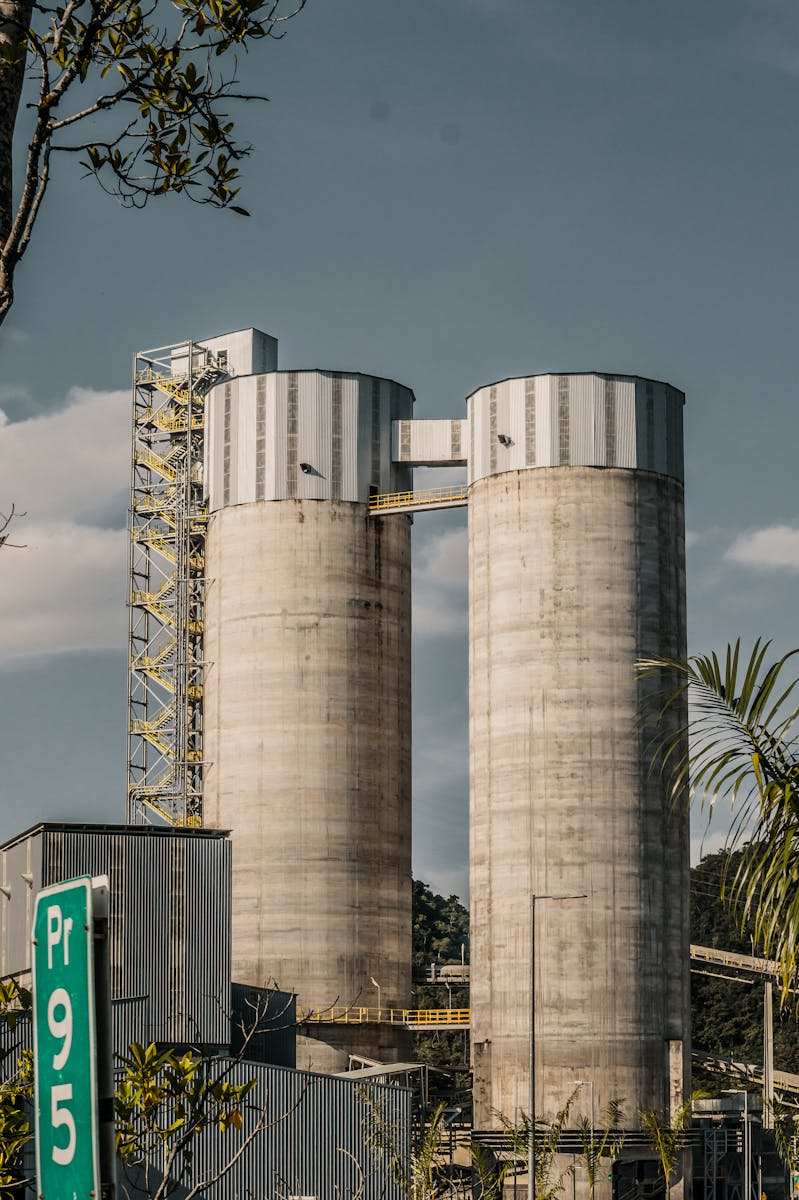

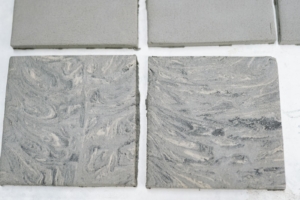
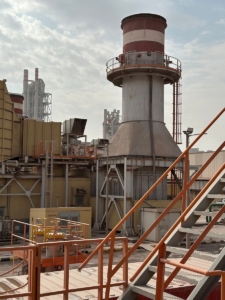
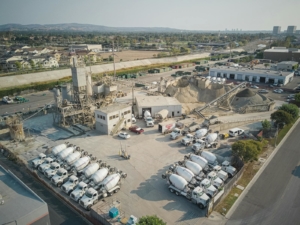

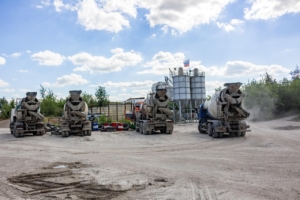

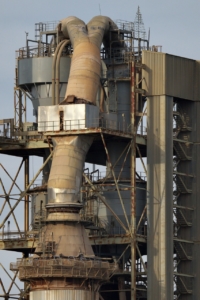









There are no comments