Step-by-Step Guide to Setting Up a Mini Rebar Steel Rolling Mill in Nigeria
Introduction
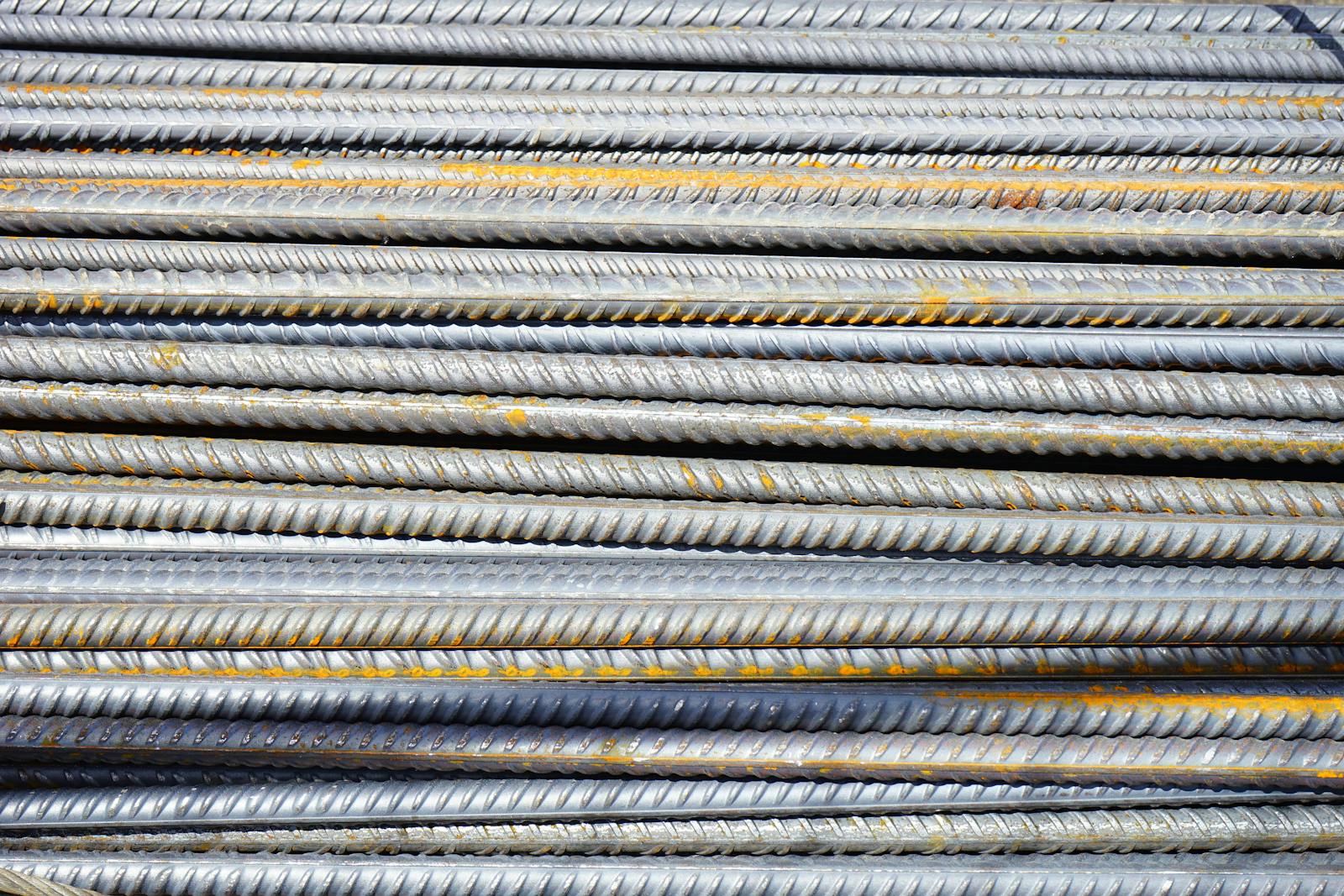
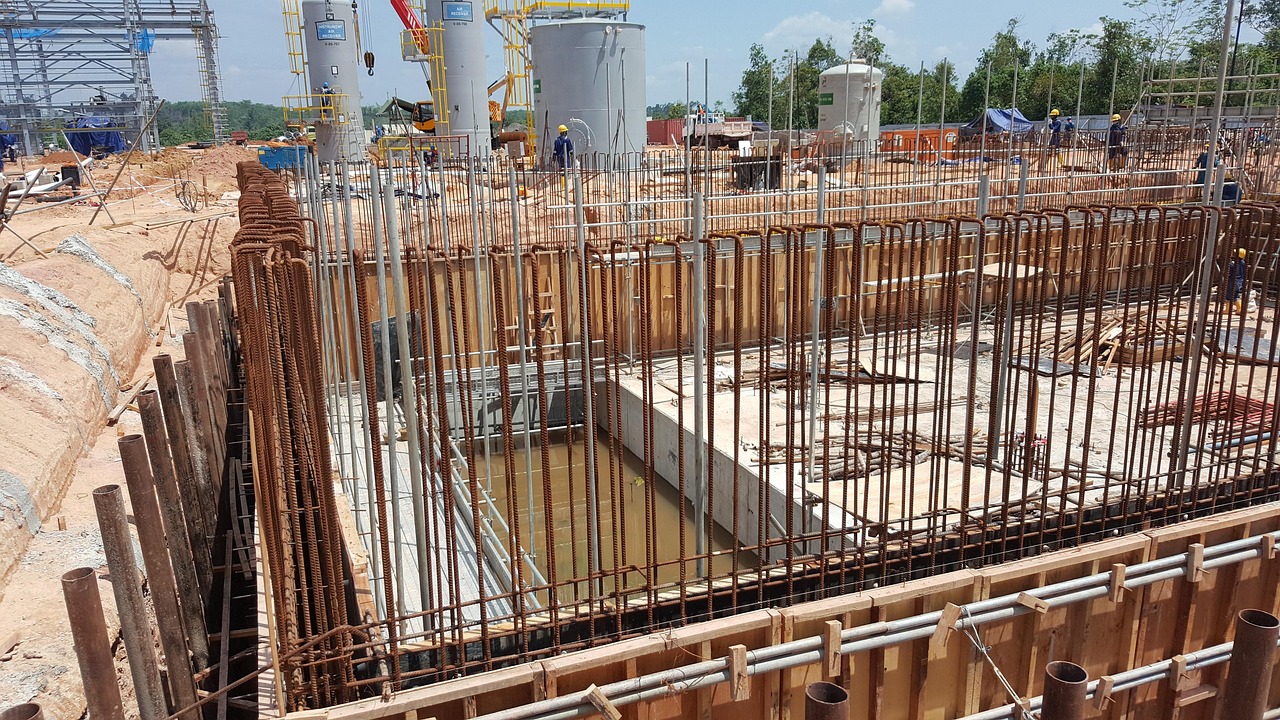
Across towns and cities, construction sites are active with the development of housing estates, roads, bridges, schools, and commercial structures. At the centre of this growth is a key material that keeps everything standing; rebar, also known as reinforcement steel rods. These rods are used to strengthen concrete and provide the backbone for solid structures. However, despite the scale of construction across the country, most of the steel reinforcement used is either imported or produced by a handful of large companies operating at near full capacity.
This imbalance between rising demand and limited local supply presents a strong opportunity for new entrants. Builders, contractors, and hardware suppliers continue to seek steady sources of high-quality rebar. When local supply falls short or prices become unstable, projects are delayed, and costs increase. This is why setting up a mini rebar steel rolling mill has become one of the most strategic ways to enter the Nigerian industrial market.
At Business Cardinal, we work closely with industrial entrepreneurs and investors across Nigeria. Our team has helped companies develop bankable business plans, secure licenses, raise capital, and set up compliant and efficient operations. Our experience spans steel, manufacturing, infrastructure, and investment advisory. Because of this, we understand the real issues investors face; land acquisition, regulatory delays, sourcing the right machines, finding reliable material suppliers, and setting realistic cost structures.
This guide provides a complete and direct breakdown of how to legally and successfully set up a mini rebar steel rolling mill in Nigeria. It explains the types of mills available and what makes each one suitable. It walks through the demand and supply gap, helps estimate capital requirements, outlines government laws and permits, and explains how to choose a good location. It also highlights how to get the right materials, how to structure your power supply, and how to recruit staff with the right technical experience. You will also find a clear process for calculating startup cost, choosing your product capacity, selecting equipment, and raising funds using different options available in the Nigerian market.
What is Rebar Steel Rolling Mill?
Types of Mini Rebar Mills
There are three main types of mini rebar mills, based on how raw materials are processed, they are as follows:
- Billet-to-Rebar Mini Mill
Key Features
Does not require a melting furnace
Lower setup cost and less technical complexity
Smaller power requirement
Faster to install and operate
Suitable For
Investors looking to start with a lower capital base
Locations where billets are available locally or can be imported easily
Operators who prefer fewer technical risks
- Scrap-to-Rebar Integrated Mini Mill
Key Features
Involves both melting and rolling operations
Higher setup cost and more technical requirements
Requires more space and power supply
Offers control over raw material input (scrap)
Suitable For
Investors who want full control over the production process
Areas where scrap metal is abundant and cheap
Businesses looking for vertical integration
- Semi-Integrated Mill (Billet Casting with Rolling Line)
Key Features
Requires casting line and rolling line
Higher capital and energy cost
Offers flexibility between scrap and billet input
Suitable For
Industrial groups with long-term expansion plans
Locations near raw scrap and with steady power
Investors planning to serve multiple steel product markets
Products Made from Each Type of Mini Rebar Mill
- Billet-to-Rebar Mini Mill
This mill uses pre-cast steel billets as raw material and focuses only on rolling.
Primary Products:
- TMT Rebars (8mm to 32mm)
- Mild Steel Rods
- Deformed Bars
- Plain Round Bars
Typical Use Cases:
- Residential and commercial construction
- Concrete reinforcement in roads and bridges
- Local retail and distributor markets
- Scrap-to-Rebar Integrated Mini Mill
This type includes both melting and rolling operations. Scrap is melted, cast into billets, and then rolled.
Primary Products:
- TMT Rebars (Full range)
- Billets (Can be sold or used in-house)
- Angle Irons and Flat Bars (if mill is modified for additional products)
- Wire Rods (optional, with additional line)
Typical Use Cases:
- Large-scale civil and infrastructure projects
- Rebar supply for export or distribution hubs
- Industrial fabrication needing varied steel shapes
- Semi-Integrated Mill (Billet Casting with Rolling Line)
This setup includes billet casting from either scrap or sponge iron, followed by rolling.
Primary Products:
- Rebars from in-house cast billets
- Industrial Billets for sale to other mills
- Structural Steel Sections (optional with design flexibility)
Typical Use Cases:
- Large distributors with internal supply chain
- OEMs and manufacturers needing flexible steel shapes
- Markets requiring both billet and rebar supply
Choosing your Niche
At Business Cardinal, we understand that starting a mini rebar steel rolling mill is a serious investment. The key to avoiding costly mistakes is to choose the right setup and a clear product niche from the beginning. Many investors try to set up too much at once, or they go into production without understanding which product the market truly needs.
Our Advisory
We advise our clients to make two early decisions:
- What Type of Mill Should You Set Up?
There are two main types:
Billet-to-Rebar Mini Mill
This is the simplest and most practical starting point. It does not involve melting scrap. You only reheat and roll steel billets into rebars.
We advise most first-time investors to start here.
Why?
- It requires less power
- It has lower technical risk
- It is faster to install
- It reduces environmental and regulatory complications
- It costs less than a scrap-melting setup
- What Product Niche Should You Focus On?
Once you decide your plant type, the next step is to choose what size(s) of rebar to produce. Not all rebar sizes move the same way in the market.
Our recommendation: Start with 8mm – 16mm TMT Rebars
These are the most demanded sizes by:
- Building contractors
- Hardware dealers
- Government projects
- Road and bridge engineers
Why this niche works:
- Steady market demand
- Easy to produce on basic rolling lines
- Faster turnover
- Lower wastage
- Easier quality control
We are here to help you choose right, plan right, and start right. Let us guide you through each step.
Demand and Supply Gap in Nigeria
Rebars are needed in nearly every project. But while demand continues to rise, local supply is still unable to meet it fully.
Nigeria needs an estimated 7 to 10 million metric tonnes of steel annually, based on construction trends and industrial development. Rebars make up a significant portion of that total. The local steel sector, however, produces far less. This creates a clear supply gap that local mini mills can fill. What this Means for Investors
Mini rebar mills offer the chance to serve untapped markets, especially in states where local construction is active but steel supply is unreliable.
Even a small plant producing 30 to 100 tonnes per day can build a strong customer base if located near its target market.
Cost of Setting Up the Business
Setting up a mini rebar steel rolling mill in Nigeria is a capital-intensive project. At Business Cardinal, we advise our clients to treat cost planning as one of the most critical parts of the business.
Below is a breakdown of the major cost areas involved in setting up a small to medium-scale rebar mill, along with explanations to help you plan effectively.
Land and Civil Construction
In most cases, you will need between one to three acres of land. If you are setting up in an industrial zone, you may pay a premium, but the benefit is access to power, roads, and fewer regulatory delays. If the land is in a non-industrial area, you must factor in the cost of approvals and possible land-use conversion.
After securing the land, civil construction follows. This includes the factory building, equipment foundation, fencing, drainage, access roads, power house, and other concrete works.
Machinery and Equipment
A typical billet-to-rebar line will require:
- A reheating furnace
- Rolling mill stands (roughing, intermediate, and finishing)
- Shears and cutting machines
- Quenching and cooling systems
- Cooling bed
- Control and automation panel
- Overhead crane
- Bundling equipment
- Spare parts and installation tools
Power Infrastructure
The average mini rebar mill needs 1 megawatt (MW) to 5 MW depending on its capacity and whether a melting furnace is involved. If you are connected to the national grid, you must still plan for backup sources due to power instability.
Licensing and Compliance
Regulatory compliance is a major part of setting up this kind of business. Without the required permits, your operation will be delayed or sanctioned.
Staff Recruitment and Training
Steel production involves high temperatures, industrial machinery, and safety risks, so you must hire the right people and train them properly.
Working Capital
Working capital covers Raw materials (steel billets or scrap metal), Spare parts and consumables, Diesel or gas for power generation, Water supply and treatment, Packaging materials (e.g., wire straps for bundling rebars), Transport and logistics for delivery, Routine maintenance and staff salaries
It is advisable to keep at least three to six months of working capital available. This allows your plant to operate continuously while sales and collections are stabilizing.
Estimated Total Setup Cost (Small to Medium Scale)
Based on our experience with similar projects in Nigeria, the estimated total setup cost for a small to medium-sized billet-to-rebar mini rolling mill ranges from:
₦500 million to ₦1.2 billion, depending on:
- Daily production capacity (30–100 tonnes per day)
- Local/imported machines
- Location (land cost and infrastructure)
- Power configuration (diesel vs gas)
- Inclusion or exclusion of melting section
At Business Cardinal, we work with clients to prepare full cost models, get real equipment quotes, plan funding schedules, and avoid hidden expenses.
How to Arrive at Your Setup Cost
Arriving at an accurate setup cost requires a step-by-step approach that takes all major components into account and connects them into a practical and realistic budget. Below is how to approach this process in a clear and organised way.
Capacity Selection (Tons per Day)
The first step in estimating your setup cost is choosing your daily production target. This is typically measured in tons per day (TPD) of finished rebar.
Local or Imported Equipment
Once you determine capacity, the next cost driver is your choice of equipment; whether to go with locally fabricated machines, imported used machines, or brand-new imported equipment.
Land Size and Location
The size of land needed depends on the plant layout, raw material storage space, office area, machine configuration, and future expansion plans.
Electricity Requirement Estimation
A simple billet-to-rebar line may require between 800 kW and 1.5 MW.
Sourcing Quotes for Machinery and Installation
These quotes should be itemised to include:
- Main equipment cost (rolling line, furnace, shear, cooling system)
- Control systems and automation
- Freight and insurance
- Customs duty and clearance costs
- Installation and commissioning
- Local fabrication and integration (if any)
- Operator training and post-installation support
- Warranty and after-sales service
We advise clients to request multiple quotes and use a structured comparison method.
Building a Realistic Budget
Once all components are costed, the final step is to build a consolidated and realistic project budget. Avoid the mistake of budgeting only for machines and land. At Business Cardinal, we help clients develop full financial models that show both capital expenditure (CAPEX) and working capital needs. We also assist in planning for tax reliefs, duty exemptions, and loan repayment structures that improve cash flow and project sustainability.
Step-by-Step Guide to Obtaining All Required Licenses and Permits for a Mini Rebar Steel Rolling Mill in Nigeria
- Corporate Affairs Commission (CAC)
Steps to Obtain:
Visit: www.cac.gov.ng
Conduct name search and reserve your company name
Complete the registration form online
Submit:
Company name and business objects (e.g., manufacturing, steel production)
Memorandum and Articles of Association
IDs and passport photos of directors
Business address
Pay CAC and stamp duty fees
Receive Certificate of Incorporation and RC Number
- Federal Inland Revenue Service (FIRS)
Steps to Obtain:
Visit: www.firs.gov.ng or FIRS office
Submit:
CAC certificate
Director’s IDs
Completed taxpayer registration form
Obtain TIN
Register for VAT and Company Income Tax (CIT)
- State Internal Revenue Service (SIRS)
Steps to Obtain:
Visit the nearest State IRS office
Submit:
CAC certificate and FIRS TIN
Business address and staff details
Register for PAYE and obtain state tax clearance - Federal Ministry of Steel Development (FMSD)
Steps to Comply:
Visit: www.steeldevelopment.gov.ng
Submit:
Letter of introduction with business profile
Project concept note with production capacity, location, and technology
CAC certificate
Register as a steel manufacturer with the Ministry
Ministry may carry out inspection or request additional information
Receive industry registration acknowledgment and policy alignment letter
Note: This is useful when accessing government incentives, land, or participation in local content programs.
- Federal Ministry of Environment / State Environmental Protection Agency
Steps to Obtain:
Engage a registered EIA consultant
Submit:
Project location and design
List of raw materials, emissions, waste handling, and power source
Undergo scoping and Terms of Reference
Prepare and submit EIA report
Ministry will review, conduct site inspection, and approve
Pay required fees
Receive EIA Certificate
- Standards Organisation of Nigeria (SON)
Steps to Obtain:
Visit: www.son.gov.ng
Apply under the Mandatory Conformity Assessment Programme (MANCAP)
Submit:
CAC certificate, TIN, factory layout
Description of machinery and production method
Product samples (8mm–25mm rebars)
SON will inspect factory and collect samples
Pay inspection and testing fees
Obtain MANCAP certificate after successful testing
- State Ministry of Physical Planning or Urban Development
Steps to Obtain:
Submit:
Building plan and factory layout
Evidence of land ownership or lease
Environmental approvals
Pay for building plan approval and development levy
Receive Building Permit and Site Location Approval
- Fire Safety Certificate – State Fire Service
Steps to Obtain:
Apply at the State Fire Service office
Submit:
Factory plan showing fire exits, extinguishers, and hydrants
Fire evacuation plan
Staff fire training record
Pay fire inspection fee
Allow inspection
Receive Fire Safety Certificate
Local Government Business Premises Permit
Steps to Obtain:
Visit Local Government Secretariat
Submit:
CAC and TIN documents
Land title or tenancy agreement
Pay premises permit and local levies
Obtain Local Government Business Permit
- Nigerian Electricity Regulatory Commission (NERC)
Purpose: To get approval for captive generation of electricity.
Steps to Obtain:
Visit: www.nerc.gov.ng
Submit:
Power requirement documents
Generator specifications and power layout
CAC and tax documentation
Pay permit fee
Receive Captive Power Generation Permit
- Industrial Training Fund (ITF)
Steps to Obtain:
Visit: www.itf.gov.ng
Submit:
CAC, staff list, and salary structure
Pay annual training contribution
Obtain ITF Employer Number
Machinery and Equipment Needs
The machinery and equipment required to operate a mini rebar steel rolling mill form the core of the entire production process. The list below covers the core equipment for a billet-to-rebar mini mill, arranged according to process flow and operational sequence.
Reheating Furnace
Rolling Mills (Roughing, Intermediate, and Finishing Stands)
Quenching and Cooling System (TMT Process)
Shears and Cutting System
Cooling Bed
Electrical Controls and Automation
Bundling System and Overhead Crane
Step-by-Step Guide to Establishment
Conduct feasibility study and prepare business plan
Register company (CAC) and secure land
Obtain licenses and regulatory approvals
Raise funds and secure financing
Procure and install machinery
Build factory structures and install power systems
Recruit and train staff
Test-run operations and production
Secure SON product certification
Launch commercial operations
Staff Recruitment
Let us now break down the key personnel requirements.
Plant Manager
The ideal plant manager should:
- Have prior experience in steel or metallurgical operations
- Be technically grounded in rolling mill processes
- Possess leadership and conflict resolution skills
- Understand quality standards such as NIS 117
- Be able to balance operational targets with cost efficiency
Mechanical and Electrical Engineers
It is important to recruit engineers who:
- Have experience with rolling mills, furnaces, or industrial plants
- Can read machine drawings and troubleshoot under pressure
- Are safety-conscious and familiar with energy efficiency practices
- Understand preventive maintenance schedules
- Can train lower-level technicians or artisans
Reheating Furnace Operators
Recruitment should target candidates who:
- Are already trained on furnace operation
- Can handle gas, diesel, or dual-fired furnaces
- Understand safety protocols in high-heat environments
- Can work efficiently with material handlers and rolling mill teams
These operators must work in shifts, so a rotation plan should be in place from the start.
Mill Operators and Crane Handlers
Both roles require:
- Experience with steel rolling lines or similar manufacturing plants
- Quick reaction in case of mechanical issues
- Awareness of operational hazards and personal safety
- Ability to follow process flow without deviation
Quality Assurance Team
A good QA team should include:
- A QA supervisor or metallurgist with relevant testing experience
- Skilled technicians who can use micrometers, hardness testers, and lab equipment
- Documentation personnel who can record batch results and manage MANCAP compliance
Admin and Logistics Personnel
These roles include:
- Office manager or admin supervisor
- Procurement officer
- Storekeeper and materials tracking personnel
- Logistics coordinator for finished goods
- Security staff (if not outsourced)
At Business Cardinal, we assist clients with role mapping, job descriptions, recruitment tests, and onboarding planning. We also help align your team structure with your mill’s design and automation level so that manpower is neither underused nor overstretched.
Means to Raise Funds for a Mini Rebar Steel Rolling Mill in Nigeria
Raising funds for a steel rolling mill requires thoughtful planning and a clear understanding of your capital needs. The cost of setting up a mini rebar plant runs into hundreds of millions of naira, depending on capacity, level of automation, location, and source of equipment.
Below are the most common and effective ways to raise funds for a steel rolling mill in Nigeria.
Personal Equity
For steel rolling mills, personal equity is often used to:
- Acquire land
- Start feasibility and licensing
- Pay initial professional fees
- Make down payments for equipment orders
Bank of Industry (BOI) Industrial Loan
Key features of BOI industrial loans:
- Interest rates typically between 5%–10% per annum (subject to program type)
- Tenor of up to 7 years with moratorium on principal
- Funding size varies based on project scale and structure
- Equipment finance and working capital components available
Development Finance Institutions (DFIs)
Accessing DFI funds requires strong documentation and often involves going through partner financial institutions.
Private Investors or Strategic Partnerships
This could be in the form of:
- Equity investment from a local or foreign investor
- Joint venture with a construction company or distributor
- Technical partnership with an equipment manufacturer
- Silent investors who provide capital in exchange for returns
Equipment Financing or Lease-to-Own Models
This model allows you to:
- Import machinery through a supplier that offers deferred payment
- Lease core equipment and pay in installments while generating revenue
- Secure asset-based loans using machinery as collateral
NIPC Incentives and Tax Holidays
Through the Pioneer Status Incentive, steel manufacturing businesses can enjoy:
- Up to 5 years of corporate income tax holiday
- Exemption from withholding tax on dividends during the pioneer period
- Ability to reinvest tax savings into operations or debt repayment
There is no one-size-fits-all strategy to funding a mini rebar steel mill. Every promoter must consider available equity, comfort with debt, investor appetite, and timeline for returns. Some combine personal funds with BOI loans. Others mix equipment leasing with private equity. What matters is building a funding structure that is realistic, flexible, and suited to your business model.
Conclusion
Setting up a mini rebar steel rolling mill in Nigeria is a practical response to the country’s ongoing demand for construction-grade steel. The market gap is wide, and local production remains low compared to consumption. With the right capital, equipment, permits, and team, the business can be profitable and sustainable.
It is not a venture to approach without structure. You need clear cost breakdowns, compliance with licensing bodies, a skilled workforce, and a sound fundraising plan. Every decision must be based on data and sector realities.
Reference
Steewo Engineers. Rebar Rolling Mill. Retrieved July 4, 2025, from https://steewoengineers.com/rebar-rolling-mill/
Call to Action
At Matthew Ogagavworia & Co. (Chartered Accountants), we support you in turning your mini rebar steel rolling mill idea into a structured, finance-ready, and fully compliant business. Our services cover every stage of setup, and we ensure you make informed decisions backed by solid data and expert guidance.
We can assist you in:
- Conducting feasibility studies and building accurate financial models tailored to the steel sector
- Developing a practical, steel-specific business plan that speaks to investors and regulators
- Designing a fundraising strategy and helping you engage with banks, DFIs, and private investors
- Navigating all licensing requirements and ensuring full regulatory compliance from day one
- Supporting recruitment of key technical staff and advising on factory layout, procurement, and setup
Contact us to begin
Tel: (+234) 802 320 0801, (+234) 807 576 5799
E-Mail: enquiry@matogconsulting.com
Office Address: 5, Ishola Bello Close, Off Iyalla Street, Alausa, Ikeja, Lagos, Nigeria.






![Nigeria Beyond Oil: Mapping the Next $100bn Non-Oil Growth Engines Executive Summary Nigeria's economy is undergoing a historic transformation, with non-oil sectors now accounting for over 96% of GDP in 2025. As Africa's most populous nation charts a course toward economic resilience, the non-oil economy has emerged as the primary engine of growth, expanding by 3.91% in Q3 2025. With strategic investments and policy reforms, Nigeria is positioned to unlock $100 billion in value from agriculture, technology, manufacturing, services, and renewable energy sectors over the next decade. Understanding Economic Diversification Economic diversification is a fundamental concept driving Nigeria's transformation strategy. According to the United Nations Framework Convention on Climate Change (UNFCCC), economic diversification refers to "the process of shifting an economy away from a single income source toward multiple sources from a growing range of sectors and markets."[^1] This strategic approach reduces vulnerability to external shocks, creates employment opportunities, and establishes a more resilient economic foundation for sustainable growth. For Nigeria, diversification means moving beyond the volatility of oil-dependent revenues toward a balanced economy where agriculture, technology, manufacturing, and services contribute substantially to national wealth creation. Agriculture and Agribusiness – The $30 Billion Opportunity Introduction to Nigeria's Agricultural Transformation Agriculture remains the backbone of Nigeria's economy, employing nearly 70% of the population and contributing 31.21% to real GDP in Q3 2025. With government initiatives focused on mechanization, agri-tech solutions, and value chain development, the sector is poised to generate over $30 billion in additional value through increased productivity, reduced post-harvest losses, and expanded export markets. Current State and Recent Developments Agriculture expanded by 3.79% year-on-year in Q3 2025, driven mainly by crop production, which accounts for nearly two-thirds of the sector's nominal output. The sector has benefited from several transformative government programs: ● Anchor Borrowers' Programme: Providing credit facilities to smallholder farmers for agricultural inputs ● National Agricultural Technology Innovation Policy: Driving mechanized farming and precision agriculture ● Export Promotion Initiatives: Boosting exports of sesame seeds, cocoa, cashew nuts, and other commodities The Agri-Tech Revolution Between 2023 and 2025, Nigeria's agricultural technology sector attracted over $150 million in investments, with startups deploying innovative solutions including: ● Precision Farming Technologies: Companies like Zenvus use soil sensors, satellite data, and AI to optimize crop yields ● Digital Marketplaces: Platforms such as Farmcrowdy and AgroMall connect farmers directly with buyers, eliminating middlemen ● Fintech for Agriculture: Customized financing, mobile payments, and insurance products bridging the rural credit gap ● Supply Chain Solutions: Blockchain and data analytics improving farm-to-market logistics Growth Projections and Investment Opportunities With continued investment in irrigation, mechanization, cold chain logistics, and agro-processing facilities, the agricultural sector is projected to: ● Reduce post-harvest losses from current levels of 30-40% to below 15% ● Increase non-oil exports by capturing larger shares of global markets for cocoa, cashew, and specialty crops ● Create 5 million new jobs across the value chain by 2030 ● Contribute an additional $30 billion to GDP through productivity gains and value addition Technology and Digital Economy – The $25 Billion Frontier Introduction to Nigeria's Tech Ecosystem Nigeria has emerged as Africa's leading technology hub, often called the "Silicon Valley of Africa." Nigeria leads Africa's ICT market, contributing 82% of the continent's ICT value and 29% of its internet usage. The digital economy accounted for nearly 20% of GDP in Q2 2024, almost four times oil's contribution, positioning technology as a critical growth engine. Fintech Dominance and Expansion Nigeria's fintech sector represents one of the most successful diversification stories: ● Over 430 fintech companies operating as of February 2025, representing 28% of all African fintech companies ● Nigerian startups raised $520 million in 2024, with Moniepoint's $110 million Series C achieving unicorn status ● Digital payment solutions, mobile banking, and blockchain innovations driving financial inclusion ● Regulatory support from the Central Bank of Nigeria encouraging innovation Beyond Fintech: Emerging Tech Sectors While fintech dominates investment flows, other technology subsectors show tremendous potential: Information and Communication Technology (ICT) ● ICT posted 5.78% real growth with contribution rising to 9.10% of GDP ● Over 210 million active mobile subscribers and broadband penetration exceeding 40% ● 5G network expansion by MTN and MAFAB enhancing connectivity ● Government target of 90% broadband penetration by 2025 E-Commerce and Digital Services ● E-commerce market projected to reach $5 billion by 2025 ● Growing internet penetration driving online shopping adoption ● Logistics and last-mile delivery innovations supporting growth Emerging Technology Sectors Requiring Investment ● Agritech: Connecting technology to agricultural productivity ● Healthtech: Telemedicine, digital health records, and diagnostic innovations ● Edtech: Digital learning platforms addressing educational gaps ● Climate Tech: Renewable energy and environmental monitoring solutions Growth Projections Analysts project the digital economy to generate revenues up to $18.3 billion via fintech and AI, with the broader technology sector positioned to contribute $25 billion to economic growth through: ● Increased venture capital investment beyond fintech into deep tech ● Job creation for Nigeria's youthful population ● Export of technology services and products ● Enhanced productivity across all economic sectors Manufacturing and Industrial Development – The $20 Billion Challenge Introduction to Nigeria's Manufacturing Potential Manufacturing remains a critical yet underutilized pillar of economic diversification. Despite accounting for only 7.62% of GDP, the sector holds immense potential for value addition, job creation, and import substitution. Recent infrastructure investments and the operationalization of the Dangote Oil Refinery signal renewed momentum in industrial development. Current Manufacturing Landscape Manufacturing posted real growth of 1.25% in Q3 2025, driven by several factors: ● Dangote Oil Refinery Operations: Beginning in September 2024 with capacity to produce 650,000 barrels of refined petroleum products daily, significantly reducing import dependence ● Dangote Fertilizer Plant: Commissioned in May 2022 with capacity for 3 million tonnes annually, filling global supply gaps ● FX Stability: Improved foreign exchange liquidity supporting raw material imports ● Increased Domestic Refining: Reducing energy costs for manufacturers Key Manufacturing Subsectors Food, Beverage, and Tobacco ● Processing agricultural products for domestic consumption and export ● Value addition to raw materials reducing commodity dependence Chemical and Pharmaceutical Products ● Local production of essential medicines and industrial chemicals ● Import substitution reducing foreign exchange pressure Cement and Construction Materials ● Meeting infrastructure development demand ● Regional export opportunities Infrastructure and Policy Support Special Economic Zones (SEZs) ● Establishment of zones in various regions to facilitate trade and manufacturing ● Tax incentives and streamlined regulatory processes ● Enhanced export capacity and employment generation Infrastructure Investments ● Lagos-Ibadan railway and Second Niger Bridge improving connectivity ● Continuous highway upgrades reducing logistics costs ● Power sector reforms addressing electricity challenges Challenges and Solutions Power Supply Deficit ● Despite Electricity Act amendments decentralizing the market, transmission remains unresolved ● Stable and affordable power essential for manufacturing competitiveness ● Private sector participation and renewable energy integration needed High Production Costs ● Interest rates and borrowing costs limiting access to credit ● Need for targeted industrial financing schemes Growth Projections With sustained infrastructure development, power sector reforms, and targeted industrial policy, manufacturing can contribute $20 billion to GDP growth through: ● Import substitution in consumer goods and industrial products ● Export-oriented manufacturing leveraging AfCFTA market access ● Technology transfer and skills development ● Creation of 3 million manufacturing jobs by 2030 Services Sector – The $15 Billion Backbone Introduction to Nigeria's Services Economy The services sector is Nigeria's largest economic contributor, accounting for over 53% of real GDP. From telecommunications to financial services, real estate to hospitality, services drive employment and economic activity across urban and rural areas. Key Services Subsectors Financial and Insurance Services ● Financial and insurance services posted real growth of 19.63%, though contribution to GDP fell to 2.65% ● Banking sector expansion and insurance penetration growth ● Integration of technology improving service delivery Telecommunications and Information Services ● Telecommunications and information services posted a robust 7.40% expansion, accounting for 10.59% of overall output ● Mobile phone penetration and internet services driving growth ● Platform for broader digital economy development Real Estate ● Real estate nominal output surged 89.34%, with real growth at 3.50% ● Urbanization and middle-class expansion driving demand ● Commercial and residential property development opportunities Trade and Commerce ● Trade posted 1.98% real growth, accounting for 16.42% of GDP ● Retail expansion through malls and e-commerce platforms ● AfCFTA creating regional trade opportunities Tourism and Hospitality ● Expansion in local and international travel ● Cultural tourism and business travel growth potential ● Investment in hospitality infrastructure Growth Drivers Expanding Middle Class ● Urbanization, education, and job creation driving consumer demand ● Increased spending on goods, electronics, housing, and services ● Retail boom catering to growing consumer base Regional Trade Integration ● African Continental Free Trade Area (AfCFTA) access to 1.3 billion consumers ● Non-oil exports gaining access to larger African markets ● Improved border management and customs procedures Growth Projections The services sector is positioned to contribute $15 billion to economic growth through: ● Financial sector deepening and increased penetration ● Tourism development capitalizing on Nigeria's cultural assets ● Professional services export to West African region ● Transportation and logistics optimization ● Healthcare and education services expansion Renewable Energy and Natural Resources – The $10 Billion Green Future Introduction to Nigeria's Energy Transition As global environmental concerns intensify and power supply challenges persist, renewable energy presents both a necessity and an opportunity. With abundant solar resources, Nigeria is positioned to lead West Africa's energy transition while addressing domestic electricity deficits. Current Renewable Energy Landscape Solar Energy Growth ● Surge in solar adoption due to unreliable grid power supply ● Residential, commercial, and industrial solar installations expanding ● Government policies encouraging green energy investments ● Cost competitiveness improving with falling technology prices Renewable Energy Policies ● Government commitment to sustainable energy development ● Incentives for private sector investment in green technologies ● Integration of renewables into national energy mix Solid Minerals Development Nigeria's non-oil sectors, including solid minerals, are experiencing growth, with potential in: ● Lithium and Rare Earth Elements: Critical for global battery and technology manufacturing ● Gold and Other Precious Minerals: Export potential and artisanal mining formalization ● Industrial Minerals: Limestone, gypsum, and other construction materials Environmental Technology ● Climate Tech Innovations: Carbon capture, emissions monitoring, and environmental management ● Sustainable Agriculture: Technologies reducing environmental impact while increasing yields ● Waste-to-Energy: Converting organic and municipal waste into power Growth Projections The renewable energy and natural resources sector can contribute $10 billion through: ● Off-grid and mini-grid solar solutions powering 25 million households ● Large-scale solar and wind farms feeding into national grid ● Solid minerals exports generating foreign exchange ● Green technology manufacturing and assembly ● Environmental services and carbon credit trading Macroeconomic Foundations and Policy Environment Introduction to Economic Reforms Nigeria's non-oil growth potential is underpinned by significant macroeconomic reforms initiated since 2023. These policy changes have improved economic stability, attracted foreign investment, and created conditions for sustainable diversification. Recent Economic Performance GDP Growth Trajectory ● Nigeria's economy expanded by 3.9% year-on-year in the first half of 2025, up from 3.5% in the same period of 2024, driven by strong performance in services and non-oil industries ● The economy expanded by 3.98% in Q3 2025, with the non-oil sector contributing 96.6% to GDP ● Growth projected to accelerate to 4.2% in 2026 according to IMF forecasts External Position Strengthening ● Foreign reserves exceeding $42 billion with current account surplus rising to 6.1% of GDP, supported by higher non-oil exports ● Naira stabilization in the N1,440-N1,500/$ range ● Improved business confidence and foreign direct investment Fiscal Improvements ● Federal deficit projected at 2.6% of GDP in 2025 ● Public debt expected to decline from 42.9% to 39.8% of GDP ● Tax reforms enacted in June 2025 enhancing non-oil revenue generation Inflation and Monetary Policy Inflation Moderation ● Inflation eased to 21.9% in July 2025, supported by foreign exchange stability and targeted CBN interventions ● Projections for 2026 indicate further decline to around 14% by year-end ● Food inflation remains elevated, requiring continued policy attention Monetary Policy Stance ● Central Bank maintaining disciplined approach to price stability ● Interest rates remain elevated to anchor inflation expectations ● Gradual easing expected as inflation sustainably declines Structural Reforms Fuel Subsidy Removal ● Elimination of petrol subsidies freeing fiscal resources ● Redirecting funds to infrastructure and social programs ● Social protection programs mitigating impact on vulnerable populations Foreign Exchange Reforms ● Unified exchange rate system improving transparency ● Elimination of multiple exchange rate windows ● Enhanced FX liquidity and reduced arbitrage opportunities Tax Reforms ● Four landmark tax reforms enacted in June 2025 ● Streamlining tax administration and compliance ● Expanding tax base beyond oil revenues ● Improving ease of doing business Investment Climate Foreign Direct Investment ● Capital importation rose 67.1% to $5.64 billion in Q1 2025 ● Shift toward non-oil sectors including telecommunications, manufacturing, and services ● Opportunities for long-term investors in infrastructure and industry Business Environment Improvements ● Tinubu Administration prioritizing business climate reforms ● Reduction in bureaucratic bottlenecks ● Enhanced protection for investors Challenges and Risk Factors Introduction to Implementation Challenges While Nigeria's diversification potential is substantial, several challenges must be addressed to realize the $100 billion opportunity across non-oil sectors. Security Challenges ● Ongoing issues with banditry, insurgency, and communal conflicts ● Impact on agricultural productivity in key food-producing states ● Need for enhanced security coordination and conflict resolution Infrastructure Deficits Power Supply ● Inadequate and unreliable electricity generation and distribution ● Transmission infrastructure requiring major investment ● Critical bottleneck for manufacturing and industrial growth Transportation ● Road network quality affecting logistics costs ● Port congestion and clearance procedures ● Last-mile connectivity challenges in rural areas Social Challenges Poverty and Inequality ● Many households continue to face hardship, with poverty and food insecurity remaining high ● 109 million citizens below poverty line as of 2023 ● Need for inclusive growth policies and social protection expansion Food Inflation ● Poor households spend up to 70% of income on food, with basic food basket costs rising fivefold between 2019 and 2024 ● Addressing supply chain bottlenecks and trade barriers essential ● Agricultural productivity improvements critical Fiscal and Debt Sustainability ● Rising debt service obligations exceeding N15 trillion in 2026 budget ● Need for improved revenue generation and fiscal discipline ● Balancing growth investments with debt management External Risks ● Oil price volatility affecting government revenues ● Global economic slowdowns impacting export demand ● Exchange rate pressures from external shocks Strategic Recommendations and Action Plan Introduction to Strategic Priorities Unlocking the $100 billion non-oil growth opportunity requires coordinated action across government, private sector, and development partners. The following recommendations provide a roadmap for accelerated diversification. Priority 1: Infrastructure Development Power Sector Transformation ● Accelerate private sector participation in generation and distribution ● Resolve transmission infrastructure bottlenecks through targeted investment ● Integrate renewable energy into national grid ● Develop off-grid solutions for rural areas Transportation and Connectivity ● Complete ongoing railway and road projects ● Modernize port operations and reduce clearance times ● Develop industrial clusters with dedicated infrastructure ● Enhance digital connectivity through broadband expansion Priority 2: Human Capital Development Skills Training and Education ● Align educational curricula with industry needs ● Expand technical and vocational training programs ● Support technology education and digital literacy ● Encourage private sector involvement in skills development Healthcare Investment ● Improve healthcare access and quality ● Address malnutrition and food security ● Reduce maternal and child mortality ● Build resilient public health systems Priority 3: Enabling Business Environment Regulatory Reforms ● Streamline business registration and licensing ● Reduce regulatory compliance costs ● Ensure policy consistency and predictability ● Strengthen intellectual property protection Access to Finance ● Develop targeted financing schemes for SMEs and manufacturers ● Encourage long-term capital formation ● Promote alternative financing through capital markets ● Support fintech innovations in credit delivery Priority 4: Sector-Specific Interventions Agriculture ● Scale up mechanization and irrigation infrastructure ● Strengthen extension services and farmer training ● Develop commodity value chains and agro-processing zones ● Facilitate market access and export promotion Technology ● Create sector-specific sandboxes for innovation ● Establish deep tech fund with long-term investment horizon ● Support startup ecosystem beyond fintech ● Attract global technology companies and talent Manufacturing ● Implement industrial policy favoring strategic sectors ● Ensure Special Economic Zones are fully functional ● Provide infrastructure and utilities at competitive rates ● Facilitate technology transfer and partnerships Services ● Develop tourism infrastructure and marketing ● Enhance financial sector regulation and supervision ● Support professional services export through trade agreements ● Improve healthcare and education service delivery Renewable Energy ● Set ambitious renewable energy targets ● Provide incentives for private investment ● Streamline project approval processes ● Develop local manufacturing capacity for renewable technology Priority 5: Social Protection and Inclusion Safety Nets ● Expand social protection programs targeting vulnerable populations ● Implement conditional cash transfer schemes ● Support food security initiatives ● Ensure reforms benefit all citizens Geographic Inclusion ● Target investments in underserved regions ● Support rural economic development ● Address regional disparities in infrastructure and services ● Promote balanced development across states Priority 6: Governance and Institutions Anti-Corruption Measures ● Strengthen transparency and accountability systems ● Enhance procurement processes and oversight ● Support whistleblower protection ● Prosecute corruption vigorously Data and Monitoring ● Improve economic statistics and data collection ● Establish performance monitoring frameworks ● Use technology for real-time economic tracking ● Support evidence-based policymaking Conclusion: Nigeria's $100 Billion Vision Nigeria stands at a pivotal moment in its economic journey. The non-oil economy has demonstrated resilience and growth potential, expanding consistently even amid challenging global conditions. With agriculture contributing over 31% of GDP, technology sectors driving innovation, manufacturing gradually reviving, and services accounting for more than half of economic output, the foundations for sustainable diversification are firmly established. The $100 billion opportunity across non-oil sectors is not merely aspirational it is achievable through sustained policy commitment, strategic investments, and coordinated implementation. As the World Bank Country Director noted, "The Nigerian government has taken bold steps to stabilize the economy, but macroeconomic stability alone is not enough. The true measure of success will be how these reforms improve the daily lives of Nigerians". Success requires addressing infrastructure deficits, particularly in power and transportation, investing in human capital, maintaining macroeconomic stability, ensuring inclusive growth that reaches all citizens, and sustaining reform momentum despite short-term challenges. The path forward demands patience, persistence, and partnership between government, private sector, and civil society. With a population exceeding 220 million, a youthful demographic profile, abundant natural resources, growing regional integration through AfCFTA, and improving business environment, Nigeria possesses the fundamental ingredients for transformative growth. The next decade will determine whether Africa's most populous nation fully realizes its potential as a diversified, resilient, and prosperous economy capable of delivering shared prosperity to all its citizens. References United Nations Framework Convention on Climate Change (UNFCCC). "Economic Diversification." Available at: https://unfccc.int/topics/resilience/resources/economic-diversification Additional Sources: ● World Bank Nigeria Development Update, October 2025 ● National Bureau of Statistics GDP Reports Q1-Q3 2025 ● International Monetary Fund Nigeria Economic Outlook 2025 ● PwC Nigeria Economic Outlook Reports ● African Development Bank Nigeria Economic Outlook ● Trading Economics Nigeria Data Series ● Various Nigerian financial and economic publications (2024-2025) Call to Action Partner with Matthew Ogagavworia & Co. for Strategic Economic Intelligence At Matthew Ogagavworia & Co., we provide cutting-edge economic analysis, market intelligence, and strategic advisory services to help investors, businesses, and policymakers navigate Nigeria's evolving economic landscape. Our research covers: ● Sector-Specific Investment Analysis: Deep dives into agriculture, technology, manufacturing, and services opportunities ● Market Entry Strategies: Comprehensive guidance for foreign investors exploring Nigerian markets ● Economic Forecasting: Data-driven projections on macroeconomic trends and policy impacts ● Risk Assessment: Thorough evaluation of political, economic, and operational risks ● Custom Research: Tailored studies addressing your specific information needs Contact Us Today Nigeria Beyond Oil: Mapping the Next $100bn Non-Oil Growth Engines Executive Summary Nigeria's economy is undergoing a historic transformation, with non-oil sectors now accounting for over 96% of GDP in 2025. As Africa's most populous nation charts a course toward economic resilience, the non-oil economy has emerged as the primary engine of growth, expanding by 3.91% in Q3 2025. With strategic investments and policy reforms, Nigeria is positioned to unlock $100 billion in value from agriculture, technology, manufacturing, services, and renewable energy sectors over the next decade. Understanding Economic Diversification Economic diversification is a fundamental concept driving Nigeria's transformation strategy. According to the United Nations Framework Convention on Climate Change (UNFCCC), economic diversification refers to "the process of shifting an economy away from a single income source toward multiple sources from a growing range of sectors and markets."[^1] This strategic approach reduces vulnerability to external shocks, creates employment opportunities, and establishes a more resilient economic foundation for sustainable growth. For Nigeria, diversification means moving beyond the volatility of oil-dependent revenues toward a balanced economy where agriculture, technology, manufacturing, and services contribute substantially to national wealth creation. Agriculture and Agribusiness – The $30 Billion Opportunity Introduction to Nigeria's Agricultural Transformation Agriculture remains the backbone of Nigeria's economy, employing nearly 70% of the population and contributing 31.21% to real GDP in Q3 2025. With government initiatives focused on mechanization, agri-tech solutions, and value chain development, the sector is poised to generate over $30 billion in additional value through increased productivity, reduced post-harvest losses, and expanded export markets. Current State and Recent Developments Agriculture expanded by 3.79% year-on-year in Q3 2025, driven mainly by crop production, which accounts for nearly two-thirds of the sector's nominal output. The sector has benefited from several transformative government programs: ● Anchor Borrowers' Programme: Providing credit facilities to smallholder farmers for agricultural inputs ● National Agricultural Technology Innovation Policy: Driving mechanized farming and precision agriculture ● Export Promotion Initiatives: Boosting exports of sesame seeds, cocoa, cashew nuts, and other commodities The Agri-Tech Revolution Between 2023 and 2025, Nigeria's agricultural technology sector attracted over $150 million in investments, with startups deploying innovative solutions including: ● Precision Farming Technologies: Companies like Zenvus use soil sensors, satellite data, and AI to optimize crop yields ● Digital Marketplaces: Platforms such as Farmcrowdy and AgroMall connect farmers directly with buyers, eliminating middlemen ● Fintech for Agriculture: Customized financing, mobile payments, and insurance products bridging the rural credit gap ● Supply Chain Solutions: Blockchain and data analytics improving farm-to-market logistics Growth Projections and Investment Opportunities With continued investment in irrigation, mechanization, cold chain logistics, and agro-processing facilities, the agricultural sector is projected to: ● Reduce post-harvest losses from current levels of 30-40% to below 15% ● Increase non-oil exports by capturing larger shares of global markets for cocoa, cashew, and specialty crops ● Create 5 million new jobs across the value chain by 2030 ● Contribute an additional $30 billion to GDP through productivity gains and value addition Technology and Digital Economy – The $25 Billion Frontier Introduction to Nigeria's Tech Ecosystem Nigeria has emerged as Africa's leading technology hub, often called the "Silicon Valley of Africa." Nigeria leads Africa's ICT market, contributing 82% of the continent's ICT value and 29% of its internet usage. The digital economy accounted for nearly 20% of GDP in Q2 2024, almost four times oil's contribution, positioning technology as a critical growth engine. Fintech Dominance and Expansion Nigeria's fintech sector represents one of the most successful diversification stories: ● Over 430 fintech companies operating as of February 2025, representing 28% of all African fintech companies ● Nigerian startups raised $520 million in 2024, with Moniepoint's $110 million Series C achieving unicorn status ● Digital payment solutions, mobile banking, and blockchain innovations driving financial inclusion ● Regulatory support from the Central Bank of Nigeria encouraging innovation Beyond Fintech: Emerging Tech Sectors While fintech dominates investment flows, other technology subsectors show tremendous potential: Information and Communication Technology (ICT) ● ICT posted 5.78% real growth with contribution rising to 9.10% of GDP ● Over 210 million active mobile subscribers and broadband penetration exceeding 40% ● 5G network expansion by MTN and MAFAB enhancing connectivity ● Government target of 90% broadband penetration by 2025 E-Commerce and Digital Services ● E-commerce market projected to reach $5 billion by 2025 ● Growing internet penetration driving online shopping adoption ● Logistics and last-mile delivery innovations supporting growth Emerging Technology Sectors Requiring Investment ● Agritech: Connecting technology to agricultural productivity ● Healthtech: Telemedicine, digital health records, and diagnostic innovations ● Edtech: Digital learning platforms addressing educational gaps ● Climate Tech: Renewable energy and environmental monitoring solutions Growth Projections Analysts project the digital economy to generate revenues up to $18.3 billion via fintech and AI, with the broader technology sector positioned to contribute $25 billion to economic growth through: ● Increased venture capital investment beyond fintech into deep tech ● Job creation for Nigeria's youthful population ● Export of technology services and products ● Enhanced productivity across all economic sectors Manufacturing and Industrial Development – The $20 Billion Challenge Introduction to Nigeria's Manufacturing Potential Manufacturing remains a critical yet underutilized pillar of economic diversification. Despite accounting for only 7.62% of GDP, the sector holds immense potential for value addition, job creation, and import substitution. Recent infrastructure investments and the operationalization of the Dangote Oil Refinery signal renewed momentum in industrial development. Current Manufacturing Landscape Manufacturing posted real growth of 1.25% in Q3 2025, driven by several factors: ● Dangote Oil Refinery Operations: Beginning in September 2024 with capacity to produce 650,000 barrels of refined petroleum products daily, significantly reducing import dependence ● Dangote Fertilizer Plant: Commissioned in May 2022 with capacity for 3 million tonnes annually, filling global supply gaps ● FX Stability: Improved foreign exchange liquidity supporting raw material imports ● Increased Domestic Refining: Reducing energy costs for manufacturers Key Manufacturing Subsectors Food, Beverage, and Tobacco ● Processing agricultural products for domestic consumption and export ● Value addition to raw materials reducing commodity dependence Chemical and Pharmaceutical Products ● Local production of essential medicines and industrial chemicals ● Import substitution reducing foreign exchange pressure Cement and Construction Materials ● Meeting infrastructure development demand ● Regional export opportunities Infrastructure and Policy Support Special Economic Zones (SEZs) ● Establishment of zones in various regions to facilitate trade and manufacturing ● Tax incentives and streamlined regulatory processes ● Enhanced export capacity and employment generation Infrastructure Investments ● Lagos-Ibadan railway and Second Niger Bridge improving connectivity ● Continuous highway upgrades reducing logistics costs ● Power sector reforms addressing electricity challenges Challenges and Solutions Power Supply Deficit ● Despite Electricity Act amendments decentralizing the market, transmission remains unresolved ● Stable and affordable power essential for manufacturing competitiveness ● Private sector participation and renewable energy integration needed High Production Costs ● Interest rates and borrowing costs limiting access to credit ● Need for targeted industrial financing schemes Growth Projections With sustained infrastructure development, power sector reforms, and targeted industrial policy, manufacturing can contribute $20 billion to GDP growth through: ● Import substitution in consumer goods and industrial products ● Export-oriented manufacturing leveraging AfCFTA market access ● Technology transfer and skills development ● Creation of 3 million manufacturing jobs by 2030 Services Sector – The $15 Billion Backbone Introduction to Nigeria's Services Economy The services sector is Nigeria's largest economic contributor, accounting for over 53% of real GDP. From telecommunications to financial services, real estate to hospitality, services drive employment and economic activity across urban and rural areas. Key Services Subsectors Financial and Insurance Services ● Financial and insurance services posted real growth of 19.63%, though contribution to GDP fell to 2.65% ● Banking sector expansion and insurance penetration growth ● Integration of technology improving service delivery Telecommunications and Information Services ● Telecommunications and information services posted a robust 7.40% expansion, accounting for 10.59% of overall output ● Mobile phone penetration and internet services driving growth ● Platform for broader digital economy development Real Estate ● Real estate nominal output surged 89.34%, with real growth at 3.50% ● Urbanization and middle-class expansion driving demand ● Commercial and residential property development opportunities Trade and Commerce ● Trade posted 1.98% real growth, accounting for 16.42% of GDP ● Retail expansion through malls and e-commerce platforms ● AfCFTA creating regional trade opportunities Tourism and Hospitality ● Expansion in local and international travel ● Cultural tourism and business travel growth potential ● Investment in hospitality infrastructure Growth Drivers Expanding Middle Class ● Urbanization, education, and job creation driving consumer demand ● Increased spending on goods, electronics, housing, and services ● Retail boom catering to growing consumer base Regional Trade Integration ● African Continental Free Trade Area (AfCFTA) access to 1.3 billion consumers ● Non-oil exports gaining access to larger African markets ● Improved border management and customs procedures Growth Projections The services sector is positioned to contribute $15 billion to economic growth through: ● Financial sector deepening and increased penetration ● Tourism development capitalizing on Nigeria's cultural assets ● Professional services export to West African region ● Transportation and logistics optimization ● Healthcare and education services expansion Renewable Energy and Natural Resources – The $10 Billion Green Future Introduction to Nigeria's Energy Transition As global environmental concerns intensify and power supply challenges persist, renewable energy presents both a necessity and an opportunity. With abundant solar resources, Nigeria is positioned to lead West Africa's energy transition while addressing domestic electricity deficits. Current Renewable Energy Landscape Solar Energy Growth ● Surge in solar adoption due to unreliable grid power supply ● Residential, commercial, and industrial solar installations expanding ● Government policies encouraging green energy investments ● Cost competitiveness improving with falling technology prices Renewable Energy Policies ● Government commitment to sustainable energy development ● Incentives for private sector investment in green technologies ● Integration of renewables into national energy mix Solid Minerals Development Nigeria's non-oil sectors, including solid minerals, are experiencing growth, with potential in: ● Lithium and Rare Earth Elements: Critical for global battery and technology manufacturing ● Gold and Other Precious Minerals: Export potential and artisanal mining formalization ● Industrial Minerals: Limestone, gypsum, and other construction materials Environmental Technology ● Climate Tech Innovations: Carbon capture, emissions monitoring, and environmental management ● Sustainable Agriculture: Technologies reducing environmental impact while increasing yields ● Waste-to-Energy: Converting organic and municipal waste into power Growth Projections The renewable energy and natural resources sector can contribute $10 billion through: ● Off-grid and mini-grid solar solutions powering 25 million households ● Large-scale solar and wind farms feeding into national grid ● Solid minerals exports generating foreign exchange ● Green technology manufacturing and assembly ● Environmental services and carbon credit trading Macroeconomic Foundations and Policy Environment Introduction to Economic Reforms Nigeria's non-oil growth potential is underpinned by significant macroeconomic reforms initiated since 2023. These policy changes have improved economic stability, attracted foreign investment, and created conditions for sustainable diversification. Recent Economic Performance GDP Growth Trajectory ● Nigeria's economy expanded by 3.9% year-on-year in the first half of 2025, up from 3.5% in the same period of 2024, driven by strong performance in services and non-oil industries ● The economy expanded by 3.98% in Q3 2025, with the non-oil sector contributing 96.6% to GDP ● Growth projected to accelerate to 4.2% in 2026 according to IMF forecasts External Position Strengthening ● Foreign reserves exceeding $42 billion with current account surplus rising to 6.1% of GDP, supported by higher non-oil exports ● Naira stabilization in the N1,440-N1,500/$ range ● Improved business confidence and foreign direct investment Fiscal Improvements ● Federal deficit projected at 2.6% of GDP in 2025 ● Public debt expected to decline from 42.9% to 39.8% of GDP ● Tax reforms enacted in June 2025 enhancing non-oil revenue generation Inflation and Monetary Policy Inflation Moderation ● Inflation eased to 21.9% in July 2025, supported by foreign exchange stability and targeted CBN interventions ● Projections for 2026 indicate further decline to around 14% by year-end ● Food inflation remains elevated, requiring continued policy attention Monetary Policy Stance ● Central Bank maintaining disciplined approach to price stability ● Interest rates remain elevated to anchor inflation expectations ● Gradual easing expected as inflation sustainably declines Structural Reforms Fuel Subsidy Removal ● Elimination of petrol subsidies freeing fiscal resources ● Redirecting funds to infrastructure and social programs ● Social protection programs mitigating impact on vulnerable populations Foreign Exchange Reforms ● Unified exchange rate system improving transparency ● Elimination of multiple exchange rate windows ● Enhanced FX liquidity and reduced arbitrage opportunities Tax Reforms ● Four landmark tax reforms enacted in June 2025 ● Streamlining tax administration and compliance ● Expanding tax base beyond oil revenues ● Improving ease of doing business Investment Climate Foreign Direct Investment ● Capital importation rose 67.1% to $5.64 billion in Q1 2025 ● Shift toward non-oil sectors including telecommunications, manufacturing, and services ● Opportunities for long-term investors in infrastructure and industry Business Environment Improvements ● Tinubu Administration prioritizing business climate reforms ● Reduction in bureaucratic bottlenecks ● Enhanced protection for investors Challenges and Risk Factors Introduction to Implementation Challenges While Nigeria's diversification potential is substantial, several challenges must be addressed to realize the $100 billion opportunity across non-oil sectors. Security Challenges ● Ongoing issues with banditry, insurgency, and communal conflicts ● Impact on agricultural productivity in key food-producing states ● Need for enhanced security coordination and conflict resolution Infrastructure Deficits Power Supply ● Inadequate and unreliable electricity generation and distribution ● Transmission infrastructure requiring major investment ● Critical bottleneck for manufacturing and industrial growth Transportation ● Road network quality affecting logistics costs ● Port congestion and clearance procedures ● Last-mile connectivity challenges in rural areas Social Challenges Poverty and Inequality ● Many households continue to face hardship, with poverty and food insecurity remaining high ● 109 million citizens below poverty line as of 2023 ● Need for inclusive growth policies and social protection expansion Food Inflation ● Poor households spend up to 70% of income on food, with basic food basket costs rising fivefold between 2019 and 2024 ● Addressing supply chain bottlenecks and trade barriers essential ● Agricultural productivity improvements critical Fiscal and Debt Sustainability ● Rising debt service obligations exceeding N15 trillion in 2026 budget ● Need for improved revenue generation and fiscal discipline ● Balancing growth investments with debt management External Risks ● Oil price volatility affecting government revenues ● Global economic slowdowns impacting export demand ● Exchange rate pressures from external shocks Strategic Recommendations and Action Plan Introduction to Strategic Priorities Unlocking the $100 billion non-oil growth opportunity requires coordinated action across government, private sector, and development partners. The following recommendations provide a roadmap for accelerated diversification. Priority 1: Infrastructure Development Power Sector Transformation ● Accelerate private sector participation in generation and distribution ● Resolve transmission infrastructure bottlenecks through targeted investment ● Integrate renewable energy into national grid ● Develop off-grid solutions for rural areas Transportation and Connectivity ● Complete ongoing railway and road projects ● Modernize port operations and reduce clearance times ● Develop industrial clusters with dedicated infrastructure ● Enhance digital connectivity through broadband expansion Priority 2: Human Capital Development Skills Training and Education ● Align educational curricula with industry needs ● Expand technical and vocational training programs ● Support technology education and digital literacy ● Encourage private sector involvement in skills development Healthcare Investment ● Improve healthcare access and quality ● Address malnutrition and food security ● Reduce maternal and child mortality ● Build resilient public health systems Priority 3: Enabling Business Environment Regulatory Reforms ● Streamline business registration and licensing ● Reduce regulatory compliance costs ● Ensure policy consistency and predictability ● Strengthen intellectual property protection Access to Finance ● Develop targeted financing schemes for SMEs and manufacturers ● Encourage long-term capital formation ● Promote alternative financing through capital markets ● Support fintech innovations in credit delivery Priority 4: Sector-Specific Interventions Agriculture ● Scale up mechanization and irrigation infrastructure ● Strengthen extension services and farmer training ● Develop commodity value chains and agro-processing zones ● Facilitate market access and export promotion Technology ● Create sector-specific sandboxes for innovation ● Establish deep tech fund with long-term investment horizon ● Support startup ecosystem beyond fintech ● Attract global technology companies and talent Manufacturing ● Implement industrial policy favoring strategic sectors ● Ensure Special Economic Zones are fully functional ● Provide infrastructure and utilities at competitive rates ● Facilitate technology transfer and partnerships Services ● Develop tourism infrastructure and marketing ● Enhance financial sector regulation and supervision ● Support professional services export through trade agreements ● Improve healthcare and education service delivery Renewable Energy ● Set ambitious renewable energy targets ● Provide incentives for private investment ● Streamline project approval processes ● Develop local manufacturing capacity for renewable technology Priority 5: Social Protection and Inclusion Safety Nets ● Expand social protection programs targeting vulnerable populations ● Implement conditional cash transfer schemes ● Support food security initiatives ● Ensure reforms benefit all citizens Geographic Inclusion ● Target investments in underserved regions ● Support rural economic development ● Address regional disparities in infrastructure and services ● Promote balanced development across states Priority 6: Governance and Institutions Anti-Corruption Measures ● Strengthen transparency and accountability systems ● Enhance procurement processes and oversight ● Support whistleblower protection ● Prosecute corruption vigorously Data and Monitoring ● Improve economic statistics and data collection ● Establish performance monitoring frameworks ● Use technology for real-time economic tracking ● Support evidence-based policymaking Conclusion: Nigeria's $100 Billion Vision Nigeria stands at a pivotal moment in its economic journey. The non-oil economy has demonstrated resilience and growth potential, expanding consistently even amid challenging global conditions. With agriculture contributing over 31% of GDP, technology sectors driving innovation, manufacturing gradually reviving, and services accounting for more than half of economic output, the foundations for sustainable diversification are firmly established. The $100 billion opportunity across non-oil sectors is not merely aspirational it is achievable through sustained policy commitment, strategic investments, and coordinated implementation. As the World Bank Country Director noted, "The Nigerian government has taken bold steps to stabilize the economy, but macroeconomic stability alone is not enough. The true measure of success will be how these reforms improve the daily lives of Nigerians". Success requires addressing infrastructure deficits, particularly in power and transportation, investing in human capital, maintaining macroeconomic stability, ensuring inclusive growth that reaches all citizens, and sustaining reform momentum despite short-term challenges. The path forward demands patience, persistence, and partnership between government, private sector, and civil society. With a population exceeding 220 million, a youthful demographic profile, abundant natural resources, growing regional integration through AfCFTA, and improving business environment, Nigeria possesses the fundamental ingredients for transformative growth. The next decade will determine whether Africa's most populous nation fully realizes its potential as a diversified, resilient, and prosperous economy capable of delivering shared prosperity to all its citizens. References United Nations Framework Convention on Climate Change (UNFCCC). "Economic Diversification." Available at: https://unfccc.int/topics/resilience/resources/economic-diversification Additional Sources: ● World Bank Nigeria Development Update, October 2025 ● National Bureau of Statistics GDP Reports Q1-Q3 2025 ● International Monetary Fund Nigeria Economic Outlook 2025 ● PwC Nigeria Economic Outlook Reports ● African Development Bank Nigeria Economic Outlook ● Trading Economics Nigeria Data Series ● Various Nigerian financial and economic publications (2024-2025) Call to Action Partner with Matthew Ogagavworia & Co. for Strategic Economic Intelligence At Matthew Ogagavworia & Co., we provide cutting-edge economic analysis, market intelligence, and strategic advisory services to help investors, businesses, and policymakers navigate Nigeria's evolving economic landscape. Our research covers: ● Sector-Specific Investment Analysis: Deep dives into agriculture, technology, manufacturing, and services opportunities ● Market Entry Strategies: Comprehensive guidance for foreign investors exploring Nigerian markets ● Economic Forecasting: Data-driven projections on macroeconomic trends and policy impacts ● Risk Assessment: Thorough evaluation of political, economic, and operational risks ● Custom Research: Tailored studies addressing your specific information needs Contact Us Today](https://mocaccountants.com/wp-content/plugins/contextual-related-posts/default.png)


There are no comments