Office Address: 5, Ishola Bello Close, Off Iyalla Street, Alausa, Ikeja, Lagos, Nigeria.
Introduction
Nigeria’s steel sector is a key part of the country’s industrialization initiatives. As a growing economy, the demand for Nigeria’s steel has grown significantly due to its essential role in construction, infrastructure development, automobile manufacturing and industrial machinery. With a population of over 220 million and a growing middle class, the need for durable and cost-effective steel products is expected to grow in the coming decades.
Current Market Dynamics Despite its considerable potential, Nigeria’s steel production has yet to meet domestic demand, resulting in a significant reliance on imported steel. This gap between local demand and supply presents an obvious opportunity for investors and entrepreneurs to engage in an underutilized sector. Localizing steel production remains crucial to reducing Nigeria’s import costs and improving the economy.
The Importance of Steel Production in the Nigerian Economy
Steel is often described as the backbone of industrial progress. It supports core sectors such as housing, transportation, energy and manufacturing. By starting a steel manufacturing business, entrepreneurs can increase Nigeria’s gross domestic product (GDP), create employment opportunities and help the country achieve its goal of economic diversification beyond oil dependence.
Opportunities for Entrepreneurs
Government Incentives: The Nigerian government actively encourages domestic manufacturing through policies such as the Nigerian Industrial Revolution Plan (NIRP) and the Backward Integration Policy (BIP), which provides tax incentives and subsidies to steel producers.
Untapped Resources: With significant reserves of iron ore and coal, Nigeria has the raw materials needed to support a thriving steel industry, providing tremendous opportunities for companies to vertically integrate their operations.
Growing Demand: Urbanization, housing shortages, and infrastructure development such as roads, bridges, and railways are driving a steady demand for steel products across the country.
Why this white paper is important
This guide aims to help entrepreneurs and potential investors navigate the complexities of starting a steel manufacturing business in Nigeria. It will provide information on market opportunities, regulatory obligations, licensing processes, and strategies for success. Whether you are a local investor or an international entity, understanding the landscape of the Nigerian steel industry is the first step to making informed decisions and achieving profitability.
Steel industry in Nigeria
Iron and steel industry in Nigeria developed as a public funded integral industry. Between 1979 and 1983, Nigeria government jump started iron and steel production with emphasis on the importance of iron and steel in developing and driving local production of goods. A strong iron and steel industry was also projected to reduce demand of foreign currency used towards the importation of steel products.
History
The iron and steel industry in Nigeria started by government intervention through the construction of various steel rolling mills. After iron ore deposits were discovered in old Kwara State in the 1950s, the Nigerian First Republic government began active planning and mapping of strategies for local production of iron rods and steel. However, many proposals presented by foreign companies were less enthused on steel production due to concerns about local technical know-how and market demand. But in 1967, a technical group from the Soviet Union proposed the use of direct blast furnace process as a viable method of production in the country. Further exploration of iron ore deposits by Soviet firm Technopromexport yielded commercial quantities around the Itakpe region of present Kogi State. In 1971, a Nigeria steel development authority was created to design plans for iron and steel projects and train students in iron and steel making.
In 1979, the Nigerian government signed an agreement with soviet group Technopromexport for the construction of a steel plant in Ajaokuta.
Steel making infrastructure reached an advanced stage in 1982 with the commissioning of Aladja Steel complex, the first phase was built at a total cost of 922 million naira. The factory’s process utilized electric arc furnace steel making technology. The mill was planned to produce finished billets more than it could process into wire or iron rods. The remainder of the billets were distributed to three rolling mills in Jos, Osogbo, Katsina, these mills then produced rods between 6mm and 40mm. The production capacity of the rollings mills were divided into phases, the first phase with an estimated hourly production of 80 tonnes of finished products was 210,000 tonnes per year, a second phase projected a production rate of 420,000 tonnes per year and a final phase production of 720,000 tonnes per year
Katsina rolling mills
Katsina rolling mills was constructed by Kobe Steel of Japan. One of the Nigerian project coordinators was Mahmud Kanti Bello who later became a senator of the Federal Republic of Nigeria. Upon completion, the country agreed to a 36 months technical assistance programme with Kobe to train Nigerian employees. The mill produced plain and ribbed rods between 6mm to 40mm in diameter and the finished products were primarily associated with wire industries.[2]
Jos steel rolling mill
The rolling mill in Jos was constructed by a consortium of German firms; Mannesmann Demag, AEG Telefunken, Ofenbau Union and Bilfinger + Berger.
Osogbo steel rolling mill
The mill was commissioned on April 30, 1983. The construction phase was handled by a consortium of Eisenbau Essen, Schloemann Siemag, Strabag and MFB Ferrostal. The government and the builders signed a technical assistance programme to train workers who will later takeover daily operations of the mill. The steel mill complex also had housing facilities for select worker within the complex.
Why invest in steel production in Nigeria?
Growing demand for steel products
Nigeria’s growing population and rapid urbanization have led to an ever-increasing demand for steel across several sectors. The major sectors driving this demand include:
Construction Industry: Infrastructure development projects such as roads, bridges, airports and housing contribute significantly to steel consumption. The housing deficit in Nigeria, estimated at over 20 million units, highlights the need for steel.
Industrial Growth: Manufacturing sectors, including oil and gas, automobiles, and machinery, rely heavily on steel products for their production.
Emerging Energy Projects: As Nigeria diversifies its energy sources, the need for steel in renewable energy infrastructure such as wind turbines and solar panel arrays is growing.
Abundant Raw Material Resources
Nigeria is endowed with the raw materials needed for steel production, including iron ore, limestone, and coal. Major deposits include:
Iron Ore: Located in states such as Kogi, Enugu, and Nigeria, providing opportunities for local and efficient supply.
Coal: An important resource for energy-intensive steelmaking processes, with reserves in states such as Benue and Enugu.
Using these resources, steelmakers can reduce production costs and create vertically integrated operations.3. Favorable government policies and incentives
The Nigerian government has prioritized industrial development, offering numerous incentives to attract investors in the steel sector. These include:
Tax exemptions: Pioneer status for manufacturing companies, which provides up to 5 years of corporate tax exemptions.
Import Duty Exemptions: Reduction of customs duties on imports of machinery, equipment and raw materials.
Financial Support: Access to loans and grants through the Bank of Industry (BPI) and other financial institutions that support industrial enterprises.
Strategic Location and Market Access
Nigeria’s geographical position as a gateway to West Africa makes it an ideal location for steel production. Producers can: Meet the needs of domestic markets with significant demand.
Export to neighboring countries in the Economic Community of West African States (ECOWAS) region, capitalizing on regional trade agreements.
Economic Diversification Program
As Nigeria moves towards reducing its dependence on oil, the government has identified the steel industry as a key sector for economic diversification. Investment in this sector aligns with national objectives to create sustainable industries, reduce unemployment and strengthen Nigeria’s economic resilience.
Import Substitution Potential
Currently, Nigeria imports over 60% of its steel requirements, resulting in significant foreign exchange inflows. Domestic steel companies can capture this market, reduce import dependency and contribute to Nigeria’s self-sufficiency in industrial materials.
Expansion of Infrastructure Projects
Major national initiatives, such as the Presidential Infrastructure Development Fund (PIDF) and the National Integrated Infrastructure Master Plan (NIIMP), aim to modernize Nigeria’s infrastructure. These projects rely heavily on steel, creating continued demand and investment opportunities.
Job Creation and Economic Impact
Investment in steel production has a multiplier effect on the economy, including:
Direct employment: job creation in production, distribution and management.
Indirect employment: stimulating supporting industries such as mining, logistics and engineering services.
Growth of Middle-Class Consumption
With a growing middle class in Nigeria, the demand for consumer goods, automobiles and appliances, which rely on steel, continues to grow. Entrepreneurs entering the steel manufacturing industry can benefit from this booming market.
Opportunities for technological advancement
The global steel industry is moving towards innovative technologies, such as energy-efficient production methods and green steel initiatives. By adopting modern practices, Nigerian steel producers can not only meet global standards but also attract environmentally conscious customers.
Step-by-Step Guide to Starting a Steel Manufacturing Business in Nigeria
This elaborated guide provides practical steps for new entrepreneurs and investors who want to start a steel manufacturing business in Nigeria. From conducting initial research to navigating regulatory requirements, each step is designed to help you build a sustainable and successful business.
Step 1: Conduct a thorough market survey
It is essential to understand the steel industry landscape in Nigeria. Key elements of the research include:
Demand Analysis: Assessing the current and future needs for steel in industries such as construction, automotive and manufacturing.
Competitive Landscape: Identify key competitors, their strengths, weaknesses and market share.
Target Customer: Define your target audience, such as construction companies, wholesalers or government projects.
Pricing Strategies: Study market pricing trends to position your products competitively.
Step 2: Develop a Comprehensive Business Plan
A well-structured business plan serves as the foundation for your steel business. Include the following:
Executive Summary: A summary of your business vision and goals.
Market Analysis: Information gathered from your research.
Financial Plan: Start-up costs, revenue projections, and financing needs.
Operational Plan: Details of production processes, labor requirements, and supply chain strategies.
Marketing Plan: How you will promote and sell your steel products.
Step 3: Choose a Strategic Location
The location of your steel manufacturing plant has a significant impact on operational efficiency and costs. Consider the following:
Proximity of raw materials: Reduces transportation costs located near sources of iron ore, limestone or coal.
Accessibility: Provide good road, rail or port access for transportation.
Availability of utilities: Reliable power and access to water are essential for steel production.
Industrial Zones: Settle in industrial zones designated by the government to benefit from incentives and infrastructure.
Step 4: Get Financing for your Business
Steel manufacturing is a capital-intensive business, so getting the right financing is essential. Options include: Bank Loans: Access Nigerian commercial banks that offer loans for industrial projects.
Government Grants and Incentives: Apply for financing from the Bank of Industry (BPI) and other programs.
Equity Investors: Attract private or institutional investors.
Partnerships: Collaborate with foreign or domestic partners to pool resources.
Step 5: Get the Necessary Machinery and Equipment
Steel production requires specialized machinery depending on your production processes, such as: Blast furnaces: To produce steel from pig iron. Rolling mills: To form steel into beams, bars and plates.
Scrap processing equipment: To recycle scrap. Procurement of equipment from reliable suppliers, which guarantees quality and compliance with industry standards.
Step 6: Obtain Necessary Licenses and Permits
Operating a business legally in Nigeria requires compliance with regulatory requirements. The steps include: Business Registration: Register your business with the Corporate Affairs Commission (CAC). Taxpayer Identification Number (TIN): Register with the Federal Inland Revenue Service (FIRS).
Sector-specific licenses: Obtain certifications from the Standards Organization of Nigeria (SON) and other relevant bodies.
Environmental compliance: Obtain a permit from the National Environmental Standards and Regulations Enforcement Agency (NESREA).
Step 7: Hire and train a skilled workforce
The success of your steel manufacturing business depends on the competence of your team. Key steps include:
Recruitment: Hire qualified professionals such as engineers, technicians and quality control specialists.
Training Programs: Provide regular training to ensure operational safety and efficiency.
Workforce Retention: Offer competitive wages and benefits to retain skilled personnel.
Step 8: Create a Robust Supply Chain
Ensuring a reliable supply of raw materials is essential for uninterrupted production. Steps include: Supplier Contracts: Establish partnerships with domestic and international suppliers for iron ore, coal, and other inputs. Logistics Management: Optimize transportation to reduce costs and delays. Inventory Systems: Implement effective inventory management to avoid shortages or overstocks.
Step 9: Implement Marketing and Sales Strategies
Promote your steel products to attract buyers and build your brand. Strategies include:
Internet Marketing: Use a professional website and social media platforms to showcase your products. Networking: Build relationships with construction companies, wholesalers, and government agencies.
Pricing Strategies: Offer competitive prices to capture market share while maintaining profitability.
Step 10: Focus on operational excellence and growth Once your business is up and running, set priorities:
Quality Control: Maintain high standards to build a strong reputation.
Customer Satisfaction: Ship products on time and provide excellent after-sales service.
Expansion operations: Invest in technology and expand capacity to meet growing demand.
Regulatory Bodies in Nigeria for the Steel Industry
A thorough understanding of the regulatory landscape is essential for the establishment and successful operation of a steel manufacturing business in Nigeria. Various government agencies oversee the industry to ensure compliance with standards, safety and environmental sustainability. Below is an overview of the major regulatory bodies, their roles and importance in the Nigerian steel industry.
Standard Organization of Nigeria (SON)
Role:
SON is the highest regulatory body responsible for ensuring that all products, including steel, meet the prescribed standards. The organization ensures that steel products manufactured locally or imported into Nigeria meet quality and safety standards.
Main Responsibilities: Development and implementation of Nigerian Industrial Standards (NIS) for steel products.
Inspection and certification of steel production facilities.
Issuance of Mandatory Conformity Assessment Programme (MANCAP) Certificate for locally produced steel products.
Conduct market surveillance to eliminate substandard products.
Why it matters: Compliance with SON standards build trust among customers and partners, ensuring that your steel products meet local and international requirements.
Corporate Affairs Commission (CAC)
Role: CAC is responsible for the registration of all business entities in Nigeria. Registering your steel manufacturing business with the CAC is the first step to establishing a legal identity and operating legitimately in the country.
Main Responsibilities: Register the name of the business or company.
Issue a certificate of incorporation or registration of the business name.
To ensure compliance with corporate governance practices.
Why it is important: CAC registration is a prerequisite for accessing financing, signing contracts and obtaining other regulatory approvals.
Federal Ministry of Mines and Steel Development (FMMSD)
Role:
This Ministry is the lead authority responsible for overseeing the development of mining and steel in Nigeria. It formulates policies, provides guidelines and regulates activities related to mining and steel production.
Main Responsibilities:
Issuance of licenses for mining activities, including iron ore mining.
Facilitates investment in the steel industry.
Monitoring compliance with mining and metallurgy laws.
Why it matters: FMMSD plays a critical role in ensuring access to raw materials such as iron ore, a critical input for steel production.
National Environmental Standards and Regulations Enforcement Agency (NESREA)
Role:
NESREA ensures that steel companies comply with environmental protection standards. It focuses on minimizing the environmental impact of industrial activities, including emissions, waste disposal and water consumption.
Main Responsibilities:
Issuing Environmental Impact Assessment (EIA) certificates for steel production facilities.
Monitoring compliance with environmental laws and regulations.
Applying sanctions in case of non-compliance.
Why it matters: Environmental compliance helps you avoid legal penalties and positions your business as environmentally responsible.
Nigerian Investment Promotion Commission (NIPC)
Role:
NIPC is responsible for promoting and facilitating investment in Nigeria, including those in the steel industry.
Main Responsibilities:
Provide information on investment opportunities in the steel sector.
Provide tax incentives and other benefits under the Pioneer Status Incentives Programme.
Why it matters: Partnering with NIPC allows you to maximize available incentives and simplify your entry into the Nigerian steel industry.
Nigerian Export Promotion Council (NEPC)
Role: For steel producers wishing to export their products, NEPC provides support and advice.
Main Responsibilities:
Assisting producers to enter international markets.
Issuing export certificates.
Facilitating partnerships and trade agreements for steel exporters.
Why it matters: NEPC helps companies to discover export opportunities and earn foreign exchange.
SEO Keywords: Nigeria Steel Export, NEPC Steel Industry Support.7. Federal Inland Revenue Service (FIRS)
Role: The FIRS oversees the tax compliance of companies operating in Nigeria, including steel manufacturing companies.
Main Responsibilities:
Issuance of Tax Identification Numbers (TINs).
Collection of corporate income tax and VAT.
Provision of tax incentives under government programmes.
Why it matters: Tax compliance Correct information enhances the credibility of your business and avoids legal complications.
Nigerian Customs Service (NCS)
Role: NCS regulates the import of raw materials and machinery for steelmaking and the export of finished steel products.
Main Responsibilities:
Implementation of tariffs and customs duties.
Issuance of import and export permits.
Ensure compliance with trade regulations.
Why it matters: Partnering with NCS ensures smooth import-export processes and compliance with trade laws.
Manufacturers Association of Nigeria (MAN)
Role: MAN is a private sector organization that advocates for pro-manufacturer policies, particularly those in the steel industry.
Key Responsibilities: lobby for lower tariffs and better incentives for steel producers.
Provide networking opportunities and industry information.
To provide technical services and consultancy.
Why it matters: MAN, membership improves your access to industry updates and growth opportunities.
How to Get a License to Operate in the Steel Industry in Nigeria
Obtaining the necessary licenses and permits is a crucial step in starting a steel manufacturing business in Nigeria. This process ensures that your business complies with regulatory requirements and operates within the legal framework. Below is a step-by-step guide to obtaining the relevant licenses for the steel industry in Nigeria.
Step 1: Register your business with the Corporate Affairs Commission (CAC)The first step is to legally register your business with the CAC. This gives your business a corporate identity and legal backing to operate in Nigeria. Steps to follow:
Choose a business name and check its availability.
Complete the CAC registration form online or at their office.
Submit the required documents, such as identification, passport photos, and memorandum and articles of incorporation.
Pay the applicable registration fees.
Result:
You will receive a certificate of incorporation and a unique registration number.
Step 2: Get a Taxpayer Identification Number (TIN)Register your business with the Federal Internal Revenue Service (FIRS) to obtain a TIN. This is essential for tax compliance.
Steps to follow:
Visit the FIRS office or register online.
Submit your CAC Certificate of Incorporation and other required documents.
Complete the registration form and provide the necessary details for your business.
Result: You will receive a TIN, which will enable you to pay taxes and apply for other licenses.
Step 3: Obtain industry-specific licenses from the Standards Organization of Nigeria (SON)SON ensures that all steel products meet quality and safety standards. Manufacturers must obtain a MANCAP (Mandatory Conformity Assessment Program) certificate.
Steps to follow: Submit your business registration information to SON.
Provide samples of your products for testing and certification. Let SON inspect your production facilities.
Pay the applicable fees.
Result:
You will receive a MANCAP certificate, confirming that your steel products comply with Nigerian standards.
SEO Keywords: SON Certification Process, MANCAP for Steel Fabricators in Nigeria.
Step 4: Obtain Mining Licenses (if applicable) If your steel business involves the extraction of raw materials, such as iron ore or limestone, you must obtain mining licenses from the Federal Ministry of Mining and Steel Development (FMMSD).
Types of Licenses
Prospecting License Exploration License
Mining Lease
Steps to Follow: Submit an application to FMMSD, including business details and detailed geological studies.
Pay the application and processing fees. Comply with the Environmental Impact Assessment (EIA) requirements.
Result:
You will receive a license to legally mine raw materials for steelmaking.
Step 5: Obtaining Environmental Permits from NESRE
A Steel production involves significant environmental impact; therefore, it is mandatory to obtain permits from the National Environmental Standards and Regulations Enforcement Agency (NESREA). Steps to follow: Conduct an Environmental Impact Assessment (EIA).Submit the EIA report to NESREA for review and approval.
Implementation of measures to mitigate environmental risks, as recommended by NESREA. Result: You will receive the required environmental compliance certificate.
Step 6: Apply for investment incentives from NIPC
Register with the Nigerian Investment Promotion Commission (NIPC) to access government incentives such as tax concessions under the Pioneer Status Investment Incentive.
Steps to follow: Complete the application form on the NIPC portal.
Submit your business plan, CAC registration and tax compliance documents.
Pay the application fees.
Result:
You will receive approval for tax exemptions and other incentives.
Step 7: Obtain import and export licenses from the Nigerian Customs Service (NCS)If your business involves the import of raw materials or the export of finished steel products, you must comply with customs regulations.
Steps to follow: Register your business with NCS.
Apply for an Importer-Exporter Code (IEC).
Submit the required documents, including your TIN and SON certification.
Result:
You will be allowed to import and export steel products.
Step 8: Register with the Manufacturers Association of Nigeria (MAN)Although not mandatory, MAN membership can provide industry support, advocacy and networking opportunities.
Steps to follow: Submit an application to MAN, including your company registration documents. Pay your membership fee. Result: Membership in MAN gives you access to resources and advocacy for policy benefits
Step 9: Ensure you meet local authority requirements
Some local authorities may require additional permits for businesses operating within their jurisdiction.
Steps to follow:
Go to the local government office where your factory is located.
Apply for operating permits or business licenses.
Pay the required fees.
Result:
Meet all local requirements, ensuring that your business operations run smoothly.
Key players in the Nigerian steel industry
The Nigerian steel industry is a growing sector with many established and emerging companies leading production, innovation and market development. Understanding the main players in the industry can help new entrants identify potential competitors, collaborators or benchmarks for success. Here is an overview of the major steel producers and players in Nigeria.
Ajaokuta Steel Company Limited (ASCL)
Ajaokuta Steel Company is Nigeria’s largest integrated steel complex located in Kogi State. Despite its operational challenges, ASCL remains a symbol of Nigeria’s ambition to become self-sufficient in steel production.
Highlights: Created to produce steel for a variety of industrial uses, including the construction and automotive industries.
Home to one of the largest steel mills in Africa.
Requires significant investment to reach full operational capacity.
Delta Steel Company (DSC)Summary:
Located in Ovwian-Aladja, Delta State, DSC was the first steel mill in Nigeria to produce steel from iron ore. It plays a key role in the production of flat plates and other semi-finished steel products.
Highlights: Known for the production of billets and coils.
Recently privatized and currently undergoing restructuring to upgrade its production capacity.
It supplies steel products to various industries in Nigeria.
African Foundries Limited (AFL):
AFL is one of the largest steel producers in Nigeria specializing in long steel products. Its operations are aimed at both local and international markets.
Highlights: Produces high quality rebar, rod and sections.
Operates modern facilities equipped with the latest technology.
Focus on sustainability and environmentally friendly production methods.
Kam Industries Nigeria Limited
Overview: Kam Industries is a leading manufacturer of cold rolled steel and roofing in Nigeria. It is heavily involved in the construction sector.
Highlights: Operates several factories in Nigeria including Kwara State. Manufactures galvanized steel products for roofing and cladding.
Actively involved in backward integration for raw material sourcing.
Inner Galaxy Steel Company
Based in Abia State, Inner Galaxy Steel focuses on recycling scrap into high-quality steel products. The company is a key player in Nigeria’s drive towards a circular economy.
Key Highlights: It produces bars, angles and profiles. Uses advanced recycling techniques to minimize environmental impact. Serves local markets and exports to neighboring countries. Standard Metallurgical Company (SMC) SMC operates in Ogun State and focuses on the production of steel products for the construction and infrastructure sectors.
Key Highlights: Known for producing high quality rebar and steel sections. Equipped with modern technology to meet local and international standards. Aimed at reducing Nigeria’s dependence on steel imports.
Premium Steel and Mines Limited
Formerly known as Delta Steel Company, Premium Steel has revitalized its operations to become a competitive player in the Nigerian steel industry.
Highlights: Produces hot rolled billets and coils.
Focuses on innovative production methods to improve efficiency.
Supports Nigeria’s infrastructure development efforts
Universal Steel Company Limited Located in Lagos, Universal Steel is one of the pioneers of steel manufacturing in Nigeria, with a strong focus on flat and long steel products.
Advantages: Produces cold rolled sheet, galvanized products and angle iron.
Serves the automotive and construction industries.
Maintains high production standards to meet the diverse needs of the market.
African Industries Group
A conglomerate with diverse business interests, African Industries Group contributes significantly to steel production in Nigeria.
Highlights: It operates several steel mills across the country.
It produces a wide range of steel products, including rebar and angle iron.
Committed to sustainability and local workforce development.
Sunflag Nigeria Limited
Sunflag specializes in the manufacture of flat steel products and is a vital supplier to the manufacturing and construction sectors in Nigeria.
Highlights: Known for its precision manufacturing and high-quality steel sheets.
Partnerships with domestic and international customers.
Focus on innovation and technology.
Challenges of the Steel Industry in Nigeria
The steel industry in Nigeria, despite its potential, faces significant challenges that affect its growth and sustainability. These challenges are the result of economic, infrastructural, regulatory and global market dynamics. Understanding these challenges is essential for companies seeking to enter the industry, as well as for policymakers seeking to support its growth. Below are the major challenges facing the Nigerian steel industry.
Inadequate Infrastructure
One of the most pressing challenges facing the steel industry in Nigeria is the lack of adequate infrastructure, including reliable power supply, transport networks and modern facilities. The industry requires significant energy to operate efficiently, and power outages or erratic power supply led to increased operating costs.
Increased production costs due to dependence on alternative energy sources such as generators.
Reduction of competition in local and international markets.
Delays in product delivery, affecting delivery time and revenue.
Solutions: Invest in renewable energy sources and improve electricity generation.
Improve the transportation network to ensure effective supply chain management.
Dependence on imported raw materials
The Nigerian steel industry relies heavily on imported raw materials, such as iron ore and iron ore, to meet production needs. This dependence increases production costs and reduces the competitiveness of the industry.
Impact:
High import duties and tariffs also increase production costs.
Exchange rate fluctuations lead to price volatility.
The limited supply of domestic raw materials reduces the self-sufficiency of industry.
Solutions: Invest in local mining projects to get raw materials in the country.
Establishing partnerships and joint ventures with mining companies.
Policy and Regulatory Issues
The steel industry in Nigeria is plagued by unstable policies and regulatory challenges. Red tape and unclear regulations can delay approvals and hinder business operations.
Impact:
Increase the time and cost of navigating regulatory processes.
Uncertainty in long-term investment planning.
Barriers to entry for new players and slow growth of the sector.
Solutions:
Reform regulatory processes to reduce delays and improve transparency.
Create policies that promote incentives for local resources and production.
High Production Costs Production costs for steel producers in Nigeria are quite high due to factors such as supply chain issues, high import tariffs and infrastructure costs. This makes it difficult for producers to compete with international prices.
Impact:
Reduced profit margins for domestic steel producers.
Limited ability to expand operations or invest in research and development.
Challenges in maintaining affordable prices for consumers.
Solutions:
Government subsidies or incentives to reduce operating costs.
Promoting local production of essential inputs to minimize dependence.
SEO Keywords: High Costs of Steel Production in Nigeria, Challenges in Steel Production.
Access to capital is a significant constraint for many steel producers in Nigeria. The industry requires significant investments in equipment, machinery and factory expansion, but it is often difficult to obtain loans from banks due to high interest rates and strict lending conditions.
Impact: Limited capacity to upgrade technology or expand operations.
Risk of stagnation and inability to meet market demands.
Solutions: Encouraging private investment through public-private partnerships (PPP).
Creation of special credit facilities or low-interest loans for the steel sector.
SEO Keywords: Financing challenges of the steel industry in Nigeria, access to finance for the steel sector.6. Competition from imported steel products
Imported steel products, often cheaper because of lower production costs abroad, pose significant competition to domestic producers. These imports can flood the market, reduce prices, and affect domestic production.
Impact:
Weakens the profitability of domestic producers.
Potential job losses in the steelmaking sector.
Reduced incentives for domestic producers to invest in technology.
Solutions: Implementation of anti-dumping tariffs and import restrictions to protect domestic industries.
Promotion of domestic steel products through government procurement policies.
Skilled labor shortage
The steel industry needs a labor force qualified able to manage modern machines and complex production processes. However, there is a shortage of well-trained personnel in Nigeria, which affects productivity and quality.
Impact:
Reduced operational efficiency and quality control.
Increased reliance on imported expertise and labor, increasing costs.
Difficulty in implementing advanced manufacturing processes.
Solutions:
Investment in training programs and partnerships with educational institutions.
Encourage apprenticeships and traineeships to build a skilled workforce.
Environmental Concerns and Sustainability
Description: Steel production has a significant environmental impact, contributing to pollution and carbon emissions. In Nigeria, compliance with environmental standards is still evolving, which can lead to challenges in meeting local and international environmental requirements.
Impact:
Pressure from environmental groups and possible regulatory fines.
Increasing costs of implementing environmentally friendly practices.
Potential barriers to market entry for environmentally conscious markets.
Solutions:
Adapting cleaner technologies and sustainable practices.
Implementing government incentives for environmentally friendly operations.
Government policies and support for steel production
The Nigerian government recognizes the strategic importance of the steel industry to national development and has put in place policies and programs aimed at promoting growth, reducing the dependence on imports and encourage domestic production. These initiatives create a more favorable environment for investors and entrepreneurs in the steel manufacturing sector.
National steel development policy
National policy The Steel Development Program focuses on revitalizing Nigeria’s steel industry by increasing domestic production, reducing dependence on imports and promoting exports.
Key Features:
Promotes backward integration by encouraging local extraction of iron ore and other raw materials.
Supports the establishment of integrated steel mills to produce high quality finished products.
Emphasizes the importance of public-private partnership (PPP) to attract investment.
Impact on Investor:
Access to government incentives and support for local production.
Clear guidelines for infrastructure development and resource utilization.
Import Substitution Policies
To reduce dependence on imported steel products, the government has implemented import substitution policies that encourage the use of domestically produced steel.
Key Features:
Imposition of high customs duties and taxes on imported steel products.
Incentives for producers to obtain raw materials and production equipment locally.
Support for industries that use domestically produced steel.
Impact on Investors: Creates a competitive advantage for domestic steel producers.
Stimulates demand for domestically produced steel products.
Tax Incentives and Tax Exemptions
The Nigerian government offers various tax incentives to attract investment in the steel sector. These measures aim to reduce operating costs and encourage long-term investment.
Key features: Tax exemptions for new steel manufacturing companies under the Pioneer Status Incentive Scheme.
Reduction in import duties on equipment and machinery for steel production.
Exemptions from certain taxes and duties during a fixed period.
Impact on investors:
Significant cost savings during the early stages of operation.
Improved return on investment thanks to reduced tax rates.
Support for infrastructure development
The government has prioritized infrastructure development to support the steel industry, focusing on power supply, transportation networks and industrial estates.
Key features: Development of industrial parks and greenfield sites with dedicated steel production facilities. Investments in railways and roads for efficient transportation of raw materials and finished products.
Efforts to stabilize electricity supply through renewable energy projects.
Impact on investors:
Increased logistics costs and improved operational efficiency.
Access to industrial hubs that promote cooperation and resource sharing.
Mining Sector Reforms
Reforms in the Nigerian mining sector aim to improve the availability of raw materials such as iron ore, limestone and coal for the steel industry.
Main Features: Issuance of exploration and mining licenses to qualified investors.
Adaptation of processes for obtaining mining rights and permits.
Introduction of geological data mapping to identify resource-rich areas.
Impact on investors: Easier access to raw materials, reducing dependence on imports.
Opportunities for vertical integration and cost optimization.
Establishment of Regulatory Frameworks
The Nigerian Government has established regulatory frameworks to ensure the sustainability, safety and competitiveness of the steel industry.
Key features: Guidelines for environmental compliance and sustainable practices.
Quality standards for steel products in line with international benchmarks.
Monitoring and enforcement mechanisms to prevent substandard production.
Impact on investors:
Ensuring fair competition conditions for all market players.
Conclusions
Nigeria’s steel industry presents enormous opportunities for growth and investment, supported by a rapidly urbanizing population, industrial expansion, and government policies to promote domestic production. Despite its challenges, the sector has the potential to become a cornerstone of Nigeria’s economic development, providing jobs, bolstering infrastructure projects, and reducing dependence on imported steel. By understanding the dynamics of the industry, addressing the challenges and leveraging government incentives, investors and entrepreneurs can position themselves for success in this evolving landscape.
Whether you are a new entrepreneur, an investor, or an existing industry player, it is time to act. Nigeria’s steel industry is ripe for transformation, and those who take bold steps today will shape its future.
Call-to-Action
Ready to take the first step towards your startup or expansion Steel manufacturing company in Nigeria? Let us help you navigate the complexities of the industry and achieve your goals.
Download our encompassing guide to the steel industry for in-depth information, practical strategies and key resources.
Subscribe to our newsletter to stay informed about the latest trends, opportunities and developments in the Nigerian steel industry.
Act now to secure your place in Nigeria’s growing steel manufacturing sector. Together we can build the future of the industry.


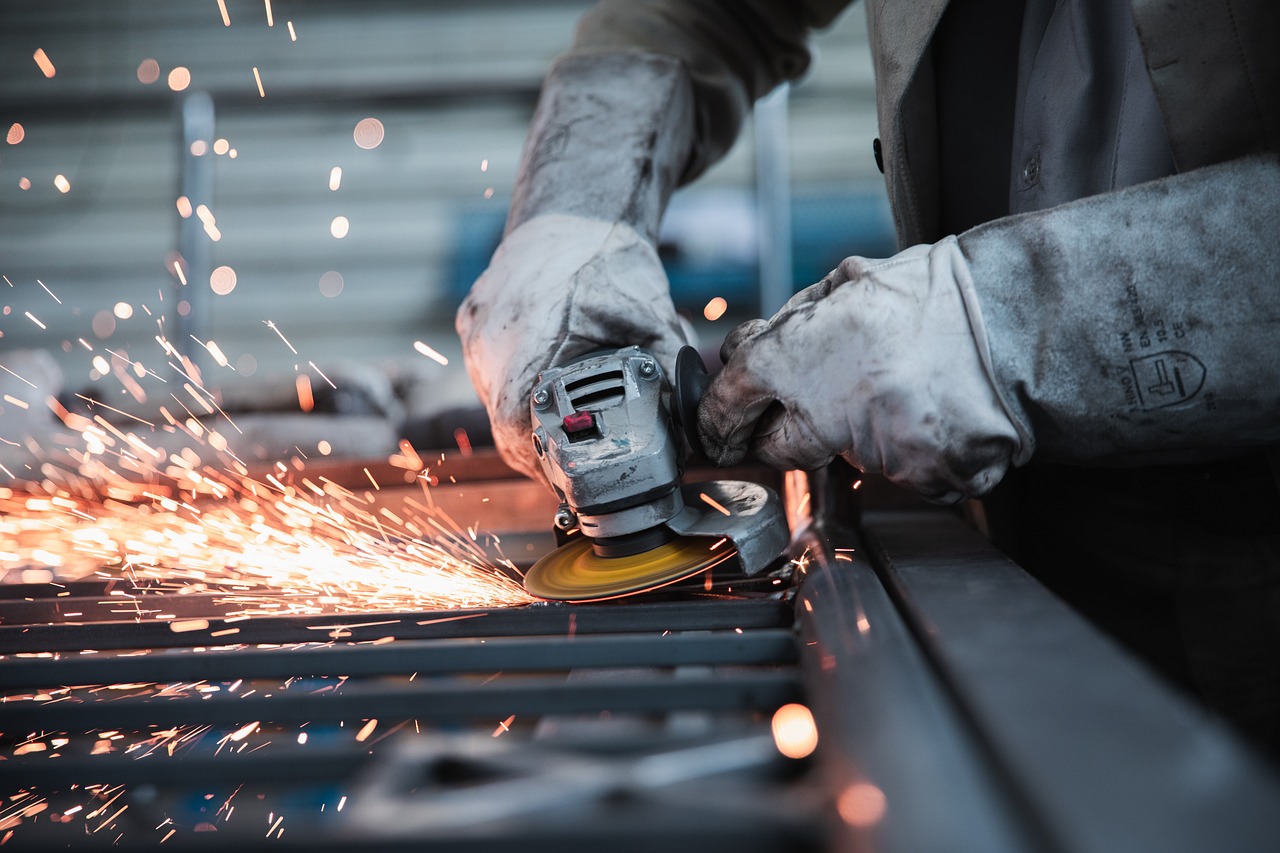

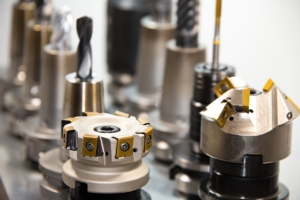
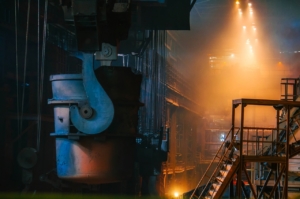
![Nigeria Beyond Oil: Mapping the Next $100bn Non-Oil Growth Engines Executive Summary Nigeria's economy is undergoing a historic transformation, with non-oil sectors now accounting for over 96% of GDP in 2025. As Africa's most populous nation charts a course toward economic resilience, the non-oil economy has emerged as the primary engine of growth, expanding by 3.91% in Q3 2025. With strategic investments and policy reforms, Nigeria is positioned to unlock $100 billion in value from agriculture, technology, manufacturing, services, and renewable energy sectors over the next decade. Understanding Economic Diversification Economic diversification is a fundamental concept driving Nigeria's transformation strategy. According to the United Nations Framework Convention on Climate Change (UNFCCC), economic diversification refers to "the process of shifting an economy away from a single income source toward multiple sources from a growing range of sectors and markets."[^1] This strategic approach reduces vulnerability to external shocks, creates employment opportunities, and establishes a more resilient economic foundation for sustainable growth. For Nigeria, diversification means moving beyond the volatility of oil-dependent revenues toward a balanced economy where agriculture, technology, manufacturing, and services contribute substantially to national wealth creation. Agriculture and Agribusiness – The $30 Billion Opportunity Introduction to Nigeria's Agricultural Transformation Agriculture remains the backbone of Nigeria's economy, employing nearly 70% of the population and contributing 31.21% to real GDP in Q3 2025. With government initiatives focused on mechanization, agri-tech solutions, and value chain development, the sector is poised to generate over $30 billion in additional value through increased productivity, reduced post-harvest losses, and expanded export markets. Current State and Recent Developments Agriculture expanded by 3.79% year-on-year in Q3 2025, driven mainly by crop production, which accounts for nearly two-thirds of the sector's nominal output. The sector has benefited from several transformative government programs: ● Anchor Borrowers' Programme: Providing credit facilities to smallholder farmers for agricultural inputs ● National Agricultural Technology Innovation Policy: Driving mechanized farming and precision agriculture ● Export Promotion Initiatives: Boosting exports of sesame seeds, cocoa, cashew nuts, and other commodities The Agri-Tech Revolution Between 2023 and 2025, Nigeria's agricultural technology sector attracted over $150 million in investments, with startups deploying innovative solutions including: ● Precision Farming Technologies: Companies like Zenvus use soil sensors, satellite data, and AI to optimize crop yields ● Digital Marketplaces: Platforms such as Farmcrowdy and AgroMall connect farmers directly with buyers, eliminating middlemen ● Fintech for Agriculture: Customized financing, mobile payments, and insurance products bridging the rural credit gap ● Supply Chain Solutions: Blockchain and data analytics improving farm-to-market logistics Growth Projections and Investment Opportunities With continued investment in irrigation, mechanization, cold chain logistics, and agro-processing facilities, the agricultural sector is projected to: ● Reduce post-harvest losses from current levels of 30-40% to below 15% ● Increase non-oil exports by capturing larger shares of global markets for cocoa, cashew, and specialty crops ● Create 5 million new jobs across the value chain by 2030 ● Contribute an additional $30 billion to GDP through productivity gains and value addition Technology and Digital Economy – The $25 Billion Frontier Introduction to Nigeria's Tech Ecosystem Nigeria has emerged as Africa's leading technology hub, often called the "Silicon Valley of Africa." Nigeria leads Africa's ICT market, contributing 82% of the continent's ICT value and 29% of its internet usage. The digital economy accounted for nearly 20% of GDP in Q2 2024, almost four times oil's contribution, positioning technology as a critical growth engine. Fintech Dominance and Expansion Nigeria's fintech sector represents one of the most successful diversification stories: ● Over 430 fintech companies operating as of February 2025, representing 28% of all African fintech companies ● Nigerian startups raised $520 million in 2024, with Moniepoint's $110 million Series C achieving unicorn status ● Digital payment solutions, mobile banking, and blockchain innovations driving financial inclusion ● Regulatory support from the Central Bank of Nigeria encouraging innovation Beyond Fintech: Emerging Tech Sectors While fintech dominates investment flows, other technology subsectors show tremendous potential: Information and Communication Technology (ICT) ● ICT posted 5.78% real growth with contribution rising to 9.10% of GDP ● Over 210 million active mobile subscribers and broadband penetration exceeding 40% ● 5G network expansion by MTN and MAFAB enhancing connectivity ● Government target of 90% broadband penetration by 2025 E-Commerce and Digital Services ● E-commerce market projected to reach $5 billion by 2025 ● Growing internet penetration driving online shopping adoption ● Logistics and last-mile delivery innovations supporting growth Emerging Technology Sectors Requiring Investment ● Agritech: Connecting technology to agricultural productivity ● Healthtech: Telemedicine, digital health records, and diagnostic innovations ● Edtech: Digital learning platforms addressing educational gaps ● Climate Tech: Renewable energy and environmental monitoring solutions Growth Projections Analysts project the digital economy to generate revenues up to $18.3 billion via fintech and AI, with the broader technology sector positioned to contribute $25 billion to economic growth through: ● Increased venture capital investment beyond fintech into deep tech ● Job creation for Nigeria's youthful population ● Export of technology services and products ● Enhanced productivity across all economic sectors Manufacturing and Industrial Development – The $20 Billion Challenge Introduction to Nigeria's Manufacturing Potential Manufacturing remains a critical yet underutilized pillar of economic diversification. Despite accounting for only 7.62% of GDP, the sector holds immense potential for value addition, job creation, and import substitution. Recent infrastructure investments and the operationalization of the Dangote Oil Refinery signal renewed momentum in industrial development. Current Manufacturing Landscape Manufacturing posted real growth of 1.25% in Q3 2025, driven by several factors: ● Dangote Oil Refinery Operations: Beginning in September 2024 with capacity to produce 650,000 barrels of refined petroleum products daily, significantly reducing import dependence ● Dangote Fertilizer Plant: Commissioned in May 2022 with capacity for 3 million tonnes annually, filling global supply gaps ● FX Stability: Improved foreign exchange liquidity supporting raw material imports ● Increased Domestic Refining: Reducing energy costs for manufacturers Key Manufacturing Subsectors Food, Beverage, and Tobacco ● Processing agricultural products for domestic consumption and export ● Value addition to raw materials reducing commodity dependence Chemical and Pharmaceutical Products ● Local production of essential medicines and industrial chemicals ● Import substitution reducing foreign exchange pressure Cement and Construction Materials ● Meeting infrastructure development demand ● Regional export opportunities Infrastructure and Policy Support Special Economic Zones (SEZs) ● Establishment of zones in various regions to facilitate trade and manufacturing ● Tax incentives and streamlined regulatory processes ● Enhanced export capacity and employment generation Infrastructure Investments ● Lagos-Ibadan railway and Second Niger Bridge improving connectivity ● Continuous highway upgrades reducing logistics costs ● Power sector reforms addressing electricity challenges Challenges and Solutions Power Supply Deficit ● Despite Electricity Act amendments decentralizing the market, transmission remains unresolved ● Stable and affordable power essential for manufacturing competitiveness ● Private sector participation and renewable energy integration needed High Production Costs ● Interest rates and borrowing costs limiting access to credit ● Need for targeted industrial financing schemes Growth Projections With sustained infrastructure development, power sector reforms, and targeted industrial policy, manufacturing can contribute $20 billion to GDP growth through: ● Import substitution in consumer goods and industrial products ● Export-oriented manufacturing leveraging AfCFTA market access ● Technology transfer and skills development ● Creation of 3 million manufacturing jobs by 2030 Services Sector – The $15 Billion Backbone Introduction to Nigeria's Services Economy The services sector is Nigeria's largest economic contributor, accounting for over 53% of real GDP. From telecommunications to financial services, real estate to hospitality, services drive employment and economic activity across urban and rural areas. Key Services Subsectors Financial and Insurance Services ● Financial and insurance services posted real growth of 19.63%, though contribution to GDP fell to 2.65% ● Banking sector expansion and insurance penetration growth ● Integration of technology improving service delivery Telecommunications and Information Services ● Telecommunications and information services posted a robust 7.40% expansion, accounting for 10.59% of overall output ● Mobile phone penetration and internet services driving growth ● Platform for broader digital economy development Real Estate ● Real estate nominal output surged 89.34%, with real growth at 3.50% ● Urbanization and middle-class expansion driving demand ● Commercial and residential property development opportunities Trade and Commerce ● Trade posted 1.98% real growth, accounting for 16.42% of GDP ● Retail expansion through malls and e-commerce platforms ● AfCFTA creating regional trade opportunities Tourism and Hospitality ● Expansion in local and international travel ● Cultural tourism and business travel growth potential ● Investment in hospitality infrastructure Growth Drivers Expanding Middle Class ● Urbanization, education, and job creation driving consumer demand ● Increased spending on goods, electronics, housing, and services ● Retail boom catering to growing consumer base Regional Trade Integration ● African Continental Free Trade Area (AfCFTA) access to 1.3 billion consumers ● Non-oil exports gaining access to larger African markets ● Improved border management and customs procedures Growth Projections The services sector is positioned to contribute $15 billion to economic growth through: ● Financial sector deepening and increased penetration ● Tourism development capitalizing on Nigeria's cultural assets ● Professional services export to West African region ● Transportation and logistics optimization ● Healthcare and education services expansion Renewable Energy and Natural Resources – The $10 Billion Green Future Introduction to Nigeria's Energy Transition As global environmental concerns intensify and power supply challenges persist, renewable energy presents both a necessity and an opportunity. With abundant solar resources, Nigeria is positioned to lead West Africa's energy transition while addressing domestic electricity deficits. Current Renewable Energy Landscape Solar Energy Growth ● Surge in solar adoption due to unreliable grid power supply ● Residential, commercial, and industrial solar installations expanding ● Government policies encouraging green energy investments ● Cost competitiveness improving with falling technology prices Renewable Energy Policies ● Government commitment to sustainable energy development ● Incentives for private sector investment in green technologies ● Integration of renewables into national energy mix Solid Minerals Development Nigeria's non-oil sectors, including solid minerals, are experiencing growth, with potential in: ● Lithium and Rare Earth Elements: Critical for global battery and technology manufacturing ● Gold and Other Precious Minerals: Export potential and artisanal mining formalization ● Industrial Minerals: Limestone, gypsum, and other construction materials Environmental Technology ● Climate Tech Innovations: Carbon capture, emissions monitoring, and environmental management ● Sustainable Agriculture: Technologies reducing environmental impact while increasing yields ● Waste-to-Energy: Converting organic and municipal waste into power Growth Projections The renewable energy and natural resources sector can contribute $10 billion through: ● Off-grid and mini-grid solar solutions powering 25 million households ● Large-scale solar and wind farms feeding into national grid ● Solid minerals exports generating foreign exchange ● Green technology manufacturing and assembly ● Environmental services and carbon credit trading Macroeconomic Foundations and Policy Environment Introduction to Economic Reforms Nigeria's non-oil growth potential is underpinned by significant macroeconomic reforms initiated since 2023. These policy changes have improved economic stability, attracted foreign investment, and created conditions for sustainable diversification. Recent Economic Performance GDP Growth Trajectory ● Nigeria's economy expanded by 3.9% year-on-year in the first half of 2025, up from 3.5% in the same period of 2024, driven by strong performance in services and non-oil industries ● The economy expanded by 3.98% in Q3 2025, with the non-oil sector contributing 96.6% to GDP ● Growth projected to accelerate to 4.2% in 2026 according to IMF forecasts External Position Strengthening ● Foreign reserves exceeding $42 billion with current account surplus rising to 6.1% of GDP, supported by higher non-oil exports ● Naira stabilization in the N1,440-N1,500/$ range ● Improved business confidence and foreign direct investment Fiscal Improvements ● Federal deficit projected at 2.6% of GDP in 2025 ● Public debt expected to decline from 42.9% to 39.8% of GDP ● Tax reforms enacted in June 2025 enhancing non-oil revenue generation Inflation and Monetary Policy Inflation Moderation ● Inflation eased to 21.9% in July 2025, supported by foreign exchange stability and targeted CBN interventions ● Projections for 2026 indicate further decline to around 14% by year-end ● Food inflation remains elevated, requiring continued policy attention Monetary Policy Stance ● Central Bank maintaining disciplined approach to price stability ● Interest rates remain elevated to anchor inflation expectations ● Gradual easing expected as inflation sustainably declines Structural Reforms Fuel Subsidy Removal ● Elimination of petrol subsidies freeing fiscal resources ● Redirecting funds to infrastructure and social programs ● Social protection programs mitigating impact on vulnerable populations Foreign Exchange Reforms ● Unified exchange rate system improving transparency ● Elimination of multiple exchange rate windows ● Enhanced FX liquidity and reduced arbitrage opportunities Tax Reforms ● Four landmark tax reforms enacted in June 2025 ● Streamlining tax administration and compliance ● Expanding tax base beyond oil revenues ● Improving ease of doing business Investment Climate Foreign Direct Investment ● Capital importation rose 67.1% to $5.64 billion in Q1 2025 ● Shift toward non-oil sectors including telecommunications, manufacturing, and services ● Opportunities for long-term investors in infrastructure and industry Business Environment Improvements ● Tinubu Administration prioritizing business climate reforms ● Reduction in bureaucratic bottlenecks ● Enhanced protection for investors Challenges and Risk Factors Introduction to Implementation Challenges While Nigeria's diversification potential is substantial, several challenges must be addressed to realize the $100 billion opportunity across non-oil sectors. Security Challenges ● Ongoing issues with banditry, insurgency, and communal conflicts ● Impact on agricultural productivity in key food-producing states ● Need for enhanced security coordination and conflict resolution Infrastructure Deficits Power Supply ● Inadequate and unreliable electricity generation and distribution ● Transmission infrastructure requiring major investment ● Critical bottleneck for manufacturing and industrial growth Transportation ● Road network quality affecting logistics costs ● Port congestion and clearance procedures ● Last-mile connectivity challenges in rural areas Social Challenges Poverty and Inequality ● Many households continue to face hardship, with poverty and food insecurity remaining high ● 109 million citizens below poverty line as of 2023 ● Need for inclusive growth policies and social protection expansion Food Inflation ● Poor households spend up to 70% of income on food, with basic food basket costs rising fivefold between 2019 and 2024 ● Addressing supply chain bottlenecks and trade barriers essential ● Agricultural productivity improvements critical Fiscal and Debt Sustainability ● Rising debt service obligations exceeding N15 trillion in 2026 budget ● Need for improved revenue generation and fiscal discipline ● Balancing growth investments with debt management External Risks ● Oil price volatility affecting government revenues ● Global economic slowdowns impacting export demand ● Exchange rate pressures from external shocks Strategic Recommendations and Action Plan Introduction to Strategic Priorities Unlocking the $100 billion non-oil growth opportunity requires coordinated action across government, private sector, and development partners. The following recommendations provide a roadmap for accelerated diversification. Priority 1: Infrastructure Development Power Sector Transformation ● Accelerate private sector participation in generation and distribution ● Resolve transmission infrastructure bottlenecks through targeted investment ● Integrate renewable energy into national grid ● Develop off-grid solutions for rural areas Transportation and Connectivity ● Complete ongoing railway and road projects ● Modernize port operations and reduce clearance times ● Develop industrial clusters with dedicated infrastructure ● Enhance digital connectivity through broadband expansion Priority 2: Human Capital Development Skills Training and Education ● Align educational curricula with industry needs ● Expand technical and vocational training programs ● Support technology education and digital literacy ● Encourage private sector involvement in skills development Healthcare Investment ● Improve healthcare access and quality ● Address malnutrition and food security ● Reduce maternal and child mortality ● Build resilient public health systems Priority 3: Enabling Business Environment Regulatory Reforms ● Streamline business registration and licensing ● Reduce regulatory compliance costs ● Ensure policy consistency and predictability ● Strengthen intellectual property protection Access to Finance ● Develop targeted financing schemes for SMEs and manufacturers ● Encourage long-term capital formation ● Promote alternative financing through capital markets ● Support fintech innovations in credit delivery Priority 4: Sector-Specific Interventions Agriculture ● Scale up mechanization and irrigation infrastructure ● Strengthen extension services and farmer training ● Develop commodity value chains and agro-processing zones ● Facilitate market access and export promotion Technology ● Create sector-specific sandboxes for innovation ● Establish deep tech fund with long-term investment horizon ● Support startup ecosystem beyond fintech ● Attract global technology companies and talent Manufacturing ● Implement industrial policy favoring strategic sectors ● Ensure Special Economic Zones are fully functional ● Provide infrastructure and utilities at competitive rates ● Facilitate technology transfer and partnerships Services ● Develop tourism infrastructure and marketing ● Enhance financial sector regulation and supervision ● Support professional services export through trade agreements ● Improve healthcare and education service delivery Renewable Energy ● Set ambitious renewable energy targets ● Provide incentives for private investment ● Streamline project approval processes ● Develop local manufacturing capacity for renewable technology Priority 5: Social Protection and Inclusion Safety Nets ● Expand social protection programs targeting vulnerable populations ● Implement conditional cash transfer schemes ● Support food security initiatives ● Ensure reforms benefit all citizens Geographic Inclusion ● Target investments in underserved regions ● Support rural economic development ● Address regional disparities in infrastructure and services ● Promote balanced development across states Priority 6: Governance and Institutions Anti-Corruption Measures ● Strengthen transparency and accountability systems ● Enhance procurement processes and oversight ● Support whistleblower protection ● Prosecute corruption vigorously Data and Monitoring ● Improve economic statistics and data collection ● Establish performance monitoring frameworks ● Use technology for real-time economic tracking ● Support evidence-based policymaking Conclusion: Nigeria's $100 Billion Vision Nigeria stands at a pivotal moment in its economic journey. The non-oil economy has demonstrated resilience and growth potential, expanding consistently even amid challenging global conditions. With agriculture contributing over 31% of GDP, technology sectors driving innovation, manufacturing gradually reviving, and services accounting for more than half of economic output, the foundations for sustainable diversification are firmly established. The $100 billion opportunity across non-oil sectors is not merely aspirational it is achievable through sustained policy commitment, strategic investments, and coordinated implementation. As the World Bank Country Director noted, "The Nigerian government has taken bold steps to stabilize the economy, but macroeconomic stability alone is not enough. The true measure of success will be how these reforms improve the daily lives of Nigerians". Success requires addressing infrastructure deficits, particularly in power and transportation, investing in human capital, maintaining macroeconomic stability, ensuring inclusive growth that reaches all citizens, and sustaining reform momentum despite short-term challenges. The path forward demands patience, persistence, and partnership between government, private sector, and civil society. With a population exceeding 220 million, a youthful demographic profile, abundant natural resources, growing regional integration through AfCFTA, and improving business environment, Nigeria possesses the fundamental ingredients for transformative growth. The next decade will determine whether Africa's most populous nation fully realizes its potential as a diversified, resilient, and prosperous economy capable of delivering shared prosperity to all its citizens. References United Nations Framework Convention on Climate Change (UNFCCC). "Economic Diversification." Available at: https://unfccc.int/topics/resilience/resources/economic-diversification Additional Sources: ● World Bank Nigeria Development Update, October 2025 ● National Bureau of Statistics GDP Reports Q1-Q3 2025 ● International Monetary Fund Nigeria Economic Outlook 2025 ● PwC Nigeria Economic Outlook Reports ● African Development Bank Nigeria Economic Outlook ● Trading Economics Nigeria Data Series ● Various Nigerian financial and economic publications (2024-2025) Call to Action Partner with Matthew Ogagavworia & Co. for Strategic Economic Intelligence At Matthew Ogagavworia & Co., we provide cutting-edge economic analysis, market intelligence, and strategic advisory services to help investors, businesses, and policymakers navigate Nigeria's evolving economic landscape. Our research covers: ● Sector-Specific Investment Analysis: Deep dives into agriculture, technology, manufacturing, and services opportunities ● Market Entry Strategies: Comprehensive guidance for foreign investors exploring Nigerian markets ● Economic Forecasting: Data-driven projections on macroeconomic trends and policy impacts ● Risk Assessment: Thorough evaluation of political, economic, and operational risks ● Custom Research: Tailored studies addressing your specific information needs Contact Us Today](https://mocaccountants.com/wp-content/plugins/contextual-related-posts/default.png "Nigeria Beyond Oil: Mapping the Next $100bn Non-Oil Growth Engines Executive Summary Nigeria's economy is undergoing a historic transformation, with non-oil sectors now accounting for over 96% of GDP in 2025. As Africa's most populous nation charts a course toward economic resilience, the non-oil economy has emerged as the primary engine of growth, expanding by 3.91% in Q3 2025. With strategic investments and policy reforms, Nigeria is positioned to unlock $100 billion in value from agriculture, technology, manufacturing, services, and renewable energy sectors over the next decade. Understanding Economic Diversification Economic diversification is a fundamental concept driving Nigeria's transformation strategy. According to the United Nations Framework Convention on Climate Change (UNFCCC), economic diversification refers to \"the process of shifting an economy away from a single income source toward multiple sources from a growing range of sectors and markets.\"[^1] This strategic approach reduces vulnerability to external shocks, creates employment opportunities, and establishes a more resilient economic foundation for sustainable growth. For Nigeria, diversification means moving beyond the volatility of oil-dependent revenues toward a balanced economy where agriculture, technology, manufacturing, and services contribute substantially to national wealth creation. Agriculture and Agribusiness – The $30 Billion Opportunity Introduction to Nigeria's Agricultural Transformation Agriculture remains the backbone of Nigeria's economy, employing nearly 70% of the population and contributing 31.21% to real GDP in Q3 2025. With government initiatives focused on mechanization, agri-tech solutions, and value chain development, the sector is poised to generate over $30 billion in additional value through increased productivity, reduced post-harvest losses, and expanded export markets. Current State and Recent Developments Agriculture expanded by 3.79% year-on-year in Q3 2025, driven mainly by crop production, which accounts for nearly two-thirds of the sector's nominal output. The sector has benefited from several transformative government programs: ● Anchor Borrowers' Programme: Providing credit facilities to smallholder farmers for agricultural inputs ● National Agricultural Technology Innovation Policy: Driving mechanized farming and precision agriculture ● Export Promotion Initiatives: Boosting exports of sesame seeds, cocoa, cashew nuts, and other commodities The Agri-Tech Revolution Between 2023 and 2025, Nigeria's agricultural technology sector attracted over $150 million in investments, with startups deploying innovative solutions including: ● Precision Farming Technologies: Companies like Zenvus use soil sensors, satellite data, and AI to optimize crop yields ● Digital Marketplaces: Platforms such as Farmcrowdy and AgroMall connect farmers directly with buyers, eliminating middlemen ● Fintech for Agriculture: Customized financing, mobile payments, and insurance products bridging the rural credit gap ● Supply Chain Solutions: Blockchain and data analytics improving farm-to-market logistics Growth Projections and Investment Opportunities With continued investment in irrigation, mechanization, cold chain logistics, and agro-processing facilities, the agricultural sector is projected to: ● Reduce post-harvest losses from current levels of 30-40% to below 15% ● Increase non-oil exports by capturing larger shares of global markets for cocoa, cashew, and specialty crops ● Create 5 million new jobs across the value chain by 2030 ● Contribute an additional $30 billion to GDP through productivity gains and value addition Technology and Digital Economy – The $25 Billion Frontier Introduction to Nigeria's Tech Ecosystem Nigeria has emerged as Africa's leading technology hub, often called the \"Silicon Valley of Africa.\" Nigeria leads Africa's ICT market, contributing 82% of the continent's ICT value and 29% of its internet usage. The digital economy accounted for nearly 20% of GDP in Q2 2024, almost four times oil's contribution, positioning technology as a critical growth engine. Fintech Dominance and Expansion Nigeria's fintech sector represents one of the most successful diversification stories: ● Over 430 fintech companies operating as of February 2025, representing 28% of all African fintech companies ● Nigerian startups raised $520 million in 2024, with Moniepoint's $110 million Series C achieving unicorn status ● Digital payment solutions, mobile banking, and blockchain innovations driving financial inclusion ● Regulatory support from the Central Bank of Nigeria encouraging innovation Beyond Fintech: Emerging Tech Sectors While fintech dominates investment flows, other technology subsectors show tremendous potential: Information and Communication Technology (ICT) ● ICT posted 5.78% real growth with contribution rising to 9.10% of GDP ● Over 210 million active mobile subscribers and broadband penetration exceeding 40% ● 5G network expansion by MTN and MAFAB enhancing connectivity ● Government target of 90% broadband penetration by 2025 E-Commerce and Digital Services ● E-commerce market projected to reach $5 billion by 2025 ● Growing internet penetration driving online shopping adoption ● Logistics and last-mile delivery innovations supporting growth Emerging Technology Sectors Requiring Investment ● Agritech: Connecting technology to agricultural productivity ● Healthtech: Telemedicine, digital health records, and diagnostic innovations ● Edtech: Digital learning platforms addressing educational gaps ● Climate Tech: Renewable energy and environmental monitoring solutions Growth Projections Analysts project the digital economy to generate revenues up to $18.3 billion via fintech and AI, with the broader technology sector positioned to contribute $25 billion to economic growth through: ● Increased venture capital investment beyond fintech into deep tech ● Job creation for Nigeria's youthful population ● Export of technology services and products ● Enhanced productivity across all economic sectors Manufacturing and Industrial Development – The $20 Billion Challenge Introduction to Nigeria's Manufacturing Potential Manufacturing remains a critical yet underutilized pillar of economic diversification. Despite accounting for only 7.62% of GDP, the sector holds immense potential for value addition, job creation, and import substitution. Recent infrastructure investments and the operationalization of the Dangote Oil Refinery signal renewed momentum in industrial development. Current Manufacturing Landscape Manufacturing posted real growth of 1.25% in Q3 2025, driven by several factors: ● Dangote Oil Refinery Operations: Beginning in September 2024 with capacity to produce 650,000 barrels of refined petroleum products daily, significantly reducing import dependence ● Dangote Fertilizer Plant: Commissioned in May 2022 with capacity for 3 million tonnes annually, filling global supply gaps ● FX Stability: Improved foreign exchange liquidity supporting raw material imports ● Increased Domestic Refining: Reducing energy costs for manufacturers Key Manufacturing Subsectors Food, Beverage, and Tobacco ● Processing agricultural products for domestic consumption and export ● Value addition to raw materials reducing commodity dependence Chemical and Pharmaceutical Products ● Local production of essential medicines and industrial chemicals ● Import substitution reducing foreign exchange pressure Cement and Construction Materials ● Meeting infrastructure development demand ● Regional export opportunities Infrastructure and Policy Support Special Economic Zones (SEZs) ● Establishment of zones in various regions to facilitate trade and manufacturing ● Tax incentives and streamlined regulatory processes ● Enhanced export capacity and employment generation Infrastructure Investments ● Lagos-Ibadan railway and Second Niger Bridge improving connectivity ● Continuous highway upgrades reducing logistics costs ● Power sector reforms addressing electricity challenges Challenges and Solutions Power Supply Deficit ● Despite Electricity Act amendments decentralizing the market, transmission remains unresolved ● Stable and affordable power essential for manufacturing competitiveness ● Private sector participation and renewable energy integration needed High Production Costs ● Interest rates and borrowing costs limiting access to credit ● Need for targeted industrial financing schemes Growth Projections With sustained infrastructure development, power sector reforms, and targeted industrial policy, manufacturing can contribute $20 billion to GDP growth through: ● Import substitution in consumer goods and industrial products ● Export-oriented manufacturing leveraging AfCFTA market access ● Technology transfer and skills development ● Creation of 3 million manufacturing jobs by 2030 Services Sector – The $15 Billion Backbone Introduction to Nigeria's Services Economy The services sector is Nigeria's largest economic contributor, accounting for over 53% of real GDP. From telecommunications to financial services, real estate to hospitality, services drive employment and economic activity across urban and rural areas. Key Services Subsectors Financial and Insurance Services ● Financial and insurance services posted real growth of 19.63%, though contribution to GDP fell to 2.65% ● Banking sector expansion and insurance penetration growth ● Integration of technology improving service delivery Telecommunications and Information Services ● Telecommunications and information services posted a robust 7.40% expansion, accounting for 10.59% of overall output ● Mobile phone penetration and internet services driving growth ● Platform for broader digital economy development Real Estate ● Real estate nominal output surged 89.34%, with real growth at 3.50% ● Urbanization and middle-class expansion driving demand ● Commercial and residential property development opportunities Trade and Commerce ● Trade posted 1.98% real growth, accounting for 16.42% of GDP ● Retail expansion through malls and e-commerce platforms ● AfCFTA creating regional trade opportunities Tourism and Hospitality ● Expansion in local and international travel ● Cultural tourism and business travel growth potential ● Investment in hospitality infrastructure Growth Drivers Expanding Middle Class ● Urbanization, education, and job creation driving consumer demand ● Increased spending on goods, electronics, housing, and services ● Retail boom catering to growing consumer base Regional Trade Integration ● African Continental Free Trade Area (AfCFTA) access to 1.3 billion consumers ● Non-oil exports gaining access to larger African markets ● Improved border management and customs procedures Growth Projections The services sector is positioned to contribute $15 billion to economic growth through: ● Financial sector deepening and increased penetration ● Tourism development capitalizing on Nigeria's cultural assets ● Professional services export to West African region ● Transportation and logistics optimization ● Healthcare and education services expansion Renewable Energy and Natural Resources – The $10 Billion Green Future Introduction to Nigeria's Energy Transition As global environmental concerns intensify and power supply challenges persist, renewable energy presents both a necessity and an opportunity. With abundant solar resources, Nigeria is positioned to lead West Africa's energy transition while addressing domestic electricity deficits. Current Renewable Energy Landscape Solar Energy Growth ● Surge in solar adoption due to unreliable grid power supply ● Residential, commercial, and industrial solar installations expanding ● Government policies encouraging green energy investments ● Cost competitiveness improving with falling technology prices Renewable Energy Policies ● Government commitment to sustainable energy development ● Incentives for private sector investment in green technologies ● Integration of renewables into national energy mix Solid Minerals Development Nigeria's non-oil sectors, including solid minerals, are experiencing growth, with potential in: ● Lithium and Rare Earth Elements: Critical for global battery and technology manufacturing ● Gold and Other Precious Minerals: Export potential and artisanal mining formalization ● Industrial Minerals: Limestone, gypsum, and other construction materials Environmental Technology ● Climate Tech Innovations: Carbon capture, emissions monitoring, and environmental management ● Sustainable Agriculture: Technologies reducing environmental impact while increasing yields ● Waste-to-Energy: Converting organic and municipal waste into power Growth Projections The renewable energy and natural resources sector can contribute $10 billion through: ● Off-grid and mini-grid solar solutions powering 25 million households ● Large-scale solar and wind farms feeding into national grid ● Solid minerals exports generating foreign exchange ● Green technology manufacturing and assembly ● Environmental services and carbon credit trading Macroeconomic Foundations and Policy Environment Introduction to Economic Reforms Nigeria's non-oil growth potential is underpinned by significant macroeconomic reforms initiated since 2023. These policy changes have improved economic stability, attracted foreign investment, and created conditions for sustainable diversification. Recent Economic Performance GDP Growth Trajectory ● Nigeria's economy expanded by 3.9% year-on-year in the first half of 2025, up from 3.5% in the same period of 2024, driven by strong performance in services and non-oil industries ● The economy expanded by 3.98% in Q3 2025, with the non-oil sector contributing 96.6% to GDP ● Growth projected to accelerate to 4.2% in 2026 according to IMF forecasts External Position Strengthening ● Foreign reserves exceeding $42 billion with current account surplus rising to 6.1% of GDP, supported by higher non-oil exports ● Naira stabilization in the N1,440-N1,500/$ range ● Improved business confidence and foreign direct investment Fiscal Improvements ● Federal deficit projected at 2.6% of GDP in 2025 ● Public debt expected to decline from 42.9% to 39.8% of GDP ● Tax reforms enacted in June 2025 enhancing non-oil revenue generation Inflation and Monetary Policy Inflation Moderation ● Inflation eased to 21.9% in July 2025, supported by foreign exchange stability and targeted CBN interventions ● Projections for 2026 indicate further decline to around 14% by year-end ● Food inflation remains elevated, requiring continued policy attention Monetary Policy Stance ● Central Bank maintaining disciplined approach to price stability ● Interest rates remain elevated to anchor inflation expectations ● Gradual easing expected as inflation sustainably declines Structural Reforms Fuel Subsidy Removal ● Elimination of petrol subsidies freeing fiscal resources ● Redirecting funds to infrastructure and social programs ● Social protection programs mitigating impact on vulnerable populations Foreign Exchange Reforms ● Unified exchange rate system improving transparency ● Elimination of multiple exchange rate windows ● Enhanced FX liquidity and reduced arbitrage opportunities Tax Reforms ● Four landmark tax reforms enacted in June 2025 ● Streamlining tax administration and compliance ● Expanding tax base beyond oil revenues ● Improving ease of doing business Investment Climate Foreign Direct Investment ● Capital importation rose 67.1% to $5.64 billion in Q1 2025 ● Shift toward non-oil sectors including telecommunications, manufacturing, and services ● Opportunities for long-term investors in infrastructure and industry Business Environment Improvements ● Tinubu Administration prioritizing business climate reforms ● Reduction in bureaucratic bottlenecks ● Enhanced protection for investors Challenges and Risk Factors Introduction to Implementation Challenges While Nigeria's diversification potential is substantial, several challenges must be addressed to realize the $100 billion opportunity across non-oil sectors. Security Challenges ● Ongoing issues with banditry, insurgency, and communal conflicts ● Impact on agricultural productivity in key food-producing states ● Need for enhanced security coordination and conflict resolution Infrastructure Deficits Power Supply ● Inadequate and unreliable electricity generation and distribution ● Transmission infrastructure requiring major investment ● Critical bottleneck for manufacturing and industrial growth Transportation ● Road network quality affecting logistics costs ● Port congestion and clearance procedures ● Last-mile connectivity challenges in rural areas Social Challenges Poverty and Inequality ● Many households continue to face hardship, with poverty and food insecurity remaining high ● 109 million citizens below poverty line as of 2023 ● Need for inclusive growth policies and social protection expansion Food Inflation ● Poor households spend up to 70% of income on food, with basic food basket costs rising fivefold between 2019 and 2024 ● Addressing supply chain bottlenecks and trade barriers essential ● Agricultural productivity improvements critical Fiscal and Debt Sustainability ● Rising debt service obligations exceeding N15 trillion in 2026 budget ● Need for improved revenue generation and fiscal discipline ● Balancing growth investments with debt management External Risks ● Oil price volatility affecting government revenues ● Global economic slowdowns impacting export demand ● Exchange rate pressures from external shocks Strategic Recommendations and Action Plan Introduction to Strategic Priorities Unlocking the $100 billion non-oil growth opportunity requires coordinated action across government, private sector, and development partners. The following recommendations provide a roadmap for accelerated diversification. Priority 1: Infrastructure Development Power Sector Transformation ● Accelerate private sector participation in generation and distribution ● Resolve transmission infrastructure bottlenecks through targeted investment ● Integrate renewable energy into national grid ● Develop off-grid solutions for rural areas Transportation and Connectivity ● Complete ongoing railway and road projects ● Modernize port operations and reduce clearance times ● Develop industrial clusters with dedicated infrastructure ● Enhance digital connectivity through broadband expansion Priority 2: Human Capital Development Skills Training and Education ● Align educational curricula with industry needs ● Expand technical and vocational training programs ● Support technology education and digital literacy ● Encourage private sector involvement in skills development Healthcare Investment ● Improve healthcare access and quality ● Address malnutrition and food security ● Reduce maternal and child mortality ● Build resilient public health systems Priority 3: Enabling Business Environment Regulatory Reforms ● Streamline business registration and licensing ● Reduce regulatory compliance costs ● Ensure policy consistency and predictability ● Strengthen intellectual property protection Access to Finance ● Develop targeted financing schemes for SMEs and manufacturers ● Encourage long-term capital formation ● Promote alternative financing through capital markets ● Support fintech innovations in credit delivery Priority 4: Sector-Specific Interventions Agriculture ● Scale up mechanization and irrigation infrastructure ● Strengthen extension services and farmer training ● Develop commodity value chains and agro-processing zones ● Facilitate market access and export promotion Technology ● Create sector-specific sandboxes for innovation ● Establish deep tech fund with long-term investment horizon ● Support startup ecosystem beyond fintech ● Attract global technology companies and talent Manufacturing ● Implement industrial policy favoring strategic sectors ● Ensure Special Economic Zones are fully functional ● Provide infrastructure and utilities at competitive rates ● Facilitate technology transfer and partnerships Services ● Develop tourism infrastructure and marketing ● Enhance financial sector regulation and supervision ● Support professional services export through trade agreements ● Improve healthcare and education service delivery Renewable Energy ● Set ambitious renewable energy targets ● Provide incentives for private investment ● Streamline project approval processes ● Develop local manufacturing capacity for renewable technology Priority 5: Social Protection and Inclusion Safety Nets ● Expand social protection programs targeting vulnerable populations ● Implement conditional cash transfer schemes ● Support food security initiatives ● Ensure reforms benefit all citizens Geographic Inclusion ● Target investments in underserved regions ● Support rural economic development ● Address regional disparities in infrastructure and services ● Promote balanced development across states Priority 6: Governance and Institutions Anti-Corruption Measures ● Strengthen transparency and accountability systems ● Enhance procurement processes and oversight ● Support whistleblower protection ● Prosecute corruption vigorously Data and Monitoring ● Improve economic statistics and data collection ● Establish performance monitoring frameworks ● Use technology for real-time economic tracking ● Support evidence-based policymaking Conclusion: Nigeria's $100 Billion Vision Nigeria stands at a pivotal moment in its economic journey. The non-oil economy has demonstrated resilience and growth potential, expanding consistently even amid challenging global conditions. With agriculture contributing over 31% of GDP, technology sectors driving innovation, manufacturing gradually reviving, and services accounting for more than half of economic output, the foundations for sustainable diversification are firmly established. The $100 billion opportunity across non-oil sectors is not merely aspirational it is achievable through sustained policy commitment, strategic investments, and coordinated implementation. As the World Bank Country Director noted, \"The Nigerian government has taken bold steps to stabilize the economy, but macroeconomic stability alone is not enough. The true measure of success will be how these reforms improve the daily lives of Nigerians\". Success requires addressing infrastructure deficits, particularly in power and transportation, investing in human capital, maintaining macroeconomic stability, ensuring inclusive growth that reaches all citizens, and sustaining reform momentum despite short-term challenges. The path forward demands patience, persistence, and partnership between government, private sector, and civil society. With a population exceeding 220 million, a youthful demographic profile, abundant natural resources, growing regional integration through AfCFTA, and improving business environment, Nigeria possesses the fundamental ingredients for transformative growth. The next decade will determine whether Africa's most populous nation fully realizes its potential as a diversified, resilient, and prosperous economy capable of delivering shared prosperity to all its citizens. References United Nations Framework Convention on Climate Change (UNFCCC). \"Economic Diversification.\" Available at: https://unfccc.int/topics/resilience/resources/economic-diversification Additional Sources: ● World Bank Nigeria Development Update, October 2025 ● National Bureau of Statistics GDP Reports Q1-Q3 2025 ● International Monetary Fund Nigeria Economic Outlook 2025 ● PwC Nigeria Economic Outlook Reports ● African Development Bank Nigeria Economic Outlook ● Trading Economics Nigeria Data Series ● Various Nigerian financial and economic publications (2024-2025) Call to Action Partner with Matthew Ogagavworia & Co. for Strategic Economic Intelligence At Matthew Ogagavworia & Co., we provide cutting-edge economic analysis, market intelligence, and strategic advisory services to help investors, businesses, and policymakers navigate Nigeria's evolving economic landscape. Our research covers: ● Sector-Specific Investment Analysis: Deep dives into agriculture, technology, manufacturing, and services opportunities ● Market Entry Strategies: Comprehensive guidance for foreign investors exploring Nigerian markets ● Economic Forecasting: Data-driven projections on macroeconomic trends and policy impacts ● Risk Assessment: Thorough evaluation of political, economic, and operational risks ● Custom Research: Tailored studies addressing your specific information needs Contact Us Today")


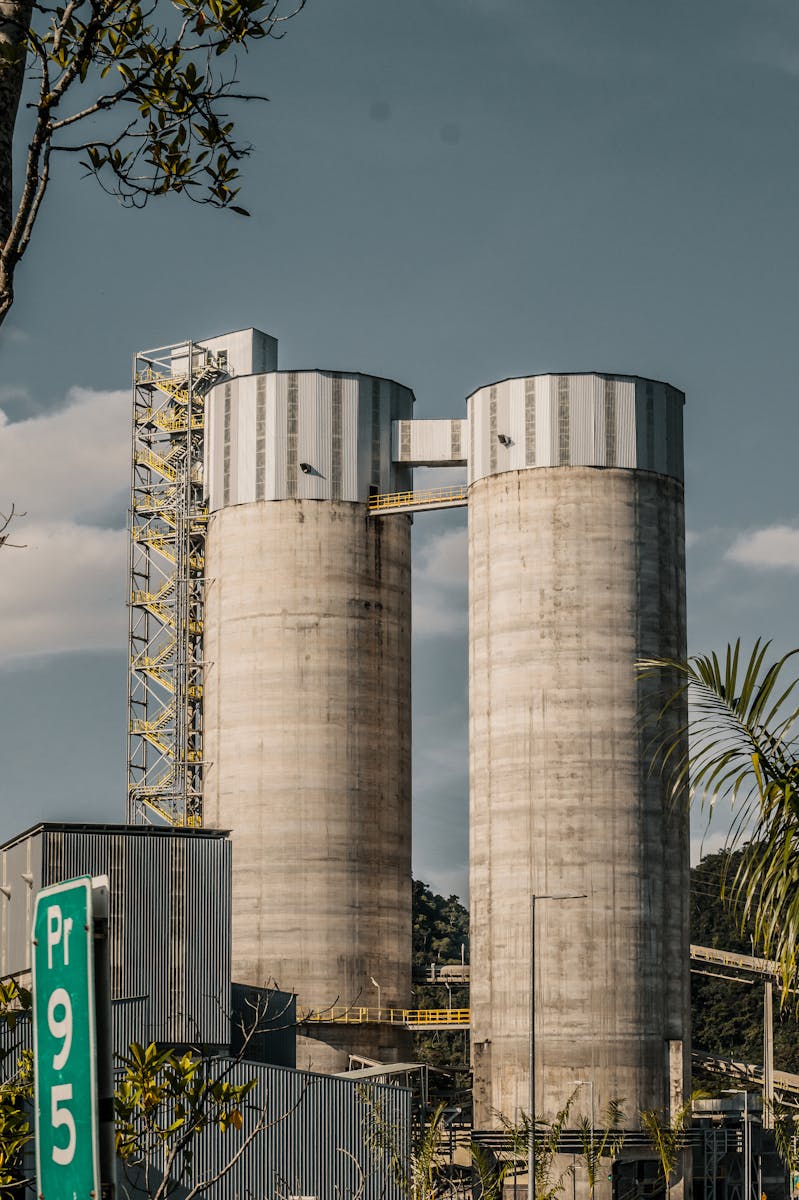


There are no comments