Office Address: 5, Ishola Bello Close, Off Iyalla Street, Alausa, Ikeja, Lagos, Nigeria.
Introduction
The sewage treatment industry in Nigeria is such an important facet of its entire infrastructure that it has been scoped out to meet the challenges posed by rapid urbanization and population growth. As cities grew, enormous amounts of wastewater required treatment to prevent damage to public health and the environment. In all, techniques and technologies have been developed for treating sewage efficiently and removing harmful contaminants from water drains before discharge. One of the sectors that continue to have growth potential and opportunities for multipliers as more government initiatives are introduced into the institutes proves development from the ongoing awareness of issues related to the environment.
Sewage treatment is very important for public and environmental health in Nigeria. Where sewage wastes are well managed, infection from waterborne diseases, such as cholera and typhoid, that can grow, in the minds of people as great sanitation deficiency entails harm to health, will be lowered. Protection of ecosystems, thus also establishing sustainable well-being in natural water bodies, is accomplished through protecting them from pollution by effluents. This industry is not just health; it is economic development too. Clean water needed for agriculture, industry, and tourism requires investment in sewage treatment services, thus creating a healthier society and a sustainable future for Nigeria.
This guide is designed for aspiring entrepreneurs to walk them through starting a sewage treatment business in Nigeria. The objectives are as follows:
– Inform them about the present sewage treatment industry and its relevance in Nigeria.
– Provide informed perspectives on market research, business planning, and operations, coherently Nigerian applicable.
– Highlight the legal terrain, including licenses and permits, which would enable the compliance and smooth running of the business.
– Give guidelines about suitable technologies and equipment for effective waste treatment.
– Provide best practices for marketing, creating sound financial policies, and maintaining health and environmental standards.
Thereby positioning you to address the complexity of the waste treatment business and getting the best interest for yourself in already meeting the growing demand for effective waste management solutions in Nigeria.
Market Research and Analysis
The Nigerian Sewage Treatment Market: An Overview
The changes in the sewage treatment market are the result of increasing urbanization, population growth, and growing awareness about environmental issues. During the expansion of these cities, the volume of sewage produced has increased dramatically, which has been accompanied by an increased demand for sewage treatment. Government initiatives toward sanitation improvement, as well as environmental regulations, are also influencing market trends. Small-scale operators to large companies are competing in this sector, as the market is open to innovation and sustainability in sewage treatment services. The fruitful growth of the industry has created business opportunities for fresh entrants interested in penetrating the market.
Demand and Supply Analysis
The demand for sewage treatment services is on the rise in Nigeria owing to the following reasons:
– Urbanization: As the cities grow due to influxes of people, the sewage waste generation goes up, which calls for treatment.
– Health Implications: The prevalence of waterborne diseases has made sewage treatment a priority of public health, hence its increasing demand for treatment.
– Compliance with Regulations: Among the regulations provided, on an environmental basis, most industries
and municipalities are establishing waste treatment plants.
On the other side of the coin, the supply side is wrought with challenges like inadequate infrastructure, access to advanced technologies, and a mass of skilled personnel at present. However, there are opportunities for businesses that can provide innovative technologies and efficient service delivery to meet the increased demand.
Market Segmentation and Targeting
Understanding market segmentation goes a long way in targeting customers properly. The Nigerian sewage treatment market could therefore be segmented into:
– Types of Customers:
– Residential: Households that require sewage treatment solutions for domestic waste.
– Commercial: Businesses, hotels, and restaurants that require efficient waste management systems.
– Industrial: All factories and manufacturing plants with specific sewage treatment needs.
– Geographical Location:
– Urban Areas: A very highly dense city that generates a lot of sewage.
– Rural Areas: Regions with little infrastructure and yet are on the growth level in terms of sanitation needs.
– Type of Service:
– Design and Construction: Companies whose core business is building sewage treatment plants.
– Operation and Maintenance: firms managing sewage facilities continuously.
More focused segmentation enables specific targeting to design customized services and marketing strategies to cater to the unique characteristics of varying approaches toward recipients.
Competitive Analysis
It becomes imperative to undertake a competition analysis to keenly understand the structure of the market in the sewage treatment industry in Nigeria. Key factors to consider include:
– Major Competitors: Find out what companies are currently operating in the sewage treatment industry, their current market position, and the services they provide. Identify how they can be structured to find a significant difference from the competition.
– Service Offerings: Assess what the key rivals offer to their clients: design, construction, operation, and maintenance of the sewage treatment plants. Special emphasis should be made to see whether there are market niches to be exploited.
– Pricing Strategies: The firm should examine its competitors’ pricing strategies since this analysis gives the firm insights into the market price.
– Customer Relationships: When evaluating competitors also one should determine how the competitors cultivate these patients. This field has a high degree of competition and the tendency of customer service and support can be an important competitive weapon.
Thus, knowing the competitive forces that operate in the sewage treatment industry allows businesspeople to devise ways and means of creating a competitive advantage for their businesses.
Competition
The competition in the sewage treatment market in Nigeria includes the presence of both fully-fledged companies and startups. They compete with a large number of local firms as well as with firms that have a global presence and have now ventured into this market to offer enhanced technologies and services.
– Established Players: There are established companies with large capital and many years in business providing a one-stop solution hence tend to provide designs, construction, and maintenance services for sewage treatment plants.
– Emerging Startups: New entrants are inclined more towards specific segments and technology, for example; decentralized treatment systems or environment-friendly solutions. Consumers and businesses can request green products, and use the environmentally friendly ones as their preference of choice.
In other words, the new firms must establish what they offer for differentiation regarding price, product technology, service, and particular services.
Market Size and Growth
The Nigerian sewage treatment market has considerable growth potential shortly. Researchers have approximated the market to be worth several billion Naira currently, with CAGR expected to rise higher as the pace of urbanization rises and governments encourage improved sanitation.
– Urbanization Impact: Since more individuals switch their living space to urban areas, the need for sewage treatment services will stay high, influencing the market growth.
– Government Initiatives: Other developments that will help the market growth include the establishment of more infrastructures and child betterment regulation on sanitation.
Market Overview
This sewage treatment market in Nigeria can be categorized into some sub-markets such as residential, commercial, and industrial markets. Each segment has distinct needs and challenges:
– Residential: Individuals need proper means of handling wastes found within their homes. As more people become more health and environmentally conscious, they are likely to install home STPs for sewage treatment.
The sewage management system is necessary for businesses, hotels, and restaurants to comply with laws and environmental cleanliness. This segment generally requires complete solutions for installation and maintenance.
Industry segment: Manufacturers and industrial plants waste substantial amounts of water for production, needing their government’s specialized treatment to expect regulatory approval from such an environment. This kind of environment is attractive to most companies that can make customized systems.
Market segment. Market segmentation is a critical requirement to identify and target specific groups of customers with good effect. The main segments include:
– Residential Segment: Homeowners and residential complexes need efficient sewage treatment solutions. This type of segment must be implemented in marketing and advertise the benefits in terms of health and compliance, as well as convenience.
– Commercial Segment: Businesses included – hotels, restaurants, and shopping centers. This segment, which could make up a large portion of potential customers, would focus on the health regulation compliance aspect and highlight the benefits of maintaining a clean environment for this segment.
– Industrial Segment: Manufacturing plants and factories that have specialized sewage treatment needs qualify for this segment. Your marketing angle in this case should be about your capability of offering customized systems that meet specific regulatory requirements and operational needs.
By knowing these segments, companies can use a different marketing strategy and offer their services according to the needs of each target market, increasing the success prospects in the Nigerian sewage treatment industry.
Analysis of Business Plan and Feasibility Study
Business Proposal and Proposal to Conduct a Feasibility Study
Writing an effective business proposal that will facilitate this business should be expedited to gain a competitive edge in Nigeria. It will help provide organization goals, strategies, and operations that this business should include in its plan. Key components include:
– Executive Summary: A short description of what your business is all about, what you want to achieve, and the opportunity you seek to address.
– Market Analysis: Market study findings, such as identification of your niche market, and competitors within the area of interest.
– Operational Plan: About setting of your business, how it will be organized, with what tools and people will be involved.
– Marketing Strategy: Strategies for acquiring and maintaining a customer base; the 4 C’s of marketing; price, promotion, place, and people.
– Financial Projections: More specific predictions of gross revenues costs and earnings for the first few years of business.
A feasibility study should be included together with the business plan to evaluate the feasibility of the business idea. That is establishing the demand of the market, the technical feasibility of the product, the financial feasibility, and the possible return on investment.
Establishing the Business Model and Identifying the revenue streams
When it comes to the issue of new business development, defining a clear business model must be of utmost importance to any sewage treatment-related business. Common models in this industry include:
– Service-Based Model: Specializing in treating sewage for household, company, and industrial uses through collection fees for installation, management, and operation.
– Product-Based Model: Supplying sewage treatment equipment and systems to customers, whether by direct sale or through agents.
– Hybrid Model: Offering both services available within the service lines as well as a range of products such as equipment provided together with maintenance and monitoring services.
Revenue streams may include:
– Installation Fees: Cost of flocculation and sedimentation of sewage treatment.
– Maintenance Contracts: The regular income from annual maintenance and other related consultancy and professional services.
– Consulting Services: Payments for consultancy services in matters concerning sewage treatment and related regulatory issues.
– Wastewater Treatment Fees: Treatments charged to the clients, particularly for wastewater treatment needs in industries.
Feasibility Study of the Project from Technological and Financial Perspectives
Evaluating the technical and financial viability of your sewage treatment project involves several steps:
– Technical Viability: Analyse the technology and method that you intend to adopt while treating the sewage. Make sure they fit into the local soil and that they meet legal demands. This concerns aspects of cost, quality, quantity, and effects on the physical environment.
– Financial Viability: Perform a cost estimate of start-up expenses, operating costs, and expected income. Define break-even point, ROI, and payback period as major financial ratios for business as a key activity. At the end of the analysis of this case, it will be possible to identify if the project is financially sustainable or not.
Identification of Potential Risks and Mitigation Strategies
Previewing possible risks is critical for managing and achieving the goals and objectives of a sewage treatment business. Common risks include:
– Regulatory Risks: There is the possibility that future changes in environmental laws will affect business. Mitigation: The organization needs to keep abreast with current changes in the government and regulatory authorities in the country.
– Market Risks: An event that may result in a change in the customers’ demand and this may be occasioned by changes in the economy or competition. Mitigation: A service company should appreciate the need to add new services and markets as a way of expanding its market.
– Operational Risks: Some risk factors include: technological risks, equipment breakdown, and skilled personnel supply risks. Mitigation: Make technical purchases from dependable sources and give training to the employees.
– Financial Risks: Obligations that are not planned typically arise in the month and may include costs or loss of revenue. Mitigation: There should have been a provision for a contingency fund, and also the company should conduct regular financial analysis and audit.
Licensing and Permits
Licensing and Permitting of Sewage Treatment Business in Nigeria
For one to establish a sewage treatment business in Nigeria, the business must adhere to some licensing and permitting laws. • These are intended to ensure that any business operates within certain environmental standards and or public health requirements. Key authorities involved include:
– Federal Ministry of Environment: Responsible for monitoring the state and federal environmental laws and licenses.
– State Environmental Protection Agencies: Local environmental law enforcement agencies and those issuing the permits.
Local Government Authorities: May have special conditions for running sewage treatment plants.
Importance of Obtaining Necessary Licenses and Permits
Obtaining the necessary licenses and permits is crucial for several reasons:
Legal Compliance: Lack of permits and licenses to conduct business may attract legal consequences, fines or even closure.
– Public Trust: Every appropriate licensing helps to build the image of the company as an environmentally friendly and health conscious company, so valuable to the customers and other interest groups.
– Access to Funding: Most investors and financial institutions demand that a license be provided before they grant their support or funding.
Comparative Study on the Various Licenses and Permits that may be Needed
The specific licenses and permits required may vary based on the nature of your sewage treatment business, but common requirements include:
– Environmental Impact Assessment (EIA): Required for projects where an impact on the environment might be seen as potentially large. This assessment focuses on identifying possible consequences and results together with recommended methods of avoiding them.
– Operational Permit: This in an official document provided by local environmental agencies that permits you to run sewage treatment facilities legally and within the environmental standard.
– Business Registration: Every company in Nigeria is required to register with the Corporate Affairs Commission (CAC) to legally do business in this country.
– Health and Safety Permits: Compliance with outdated or unnecessary health and safety regulations may be necessary especially where your business deals with dangerous products.
It is therefore important that you familiarize yourself with the licensing and permitting requirements as stated to have a standard sewage treatment business in Nigeria.
Documentation and License Process
The sewage treatment business in Nigeria as pertains to the acquisition of licenses and permits can be grouped into the following steps. Here’s a detailed overview of the documentation and license process:
Documentation Requirements
Before applying for licenses, ensure you have the following documents ready:
– Business Registration Documents: A copy of the written acknowledgment of your registration together with the Corporate Affairs Commission (CAC) Certificate of Incorporation and Articles of Association.
– Environmental Impact Assessment (EIA): A well-documented and well-supported report on the subject sewage treatment project showing its environmental effectiveness and the proper measures to control these impacts if any, that may occur in the shoreline area or other areas. This is usually necessary for activities that may have a relatively huge impact on the environment.
– Operational Plan: A clear working structure showing how your sewage treatment facility is going to thrive through the technologies you will employ, the kind of waste management you will practice, and disaster management procedures you will put in practice.
– Health and Safety Compliance Documents: Certification of safety requirements and measures of health in dealing with dangerous substances and the like.
– Financial Projections: Business plans that will show the success outlook of your company and startup expenses, running expenses, and expected earnings.
– Technical Specifications: Details on the technology and the equipment aimed at sewage treatment, including manufacturers’ information, and guidelines for operation.
Process for Obtaining Licenses
Step 1: Research and Preparation
– Identify Requirements: Proper research into the specific license and permit that should be obtained depends on the specific area where the sewage treatment business will be established as well as the nature of the business. This may require contacting the local environmental agencies and regulatory authorities.
– Prepare Documentation: Add all the documents you will require at the site and make sure they are acceptable to the authorities.
Step 2: This entry is on Environmental Impact Assessment (EIA).
– Conduct EIA: If necessary, it is necessary to invite a competent consultant on the performance of an EIA. It may involve consultation with the public and or evaluation of the Environmental impacts and Assessment.
– Submit EIA Report: The EIA report should be submitted to the federal Ministry of Environment or the state agency as the case may be for approval.
Step 3: Application Submission
– Complete Application Forms: Obtain completed forms on the operational permits and other licenses required for the establishment of an organization. These forms, in most cases, can be downloaded from the regulatory bodies that oversee the undertaking of these projects.
– Submit Application: Complete the application form with the necessary documents and send it to the relevant department the Federal Ministry of Environment or a regional environmental organization.
Step 4: Review and Approval
– Await Review: The regulatory body must go through your application and all your documents to review them. This may take several weeks to several months depending on the difficulty of the project as well as the availability of the particular agency.
– Respond to Queries: Expect the regulatory body to have one or two questions or require further clarification from you during the time of the review.
Step 5: Conveyor of Licenses and Permits
– Receive Licenses: After you have been granted the application and approval by the authorities you will then be issued with the licenses and permits which will enable you to undertake the sewage treatment business.
– Compliance Monitoring: After being issued licenses, all licenses must be maintained under all necessary specific requirements, such as license agencies inspecting annually or on some other arbitrary schedule.
Important Considerations
– Stay Informed: Ensure that once in a while you have to look for new amendments and changes in the environmental laws that apply to your operations.
– Engage Professionals: This means that it is advisable to seek the services of legal and environmental consultants in the licensing aspect of the business to ensure full compliance.
– Maintain Records: Retain copies of all submitted documents as well as all licenses received for your file/record or future use.
Sewage Treatment Technologies
Overview of Sewage Treatment Technologies
Sewage treatment technologies are required to properly treat sewage to meet the necessary specific discharge and reuse requirements. These technologies can be categorized into three main types: mechanical, physical/chemical, and biological ways of wastewater treatment. It is worthwhile to point out that all of them have their strengths and are applied in sewage treatment facilities according to the types’ characteristics goals and scope of a particular facility.
Comparative Evaluation of Various Technologies in the Treatment of Sewage
Physical Treatment
Physical treatment techniques therefore consist in the processes of removing organic and inorganic materials from the wastewater without changing their chemical composition. Common techniques include:
– Screening: Sewage cleaning process where there is mechanical removal of large objects in the sewage such as screens or grates.
– Sedimentation: This entails enabling suspended particles to sink to the base of a container or tank leaving the liquid separate.
– Filtration: These assist in eliminating the last remaining solid and particulate matter within the wastewater.
Advantages:
Good in the early stages of solids removal and not much-operating cost.
– Low operational costs.
Disadvantages:
– Does not precipitate dissolved contaminants and nutrients.
Chemical Treatment
Chemical methods of wastewater treatment involve using chemicals to bring about reactions that will remove the pollutants. Key processes include:
– Coagulation and Flocculation: Certain substances are dosed into the wastewater to cause coagulation of these particulates into larger masses that can be easily separated.
– Disinfection: Substances such as chlorine or ozone are used to remove all pathogen and bacterium evidence from the water that is treated.
Advantages:
Appropriate for specific material and microorganism elimination.
Can raise the water quality by a large margin.
Disadvantages:
– May produce some form of pollutant or hazardous waste by-products.
– Needs to be labeled and stored properly in a laboratory.
Biological Treatment
Sewage treatment antibiotics manage to decompose organic pollutants through utilizing microorganisms. Common techniques include:
– Activated Sludge Process: Inclined to stir the wastewater to allow facilities for the growth of bacteria that will feed on organic material.
– Trickling Filters: Sewage flows over a bed, the media being rocks or plastic, where biofilm develops which degrades pollutants.
– Constructed Wetlands: Biological systems that involve the use of wetland plants and substrate to remedy wastewater.
Advantages:
It is most effective for managing organic matter and nutrients.
–Eco-friendly, green and sustainable.
Disadvantages:
Is slower than the physical and chemical methods of extraction and also the process consumes more space.
Susceptible to changes in the wastewater content.
Why Choosing the Appropriate Technology for the Business is Important
Choosing the appropriate sewage treatment technology is critical for several reasons:
– Efficiency: As this article has demonstrated, there is the right technology to improve the treatment process achieve an acceptable quality of effluent, and meet any regulatory requirements.
– Cost-Effectiveness: Various technologies are distinguished by their capital costs and possible operating costs. Operational costs may be cut off by choosing the right option.
– Environmental Impact: The selected technology should have some level of resistance to adverse impacts on the surroundings and call for an environmentally friendly approach to the environment in the area.
– Scalability: With growing development in the world a selected technology will take a larger flow of sewage treatment hence needs to have the capacity to expand in the future.
Plant Design and Construction
Introduction of Design and Construction of Sewage Treatment Plant
Construction of a Sewage Treatment Plant or STP requires due attention to several key issues related to the selection of site, type of technology required, amongst other factors, and compliance with rules and regulations. During the design phase, the interest is in the positioning of the various pieces of equipment in a way that best suits the treatment process and safety and the environment.
A comparison of various types of plant layouts
STP may be of different types based on the type of treatment, its capacity, and the technological process used in it. Common configurations include:
– Conventional Activated Sludge Plants: In the biological treatment, use aeration tanks and secondary clarifiers; appropriate for medium to large-scale plants.
– Sequencing Batch Reactors (SBR): Function in a batch process, while the flexibility of treatment process and nutrient elimination is given preference.
– Membrane Bioreactors (MBR): The augment of biological treatment with membrane filtration is efficient in producing a high-quality effluent and the compact disk arrangements are suitable for sites with space limitations.
– Modular Treatment Systems: Housing types, which can be subassembled, and then transported and assembled, can be used for small clusters of people or in emergencies.
Significance of Accident Prevention and the Environmental Aspects
Safety and environmental considerations are paramount in the design and construction of sewage treatment plants:
– Regulatory Compliance: Compliance with local and national laws makes it legal for the plant to operate and minimize its impact on the environment.
– Worker Safety: Applying the protective measures, during construction and performance phases safeguards personnel from risks characteristic of wastewater management and treatment.
– Environmental Protection: Considering measures such as how to avoid emitting gases, smells, and having effluent discharge effects on the ecosystems and communities around the plant are the sound strategic plans that have been ensured for this plant.
– Sustainability: There are many ways to include energy-efficient technologies and practices that can help to decrease the amount of CO2 the plant is emitting and operate green.
It should be noted therefore that given these factors into consideration one can develop and put up a proper STP that caters to the needs of society in addition to safety and environmental conservation.
Types of Sewage Treatment
The existing technologies for the elimination of sewage can be grouped into numerous types depending on the used processes. Here’s an overview of the main types:
Physical Treatment
Mechanical treatment methods concern the process aimed at the removal of foreign solid bodies without affecting the chemical composition of the sewage. Common techniques include:
– Screening: The first step involves the process of size reduction such as screen or grate that is used to eliminate large intense solids and debris.
– Sedimentation: Enables the accumulation of suspensions on the bottom of a tank with a clear liquid on top.
– Filtration: They utilized filters to obtain clean water by leaving out some particles and pollutants as small as needed.
Chemical Treatment
The treatment methods that are used chemically treat sewage by adding chemicals which help remove the contaminants. Key processes include:
– Coagulation and Flocculation: Sanitizer chemicals are also directly introduced in order to coagulate and flocculate the larger suspended particles.
– Disinfection: Organic chlorine, ozone or chlorine gas is normally used to disinfect the water that is passing through the treatment systems.
– Neutralization: Neutralization of acidic or alkaline compounds of water in wastewater.
Biological Treatment
Sewage treatment method that involve the use of microorganisms to investigate the matter present in the sewage. Common techniques include:
– Activated Sludge Process: Stir wastewater to support the development of bacteria that feed on form of organic substances.
– Trickling Filters: Proper wastewater is irrigated over media such as rocks or plastics on which bio film develops to help degrade the pollutants.
– Anaerobic Digestion: Consists of anaerobic bacteria that break down organic compounds in an environment free of oxygen, and frequently generate biogas in the process.
– Constructed Wetlands: Imitates real Shallow marshes to remove bloom through the intervention of vegetation and soil substratum.
Advanced Treatment
More intensive technologies are applied for the subsequent utilization of wastewater after passing through the conventional treatment. These include:
– Membrane Bioreactors (MBR): An integration of biological treatment using activated sludge with membrane filtration to produce high-quality effluent.
– Reverse Osmosis: In this the dissolved solids and other contaminants from water are removed with the help of a semi-permeable membrane.
– Advanced Oxidation Processes (AOP): Sulphur dioxide and hydrogen peroxide are used to oxidize organic compounds in wastewater.
Natural Treatment Systems
These systems employ natural processing of the sewage, and they are most often more sustainable. Examples include:
– Constructed Wetlands: Artificial systems that involve the use of wetland plant, water, soil, or microorganisms, to treat wastewater.
– Lagoon Systems: Artificial bodies of water constructed to manage wastewater by methods such as settling and biological activity.
Composting Toilets
These systems are for the decomposition of human ‘waste’ through the process of anaerobic decomposition into compost. They are applied in regions where standard sewage systems cannot be built or are quite expensive.
Why You Should Choose the Correct Treatment Type
Choosing the appropriate sewage treatment method is crucial for:
– Effectiveness: Satisfying certain regulatory standards of removal of contaminants from the water.
– Cost Efficiency: It comes down to the proportion of investment in capital and operational costs to treatment efficiency.
– Environmental Impact: Reducing the adverse impact that the expansion of the transportation system will have on the ecosystems of the various regions and encouraging sustainability efforts.
Equipment and Supplies
Overview of Equipment and Supplies for Sewage Treatment
For appropriate and effective sewage treatment, some types of equipment and supplies will ensure that treatment processes work. These include machinery for physical, chemical, and biological treatment, as well as monitoring and controlling systems.
Analysis of Different Types of Equipment and Supplies Available
Physical Treatment Equipment
– Screens: used for initial solids removal, coarse or fine, depending on how small the size of particles to be filtered. Sedimentation Tanks
– large tanks in which solids settle out from wastewater. Filters-different kinds used to remove the smaller particles from treated water like sand, or membrane.
Chemical Treatment Equipment
– Chemical Feed Systems: Pumps and tanks for dosing chemicals like coagulants and disinfectants.
– pH Control Systems: Equipment for monitoring and adjusting the pH of wastewater.
– Disinfection Units: Chlorination or UV systems for pathogen removal.
Biological Treatment Apparatus
– Aeration Tanks: Instruments that one supplies oxygen to allow the proliferation of microorganisms in activated sludge systems.
– Biofilters: Typically found in trickling filter media, used in biofilters, organic matter is broken down as a result of microorganisms.
– Digesters: Tanks used during the anaerobic digestion process, wherein organic materials are digested by bacteria.
Monitoring and Control Systems
– SCADA Systems: For example, the supervisory control and data acquisition systems enable real-time monitoring and production control of plant operations.
– Flow Meters and Sensors: Cover all measuring devices designed to measure, calculate or record flowing and static states of fluids (flow rates), the measurement of pH, turbidity, etc., all of which give evidence of compliance.
The Importance of Selecting the Right Equipment and Supplies for the Establishment
There are several reasons why choosing the right equipment and supplies is a necessity:
– Operational Efficiency: The specific apparatus guarantees excellent performance and helps diminish downtime.
– Cost-Effectiveness: Effective selection can also reduce costs associated with maintenance and energy consumption.
– Compliance: Allows the treatment process to meet environmental standards and regulations.
– Longevity: Equipment of quality shows a tendency to have a longer span thus expenses on replacement over time will be minimized.
The Operations and Maintenance (O&M)
Operations and Maintenance would be mentioned as the two most significant terms related to sewage treatment management. The prescribed activities ensure smooth, efficient, and environmentally compliant operation for the facility.
The Types of Operations and Maintenance Activities
Activities Of Operations
Monitoring: Periodic verification of the performance of equipment, flow rates, and water quality parameters.
Adjustments: Modifications in treatment processes based on monitoring data to optimize performance.
Record Keeping: Keeping logs on operations, maintenance activities, as well as compliance reports.
Maintenance Activities-
– Preventive Maintenance: Regular inspections and service of equipment to avoid breakdowns (for example, cleaning screens, and lubrication of pumps).
– Corrective Maintenance: These are repairs to malfunctioning equipment as they occur.
– Emergency Repairs: Quick response to spontaneous breakdowns to minimize downtime and enhance treatment efficiency.
Significance of Ensuring Efficient Operations and Maintenance
– Statutory Compliance: The operational standards ensure that the legal liabilities and fines do not come anywhere near your premises.
– Cost Saving: Maintenance saves from high costs that will arise from expensive repairs and long downtimes.
– Environmental Protection- through properly run operations, the chances of environmental contamination by untreated sewage are minimal.
– Public Health- The treated water is made and treated to be safe, thus ensuring the health and welfare of the surrounding community.
Major or Minor: Environmental/Health Matters
Sewage treatment has stood out to be an essential intervention in the protection of public as well as ecological health. Treatment processes are aimed that they can treat wastewater and eliminating all model pollutions that are dangerous for the environment or can be reused afterward. But before proceeding further, it is essential to look at certain factors inherent in the products in terms of their impacts on the environment as well as health.
Review of the various categories of environmental and health effects
Environmental
– Water Pollution: Insufficient appropriate treatment may result in the discharge of raw or partially treated sewage into rivers, lakes, and groundwater.
– Eutrophication: Secondary products of treated sewerage include nitrogen and phosphorus which lead to the formation of algae that deplete oxygen from water and are toxic to aquatics.
– Soil Contamination: If sludge or biosolids are disposed il properly, they will pollute the soil and interfere with agricultural activities.
Health Impacts
– Pathogen Exposure: Untreated sewage is dangerous since it contains pathogens that can negatively affect the health of humans and animals.
– Air Quality: Sewage treatment plant-related compounds like odor and volatile organic compounds (VOCs) also influence the quality of air around the communities drawing water from the treatment plant.
– Vector Breeding: According to the study, accumulated water in treatment facilities may lead to the formation of breeding grounds for disease-carrying mosquitoes.
How to manage risks and impacts affecting the Environment and Health of the Community
Minimizing the environmental and health impacts of sewage treatment is essential for several reasons:
– Public Health Protection: Waterborne disease and other illnesses are prevented thus by proper treatment of water.
– Environmental Sustainability: Conservation retains sound pivotal values for sustainable yields of natural resources and species assemblage.
– Regulatory Compliance: Compliance with environmental laws averts legal consequences, and improves the image of the facility.
– Community Trust: Concern of environmental management supports credibility and approval from the locals.
Marketing and Sales
Marketing and Sales Strategies for Sewage Treatment Services in Nigeria: A Brief Discussion
Marketing and sales strategies that have to do with sewage treatment services have to be tailored to the situation prevailing in Nigeria. Certain measures can assist companies in getting to potential clients which can be municipalities, industries, and commercial organizations.
A reflection on various categories of marketing channels
Digital Marketing
– Social Media: An example is when seeking clients via social media or as a way of marketing services, one can achieve this via social networks such as Facebook or Linked In.
– Website: A professional website can offer details concerning the services offered, previous successful cases, and their means of contact.
– Email Campaigns: Opportunities of email marketing are to inform clients about new services and technologies as well as the latest news in the field.
Traditional Marketing
– Networking Events: Participating in trade shows and conferences can help establish connections with potential clients and partners.
– Print Advertising: Articles published in industry magazines and newspapers may help people become aware of the offers provided.
– Direct Mail: To advertise services, a distribution of brochures and flyers directly to identified businesses and municipalities works best.
Partnership and collaborations
– Government Partnerships: Opportunities are that contracts related to sewage treatment services for municipalities can appear in conjunction with cooperation with local governments.
– Industry Associations: Membership in such professional bodies has the potential to create business connections and increase business credibility.
Outline on Value of Partnership with the Customer and the Supplier
Building strong relationships with customers and suppliers is crucial for several reasons:
– Customer Loyalty: Reliability creates customer loyalty since people will always come back and even encourage others to engage with your business.
– Supplier Reliability: A reliable supplier’ relationship also implies that the company is always in a position to afford equipment and necessary materials without incurring a lot of time in the process.
– Feedback and Improvement: Communication helps to get feedback from customers and enhance it to meet the requirements and needs of clients.
– Competitive Advantage: Strong networks enable the firms to notice change and respond to it or to notice new opportunities and capitalize on them.
Sewage Treatment Products
Sewage treatment is a process that many products and technologies which are used to fulfill the purpose of the improvement of wastewater. Here’s an overview of common products used in sewage treatment:
Aerobic Treatment Units (ATUs)
– Description: Aerobic bacterial systems for reducing organic matter.
– Applications: The proposed risk management solutions concern residential and commercial wastewater treatment.
Anaerobic Digesters
– Description: Tanks where anaerobic bacteria reduce organic matter and yield biogas in the process.
– Description: An individual biological action where small organisms disintegrate organic compounds in the existence of oxygen.
– Applications: Sewage attempt by municipal water treatment plants.
Membrane Bio Reactors (MBRs)
– Description: Biological is used together with membrane filtration as the final treatment process.
– Applications: They include in and after the treatment process advanced treatment methods in wastewater, water reuse.
Sand Filters
– Description: Heterotrophic plate count, which refers to physical filtration systems that outcome soluble materials, colloids and certain bacteria and viruses.
– Applications: Secondary treatment in small-scale systems.
Constructed Wetlands
– Description: Wastewater treatment through the application of process that are derived from natural systems.
– Applications: The sustainable treatment that can be offered to rural patients.
Chemical treatment products
– Description: Disinfection chemicals such as chlorine, ozone or hydrogen perioxide as may be needed.
– Applications: The last stages in developing the system to destroy pathogens.
Dewatering Equipment For Sludge
– Description: Devices such as centrifuges and belt presses that consequently minimize sludge quantities.
– Applications: Land application sites for treating biosolids.
Pumps and Conveyance Systems
– Description: Pumps that move sewage through many different processes.
– Applications: Crucial in the transport of wastewater in treatment plants.
Feedback Control Systems
– Description: Real-time monitoring and other sensors used in wastewater analysis.
– Applications: Measuring the extent to which the organization has met environmental legal requirements.
Industry and Regulation Guidelines for Sewage Treatment
These kinds of wastewater or sewage treatment processes are regulated by many industry and government guidelines for environmental protection and health. Here’s an overview of key guidelines and regulations:
Environmental Laws of USA/ EPA Regulations
– Clean Water Act (CWA): Outlines the parameters for protecting and controlling the discharge of pollutants in the American water systems.
– National Pollutant Discharge Elimination System (NPDES): Provides for the obtaining of permits for any discharge from a point source into waters.
– Effluent Guidelines: Establish precise restraints on the kind of pollutants that could be released by various industries in the environment.
European Union Directives
– Urban Waste Water Treatment Directive (UWWTD): Governs both the collection disposal and treatment of wastewater arising from urban centers.
– Water Framework Directive (WFD): Intends to preserve and improve the quality of waters in Europe.
ISO Standards
– ISO 14001: Emphasises sound utilization of environmental management systems.
– ISO 24510: Published criteria for the evaluation of water and wastewater services.
State and Local Regulations Agency
– Permitting Requirements: Some of the states also have their regulations more rigid than the federal ones that have been laid down.
– Local Water Quality Standards: Local governments set the standard of wastewater discharge that should be adhered to by the municipalities.
Occupational Safety and Health Administration (OSHA) Guidelines
– Safety Standards: Employment laws about occupational exposure to wastewater and sewerage, material nature, and control.
Fiduciary Fiduciary Management Practices (FFMP)
– Guidelines for Industries: Guidelines that were comprised of suggestions on measures that aimed at minimizing the quantity of polluters that is relieved into the wastewater systems.
Sustainability Guidelines
– Green Infrastructure Practices: Support of practices such as rain gardens and permeable pavements to prevent localized flooding and minimize sewage discharge.
Public Health Guidelines
– Centers for Disease Control and Prevention (CDC): The site offers information on the effects on health and effluent and sewage treatment.
Competitors in the Sewage Treatment Industry in Nigeria.
Sewage treatment companies and organizations are existing massively in Nigeria giving different services and products for the treatment of Wastewater. Here are some key competitors:
Julius Berger Nigeria Plc
– Overview: A top building firm in Nigeria that undertakes new infrastructure development and provision or treatment of clean water and wastewater.
The Environmental Resources Managers (ERM)
– Overview: Pursues professional environmental services business dealing in wastewater and treatment services.
STT Ltd – Technologies for Sewage Treatment
– Overview: Focused on the designing, building and managing of sewage treatment plants throughout Nigeria.
Civils Africa
– Overview: Involved in civil constructions and sewage treatment plant constructions among others.
[Water and Sewage Corporation (WASC)]
– Overview: A state organization in charge of water and wastewater management in different areas.
Hydro Environmental Service Ltd.
– Overview: Delivers wastewater treatment services/products as well as environmental management services.
Clean Nigeria Initiative
– Overview: This publication revolves around public-private partnership cooperation on Sanitation and Wastewater Management in Nigeria.
Ecosystem Service Limited
– Overview: Specialises on efficient water recycling and wastewater treatment technologies and systems.
Nigerian national petroleum corporation – nnpc
– Overview: Carrying out wastewater activities in its environmental aspect of the oil and gas industry.
AquaVenture Holdings
– Overview: Develops and supplies products and services for water and wastewater treatment, with an emphasis on technology.
Companies Providing Equipment for the Sewage Treatment Industry in Nigeria
Here are some notable companies in Nigeria that supply equipment for sewage treatment:
Julius Berger Nigeria Plc
– Overview: Apart from construction they offer different equipment as well as technologies used in wastewater treatment works.
The sewage treatment technologies limited
– Overview: Mainly focused on the distribution of sewage treatment equipment and preprocess of installation.
Hydro-Environmental Services Ltd.
– Overview: Sells various series and models of wastewater treatment equipment such as pumps and filter systems.
Environmental Resources Managers (ERM)
– Overview: It offers consulting services and sells products ranging from products used in wastewater treatment.
AquaVenture Holdings
– Overview: Avails water and wastewater treatment products and services.
Civils Africa
– Overview: Involved in civil engineering constructions they also offer products aimed at Water Sewage Treatment Plants.
Suez Water Technologies & Solutions
– Overview: An international company specializing in the development and supply of efficient technologies and machinery used in water and wastewater treatment based in Nigeria.
Wilo Nigeria Ltd.
– Overview: Offers pumps and pump systems for sewage and wastewater industries and markets.
KSB Nigeria Ltd.
– Overview: Provides pumps and valves that are used within water and wastewater (search) treatment and other applications.
Hach Company
– Overview: Providing analysis equipment and instruments for water and sewage treatment.
Financial Management and Funding for Sewage Treatment Businesses
Overview of Financial Management and Funding Options
Accounting in sewage treatment companies covers the activities of planning, organizing, directing, and controlling the financial operations of the companies. Key components include:
– Budgeting: Predicting costs of machinery and equipment acquisition, daily running of activities, maintenance, and human resources.
– Cost Control: Controlling costs in such a way that actual expenditures do not exceed the established budget or exceed the break-even point.
– Financial Reporting: Planned and achieved by COOs in tracking income statements, balance statements, and cash flow statements periodically.
– Investment Planning: To analyze the possibility of investments in technology and infrastructure to enhance operational efficiency.
Financial sources play a crucial role where financing of sewage treatment programs and initiation of treatment programs is concerned. These can come from government grants, loans private investment, and even through partnerships between government organizations and private sector entities.
Comparative Graphic Showing Various Forms of Funding Available
– Government Grants and Subsidies:
– Description: They used financial resources in the form of funds given by the government to undertake the development of infrastructure and environmental-related works.
– Advantages: Grants that can cut down the required first installment considerably.
– Loans:
– Description: Listed as debt securities that act as borrowed money from banking institutions or some other financial bodies for which interest is payable.
– Types:
– Commercial Loans: Floating and exact stock loans with or without a fixed interest rate.
– Development Loans: Given by development banks for particular activities; are usually provided cheaply.
– Equity Financing:
– Description: Venture financing means selling of shares of the business to private investors to obtain capital.
– Advantages: It has no repayment terms but the ownership is watered down.
– Public-Private Partnerships (PPPs):
– Description: Joint programs with governmental and private organizations on funding sources as well as the operation of sewage treatment facilities.
– Advantages: The symbiosis, that is risk and resources, the utilization of the efficiency of the private sector.
– Crowdfunding:
– Description: Small sums of money are collected from a large number of people usually through online means.
– Advantages: One of the sources of this note of finance is not regarded as strict financing but is considered a form of financing the capital.
– impact Investing:
– Description: Capital is used to create both economic value, and hence a return on investment, as well as positive social or environmental outcomes.
– Advantages: Tied together with the economic strategies with sustainable aims.
Necessity of Checks and Balances about Financial Stability and Sustainability
– Operational Continuity: There are, for instance, the concepts of financial sustainability to guarantee that the sewage treatment facilities always work despite the many challenges that may come up in the marketplace.
– Investment in Technology: Sustainable finances facilitate the reinvestment in more sophisticated technology, tools, and other equipment making the operation cost-effective.
– Regulatory Compliance: Sustainability guides organizations to adhere to industry standards & regulations hence avoiding legal consequences.
– Community Trust: Established commercial enterprises can guarantee cooperation for projects in communities these business entities belong to financially.
– Adaptability: The fact means that a successful sewage treatment business can respond to these changes in regulations, technologies, and market environment.
Financial Advisors/Consultants in the Sewage Treatment Industry
They are an important ingredient in sewage processing by providing a thorough understanding of the treatment business. They also offer considerations, recommendations, and advice in the areas of financial management, funding strategy, and the whole financial status in the following key areas of their service:
Financial Planning and Development of Strategy.
– Budgeting: Create very elaborate budgets on the expected revenues and expenditures of the said projects.
– Forecasting: Financially project businesses for better anticipation of the conditions they are likely to find up ahead.
Fund Raising and Capitalizing.
– Find Out What Source of Funding: Find out about the funding for businesses and possible ways of acquiring such funding by exploring grants, loans, or equity funds.
– Grant Writing: Assist in writing grant applications for funds from the government or private sector for projects related to sewage treatment.
Cost Analysis and Control.
– Cost-Benefit Analysis: Determine the financial feasibility of different sewage treatment technologies and processes.
– Operational Efficiency: Measures such as following strategies for cost optimization and improving operation processes will be recommended.
Regulatory Compliance and Risk Management
– Compliance Guidance: Assure financial modalities are concordant with regulatory directives and conformances of the industry.
– Risk Assessment: Recognize the financial risks that will be associated with projects and provide mitigation strategies for these risks.
Investment Analysis
– Evaluating Investment Opportunities: Analyze possible investments for new technologies or expansion that will assess their financial impacts.
– Return on Investment (ROI) Calculations: Support in determining the estimated ROI for diverse projects in decision-making processes.
Financial Reporting and Analysis
– Performance Monitoring: Assist in the production of financial reports, which measure sewage treatment operation performance.
– Data Analysis: Capture financial data to quantify trends, variances, and improvement chances.
Training and Capacity Development
– Workshops and Seminars: Conduct training for staff on using financial management tools and techniques.
– Knowledge Transfer: Transfer best practices and insights from the industry to sharpen financial skills across the organization.
Stakeholder Communication
– Stakeholder Reporting: Prepare reports and presentations to stakeholders on financial performances, such as the investors, board, and regulators.
– Networking: Build relationships with financial institutions, government agencies, and other stakeholders to mobilize funds and other support.
Changes and Prospects in the Wastewater Treatment Industry
Challenges
Less Funding
– Scarce Capital Access: Most of the sewage treatment projects suffer from inadequate funding owing to very high initial costs and risk perceptions.
– Dependent Disbursement from Grants: Reliance on government funds tends to bring uncertainty, especially with budget cuts.
Regulation Compliance
– Complex Regulations: It can be difficult and very time-consuming to wade through the host of local, national, and international regulations.
– Changing Standards: The environmental regulations are subject to frequent changes, which call for continual adaptation and investment in compliance measures.
Constant Technological Innovation
– Rapid Technological Changes: Updating skills to new technologies and innovations is sometimes a very big problem for several organizations and can lead to obsolescence.
– Integrative Problems: Operational sage with the new technology implemented in the existing infrastructure.
Environmental Concerns
– Public Scrutiny: They will also bring scrutiny and mounting pressure from communities and stakeholders due to their increased awareness of environmental concerns.
Pollution and Waste Management: Managing waste effectively and pollution greatly remains a challenge to overcome.
Operational Efficiency*
-Outdated Infrastructure: Most sewage treatment plants are even not outdated but are running on outdated machines, making it possible for operations to be costlier than before.
-Skilled Labor Shortage: It cannot help so well in terms of Effective operational and innovative practices due to few trained experts in the industry.
Opportunities
Technological Innovations
– Advanced Treatment Technologies: Introducing some of the latest technologies such as membrane bioreactors, anaerobic digestion, etc., would improve efficiencies and decrease costs.
– Automation and Smart Systems: Advanced monitoring and control will be achieved through automation and smart systems, which will also enhance data collection.
Public-Private Partnership (PPP)
– Collaborative Projects: By engaging in PPPs, government and private parties can now acquire more funding and resources with the sharing of risks and expertise between the public and private sectors.
Sustainability Efforts
– Green Solutions: There are new areas in which innovation can thrive because the current stiff demand for sustainable and environmentally friendly means of wastewater treatment is a huge catch.
-Recycling and reuse of wastewater pollution can create new revenue generation avenues while decreasing environmental impacts.
Support of the Government
– Increased Investment: The governments have started recognizing the need for better wastewater management and are likely to provide many more possible funding and incentives for the projects.
– Regulation Support: Favorable legal frameworks could enhance the investment and innovation flow within the sector.
Increasing Urbanization
Increasing Demand for Services: Rapid urbanization would create a greater need for effective sewage treatment in Nigeria and other developing countries.
Infrastructure Development: New infrastructure development opportunities for increased treatment capacity become the need for wastewater management.
Community Involvement
Public Awareness Campaigns: Awareness of the public on sewage treatment is going to bring greater support and funding for projects.
Stakeholder Collaboration: Engaging with local communities and stakeholders will create partnerships that make the project better successful.
Sewage Treatment Industry Frequently Asked Questions (FAQs)
What do you mean by sewage treatment? Why is it important?
Sewage, water, sewage, or effluent treatment contains contaminants to produce treated water that can safely return to the environment. And this is important for health and water quality and the prevention of pollution.
What are the main methods of sewage treatment?
– Primary Treatment: Physical separation of solids from liquids.
– Secondary Treatment: Biological processes to degrade organic matter.
– Tertiary Treatment: Further purification through advanced processes, including filtration and disinfection.
What is the difference between rural and urban sewage treatment?
In rural areas, it is very common to find more localized methods of sewage treatment such as septic tanks and constructed wetlands. The population density areas use centralized treatment plants since their flow rates of wastewater are high and treated using more intensive methods.
What are the consequences that are transmitted due to inadequate sewage treatment?
Contaminated sewage can cause pollution, particularly water pollution, the occurrence of toxic algae blooms, and the transfer of waterborne diseases. It also directly affects aquatic life and is dangerous for drinking water resources and water quality.
Sewage Treatment Project Financing for Businesses: What are the Options?
Different types of funding opportunities may be obtained from government grants that provide funding to businesses or through loans from banking institutions, through PPPs and through equity financing. It helps to increase funding when you have a clear business plan and also when you show how the specific idea will be useful.
Additional Resources
List of Relevant Government Organizations and Regulatory Bodies
– Environmental Protection Agency (EPA) (USA)
– Website: [EPA](https://www.epa.gov)
– Function: Regulates water quality and wastewater management actions.
– U.S. Geological Survey (USGS)
– Website: [USGS](https://www.usgs.gov)
– Function: Provides scientific information on water resources.
– National Oceanic and Atmospheric Administration (NOAA)
– Website: [NOAA](https://www.noaa.gov)
– Function: Monitors water quality and provides information about aquatic ecosystems.
– National Department of Environmental Affairs (South Africa)
– Website: [DEA] [Environment, Department of](https://www.environment.gov.za)
– Role: Is responsible for the protection of environment and handling of wastewaters.
Water and Sanitation Agency of particular country / Water and Sanitation AgencyLocalized
– Role: Municipal or national organizations that provide water in the area as well as collection of sewage.
Directory of the Industry Associations and Organizations
Water Environment Federation also referred to As EF
– Website: [WEF](https://www.wef.org)
– Focus: Encourages knowledge and education concerning matters concerning water quality.
International Water Association (IWA)
– Website: [IWA](https://www.iwa-network.org/).
– Focus: It brings together water sector players and fosters good water practices.
(ASCE)
– Website: [ASCE](https://www.asce.org)
– Focus: Coconut also provides resources and standards for civil engineering such as wastewater treatment.
National Association of Clean Water Agencies (NACWA)
– Website: To ensure that funds are generated from users specifically for wastewater-related activities, NACWA [NACWA]
– Focus: Supports the campaigns for good water policies and a source for wastewater utilities.
EWGA: European Water Association
– Website: The publicly accessible crisis center for older persons with severe disabilities in Germany is a related website found at [EWA](https://www.ewa-online.de).
– Focus: Fosters water conservation measures in Europe and convenes regular interactions with different water sector partners.
List of Relevant Publications and Research Studies
– Wastewater Treatment: Introduction: This paper is a guide of sorts, aimed at the nonengineering employee.
– Authors: John M. McCarthy
– Focus: An overview of the kinds of treatment used in the treatment of wastewater as well as the technologies involved.
Sewage Treatment and Disposal” Journal of Environmental Engineering
– Focus: Scientific articles about breakthrough concepts and procedures used in sewage treatment.
– The Water Environment: by Gordon A. kịp & John C. Freck, entitled “Water Resources: An Introduction to the Science and Management of Water Resources”
– Authors: David A. W. O’Connor
– Focus: An all-embracing source of information about water and how it can be stored, purified, and useful for consumption.
The forthcoming techniques in degrading wastewater.”(Water Research Journal)
– Focus: An overview of more recent works and developments in wastewater treatment.
Guidelines for the Safe Use of Wastewater in Agriculture” (World Health Organization)
Focus: Guidelines on using treated wastewater for agricultural purposes.
Conclusion
An overview of Key Factors to Consider While Establishing a Sewage Treatment Business in Nigeria
– Understanding Regulatory Framework: Learn the rules of both local and national wastewater treatment to stay clear of future lawsuits and fines.
– Market Demand Assessment: In this case, it is essential to do deep market research to determine the need for sewage treatment services near your targeted area taking into account things like urbanization, and an increased population base among other things.
– Technology Selection: Select the treatment technologies that are suitable to the local conditions, resources available, and the amount of money that can be afforded. That means thinking of ideas that would bring improvements in terms of efficiency as well as sustainability.
– Funding and Financial Planning: Gather enough capital through government sponsorship, grants, lending products, or partnerships. Budgeting and forecasting need to be included in the formulation of an effective financial plan for cost control.
– Infrastructure Development: Provide the means and procedure for such important services like treatment facilities, pipelines, and disposal systems. That they times meet technical and environmental.
– Community Engagement: Seek social support from the local communities and other stakeholders to obtain support for the project as well as ensure that the public is fully informed of the procedures involved in sewage treatment to prevent them from raising unnecessary concerns in the future.
Final Thoughts and Recommendations
Thus, one can see that a sewage treatment business in Nigeria holds so many prospects and challenges. The expansion of urban space will bring along the rise of demand for water and waste management solutions. Here are some last recommendations:
– Be Aware: Be aware of events in the industry, technology advances, and rules. The only way to adapt or innovate it will be for better results through continuous learning.
– Sustainability: They promise practices that also perfectly fulfill legal stipulations but will leave a good dent environmentally and into the well-being of the communities.
– Partnership Building: Attain high critical mass through partnership with relevant government agencies such as the Federal Ministries of Environment, Health, and Water Resources; the National Planning Commission; and selected NGOs.
– Technology Usage: This process will also make full use of the smart technologies and advanced data analytics to streamline operations, increase production efficiency, and reduce costs throughout sewage treatment processes.
– Advocacy: Fighting for having better policies and practices for waste management will be general to the country’s development.
– Skilled Workforce: The final recommendation for the improvement of treatment facilities refers to the training and development of staff, so that your team can be ready to run these treatment facilities as planned effectively.
Call to Action
Finally, while seeking answers to the needs of the emerging, dysfunctional, or management-reducing solutions for effective sewage treatment in Nigeria, you can quickly call to invest in action.
Diving Into Research: Go deeper into the sewage treatment scope. Understand the issues and opportunities that exist in your local area.
Engage Stakeholders: Visit local government agencies, industry associations, and community leaders. One may discuss the imperative of sewage treatment and think of partnership collaborations.
Train: Equip yourself and your team with the necessary skills and knowledge. Attend workshops, seminars, and training programs on wastewater management.
Explore Funding Opportunities: Research sources of funding, such as government grants and public-private partnerships, to finance your initiatives on sewage treatment.
Advocate for Change: Public awareness is critical on matters about proper sewage treatment in your community, including policies advocating for sustainable wastewater management practices.
Embark on Your Journey: If you want to make a difference, then start preparing for your sewage treatment business now. Use resources and insights available to guide your way through.
Together, we contribute to the world’s environmental health and public health in Nigeria.
Your actions can impact meaningful change in waste management.
Let’s work for a sustainable future! If you need further assistance or guidance, don’t hesitate to reach out.


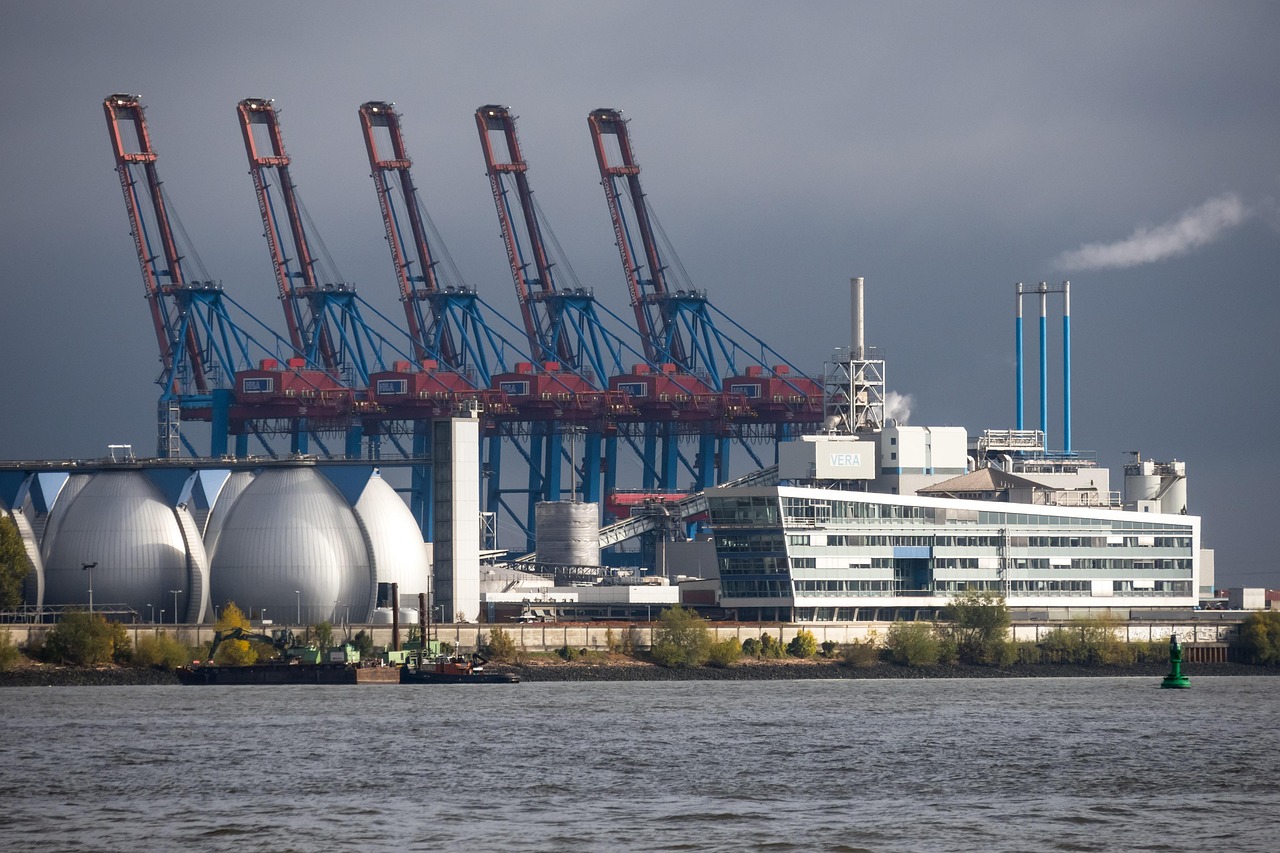



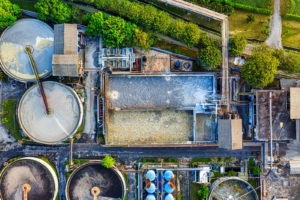
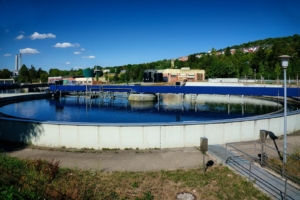
![Nigeria Beyond Oil: Mapping the Next $100bn Non-Oil Growth Engines Executive Summary Nigeria's economy is undergoing a historic transformation, with non-oil sectors now accounting for over 96% of GDP in 2025. As Africa's most populous nation charts a course toward economic resilience, the non-oil economy has emerged as the primary engine of growth, expanding by 3.91% in Q3 2025. With strategic investments and policy reforms, Nigeria is positioned to unlock $100 billion in value from agriculture, technology, manufacturing, services, and renewable energy sectors over the next decade. Understanding Economic Diversification Economic diversification is a fundamental concept driving Nigeria's transformation strategy. According to the United Nations Framework Convention on Climate Change (UNFCCC), economic diversification refers to "the process of shifting an economy away from a single income source toward multiple sources from a growing range of sectors and markets."[^1] This strategic approach reduces vulnerability to external shocks, creates employment opportunities, and establishes a more resilient economic foundation for sustainable growth. For Nigeria, diversification means moving beyond the volatility of oil-dependent revenues toward a balanced economy where agriculture, technology, manufacturing, and services contribute substantially to national wealth creation. Agriculture and Agribusiness – The $30 Billion Opportunity Introduction to Nigeria's Agricultural Transformation Agriculture remains the backbone of Nigeria's economy, employing nearly 70% of the population and contributing 31.21% to real GDP in Q3 2025. With government initiatives focused on mechanization, agri-tech solutions, and value chain development, the sector is poised to generate over $30 billion in additional value through increased productivity, reduced post-harvest losses, and expanded export markets. Current State and Recent Developments Agriculture expanded by 3.79% year-on-year in Q3 2025, driven mainly by crop production, which accounts for nearly two-thirds of the sector's nominal output. The sector has benefited from several transformative government programs: ● Anchor Borrowers' Programme: Providing credit facilities to smallholder farmers for agricultural inputs ● National Agricultural Technology Innovation Policy: Driving mechanized farming and precision agriculture ● Export Promotion Initiatives: Boosting exports of sesame seeds, cocoa, cashew nuts, and other commodities The Agri-Tech Revolution Between 2023 and 2025, Nigeria's agricultural technology sector attracted over $150 million in investments, with startups deploying innovative solutions including: ● Precision Farming Technologies: Companies like Zenvus use soil sensors, satellite data, and AI to optimize crop yields ● Digital Marketplaces: Platforms such as Farmcrowdy and AgroMall connect farmers directly with buyers, eliminating middlemen ● Fintech for Agriculture: Customized financing, mobile payments, and insurance products bridging the rural credit gap ● Supply Chain Solutions: Blockchain and data analytics improving farm-to-market logistics Growth Projections and Investment Opportunities With continued investment in irrigation, mechanization, cold chain logistics, and agro-processing facilities, the agricultural sector is projected to: ● Reduce post-harvest losses from current levels of 30-40% to below 15% ● Increase non-oil exports by capturing larger shares of global markets for cocoa, cashew, and specialty crops ● Create 5 million new jobs across the value chain by 2030 ● Contribute an additional $30 billion to GDP through productivity gains and value addition Technology and Digital Economy – The $25 Billion Frontier Introduction to Nigeria's Tech Ecosystem Nigeria has emerged as Africa's leading technology hub, often called the "Silicon Valley of Africa." Nigeria leads Africa's ICT market, contributing 82% of the continent's ICT value and 29% of its internet usage. The digital economy accounted for nearly 20% of GDP in Q2 2024, almost four times oil's contribution, positioning technology as a critical growth engine. Fintech Dominance and Expansion Nigeria's fintech sector represents one of the most successful diversification stories: ● Over 430 fintech companies operating as of February 2025, representing 28% of all African fintech companies ● Nigerian startups raised $520 million in 2024, with Moniepoint's $110 million Series C achieving unicorn status ● Digital payment solutions, mobile banking, and blockchain innovations driving financial inclusion ● Regulatory support from the Central Bank of Nigeria encouraging innovation Beyond Fintech: Emerging Tech Sectors While fintech dominates investment flows, other technology subsectors show tremendous potential: Information and Communication Technology (ICT) ● ICT posted 5.78% real growth with contribution rising to 9.10% of GDP ● Over 210 million active mobile subscribers and broadband penetration exceeding 40% ● 5G network expansion by MTN and MAFAB enhancing connectivity ● Government target of 90% broadband penetration by 2025 E-Commerce and Digital Services ● E-commerce market projected to reach $5 billion by 2025 ● Growing internet penetration driving online shopping adoption ● Logistics and last-mile delivery innovations supporting growth Emerging Technology Sectors Requiring Investment ● Agritech: Connecting technology to agricultural productivity ● Healthtech: Telemedicine, digital health records, and diagnostic innovations ● Edtech: Digital learning platforms addressing educational gaps ● Climate Tech: Renewable energy and environmental monitoring solutions Growth Projections Analysts project the digital economy to generate revenues up to $18.3 billion via fintech and AI, with the broader technology sector positioned to contribute $25 billion to economic growth through: ● Increased venture capital investment beyond fintech into deep tech ● Job creation for Nigeria's youthful population ● Export of technology services and products ● Enhanced productivity across all economic sectors Manufacturing and Industrial Development – The $20 Billion Challenge Introduction to Nigeria's Manufacturing Potential Manufacturing remains a critical yet underutilized pillar of economic diversification. Despite accounting for only 7.62% of GDP, the sector holds immense potential for value addition, job creation, and import substitution. Recent infrastructure investments and the operationalization of the Dangote Oil Refinery signal renewed momentum in industrial development. Current Manufacturing Landscape Manufacturing posted real growth of 1.25% in Q3 2025, driven by several factors: ● Dangote Oil Refinery Operations: Beginning in September 2024 with capacity to produce 650,000 barrels of refined petroleum products daily, significantly reducing import dependence ● Dangote Fertilizer Plant: Commissioned in May 2022 with capacity for 3 million tonnes annually, filling global supply gaps ● FX Stability: Improved foreign exchange liquidity supporting raw material imports ● Increased Domestic Refining: Reducing energy costs for manufacturers Key Manufacturing Subsectors Food, Beverage, and Tobacco ● Processing agricultural products for domestic consumption and export ● Value addition to raw materials reducing commodity dependence Chemical and Pharmaceutical Products ● Local production of essential medicines and industrial chemicals ● Import substitution reducing foreign exchange pressure Cement and Construction Materials ● Meeting infrastructure development demand ● Regional export opportunities Infrastructure and Policy Support Special Economic Zones (SEZs) ● Establishment of zones in various regions to facilitate trade and manufacturing ● Tax incentives and streamlined regulatory processes ● Enhanced export capacity and employment generation Infrastructure Investments ● Lagos-Ibadan railway and Second Niger Bridge improving connectivity ● Continuous highway upgrades reducing logistics costs ● Power sector reforms addressing electricity challenges Challenges and Solutions Power Supply Deficit ● Despite Electricity Act amendments decentralizing the market, transmission remains unresolved ● Stable and affordable power essential for manufacturing competitiveness ● Private sector participation and renewable energy integration needed High Production Costs ● Interest rates and borrowing costs limiting access to credit ● Need for targeted industrial financing schemes Growth Projections With sustained infrastructure development, power sector reforms, and targeted industrial policy, manufacturing can contribute $20 billion to GDP growth through: ● Import substitution in consumer goods and industrial products ● Export-oriented manufacturing leveraging AfCFTA market access ● Technology transfer and skills development ● Creation of 3 million manufacturing jobs by 2030 Services Sector – The $15 Billion Backbone Introduction to Nigeria's Services Economy The services sector is Nigeria's largest economic contributor, accounting for over 53% of real GDP. From telecommunications to financial services, real estate to hospitality, services drive employment and economic activity across urban and rural areas. Key Services Subsectors Financial and Insurance Services ● Financial and insurance services posted real growth of 19.63%, though contribution to GDP fell to 2.65% ● Banking sector expansion and insurance penetration growth ● Integration of technology improving service delivery Telecommunications and Information Services ● Telecommunications and information services posted a robust 7.40% expansion, accounting for 10.59% of overall output ● Mobile phone penetration and internet services driving growth ● Platform for broader digital economy development Real Estate ● Real estate nominal output surged 89.34%, with real growth at 3.50% ● Urbanization and middle-class expansion driving demand ● Commercial and residential property development opportunities Trade and Commerce ● Trade posted 1.98% real growth, accounting for 16.42% of GDP ● Retail expansion through malls and e-commerce platforms ● AfCFTA creating regional trade opportunities Tourism and Hospitality ● Expansion in local and international travel ● Cultural tourism and business travel growth potential ● Investment in hospitality infrastructure Growth Drivers Expanding Middle Class ● Urbanization, education, and job creation driving consumer demand ● Increased spending on goods, electronics, housing, and services ● Retail boom catering to growing consumer base Regional Trade Integration ● African Continental Free Trade Area (AfCFTA) access to 1.3 billion consumers ● Non-oil exports gaining access to larger African markets ● Improved border management and customs procedures Growth Projections The services sector is positioned to contribute $15 billion to economic growth through: ● Financial sector deepening and increased penetration ● Tourism development capitalizing on Nigeria's cultural assets ● Professional services export to West African region ● Transportation and logistics optimization ● Healthcare and education services expansion Renewable Energy and Natural Resources – The $10 Billion Green Future Introduction to Nigeria's Energy Transition As global environmental concerns intensify and power supply challenges persist, renewable energy presents both a necessity and an opportunity. With abundant solar resources, Nigeria is positioned to lead West Africa's energy transition while addressing domestic electricity deficits. Current Renewable Energy Landscape Solar Energy Growth ● Surge in solar adoption due to unreliable grid power supply ● Residential, commercial, and industrial solar installations expanding ● Government policies encouraging green energy investments ● Cost competitiveness improving with falling technology prices Renewable Energy Policies ● Government commitment to sustainable energy development ● Incentives for private sector investment in green technologies ● Integration of renewables into national energy mix Solid Minerals Development Nigeria's non-oil sectors, including solid minerals, are experiencing growth, with potential in: ● Lithium and Rare Earth Elements: Critical for global battery and technology manufacturing ● Gold and Other Precious Minerals: Export potential and artisanal mining formalization ● Industrial Minerals: Limestone, gypsum, and other construction materials Environmental Technology ● Climate Tech Innovations: Carbon capture, emissions monitoring, and environmental management ● Sustainable Agriculture: Technologies reducing environmental impact while increasing yields ● Waste-to-Energy: Converting organic and municipal waste into power Growth Projections The renewable energy and natural resources sector can contribute $10 billion through: ● Off-grid and mini-grid solar solutions powering 25 million households ● Large-scale solar and wind farms feeding into national grid ● Solid minerals exports generating foreign exchange ● Green technology manufacturing and assembly ● Environmental services and carbon credit trading Macroeconomic Foundations and Policy Environment Introduction to Economic Reforms Nigeria's non-oil growth potential is underpinned by significant macroeconomic reforms initiated since 2023. These policy changes have improved economic stability, attracted foreign investment, and created conditions for sustainable diversification. Recent Economic Performance GDP Growth Trajectory ● Nigeria's economy expanded by 3.9% year-on-year in the first half of 2025, up from 3.5% in the same period of 2024, driven by strong performance in services and non-oil industries ● The economy expanded by 3.98% in Q3 2025, with the non-oil sector contributing 96.6% to GDP ● Growth projected to accelerate to 4.2% in 2026 according to IMF forecasts External Position Strengthening ● Foreign reserves exceeding $42 billion with current account surplus rising to 6.1% of GDP, supported by higher non-oil exports ● Naira stabilization in the N1,440-N1,500/$ range ● Improved business confidence and foreign direct investment Fiscal Improvements ● Federal deficit projected at 2.6% of GDP in 2025 ● Public debt expected to decline from 42.9% to 39.8% of GDP ● Tax reforms enacted in June 2025 enhancing non-oil revenue generation Inflation and Monetary Policy Inflation Moderation ● Inflation eased to 21.9% in July 2025, supported by foreign exchange stability and targeted CBN interventions ● Projections for 2026 indicate further decline to around 14% by year-end ● Food inflation remains elevated, requiring continued policy attention Monetary Policy Stance ● Central Bank maintaining disciplined approach to price stability ● Interest rates remain elevated to anchor inflation expectations ● Gradual easing expected as inflation sustainably declines Structural Reforms Fuel Subsidy Removal ● Elimination of petrol subsidies freeing fiscal resources ● Redirecting funds to infrastructure and social programs ● Social protection programs mitigating impact on vulnerable populations Foreign Exchange Reforms ● Unified exchange rate system improving transparency ● Elimination of multiple exchange rate windows ● Enhanced FX liquidity and reduced arbitrage opportunities Tax Reforms ● Four landmark tax reforms enacted in June 2025 ● Streamlining tax administration and compliance ● Expanding tax base beyond oil revenues ● Improving ease of doing business Investment Climate Foreign Direct Investment ● Capital importation rose 67.1% to $5.64 billion in Q1 2025 ● Shift toward non-oil sectors including telecommunications, manufacturing, and services ● Opportunities for long-term investors in infrastructure and industry Business Environment Improvements ● Tinubu Administration prioritizing business climate reforms ● Reduction in bureaucratic bottlenecks ● Enhanced protection for investors Challenges and Risk Factors Introduction to Implementation Challenges While Nigeria's diversification potential is substantial, several challenges must be addressed to realize the $100 billion opportunity across non-oil sectors. Security Challenges ● Ongoing issues with banditry, insurgency, and communal conflicts ● Impact on agricultural productivity in key food-producing states ● Need for enhanced security coordination and conflict resolution Infrastructure Deficits Power Supply ● Inadequate and unreliable electricity generation and distribution ● Transmission infrastructure requiring major investment ● Critical bottleneck for manufacturing and industrial growth Transportation ● Road network quality affecting logistics costs ● Port congestion and clearance procedures ● Last-mile connectivity challenges in rural areas Social Challenges Poverty and Inequality ● Many households continue to face hardship, with poverty and food insecurity remaining high ● 109 million citizens below poverty line as of 2023 ● Need for inclusive growth policies and social protection expansion Food Inflation ● Poor households spend up to 70% of income on food, with basic food basket costs rising fivefold between 2019 and 2024 ● Addressing supply chain bottlenecks and trade barriers essential ● Agricultural productivity improvements critical Fiscal and Debt Sustainability ● Rising debt service obligations exceeding N15 trillion in 2026 budget ● Need for improved revenue generation and fiscal discipline ● Balancing growth investments with debt management External Risks ● Oil price volatility affecting government revenues ● Global economic slowdowns impacting export demand ● Exchange rate pressures from external shocks Strategic Recommendations and Action Plan Introduction to Strategic Priorities Unlocking the $100 billion non-oil growth opportunity requires coordinated action across government, private sector, and development partners. The following recommendations provide a roadmap for accelerated diversification. Priority 1: Infrastructure Development Power Sector Transformation ● Accelerate private sector participation in generation and distribution ● Resolve transmission infrastructure bottlenecks through targeted investment ● Integrate renewable energy into national grid ● Develop off-grid solutions for rural areas Transportation and Connectivity ● Complete ongoing railway and road projects ● Modernize port operations and reduce clearance times ● Develop industrial clusters with dedicated infrastructure ● Enhance digital connectivity through broadband expansion Priority 2: Human Capital Development Skills Training and Education ● Align educational curricula with industry needs ● Expand technical and vocational training programs ● Support technology education and digital literacy ● Encourage private sector involvement in skills development Healthcare Investment ● Improve healthcare access and quality ● Address malnutrition and food security ● Reduce maternal and child mortality ● Build resilient public health systems Priority 3: Enabling Business Environment Regulatory Reforms ● Streamline business registration and licensing ● Reduce regulatory compliance costs ● Ensure policy consistency and predictability ● Strengthen intellectual property protection Access to Finance ● Develop targeted financing schemes for SMEs and manufacturers ● Encourage long-term capital formation ● Promote alternative financing through capital markets ● Support fintech innovations in credit delivery Priority 4: Sector-Specific Interventions Agriculture ● Scale up mechanization and irrigation infrastructure ● Strengthen extension services and farmer training ● Develop commodity value chains and agro-processing zones ● Facilitate market access and export promotion Technology ● Create sector-specific sandboxes for innovation ● Establish deep tech fund with long-term investment horizon ● Support startup ecosystem beyond fintech ● Attract global technology companies and talent Manufacturing ● Implement industrial policy favoring strategic sectors ● Ensure Special Economic Zones are fully functional ● Provide infrastructure and utilities at competitive rates ● Facilitate technology transfer and partnerships Services ● Develop tourism infrastructure and marketing ● Enhance financial sector regulation and supervision ● Support professional services export through trade agreements ● Improve healthcare and education service delivery Renewable Energy ● Set ambitious renewable energy targets ● Provide incentives for private investment ● Streamline project approval processes ● Develop local manufacturing capacity for renewable technology Priority 5: Social Protection and Inclusion Safety Nets ● Expand social protection programs targeting vulnerable populations ● Implement conditional cash transfer schemes ● Support food security initiatives ● Ensure reforms benefit all citizens Geographic Inclusion ● Target investments in underserved regions ● Support rural economic development ● Address regional disparities in infrastructure and services ● Promote balanced development across states Priority 6: Governance and Institutions Anti-Corruption Measures ● Strengthen transparency and accountability systems ● Enhance procurement processes and oversight ● Support whistleblower protection ● Prosecute corruption vigorously Data and Monitoring ● Improve economic statistics and data collection ● Establish performance monitoring frameworks ● Use technology for real-time economic tracking ● Support evidence-based policymaking Conclusion: Nigeria's $100 Billion Vision Nigeria stands at a pivotal moment in its economic journey. The non-oil economy has demonstrated resilience and growth potential, expanding consistently even amid challenging global conditions. With agriculture contributing over 31% of GDP, technology sectors driving innovation, manufacturing gradually reviving, and services accounting for more than half of economic output, the foundations for sustainable diversification are firmly established. The $100 billion opportunity across non-oil sectors is not merely aspirational it is achievable through sustained policy commitment, strategic investments, and coordinated implementation. As the World Bank Country Director noted, "The Nigerian government has taken bold steps to stabilize the economy, but macroeconomic stability alone is not enough. The true measure of success will be how these reforms improve the daily lives of Nigerians". Success requires addressing infrastructure deficits, particularly in power and transportation, investing in human capital, maintaining macroeconomic stability, ensuring inclusive growth that reaches all citizens, and sustaining reform momentum despite short-term challenges. The path forward demands patience, persistence, and partnership between government, private sector, and civil society. With a population exceeding 220 million, a youthful demographic profile, abundant natural resources, growing regional integration through AfCFTA, and improving business environment, Nigeria possesses the fundamental ingredients for transformative growth. The next decade will determine whether Africa's most populous nation fully realizes its potential as a diversified, resilient, and prosperous economy capable of delivering shared prosperity to all its citizens. References United Nations Framework Convention on Climate Change (UNFCCC). "Economic Diversification." Available at: https://unfccc.int/topics/resilience/resources/economic-diversification Additional Sources: ● World Bank Nigeria Development Update, October 2025 ● National Bureau of Statistics GDP Reports Q1-Q3 2025 ● International Monetary Fund Nigeria Economic Outlook 2025 ● PwC Nigeria Economic Outlook Reports ● African Development Bank Nigeria Economic Outlook ● Trading Economics Nigeria Data Series ● Various Nigerian financial and economic publications (2024-2025) Call to Action Partner with Matthew Ogagavworia & Co. for Strategic Economic Intelligence At Matthew Ogagavworia & Co., we provide cutting-edge economic analysis, market intelligence, and strategic advisory services to help investors, businesses, and policymakers navigate Nigeria's evolving economic landscape. Our research covers: ● Sector-Specific Investment Analysis: Deep dives into agriculture, technology, manufacturing, and services opportunities ● Market Entry Strategies: Comprehensive guidance for foreign investors exploring Nigerian markets ● Economic Forecasting: Data-driven projections on macroeconomic trends and policy impacts ● Risk Assessment: Thorough evaluation of political, economic, and operational risks ● Custom Research: Tailored studies addressing your specific information needs Contact Us Today](https://mocaccountants.com/wp-content/plugins/contextual-related-posts/default.png "Nigeria Beyond Oil: Mapping the Next $100bn Non-Oil Growth Engines Executive Summary Nigeria's economy is undergoing a historic transformation, with non-oil sectors now accounting for over 96% of GDP in 2025. As Africa's most populous nation charts a course toward economic resilience, the non-oil economy has emerged as the primary engine of growth, expanding by 3.91% in Q3 2025. With strategic investments and policy reforms, Nigeria is positioned to unlock $100 billion in value from agriculture, technology, manufacturing, services, and renewable energy sectors over the next decade. Understanding Economic Diversification Economic diversification is a fundamental concept driving Nigeria's transformation strategy. According to the United Nations Framework Convention on Climate Change (UNFCCC), economic diversification refers to \"the process of shifting an economy away from a single income source toward multiple sources from a growing range of sectors and markets.\"[^1] This strategic approach reduces vulnerability to external shocks, creates employment opportunities, and establishes a more resilient economic foundation for sustainable growth. For Nigeria, diversification means moving beyond the volatility of oil-dependent revenues toward a balanced economy where agriculture, technology, manufacturing, and services contribute substantially to national wealth creation. Agriculture and Agribusiness – The $30 Billion Opportunity Introduction to Nigeria's Agricultural Transformation Agriculture remains the backbone of Nigeria's economy, employing nearly 70% of the population and contributing 31.21% to real GDP in Q3 2025. With government initiatives focused on mechanization, agri-tech solutions, and value chain development, the sector is poised to generate over $30 billion in additional value through increased productivity, reduced post-harvest losses, and expanded export markets. Current State and Recent Developments Agriculture expanded by 3.79% year-on-year in Q3 2025, driven mainly by crop production, which accounts for nearly two-thirds of the sector's nominal output. The sector has benefited from several transformative government programs: ● Anchor Borrowers' Programme: Providing credit facilities to smallholder farmers for agricultural inputs ● National Agricultural Technology Innovation Policy: Driving mechanized farming and precision agriculture ● Export Promotion Initiatives: Boosting exports of sesame seeds, cocoa, cashew nuts, and other commodities The Agri-Tech Revolution Between 2023 and 2025, Nigeria's agricultural technology sector attracted over $150 million in investments, with startups deploying innovative solutions including: ● Precision Farming Technologies: Companies like Zenvus use soil sensors, satellite data, and AI to optimize crop yields ● Digital Marketplaces: Platforms such as Farmcrowdy and AgroMall connect farmers directly with buyers, eliminating middlemen ● Fintech for Agriculture: Customized financing, mobile payments, and insurance products bridging the rural credit gap ● Supply Chain Solutions: Blockchain and data analytics improving farm-to-market logistics Growth Projections and Investment Opportunities With continued investment in irrigation, mechanization, cold chain logistics, and agro-processing facilities, the agricultural sector is projected to: ● Reduce post-harvest losses from current levels of 30-40% to below 15% ● Increase non-oil exports by capturing larger shares of global markets for cocoa, cashew, and specialty crops ● Create 5 million new jobs across the value chain by 2030 ● Contribute an additional $30 billion to GDP through productivity gains and value addition Technology and Digital Economy – The $25 Billion Frontier Introduction to Nigeria's Tech Ecosystem Nigeria has emerged as Africa's leading technology hub, often called the \"Silicon Valley of Africa.\" Nigeria leads Africa's ICT market, contributing 82% of the continent's ICT value and 29% of its internet usage. The digital economy accounted for nearly 20% of GDP in Q2 2024, almost four times oil's contribution, positioning technology as a critical growth engine. Fintech Dominance and Expansion Nigeria's fintech sector represents one of the most successful diversification stories: ● Over 430 fintech companies operating as of February 2025, representing 28% of all African fintech companies ● Nigerian startups raised $520 million in 2024, with Moniepoint's $110 million Series C achieving unicorn status ● Digital payment solutions, mobile banking, and blockchain innovations driving financial inclusion ● Regulatory support from the Central Bank of Nigeria encouraging innovation Beyond Fintech: Emerging Tech Sectors While fintech dominates investment flows, other technology subsectors show tremendous potential: Information and Communication Technology (ICT) ● ICT posted 5.78% real growth with contribution rising to 9.10% of GDP ● Over 210 million active mobile subscribers and broadband penetration exceeding 40% ● 5G network expansion by MTN and MAFAB enhancing connectivity ● Government target of 90% broadband penetration by 2025 E-Commerce and Digital Services ● E-commerce market projected to reach $5 billion by 2025 ● Growing internet penetration driving online shopping adoption ● Logistics and last-mile delivery innovations supporting growth Emerging Technology Sectors Requiring Investment ● Agritech: Connecting technology to agricultural productivity ● Healthtech: Telemedicine, digital health records, and diagnostic innovations ● Edtech: Digital learning platforms addressing educational gaps ● Climate Tech: Renewable energy and environmental monitoring solutions Growth Projections Analysts project the digital economy to generate revenues up to $18.3 billion via fintech and AI, with the broader technology sector positioned to contribute $25 billion to economic growth through: ● Increased venture capital investment beyond fintech into deep tech ● Job creation for Nigeria's youthful population ● Export of technology services and products ● Enhanced productivity across all economic sectors Manufacturing and Industrial Development – The $20 Billion Challenge Introduction to Nigeria's Manufacturing Potential Manufacturing remains a critical yet underutilized pillar of economic diversification. Despite accounting for only 7.62% of GDP, the sector holds immense potential for value addition, job creation, and import substitution. Recent infrastructure investments and the operationalization of the Dangote Oil Refinery signal renewed momentum in industrial development. Current Manufacturing Landscape Manufacturing posted real growth of 1.25% in Q3 2025, driven by several factors: ● Dangote Oil Refinery Operations: Beginning in September 2024 with capacity to produce 650,000 barrels of refined petroleum products daily, significantly reducing import dependence ● Dangote Fertilizer Plant: Commissioned in May 2022 with capacity for 3 million tonnes annually, filling global supply gaps ● FX Stability: Improved foreign exchange liquidity supporting raw material imports ● Increased Domestic Refining: Reducing energy costs for manufacturers Key Manufacturing Subsectors Food, Beverage, and Tobacco ● Processing agricultural products for domestic consumption and export ● Value addition to raw materials reducing commodity dependence Chemical and Pharmaceutical Products ● Local production of essential medicines and industrial chemicals ● Import substitution reducing foreign exchange pressure Cement and Construction Materials ● Meeting infrastructure development demand ● Regional export opportunities Infrastructure and Policy Support Special Economic Zones (SEZs) ● Establishment of zones in various regions to facilitate trade and manufacturing ● Tax incentives and streamlined regulatory processes ● Enhanced export capacity and employment generation Infrastructure Investments ● Lagos-Ibadan railway and Second Niger Bridge improving connectivity ● Continuous highway upgrades reducing logistics costs ● Power sector reforms addressing electricity challenges Challenges and Solutions Power Supply Deficit ● Despite Electricity Act amendments decentralizing the market, transmission remains unresolved ● Stable and affordable power essential for manufacturing competitiveness ● Private sector participation and renewable energy integration needed High Production Costs ● Interest rates and borrowing costs limiting access to credit ● Need for targeted industrial financing schemes Growth Projections With sustained infrastructure development, power sector reforms, and targeted industrial policy, manufacturing can contribute $20 billion to GDP growth through: ● Import substitution in consumer goods and industrial products ● Export-oriented manufacturing leveraging AfCFTA market access ● Technology transfer and skills development ● Creation of 3 million manufacturing jobs by 2030 Services Sector – The $15 Billion Backbone Introduction to Nigeria's Services Economy The services sector is Nigeria's largest economic contributor, accounting for over 53% of real GDP. From telecommunications to financial services, real estate to hospitality, services drive employment and economic activity across urban and rural areas. Key Services Subsectors Financial and Insurance Services ● Financial and insurance services posted real growth of 19.63%, though contribution to GDP fell to 2.65% ● Banking sector expansion and insurance penetration growth ● Integration of technology improving service delivery Telecommunications and Information Services ● Telecommunications and information services posted a robust 7.40% expansion, accounting for 10.59% of overall output ● Mobile phone penetration and internet services driving growth ● Platform for broader digital economy development Real Estate ● Real estate nominal output surged 89.34%, with real growth at 3.50% ● Urbanization and middle-class expansion driving demand ● Commercial and residential property development opportunities Trade and Commerce ● Trade posted 1.98% real growth, accounting for 16.42% of GDP ● Retail expansion through malls and e-commerce platforms ● AfCFTA creating regional trade opportunities Tourism and Hospitality ● Expansion in local and international travel ● Cultural tourism and business travel growth potential ● Investment in hospitality infrastructure Growth Drivers Expanding Middle Class ● Urbanization, education, and job creation driving consumer demand ● Increased spending on goods, electronics, housing, and services ● Retail boom catering to growing consumer base Regional Trade Integration ● African Continental Free Trade Area (AfCFTA) access to 1.3 billion consumers ● Non-oil exports gaining access to larger African markets ● Improved border management and customs procedures Growth Projections The services sector is positioned to contribute $15 billion to economic growth through: ● Financial sector deepening and increased penetration ● Tourism development capitalizing on Nigeria's cultural assets ● Professional services export to West African region ● Transportation and logistics optimization ● Healthcare and education services expansion Renewable Energy and Natural Resources – The $10 Billion Green Future Introduction to Nigeria's Energy Transition As global environmental concerns intensify and power supply challenges persist, renewable energy presents both a necessity and an opportunity. With abundant solar resources, Nigeria is positioned to lead West Africa's energy transition while addressing domestic electricity deficits. Current Renewable Energy Landscape Solar Energy Growth ● Surge in solar adoption due to unreliable grid power supply ● Residential, commercial, and industrial solar installations expanding ● Government policies encouraging green energy investments ● Cost competitiveness improving with falling technology prices Renewable Energy Policies ● Government commitment to sustainable energy development ● Incentives for private sector investment in green technologies ● Integration of renewables into national energy mix Solid Minerals Development Nigeria's non-oil sectors, including solid minerals, are experiencing growth, with potential in: ● Lithium and Rare Earth Elements: Critical for global battery and technology manufacturing ● Gold and Other Precious Minerals: Export potential and artisanal mining formalization ● Industrial Minerals: Limestone, gypsum, and other construction materials Environmental Technology ● Climate Tech Innovations: Carbon capture, emissions monitoring, and environmental management ● Sustainable Agriculture: Technologies reducing environmental impact while increasing yields ● Waste-to-Energy: Converting organic and municipal waste into power Growth Projections The renewable energy and natural resources sector can contribute $10 billion through: ● Off-grid and mini-grid solar solutions powering 25 million households ● Large-scale solar and wind farms feeding into national grid ● Solid minerals exports generating foreign exchange ● Green technology manufacturing and assembly ● Environmental services and carbon credit trading Macroeconomic Foundations and Policy Environment Introduction to Economic Reforms Nigeria's non-oil growth potential is underpinned by significant macroeconomic reforms initiated since 2023. These policy changes have improved economic stability, attracted foreign investment, and created conditions for sustainable diversification. Recent Economic Performance GDP Growth Trajectory ● Nigeria's economy expanded by 3.9% year-on-year in the first half of 2025, up from 3.5% in the same period of 2024, driven by strong performance in services and non-oil industries ● The economy expanded by 3.98% in Q3 2025, with the non-oil sector contributing 96.6% to GDP ● Growth projected to accelerate to 4.2% in 2026 according to IMF forecasts External Position Strengthening ● Foreign reserves exceeding $42 billion with current account surplus rising to 6.1% of GDP, supported by higher non-oil exports ● Naira stabilization in the N1,440-N1,500/$ range ● Improved business confidence and foreign direct investment Fiscal Improvements ● Federal deficit projected at 2.6% of GDP in 2025 ● Public debt expected to decline from 42.9% to 39.8% of GDP ● Tax reforms enacted in June 2025 enhancing non-oil revenue generation Inflation and Monetary Policy Inflation Moderation ● Inflation eased to 21.9% in July 2025, supported by foreign exchange stability and targeted CBN interventions ● Projections for 2026 indicate further decline to around 14% by year-end ● Food inflation remains elevated, requiring continued policy attention Monetary Policy Stance ● Central Bank maintaining disciplined approach to price stability ● Interest rates remain elevated to anchor inflation expectations ● Gradual easing expected as inflation sustainably declines Structural Reforms Fuel Subsidy Removal ● Elimination of petrol subsidies freeing fiscal resources ● Redirecting funds to infrastructure and social programs ● Social protection programs mitigating impact on vulnerable populations Foreign Exchange Reforms ● Unified exchange rate system improving transparency ● Elimination of multiple exchange rate windows ● Enhanced FX liquidity and reduced arbitrage opportunities Tax Reforms ● Four landmark tax reforms enacted in June 2025 ● Streamlining tax administration and compliance ● Expanding tax base beyond oil revenues ● Improving ease of doing business Investment Climate Foreign Direct Investment ● Capital importation rose 67.1% to $5.64 billion in Q1 2025 ● Shift toward non-oil sectors including telecommunications, manufacturing, and services ● Opportunities for long-term investors in infrastructure and industry Business Environment Improvements ● Tinubu Administration prioritizing business climate reforms ● Reduction in bureaucratic bottlenecks ● Enhanced protection for investors Challenges and Risk Factors Introduction to Implementation Challenges While Nigeria's diversification potential is substantial, several challenges must be addressed to realize the $100 billion opportunity across non-oil sectors. Security Challenges ● Ongoing issues with banditry, insurgency, and communal conflicts ● Impact on agricultural productivity in key food-producing states ● Need for enhanced security coordination and conflict resolution Infrastructure Deficits Power Supply ● Inadequate and unreliable electricity generation and distribution ● Transmission infrastructure requiring major investment ● Critical bottleneck for manufacturing and industrial growth Transportation ● Road network quality affecting logistics costs ● Port congestion and clearance procedures ● Last-mile connectivity challenges in rural areas Social Challenges Poverty and Inequality ● Many households continue to face hardship, with poverty and food insecurity remaining high ● 109 million citizens below poverty line as of 2023 ● Need for inclusive growth policies and social protection expansion Food Inflation ● Poor households spend up to 70% of income on food, with basic food basket costs rising fivefold between 2019 and 2024 ● Addressing supply chain bottlenecks and trade barriers essential ● Agricultural productivity improvements critical Fiscal and Debt Sustainability ● Rising debt service obligations exceeding N15 trillion in 2026 budget ● Need for improved revenue generation and fiscal discipline ● Balancing growth investments with debt management External Risks ● Oil price volatility affecting government revenues ● Global economic slowdowns impacting export demand ● Exchange rate pressures from external shocks Strategic Recommendations and Action Plan Introduction to Strategic Priorities Unlocking the $100 billion non-oil growth opportunity requires coordinated action across government, private sector, and development partners. The following recommendations provide a roadmap for accelerated diversification. Priority 1: Infrastructure Development Power Sector Transformation ● Accelerate private sector participation in generation and distribution ● Resolve transmission infrastructure bottlenecks through targeted investment ● Integrate renewable energy into national grid ● Develop off-grid solutions for rural areas Transportation and Connectivity ● Complete ongoing railway and road projects ● Modernize port operations and reduce clearance times ● Develop industrial clusters with dedicated infrastructure ● Enhance digital connectivity through broadband expansion Priority 2: Human Capital Development Skills Training and Education ● Align educational curricula with industry needs ● Expand technical and vocational training programs ● Support technology education and digital literacy ● Encourage private sector involvement in skills development Healthcare Investment ● Improve healthcare access and quality ● Address malnutrition and food security ● Reduce maternal and child mortality ● Build resilient public health systems Priority 3: Enabling Business Environment Regulatory Reforms ● Streamline business registration and licensing ● Reduce regulatory compliance costs ● Ensure policy consistency and predictability ● Strengthen intellectual property protection Access to Finance ● Develop targeted financing schemes for SMEs and manufacturers ● Encourage long-term capital formation ● Promote alternative financing through capital markets ● Support fintech innovations in credit delivery Priority 4: Sector-Specific Interventions Agriculture ● Scale up mechanization and irrigation infrastructure ● Strengthen extension services and farmer training ● Develop commodity value chains and agro-processing zones ● Facilitate market access and export promotion Technology ● Create sector-specific sandboxes for innovation ● Establish deep tech fund with long-term investment horizon ● Support startup ecosystem beyond fintech ● Attract global technology companies and talent Manufacturing ● Implement industrial policy favoring strategic sectors ● Ensure Special Economic Zones are fully functional ● Provide infrastructure and utilities at competitive rates ● Facilitate technology transfer and partnerships Services ● Develop tourism infrastructure and marketing ● Enhance financial sector regulation and supervision ● Support professional services export through trade agreements ● Improve healthcare and education service delivery Renewable Energy ● Set ambitious renewable energy targets ● Provide incentives for private investment ● Streamline project approval processes ● Develop local manufacturing capacity for renewable technology Priority 5: Social Protection and Inclusion Safety Nets ● Expand social protection programs targeting vulnerable populations ● Implement conditional cash transfer schemes ● Support food security initiatives ● Ensure reforms benefit all citizens Geographic Inclusion ● Target investments in underserved regions ● Support rural economic development ● Address regional disparities in infrastructure and services ● Promote balanced development across states Priority 6: Governance and Institutions Anti-Corruption Measures ● Strengthen transparency and accountability systems ● Enhance procurement processes and oversight ● Support whistleblower protection ● Prosecute corruption vigorously Data and Monitoring ● Improve economic statistics and data collection ● Establish performance monitoring frameworks ● Use technology for real-time economic tracking ● Support evidence-based policymaking Conclusion: Nigeria's $100 Billion Vision Nigeria stands at a pivotal moment in its economic journey. The non-oil economy has demonstrated resilience and growth potential, expanding consistently even amid challenging global conditions. With agriculture contributing over 31% of GDP, technology sectors driving innovation, manufacturing gradually reviving, and services accounting for more than half of economic output, the foundations for sustainable diversification are firmly established. The $100 billion opportunity across non-oil sectors is not merely aspirational it is achievable through sustained policy commitment, strategic investments, and coordinated implementation. As the World Bank Country Director noted, \"The Nigerian government has taken bold steps to stabilize the economy, but macroeconomic stability alone is not enough. The true measure of success will be how these reforms improve the daily lives of Nigerians\". Success requires addressing infrastructure deficits, particularly in power and transportation, investing in human capital, maintaining macroeconomic stability, ensuring inclusive growth that reaches all citizens, and sustaining reform momentum despite short-term challenges. The path forward demands patience, persistence, and partnership between government, private sector, and civil society. With a population exceeding 220 million, a youthful demographic profile, abundant natural resources, growing regional integration through AfCFTA, and improving business environment, Nigeria possesses the fundamental ingredients for transformative growth. The next decade will determine whether Africa's most populous nation fully realizes its potential as a diversified, resilient, and prosperous economy capable of delivering shared prosperity to all its citizens. References United Nations Framework Convention on Climate Change (UNFCCC). \"Economic Diversification.\" Available at: https://unfccc.int/topics/resilience/resources/economic-diversification Additional Sources: ● World Bank Nigeria Development Update, October 2025 ● National Bureau of Statistics GDP Reports Q1-Q3 2025 ● International Monetary Fund Nigeria Economic Outlook 2025 ● PwC Nigeria Economic Outlook Reports ● African Development Bank Nigeria Economic Outlook ● Trading Economics Nigeria Data Series ● Various Nigerian financial and economic publications (2024-2025) Call to Action Partner with Matthew Ogagavworia & Co. for Strategic Economic Intelligence At Matthew Ogagavworia & Co., we provide cutting-edge economic analysis, market intelligence, and strategic advisory services to help investors, businesses, and policymakers navigate Nigeria's evolving economic landscape. Our research covers: ● Sector-Specific Investment Analysis: Deep dives into agriculture, technology, manufacturing, and services opportunities ● Market Entry Strategies: Comprehensive guidance for foreign investors exploring Nigerian markets ● Economic Forecasting: Data-driven projections on macroeconomic trends and policy impacts ● Risk Assessment: Thorough evaluation of political, economic, and operational risks ● Custom Research: Tailored studies addressing your specific information needs Contact Us Today")




There are no comments