Office Address: 5, Ishola Bello Close, Iyalla Off Street, Alausa, Ikeja, Lagos, Nigeria
Introduction
The Nigerian electricity sector, historically characterized by challenges such as inadequate infrastructure and inefficient management, has undergone significant reforms since the Electric Power Sector Reform Act of 2005. Despite the privatization efforts and the emergence of various distribution companies, issues like frequent power outages and regional disparities in service quality persist.
Electricity distribution plays a vital role in driving economic growth by enabling industrial development, fostering small and medium-sized enterprises, and improving the overall quality of life for citizens. Reliable electricity access is essential for enhancing productivity, attracting foreign investment, and bridging the gap between urban and rural communities.
This guide outlines key considerations for establishing a distribution company, including regulatory requirements, market analysis, financial planning, infrastructure development, and risk management. By addressing the existing challenges and leveraging opportunities within the sector, stakeholders can contribute to the transformation of Nigeria’s electricity distribution landscape, ultimately leading to a more sustainable and prosperous future.
Overview of the Electricity Sector in Nigeria
Brief History and Current Status The electricity sector in Nigeria has undergone significant transformation since the country gained independence in 1960. Initially, electricity supply was limited and primarily concentrated in urban areas, managed by various regional authorities. In 1972, the Federal Government established the National Electric Power Authority (NEPA) to centralize and manage electricity generation, transmission, and distribution across the country. Despite early efforts, NEPA faced challenges, including inadequate infrastructure, poor maintenance, and financial mismanagement, which resulted in persistent power shortages and a lack of reliable service.
In 2005, the Electric Power Sector Reform Act was enacted to initiate a comprehensive restructuring of the sector. This reform aimed to improve efficiency, attract private investment, and enhance service delivery. The privatization process began in 2013, leading to the unbundling of NEPA into separate entities responsible for generation, transmission, and distribution. Today, the sector comprises several distribution companies (DisCos) operating under the regulatory oversight of the Nigerian Electricity Regulatory Commission (NERC). However, the challenges of insufficient generation capacity, frequent outages, and inadequate infrastructure persist, leaving many Nigerians without consistent access to electricity.
Currently, Nigeria’s electricity generation capacity is approximately 13,000 megawatts (MW), but the actual output is often much lower due to system inefficiencies and transmission constraints. The distribution network is fragmented, with significant disparities in service quality across different regions. Rural areas, in particular, face high levels of energy poverty, with millions lacking access to reliable electricity.
Importance of Electricity Distribution in Economic Growth
Electricity distribution is a crucial component of Nigeria’s economic development strategy. Reliable electricity supply is essential for industrial growth, as it directly affects production capacity, operational costs, and competitiveness. Industries, particularly manufacturing and telecommunications, rely on stable power to maintain productivity and meet consumer demand. Without adequate electricity distribution, businesses face disruptions, leading to increased operational costs and diminished profitability.
Furthermore, electricity distribution supports job creation by enabling small and medium-sized enterprises (SMEs) to thrive. Access to reliable electricity allows these businesses to operate more efficiently and expand their services, fostering innovation and entrepreneurship. This, in turn, contributes to economic diversification, reducing Nigeria’s dependence on oil revenues.
On a broader scale, the provision of electricity enhances the quality of life for citizens. Reliable power supply facilitates access to education, healthcare, and technology, bridging the gap between urban and rural communities. Improved electricity distribution can also lead to increased foreign investment, as companies seek stable environments to establish operations.
Addressing the challenges in Nigeria’s electricity distribution sector is imperative for fostering economic growth, improving living standards, and achieving sustainable development goals. The potential for growth in this sector, coupled with the pressing need for reform, presents a unique opportunity for stakeholders to engage in transformative initiatives that can drive the nation toward a more reliable and efficient energy future.
Regulatory Framework for establishing an Electricity Distribution Company in Nigeria
Key Regulatory Bodies
Nigerian Electricity Regulatory Commission (NERC) The Nigerian Electricity Regulatory Commission (NERC) is the primary regulatory body overseeing the electricity sector in Nigeria. Established in 2005 under the Electric Power Sector Reform Act, NERC’s mandate includes promoting competition, ensuring fair pricing, and protecting the interests of consumers. Key responsibilities of NERC include:
Tariff Setting: NERC is responsible for determining and approving electricity tariffs, ensuring that they reflect the cost of service while remaining affordable for consumers. This involves periodic reviews and public consultations to gather stakeholder feedback.
Licensing and Compliance: NERC issues licenses to electricity distribution and generation companies, ensuring that they meet necessary operational and financial standards. It also conducts regular audits and assessments to monitor compliance with regulations.
Consumer Protection: NERC establishes frameworks to protect consumer rights, addressing issues such as service quality, billing disputes, and connection processes. This includes developing guidelines for complaint resolution and service standards.
Market Development: NERC plays a pivotal role in facilitating the development of a competitive electricity market by promoting private sector investment and encouraging innovations that improve service delivery.
Federal Ministry of Power
The Federal Ministry of Power is a key government body responsible for formulating and implementing policies related to the power sector. Its roles include:
Policy Development: The Ministry develops national policies aimed at enhancing the electricity supply industry, focusing on expansion, sustainability, and technological advancement.
Coordination of Agencies: It coordinates various government agencies involved in the power sector, ensuring alignment of objectives and regulatory frameworks across different levels of government.
Investment Promotion: The Ministry works to attract both local and foreign investments in the power sector, providing support for initiatives that aim to increase generation and distribution capacity.
Public Awareness: The Ministry engages in campaigns to educate the public about electricity conservation and the benefits of reliable power supply, fostering community involvement in energy issues.
Legal Requirements
Electric Power Sector Reform Act (2005) The Electric Power Sector Reform Act is the foundational legislation that transformed the electricity sector in Nigeria. Key provisions of the Act include:
Unbundling of NEPA: The Act led to the restructuring of the National Electric Power Authority (NEPA) into separate entities for generation, transmission, and distribution, promoting competition and efficiency in the sector.
Establishment of Regulatory Framework: The Act established NERC and defined its roles, ensuring regulatory oversight of the sector to promote fair practices and protect consumers.
Privatization of Assets: The Act facilitated the privatization of state-owned assets in the electricity sector, allowing private companies to participate in generation and distribution, thereby attracting investment and expertise.
Promotion of Renewable Energy: The Act encourages the development of renewable energy sources, emphasizing the need for diversification of the energy mix to ensure sustainability and reduce reliance on fossil fuels.
Licensing Requirements To operate as an electricity distribution company in Nigeria, specific licensing requirements must be met, which include:
Application Submission: Prospective companies must submit a detailed application to NERC, including information on ownership structure, financial capacity, operational plans, and proposed service areas.
Technical Competence: Applicants must demonstrate technical expertise and capability to manage distribution networks effectively. This often involves providing qualifications and experience of key personnel.
Financial Viability: Applicants are required to present financial statements and business plans that showcase their ability to sustain operations and meet regulatory obligations.
Public Consultation: NERC may require public consultations to gauge community support for the proposed distribution services, ensuring that the interests of local stakeholders are considered.
License Duration and Conditions: Licenses are typically granted for a specific duration, subject to renewal based on performance evaluations. License holders must comply with conditions set forth by NERC, including service quality standards and reporting obligations.
Compliance with Standards
Technical and Safety Standards to Adhere to Compliance with established technical and safety standards is crucial for ensuring the reliability and safety of electricity distribution. Key standards include:
NERC’s Service Standards: NERC has established service quality standards that distribution companies must adhere to, including metrics on reliability, response times for outages, and customer service benchmarks.
International Standards: Many distribution companies adopt international standards such as those set by the International Electrotechnical Commission (IEC) and the Institute of Electrical and Electronics Engineers (IEEE), covering areas like equipment safety, operational efficiency, and network reliability.
Environmental Standards: Companies must comply with environmental regulations that govern emissions and waste management, particularly in the context of renewable energy integration and sustainable practices.
Safety Protocols: Strict adherence to safety protocols is essential to minimize risks associated with electrical installations and maintenance. This includes regular safety audits, staff training programs, and emergency response planning.
Monitoring and Reporting: Distribution companies are required to implement monitoring systems to track compliance with these standards, submitting regular reports to NERC for review. Non-compliance can result in penalties, license revocation, or other corrective actions.
Understanding and navigating the regulatory framework is critical for establishing a successful electricity distribution company in Nigeria. Compliance with the rules set by NERC and the Federal Ministry of Power ensures that companies can operate effectively while contributing to the overall improvement of the electricity sector.
Business Planning
Market Analysis
Demand Assessment and Target Customer Segments Conducting a thorough demand assessment is essential for understanding the electricity needs of various customer segments. This process involves:
Identifying Demand Patterns: Analyze historical electricity consumption data to identify patterns and peak demand periods. Consider factors such as seasonal variations, economic activity, and population growth that may influence demand.
Target Customer Segments: Segment the market into distinct categories, including:
Residential Customers: Households that require electricity for basic needs such as lighting, heating, and appliances. Understanding demographics, income levels, and usage patterns can help tailor services to this group.
Commercial Customers: Businesses that require electricity for operations, including retail stores, offices, and service providers. Assess their energy needs based on operational hours and equipment usage.
Industrial Customers: Large-scale manufacturers and industries that use significant amounts of power for production processes. This segment often has unique requirements, such as high reliability and potentially negotiated tariffs.
Emerging Segments: Identify potential growth areas, such as electric vehicle charging stations or renewable energy users. Understanding the needs of these segments can help position your company for future opportunities.
Geographic Considerations: Analyze regional differences in electricity demand, considering factors like urban versus rural consumption patterns, infrastructure availability, and local economic conditions.
Competitive Landscape and Potential Challenges Understanding the competitive landscape is vital for positioning your distribution company effectively:
Current Players: Identify existing distribution companies and their market share, strengths, and weaknesses. Analyze their service quality, pricing, and customer satisfaction levels to identify areas for differentiation.
Regulatory Environment: Consider how regulatory changes may impact competition, such as new entrants into the market, changes in tariff structures, or shifts in policy that encourage renewable energy adoption.
Challenges: Recognize potential challenges in the market, including:
Infrastructure Limitations: Aging infrastructure and inadequate maintenance can hinder service delivery, creating opportunities for improvement.
Regulatory Compliance: Navigating complex regulations can be a barrier to entry, requiring expertise and resources.
Financial Sustainability: Maintaining profitability in a competitive market may be challenging, particularly with price regulations and potential revenue losses from non-payment.
Business Model
Distribution Pricing Structure Developing a competitive pricing structure is crucial for attracting and retaining customers while ensuring financial viability:
Tariff Design: Establish a clear and transparent tariff structure that reflects the cost-of-service delivery. Consider different pricing models, such as:
Flat Rates: Simple pricing based on a fixed fee regardless of usage, which can appeal to residential customers.
Tiered Pricing: Pricing that varies based on consumption levels, incentivizing energy conservation by charging lower rates for basic usage and higher rates for excessive consumption.
Time-of-Use Rates: Pricing that varies based on the time of day, encouraging customers to use electricity during off-peak hours when demand is lower.
Regulatory Approval: Ensure that your pricing structure complies with NERC regulations and is approved through the necessary licensing processes.
Transparency and Communication: Clearly communicate pricing details to customers, emphasizing the value and benefits of your services. Implement educational programs to help customers understand their bills and energy usage.
Revenue Streams Identify diverse revenue streams to enhance financial stability and reduce reliance on a single customer segment:
Residential Revenue: This typically forms a significant portion of revenue. Focus on offering reliable service, customer engagement initiatives, and flexible payment options to reduce churn and encourage timely payments.
Commercial Revenue: Develop tailored services for commercial customers, such as energy audits and efficiency programs. Consider offering demand response solutions that allow businesses to reduce usage during peak periods in exchange for incentives.
Industrial Revenue: Negotiate customized tariffs for large industrial clients, taking into account their unique usage patterns and requirements. This may include providing dedicated lines, priority service, and ancillary services such as backup power solutions.
Value-Added Services: Explore additional revenue opportunities by offering services such as energy efficiency consulting, renewable energy installations (solar panels), and maintenance contracts. Implementing smart metering and management solutions can also provide new service offerings.
Partnerships and Collaborations: Consider partnerships with renewable energy providers, technology companies, and local governments to create joint initiatives that enhance service delivery and expand revenue channels.
By conducting a comprehensive market analysis and developing a robust business model, your electricity distribution company can effectively navigate the competitive landscape, meet customer needs, and achieve sustainable growth in Nigeria’s evolving electricity sector.
Financial Planning
Initial Capital Investment
Establishing an electricity distribution company requires a significant initial capital investment, which can be broken down into various categories, primarily focused on infrastructure and operational setup.
Infrastructure Costs Infrastructure is the backbone of any electricity distribution company, encompassing the physical assets required to deliver power reliably and efficiently. Key components include:
Transformers: These are critical for stepping down high voltage electricity from transmission lines to usable levels for residential and commercial customers. Costs will vary based on capacity, type (e.g., pole-mounted or pad-mounted), and installation requirements. Consideration should be given to future demand growth when selecting transformer sizes.
Poles and Wiring: Distribution poles (wooden or concrete) and overhead wiring are necessary for delivering electricity to customers. Costs will depend on the materials used, the distances involved, and whether underground wiring is an option (which can be more expensive but may offer benefits in terms of reliability and aesthetics).
Substations: Setting up distribution substations, which serve as nodes in the electricity network to manage voltage levels and distribute power effectively, will require significant investment. This includes costs for land acquisition, equipment, and construction.
Smart Metering Infrastructure: Investment in smart metering technology is increasingly important for modern distribution companies. Smart meters allow for real-time monitoring of electricity usage, improve billing accuracy, and enhance customer engagement through energy management tools.
Communication Systems: Effective communication systems are necessary for monitoring and managing the distribution network. This includes investment in SCADA (Supervisory Control and Data Acquisition) systems for real-time data acquisition and control.
Operational Expenses Operational expenses are ongoing costs necessary for the day-to-day functioning of the distribution company. Key categories include:
Staffing Costs: Hiring skilled personnel is crucial for operational efficiency. This includes engineers, technicians, customer service representatives, and administrative staff. Consider salary structures that attract and retain talent while remaining competitive within the industry.
Maintenance Costs: Regular maintenance of infrastructure is essential to ensure reliability and safety. This includes scheduled inspections, repairs, and replacements of aging equipment. A proactive maintenance strategy can help minimize outages and improve overall service quality.
Customer Service Operations: Investing in customer service operations, including call centers, online platforms, and service points, is essential for managing customer inquiries, complaints, and billing issues. These costs also encompass training for staff to handle customer interactions effectively.
Marketing and Outreach: Allocating a budget for marketing efforts to promote services, educate customers, and enhance brand visibility will help in customer acquisition and retention. This may include community engagement programs and informational campaigns about energy conservation.
Funding Sources
Securing adequate funding is critical for covering the initial capital investment and operational expenses. Various sources of funding can be explored:
Government Grants and Loans
Federal and State Grants: Various government initiatives may offer grants to support the development of electricity distribution infrastructure, particularly in underserved areas. These grants can significantly offset initial costs and are typically aimed at promoting access to reliable electricity.
Low-Interest Loans: Government programs may also provide low-interest loans specifically tailored for infrastructure projects in the power sector. These loans can help bridge funding gaps while offering favorable repayment terms.
Public-Private Partnerships (PPPs): Collaborating with government entities through PPPs can provide access to funding and resources while sharing risks associated with large infrastructure projects.
Private Investors and International Financing
Private Equity and Venture Capital: Attracting private investors is essential for raising capital. Presenting a compelling business plan that outlines growth potential, revenue streams, and risk management strategies will be crucial in attracting private equity firms and venture capitalists.
Development Finance Institutions (DFIs): International and regional DFIs, such as the African Development Bank (AfDB) or the International Finance Corporation (IFC), often provide funding for infrastructure projects that promote economic development. They may offer loans, equity investments, or guarantees that facilitate access to capital.
Green Bonds: Issuing green bonds can be a viable financing option for projects focused on sustainability and renewable energy integration. This approach not only raises capital but also enhances the company’s reputation as a responsible and environmentally conscious entity.
Multilateral Development Banks: Institutions like the World Bank and regional development banks may provide funding and technical assistance for electricity distribution projects, particularly those aimed at improving access in rural and underserved areas.
Thorough financial planning encompassing initial capital investment and operational expenses is essential for the successful establishment and sustainability of an electricity distribution company in Nigeria. Identifying diverse funding sources will help mitigate financial risks and support long-term growth in this critical sector.
Infrastructure Development
Network Design
Planning the Distribution Network Layout Designing an effective distribution network is crucial for ensuring reliable electricity delivery to customers. Key steps in this process include:
Geographic Analysis: Begin with a comprehensive analysis of the geographic area to be served. This involves studying population density, existing infrastructure, land use patterns, and potential growth areas. Geographic Information Systems (GIS) can be instrumental in visualizing data and optimizing layout decisions.
Load Forecasting: Conduct load forecasting to estimate future electricity demand. This involves analyzing historical consumption patterns, demographic trends, and economic factors that influence demand. Accurate forecasting is essential for sizing the network appropriately and avoiding overbuilding or underbuilding capacity.
Design Parameters: Establish design parameters such as voltage levels, transformer placements, and spacing of distribution poles. Consider using radial or looped distribution configurations, where radial systems are simpler and less expensive, while looped systems provide greater reliability through multiple supply paths.
Accessibility and Safety: Ensure that the network design allows for easy access to infrastructure for maintenance and emergency repairs. Safety considerations must also be integrated into the design, adhering to national and international standards.
Community Engagement: Involve local communities in the planning process to understand their needs and address concerns. Community input can help in identifying preferred routes for power lines and substations, minimizing disruption, and building goodwill.
Integration with the National Grid Connecting the distribution network to the national grid is essential for reliability and efficiency. Key considerations include:
Interconnection Standards: Follow NERC’s regulations and guidelines regarding interconnection to the national grid. This includes technical standards for voltage levels, frequency, and protection mechanisms to ensure compatibility.
Grid Reliability: Design the network to enhance reliability by incorporating redundancy, such as backup feeders and alternative routing options. This is particularly important in areas prone to outages or disruptions.
Smart Grid Integration: Implement smart grid technologies to enhance communication and control over the distribution network. This includes real-time monitoring systems that enable operators to respond quickly to outages and optimize load distribution.
Collaboration with Transmission Companies: Establish strong relationships with transmission companies to facilitate smooth interconnections and ensure that capacity constraints on the national grid are effectively managed.
Technology and Equipment
Smart Grid Technologies Investing in smart grid technologies is crucial for modernizing the electricity distribution system. Key components include:
Advanced Metering Infrastructure (AMI): AMI enables two-way communication between the utility and customers. Smart meters provide real-time usage data, facilitating accurate billing and empowering customers to manage their energy consumption effectively.
Distribution Management Systems (DMS): DMS integrates various software applications to monitor, control, and optimize the performance of the distribution network. This includes outage management, fault detection, and system reconfiguration capabilities.
Demand Response Programs: Implementing smart technologies allows for demand response initiatives, where customers are incentivized to reduce or shift their electricity usage during peak periods, helping to balance supply and demand.
Energy Management Systems (EMS): EMS help utilities analyze energy usage patterns, optimize generation and distribution, and improve operational efficiency. These systems are critical for integrating renewable energy sources into the grid.
Metering Systems (Prepaid and Postpaid Options) The choice of metering systems is fundamental to customer engagement and revenue collection:
Prepaid Metering Systems: Prepaid meters allow customers to pay for electricity in advance, promoting energy conservation and reducing arrears. Customers can purchase credits through various channels, enhancing convenience. Key advantages include:
Improved Cash Flow: Utilities receive payment upfront, improving liquidity and reducing financial risks associated with unpaid bills.
Customer Control: Customers gain greater control over their electricity usage and expenses, which can lead to more responsible consumption habits.
Postpaid Metering Systems: In contrast, postpaid meters bill customers after electricity has been consumed, typically on a monthly basis. While this model may be more familiar, it presents challenges in ensuring timely payments. Key features include:
Standard Billing Practices: Postpaid systems often include detailed billing statements that provide insights into consumption patterns, helping customers understand their usage.
Flexible Payment Options: Offering flexible payment plans or arrangements for customers facing difficulties can enhance customer satisfaction and retention.
Hybrid Systems: Some utilities may choose to implement a hybrid metering system that combines both prepaid and postpaid options, catering to diverse customer preferences and financial situations.
Effective infrastructure development through thoughtful network design and the integration of advanced technologies is essential for establishing a reliable and efficient electricity distribution company in Nigeria. By leveraging smart grid technologies and flexible metering systems, utilities can enhance operational efficiency, improve customer satisfaction, and support sustainable energy practices.
Operations Management
Staffing Requirements
Key Roles A well-structured staffing plan is essential for the efficient operation of an electricity distribution company. Key roles include:
Engineers: Electrical and distribution engineers are responsible for designing, managing, and maintaining the distribution network. They ensure that the system operates safely and efficiently, conducting load analyses and overseeing infrastructure upgrades. Their expertise is crucial for troubleshooting technical issues and implementing smart grid technologies.
Technicians: Skilled technicians handle the installation, maintenance, and repair of equipment, such as transformers, substations, and metering systems. They perform routine inspections and address service interruptions promptly to minimize downtime. Technicians must be well-trained in safety protocols and equipment handling.
Customer Service Representatives: Customer service teams are the frontline of the company, responsible for addressing inquiries, handling complaints, and providing billing assistance. They play a vital role in customer satisfaction and retention. Training in communication skills, conflict resolution, and technical knowledge about services is essential for this role.
Support Staff: Administrative roles, including human resources, finance, and logistics, support the overall operations of the company. These staff members ensure that processes run smoothly and that the company adheres to regulatory requirements.
Training and Capacity Building Investing in training and capacity building is essential for developing a skilled workforce capable of meeting operational demands:
Onboarding Programs: New employees should undergo comprehensive onboarding that introduces them to company policies, safety protocols, and technical systems. This sets the foundation for effective performance.
Continuous Professional Development: Implement ongoing training programs to keep staff updated on the latest technologies, regulatory changes, and industry best practices. Workshops, online courses, and certifications can enhance their skills and knowledge.
Safety Training: Regular safety training sessions are critical, especially for field staff who work with high-voltage equipment. These programs should cover emergency response, hazard recognition, and safe work practices.
Leadership Development: Identify potential leaders within the organization and provide them with training in management skills, decision-making, and strategic planning. This prepares them for future roles in leadership and enhances succession planning.
Operational Procedures
Maintenance Schedules Establishing structured maintenance procedures is vital for ensuring the reliability and longevity of the distribution network:
Preventive Maintenance: Develop a preventive maintenance schedule that outlines routine inspections, servicing, and upgrades for all critical infrastructure components. This proactive approach helps identify issues before they escalate, reducing the risk of outages.
Predictive Maintenance: Utilize data analytics and smart technologies to implement predictive maintenance strategies. By analyzing data from sensors and smart meters, the company can anticipate potential failures and address them proactively.
Documentation and Reporting: Maintain comprehensive records of all maintenance activities, inspections, and repairs. This documentation is essential for regulatory compliance and provides insights into the performance and condition of the infrastructure over time.
Emergency Response Protocols Preparedness for emergencies is critical for minimizing disruptions and ensuring public safety:
Emergency Response Plan: Develop a detailed emergency response plan that outlines procedures for various scenarios, including power outages, equipment failures, natural disasters, and safety incidents. This plan should include specific roles and responsibilities for staff during emergencies.
Training and Drills: Conduct regular training sessions and simulation drills to familiarize staff with emergency protocols. These exercises should cover communication strategies, evacuation procedures, and coordination with local authorities and emergency services.
Customer Communication: Implement a communication strategy to inform customers of outages and restoration efforts. This includes using social media, SMS alerts, and automated phone systems to keep customers updated during emergencies.
Resource Management: Ensure that adequate resources, such as spare parts, tools, and personnel, are readily available for emergency situations. Establish partnerships with local service providers for additional support if needed.
Effective operations management in an electricity distribution company requires a well-trained workforce, structured operational procedures, and proactive maintenance strategies. By prioritizing staffing, training, and emergency preparedness, the company can ensure reliable service delivery and enhance customer satisfaction in Nigeria’s evolving electricity sector.
Customer Engagement
Service Delivery
Setting Up Customer Service Centers Establishing effective customer service centers is crucial for providing accessible and responsive support to customers:
Physical Locations: Set up strategically located customer service centers in key areas to ensure easy access for residents. These centers should be equipped with knowledgeable staff who can assist customers with inquiries, complaints, and service requests. Consider locations in urban centers and rural communities to reach a diverse customer base.
Service Hours: Offer extended service hours, including evenings and weekends, to accommodate customers who may not be able to visit during traditional business hours. This flexibility can significantly enhance customer satisfaction.
Multilingual Support: Ensure that staff are trained to communicate effectively in multiple languages, reflecting the diverse linguistic landscape of Nigeria. This inclusivity fosters a welcoming environment for all customers.
Online and Offline Complaint Resolution Mechanisms Implementing robust complaint resolution mechanisms is essential for addressing customer concerns promptly:
Online Platforms: Develop user-friendly online platforms, including websites and mobile apps, where customers can submit complaints, track their status, and receive updates. Ensure that these platforms are accessible on various devices and include features such as chat support and FAQs.
Hotlines and Call Centers: Establish dedicated hotlines and call centers for customer support. Train representatives to handle inquiries efficiently and empathetically, ensuring that they can provide accurate information and resolve issues in a timely manner.
Feedback Channels: Create multiple feedback channels, such as suggestion boxes in customer service centers and online feedback forms, to encourage customers to share their experiences. Regularly review this feedback to identify trends and areas for improvement.
Escalation Procedures: Develop clear escalation procedures for unresolved complaints, ensuring that customers can escalate issues to higher management levels when necessary. This demonstrates a commitment to addressing concerns and enhancing customer trust.
Awareness and Education
Programs to Educate Customers on Energy Conservation Promoting energy conservation is essential for fostering responsible usage and reducing demand on the grid:
Workshops and Seminars: Organize community workshops and seminars to educate customers about energy-saving practices. These sessions can cover topics such as efficient appliance usage, home insulation, and smart energy management techniques.
Incentive Programs: Implement incentive programs that reward customers for adopting energy-efficient practices. This could include rebates for purchasing energy-efficient appliances or discounts for participating in energy-saving initiatives.
Partnerships with Local Organizations: Collaborate with local NGOs, schools, and community groups to extend the reach of energy conservation programs. These partnerships can enhance credibility and engagement within the community.
Information Campaigns About Billing and Services Transparent communication about billing and services is essential for building customer trust:
Clear Billing Statements: Design billing statements that are easy to understand, breaking down charges and providing explanations for any additional fees. This transparency helps customers comprehend their usage and costs.
Information Sessions: Host information sessions to explain billing processes, payment options, and available services. Use these sessions to address common customer questions and concerns, fostering a sense of community engagement.
Digital Communication: Utilize social media, email newsletters, and SMS alerts to keep customers informed about changes in services, billing cycles, and important updates. Regular communication helps customers stay engaged and informed.
Customer Guides: Develop comprehensive customer guides that outline services, billing procedures, and energy-saving tips. Distribute these guides both online and in physical customer service centers to ensure accessibility.
Effective customer engagement strategies, including robust service delivery mechanisms and educational initiatives, are essential for fostering strong relationships with customers. By prioritizing accessibility, transparency, and energy conservation, electricity distribution companies in Nigeria can enhance customer satisfaction and loyalty while promoting responsible energy usage.
Sustainability Practices
Environmental Considerations
Minimizing Ecological Impact of Operations Reducing the ecological footprint of operations is crucial for promoting sustainability within the electricity distribution sector:
Efficient Resource Use: Implement practices that maximize resource efficiency, such as optimizing material usage during infrastructure development and minimizing waste. Encourage the recycling of materials, such as old cables and transformers, to reduce environmental impact.
Sustainable Procurement: Establish procurement policies that prioritize environmentally friendly products and services. This includes selecting suppliers who adhere to sustainable practices and utilize eco-friendly materials in their offerings.
Environmental Impact Assessments (EIAs): Conduct comprehensive EIAs before initiating new projects. This involves assessing potential ecological impacts, such as habitat disruption, water pollution, and air quality changes, and implementing mitigation measures to address identified risks.
Employee Training: Train employees on best environmental practices and the importance of sustainability. Encourage them to adopt eco-friendly habits, both in the workplace and in their personal lives, fostering a culture of environmental responsibility.
Compliance with Environmental Regulations Adhering to environmental regulations is essential for operational legitimacy and community trust:
Regulatory Framework: Stay informed about local, national, and international environmental regulations governing electricity distribution. This includes emissions standards, waste management protocols, and guidelines for land use.
Monitoring and Reporting: Implement monitoring systems to track environmental performance against regulatory requirements. Regularly report findings to relevant authorities and stakeholders to demonstrate compliance and transparency.
Community Engagement: Engage with local communities and stakeholders to understand their environmental concerns. Actively involve them in decision-making processes regarding projects that may impact their environment, fostering trust and collaboration.
Renewable Energy Integration
Exploring Solar and Wind Options for Distribution Integrating renewable energy sources into the electricity distribution network is crucial for sustainability and energy diversification:
Solar Energy:
Distributed Generation: Encourage the installation of solar panels on residential and commercial rooftops, facilitating distributed generation. This approach reduces reliance on centralized power plants and enhances energy security.
Community Solar Projects: Develop community solar initiatives where groups of customers can invest in and benefit from shared solar installations. This model provides access to solar energy for those who may not have suitable roofs for solar panels.
Net Metering: Implement net metering policies that allow customers with solar installations to receive credits for excess energy generated. This incentivizes renewable energy adoption and promotes a sustainable energy culture.
Wind Energy:
Wind Farm Partnerships: Explore partnerships with wind energy developers to establish wind farms within suitable locations in the distribution area. These projects can significantly contribute to the renewable energy mix.
Hybrid Systems: Consider integrating wind energy with existing distribution networks to create hybrid systems. This can enhance grid stability and provide a reliable source of renewable energy.
Community Engagement: Involve local communities in the planning and implementation of wind projects to ensure that their concerns are addressed and to foster support for renewable initiatives.
Grid Integration: Invest in technology that facilitates the seamless integration of renewable energy sources into the existing grid. This includes advanced grid management systems and energy storage solutions that enhance reliability and efficiency.
Adopting sustainability practices through environmental considerations and renewable energy integration is essential for the long-term viability of electricity distribution companies. By minimizing ecological impact, ensuring regulatory compliance, and exploring renewable energy options, companies can contribute to a more sustainable energy future while enhancing their operational resilience and community reputation.
Risk Management
Identifying Risks
Financial, Operational, and Regulatory Risks Effective risk management begins with identifying the various risks that could impact the electricity distribution company:
Financial Risks:
Revenue Fluctuations: Changes in consumer demand, economic conditions, or regulatory pricing structures can lead to unstable revenue streams. Additionally, high levels of customer non-payment can significantly affect cash flow.
Investment Risks: Uncertainties related to the return on investments in infrastructure, technology, or renewable energy projects can pose significant financial risks, especially if market conditions change or projects are delayed.
Operational Risks:
Infrastructure Failures: Aging equipment, inadequate maintenance, or unexpected natural disasters can lead to system failures, resulting in outages and costly repairs.
Cybersecurity Threats: As utilities become more digitized, they are increasingly vulnerable to cyberattacks that can disrupt operations, compromise sensitive data, and damage customer trust.
Human Resource Challenges: High turnover rates or insufficiently trained staff can lead to operational inefficiencies and increased safety risks.
Regulatory Risks:
Changes in Legislation: New regulations or changes in existing laws governing electricity distribution can impose additional compliance costs or operational constraints.
Environmental Compliance: Failure to meet environmental standards can lead to fines, legal challenges, and reputational damage.
Mitigation Strategies
Insurance Options Securing appropriate insurance coverage is an essential strategy for mitigating financial risks:
Liability Insurance: Protects the company from claims related to accidents, property damage, or injuries occurring during operations. This is crucial for safeguarding the company’s financial health against unexpected legal costs.
Property Insurance: Covers damages to physical assets, including infrastructure and equipment, resulting from disasters such as storms, floods, or fires. This ensures that the company can recover and maintain operations following a significant loss.
Business Interruption Insurance: Provides financial protection in the event that operations are halted due to unforeseen circumstances. This can help cover fixed costs and lost revenue during recovery periods.
Cyber Insurance: As cybersecurity threats increase, obtaining cyber insurance can provide coverage for losses related to data breaches, system downtime, and recovery costs associated with cyber incidents.
Contingency Planning Developing robust contingency plans is essential for minimizing the impact of identified risks:
Crisis Management Plan: Create a detailed crisis management plan that outlines procedures for responding to various scenarios, including financial downturns, natural disasters, and cybersecurity breaches. This plan should specify roles and responsibilities, communication strategies, and recovery steps.
Emergency Response Protocols: Establish clear protocols for operational emergencies, such as infrastructure failures or natural disasters. This includes training staff on these protocols and conducting regular drills to ensure preparedness.
Financial Reserves: Maintain adequate financial reserves or establish credit lines to ensure liquidity during periods of financial strain. This allows the company to navigate unexpected challenges without jeopardizing operational stability.
Regular Risk Assessments: Conduct regular assessments to identify new risks and evaluate the effectiveness of current mitigation strategies. This proactive approach helps adapt to changing circumstances and ensures that risk management practices remain relevant and effective.
Stakeholder Communication: Develop a communication plan to keep stakeholders informed during crises. Transparent communication with customers, employees, and regulatory bodies can help maintain trust and support during challenging times.
A comprehensive risk management framework that identifies financial, operational, and regulatory risks and implements effective mitigation strategies is essential for the sustainability and resilience of an electricity distribution company. By leveraging insurance options and developing contingency plans, companies can navigate uncertainties and safeguard their operations, ultimately contributing to long-term success in Nigeria’s dynamic energy sector.
Conclusion
Future Prospects
As Nigeria continues to evolve in its approach to energy distribution and consumption, the future prospects for electricity distribution companies are shaped by several key trends and opportunities:
Trends in the Electricity Sector in Nigeria
Increased Demand for Electricity: With a growing population and urbanization, the demand for reliable electricity is expected to rise significantly. This presents a critical need for expanded distribution infrastructure and services, creating opportunities for new market entrants and existing companies to enhance their offerings.
Emphasis on Renewable Energy: The global shift towards sustainability is reflected in Nigeria’s energy policies, which increasingly prioritize renewable energy sources. The integration of solar, wind, and other renewables into the distribution network is not only a regulatory requirement but also a market opportunity, as customers seek cleaner energy options.
Technological Advancements: The adoption of smart grid technologies and digital tools is transforming the electricity distribution landscape. Innovations such as advanced metering infrastructure (AMI), demand response programs, and energy management systems enhance operational efficiency and customer engagement, paving the way for modernized services.
Regulatory Reforms: The Nigerian government is implementing regulatory reforms aimed at improving the electricity sector’s efficiency and attractiveness to investors. These reforms may include streamlined licensing processes, revised tariff structures, and incentives for renewable energy projects, which can boost market confidence.
Private Sector Participation: Increased collaboration between public and private sectors is expected to drive investments in infrastructure and technology. Public-private partnerships (PPPs) can facilitate the development of critical projects, enhancing service delivery and access.
Opportunities for Growth and Expansion
Rural Electrification: Significant opportunities exist in expanding electricity access to rural areas, where many communities remain unconnected or underserved. Initiatives targeting off-grid solutions, such as solar home systems and mini-grids, can bridge the electricity gap while promoting economic development.
Energy Efficiency Programs: Companies can capitalize on the growing awareness of energy conservation by offering energy efficiency programs and products. This includes energy audits, retrofitting services, and educational campaigns that encourage responsible usage among consumers.
Customer-Centric Services: By enhancing customer engagement through digital platforms, personalized services, and proactive communication, distribution companies can improve customer satisfaction and loyalty. This includes developing mobile applications for bill payments, service requests, and outage reporting.
Investments in Smart Technologies: The transition to smart grids presents substantial growth opportunities. Companies can invest in smart metering, grid management software, and data analytics to optimize operations and enhance service reliability, while also empowering customers to manage their energy usage effectively.
Exploration of Emerging Markets: With neighboring countries facing similar energy challenges, there are opportunities for cross-border electricity trade and regional cooperation. By exploring partnerships in the West African power pool, Nigerian distribution companies can expand their market reach and diversify revenue sources.
In conclusion, the electricity distribution sector in Nigeria is poised for significant transformation and growth. By embracing emerging trends, investing in innovative solutions, and prioritizing sustainability, companies can navigate the evolving landscape and seize the opportunities that lie ahead. The future holds promise for enhancing service delivery, expanding access to electricity, and contributing to the overall economic development of Nigeria.
Appendices
Sample Business Plan
A well-structured business plan is crucial for guiding the establishment and growth of an electricity distribution company. Below is an outline of a sample business plan, highlighting key sections and components:
Executive Summary
Overview of the company, mission statement, and vision.
Brief description of the services offered and the target market.
Summary of financial projections and funding requirements.
Assessment of the electricity market in Nigeria, including size, growth trends, and customer demographics.
Identification of target customer segments (residential, commercial, industrial).
Analysis of competitors and market positioning.
Services Offered
Detailed description of the electricity distribution services provided, including any additional services such as energy management and consulting.
Overview of technology used, such as smart meters and renewable integration.
Marketing Strategy
Outline of marketing and branding strategies to attract and retain customers.
Plans for community engagement and awareness campaigns.
Digital marketing initiatives, including social media and online platforms.
Operational Plan
Overview of operational processes, including service delivery, maintenance, and customer support.
Staffing requirements and organizational structure.
Infrastructure development plans, including network design and technology integration.
Financial Plan
Detailed financial projections, including revenue forecasts, expense estimates, and profit margins.
Funding requirements and proposed sources of capital (e.g., loans, investments).
Break-even analysis and cash flow projections.
Risk Management Plan
Identification of potential risks and mitigation strategies.
Contingency plans for operational and financial challenges.
Appendices
Additional supporting documents, such as market research data, legal agreements, and resumes of key management personnel.
Contact Information for Regulatory Bodies
Understanding the regulatory landscape is essential for compliance and successful operations in the electricity distribution sector. Below are key regulatory bodies in Nigeria, along with their contact information:
Nigerian Electricity Regulatory Commission (NERC)
Address: Plot 3, Abuja Electricity Distribution Company (AEDC) Building, 12, Kado Street, Abuja, Nigeria.
Website: www.nerc.gov.ng
Email: info@nerc.gov.ng
Federal Ministry of Power
Address: Federal Secretariat Complex, Shehu Shagari Way, Abuja, Nigeria.
Website: www.power.gov.ng
Email: info@power.gov.ng
National Electric Power Authority (NEPA)
Address: 9, Eko Energy House, 5, Bourdillon Road, Ikoyi, Lagos, Nigeria.
Website: www.nepa.gov.ng
Electricity Consumer Protection Forum
Address: Various regional offices; consult the NERC website for details.
Phone: Varies by region.
Email: consumerprotection@nerc.gov.ng
Resources for Further Research
To deepen your understanding of the electricity distribution sector in Nigeria and the factors influencing its development, consider exploring the following resources:
Federal Ministry of Power publications and policy documents
National Bureau of Statistics reports on energy consumption and production.
Industry Associations
Association of Nigerian Electricity Distributors (ANED)
Website: www.aned.org.ng
Renewable Energy Association of Nigeria (REAN)
Website: www.rean.com.ng
Academic Journals and Research Paper
Access research articles through databases such as JSTOR or Google Scholar that focus on electricity distribution, energy policy, and sustainability practices.
Online Courses and Webinars
Look for online courses related to energy management, renewable energy technologies, and regulatory frameworks. Websites like Coursera, edX, and LinkedIn Learning offer relevant courses.
Consulting Firms and Market Research Reports
Engage with consulting firms that specialize in energy markets, such as Stonehill research, Bulls capital limited, Matog Consulting firm and Qeeva Advisory for insights and reports on the Nigerian electricity sector.
International Organizations
World Bank and International Energy Agency (IEA) reports on energy policies and reforms in Nigeria.
United Nations Development Programme (UNDP) publications on sustainable energy initiatives.
By leveraging these resources, stakeholders can gain valuable insights and stay informed about the evolving landscape of the electricity distribution sector in Nigeria.
Call-to-Action
Tel: (+234) 802 320 0801, (+234) 807 576 5799
Email: enquiry@mocaccountants.com
Office Address: 5, Ishola Bello Close, Iyalla Off Street, Alausa, Ikeja, Lagos, Nigeria



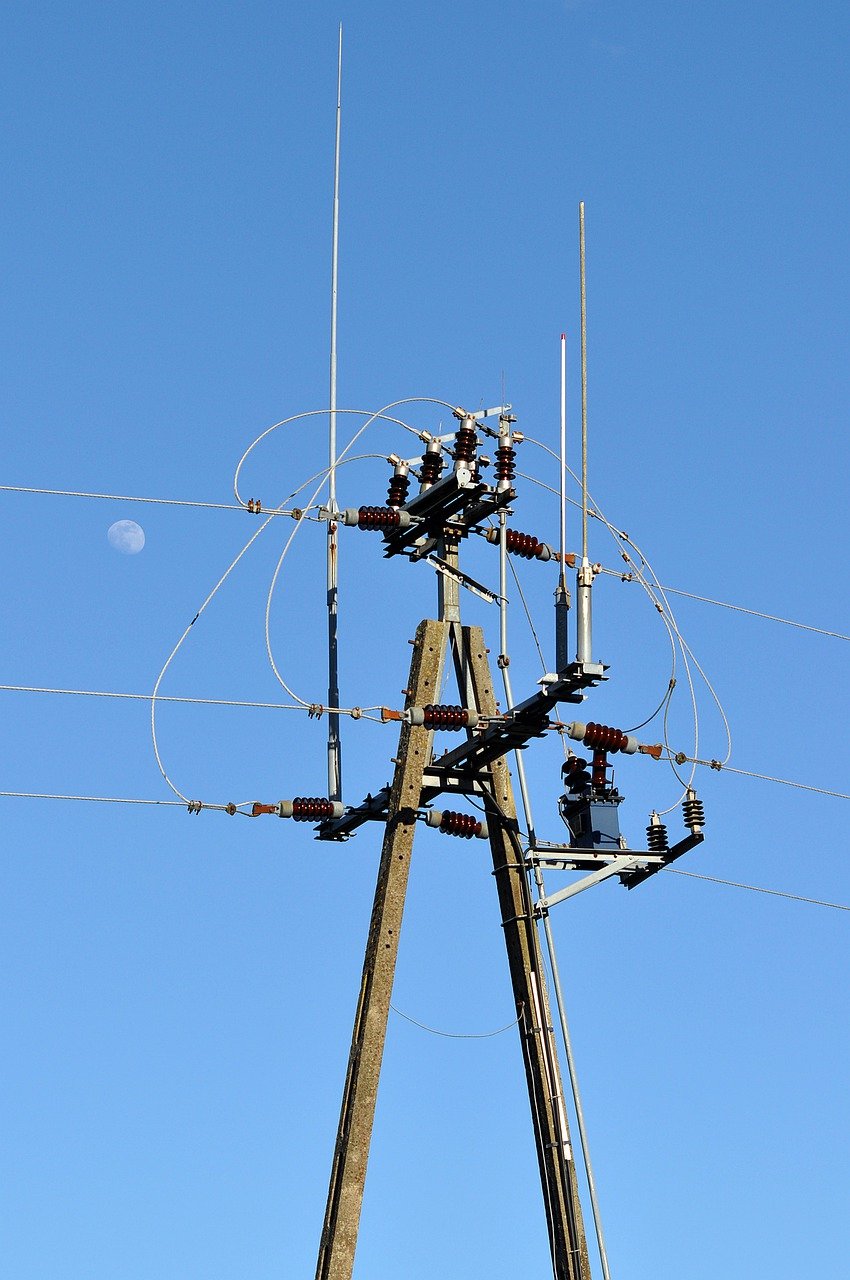










![Nigeria Beyond Oil: Mapping the Next $100bn Non-Oil Growth Engines Executive Summary Nigeria's economy is undergoing a historic transformation, with non-oil sectors now accounting for over 96% of GDP in 2025. As Africa's most populous nation charts a course toward economic resilience, the non-oil economy has emerged as the primary engine of growth, expanding by 3.91% in Q3 2025. With strategic investments and policy reforms, Nigeria is positioned to unlock $100 billion in value from agriculture, technology, manufacturing, services, and renewable energy sectors over the next decade. Understanding Economic Diversification Economic diversification is a fundamental concept driving Nigeria's transformation strategy. According to the United Nations Framework Convention on Climate Change (UNFCCC), economic diversification refers to "the process of shifting an economy away from a single income source toward multiple sources from a growing range of sectors and markets."[^1] This strategic approach reduces vulnerability to external shocks, creates employment opportunities, and establishes a more resilient economic foundation for sustainable growth. For Nigeria, diversification means moving beyond the volatility of oil-dependent revenues toward a balanced economy where agriculture, technology, manufacturing, and services contribute substantially to national wealth creation. Agriculture and Agribusiness – The $30 Billion Opportunity Introduction to Nigeria's Agricultural Transformation Agriculture remains the backbone of Nigeria's economy, employing nearly 70% of the population and contributing 31.21% to real GDP in Q3 2025. With government initiatives focused on mechanization, agri-tech solutions, and value chain development, the sector is poised to generate over $30 billion in additional value through increased productivity, reduced post-harvest losses, and expanded export markets. Current State and Recent Developments Agriculture expanded by 3.79% year-on-year in Q3 2025, driven mainly by crop production, which accounts for nearly two-thirds of the sector's nominal output. The sector has benefited from several transformative government programs: ● Anchor Borrowers' Programme: Providing credit facilities to smallholder farmers for agricultural inputs ● National Agricultural Technology Innovation Policy: Driving mechanized farming and precision agriculture ● Export Promotion Initiatives: Boosting exports of sesame seeds, cocoa, cashew nuts, and other commodities The Agri-Tech Revolution Between 2023 and 2025, Nigeria's agricultural technology sector attracted over $150 million in investments, with startups deploying innovative solutions including: ● Precision Farming Technologies: Companies like Zenvus use soil sensors, satellite data, and AI to optimize crop yields ● Digital Marketplaces: Platforms such as Farmcrowdy and AgroMall connect farmers directly with buyers, eliminating middlemen ● Fintech for Agriculture: Customized financing, mobile payments, and insurance products bridging the rural credit gap ● Supply Chain Solutions: Blockchain and data analytics improving farm-to-market logistics Growth Projections and Investment Opportunities With continued investment in irrigation, mechanization, cold chain logistics, and agro-processing facilities, the agricultural sector is projected to: ● Reduce post-harvest losses from current levels of 30-40% to below 15% ● Increase non-oil exports by capturing larger shares of global markets for cocoa, cashew, and specialty crops ● Create 5 million new jobs across the value chain by 2030 ● Contribute an additional $30 billion to GDP through productivity gains and value addition Technology and Digital Economy – The $25 Billion Frontier Introduction to Nigeria's Tech Ecosystem Nigeria has emerged as Africa's leading technology hub, often called the "Silicon Valley of Africa." Nigeria leads Africa's ICT market, contributing 82% of the continent's ICT value and 29% of its internet usage. The digital economy accounted for nearly 20% of GDP in Q2 2024, almost four times oil's contribution, positioning technology as a critical growth engine. Fintech Dominance and Expansion Nigeria's fintech sector represents one of the most successful diversification stories: ● Over 430 fintech companies operating as of February 2025, representing 28% of all African fintech companies ● Nigerian startups raised $520 million in 2024, with Moniepoint's $110 million Series C achieving unicorn status ● Digital payment solutions, mobile banking, and blockchain innovations driving financial inclusion ● Regulatory support from the Central Bank of Nigeria encouraging innovation Beyond Fintech: Emerging Tech Sectors While fintech dominates investment flows, other technology subsectors show tremendous potential: Information and Communication Technology (ICT) ● ICT posted 5.78% real growth with contribution rising to 9.10% of GDP ● Over 210 million active mobile subscribers and broadband penetration exceeding 40% ● 5G network expansion by MTN and MAFAB enhancing connectivity ● Government target of 90% broadband penetration by 2025 E-Commerce and Digital Services ● E-commerce market projected to reach $5 billion by 2025 ● Growing internet penetration driving online shopping adoption ● Logistics and last-mile delivery innovations supporting growth Emerging Technology Sectors Requiring Investment ● Agritech: Connecting technology to agricultural productivity ● Healthtech: Telemedicine, digital health records, and diagnostic innovations ● Edtech: Digital learning platforms addressing educational gaps ● Climate Tech: Renewable energy and environmental monitoring solutions Growth Projections Analysts project the digital economy to generate revenues up to $18.3 billion via fintech and AI, with the broader technology sector positioned to contribute $25 billion to economic growth through: ● Increased venture capital investment beyond fintech into deep tech ● Job creation for Nigeria's youthful population ● Export of technology services and products ● Enhanced productivity across all economic sectors Manufacturing and Industrial Development – The $20 Billion Challenge Introduction to Nigeria's Manufacturing Potential Manufacturing remains a critical yet underutilized pillar of economic diversification. Despite accounting for only 7.62% of GDP, the sector holds immense potential for value addition, job creation, and import substitution. Recent infrastructure investments and the operationalization of the Dangote Oil Refinery signal renewed momentum in industrial development. Current Manufacturing Landscape Manufacturing posted real growth of 1.25% in Q3 2025, driven by several factors: ● Dangote Oil Refinery Operations: Beginning in September 2024 with capacity to produce 650,000 barrels of refined petroleum products daily, significantly reducing import dependence ● Dangote Fertilizer Plant: Commissioned in May 2022 with capacity for 3 million tonnes annually, filling global supply gaps ● FX Stability: Improved foreign exchange liquidity supporting raw material imports ● Increased Domestic Refining: Reducing energy costs for manufacturers Key Manufacturing Subsectors Food, Beverage, and Tobacco ● Processing agricultural products for domestic consumption and export ● Value addition to raw materials reducing commodity dependence Chemical and Pharmaceutical Products ● Local production of essential medicines and industrial chemicals ● Import substitution reducing foreign exchange pressure Cement and Construction Materials ● Meeting infrastructure development demand ● Regional export opportunities Infrastructure and Policy Support Special Economic Zones (SEZs) ● Establishment of zones in various regions to facilitate trade and manufacturing ● Tax incentives and streamlined regulatory processes ● Enhanced export capacity and employment generation Infrastructure Investments ● Lagos-Ibadan railway and Second Niger Bridge improving connectivity ● Continuous highway upgrades reducing logistics costs ● Power sector reforms addressing electricity challenges Challenges and Solutions Power Supply Deficit ● Despite Electricity Act amendments decentralizing the market, transmission remains unresolved ● Stable and affordable power essential for manufacturing competitiveness ● Private sector participation and renewable energy integration needed High Production Costs ● Interest rates and borrowing costs limiting access to credit ● Need for targeted industrial financing schemes Growth Projections With sustained infrastructure development, power sector reforms, and targeted industrial policy, manufacturing can contribute $20 billion to GDP growth through: ● Import substitution in consumer goods and industrial products ● Export-oriented manufacturing leveraging AfCFTA market access ● Technology transfer and skills development ● Creation of 3 million manufacturing jobs by 2030 Services Sector – The $15 Billion Backbone Introduction to Nigeria's Services Economy The services sector is Nigeria's largest economic contributor, accounting for over 53% of real GDP. From telecommunications to financial services, real estate to hospitality, services drive employment and economic activity across urban and rural areas. Key Services Subsectors Financial and Insurance Services ● Financial and insurance services posted real growth of 19.63%, though contribution to GDP fell to 2.65% ● Banking sector expansion and insurance penetration growth ● Integration of technology improving service delivery Telecommunications and Information Services ● Telecommunications and information services posted a robust 7.40% expansion, accounting for 10.59% of overall output ● Mobile phone penetration and internet services driving growth ● Platform for broader digital economy development Real Estate ● Real estate nominal output surged 89.34%, with real growth at 3.50% ● Urbanization and middle-class expansion driving demand ● Commercial and residential property development opportunities Trade and Commerce ● Trade posted 1.98% real growth, accounting for 16.42% of GDP ● Retail expansion through malls and e-commerce platforms ● AfCFTA creating regional trade opportunities Tourism and Hospitality ● Expansion in local and international travel ● Cultural tourism and business travel growth potential ● Investment in hospitality infrastructure Growth Drivers Expanding Middle Class ● Urbanization, education, and job creation driving consumer demand ● Increased spending on goods, electronics, housing, and services ● Retail boom catering to growing consumer base Regional Trade Integration ● African Continental Free Trade Area (AfCFTA) access to 1.3 billion consumers ● Non-oil exports gaining access to larger African markets ● Improved border management and customs procedures Growth Projections The services sector is positioned to contribute $15 billion to economic growth through: ● Financial sector deepening and increased penetration ● Tourism development capitalizing on Nigeria's cultural assets ● Professional services export to West African region ● Transportation and logistics optimization ● Healthcare and education services expansion Renewable Energy and Natural Resources – The $10 Billion Green Future Introduction to Nigeria's Energy Transition As global environmental concerns intensify and power supply challenges persist, renewable energy presents both a necessity and an opportunity. With abundant solar resources, Nigeria is positioned to lead West Africa's energy transition while addressing domestic electricity deficits. Current Renewable Energy Landscape Solar Energy Growth ● Surge in solar adoption due to unreliable grid power supply ● Residential, commercial, and industrial solar installations expanding ● Government policies encouraging green energy investments ● Cost competitiveness improving with falling technology prices Renewable Energy Policies ● Government commitment to sustainable energy development ● Incentives for private sector investment in green technologies ● Integration of renewables into national energy mix Solid Minerals Development Nigeria's non-oil sectors, including solid minerals, are experiencing growth, with potential in: ● Lithium and Rare Earth Elements: Critical for global battery and technology manufacturing ● Gold and Other Precious Minerals: Export potential and artisanal mining formalization ● Industrial Minerals: Limestone, gypsum, and other construction materials Environmental Technology ● Climate Tech Innovations: Carbon capture, emissions monitoring, and environmental management ● Sustainable Agriculture: Technologies reducing environmental impact while increasing yields ● Waste-to-Energy: Converting organic and municipal waste into power Growth Projections The renewable energy and natural resources sector can contribute $10 billion through: ● Off-grid and mini-grid solar solutions powering 25 million households ● Large-scale solar and wind farms feeding into national grid ● Solid minerals exports generating foreign exchange ● Green technology manufacturing and assembly ● Environmental services and carbon credit trading Macroeconomic Foundations and Policy Environment Introduction to Economic Reforms Nigeria's non-oil growth potential is underpinned by significant macroeconomic reforms initiated since 2023. These policy changes have improved economic stability, attracted foreign investment, and created conditions for sustainable diversification. Recent Economic Performance GDP Growth Trajectory ● Nigeria's economy expanded by 3.9% year-on-year in the first half of 2025, up from 3.5% in the same period of 2024, driven by strong performance in services and non-oil industries ● The economy expanded by 3.98% in Q3 2025, with the non-oil sector contributing 96.6% to GDP ● Growth projected to accelerate to 4.2% in 2026 according to IMF forecasts External Position Strengthening ● Foreign reserves exceeding $42 billion with current account surplus rising to 6.1% of GDP, supported by higher non-oil exports ● Naira stabilization in the N1,440-N1,500/$ range ● Improved business confidence and foreign direct investment Fiscal Improvements ● Federal deficit projected at 2.6% of GDP in 2025 ● Public debt expected to decline from 42.9% to 39.8% of GDP ● Tax reforms enacted in June 2025 enhancing non-oil revenue generation Inflation and Monetary Policy Inflation Moderation ● Inflation eased to 21.9% in July 2025, supported by foreign exchange stability and targeted CBN interventions ● Projections for 2026 indicate further decline to around 14% by year-end ● Food inflation remains elevated, requiring continued policy attention Monetary Policy Stance ● Central Bank maintaining disciplined approach to price stability ● Interest rates remain elevated to anchor inflation expectations ● Gradual easing expected as inflation sustainably declines Structural Reforms Fuel Subsidy Removal ● Elimination of petrol subsidies freeing fiscal resources ● Redirecting funds to infrastructure and social programs ● Social protection programs mitigating impact on vulnerable populations Foreign Exchange Reforms ● Unified exchange rate system improving transparency ● Elimination of multiple exchange rate windows ● Enhanced FX liquidity and reduced arbitrage opportunities Tax Reforms ● Four landmark tax reforms enacted in June 2025 ● Streamlining tax administration and compliance ● Expanding tax base beyond oil revenues ● Improving ease of doing business Investment Climate Foreign Direct Investment ● Capital importation rose 67.1% to $5.64 billion in Q1 2025 ● Shift toward non-oil sectors including telecommunications, manufacturing, and services ● Opportunities for long-term investors in infrastructure and industry Business Environment Improvements ● Tinubu Administration prioritizing business climate reforms ● Reduction in bureaucratic bottlenecks ● Enhanced protection for investors Challenges and Risk Factors Introduction to Implementation Challenges While Nigeria's diversification potential is substantial, several challenges must be addressed to realize the $100 billion opportunity across non-oil sectors. Security Challenges ● Ongoing issues with banditry, insurgency, and communal conflicts ● Impact on agricultural productivity in key food-producing states ● Need for enhanced security coordination and conflict resolution Infrastructure Deficits Power Supply ● Inadequate and unreliable electricity generation and distribution ● Transmission infrastructure requiring major investment ● Critical bottleneck for manufacturing and industrial growth Transportation ● Road network quality affecting logistics costs ● Port congestion and clearance procedures ● Last-mile connectivity challenges in rural areas Social Challenges Poverty and Inequality ● Many households continue to face hardship, with poverty and food insecurity remaining high ● 109 million citizens below poverty line as of 2023 ● Need for inclusive growth policies and social protection expansion Food Inflation ● Poor households spend up to 70% of income on food, with basic food basket costs rising fivefold between 2019 and 2024 ● Addressing supply chain bottlenecks and trade barriers essential ● Agricultural productivity improvements critical Fiscal and Debt Sustainability ● Rising debt service obligations exceeding N15 trillion in 2026 budget ● Need for improved revenue generation and fiscal discipline ● Balancing growth investments with debt management External Risks ● Oil price volatility affecting government revenues ● Global economic slowdowns impacting export demand ● Exchange rate pressures from external shocks Strategic Recommendations and Action Plan Introduction to Strategic Priorities Unlocking the $100 billion non-oil growth opportunity requires coordinated action across government, private sector, and development partners. The following recommendations provide a roadmap for accelerated diversification. Priority 1: Infrastructure Development Power Sector Transformation ● Accelerate private sector participation in generation and distribution ● Resolve transmission infrastructure bottlenecks through targeted investment ● Integrate renewable energy into national grid ● Develop off-grid solutions for rural areas Transportation and Connectivity ● Complete ongoing railway and road projects ● Modernize port operations and reduce clearance times ● Develop industrial clusters with dedicated infrastructure ● Enhance digital connectivity through broadband expansion Priority 2: Human Capital Development Skills Training and Education ● Align educational curricula with industry needs ● Expand technical and vocational training programs ● Support technology education and digital literacy ● Encourage private sector involvement in skills development Healthcare Investment ● Improve healthcare access and quality ● Address malnutrition and food security ● Reduce maternal and child mortality ● Build resilient public health systems Priority 3: Enabling Business Environment Regulatory Reforms ● Streamline business registration and licensing ● Reduce regulatory compliance costs ● Ensure policy consistency and predictability ● Strengthen intellectual property protection Access to Finance ● Develop targeted financing schemes for SMEs and manufacturers ● Encourage long-term capital formation ● Promote alternative financing through capital markets ● Support fintech innovations in credit delivery Priority 4: Sector-Specific Interventions Agriculture ● Scale up mechanization and irrigation infrastructure ● Strengthen extension services and farmer training ● Develop commodity value chains and agro-processing zones ● Facilitate market access and export promotion Technology ● Create sector-specific sandboxes for innovation ● Establish deep tech fund with long-term investment horizon ● Support startup ecosystem beyond fintech ● Attract global technology companies and talent Manufacturing ● Implement industrial policy favoring strategic sectors ● Ensure Special Economic Zones are fully functional ● Provide infrastructure and utilities at competitive rates ● Facilitate technology transfer and partnerships Services ● Develop tourism infrastructure and marketing ● Enhance financial sector regulation and supervision ● Support professional services export through trade agreements ● Improve healthcare and education service delivery Renewable Energy ● Set ambitious renewable energy targets ● Provide incentives for private investment ● Streamline project approval processes ● Develop local manufacturing capacity for renewable technology Priority 5: Social Protection and Inclusion Safety Nets ● Expand social protection programs targeting vulnerable populations ● Implement conditional cash transfer schemes ● Support food security initiatives ● Ensure reforms benefit all citizens Geographic Inclusion ● Target investments in underserved regions ● Support rural economic development ● Address regional disparities in infrastructure and services ● Promote balanced development across states Priority 6: Governance and Institutions Anti-Corruption Measures ● Strengthen transparency and accountability systems ● Enhance procurement processes and oversight ● Support whistleblower protection ● Prosecute corruption vigorously Data and Monitoring ● Improve economic statistics and data collection ● Establish performance monitoring frameworks ● Use technology for real-time economic tracking ● Support evidence-based policymaking Conclusion: Nigeria's $100 Billion Vision Nigeria stands at a pivotal moment in its economic journey. The non-oil economy has demonstrated resilience and growth potential, expanding consistently even amid challenging global conditions. With agriculture contributing over 31% of GDP, technology sectors driving innovation, manufacturing gradually reviving, and services accounting for more than half of economic output, the foundations for sustainable diversification are firmly established. The $100 billion opportunity across non-oil sectors is not merely aspirational it is achievable through sustained policy commitment, strategic investments, and coordinated implementation. As the World Bank Country Director noted, "The Nigerian government has taken bold steps to stabilize the economy, but macroeconomic stability alone is not enough. The true measure of success will be how these reforms improve the daily lives of Nigerians". Success requires addressing infrastructure deficits, particularly in power and transportation, investing in human capital, maintaining macroeconomic stability, ensuring inclusive growth that reaches all citizens, and sustaining reform momentum despite short-term challenges. The path forward demands patience, persistence, and partnership between government, private sector, and civil society. With a population exceeding 220 million, a youthful demographic profile, abundant natural resources, growing regional integration through AfCFTA, and improving business environment, Nigeria possesses the fundamental ingredients for transformative growth. The next decade will determine whether Africa's most populous nation fully realizes its potential as a diversified, resilient, and prosperous economy capable of delivering shared prosperity to all its citizens. References United Nations Framework Convention on Climate Change (UNFCCC). "Economic Diversification." Available at: https://unfccc.int/topics/resilience/resources/economic-diversification Additional Sources: ● World Bank Nigeria Development Update, October 2025 ● National Bureau of Statistics GDP Reports Q1-Q3 2025 ● International Monetary Fund Nigeria Economic Outlook 2025 ● PwC Nigeria Economic Outlook Reports ● African Development Bank Nigeria Economic Outlook ● Trading Economics Nigeria Data Series ● Various Nigerian financial and economic publications (2024-2025) Call to Action Partner with Matthew Ogagavworia & Co. for Strategic Economic Intelligence At Matthew Ogagavworia & Co., we provide cutting-edge economic analysis, market intelligence, and strategic advisory services to help investors, businesses, and policymakers navigate Nigeria's evolving economic landscape. Our research covers: ● Sector-Specific Investment Analysis: Deep dives into agriculture, technology, manufacturing, and services opportunities ● Market Entry Strategies: Comprehensive guidance for foreign investors exploring Nigerian markets ● Economic Forecasting: Data-driven projections on macroeconomic trends and policy impacts ● Risk Assessment: Thorough evaluation of political, economic, and operational risks ● Custom Research: Tailored studies addressing your specific information needs Contact Us Today](https://mocaccountants.com/wp-content/plugins/contextual-related-posts/default.png "Nigeria Beyond Oil: Mapping the Next $100bn Non-Oil Growth Engines Executive Summary Nigeria's economy is undergoing a historic transformation, with non-oil sectors now accounting for over 96% of GDP in 2025. As Africa's most populous nation charts a course toward economic resilience, the non-oil economy has emerged as the primary engine of growth, expanding by 3.91% in Q3 2025. With strategic investments and policy reforms, Nigeria is positioned to unlock $100 billion in value from agriculture, technology, manufacturing, services, and renewable energy sectors over the next decade. Understanding Economic Diversification Economic diversification is a fundamental concept driving Nigeria's transformation strategy. According to the United Nations Framework Convention on Climate Change (UNFCCC), economic diversification refers to \"the process of shifting an economy away from a single income source toward multiple sources from a growing range of sectors and markets.\"[^1] This strategic approach reduces vulnerability to external shocks, creates employment opportunities, and establishes a more resilient economic foundation for sustainable growth. For Nigeria, diversification means moving beyond the volatility of oil-dependent revenues toward a balanced economy where agriculture, technology, manufacturing, and services contribute substantially to national wealth creation. Agriculture and Agribusiness – The $30 Billion Opportunity Introduction to Nigeria's Agricultural Transformation Agriculture remains the backbone of Nigeria's economy, employing nearly 70% of the population and contributing 31.21% to real GDP in Q3 2025. With government initiatives focused on mechanization, agri-tech solutions, and value chain development, the sector is poised to generate over $30 billion in additional value through increased productivity, reduced post-harvest losses, and expanded export markets. Current State and Recent Developments Agriculture expanded by 3.79% year-on-year in Q3 2025, driven mainly by crop production, which accounts for nearly two-thirds of the sector's nominal output. The sector has benefited from several transformative government programs: ● Anchor Borrowers' Programme: Providing credit facilities to smallholder farmers for agricultural inputs ● National Agricultural Technology Innovation Policy: Driving mechanized farming and precision agriculture ● Export Promotion Initiatives: Boosting exports of sesame seeds, cocoa, cashew nuts, and other commodities The Agri-Tech Revolution Between 2023 and 2025, Nigeria's agricultural technology sector attracted over $150 million in investments, with startups deploying innovative solutions including: ● Precision Farming Technologies: Companies like Zenvus use soil sensors, satellite data, and AI to optimize crop yields ● Digital Marketplaces: Platforms such as Farmcrowdy and AgroMall connect farmers directly with buyers, eliminating middlemen ● Fintech for Agriculture: Customized financing, mobile payments, and insurance products bridging the rural credit gap ● Supply Chain Solutions: Blockchain and data analytics improving farm-to-market logistics Growth Projections and Investment Opportunities With continued investment in irrigation, mechanization, cold chain logistics, and agro-processing facilities, the agricultural sector is projected to: ● Reduce post-harvest losses from current levels of 30-40% to below 15% ● Increase non-oil exports by capturing larger shares of global markets for cocoa, cashew, and specialty crops ● Create 5 million new jobs across the value chain by 2030 ● Contribute an additional $30 billion to GDP through productivity gains and value addition Technology and Digital Economy – The $25 Billion Frontier Introduction to Nigeria's Tech Ecosystem Nigeria has emerged as Africa's leading technology hub, often called the \"Silicon Valley of Africa.\" Nigeria leads Africa's ICT market, contributing 82% of the continent's ICT value and 29% of its internet usage. The digital economy accounted for nearly 20% of GDP in Q2 2024, almost four times oil's contribution, positioning technology as a critical growth engine. Fintech Dominance and Expansion Nigeria's fintech sector represents one of the most successful diversification stories: ● Over 430 fintech companies operating as of February 2025, representing 28% of all African fintech companies ● Nigerian startups raised $520 million in 2024, with Moniepoint's $110 million Series C achieving unicorn status ● Digital payment solutions, mobile banking, and blockchain innovations driving financial inclusion ● Regulatory support from the Central Bank of Nigeria encouraging innovation Beyond Fintech: Emerging Tech Sectors While fintech dominates investment flows, other technology subsectors show tremendous potential: Information and Communication Technology (ICT) ● ICT posted 5.78% real growth with contribution rising to 9.10% of GDP ● Over 210 million active mobile subscribers and broadband penetration exceeding 40% ● 5G network expansion by MTN and MAFAB enhancing connectivity ● Government target of 90% broadband penetration by 2025 E-Commerce and Digital Services ● E-commerce market projected to reach $5 billion by 2025 ● Growing internet penetration driving online shopping adoption ● Logistics and last-mile delivery innovations supporting growth Emerging Technology Sectors Requiring Investment ● Agritech: Connecting technology to agricultural productivity ● Healthtech: Telemedicine, digital health records, and diagnostic innovations ● Edtech: Digital learning platforms addressing educational gaps ● Climate Tech: Renewable energy and environmental monitoring solutions Growth Projections Analysts project the digital economy to generate revenues up to $18.3 billion via fintech and AI, with the broader technology sector positioned to contribute $25 billion to economic growth through: ● Increased venture capital investment beyond fintech into deep tech ● Job creation for Nigeria's youthful population ● Export of technology services and products ● Enhanced productivity across all economic sectors Manufacturing and Industrial Development – The $20 Billion Challenge Introduction to Nigeria's Manufacturing Potential Manufacturing remains a critical yet underutilized pillar of economic diversification. Despite accounting for only 7.62% of GDP, the sector holds immense potential for value addition, job creation, and import substitution. Recent infrastructure investments and the operationalization of the Dangote Oil Refinery signal renewed momentum in industrial development. Current Manufacturing Landscape Manufacturing posted real growth of 1.25% in Q3 2025, driven by several factors: ● Dangote Oil Refinery Operations: Beginning in September 2024 with capacity to produce 650,000 barrels of refined petroleum products daily, significantly reducing import dependence ● Dangote Fertilizer Plant: Commissioned in May 2022 with capacity for 3 million tonnes annually, filling global supply gaps ● FX Stability: Improved foreign exchange liquidity supporting raw material imports ● Increased Domestic Refining: Reducing energy costs for manufacturers Key Manufacturing Subsectors Food, Beverage, and Tobacco ● Processing agricultural products for domestic consumption and export ● Value addition to raw materials reducing commodity dependence Chemical and Pharmaceutical Products ● Local production of essential medicines and industrial chemicals ● Import substitution reducing foreign exchange pressure Cement and Construction Materials ● Meeting infrastructure development demand ● Regional export opportunities Infrastructure and Policy Support Special Economic Zones (SEZs) ● Establishment of zones in various regions to facilitate trade and manufacturing ● Tax incentives and streamlined regulatory processes ● Enhanced export capacity and employment generation Infrastructure Investments ● Lagos-Ibadan railway and Second Niger Bridge improving connectivity ● Continuous highway upgrades reducing logistics costs ● Power sector reforms addressing electricity challenges Challenges and Solutions Power Supply Deficit ● Despite Electricity Act amendments decentralizing the market, transmission remains unresolved ● Stable and affordable power essential for manufacturing competitiveness ● Private sector participation and renewable energy integration needed High Production Costs ● Interest rates and borrowing costs limiting access to credit ● Need for targeted industrial financing schemes Growth Projections With sustained infrastructure development, power sector reforms, and targeted industrial policy, manufacturing can contribute $20 billion to GDP growth through: ● Import substitution in consumer goods and industrial products ● Export-oriented manufacturing leveraging AfCFTA market access ● Technology transfer and skills development ● Creation of 3 million manufacturing jobs by 2030 Services Sector – The $15 Billion Backbone Introduction to Nigeria's Services Economy The services sector is Nigeria's largest economic contributor, accounting for over 53% of real GDP. From telecommunications to financial services, real estate to hospitality, services drive employment and economic activity across urban and rural areas. Key Services Subsectors Financial and Insurance Services ● Financial and insurance services posted real growth of 19.63%, though contribution to GDP fell to 2.65% ● Banking sector expansion and insurance penetration growth ● Integration of technology improving service delivery Telecommunications and Information Services ● Telecommunications and information services posted a robust 7.40% expansion, accounting for 10.59% of overall output ● Mobile phone penetration and internet services driving growth ● Platform for broader digital economy development Real Estate ● Real estate nominal output surged 89.34%, with real growth at 3.50% ● Urbanization and middle-class expansion driving demand ● Commercial and residential property development opportunities Trade and Commerce ● Trade posted 1.98% real growth, accounting for 16.42% of GDP ● Retail expansion through malls and e-commerce platforms ● AfCFTA creating regional trade opportunities Tourism and Hospitality ● Expansion in local and international travel ● Cultural tourism and business travel growth potential ● Investment in hospitality infrastructure Growth Drivers Expanding Middle Class ● Urbanization, education, and job creation driving consumer demand ● Increased spending on goods, electronics, housing, and services ● Retail boom catering to growing consumer base Regional Trade Integration ● African Continental Free Trade Area (AfCFTA) access to 1.3 billion consumers ● Non-oil exports gaining access to larger African markets ● Improved border management and customs procedures Growth Projections The services sector is positioned to contribute $15 billion to economic growth through: ● Financial sector deepening and increased penetration ● Tourism development capitalizing on Nigeria's cultural assets ● Professional services export to West African region ● Transportation and logistics optimization ● Healthcare and education services expansion Renewable Energy and Natural Resources – The $10 Billion Green Future Introduction to Nigeria's Energy Transition As global environmental concerns intensify and power supply challenges persist, renewable energy presents both a necessity and an opportunity. With abundant solar resources, Nigeria is positioned to lead West Africa's energy transition while addressing domestic electricity deficits. Current Renewable Energy Landscape Solar Energy Growth ● Surge in solar adoption due to unreliable grid power supply ● Residential, commercial, and industrial solar installations expanding ● Government policies encouraging green energy investments ● Cost competitiveness improving with falling technology prices Renewable Energy Policies ● Government commitment to sustainable energy development ● Incentives for private sector investment in green technologies ● Integration of renewables into national energy mix Solid Minerals Development Nigeria's non-oil sectors, including solid minerals, are experiencing growth, with potential in: ● Lithium and Rare Earth Elements: Critical for global battery and technology manufacturing ● Gold and Other Precious Minerals: Export potential and artisanal mining formalization ● Industrial Minerals: Limestone, gypsum, and other construction materials Environmental Technology ● Climate Tech Innovations: Carbon capture, emissions monitoring, and environmental management ● Sustainable Agriculture: Technologies reducing environmental impact while increasing yields ● Waste-to-Energy: Converting organic and municipal waste into power Growth Projections The renewable energy and natural resources sector can contribute $10 billion through: ● Off-grid and mini-grid solar solutions powering 25 million households ● Large-scale solar and wind farms feeding into national grid ● Solid minerals exports generating foreign exchange ● Green technology manufacturing and assembly ● Environmental services and carbon credit trading Macroeconomic Foundations and Policy Environment Introduction to Economic Reforms Nigeria's non-oil growth potential is underpinned by significant macroeconomic reforms initiated since 2023. These policy changes have improved economic stability, attracted foreign investment, and created conditions for sustainable diversification. Recent Economic Performance GDP Growth Trajectory ● Nigeria's economy expanded by 3.9% year-on-year in the first half of 2025, up from 3.5% in the same period of 2024, driven by strong performance in services and non-oil industries ● The economy expanded by 3.98% in Q3 2025, with the non-oil sector contributing 96.6% to GDP ● Growth projected to accelerate to 4.2% in 2026 according to IMF forecasts External Position Strengthening ● Foreign reserves exceeding $42 billion with current account surplus rising to 6.1% of GDP, supported by higher non-oil exports ● Naira stabilization in the N1,440-N1,500/$ range ● Improved business confidence and foreign direct investment Fiscal Improvements ● Federal deficit projected at 2.6% of GDP in 2025 ● Public debt expected to decline from 42.9% to 39.8% of GDP ● Tax reforms enacted in June 2025 enhancing non-oil revenue generation Inflation and Monetary Policy Inflation Moderation ● Inflation eased to 21.9% in July 2025, supported by foreign exchange stability and targeted CBN interventions ● Projections for 2026 indicate further decline to around 14% by year-end ● Food inflation remains elevated, requiring continued policy attention Monetary Policy Stance ● Central Bank maintaining disciplined approach to price stability ● Interest rates remain elevated to anchor inflation expectations ● Gradual easing expected as inflation sustainably declines Structural Reforms Fuel Subsidy Removal ● Elimination of petrol subsidies freeing fiscal resources ● Redirecting funds to infrastructure and social programs ● Social protection programs mitigating impact on vulnerable populations Foreign Exchange Reforms ● Unified exchange rate system improving transparency ● Elimination of multiple exchange rate windows ● Enhanced FX liquidity and reduced arbitrage opportunities Tax Reforms ● Four landmark tax reforms enacted in June 2025 ● Streamlining tax administration and compliance ● Expanding tax base beyond oil revenues ● Improving ease of doing business Investment Climate Foreign Direct Investment ● Capital importation rose 67.1% to $5.64 billion in Q1 2025 ● Shift toward non-oil sectors including telecommunications, manufacturing, and services ● Opportunities for long-term investors in infrastructure and industry Business Environment Improvements ● Tinubu Administration prioritizing business climate reforms ● Reduction in bureaucratic bottlenecks ● Enhanced protection for investors Challenges and Risk Factors Introduction to Implementation Challenges While Nigeria's diversification potential is substantial, several challenges must be addressed to realize the $100 billion opportunity across non-oil sectors. Security Challenges ● Ongoing issues with banditry, insurgency, and communal conflicts ● Impact on agricultural productivity in key food-producing states ● Need for enhanced security coordination and conflict resolution Infrastructure Deficits Power Supply ● Inadequate and unreliable electricity generation and distribution ● Transmission infrastructure requiring major investment ● Critical bottleneck for manufacturing and industrial growth Transportation ● Road network quality affecting logistics costs ● Port congestion and clearance procedures ● Last-mile connectivity challenges in rural areas Social Challenges Poverty and Inequality ● Many households continue to face hardship, with poverty and food insecurity remaining high ● 109 million citizens below poverty line as of 2023 ● Need for inclusive growth policies and social protection expansion Food Inflation ● Poor households spend up to 70% of income on food, with basic food basket costs rising fivefold between 2019 and 2024 ● Addressing supply chain bottlenecks and trade barriers essential ● Agricultural productivity improvements critical Fiscal and Debt Sustainability ● Rising debt service obligations exceeding N15 trillion in 2026 budget ● Need for improved revenue generation and fiscal discipline ● Balancing growth investments with debt management External Risks ● Oil price volatility affecting government revenues ● Global economic slowdowns impacting export demand ● Exchange rate pressures from external shocks Strategic Recommendations and Action Plan Introduction to Strategic Priorities Unlocking the $100 billion non-oil growth opportunity requires coordinated action across government, private sector, and development partners. The following recommendations provide a roadmap for accelerated diversification. Priority 1: Infrastructure Development Power Sector Transformation ● Accelerate private sector participation in generation and distribution ● Resolve transmission infrastructure bottlenecks through targeted investment ● Integrate renewable energy into national grid ● Develop off-grid solutions for rural areas Transportation and Connectivity ● Complete ongoing railway and road projects ● Modernize port operations and reduce clearance times ● Develop industrial clusters with dedicated infrastructure ● Enhance digital connectivity through broadband expansion Priority 2: Human Capital Development Skills Training and Education ● Align educational curricula with industry needs ● Expand technical and vocational training programs ● Support technology education and digital literacy ● Encourage private sector involvement in skills development Healthcare Investment ● Improve healthcare access and quality ● Address malnutrition and food security ● Reduce maternal and child mortality ● Build resilient public health systems Priority 3: Enabling Business Environment Regulatory Reforms ● Streamline business registration and licensing ● Reduce regulatory compliance costs ● Ensure policy consistency and predictability ● Strengthen intellectual property protection Access to Finance ● Develop targeted financing schemes for SMEs and manufacturers ● Encourage long-term capital formation ● Promote alternative financing through capital markets ● Support fintech innovations in credit delivery Priority 4: Sector-Specific Interventions Agriculture ● Scale up mechanization and irrigation infrastructure ● Strengthen extension services and farmer training ● Develop commodity value chains and agro-processing zones ● Facilitate market access and export promotion Technology ● Create sector-specific sandboxes for innovation ● Establish deep tech fund with long-term investment horizon ● Support startup ecosystem beyond fintech ● Attract global technology companies and talent Manufacturing ● Implement industrial policy favoring strategic sectors ● Ensure Special Economic Zones are fully functional ● Provide infrastructure and utilities at competitive rates ● Facilitate technology transfer and partnerships Services ● Develop tourism infrastructure and marketing ● Enhance financial sector regulation and supervision ● Support professional services export through trade agreements ● Improve healthcare and education service delivery Renewable Energy ● Set ambitious renewable energy targets ● Provide incentives for private investment ● Streamline project approval processes ● Develop local manufacturing capacity for renewable technology Priority 5: Social Protection and Inclusion Safety Nets ● Expand social protection programs targeting vulnerable populations ● Implement conditional cash transfer schemes ● Support food security initiatives ● Ensure reforms benefit all citizens Geographic Inclusion ● Target investments in underserved regions ● Support rural economic development ● Address regional disparities in infrastructure and services ● Promote balanced development across states Priority 6: Governance and Institutions Anti-Corruption Measures ● Strengthen transparency and accountability systems ● Enhance procurement processes and oversight ● Support whistleblower protection ● Prosecute corruption vigorously Data and Monitoring ● Improve economic statistics and data collection ● Establish performance monitoring frameworks ● Use technology for real-time economic tracking ● Support evidence-based policymaking Conclusion: Nigeria's $100 Billion Vision Nigeria stands at a pivotal moment in its economic journey. The non-oil economy has demonstrated resilience and growth potential, expanding consistently even amid challenging global conditions. With agriculture contributing over 31% of GDP, technology sectors driving innovation, manufacturing gradually reviving, and services accounting for more than half of economic output, the foundations for sustainable diversification are firmly established. The $100 billion opportunity across non-oil sectors is not merely aspirational it is achievable through sustained policy commitment, strategic investments, and coordinated implementation. As the World Bank Country Director noted, \"The Nigerian government has taken bold steps to stabilize the economy, but macroeconomic stability alone is not enough. The true measure of success will be how these reforms improve the daily lives of Nigerians\". Success requires addressing infrastructure deficits, particularly in power and transportation, investing in human capital, maintaining macroeconomic stability, ensuring inclusive growth that reaches all citizens, and sustaining reform momentum despite short-term challenges. The path forward demands patience, persistence, and partnership between government, private sector, and civil society. With a population exceeding 220 million, a youthful demographic profile, abundant natural resources, growing regional integration through AfCFTA, and improving business environment, Nigeria possesses the fundamental ingredients for transformative growth. The next decade will determine whether Africa's most populous nation fully realizes its potential as a diversified, resilient, and prosperous economy capable of delivering shared prosperity to all its citizens. References United Nations Framework Convention on Climate Change (UNFCCC). \"Economic Diversification.\" Available at: https://unfccc.int/topics/resilience/resources/economic-diversification Additional Sources: ● World Bank Nigeria Development Update, October 2025 ● National Bureau of Statistics GDP Reports Q1-Q3 2025 ● International Monetary Fund Nigeria Economic Outlook 2025 ● PwC Nigeria Economic Outlook Reports ● African Development Bank Nigeria Economic Outlook ● Trading Economics Nigeria Data Series ● Various Nigerian financial and economic publications (2024-2025) Call to Action Partner with Matthew Ogagavworia & Co. for Strategic Economic Intelligence At Matthew Ogagavworia & Co., we provide cutting-edge economic analysis, market intelligence, and strategic advisory services to help investors, businesses, and policymakers navigate Nigeria's evolving economic landscape. Our research covers: ● Sector-Specific Investment Analysis: Deep dives into agriculture, technology, manufacturing, and services opportunities ● Market Entry Strategies: Comprehensive guidance for foreign investors exploring Nigerian markets ● Economic Forecasting: Data-driven projections on macroeconomic trends and policy impacts ● Risk Assessment: Thorough evaluation of political, economic, and operational risks ● Custom Research: Tailored studies addressing your specific information needs Contact Us Today")




There are no comments