


Investing in Nigeria’s Renewable Energy Sector: Opportunities and Incentives
Get started
Call-to-action
Tel: (+234) 802 320 0801, (+234) 807 576 5799)
E-Mail: enquiry@mocaccountants.com
Office Address: 5, Ishola Bello Close, Off Iyalla Street, Alausa, Ikeja, Lagos, Nigeria.

Introduction
Renewable energy denotes energy, which is obtained from a source, which can be replenished within a reasonable timeframe through the natural processes. E.g. Solar, wind, hydro, biomass, geothermal and ocean wave and tide. The harnessing and utilization of such sources of energy are mostly environmentally friendly in regards to pollution, GHG emissions and safety. Therefore, they have become the sources of energy that is preferred in promoting sustainable development. In Nigeria, where RE is gaining increasing prominence in the country’s energy supply mix, energy efficiency and conservation is also being promoted as an alternative means to aiding energy affordability while addressing climate change.
Nigeria, the most populous country in Africa with the largest GDP in the continent, must contend with significant poverty related energy issues that impede her growths both socially and economically. With over 85 million Nigerian cities without efficient electricity supply, it can be observed that Nigeria has one of the largest energy access gaps globally. The national grid is already saturated and erratic while diesel generators which are extensively used to bridge the gap are expensive and not environmentally friendly. Nonetheless, Nigeria has treating opportunities based on abundant solar, wind, hydro, and biomass resources of renewable energy which can satisfy the country’s energy satisfaction.
Renewable energy is crucial to Nigeria’s perspectives in term of the economy and environmental issues.
The relevance of renewable energy lies in the fact that it contributes to energy security, economic growth, and reduces the impacts of climate change, through diversifying the energy mix and reducing the dependence on fossil fuels. Apart from this, Nigeria should also embrace clean energy solutions for the purposes of fulfilling its obligations under the provisions of the Paris agreement and in line with global sustainable development goals. Renewable energy can contribute significantly towards catering for the included, industrialization, rural electrification, and general community development which forms part of the country’s development strategies.
The Nigerian government through its actions have indicated a developing interest in renewable energy. The government aims at developing its renewable energy resources through policies such as the Renewable Energy and Energy Efficiency Policy (NREEEP) and programs including, the Nigeria Electrification Project (NEP). Moreover, the world bank and African development bank among other international organizations partners with the local governments to showcase the global interest in Nigeria’s renewable energy sector. These initiatives demonstrate Nigeria’s great desire to reposition its economy to a greener energy future while providing multinational companies good investment prospects that enhance their development.
Nigeria’s Renewable Energy Market Opportunities – Energy interconnections and cooperation framework -Energy potentials of Nigeria in the global context.
Current Energy Mix and Dependence on Fossil Fuels
Nigeria’s energy sector is highly dependent on fossil fuels, with oil and gas being the primary sources of energy in the country.
Even though crude oil is one of the key exports of the country, paradoxically, it lacks energy because its energy systems are either not fully employed or too old. Nearly 70 percent of the electric supply is provided by gas-fired plants, while about 25 percent of the electric supply stems from hydroelectric plants. However, the combination of gas disruptions coupled with the inefficient gas transmission and distribution systems, worsens Nigeria’s energy crisis.
Furthermore, countries that overly rely on fossil fuels face issues. A direct consequence for example is the cost of gas and oil flares being directly affected by the global oil prices. This dependency highlights the much-needed shift in approach whereby energy diversification is handled through more sufficient renewable energy sources.
Types of Renewable Sources of Energy in Nigeria
Wind Energy
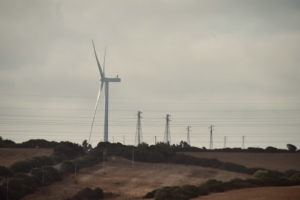
Wind energy potential and wind speed in Nigeria vary from approximately 2 m/s in the coastal region and 4 m/s in the far northern region. The use of wind for electricity generation is relatively new due to rapid growth in technology. In order to transform the energy in moving air into mechanical energy, a range of conversion systems can be used, such as wind turbines, generators and dynamos. A wind mapping project carried out by the Ministry of Science and Technology resulted in wind energy resource mapping in Nigeria. This indicated a very small and local potential for wind energy. In fact, Nigeria falls under a poor/moderate wind regime. Despite this, there are two large wind farm projects in Nigeria; a 10 MW project in Katsina and a 100 MW project in Plateau State.
Hydropower Energy
Hydropower is the world’s biggest source of renewable electricity generation supplying 70–80% and currently accounts for 16% of the world’s total power supply. Nigeria is endowed with various bodies of water, including large rivers and natural falls, with 11 key river basins located around the country. The research shows that the river systems can provide a total of 70 micro dams, 126 mini dams and 86 small hydropower sites. The total exploitable potential of hydropower resources in Nigeria is 3500 MW for small hydropower and a massive 11,250 MW for large hydropower, which is enough to solely power Nigerian electricity generation (Table 1). However, only 2% of small hydropower and 17% of large hydropower is currently being utilised. As a result, only 18.2% of electricity generation in Nigeria is derived from hydroelectric sources
Solar Energy
Solar energy is one of the most promising renewable energy sources due to its apparent “limitless” potential. Nigeria has great potential for solar energy; the country is located within the “high sunshine belt” region and is just north of the equator. The annual average of total solar radiation varies from about 4 kWh/m2.day in the coastal regions to approximately 6.5 kWh/m2.day in the North. The long-term average of GHI (Global Horizontal Irradiation) between 1994 and 2018 in Nigeria was approximately 1534 kWh/m2 yearly total in the coastal states such as Port Harcourt, whereas it increased to approximately 2264 kWh/m2 yearly total in northern states such as Sokoto, Kano and Maiduguri. Average sunshine hours are estimated at 6 h per day. Due to the high irradiation in Nigeria, research has shown that if 1% of the land mass in Nigeria (920 km2) is covered with solar PV, it has the potential to generate over 200 GWh annually, which is nearly 10 times more than the current electricity generated. However, the economic viability of solar PV is often questioned due to the levelised cost of energy (LCOE) and the high initial installation cost. Nevertheless, the World Bank suggests that PV and hybrid systems are already economically competitive for off-grid applications. Solar PV, off-grid or mini-grid is ideal for rural communities not connected to the national grid. A GIS survey by GIZ identified 8000 clusters of 26 million people who can be served with solar mini-grids, generating a capacity of over 3000 MW.
Bioenergy (Biomass)
Biomass energy refers to the energy of biological systems such as wood and other biological materials. Biomass is considered to be carbon neutral due to no net gain in atmospheric CO2 when the fuel is burned. Many technologies have been designed to turn biomass into an efficient, clean and sustainable energy, including direct combustion, co-firing, biomass gasification and anaerobic digestion, which involves using micro-organisms to break down the biomass and turn it into biogas. Solid biomass and waste account for approximately 80% of total primary energy consumed in Nigeria [16]. A study by Simonyan and Fasina (2013) explored the annual bioenergy potential for each source of biomass in Nigeria.
Policies on Renewable Energy in Nigeria
The above scenario is putting pressure on the demand for energy sources in Nigeria:
Population Growth: The population is expected to exceed 400 million by the year 2050. Making this case even clearer, energy has always been a top priority in every household, business and industry for smooth operation. The use of renewable energy is one of the options to match growing household, business and industrial needs.
Urbanization: The construction of urban areas has sped up due to the critical and clean energy needed to operate today’s infrastructure, industries and homes. Urbanization is one of the areas in which renewable energy is expected to help in developing since it issues continuous availability of resources.
Power Deficit: The available power generation facilities are very low relative to the population’s energy demands leaving millions around the country without electricity.
Technologies that utilize renewable sources of energy, especially those that are off-grid and decentralized, can be best fitted to fill this gap in remote and neglected areas.
Opportunities in the Renewable Energy Sector
Off-Grid Solar Systems for Rural Electrification
Access to electricity is still a challenge for a large section of Nigeria’s population especially in the rural areas. Usofu titled off-grid solar solutions are a transformative opportunity to address this. These include solar home systems and mini-grids which are cheaper and more efficient options to grid extension.
Impact: Off-grid solar solutions enable rural communities to have electricity for lighting, healthcare centers, schools, and small-scale commerce.
Investor Potential: These technologies become more affordable together with government support making this a very tempting sector to invest in. Schemes such as the Nigeria Electrification Project (NEP) and collaborations with grassroots organizations ensure speedy implementation and growth.
Commercial and Industrial Renewable Energy Projects
The chronic inadequacy of grid power coupled with high diesel generator costs puts a strain on business operations. As a result, there is an ever-increasing demand for renewable energy solutions in commercial and industrial applications.
Applications: Businesses can utilize solar photovoltaic arrays, wind energy, and hybrid systems as their sources of energy. Such systems however lower the cost of operations, increase dependability and grow respect for the environment.
Investor Potential: Large warehouses, factories and big retail shops present great opportunities to renewable energy business people who are willing to sign long term power supply contracts.
Mini-Grid Systems and Their Suitability in Nigeria’s Energy Grid
There are mini grids systems becoming very popular in the country due To the understand that extending the national grid is not cost effective or economically viable. These mini grids generate power for a specific group or community as well as distribute power to specific users or clusters.
Benefits: Economic activities such as small-scale industries and agribusinesses can be facilitated by these mini grids as it makes energy resources easily accessible to the rural and the peri urban areas.
Scalability: With the help of funding and improving technology like that of the Rural Electrification Agency (REA), mini grids have the potential to grow in scale and integrated to further reach bigger populations and even different areas with the main grid in the future.
Investor Potential: Mini grid system is a network system with tremendous investment potential based on increasing energy needs in rural and under populated areas. This will cause an increase in the return rate for the investments made into this service.
Manufacturing and Supply Chain opportunities in Renewable Energy Technologies
Building a good supplier and a local manufacturing chain in Nigeria is a core part that the renewable energy sector of Nigeria intends to achieve alongside energy generation.
Component Manufacturing: A provision for local assembling and manufacturing plants will be created by a continued growth in the demand for solar panels, batteries, inverters and other components for renewable energy.
Logistics and Distribution: A chance in supply chain management and logistics will be created by the renewable energy equipment necessary to be transported to other areas and set them up.
Employment: Local skills and production facilities can be developed and importation of technologies be reduced thus creating jobs.
Investment Opportunity: More so, foreign directly investors can take advantage of the collaboration with Nigerian firms and setting up of production facilities with the assistance of the government and a large market.
Government Policies and Incentives
Nigerian Renewable Energy and Energy Efficiency Policy Institutional Framework (NREEEP) Overview
The Renewable Energy and Energy Efficiency Policy (NREEEP) is considered as Nigeria’s strategic plan in achieving energy diversification and increasing the use of renewable energies.
Objectives: The policy’s aims are to mitigate the reliance on fossil fuels, promote access to energy services among the Nigerian population, and promote energy conservation measures at industrial and domestic levels.
Key Provisions: It focuses on the use of solar, wind, hydro and biomass energy and also outlines the targets for the development of renewable energy sources in the national electricity grid system.
Significance: In providing a distinct regulatory environment, the NREEEP framework works to stimulate investments, directs the roles of public and private collaboration initiatives and positions Nigeria within the international system of sustainability.
Renewable Energy Projects in Nigeria: Tax Us, Import Treaties and Subsidies.
For Both foreign and local investors, the Nigerian government have put in place a number of financial offers to promote renewable project investment options:
Tax Incentives: Investors n renewable energy projects are able to take advantage of the corporate exemption from taxes, accelerated depreciation on renewable energy devices, and capital allowances as well.
Import Duty Waivers: Components of renewable energy projects in particular solar panels, inverters, batteries are subjected to reduced or totally exempted import duties resulting in minimal costs in carrying out the projects.
Subsidies: Planned subsidies exist for the purposes of rural electrification and mini-grid projects which makes them cheaper for the end users and also workable for the developers.
Significance for Investors: These incentives increase the profitability of projects, reduce their capital expenditures, and encourage the use of renewable technologies much faster than expected.
Renewable energy deals with power generation from hydro and gas-fired thermal power plants. There are various renewable energy resources such as solar, wind, biomass, and hydropower, etc. They are used as an alternative to the most commonly used sources of energy such as coal. Renewable energy offers improved environmental and health quality as it does not pose health risks. There are laws enacted to regulate renewable energy in Nigeria, which will be discussed below.
The few laws briefly discussed below provide a legal framework for renewable energy in Nigeria.
Electricity Power Sector Reform (EPSRA) Act 2005- the Act is the principal law that governs the Nigeria power sector. The Act is established to provide for the formation of companies to take over the function, assets and liabilities, and staff of the National Electric Power Authority and to develop a competitive electricity market.
The Act establishes the NERC as the major regulatory body to provide for the licensing and regulation of the generation, transmission, and distribution of electricity in the power sector. Section 96 of the Act empowers NERC to make regulations which in the option of the Commission are necessary or convenient to be prescribed for carrying out or giving effect to the Act. NERC in performing this function has established several policies and regulations to regulate the energy sector. Examples of these regulations are;
NERC Mini-Grid Regulation 2016- the regulation applies to all mini-grids with a generation capacity of up to 1MW, the owners, operators, and users of the mini-grids as well as other private or public stakeholders. Mini-grid means electricity supply system with its power generation capacity, supply electricity to more than one customer which can operate in isolation from or be connected to a distribution licensee’s network. While a mini-grid developer is an entity established which has applied for the registration or a permit to operate an isolated mini-grid or which is preparing a tripartite contract for an interconnected mini-grid.
NERC Renewable Energy Feed-In Tariff Regulations 2015- NERC has also established a feed-in tariff for renewable energy-based power generation which is aimed at promoting the investment of renewable energy in Nigeria. The tariff estimates that Nigeria will generate at least 1000MW from renewable energy.
National Electric Power Policy 2001- the policy lays out the framework for the reform and liberalization of the Nigerian Electricity Supply Industry (NESI). The goal of the policy is to ensure that the electricity supply industry meets the electricity demand efficiently and economically in Nigeria.
Renewable Electricity Policy Guidelines 2006- this policy was issued by the Federal Ministry of Power for the provision of adequate and reliable power supply in Nigeria. The policy is aimed at influencing the generation, transmission, and distribution projects in the power sector, provide direction, and also facilitating the emergence of a private sector towards a competitive and efficient electric power industry.
National Renewable Energy and Energy Efficiency Policy 2015- the NREEEP is a policy document approved by the Federal Executive Council (FEC). The purpose of the policy is to set out a framework for action to address Nigerians challenge pf inclusive assess to modern and clean energy resources, improved energy security and climate objective, also to recognise the significance of renewable electricity generation activities by providing for the development, operation and maintenance, and upgrading of new and existing renewable electricity generation activities.
Environmental Impact Assessment Act Cap E2, LFN 2004- the Act makes it mandatory for environmental impact assessment to be conducted for projects likely to have significant effects on the environment, which also includes power projects. a power developer who intends to carry out power generation operations through the use of renewable energy must register the project with the Federal Ministry of Environment for an environmental impact assessment as Section 2 of the Act provides for the assessment of public or private projects likely to have a significant impact on the environment.
Nigerian electricity Management Services Agency (NEMSA) Act- the NEMSA Act is responsible for the enforcement of technical electrical standards and regulations as prescribed by NERC, including technical inspection, the testing, and certification of electrical installations, electricity meters, and instruments to ensure the efficient production and delivery of safe, reliable and sustainable electric power supply and the guarantee of the safety of lives and property in the Nigerian electricity supply industry. The Act establishes the National electricity Management Services Agency (NEMSA) as the agency to carry out these functions.

Government Regulatory Agencies in Charge Renewable Energy
The regulatory agencies charged with the responsibility of regulating the renewable energy sector of the Nigerian economy are as follows;
Nigerian Electricity Regulatory Commission (NERC) – NERC is primarily responsible for granting and issuing licenses and approvals for the electric value chain from generation, distribution, transmission, trading, system operations, metering, etc.
Transmission Company of Nigeria- the TCN performs three major functions the market operator, system operator, and transmission service provider. TCN manages the electricity transmission network in Nigeria. It is one of the bodies established to issue licenses for the transmission of electricity. it is also responsible for the evacuation of electricity generated by the electricity generating companies and taking it to the distribution companies,
Nigerian Bulk Electricity Trader- NBET is the sole holder of a bulk purchase and resale license in Nigeria. It enters into bulk Power Purchase Agreements (PPA) with power generation companies and independent power producers for the bulk purchase of electric power and services which is in turn resold to the Discos (distribution companies) in Nigeria under a vesting contract.
Standards Organisation of Nigeria- in support of the advancement of renewable energy, the SON in collaboration with the Nigerian Energy Support Programme (NESP). The SON is charged with the responsibility of setting the standards of all products and equipment in or imported into Nigeria. Concerning energy, the SON ensures that all electrical and electronic products in or imported into Nigeria conform to the quality and standards as set by the Organisation.
Nigerian Electricity Management Services (NEMSA)- this regulatory agency is responsible for enforcing the technical standards in the power sector in collaboration with the SON to ensure that all electrical materials conform with the required standard and quality and also conduct an inspection of all electricity projects in Nigeria.
Federal Ministry of Environment- this is the principal authority regulating environmental matters in Nigeria. The Ministry is in charge of EIA for projects in Nigeria which include renewable energy projects and also issuing EIA certificates for approved projects.
National Environmental Standards and Regulations Enforcement Agency (NESREA)- this regulatory agency is responsible for the protection and development of the environment, biodiversity conservation and sustainable development of Nigeria’s natural resources, and also for environmental technology. The agency also issues permit to companies involved in new or used electrical electronic equipment manufacturing, processing, recycling, power generation, transmission, or distribution.
Role of Regulatory Agencies in Facilitating Investments
The primary regulatory body for renewable energy in Nigeria is the Nigerian Electricity Regulatory Commission (NERC), established under the Electric Power Sector Reform Act (EPSRA) which gives it the authority to regulate all aspects of the electricity sector, including renewable energy projects.
There are a number of regulatory agencies that are actively driving or encouraging renewable energy investments within the country:
Nigerian Electricity Regulatory Commission (NERC): NERC determines who gets permits to establish and operate renewable energy projects. It also makes provisions for mini-grids, feed in tariffs, and renewable energy power purchase agreements (PPAs).
Rural Electrification Agency (REA): REA is the agency that pursues the provision of electrification of the neglected areas of the country employing renewable energy methods. It also assists developers through provision of targeted technical advisory support, grants and subsidies.
Significance: These agencies foster and facilitate flow of investments into the country by providing sound regulatory protection as well as fast tracking approval of renewable energy projects.
Key points about NERC and renewable energy in Nigeria:
Licensing and approvals:
NERC is responsible for issuing licenses and approvals for all electricity generation projects, including renewable energy sources.
Regulations:
It has the power to create regulations to support the development of renewable energy, such as the Feed-in Tariff (FIT) regulation.
Market stability:
NERC aims to ensure a stable market for renewable energy investments by setting standards and promoting fair competition.
Other relevant bodies in Nigeria’s renewable energy sector:
Rural Electrification Agency (REA):
Focuses on expanding electricity access to rural areas, often through promoting mini-grid projects that utilize renewable energy.
Energy Commission of Nigeria:
Provides policy advice and support for the development of the Nigerian energy sector, including renewable energy.
 Opportunities to access Fund Through Programs and Collaborations
The government of Nigeria has started a number of funding programs and entered into partnerships with funding affiliates towards renewable energy projects. Among them include:
The Nigeria Electrification Project (NEP): NEP is part of the World Bank and the African Development Bank financed projects which provide the funding for off-grid and mini-grid systems, solar home system and commercialized renewable energy projects.
International Partnerships: Working together with other organizations such as USAID, GIZ and Power Africa have also contributed technical input and financing to the industry.
Grants and Loans: There are also various programs like the Energizing Education Program (EEP) which provide grants and low interest loans to renewable energy developers who second their economies to give support to target schools and universities.
Significance: Availability of such financing options lowers the cost of capital for the investors allowing them to be able to undertake large scale and meaningful renewable energy projects.
Difficulties and Risk Management Measures
Although the potential of Nigeria’s renewable energy sector is quite huge, it is equally accompanied by challenges. However, proactive mitigation measures may help the investors and stakeholders to deal with such issues and harness the potential of this sector.
Regulatory Challenges and Licensing Issues
The Nigerian regulatory environment is fraught with complexities owing to many bureaucratic steps as well as divisions of roles and responsibilities of government bodies. Regulatory processes associated with licensing of renewable energy projects are often cumbersome and time-consuming leading to long delays.
Strategies for Mitigation:
Start consultations with the regulatory authorities such as NERC and REA to expedite the approval process
Partner with local law and consulting companies to ensure compliance to the licensing and other necessary regulations.
Seek regulatory changes through industry associations and relevant stakeholders on matters of concern to enhance transparency and efficiency.
Inadequate Transmission and Distribution Facilities
Renewable energy resources are plentiful but without effective infrastructure for their utilization massive investments into their development as it is in the case of Nigeria will not be worth the resources input. Inadequate transmission and distribution systems impede the effective integration of power generated from renewables into the grid.
Strategies for Mitigation:
Target off-grid and mini-grid solar systems that do not need dependence on the grid.
Engage yourself in government programs and private sector initiatives that are intended to improve the energy infrastructure.
Implement hybrid solutions that integrate renewable sources with existing resources for assurance of reliability and change-over in phases.
Financial Risks and Strategies for Securing Funding- Renewable energy has strong financial burdens on an initial basis, and such financial risks as currency fluctuations, interest rates, and long payback periods of these projects make investors timid. Most of the time, this is the most critical barrier: the access to funding at affordable cost.
Mitigation Strategies:
Use government benefits such as tax exemptions, import duty waivers, and subsidies to subsidize early-stage costs.
Try to raise money through other programs such as Nigeria Electrification Project (NEP) and international funding from the World Bank and African Development Bank.
Work also on new types of financing such as public private partnerships (PPPs), crowdfunding, and green bonds to broaden funding channels.
Sign long tenured Power Purchase Agreements (PPAs) with trustworthy clients so there’s a steady flow of income.
Addressing Public Awareness and Adoption Barriers The public understanding of the benefits of renewable sources of energy is low especially in the rural places and this has contributed to the slow uptake of the renewable sources of energy. The renewable energy technologies are unknown to many would-be users or they doubt the reliability of the technologies.
Mitigation Strategies:
Often ask the population with regard to renewable energy if the availability and reliability of renewable resources, as well as the environmental benefits, are known to them.
To increase the use of renewable energy systems do assist local celebrities, community leaders and NGOs to increase the social acceptance of the technology in the region effective projects and campaigns also need to be developed and utilized.
Pay-as-you-go (PAYG) systems’ flexibility should help sell the concept to the households that otherwise are not able to invest in renewable energy systems.
Conducting a number of pilot projects would be good to establish the viability of the technology and the systems reliability.

The Role of Technology and Innovation
Technology and innovation will play a guiding role in the development of renewable energy in Nigeria. The technology development ranges from remodeling entire systems to improve energy efficiency to enhancing the economy in cheaper solutions across the sector.
Smart Grid Technologies and IT in Renewable Energy Systems:
Smart grid technologies and more advanced Io household appliances are changing the, and will continue to change the entire cycle of energy, starting from its production to consumption.
Smart Grid Technologies: smart grids have been, and will continue to be on the fore in the distribution of renewable energy, high investment cost is mitigated through redeployment of information and communication technology in real-time responses for energy management. Grid system helps supply solar and wind energy efficiently while reducing wastage and increasing the reliability of the grid.
IT Applications: The acquisition of energy and communication through smart meters, sensors spun an entirely new realm of energy efficiency in the business through energy tracking, automated predictive maintenance, and energy system optimization.
These technologies enable users and providers to have two things, in this case, energy conservation and sufficient power distribution.
Effects in Nigeria: Smart grids and the Internet of Things (IoT) are promising when dealing with a nation such as Nigeria with immense power shortages as it will assist in providing better access to energy, decrease the amount lost during transmission, and enhance off grid renewable energy sources like mini-grids.
Advances in Energy Storage Solutions
Energy storage systems provide solutions for the variability of renewable resources such as wind and solar energy. The mini grids and solar panels will be able to supply energy in a more reliable way owing to technological advancements in energy storage systems.
Lithium-Ion Batteries: They have been able to meet the demand of many industries, making them more relevant to current society. Most of these applications include solar energy and moving wind power. These industries essentially lead to a more affordable AA battery.
Innovative Solutions: Technologies that are still very new such as flow batteries, solid state batteries, and even hydrogen storage networks have started gaining traction in Nigeria.
Applications in Nigeria: integration of energy storage, especially for off grid systems I believe will improve community’s use of electricity in regions where production of renewable energy is low, which is rarely seen during the summer season.
Business Plan: Renewable Energy Ventures in Nigeria
Executive Summary
Mission Statement: Our goal is to enhance the energy security of Nigeria by providing effective and affordable renewable energy services.
Vision: Our company aspires to take a leading position in the energy transition in Nigeria by providing innovative and dependable energy solutions on a commercial scale.
Goals:
Fund and install specific target, 50 MW of solar power, for the target audience of five years.
Ensure that every single unserved target population is connected through the utilization of offgrid solutions.
Build profitable relationships with the government as well as the private sectors.
Business Description
Company Overview: History and background of the company’s founders and their business values.
Products and Services:
Off-grid solar energy systems. (targeting rural and urban households).
Miniature grid installations for communities as well as small businesses.
Industrial renewable energy to commercial clients.
Renewable energy consultancy and maintenance services for projects.
Industry Overview:
Current power gap situation in Nigeria.
Growing need for solar energy as a result of urbanization and industrialization.
Market Analysis
Target Market:
Rural areas where there is no connection to the electricity grid.
Municipalities whose households are in need of reliable electric power sources apart from grid connection.
Family homes and multi-storeyed houses with a demand for consistent electric supply.
Market Size: Nigeria’s renewable energy prospects detailed under the context of growth in population and a greater need for energy provision.
Trends:
In their approach towards energy supply, governments are increasingly focusing on renewable energy.
Within households and small institutions, there is a growing use of solar, and solar mini grids.
PAYG (PAY AS YOU GO) models of financing.
Competitive Analysis: What competitors do you have in this market, their advantages or disadvantages and the way you will compete with them?
Competitive Analysis: Region of operations of their competitors Vendors already established Vendors marketing strategy and target marketing activities. Unique Value Proposition: Describe their benefits that will meet the needs of customers and improve the overall service of your company. Business Strengths and Expansion Policies Within community outreach programs Community outreach programs Takeaways: The focus on efficiency and increasing the use of sustainable low-cost energy sources.
Sales Tactics: Direct engagement through sales agents in target areas.
You can provide finance through PAYG to them too and customer education campaigns. Stability through technology integration Smart grids and IoT devices will make Consumers Property Management and Modern Assets necessary in a few years Supply Chain and Logistics: Review internal department staffing plans and career development paths Internal department project plans (such as revenue) Marketing and Sales Strategy Expansion of projects across the regions: Key Outreach Partners: Key Outreach Partners: Form strategic marketing partnerships with state and national governments and NGOs. With contributions from emphasizing performance: Emphasizing performance: Highlight them the attributes such as cost, reliability and sustainability.
Working with governments and NGOs and local outreach project of their own, the Community Followings Policies Business Structure: Fundamentals of marketing expansion policies Workforce expansion policies Working with governments and NGOs and local outreach project of their own, the Community Followings Policies
Local and foreign raw material suppliers making headways into the renewable energy sector.
Energy monitors and management software systems goes into demand soon Focus on Community Outreach Partnership Marketing Expansion Marketing Targeting: Identify areas supporting the community’s outreach programs and the expansion of markets. Business Structure and Legal Formations LLC, Partnership or Private Limited establishing businesses Projects to be completed in this outreach require establishing initial inputs such as food and clothing Marketing of social media campaigns and websites in community outreach programs Community marketing campaigns Offering flexible finance options along with PAYG and direct engagement of farmers’ communities will be great addition Marketing expansion Initiating : All three of these policies can be directly incorporated Such strategic marketing budgets will also focus Executing direct community engaging outreach programs Raising starter capital through funds or low interest loans starting the business Plan: Energy generation plans for Answering customers questions regarding the target market should include information about what are the strategies for future expansion plans, expansion policies and marketing and focusing on the impact in shifting to energy news revenue models. Reaching out and determining:
This three-to-five-year period has been projected on the foundation of planned revenues, profits and cash flow.
Working with municipalities and local governments on contracts limits or essentially defines breakeven timings of the projects Set up collaborations nearby Investment strategies.
Risks and Mitigation: Financial risks and strategies to address them.
Impact Analysis
Social Impact: Improved energy access for underserved communities. Job creation in the renewable energy sector. Environmental Impact: Reduction in greenhouse gas emissions and reliance on fossil fuels. Economic Impact: Contribution to Nigeria’s overall economic development as a result of increased energy reliability. Appendices Detailed financial tables. Resumes of leadership team members. Values, analysis and graphics of market research. Legal documents (licenses, permits).

Role of Fintech in Expanding Access to Renewable Energy Financing
Most citizens struggle to finance renewable energy in Nigeria but one solution that stands out is financial technology (fintech).
Pay-As-You-Go (PAYG) Models: With additional fintech solutions installed, citizens, many living in poverty, will be able to pay little by little for set payments for solar energy instead of having to pay everything at once.
This model is particularly useful for standalone solar kits and micro energy systems.
Because of the fintech platforms, it is now possible to crowdfund for renewable energy projects making it possible for the market and under market corporates to come together for community-based energy initiatives.
Furthermore, the projects can be funded by micro finance institutions and payment fintech systems through mobile and web credit services enabling the households and businesses to get financing for solar and other projects.
There’s ongoing research on the use of blockchain technology to set up peer to peer electricity exchange markets in which communities could sell excess power generated from renewable resources.
Nigeria’s renewable energy sector is being stimulated by technological progress and new funding models, and by deploying smart grid technologies, energy storage resources and fintech tools, Nigeria can overcome current restrictions and hasten the pace of shift towards sustainable energy system. These innovations not only drive the performance and resiliency of renewable energy systems but also increase the reach of clean energy to the various communities and businesses across the nation.
Bottom of Form
Nigeria is endowed with huge Renewable Energy Potentials, which are still grossly under-exploited. These Potentials can be harnessed public private partnerships to generate electricity, fuels and process heat efficiently, which are vital in driving economic activities. With government’s strong political will and the incentives available, investors can now come into the renewable sector of the country and invest profitably taking advantage of the large population of, and market in, the nation.
Layout of market segment of renewable energy in Nigeria
Government Supporting Schemes
The Nigerian government launched several measures and programs in the field of renewable energy. RECCM, the Renewable Energy Master Plan highlights the approach that will be used by the country to enhance use of renewable energy sources in energy mix. In the National Energy Policy that was launched in 2008 and for which the current government has shown commitment seeks to addresses the use of renewable energy including the solar, wind, hydro and biomass power.
Opportunities for Entrepreneurs
Opportunities exist in Nigeria renewable energy industry particularly for the foreign investors. This includes funding in solar electricity, wind electricity, small hydro power and bio electricity. Nigeria currently provides different opportunities for investors such as tax incentives, exclusion of duties on imported equipment for renewable energy and special tariffs for power producers in Nigeria.
Legal Reforms Strengthening the Investment in Renewable Energy
The Companies and Allied Matters Act (CAMA)
By the use of CAMA, the foreign investors are free to undertake business ventures in Nigeria with the aim of delving into renewable energy business. CAMA offer legal framework for the establishment, management, regulation and operation of companies. The relevant sections of CAMA that apply to foreign investors include:
S.20: This section sets minimum amount of share capital for companies, to compel foreign investors provide necessary amount of fund.
Section 78: This section highlights the procedure for the incorporation of a company in Nigeria and more so the procedure for companies that are being owned by a foreign investor.
Section 80: This section provides the responsibilities of the foreign company with operation in Nigeria to conform to the local laws.
Electrical power sector reform acts (EPSRA)
Another important law which regulates electricity sector in Nigeria is the EPSRA. This acts as the legal basis for the restructuring of the power sector and openness to the participation of the private players including in renewable energy. It also introduces the Nigerian Electricity Regulatory Commission (NERC) that is responsible for governance of renewable energy projects’ licensing and tariffs.
Increasing Nigeria’s Foreign Exchange Earnings from Non-Oil Export through Implementation of Nigerian Investment Promotion Commission Act (NIPCA)
Through the regulation of foreign investments, the NIPCA assumes a central in encouraging the foreign investment in Nigeria. The Act safeguards the interest of the foreign investor and that his investments shall not be wronged. Tax incentives are other strings attached with it, which include tax reliefs and protection against expropriation.
Navigating the Investment Process
Corporate Formation and Organization under CAMA
To venture in renewable energy in Nigeria the foreign investor needs to register a company in accordance with the provisions of CAMA. This process involves:
Company Registration: According to section 78 of CAMA, any business involving a foreign personality should be registered by the corporate Affairs Commission. This registration involves declaring the type of business you intend to undertake for the generation of renewable energy and ensuring that the business meets the minimum share capital as provided under Section 20.
Compliance with Local Content Requirements:
Section 80 CAMA makes provision to the effect that every foreign company operating in Nigeria shall be subject to the Local content provisions mandatory to either partner with a Nigerian company or employ Nigeria people within their firm up to a stipulated percentage.
Getting the Licenses and Permits
Various licenses and permits are necessary for development of renewable energy projects and these are granted under the provision of the EPSRA by the Nigerian Electricity Regulatory Commission (NERC). Foreign entrepreneurs must:
Obtain Generation Licenses: The generation licenses are required depending on the size of the project for generation and sale of electricity.
Adhere to Environmental Regulations: There are also certain legal requirements that renewable energy projects have to fulfill among which is the environmental impact assessment EIA, to ensure that the projects being implemented are sustainable and environmentally responsible.

How to Get to the Incentives and Funding
The Nigerian government through the Nigerian Investment Promotion Commission (NIPC) and other related agencies encourages foreign investors in renewable energy through incentive. These include:
Tax Holidays and Incentives: It should be noted that under the NIPCA, the pioneer status incentives which would grant foreign investors a tax holidays in the first years of operation may be of interest.
Access to Finance: International credit entities of international and regional development banks, local banks, and regular programs of governments of foreign investors that support renewable energy projects.
Nigeria’s renewable power infrastructure is on the precipice of a tremendous growth, which creates a lot of opportunities for foreign investors. It shows that many resources are available, government policies are friendly and due to emerging technology more demand for renewable energy is seen. But to succeed in this market, first, one needs to develop a comprehensive understanding of the jurisdictions’ legal and regulatory environment and, secondly, one needs to build strong partnerships with local stakeholders.
Conclusion
Some analysts are predicting that Nigeria’s renewable energy sector will grow exponentially, retrospectively because of government backing, improvements in technology and more local and foreign investment. With an array of renewable energy options, Nigeria will be able to tackle its energy crisis while contributing towards international sustainable development initiatives.
For the renewable energy entrepreneur operating in Nigeria, this is a purely commercial investment or business opportunity, but also a position towards addressing the issues of energy deficit, socioeconomic growth and climate challenge. Some of the opportunities include the off grid solar solutions, mini grid systems, commercial & industrial renewable energy projects and even the off grid solar water pumps.
Although there are obstacles like the regulatory challenges, infrastructure deficit and the financial risk appetite of the investors, all of them can be alleviated with proper strategic planning alongside the interventions from the government, use of innovative financing strategies, and the latest technologies. Important that an energy ecosystem where all of this diversity, the investors, policy makers and the local communities work hand in hand.
The fact that Nigeria gives priority to renewable energy in its economic developmental plan means that this sector possesses an enormous capacity for economic growth, employment creation and ecological protection. And this is the time for the investors and players to take their parts and determine the direction where the future of the renewable energy in Nigeria will go.
Call-to-action
Are you ready to join the renewable energy revolution in Nigeria? Be it an investor, a developer, or an entrepreneur, the time to change the world is now. By taking advantage of the vast possibilities in Nigeria’s renewable energy market, you can foster economic development, enhance energy access, and achieve great returns.
At Matthew Ogagavworia and Co., we provide expertise in both business and investment in the renewable energy industry in Nigeria. We hold you through the regulatory process, project overview, funding, and the technology to be used in the project.
📞 Contact us today: (+234) 802 320 0801, (+234) 807 576 5799
📧 Email: enquiry@mocaccountants.com
🌐 Visit Us: 5, Ishola Bello Close, Iyalla Off Street, Alausa, Ikeja, Lagos, Nigeria
Enquiry Contact Form








There are no comments