Office Address: 5, Ishola Bello Close, Off Iyalla Street, Alausa, Ikeja, Lagos, Nigeria.
Introduction
The beverage industry in Nigeria is relatively fast developing. It meets the needs of various consumers, from soft drinks to juices, energy drinks, and bottled water. Nigeria has a population exceeding 200 million, thus providing a very large market for prospective entrepreneurs to take advantage of the increasing demand for quality and affordable beverages.
Beverage manufacturing is vital to Nigeria as its economy boasts of what can be termed huge employment creation, revenues into government coffers, and overall growth. Such local production in Nigeria would suffice to meet the increasing consumer demands while lessening the imports. This would foster a boost in the economy plus encourage innovation and competition within the sector.
Objectives of the Guide
This manual will serve as a detailed starter roadmap for a beverage manufacturing business in Nigeria. It is going to provide:
Market-specific insights into the Nigerian beverage industry.
Elaborative step-by-step directives for the planning, establishment, and operation of a beverage manufacturing plant.
Measures to comply with local law, provide financial sustainability, and ensure product quality.
At the end of this manual, you will be a pro in the knowledge and equipment of the complexities of starting a beverage manufacturing business in Nigeria.
Market Study and Analysis
The beverage industry in Nigeria is dynamic and rich. The products include bottled water, soft drinks, energy drinks, juices, alcoholic beverages, etc. Demand has begun rising within this kind of complement because of the increasing number of middle-class citizens who are also mostly young in Nigeria, and it creates opportunities for thriving manufacturers within the country.
Demand and Supply Analysis
Demand and supply analysis is important in the establishment of any beverage manufacturing business in Nigeria. Current demand for different types of beverages should be assessed alongside the existing supply gap that could be filled through the business establishment. With this information, an entrepreneur would know consumer preferences, seasonal trends, and where demand has outstripped supply.
Market segmentation and targeting
Market segmentation is the division of the market into segments. Thus, the products are offered based on what the consumer wants. Major segments in the Nigerian beverage market fall under the following categories: specific age groups (children, teenagers, and adults), income levels (low, middle, and high), and product varieties (health-conscious drinks, energy drinks, or flavored beverages). Effective targeting ensures that products reach the right consumers.
It also helps to segment the beverage industry to identify the most lucrative consumer groups. Some common segments are:
– Demographic Segments: These determine beverage consumption based on age, income, or gender (youth energy drinks or health drinks for adults).
– Geographic Segments: Urban versus rural consumers or divide a region into differing tastes on grounds of region.
– Behavioral Segments: These look at how one purchases, so one could be a frequent buyer of premium or economy beverages.
Competitive Analysis
Understanding the competition is important in contributing to the successful establishment of the business market. Identify the significant players in the Nigerian beverage industry, study their strengths and weaknesses, and analyze their pricing, branding, and distribution strategies. This clearly would enable one to position his business very well and find that opportunity on the market.
Market Size and Growth
The beverage industry of Nigeria has been flourishing and has enjoyed steady growth due to certain instant factors such as urbanization population growth, and changing consumer preferences. It is measured in billions of Naira per annum, indicating the high prospective opportunities available for entrepreneurs. The sector is likely to realize more expansion with the rising demand for other beverages, including bottled water, fruit drinks, and energy drinks.
Target Market
The target market must first be defined for a product to succeed. Some of the most prospective target markets in Nigeria are health-conscious individuals, energetic consumption seekers among the youth, or middle-income families seeking affordable options. Such catering to needs, where the smaller-sized and less expensive products are targeted for the low-income segment while keeping for the affluent consumers, guarantees maximizing market penetration.
Competition in the Nigerian Beverage Industry
The competition within the Nigerian beverage industry is high, with both local and international players vying for their market share. A few main factors lend to the height of competition:
Established Brands
Major brands competing in the Nigerian beverage market like Coca-Cola, PepsiCo, and Nigerian Breweries are well established with good brand cognizance, wide distribution networks, and high budgets for marketing, making competition difficult for an entrant to fare anywhere near them.
Local Producers.
There are almost as many local beverage manufacturers as there are international brands now. Most of these companies sell inexpensive substitutes in the categories of bottled water, soft drinks, and fruit juices. The focus for most local brands is, therefore, meeting the haphazard tastes of a particular Nigerian audience, which gives them an edge over others.
Product Differentiation
A competitive field set forth by this aspect also encompasses the different varieties of products. Some examples of the ranges include flavor variation, package differences, and health benefits. Some might add the label low-sugar or organic product as a response to the rise of the health millennial believers while competing through lower-end to premium project offerings.
Price Sensitivity
Nigeria’s market is a price-sensitive one, and most consumers purchase products according to affordability. Thus, the competition is not only on product quality in the beverage market but also on pricing. Businesses must balance affordability and quality to attract a wider customer range.
Distribution and Accessibility
The other competition is on the ability to distribute effectively all over the country. Those who already have good established distribution channels enjoy a very big competitive advantage, especially in extremely rural or underserved areas. Supply chain strength and access to key retail outlets are very much required to get into the market.
Innovative Marketing and Branding
Other aspects of effective marketing, such as promotions, celebrity endorsements, and social media campaigns, contribute to participating competitive aspects. Those brands that build, find, and maintain emotions with their customers develop competitiveness.
This is how it goes, the perfect opportunity to enter the Nigerian beverage market. However, they need to know that competition is everywhere, and for an outsider to succeed in it, the product should be different from others to compete more favorably. Prices should be very reasonable, and the distribution and marketing strategies must be well-developed.
Types of Beverage
The beverage industry is made up of different and varied products that cater to personal tastes and preferences. The principal types of beverages according to consumption are:
Non-Alcoholic Beverages
This type of beverage is pretty much all-inclusive and can be consumed by anyone in all ages – that is everyone will have enjoyed one or more of the following beverages during their lifetime:
– Soft Drinks
The class of beverages, carbonated soft drinks, and energy drinks like cola and lemon-lime soda is undoubtedly one of the most consummate beverages worldwide. The most enduring names in this new and perhaps glamorous category of soft drinks include Coca-Cola, Pepsi, and Fanta.
– Fruit Juices
Fruit Juice is a beverage made from forming juices from fruits like orange, pineapple, apple, and mango. It can be pure, or it could also contain additives such as sugar, water, or preservatives.
– Bottled Water
Water purified and bottled is intended for drinking, packaged in different bottle sizes. Within this category are all still and sparkling waters.
-flavored Water
Water contains fruits or herbs mixed into it for flavor without calories or sugar supplementations. The modern-day of flavored water is for health consumers in usage.
-Sports Drinks and Energy Drinks
Such drinks are the kinds that hydrate and energize the body for use especially during and/or immediately after physical activity. Gatorade and Red Bull are among the strongest brands in this category.
-Tea and Coffee Beverages
Enjoyed in both types of warm and cold tea or coffee, drinks comprise the following variations: Herbal teas, Green tea, black tea, espresso, iced coffees plus this category includes ready-to-drink (RTD).
-Dairy Beverage
These are drinks made from milk or dairy substitutes, including milk, yogurt drinks, smoothies, and milkshakes. Plant-based milk like almond, soy, and oat milk also falls into this category.
-Functional Beverages
Such drinks are drinks that offer other benefits in addition to basic nutrition: probiotics, vitamins, and antioxidants. Kombucha, kefir, and wellness shots can all be examples.
Alcoholic Beverages
These are the types of beverages consumed by adults and contain alcohol. Some of these are:
– Beer
A beverage brewed from grains, primarily barley, and consumed in more types than lager ale, stout, and pilsner. One of the oldest but most widely found such beverages around the world.
– Wine
A fermented beverage from grapes or other fruits, which includes red, white, and sparkling types. It is also further classified as dry, sweet, and dessert wines.
– Spirits
Distilled alcoholic drinks such as vodka, whiskey, gin, rum, tequila, and brandy. Spirits are usually enjoyed neat, on the rocks, or can be used as a base in most cocktails.
– Cider
Cider is a fermented beverage from apple juice. It is well-known in some markets and comes in alcoholic and non-alcoholic forms.
– Liqueurs
These are spirits sweetened with additional flavored herbs, fruits, spices, and more. Some of the more popular of these include Baileys Irish Cream, Grand Marnier, and Amaretto.
Hot Beverages
These beverages are hot and have relaxing or invigorating properties when ingested. Examples include:
– Tea
A brewed beverage made hot from the dried leaves of the Camellia sinensis plant, with variations like black, green, white, and herbal teas.
-Coffee
A brewed drink made from roasted coffee beans; loved all over the world. Among its varieties are espresso, cappuccino, latte, and cold brew.
-Hot Chocolate
A drink made by dissolving cocoa powder or melted chocolate in either milk or hot water; sweetened and topped with whipped cream or marshmallow.
-Herbal Infusions
Infusions of herbs, spices, or flowers, like peppermint, chamomile, or ginger are consumed warm and soothing or therapeutic.
Ready-to-drink (RTD) Beverages.
Pre-prepared consumables are ready for immediate consumption. Under this, for example:
-RTD Tea and Coffee: This involves ingredients other than the packaged pre-brewed and bottled tea and coffee drinks found in cans. There are many varieties, sweet and unsweetened iced tea, and coffee lattes stored in a tumble.
– RTD Fruit Juices and Smoothies: Bottled drinkable fruit juices and smoothies, ready to drink.
-RTD Sports Drinks: Ready to Pack out an energy and hydration drink for sports and exercise activities with the consumption of packaged beverages.
Frozen Beverage.
It is drunk in cold states and usually blended or frozen to give a cooling alter. For example:
– Smoothies: They are blended beverages of fruits and vegetables with yogurt and ice but are marketed as healthier beverages.
Slushies and Frozen Lemonades: They are frozen, ice-based syrups or fruit flavors and will make for a sweet, cooling treat.
Every specific beverage has its advantages, and hence addressing its tastes and preferences singles each of them to make the beverage market truly one of the dynamic industries in Nigeria.
Beverage Products
Some beverages provide different products among which the consumer chooses according to taste and preference. The following is a classification of some of the most popular and commonly enjoyed beverages:
Soft Drinks
– Carbonated Soft Drinks (CSD): Include soft drinks like Coca-Cola, Pepsi, Sprite, and Fanta, sweetened carbonated beverages that are prepared in a variety of flavors.
– Diet Soft Drinks: These are soft drinks that are low-calorie or calorie-free versions of regular soft drinks sweetened with artificial or no-calorie sweeteners like aspartame or stevia.
– Flavoured Waters: Infused waters like ones flavored with lemon, lime, berry, or cucumber provide a thirst-quencher alternative to spicy soft drinks.
Fruit Juices
– 100% Fruit Juices: These juices come from the natural extraction of fruits such as oranges, pineapples, mangoes, apples, etc. Also, they do not have much-added sugar or preservatives.
– Juice Blends: These juices come from mixtures of different fruit juices that create distinctive tastes. Moreover, they have different health benefits; for example, some may fall in the category of tropical blends while others may be identified as berry mixtures.
– Concentrated Juice: These are types of fruit juice that have been concentrated and hence require dilution with water before they can be ingested. They are relatively economical and usually have longer shelf lives.
Bottled Water
– Still Water: Normal purified or spring water that is free from carbon dioxide. Such forms of bottled water have widespread consumption throughout the world.
– Sparkling Water: This is also referred to as carbonated water. This means it contains dissolved carbon dioxide which makes it fizzy. Simple examples are the Perrier and San Pellegrino brands.
– Mineral Water: This is water containing dissolved minerals like calcium, magnesium, sodium, and others, which are important for good health.
Energy Drinks
– Normal Energy Drinks: These are drinks used to give an instant boost, usually caffeine, taurine, and sugar. Examples include Red Bull, Monster, and many more.
– No Sugar Energy Drinks: These are drinks similar to normal energy drinks, but sugar has been replaced by artificial or no-calorie sweeteners.
– Natural Energy Drinks: Such drinks have been marketed as healthier alternatives because they use natural ingredients that can boost energy levels, such as green tea extract, coconut water, or herbal ingredients.
Sports drinks
– Drinks with electrolyte enhancers: These drinks are specially made to replace electrolytes such as sodium, potassium, and magnesium, which are lost in large quantities during physical activity. Gatorade is perhaps the best-known brand in this category, and Powerade also markets a similar product.
– Isotonic Sports Drinks: These drinks are designed to correspond to the body’s natural fluids for rapid absorption and hydration of the body during physical exertion.
Tea and Coffee Beverages
– Brewed Tea: This includes traditional hot tea produced from tea leaves, like black, green, white, or herbal teas. Some brands include Lipton, Tetley, and Twinings.
– Iced Tea: It is simply brewed tea chilled, most often sweetened and flavored with fruits.
Dairy-Based Beverages
– Traditionally consumed dairy: Dairy milk includes the milk obtained from cows and goats from which different kinds of fat are found, for instance, full-cream, semi-skimmed, and skimmed milk.
– Flavored Milk: Milk that has been flavored using such ingredients as chocolate, vanilla, or strawberry. Greatly loved by kids.
– Yogurt-Based Drinks: Fermented dairy drinks made from yogurt cultures and commonly flavored using fruits or natural sweeteners. Some of the big brands include Yoplait and Danone.
– Milkshake: Milk and ice cream are blended normally with flavorings for a treat or dessert.
Alcoholic Beverages
– Beer: There could hardly be an alcoholic drink that has the largest consumption levels as ‘beer’. There are bound to be varieties such as lager, ale, stout, and pilsner. Popular brands are Heineken, Budweiser, and Guinness.
– Wine: The most common and widely available fermented drinks using grapes are called wines. The four types are red, white, rose, and sparkling. It may either be drunk as a beverage or accompanied during meals.
– Spirits: Alcoholic beverages such as vodka, rum, gin, whiskey, or tequila, all of which have been distilled. It is served neat, on the rocks, or mixed in cocktails.
– Cider: It is a fermented apple juice drink; a refreshing alternative to beer, either alcoholic or non-alcoholic.
Functional Beverages
– Probiotic beverages are fermented products that contain live bacterial cultures, for example kefir and kombucha, that provide gut health benefits.
Wellness Shots are small, very concentrated drinks made with an ingredient or two like ginger, turmeric, or apple cider vinegar and are meant to bring very quickly health benefits.
Herbal Drinks: mint, chamomile, ginger, and several other herbs; benefits and another healthy substitute drink for caffeine drinks.
Frozen Beverages
– Smoothies: Blended drinks comprise fruits and vegetables blended with yogurt or milk and are usually very chilled or frozen. These are marketed as very healthy and include a variety of add-ins such as protein powders or vitamins.
Frozen Slushies: Ice-stuffed beverages, generally flavored with syrups added and served in nearly frozen forms. They appeal to youth in warm places. Every single product has its own unique need and preference for the consumers ranging from hydration to flavor to energy to health benefit purposes.
Once an entrepreneur understands the extensive array of beverage products available, he or she will then be able to start informed decision-making when starting a beverage manufacturing business in Nigeria.
Documents and Licensing Process for Beverage Manufacturing Business Start-Up in Nigeria
A series of legitimate licenses and permits are obtained as part of starting a beverage manufacturing production in Nigeria. All this documentation and license ensure that the business operates in compliance with the government’s business regulations and public health standards as well as safety requirements. Here it is then the complete process of documentation and licensing:
Business Registration
– Corporate Affairs Commission (CAC) Registration: Before you can start any business in Nigeria, it is mandatory to register your company with the Corporate Affairs Commission (CAC). The registration process includes choosing your business name, preparing the required documents (ex: memorandum and articles of association), and paying the applicable fees. This registration, however, provides for legality status over your business as well as enabling you to operate in Nigeria.
– Tax Identification Number (TIN): Obtaining the Tax Identification Number (TIN) with the Federal Inland Revenue Service (FIRS) must follow the registration with CAC. This is a requirement needed for tax filing and, thereby, will serve as well for your business within the provision of tax laws.
Licenses and Permits
These are the following licenses and permits required for beverage manufacturing businesses in Nigeria:
– Municipal Authorities for Food and Drug Administration and Control (NAFDAC) Registration: NAFDAC is the regulatory agency charged with the responsibility of ensuring that both food and beverage products meet the required standards of safety and quality in Nigeria. For any kind of beverage manufacturing, these products need NAFDAC registration by:
– Submitting a form for an application for products and copies of the sample beverage for lab testing.
– Submission of the manufacture procedures, ingredients, packaging, and labeling requirements.
– Adherence to the quality and health standards of NAFDAC.
– Payment of registration fees.
– Upon approval, there will be the issuance of an approval certificate, which must be used for display on product labels.
– Standard Organization of Nigeria Certification: The SON ensures that your manufacturing processes and products are of quality standard. If you are exporting or mass-producing beverages, you will need a SON certificate. The process of certification includes:
– Submission of product samples for testing.
– Conducting a factory inspection.
– Obtaining the necessary quality certification from SON.
– National Environmental Standards and Regulations Enforcement Agency (NESREA): Environment permits from NESREA are required for beverage manufacturing facilities that produce waste or have any environmental nuisances. Such will ensure that you comply with environmental laws, covering waste disposal, air quality, and water use.
– Food Safety and Hygiene Certificate: food safety certificate regarding hygiene and safety against sanitation, employee health standards, and handling practices the factory might be subjected to. This certificate is usually issued by the local health department or food safety authority to certify local compliance.
– All State and Local Government Permits: You may also want to consider obtaining additional state and local permits depending on your location. Some of these include the following
– Business Premises Permit: A permit issued by the local government to conduct business within a specified area.
– Health and Safety Permits: Permits if you are into the manufacturing of food or beverages need specific health and safety guidelines.
– Water Use and Borehole Permits: In addition, for any borehole you plan to drill to use as a water supply for your beverage production process, you require a water use permit from the Federal Ministry of Water Resources. This is to ensure that no water extraction will harm the environment or public water supply systems.
Packaging and Labeling Approval
– NAFDAC Packaging and Labeling Guidelines: Further, beverage packaging and labeling should follow NAFDAC standards. The labels have to contain:
– Approval of Packaging Material: Some packaging material may require laboratory tests by NAFDAC or SON before usage. The material must also comply with health safety legal standards for food and beverages, mostly drinks such as juices and carbonated drinks.
Compliance with Labor and Employment Regulations
– Employee Welfare and Working Conditions: Ensure that your business complies with Nigeria’s labor laws as part of the process of documenting the business. In Nigeria, these laws require writing contracts providing working hours, safety measures, and salaries for employees.
– National Pension Scheme: If a business employee has over five employees, then it is necessary to register with the National Pension Commission (PenCom) and make deductions towards the employees’ pensions.
Banking and Funding Documentation
– Establishing a Business Bank Account: Separately, a business bank account is necessary for conducting financial transactions of the beverage manufacturing business from payments to suppliers to the management of overhead expenses.
– Funding and Financial Documentation: When you need external funding, make sure that you have the complete suite of financial documents including detailed business plans, financial projections, and funding requests. Tax returns or other financial documents may be needed to secure loans or investments.
Inspection and Audits
– Factory Inspections: A regulatory authority, such as NAFDAC or SON, may inspect a factory. This is done to ascertain whether the laws and standards of safety in production compliance are followed. These inspections may even take the form of assessing your manufacturing processes, quality control systems, hygiene practices, and equipment maintenance records.
Renewal of Licenses
– Renewing Licenses: Some licenses and permits have their expiration dates; hence, you should closely monitor the process of renewal for NAFDAC, SON, and other regulatory permits so that you will not be caught operating without valid documentation.
These state-regulated licenses and permits are very compulsory prerequisites for commencing and running a beverage manufacturing business in Nigeria. These obligate one to comply with government regulations, and thereby, avoid legal implications, as well as building consumer confidence in the products.
We can help you wriggle through all the processes in documentation and licensing so that your beverage manufacturing business will operate in the business legally.
Process for Obtaining Licenses for Beverage Manufacturing in Nigeria
A beverage manufacturing business in itself has complied with some legal and regulatory requirements, including obtaining necessary licenses and permits to carry out business operations. Obtaining licenses helps the business operate legally, having food safety standards with environmental and health regulations.
Therefore, below is a step-by-step guide to obtaining licenses for your beverage manufacturing in Nigeria:
Step 1: Register Your Business with the Corporate Affairs Commission (CAC)
Register your business by the Corporate Affairs Commission (CAC) for legal status. The business registration process includes:
– First, choose a name for your business.
– Then submit your memorandum and articles of incorporation, among other documents.
– After that pay the registration fee, which varies as it is based on the type of business you want to register.
Successful registration would eventually lead to the issuance of the Certificate of Incorporation, which serves as evidence that the company exists legally.
Obtain a Tax Identification Number (TIN)
Step 1: Apply for a Tax Identification Number (TIN) at the Federal Inland Revenue Service (FIRS). It is essential to make tax declarations and payments for all businesses.
Step 2: The tax identification number is required for tax compliance, corporate loans, and opening a company bank account.
File a registration request with NAFDAC
– Step 1: Product NAFDAC Registration: The National Agency for Food and Drug Administration and Control (NAFDAC) is the regulatory body governing food safety and quality assurance within Nigeria. Therefore, before going into the manufacture and distribution of any beverage, you are required to register your products with NAFDAC.
The registration process encompasses:
– Submitting Product Samples: Here you will need to provide samples of the beverage you intend to manufacture for testing and subsequently for approval.
– Producing Product Information: During this phase, you will be providing detailed information about ingredients, methods of production, type of packaging, and labeling.
– Establishment Inspection of Facilities: NAFDAC will undertake factory inspections to ensure the health and safety standards are met by your establishment.
– Step 2: Upon successful registration, NAFDAC will automatically issue you an approval certificate that must be displayed within your product labels.
Attain Certification by the Standards Organizations of Nigeria
-Apply for certification from the Standards Organization of Nigeria (SON) if you are preparing to produce beverages on a large scale or export.
– Part of the certification includes activities as follows;
– Product Testing: SON assesses the quality of your products for quality assurance.
– Factory Inspection: A SON inspector will visit your factory to assess compliance with Nigerian standards.
suance of SON Certificate: If your products meet the required standards, you get the SON certification.
Step 3 The SON certification is important for the quality assurance of your product and the development of consumer trust in your beverages.
File for Environmental and Safety Permits
– Step 1: Environmental Protection Permit: You will require an environmental permit from the National Environmental Standards and Regulations Enforcement Agency if your beverage manufacturing process gives off waste or emissions. It involves:
– Presenting an Environmental Impact Assessment (EIA)
– Checking periodically with environmental checks of compliance with environmental laws.
Step 2: Water Use Permit: If you intend to utilize groundwater or any other surface sources in the manufacturing process, you must apply for a water use permit from the Federal Ministry of Water Resources.
– Step 3: Health and Safety Certifications: Depending on your location, local health departments or the Occupational Safety and Health Administration might require you to have safety certificates. Apart from that, it would include food safety, employee health standards, and safety gear.
Apply for Local and State Government Permits
– Step 1: It is the Local Business Premises Permit which registers your business premises with the local government where your manufacturing facility is situated. It primarily works as a local zoning permission for the operation of your business establishment.
– Step 2: State Licensing: Depending on the nature of the production of your beverages, some states might require other such permits including environmental health and safety permits at the state level.
Conform to Packaging and Labeling Laws
Step 1: Ensure that your product labels align with the rules of NAFDAC and SON. Labels must contain the following:
– The name and description of the product.
– Details of the manufacturer with the NAFDAC registration number.
– List of ingredients, nutritional facts, and allergens.
– Dates of manufacture and expiration of the product.
Step 2: Submit your packaging materials to NAFDAC for approval, if necessary. Some materials may have to undergo tests that will prove they are safe for food and drinks.
Attain Certificates of Health and Safety
– Step 1: Obtain health and safety certification of one’s beverage manufacturing operations to ascertain that they are up to the required hygiene and safety specifications.
– Step 2: The certification usually includes regular inspections and audits conducted by local health authorities or NAFDAC to check and verify compliance with required sanitation, food safety, and employee health standards in the facility.
Continuity in Compliance and Renewals
– Step 1: You will also require renewal of certain licenses and permits at designated intervals. Thus keep a calendar track of all such renewal dates, and make sure all documents such as NAFDAC registration, SON certification, environmental permits, and health certifications are current.
Step 2: Regular audits, inspection visits, and even product testing may be required to check compliance.
Acquisition of licenses and permits has always been among the requirements for starting a beverage manufacturing business in Nigeria.
It would take several government agencies to come into play before obtaining anything from the NAFDAC SON NESREA Local Authority.
Licensing makes the beverages safe, thus quality and sustainable to consume by the public. It makes consumers trust the product; it also would be able to save one’s business from any litigation.
We guide expertly through every single process of getting a license, ensuring that the client would flourish under the law in the beverage manufacturing sector in Nigeria.
Business Plan and Feasibility Study
Indeed, a good business plan and a feasibility study must have been the bedrock of any successful beverage manufacturing business in Nigeria. Here is how to take you through this all-important stage:
Development of a Business Plan and Feasibility Study
A proper business plan offers a road map for your business in terms of its objectives, strategies, and operational plans. In addition to that, it carries the feasibility study which assesses the viability of the beverage manufacturing venture. The works will include the following processes:
– Market Analysis: Detailed investigation of Nigeria’s beverage market, trends, consumer behavior, and growth potentials.
– Operational Plans: Supply chains and distribution strategies will be defined, including production processes.
– Financial Projections: Data on income statements, cash view analysis, and balance sheets will be prepared in such a way that profitability and sustainability will be derived.
Definition of the Business Model and Revenue Streams
A clear business model targets each aspect of operations toward profit generation or growth potential. In this, we help you articulate:
– Revenue Streams: Potential income identification; retail sales; bulk order; export opportunities; private labeling for other brands.
– Value Proposition: Indicating what makes your beverages different from the rest—say, innovative flavors; eco-friendly packaging; or health-focused products.
– Sales Channels: Distribution options such as supermarkets, e-commerce, restaurants, and local distributors.
Assessment of the Technical and Financial Viability of the Project
They are long-term evaluations of the two vital factors of any project for your possible application. For example, we conduct:
– Technical viability: The raw materials, equipment, and skilled labor available for the project.
– Financial Viability: Evaluating the capital requirements, future potential ROI, and break-even analysis as financial viability tests of the project.
– Increase Production or Product Range: Presenting options for increasing the production capacity or developing new product categories as the business grows.
Identification and Analysis of Risks with Mitigation Options
Every business has some risks, and identifying them early can save a lot of money. We analyze:
– Market Risks: Understanding competitors, pricing pressures, and changes in consumer preferences.
– Operation Risks: This is the possibility of disruptions in the supply chain causing restrictions or failures in equipment or regulatory compliance.
-Financial Risks: These are effects of cash flow, possible funding, and fluctuation of currency.
– Mitigation Strategies: Such exposure to impact or loss would include robust risk management practices like diversification of suppliers, routine equipment maintenance, and strong financial planning.
Licensing and permit
We contend that licensing and permits are the most important steps in kicking off a beverage manufacturing business in Nigeria. Regulatory adherence builds trust and avoids legal wrangles by giving credence to your name. Here are the details:
Licensing and Permitting Requirements for Beverage Manufacturing in Nigeria
Beverage manufacturing in Nigeria is properly guided to shield public safety and quality standards. Securing the necessary licenses and permits would entail working with relevant government agencies alongside regulations of the industry. Among them:
– Registration with Corporate Affairs Commission (CAC) – Registering the business name and structure officially;
– Certification from NAFDAC (National Agency for Food and Drug Administration and Control): Ensures quality and safety of the beverages;
– Tax Identification Number (TIN); Registering under the Federal Inland Revenue Service (FIRS) for tax compliance purposes;
– Environmental permits – Obtaining approvals from the Federal Ministry of Environment concerning waste management and pollution control.
Importance of Obtaining Necessary Licenses and Permits
Deficient licenses are known to bring about fines, closure or legal actions. Possessing the licenses will:
– Be compliant with laws and regulations in Nigeria: Shielding your business from penalties and reputational damage.
– Consumer Confidence: Customers appreciate assurance while purchasing products, hence even more for beverages.
– Access to Partnership: Licenses become inevitable as most of the retailers and distributors only prefer licensed manufacturers.
– Export Opportunities: Licensed manufacturers have better prospects for internationalization.
Analysis of the Different Types of Licenses and Permits Required
Different types of licenses and permits are the prerogatives of manufacturing beverages. They are as follows:
Business Registration License.
– Issued by the CAC to establish your business.
NAFDAC Certification.
– Includes product registration, inspection of facilities, and labeling compliance.
SON (Standards Organization of Nigeria) Certification.
– Determines whether your beverage meets set quality and safety standards.
Environmental Impact Assessment (EIA) Permit
– Confirms there would be no adverse effects from plant operations on the environment.
Factory Registration with the Ministry of Labour
– Your factory complies concerning safety and health at work.
Local Government Permits
– This addresses signage, waste disposal, and water usage permits in your locality.
The services we are offering to you take every licensing and permitting step of the process with you to create legal installations for your successful beverage manufacturing business in Nigeria.
Plant Design and Construction
We know designing and building a beverage manufacturing facility is a vital step in starting of a beverage company in Nigeria. A well-designed plant will make the business operations efficient, cost-effective, and regulatory-compliant. Here are the facts:
Overview of Beverage Plant Design and Construction
It involves putting up a structure that can hold different production processes concerning the unit like mixing, bottling, labeling, and packaging. The following are essential points to consider:
– Layout Planning: To guarantee optimal workflow from raw material intake to the final product storage.
– Utility Infrastructure: Reliable power, water supply, and waste management systems should be available.
– Compliance: Hence the plant must be designed to cover for respective standards of regulatory bodies like NAFDAC and environmental agencies.
Different Types of Plant Configuration Analysis
The configuration of your beverage manufacturing plant will be dependent on what type of beverage it is, the amount you will be producing, and the budget you have. Common configurations include:
Modular Plants
– These plants are good for small-scale production or startups.
– Cost-effective with scalable production lines for flexibility.
Fully Integrated Plants
– Large production realization.
– Delivery of complete systems to handle all requirements of the production line under one roof—from packaging up to warehousing.
Automated Plants
– Equipped with modern machines intended for high-speed production.
– Makes sure that processes are so that there is less human intervention but characterized by preciseness and consistency.
Specialized Plants
– Beverage plants dedicated to certain types of beverages; examples are for carbonated drinks and dairy-based beverages.
– Specific systems like carbonation chambers or units for pasteurization are incorporated.
The Importance of Safety with Environmental Aspects
The most successful beverage manufacturing facility should fully consider safety and sustainability. The following points contribute to that:
– Worker Safety: Putting up all fire safety systems, ventilation systems, and personal protective gear for workers.
– Food Safety: Hygiene standards ought to be sustained by cleanable surfaces, proper drainage, and pest control systems.
– Environmental Sustainability: Wastewater treatment, energy-efficient machines and environmentally friendly packaging with product sales help reduce the environmental footprint.
– Regulatory Compliance: A foundation that will be laid with regard to meeting national and international environmental laws avoiding the consequent fines and penalties.
we give specialized advice to assist you in perfecting your design and construction of a plant that is according to your goals but meets the standards of the industry. Thus, such partnerships will streamline the foundation of successful beverage manufacturing in Nigeria.
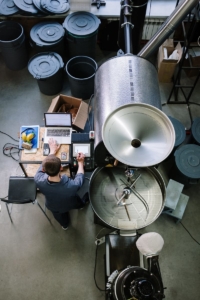
Equipment and Technology
We consider equipment and technology to be the critical building blocks for the establishment of a beverage manufacturing business in Nigeria. Here’s a comprehensive overview:
Overview of the Equipment and Technology Required for Beverage Manufacturing
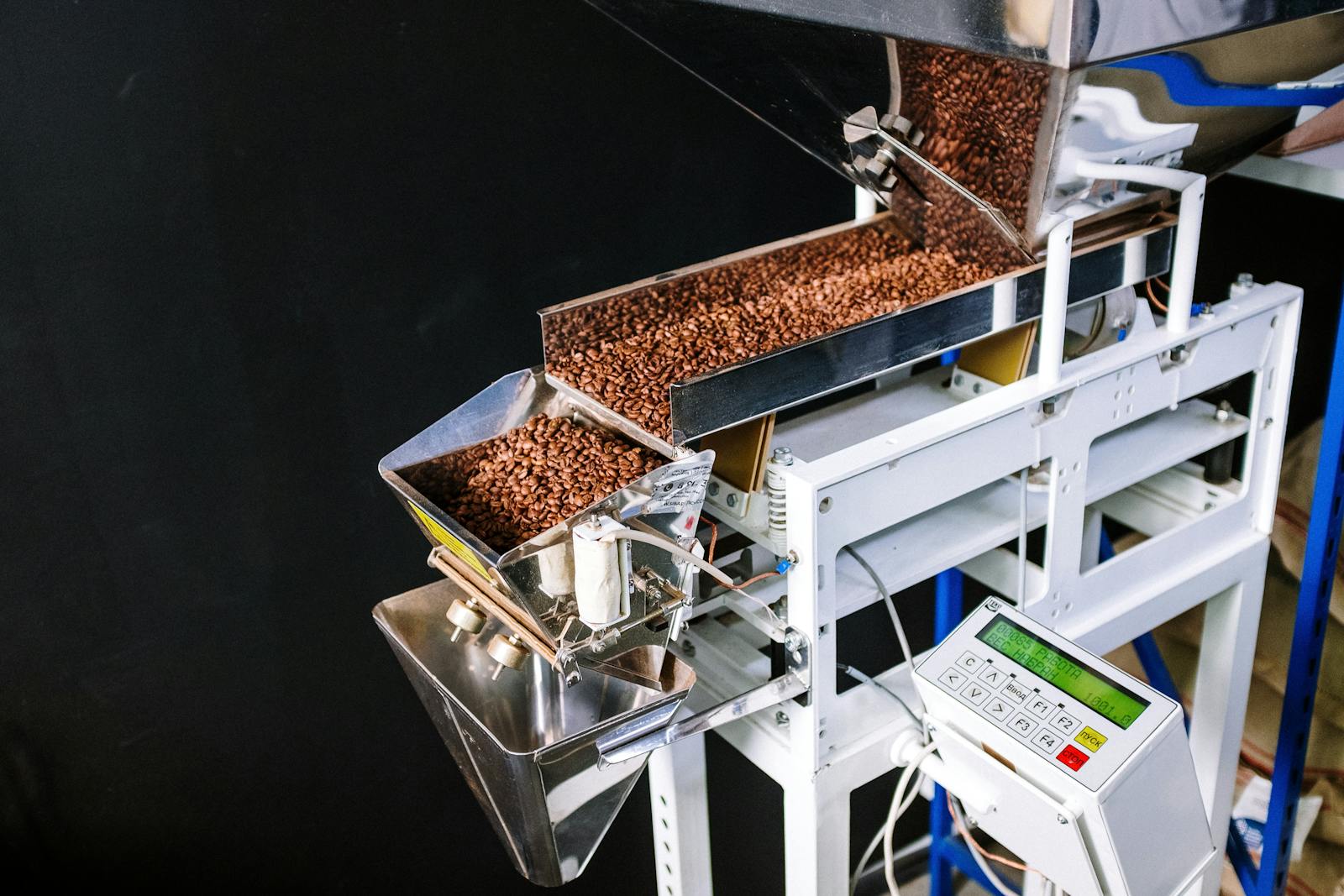
Beverage production takes advantage of a lot of equipment, which is used for different stages like mixing, processing, bottling, labeling, and packaging. For example, some of the essential equipment is as follows:
– Mixing Tanks: For mixing ingredients such as water, sugar, and flavoring.
– Pasteurizers: Heat treatment of beverages for their safety and shelf life.
– Filling Machines: To bottle products more accurately, thereby reducing losses.
– Labeling Machines: For dispensing labels to various products efficiently and accurately.
– Conveyor Systems: Transformation in a production flow through a stream to different stages.
Modern plants also embrace the digital aspect by automating the systems to enhance the efficiency of operations and the consistency of the product.
Analysis of the various equipment and technology available
Equipment selection mainly depends on the type of product, volume of production, and budget. The major areas of consideration are:
Manual equipment:
These help small-scale producers or those on budgets to minimize spending.
With flexibility in production operations, it requires more work by personnel.
Semi-automated types of equipment:
– Uses both man and machine and is very ideal in getting efficiency-also saves cost.
– Suitable for medium-sized beverage companies that intend to grow their operations.
Fully Automated Systems:
– Products that rely on robots, artificial intelligence tools, and all the rest advance massively nowadays and produce products without the much-needed human touch.
– Less operational errors to production, more efficiency, and finally, uniformity in output for large-scale production.
Customized Equipment:
– Such types of equipment are manufactured to serve a niche beverage, for instance, carbonation for soda or homogenizers for milk drinks.
Importance of Suitable Equipment and Technologies for the Plant.
Choosing the right equipment and technology practically speaks to efficiencies in production, product quality, and consequently operations costs. Here is why this is important:
– Efficiency and Speed: Modern machinery reduces production time with a constant flow of finished goods for demand in the market.
– Cost of Ownership: Long-term maintenance and downtime costs are mitigated since the investment is made upfront in reliable equipment.
– Quality of the Product: With technology, a final product is ensured to conform to the expectations of consumers by means of consistency.
– The scalable nature of Equipment: Flexible equipment makes it possible to increase production in line with demand.
– Regulatory Compliance: Using the right equipment improves adherence to food safety and hygiene standards as laid down in Nigeria.
Raw Materials and Supply Chain Management
We have emphasized the sheer importance of raw materials and supply chain efficiency in establishing and developing a beer-making business in Nigeria; thus, the outline looks in terms of important considerations:
Overview of Raw Materials Required for Beverage Manufacturing
High-quality raw materials are required in beverage manufacturing for the production of products that meet both consumers’ preferences and industrial standards. They usually include the following base raw materials:
– Water: The most important ingredient in most beverages, requiring purification treatment and safety.
– Sugar and Sweeteners: For taste – refined sugar, high-fructose corn syrup, or any of the naturally occurring sweeteners like stevia.
– Flavorings and Additives: Natural or artificial flavors and preservatives and colorants to enhance taste, shelf life, and appearance.
– Carbon Dioxide (CO2): For carbonated beverages like soda and sparkling water.
– Fruits and Juices: Fresh or processed ingredients for juice-based drinks.
– Packaging Materials: Including bottles, cans, caps, and labels.
Analysis of Different Types of Raw Materials and Their Sources
The decision of where to source a raw material is influenced by cost, quality, and reliability. Below is an analysis of standard sources:
Local Suppliers:
This is cheaper and stimulates the local economy.
Ideal for fresh produce items, for example, fruits for juice manufacturing.
Importation:
These are materials more specialized and cannot be easily found in Nigeria.
Involves the custom clearance-related delay.
From Farm or Producer Directly:
This will guarantee a consistent supply of such materials as sugarcane or fruit. Furthermore, there would be the aspect of traceability and ensure quality.
Bulk Ingredient Suppliers:
Provides cost benefits to non-perishables such as flavoring and sweetening agents.
The good things about strong bonds with suppliers are that they would ensure quality within the borders of that country and continue supplying.
Importance of Supply Chain Management and Logistics:
The importance of supply chain management is minimizing downtime. It is a chain that ensures the supply of raw materials to guarantee that there is never a stop in production.
Cost Optimization: Efficiency in Logistics reduces costs related to transportation and storage.
Quality Assurance: Proper handling and sourcing of raw materials ensure that the integrity of raw materials will be guaranteed in high institutional products.
Regulatory Compliance: This is an effective channel management one will use to make sure that all raw materials meet Nigerian food safety standards.
Sustainability: This is the promise that green sourcing and green logistics will cut an organization’s footprint in the environment.
Operations and Maintenance
We know well that seamless operations and effective maintenance are fundamental to very successful beverage manufacturing. Here are all the essential aspects laid out in detail:
Overview of Operations and Maintenance in a Beverage Plant
Beverage plant operations are daily activities in production and packaging that transform beverages into great guns. Maintenance is defined as either the upkeep or repair of equipment that allows production to run uninterrupted. These concerns are critical in bringing about high output in quality but minimizing downtimes and complying with standards in the industry.
Types of Operational and Maintenance Activities in Analysis
Production Operations:
– Ingredient Preparation: Includes water treatment, mixing, and blending raw materials to achieve the desired formulation.
– Filling and Packaging: Automated machinery in bottling, sealing, and labeling.
– Quality Checks: Routine inspection for confirmation that the product meets the required standards.
Maintenance Activities:
– Preventive Maintenance: Scheduling an inspection and service of equipment to prevent its breakdowns.
– Corrective Maintenance: Repairing or replacing defective parts after the failure of equipment.
– Predictive Maintenance: Employing technology, such as sensors, to predict failures before occurring.
– Cleaning and Sanitation: Routine activities such as cleaning machinery and facilities to keep hygiene and maintain food safety.
Safety Procedures:
– Monitoring machinery for hazards and providing protective equipment to staff and conducting safety drills regularly.
Importance of Ensuring Safe and Efficient Operations
– Consistency of Product: Since operations well maintained are not prone to contamination, all beverages are expected to taste the same by customers.
– Improved productivity: Efficient operations minimize downtime and maximize output, therefore allowing businesses to meet up with market demand.
– Savings: Predictive and preventive maintenance saves costs on very expensive emergency repairs and equipment replacement costs.
– Regulatory compliance: Proper operations and maintenance will also guarantee compliance with both Nigerian and international standards for the safety and production of food.
– Worker safety: Good safety measures protect workers from accidents and provide a safe working environment.
– Sustainability: Efficiency will help minimize waste and optimization of resource utilization for manufacturing that is eco-friendly.
Quality Control and Assurance
It is understood that the delivery of quality beverages leads to establishing trust with clients and sustains business continuity. Here’s how quality control and assurance play an important role in beverage industries:
Overview of Quality Control and Assurance in Beverage Manufacturing
Quality control defines the different operational techniques or activities that are used to meet quality requirements. The production of a product is followed up by tests performed regularly to determine if the product meets the required standards, whereas quality assurance aims to build systems and processes intended to prevent defects yet maintain the quality of product over time. These two-pronged practices ensure that the consumers are provided with safe and reliable high-quality beverages.
Analysis of the Different Types of Quality Control Measures
Testing of Raw Material:
– Ensure that all the raw materials, such as water, sugar, and flavoring, are by the specified quality requirements before usage.
– Testing for purity, contamination, and harmonization with established regulatory standards.
In-Process Quality Control:
– Monitoring of actions during the entire production process, e.g. mixing, filling, and packaging, to see if everything goes right.
– Use of such devices as pH meters, spectrometers, and viscosity analyzers in controlling product consistency.
Testing of Finished Product:
– Sensory evaluation, microbiological tests, and shelf-life studies done on the final product to check for safety plus quality.
Inspections on Packaging and Labeling:
– verifying that packaging is sealed and that labels are compliant with Nigerian regulations, including providing nutritional information and mentioning the expiration data on the labels.
Standard Operating Procedures (SOPs)-
– to develop and implement SOPs all through the production processes to minimize human error and maintain uniformity.
Perform regular audits and checks for compliance.
– Conducting internal and external audits to ensure that the plant complies with general Nigerian and international food safety standards.
Importance of Ensuring High-Quality Beverage Products:
– Consumer Trust: Keeping a steady high quality establishes brand loyalty with consumers who will consistently purchase more.
– Compliance with regulations: Quality standards would help a beverage producer not get penalized and keep running smoothly in terms of the law of Nigeria.
– Market Competitiveness: Quality brings a difference to your brand, positioning it well into the crowded market and charging you a premium price.
– Less waste: Quality problems are quickly identified and resolved before generating larger quantities of production waste and operational inefficiencies.
– Safety assurance: Safety compellingly ensures that beverages are safe for consumption, protecting public health and preventing recalls.
Packaging and Labeling
It is the reality that packaging and labeling are key parts of defining a brand, protecting the brand’s products, and ensuring compliance with government regulatory requirements in the Nigerian beverage industry. These are:
Overview of Packaging and Labeling Requirements Applicable to Beverages in Nigeria
Packaging and labeling for beverages in Nigeria must comply with the stringent requirements of NAFDAC (National Agency for Food and Drug Administration and Control). Thus, packaging acts as a barrier from contaminants to the product and preserves the consumption date, while labeling encompasses all the ingredients, nutritional values, expiration dates, and health warnings. All of these ensure that consumer safety, appeal, and legality are in order.
Analysis of the Different Models of Packaging Materials and Labeling Options
Packaging Materials:
– Glass Bottles: These are stout and indeed reusable, which it is an ideal packaging for carbonated drinks, juices, and alcoholic drinks.
– Plastic Bottles (PET): Very lightweight, economical, and commonly found in water, soft drink bottles, and energizers.
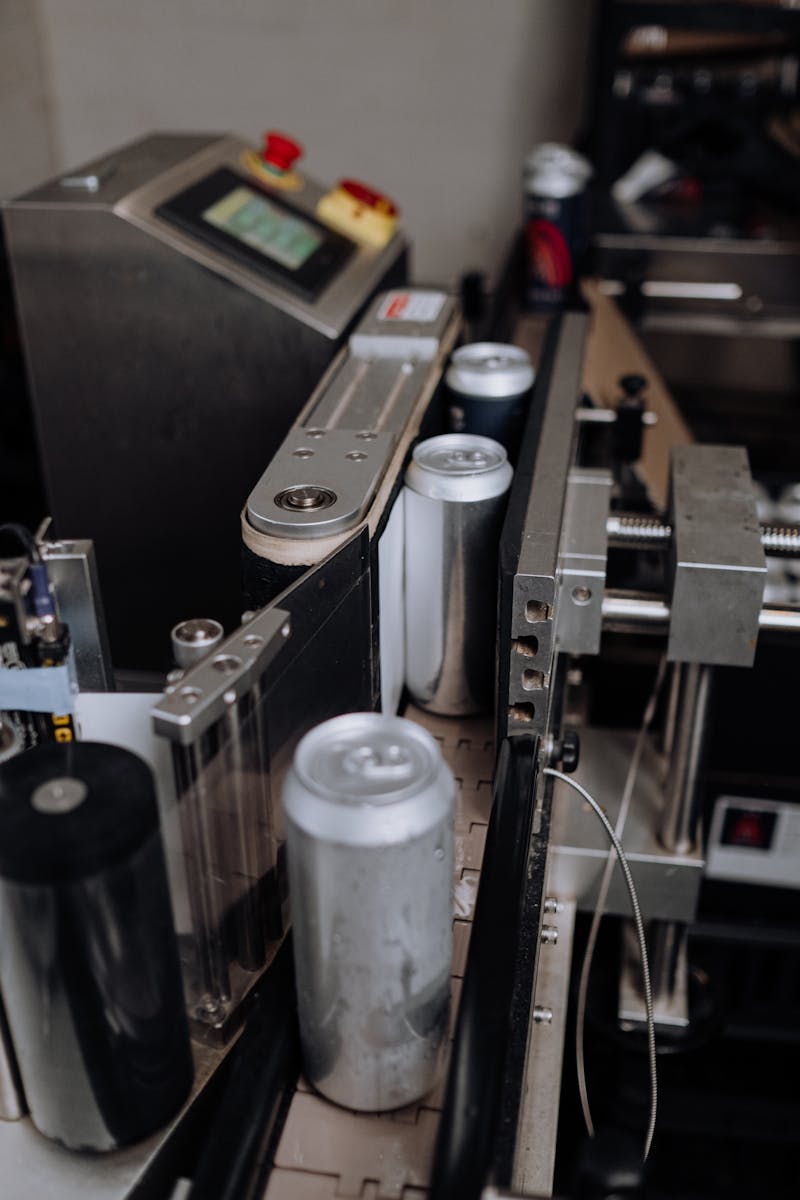
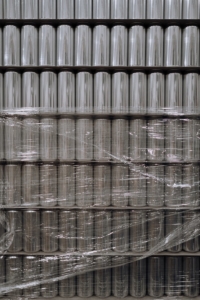
– Cans: The conventional application of these types of packages is associated with carbonated beverages and includes an airtight cover for freshness preservation during long shelf life.
– Cartons and Tetra-paks: It provide ready-to-drink convenience and sustainability for non-carbonated beverages like milk, smoothies, and fruit juices.
– Flexible Pouches: Available in cost-effective and travel-friendly packaging, it has recently gained ground popularity for using juices and flavored water.
Options for Labeling:
– Adhesive labeling is the traditional and customizable kind of labeling that could be used on glass, plastic, and other packaging material.
– Shrink sleeves provide complete 3600 branding with tamper-evident sealing for bottles and cans.
– Direct printing is a permanent labeling technique mostly on glass and cans.
– Embossing: This is a premium product option, generally found on the glass itself.
Importance of Regulatory Requirement Compliance
– Consumer Safety: It can guarantee accurate and relevant information regarding product safety, including allergen warnings and storage instructions.
– Regulatory compliance will avoid penalties or bans of products due to any infringement of Nigerian labeling laws, including NAFDAC registration and approval.
– Brand Credibility: Proper labeling gives trust and provides consumers with the full story about ingredients, nutrition, and the manufacturing process.
– Market Competitiveness: It is vibrant, attractive, compliant packaging and labeling that will pull more people into it on the shelf.
– Environmental Responsibility: Sustainable solutions are while riding with the world trend towards eco-friendly consumers.
Marketing and Sales
Marketing and Sales here are very critical for any manufacturing enterprise in Nigeria; without them, it would probably fail. Here is how to work these important areas:
Overview of Marketing and Sales Strategies for Beverages in Nigeria
Marketing and sales strategies for beverages in Nigeria should consider the diversity of their use, regions, and consumers, as well as the market position. Some of the major strategies are as follows:
– Brand Positioning: Define your beverage to create an identity distinct from all others for your brand.
– Promotional Campaigns: Use sales promotions such as discounts, giveaways, and sampling events to draw customers.
– Digital Marketing: The media like social networks, emails, and search engines will be exploited for a more extensive outreach.
– Partnership and Sponsorships: Teaming with events, influencers, and other brands will only increase visibility.
Analysis of the Different Types of Marketing Channels
Traditional Media:
– Television and Radio: They are effective for reaching a larger audience and maximizing brand awareness.
– Billboards: These are located in strategic high-traffic locations to ensure maximum visibility.
– Print Media: Newspapers and magazines can be used to address certain demographics.
Online Platforms:
– Social Media (e.g., Instagram, Facebook, TikTok): Ideal for encouraging direct interactions between consumers and the brand in a creative way through advertisements and content.
– E-commerce and online marketplaces: Provide the customer with the opportunity to buy consumption of beverages through the internet.
– Influencer Marketing: Create authentic endorsements of your product by using trusted voices.
In-store Marketing:
– Point-of-Sale Displays: Attractive sales displays in retail outlets that encourage impulse buys.
– Promotions and discounts: Bundle discounts or seasonal offers to increase sales.
Direct-to-Consumer (DTC):
– Door-to-Door Sales The best suited for rural areas with a scarce number of stores.
– Subscription Models: Allow customers to be delivered beverages whenever they want right at their doorsteps.
Importance of Building Relationships with Customers and Suppliers
-Customer Trust-: “A strong bond develops into trust and loyalty, which all lead to continuance and word-of-mouth referrals.”
-Better Insights: Customers who come back actively provide good intelligence for improvements that can be made to products and services.
-Consistent Material Supply: Their efficacy enhances the entire supply chain process.
-The Joined Effect: The relationship between the two brands not only widens the market reach but also improves operational efficiency.
-Linking Communities: With improved reputation, engagement through CSR also consummates with local communities.
Financial Management and Funding
Indeed, financial management forms the backbone of beverage manufacturing in Nigeria. A strategic approach to fund management and adequate financing could make all the difference in sustaining and growing your business.
Overview of Financial Management and Funding Options for Beverage Manufacturing Businesses
Financial management in beverage manufacturing deals with budgeting, monitoring income and expenses, forecasting revenue, and investment planning. Effective financial management ensures:
– Optimal resource allocation to operations, marketing, and expansion;
– Sufficient cash flow to manage ongoing activities and unexpected contingencies; and
– Solid financial reporting for decision-making and ability to attract investors.
Funding sources available to beverage manufacturing businesses include loans, equity investment, grants, and crowdfunding. The selection of the most appropriate funding source mainly depends on your business model, growth stage, and long-term objectives.
Analysis of All Types of Funding Sources Available
Debt Financing:
– Bank Loans: The bank provides loan-with repayment schedules different from that of other businesses. It may have to be secured.
– Microfinance Institutions: Appropriate for a manufacturer in the micro segment looking for small and flexible loans.
Equity Financing:
– Angel Investors: They are high-net-worth individuals willing to invest capital on in exchange for ownership stakes.
– Venture Capitalists: Invest in businesses that have high growth potential in exchange for equity.
Government Support and Grant Schemes:
– Development grants: Soft loans and grants are available from organizations such as the Bank of Industry (BOI) and Sthe mall and Medium Enterprises Development Agency of Nigeria (SMEDAN).
– Incentives: There are government schemes specifically designed to promote the manufacturing sector, such as tax reliefs or subsidies.
Crowdfunding: – Using platforms such as Kickstarter and GoFundMe, businesses can still raise public funds through reward or equity.
– Bootstrapping: Self-funding the funds will come from either your own personal savings or reinvestment of profits back into the business to keep operations completely under control.
– Trade credits: Creating supplier-supplier relationships that have credit terms for materials would give time to ease the immediate financial burden.
Self-financing by personal savings or reinvesting profits back into the business in order to retain full control over activities.
Trade Credit: A supplier would furnish you with materials by credit terms to relieve immediate financial pressures.
Importance of Ensuring Financial Sustainability and Viability
Long-term stability: Sound financial planning ensures that the business can handle market fluctuations and operational difficulties.
– Growth and growth potential: Viable finances would mean that the company has the opportunity to dedicate resources towards new technologies, markets, and products.
– Investor confidence: Good financial management confidence achieved relating to investors would make the funding opportunities grow.
– Regulatory compliance: Good financial supervision could avoid legal issues through tax and report requirements fulfilled.
– Operational Efficiency: Monitoring expenses and revenue keeps operations running to facilitate efficient resource utilization and reduce wastage.
Beverage Industry and Regulation Guidelines in Nigeria
we know that it is important today to operate under set standards to meet standards in setting up and operating a beer, wine, and spirits business in Nigeria. This paper conveys the message that regulatory compliance is not only for legal operation but also for consumer protection and the quality of products. Below are the key guidelines and regulations that every beverage manufacturer must adhere to in Nigeria:
Regulatory Authorities in the Beverage Industry
The following regulatory agencies regulate the Nigerian beverage industry in other to ensure that products are safe for human consumption, appropriately labeled, manufactured,and produced in a healthy environment. Some of the primary authorities include:
– National Agency for Food and Drug Administration and Control (NAFDAC):
NAFDAC is the one agency that dominates the Nigerian regulatory landscape of food and beverage industries with specific emphasis on the safety, quality, and labels of food and beverage products. Any manufacturer of beverages must first of take his products to NAFDAC for validation of compliance with various food standards before they can be sold in the Nigerian market.
– Standards Organization of Nigeria (SON):
SON follows and enforces national manufacturing and product standards such as beverages. This incorporates such areas as packaging as well as how products are packed in their folders, checking for work standard compliance as well as quality standards of the product among others.
– Federal Ministry of Health (FMH):
The FMH also has a function of controlling food safety and overseeing that the producers adhere to the set heath on beverages in the country. This includes monitoring the use of learners and leach from beverages as well as determining the use of additives and preservatives in beverages.
– Environmental Protection Agency (EPA):
Manufacturing processes don’t pose a threat to the environment and this body is usually at the forefront of seeing to it that manufacturing processes are environmentally friendly. Often beverage producers face issues on the disposal of waste materials and have to be in compliance with the waste legislation.
Key Beverage Industry Regulations
Several rules and regulations govern the operations of the producers of beverages with a view of ensuring that consumers are provided with wholesome products besides exercising caution in the manner they conduct their business. These include:
– Product Registration with NAFDAC:
Another regulation is that the manufacturers of all beverage products are required to register their products with NAFDAC. This includes; Describing the ingredients used in the production of the product, how the product is made, and how it is packed. Products listed in the Nigerian market must be registered products only.
– Labeling Requirements:
The direction shall contain vital particulars like beverage name, contents, nutritional value, batch number, production and expiry date, and the NAFDAC registration number. Optional information includes stating allergy information, and warning, and any other health information as may be recommended by the law.
– Sanitary and Hygiene Standards:
Canning factories must first adhere to very high levels of hygiene since the products they produce are beverages. This encompasses checking on production facilities frequently, proper storage of the raw materials, and ensuring that the production area is clean to avoid contamination of products.
– Food Additives and Preservatives:
The use of food additives and preservatives in beverage production is well controlled by the law. Additives used in the production should be NAFDAC-approved and should not be used in quantities beyond the recommended levels of health risks.
– Environmental Compliance:
Manufacturers are also bound by environmental standards on disposal of wastes, use of water, and emissions. This is a means of making sure that some of the liquid waste and any other industrial produce wastes that are released in the environment are well processed.
– Health and Safety Regulations:
Manufacturers are required to observe the codes of occupational health and safety to safeguard the lives of employees. This is in the areas of ensuring safe equipment usage, training employees, and making PPEs available to them.
The importance of compliance with regulations has its reasons:
– Confidence of Consumer: Regulatory compliance will create confidence among consumers regarding the beverages they are buying as safe and of high quality, thus increasing brand loyalty and market share.
– Legal Shield: Operation in the legal boundary protects the manufacturer from possible legal troubles such as fines or penalties, and prevents the product from being seized or the business from suspension due to a breach of regulations.
– Market Access: Proper certification given by regulatory bodies such as NAFDAC and SON opens the floodgates to both local and international markets since people’s acceptance of the product by consumers and distributors is guaranteed.
– Sustainable Development: Compliance with environmental and health standards ensures sustainable development for a company and prevents damaging the environment through harmful practices or public health problems.
– Corporate Image: A positive track record of compliance stands to improve a firm’s reputation in the market, hence enlisting partnerships and attracting investment and expansion opportunities.
Financial Advisor Consultants in Beverage Manufacturing
Also essential in a beverage manufacturing company is a financial advisor or consultant who helps the company determine its financial priorities. With their skills, they help businesses adopt proper financial decisions, financial management, and correct operational strategies for profitability in the future. Here’s a simplified breakdown of their role:
Business Planning and Strategy
Strategies on how to increase sales and sustainable money-making plans are usually advised by financial advisors to the beverage company.
Budgeting and Cash Flow Management:
They help in developing a spending plan and control of funds available for the company and its need to fund its operations and its expansion.
Funding and Investment Advice:
Specialists help beverage producers in how to finance their programs through loans investors or grants. They also assist in determining the suitability of various sources of finance for business development.
Financial Reporting and Analysis:
Accountants offer weekly reports and offer an evaluation of the firm’s economic well-being, which is used by the owners to make some of the crucial decisions such as on operations, expenses, or investments.
Cost Control and Profitability:
They assist in pinpointing occasions where it can cut its expenses and enhance its revenues, enhancing the general performance.
Risk Management:
Consultants help define existing and potential financial threats and recommend how the business can be organised to cope with them, be these the effects of an economic crisis or other unfavorable circumstances.
In other words, a financial advisor makes sure that the beverage manufacturing business is sufficiently funded, follows all appropriate laws and rules, and makes successful decisions.
The problems and prospects of the beverage manufacturing industry in Nigeria
Challenges:
Regulatory Compliance:
The laws and rules guiding the production of these beverages are still tight in Nigeria; thus, it becomes quite hard for manufacturers. The failure to conform to legal nutritional labeling, sanitation or environmental impact laws and regulations hampers production and may cause product delay.
Supply Chain Issues:
Some of the problems that beverage producers experience include the availability of water, sugar, and most of the perusing substances used today as ingredients that pass through some fluctuating global prices or limited local supply. Running a smooth supply chain in a country that possesses logarithmic complexities results in high costs.
Competition:
The Nigerian Beverage industry can be revealed to be highly concentrated with both local as well as global companies making their products visible to the consumers. New entrants particularly may lack strategies on how to operationalize and make a competitive market exit.
High Production Costs:
Beverage manufacturing is capital-intensive in terms of equipment, building, and raw materials. Fixed costs such as heating, lighting, and wages require some appreciable amount of capital to be invested in, and variable costs such as transportation might overwhelm new organizations simply seeking to attain break even in the initial years of operation.
Fluctuating Consumer Preferences:
Consumers’ preferences as to specific beverages can change quickly where certain trends dominate, a change of consciousness, or where social media plays a major role. Business owners in this sector, therefore, have the obligation of keeping track with such trends to be relevant and meet market needs.
Opportunities:
Growing Demand for Beverages:
As we can see Nigerian population is growing and the consumers’ disposable income is also on the rise, the consumption of both alcoholic and non-alcoholic beverages is also on the rise. This has a great future for the beverage manufacturing industries as it opens window of high Growth.
Health-Conscious Products:
With most people gaining awareness regarding their health, healthier products such as fruit juices, low sugar products and functional beverages are highly demanded. To address this market, manufacturers can venture into production of good that will enhance consumer’s liked preference.
Local Sourcing:
The availability of agricultural raw materials that are presently highly imported offer the Nigeria beverage industry a great opportunity to source locally and subsequently perhaps cut down on imported inputs.
Innovation in Packaging:
These other new types of packaging which assist in convenience, sustainability and shelf life are areas of opportunity for the manufacturers to set their commodity apart. Biodegradable packing material as a special product type is on the rise regarding customer acceptance.
Export Potential:
The improvement in marketing and distribution channels is some ways shows that Nigerian beverage manufacturers can effectively export their products to other African countries as well as the international markets. There is under-brewery in the African region thus making it a market that needs to be exploited by the Nigerian beverages.
In conclusion, it can be stated that, despite the problems of the Nigerian beverage manufacturing industry, the opportunities for development, novation of portfolio and market expansion are evident. It is these challenges that can be managed well to allow the entrepreneur successfully create the long-term environment that will help him/her to do well.
Frequently Asked Questions (FAQs)
What legal formalities do I need to fulfill to establish a business of manufacturing beverages in Nigeria?
In Nigeria, there are various requirements that you are required to fulfill when intending to engage in the production of beverages, and they are; The Food and Safety certification from NAFDAC, Environmental permits, and Business registration from the Corporate Affairs Commission (CAC).
What are the key raw materials needed for beverage production in Nigeria?
The basic inputs in the production of i-beverages are water, sugar, flavours, preservative, and the containers that the products are to be packed in. In some types of drinks, other ingredients such as fruits, herbs and carbonation may be needed for the processing of the drink.
where can I get finance to start my beverage manufacturing business?
The sources you can use to obtain funding for your beverage manufacturing business include the bank loans, government grants, angel investors, Venture Capitals and crowdfunding among others. The business idea needs to be well described and the financial feasibility of the business be as well described to attract investors.
What are the common challenges in the Nigerian beverage manufacturing industry?
The most typical issues are as follows: compliance with the requirements of legislation, relatively high costs of manufacturing, disruptions of the supply chain, competitive pressure, and changes in customers’ preferences. These are some of the hurdles that anybody in the market should prepare to meet if he/she is to be successful.
But how do I guarantee quality for my beverage products?
For effective quality control, and testing of products you should incorporate the following measures which include testing the raw materials, systematic testing during production and compliance to the food hygiene standards provided by NAFDAC. Standardization of operation procedures while manufacturing and packing is therefore important in order to retain the quality of the products.
These FAQs seeking to address some of the basic factors that any food production firm would need to have in mind before it embarked on operation of a beverage manufacturing firm in Nigeria.
Key Takeaways for Starting a Beverage Manufacturing Business in Nigeria:
Understand the Market: It cannot be overemphasized that proper market study is required in order to know the potential, competitors, and consumers in the Nigerian beverage market.
Secure Proper Licensing: All legal activities require procurement of the appropriate permits and meeting legal regulatory needs such as NAFDAC and environmental clearances.
Develop a Solid Business Plan: The legal business strategy plan and feasibility give an insight into the practicality, technological applications, and necessary budgets in the business.
Focus on Quality Control: Using very efficient quality assurance mechanisms and also maintaining safety compliance make your brand distinct.
Effective Supply Chain Management: Procuring and supply chain management of raw materials will eliminate the causes of congestion and minimize expenses.
Plan for Financial Sustainability: Look for financial sources in as many ways as possible and make sure that your business is financially healthy so as to continue being financially sustainable in the future.
Final Recommendations
It is a good business to engage in Nigeria and the prospects of the business are good if the following essentials have been taken into consideration: Make sure you research your target market significantly, obtain all the permits you may need, and develop a great financial plan. Efficiency, good order, and supply chain management, and good customer relations must be given top priority.
But as it has been seen, this is an emerging market and a lot can happen for the business if the right approach and effort are put in the right spirit.
Conclusion
When undertaking business in Nigeria specifically a beverage manufacturing business there are a few very important factors that need to be taken into consideration, they include; One needs to choose the right location, construct a flawless plant design, and acquire certain key raw materials from a source that can ensure a secure source.
Further, modulating quality standards, appropriate marketing mix, and raising sufficient capital are some major concerns for future sustainability.
By targeting these areas, any beverage business is placed in the right course toward growth in a competitive and volatile environment.
Call to Action
If you are ready to start your beverage manufacturing business in Nigeria, continue to read this post.
Contact us today to learn how our industry-experienced professionals can help you with everything from market research to licensing, to getting your plant up and running.
Let us assist you convert your dream into a profitable and sustainable enterprise.
For more information on how to kick-start your entrepreneurial expedition, contact us at Matthew Ogagavworia & Co


 Introduction
 Types of Beverage
 Beverage Products


 Key Takeaways for Starting a Beverage Manufacturing Business in Nigeria:








There are no comments